Hotel Sonnenburg
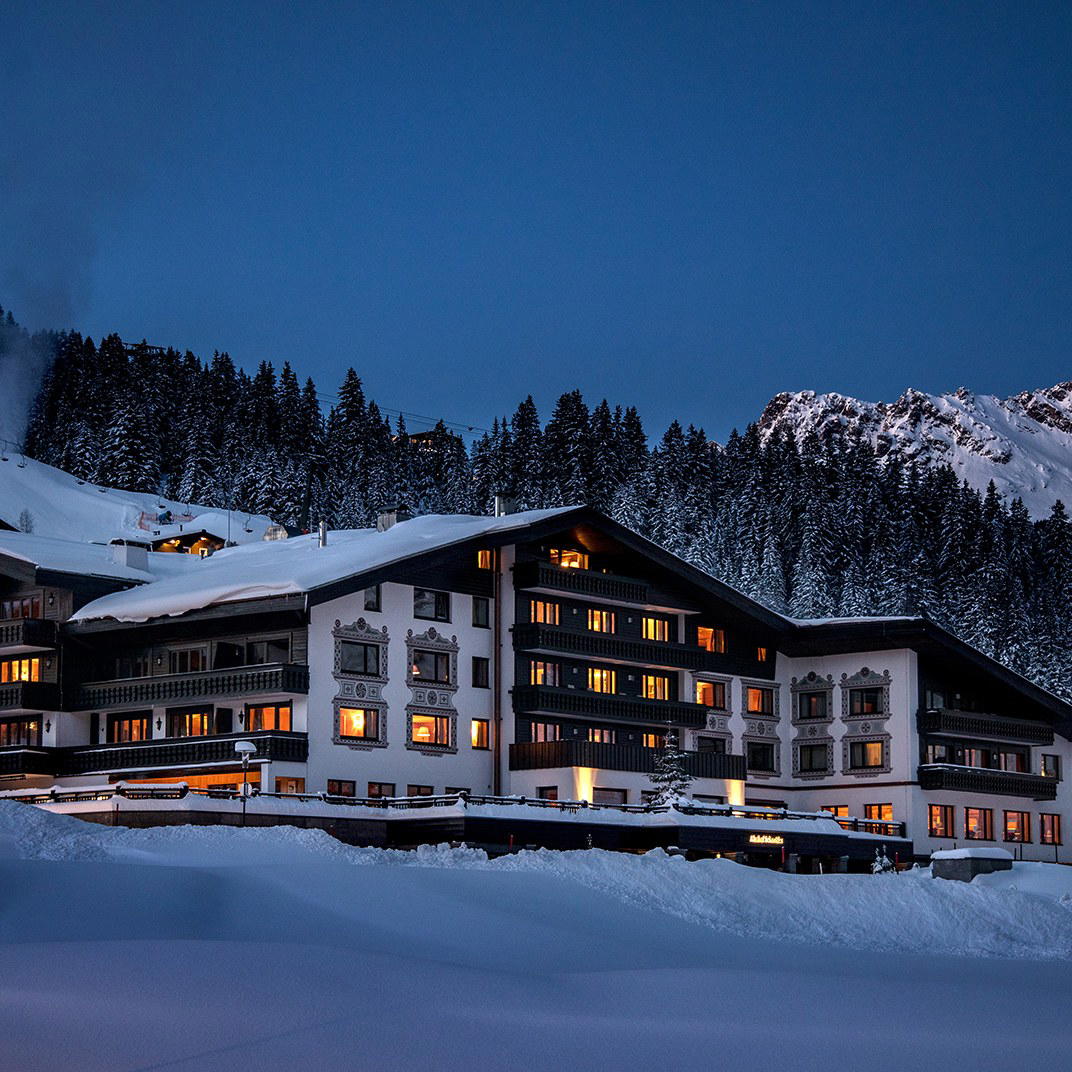
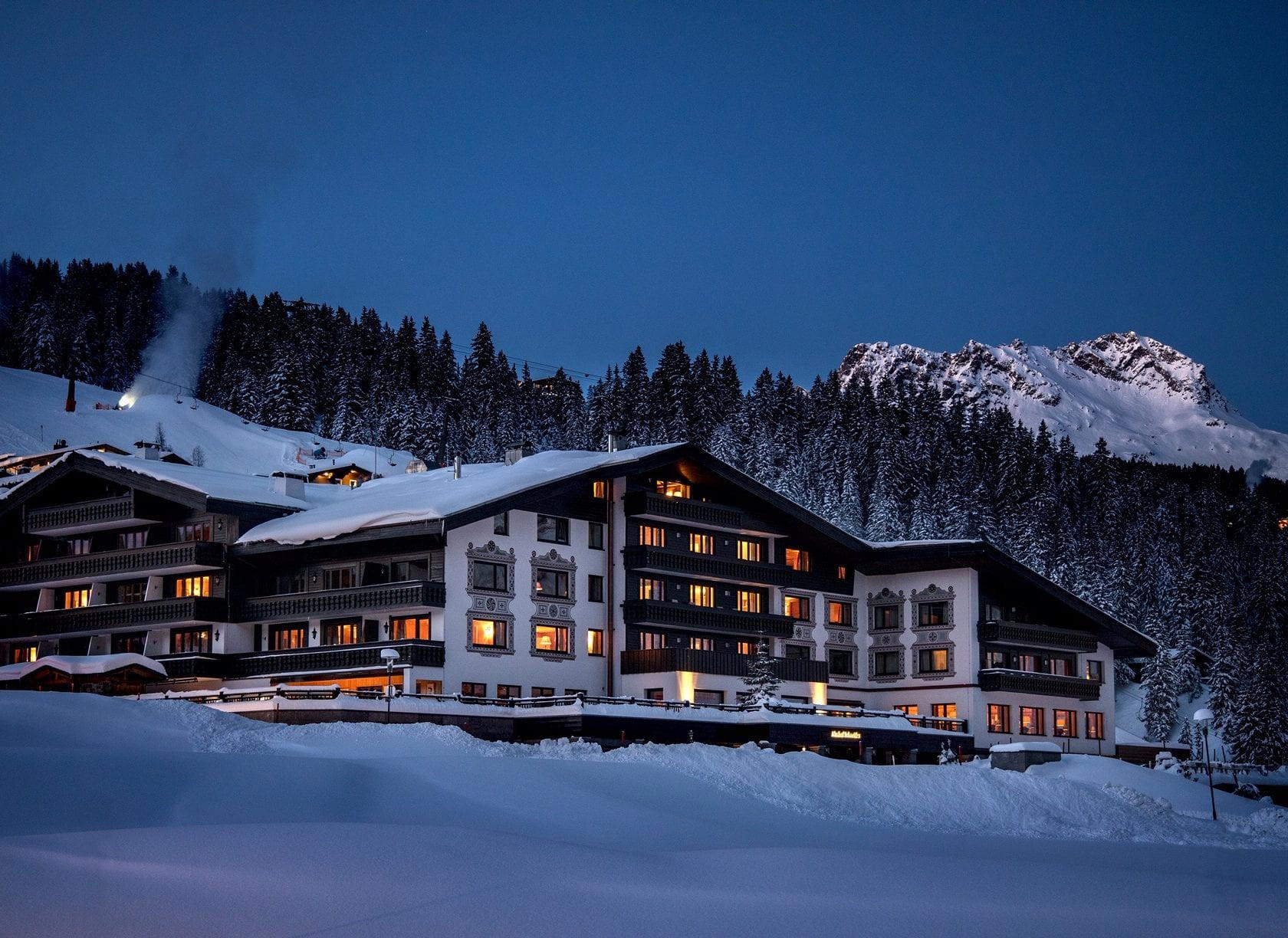
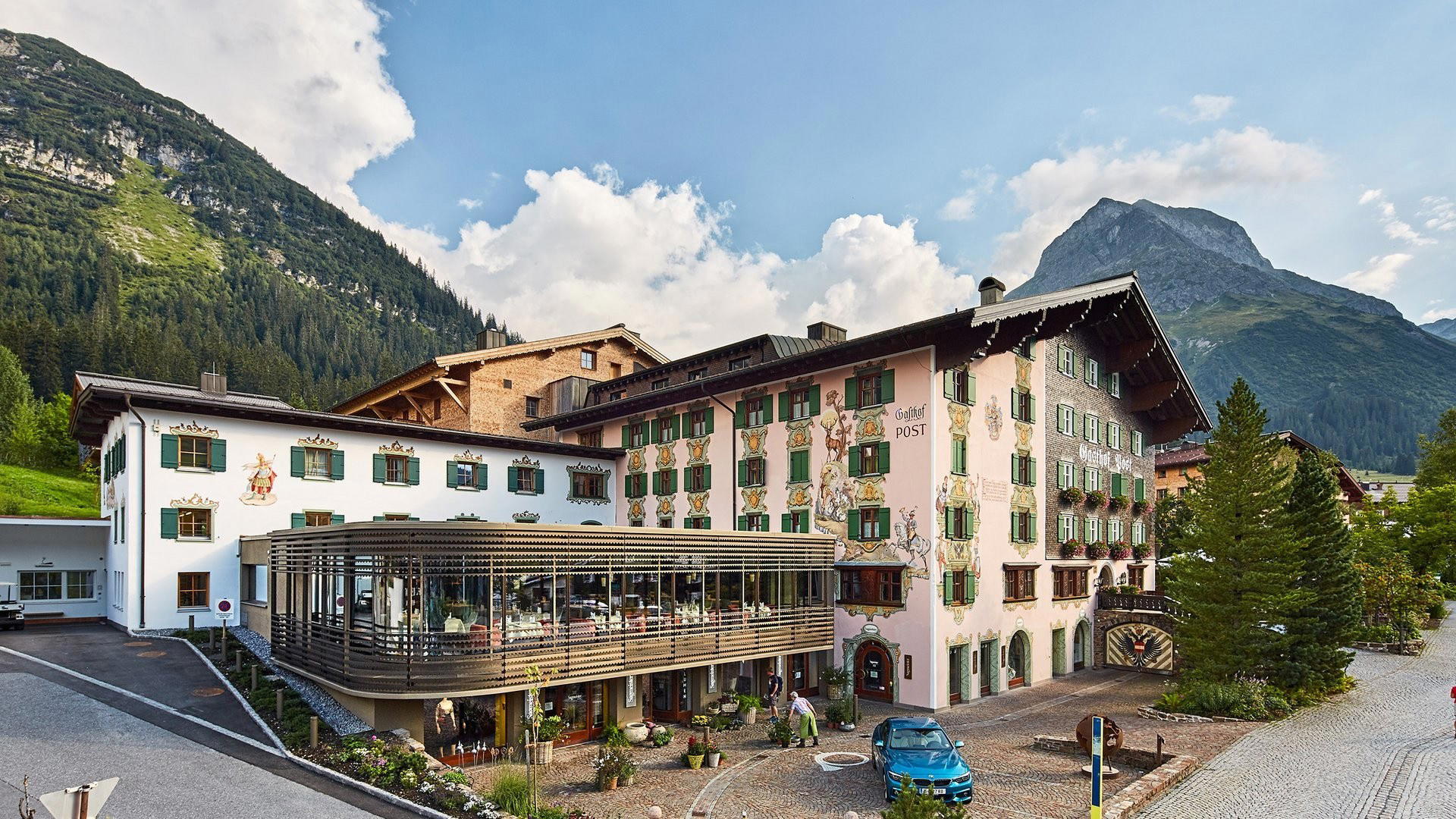
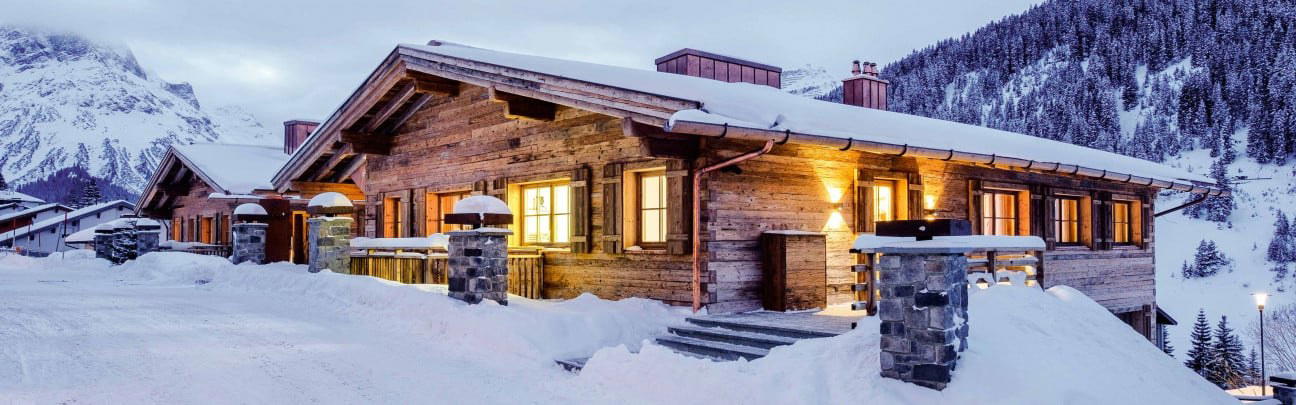
Hotel Sonnenburg occupies the car-free upper village of Oberlech, placing it within one of the Arlberg's most concentrated pockets of alpine hospitality. The property sits alongside Lech's broader dining circuit, where Austrian mountain cooking and contemporary European technique coexist across a compact, high-altitude village. For guests seeking a base with access to serious dining, Oberlech's altitude and winter-only road restrictions shape the rhythm of every stay.
Pearl is the En Primeur Club membership app — saves, bookings, and concierge access live there. Same editors, same standards.
- Address
- Oberlech 55, 6764 Lech, Austria
- Phone
- +434355832147
- Website
- sonnenburg.at
- Directions
- Get directions
 Saves & bookings on Pearl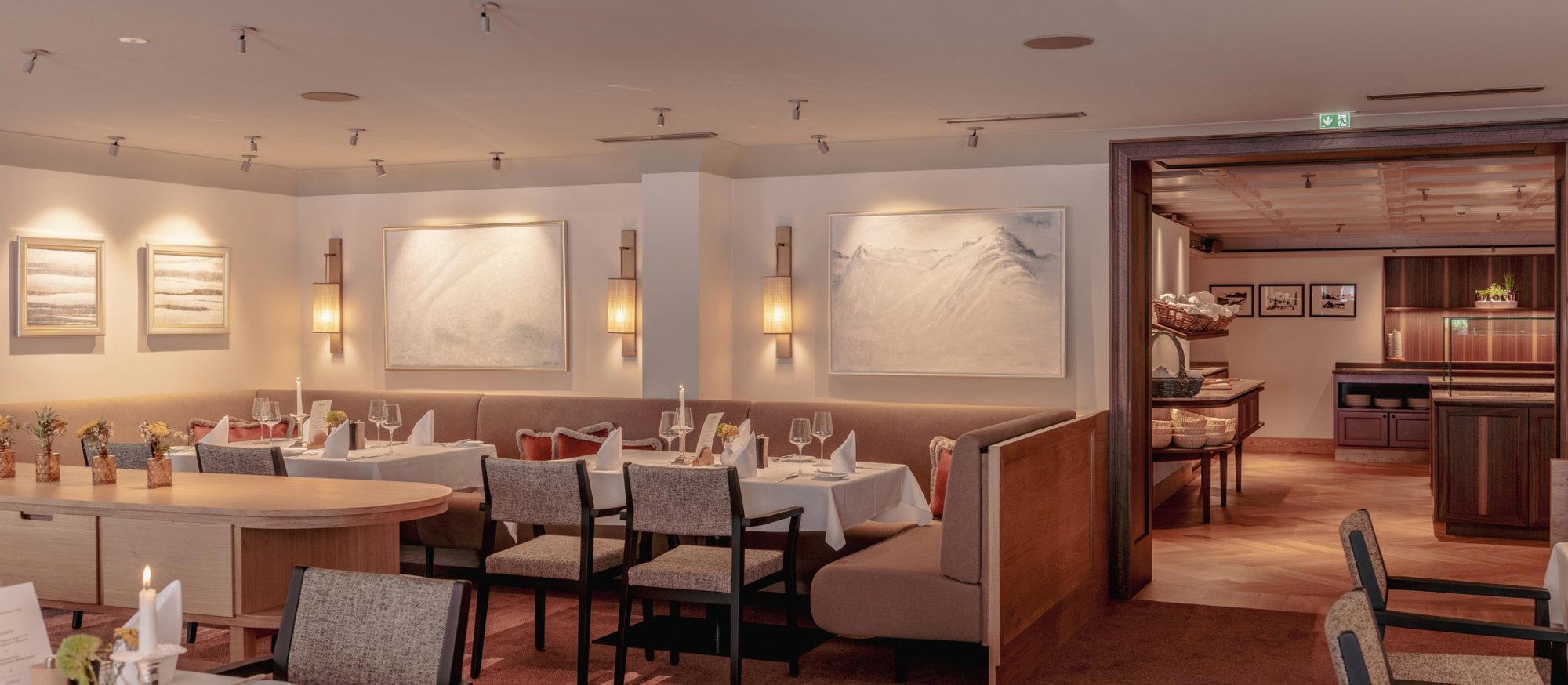
Oberlech and the Architecture of Austrian Alpine Hospitality
Arriving in Oberlech is, by design, an exercise in deliberate separation. The upper village sits above Lech proper, accessible in winter by gondola when the road closes to private vehicles, and that physical remove defines the character of every property there. Hotels in Oberlech do not compete on street presence or passing trade. They compete on the quality of what happens once guests are inside, which is why the cluster of houses along this high ridge has quietly become one of the more concentrated expressions of Austrian alpine hospitality in the Arlberg region.
Positioning in Oberlech carries its own implicit credential: the altitude, the car-free access, and the tight comparable set mean that properties here orient themselves toward guests who have already decided that Lech warrants a serious commitment of time and budget. That is a different guest from the one passing through Zürs or stopping overnight in Stuben, and the hospitality model in Oberlech reflects it.
Where Sonnenburg Sits in the Lech Dining Circuit
Lech's restaurant culture has developed in a way that is unusual for a village of its size. The concentration of serious kitchens within a few kilometres is more typical of a mid-sized European city than a ski resort, and the comparison holds up under scrutiny. Griggeler Stuba operates a modern cuisine program that draws guests from across the Arlberg. Rote Wand Chef's Table has built a format around intimate, high-specification dining that would read comfortably in a major city context. Aurelio anchors the contemporary end of the price spectrum. Die Ente von Zürs and Enzian Stube extend the circuit further into the valley. The broader picture is covered in our full Lech restaurants guide.
Within this context, a property's dining offer matters as much as its setting. Austrian alpine hotels have historically bundled meals into half-board or full-board arrangements, a format that predates the modern restaurant-hotel separation seen in urban luxury. That tradition persists in the Arlberg, where mountain logistics and short, intense seasons make it practical for both guest and house. A guest at Oberlech who wants to eat well without descending to the village every evening is making a reasonable logistical calculation, not a compromise.
The Cultural Roots of Vorarlberg Cooking
The Austrian alpine kitchen draws on a tradition shaped by altitude, short growing seasons, and the historical exchange between Germanic, Swiss, and broader Central European culinary cultures. Vorarlberg, the westernmost state of Austria and the province in which Lech sits, has its own regional inflections: dairy-heavy preparations, cured meats from mountain farms, and a proximity to Switzerland and Liechtenstein that has historically blurred the strict lines of national cuisine. The Käsespätzle of this region is not identical to its Bavarian counterpart; the fondue traditions here carry Swiss cross-border influence; and the treatment of freshwater fish reflects the nearby Rhine and Ill river systems.
At the level of serious alpine dining, these regional roots are not merely decorative. The better kitchens in the Arlberg engage with them as a substantive vocabulary, using local dairy, valley-grown produce where the short season permits, and mountain herbs that arrive in brief windows. The Austrian fine dining circuit nationally, represented by houses such as Steirereck im Stadtpark in Vienna, Döllerer in Golling an der Salzach, and Obauer in Werfen, has spent the past two decades demonstrating that Austrian ingredients can carry a European fine dining argument without deferring to French or Italian frameworks. That shift has filtered into the mountain resort context, where kitchens once happy to serve generically continental food now look back to regional identity as a differentiator.
Properties in the Arlberg sit within that wider Austrian movement. The Tyrol and Vorarlberg have their own parallel track: Gourmetrestaurant Tannenhof in Sankt Anton am Arlberg, a short drive from Lech, is one reference point for what serious mountain-context cooking looks like in this part of western Austria. Further afield, the model of the destination restaurant embedded in a hotel or inn, seen at Landhaus Bacher in Mautern an der Donau and Kräuterreich by Vitus Winkler in Sankt Veit im Pongau, confirms that Austrian alpine hospitality has long been comfortable combining accommodation and serious food under one roof.
The Oberlech Season and What It Means for Planning
Lech operates on an intense, compressed seasonal calendar. The winter season runs from late November through late April, and Oberlech's car-free status in winter means the gondola schedule effectively dictates the rhythm of the evening. Properties in the upper village work within these constraints as a given, not a limitation, and guests who understand the logistics in advance have a materially better experience than those who arrive expecting urban flexibility.
Booking in Oberlech during peak weeks, particularly over Christmas, New Year, and the February school holiday periods, requires lead time measured in months rather than weeks. The properties here operate at high occupancy during prime winter, and availability at quality houses closes early. The off-season, roughly May through November, sees most Oberlech properties closed entirely, which makes the winter window the only frame through which Sonnenburg operates in practical terms.
For guests travelling from further afield, the Arlberg circuit rewards combining Lech with broader Austrian culinary exploration. Ikarus in Salzburg, Schwarzer Adler in Hall in Tirol, Ois in Neufelden, and Restaurant 141 by Joachim Jaud in Mieming each represent distinct Austrian culinary arguments worth building a route around. For readers accustomed to destination dining at the level of Le Bernardin in New York City or Atomix in New York City, the Austrian alpine circuit offers a genuinely different register: rooted, seasonal, and tied to geography in ways that urban fine dining rarely is.
Planning a Stay at Hotel Sonnenburg
Hotel Sonnenburg is located at Oberlech 55, 6764 Lech, Austria. The property's position in the car-free upper village means access in winter is via the Oberlech gondola from Lech village.
Price Lens
Comparable venues nearby, for context on price, style, and recognition.
| Venue | Cuisine | Price | Awards | Notes |
|---|---|---|---|---|
| Hotel SonnenburgThis venue — the venue you are viewing | Not listed | $$$$ | Not listed | Not listed |
| Postblick | Lech, Modern Austrian Alpine Cuisine | $$$$ | Not listed | Not listed |
| Tannbergerhof | Lech am Arlberg, Traditional Austrian | $$$ | Not listed | Not listed |
| Goldener Berg Johannesstübli | Oberlech, Plant-based Alpine Gourmet | $$$$ | Not listed | Not listed |
| Restaurant Tannbergerhof | Not listed | $$$ | Not listed | Lech am Arlberg, Traditional Austrian Gourmet |
| Fux | Oberlech, Euro-Asian Fusion | $$$$ | Michelin Plate | Not listed |
Continue exploring
More in Lech am Arlberg
Restaurants in Lech am Arlberg
Browse all →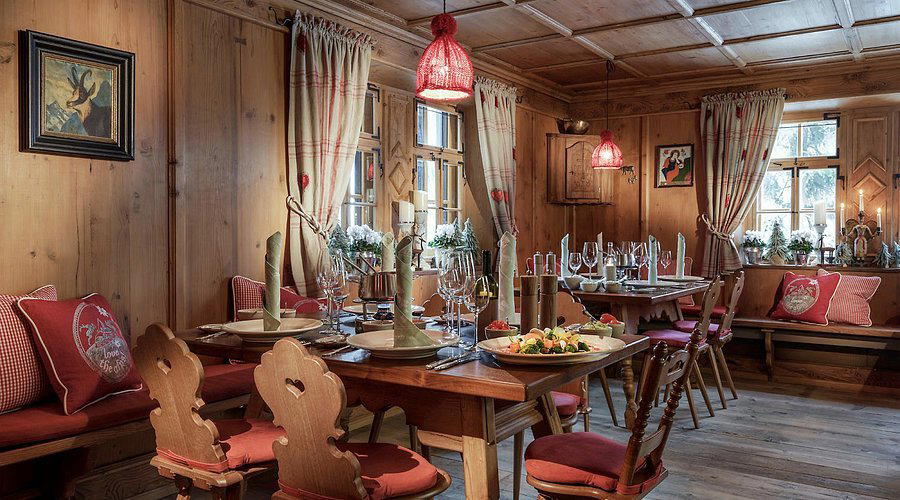
Bars in Lech am Arlberg
Browse all →



Hotels in Lech am Arlberg
Browse all →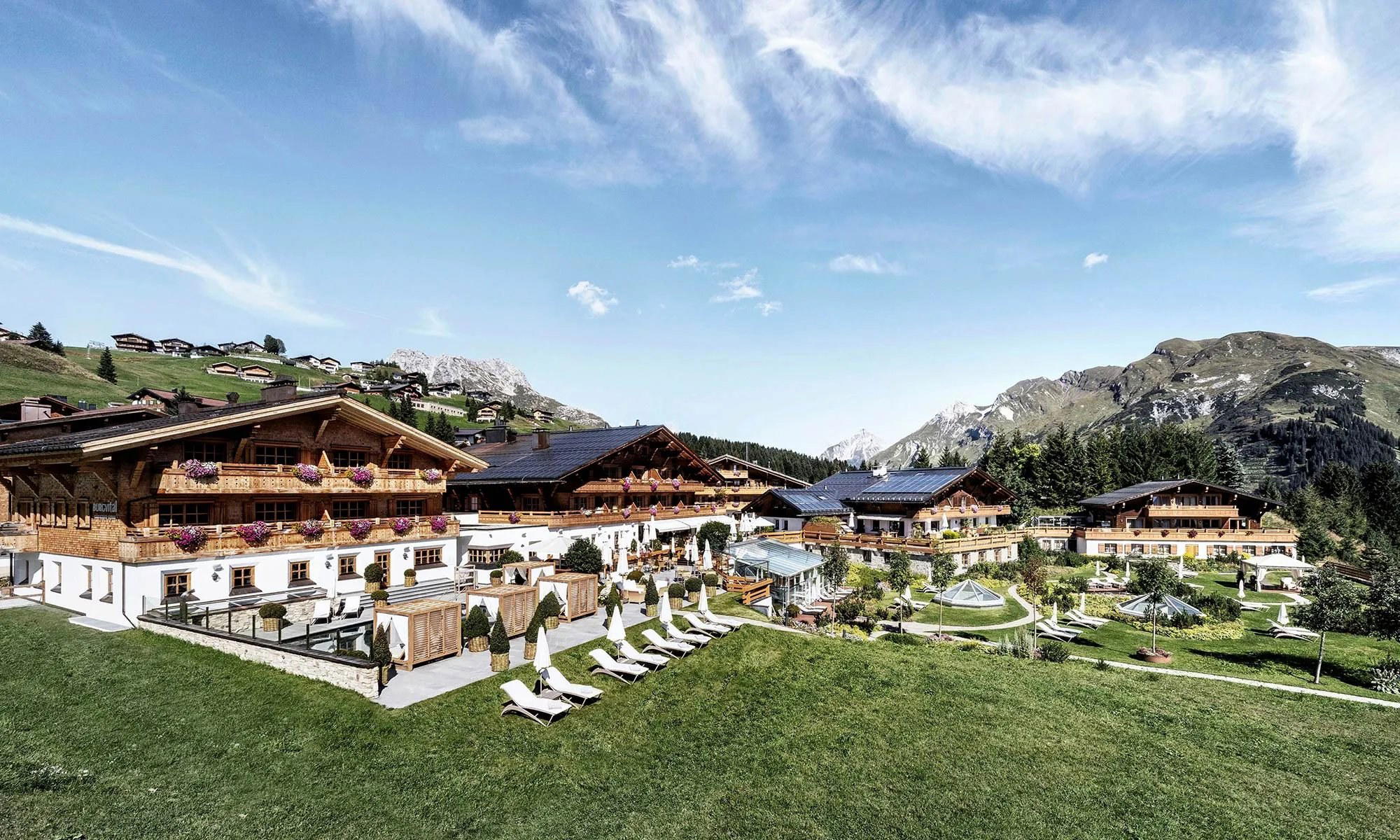

At a Glance
- Cozy
- Rustic
- Elegant
- Scenic
- Family
- Celebration
- Special Occasion
- Group Dining
- Terrace
- Panoramic View
- Hotel Restaurant
- Private Dining
- Sommelier Led
- Local Sourcing
- Mountain
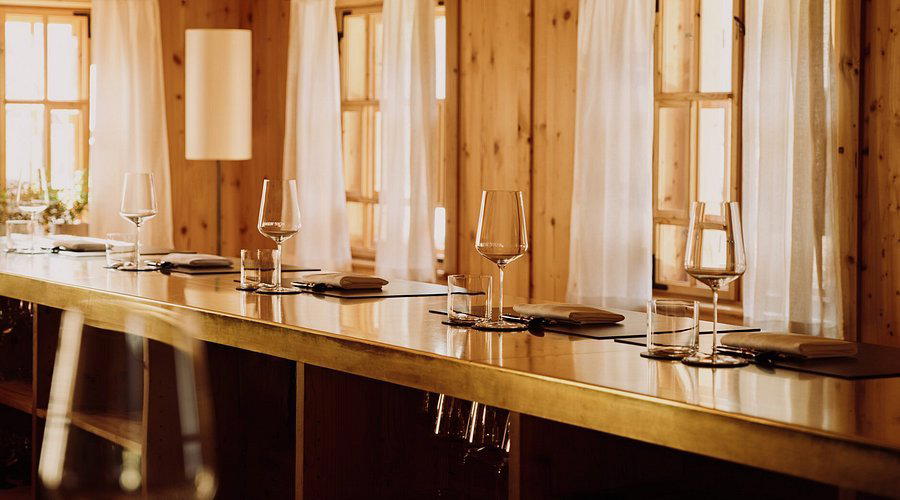
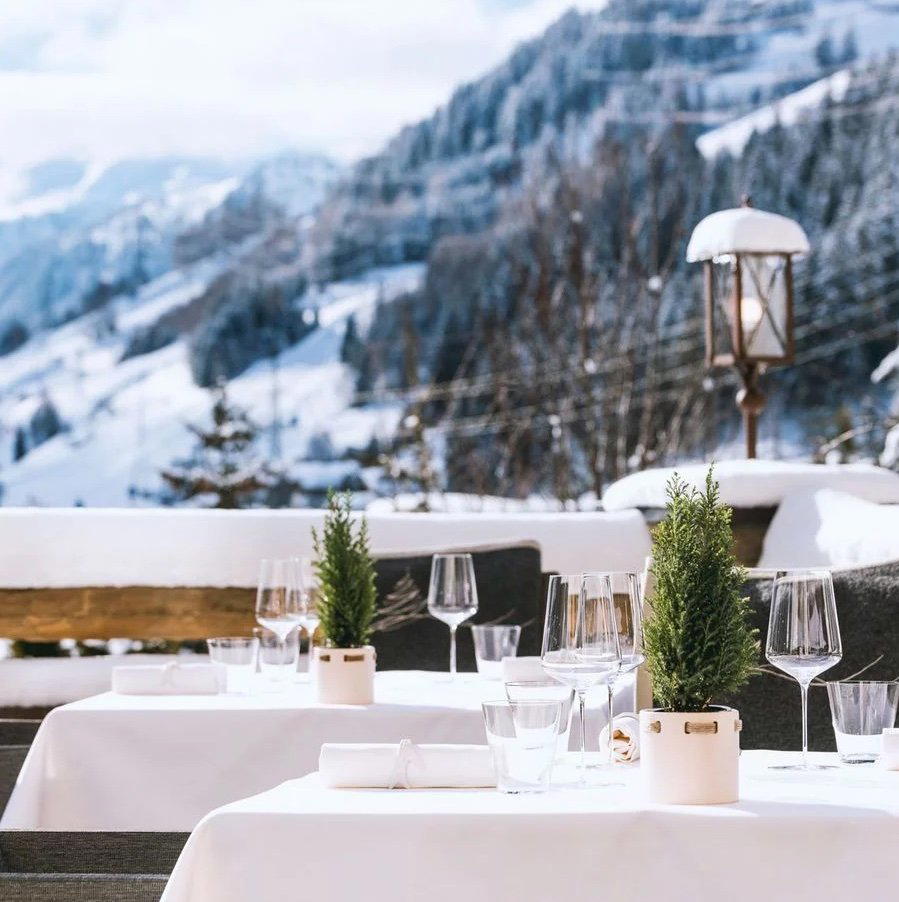
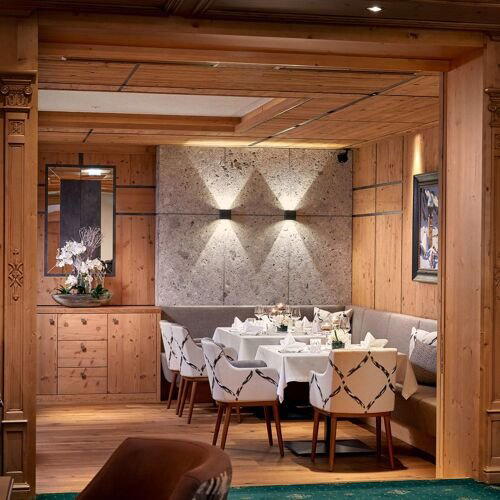
Warm, welcoming alpine atmosphere with rustic cabin charm, scenic mountain terraces, and cozy dining spaces that blend traditional Austrian hospitality with contemporary comfort.