In the Paznaun valley at 1,584 metres, Hotel Rössle sits at the quieter, less-visited end of one of Austria's most celebrated ski corridors. The property occupies a position in Galtür's small but serious hospitality offering, where alpine tradition and regional sourcing define what ends up on the table. For travellers who find Ischgl's après-ski volume excessive, this is the logical alternative a few kilometres up the road.
Pearl is the En Primeur Club membership app — saves, bookings, and concierge access live there. Same editors, same standards.
- Address
- Galtür 47, 6563 Galtür, Austria
- Phone
- +434354438232
- Website
- roessle-galtuer.at
- Directions
- Get directions
 Saves & bookings on Pearl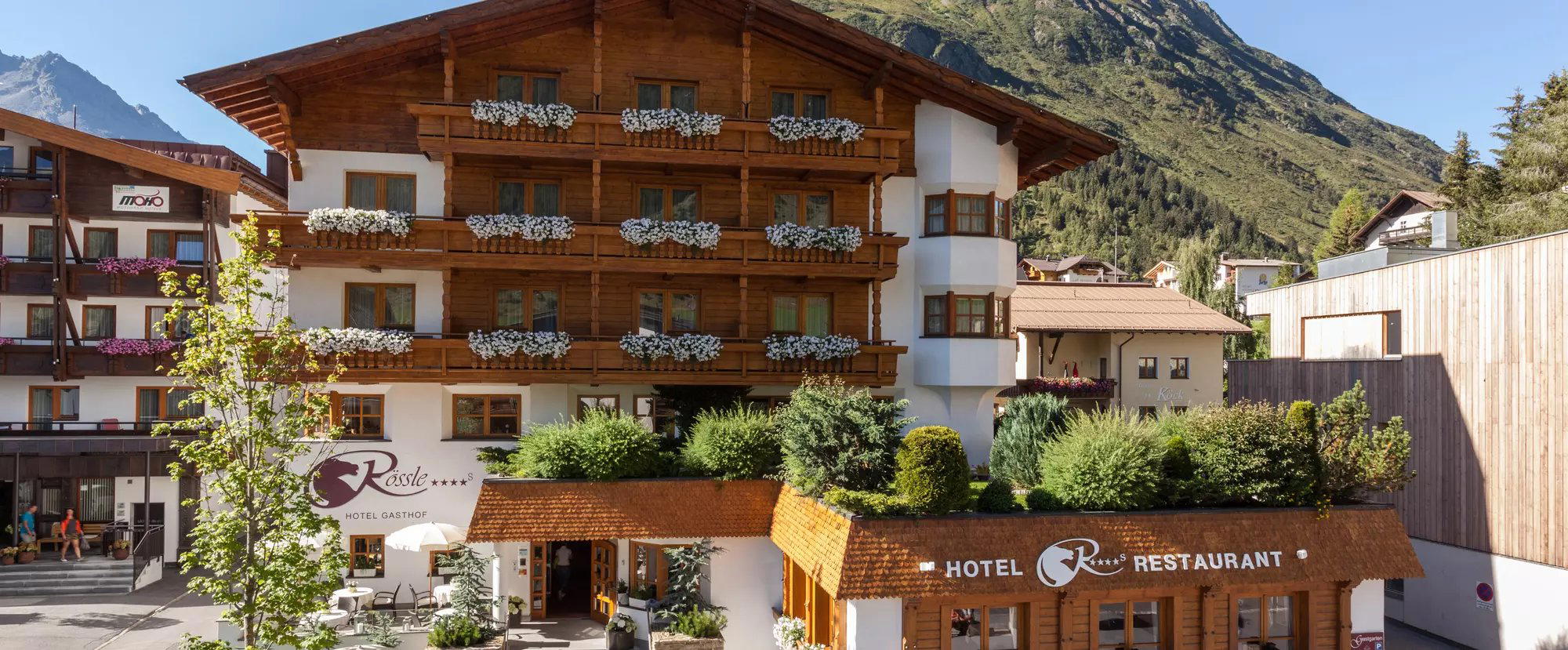
High Valley, Grounded Table: Dining and Staying in Galtür
Arrive in Galtür from the Ischgl side in late afternoon and the contrast registers immediately. The road narrows, the signage thins, and the village settles into the kind of alpine quiet that used to characterise the whole Paznaun valley before ski tourism reshaped it. Hotel Rössle, addressed at Galtür 47, sits within this smaller, more composed version of Austrian mountain hospitality — a category that prioritises the seasonal rhythm of the valley over the performance of resort luxury.
That distinction matters when you consider how alpine hotel dining has evolved across the Austrian Tirol. The region has produced serious restaurant ambitions at altitude — Stüva in Ischgl and Gourmetrestaurant Tannenhof in Sankt Anton am Arlberg represent the formal, award-recognised tier of that shift. Galtür operates at a different register: fewer covers, less theatrical presentation, and a closer relationship between what the surrounding landscape produces and what reaches the plate. Hotel Rössle belongs to that tradition.
Where the Food Comes From
The logic of alpine sourcing is not romantic convention, it is practical geography. At elevations above 1,500 metres, supply chains are genuinely constrained by season and road conditions. The valley's short growing window, roughly June through September, concentrates the availability of local herbs, root vegetables, and dairy into a compressed calendar. What Austrian mountain kitchens have historically done well is work within those constraints rather than import around them.
This is the culinary context that gives Galtür's hospitality its character. The Paznaun valley has a documented tradition of farm-to-kitchen supply: local dairy operations, mountain herb harvesting, and the kind of livestock husbandry that produces the cheese and cured meats found across Tirolean table settings. When kitchen teams in this geography source locally, they are not making a marketing choice, they are working with what is available, which tends to produce food that reads as honest rather than constructed.
Compare this to how sourcing functions at Austria's most discussed dining addresses: Steirereck im Stadtpark in Vienna has built a reputation around relationships with specific producers across Austrian regions, while Döllerer in Golling an der Salzach has made mountain ingredient provenance an explicit part of its identity. Both operate with chef-driven precision in sourcing. In smaller alpine properties like Hotel Rössle, the sourcing logic is less formalised but often no less consistent, proximity and seasonal availability do much of the work that explicit producer relationships achieve at scale.
Galtür's Position in the Paznaun Corridor
Understanding where Hotel Rössle sits requires understanding what Galtür actually is within the Austrian ski circuit. The village sits at the upper end of the Paznaun valley, 5 kilometres beyond Ischgl on the road toward the Silvretta reservoir. Where Ischgl runs at a pace calibrated to high-volume ski tourism, Galtür has maintained a smaller footprint. Its ski area links to Ischgl's through the Silvretta Arena, which means guests here access the same 239 kilometres of marked runs while returning to a village with a fraction of the crowd density.
For those who have experienced the full noise of peak-week Ischgl, Galtür functions as the corrective. The accommodation pool is smaller, the dining options are fewer, and the evening tempo is noticeably slower. Hotel properties here compete on character rather than amenity scale. The neighbouring Jamtalhütte represents the mountain hut end of the local hospitality spectrum, offering a counterpoint to valley-level staying options. See our full Galtur restaurants guide for the complete picture of what the village offers.
The Broader Alpine Dining Context
Austrian mountain dining has developed a recognisable grammar over the past two decades. At the formal end, it connects to the same contemporary European fine dining conversation that includes Ikarus in Salzburg, where rotating guest chef formats have kept the kitchen internationally oriented, and Kräuterreich by Vitus Winkler in Sankt Veit im Pongau, where herb-forward alpine cooking has attracted sustained critical attention. Further afield but relevant to the regional tradition, Obauer in Werfen and Landhaus Bacher in Mautern an der Donau have defined what serious Austrian country-house hospitality looks like over multiple generations.
Hotel Rössle does not operate in that formal tier, but it draws from the same regional sourcing logic that makes those addresses credible. The difference is one of ambition and scale, not underlying principle. Tirol's mountain hospitality tradition, warming dishes, locally produced dairy and meat, cooking calibrated to the physical demands of a day in altitude, is the shared foundation. Properties like this one represent the tradition without the critical apparatus around it.
Guests considering a broader Austrian dining itinerary alongside a Paznaun valley stay might also look west and south: Griggeler Stuba in Lech operates at a comparable mountain altitude with a more formal program, while in the eastern part of the country, Taubenkobel in Schützen am Gebirge and Artis in Graz represent the diversity of what Austrian dining looks like outside the alpine corridor. For reference points with stronger urban fine-dining anchors, Schwarzer Adler in Hall in Tirol and Restaurant 141 by Joachim Jaud in Mieming offer Tirolean dining with more developed kitchen programs. On the international end of the spectrum, addresses like Le Bernardin in New York City and Atomix in New York City illustrate how differently ingredient provenance functions when the kitchen is not geography-constrained. And Ois in Neufelden provides another reference point for how smaller Austrian regional properties build identity through local sourcing.
Planning a Stay
Galtür's main season runs from December through April, with a shorter summer walking season in July and August. The Silvretta Arena ski connection means that winter is the primary draw, and accommodation in the valley books ahead during peak weeks in January and February. Hotel Rössle's address at Galtür 47 places it within the compact village centre, within walking distance of the ski lifts. Given the limited accommodation pool in Galtür relative to Ischgl, planning well in advance for peak winter dates is direct advice rather than caution.
How It Stacks Up
| Venue | Cuisine | Price | Awards |
|---|---|---|---|
| Hotel Rössle GaltürThis venue — the venue you are viewing | This venue | Not listed | Not listed |
| Steirereck im Stadtpark | Creative | €€€€ | Michelin 3 Star |
| Döllerer | Contemporary Austrian, Innovative | €€€€ | Michelin 2 Star |
| Ikarus | Modern European, Creative | €€€€ | Michelin 2 Star |
| Konstantin Filippou | Modern European, Modern Cuisine | €€€€ | Michelin 2 Star |
| Landhaus Bacher | Austrian, Classic Cuisine | €€€€ | Michelin 2 Star |
Continue exploring
More in Galtur
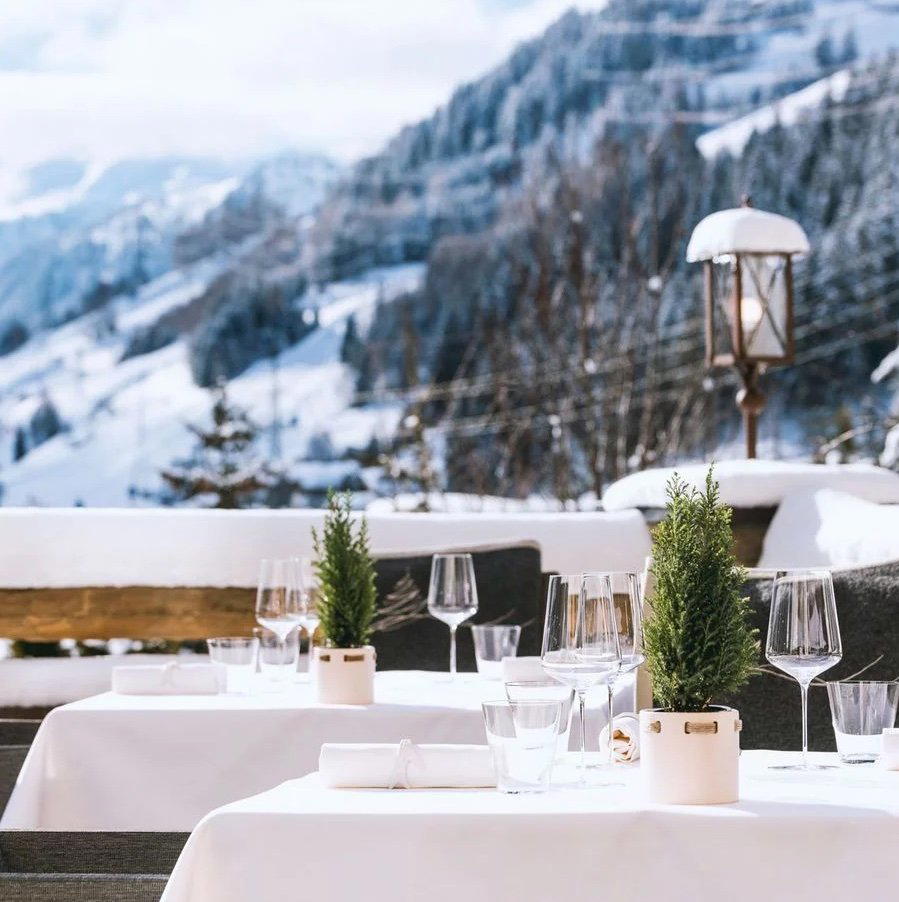
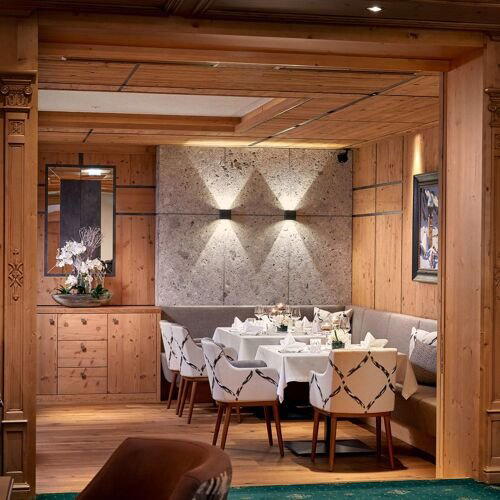
Restaurants in Galtur
Browse all →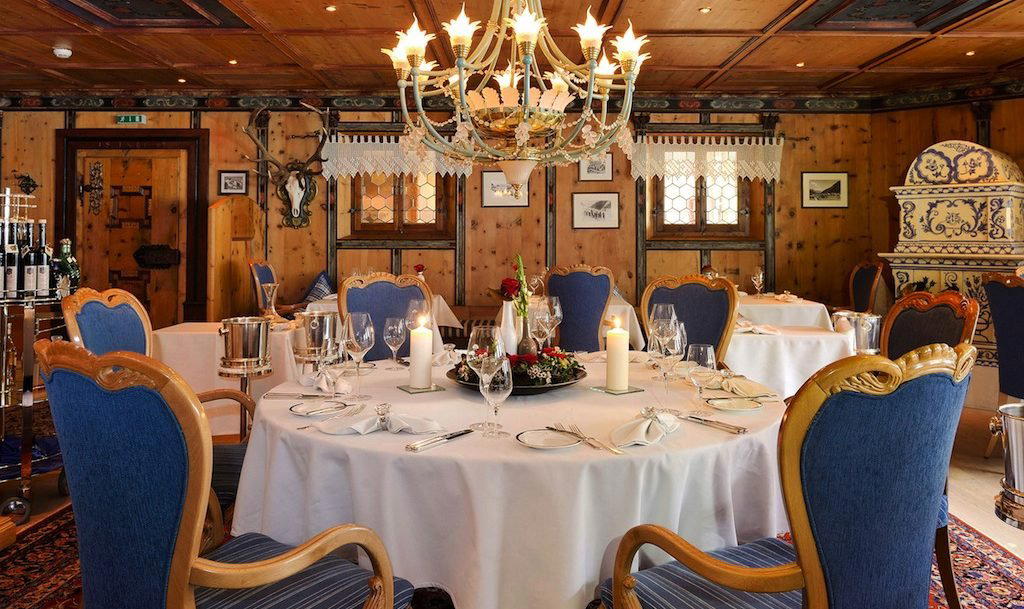
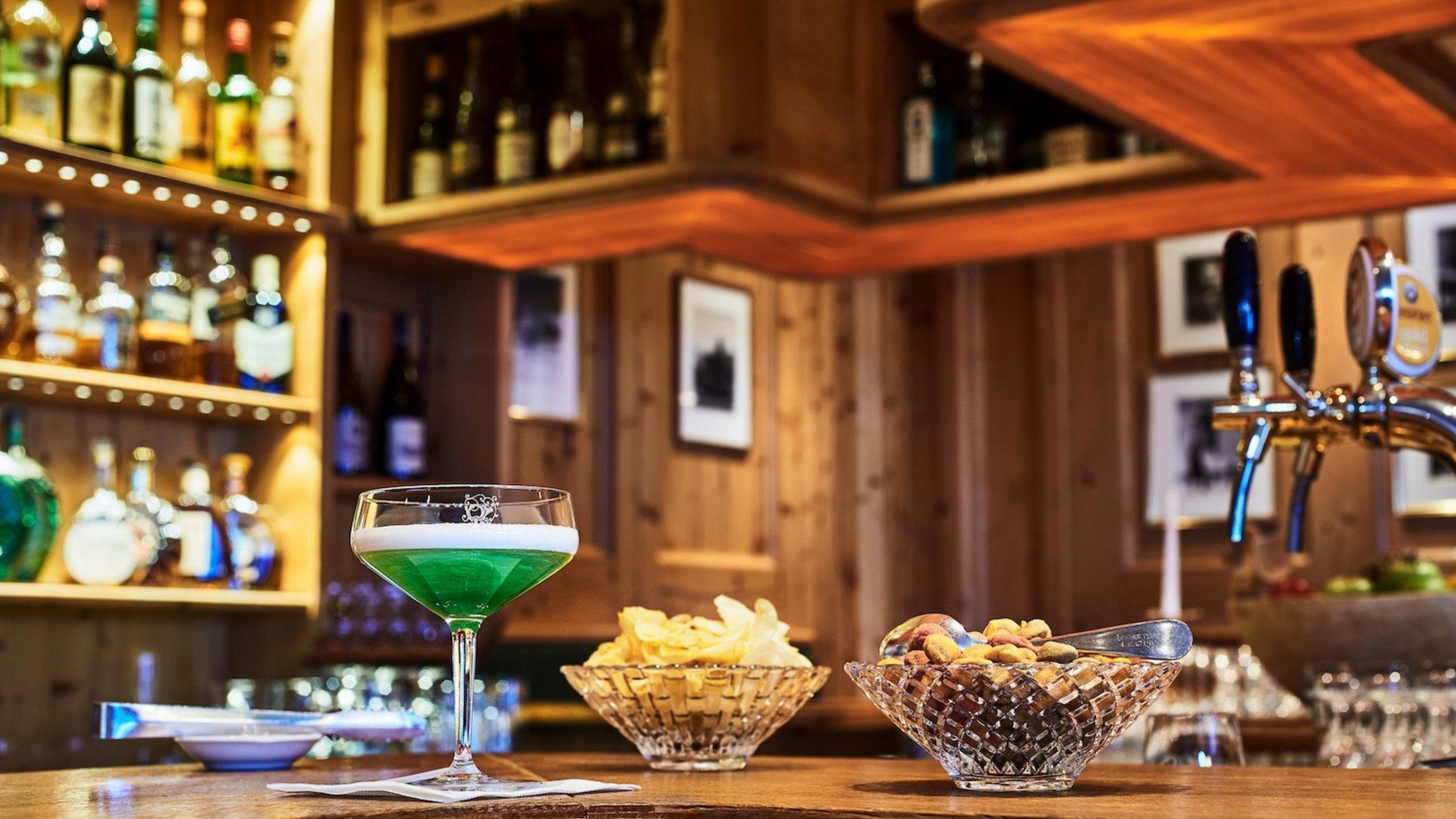
Bars in Galtur
Browse all →


Hotels in Galtur
Browse all →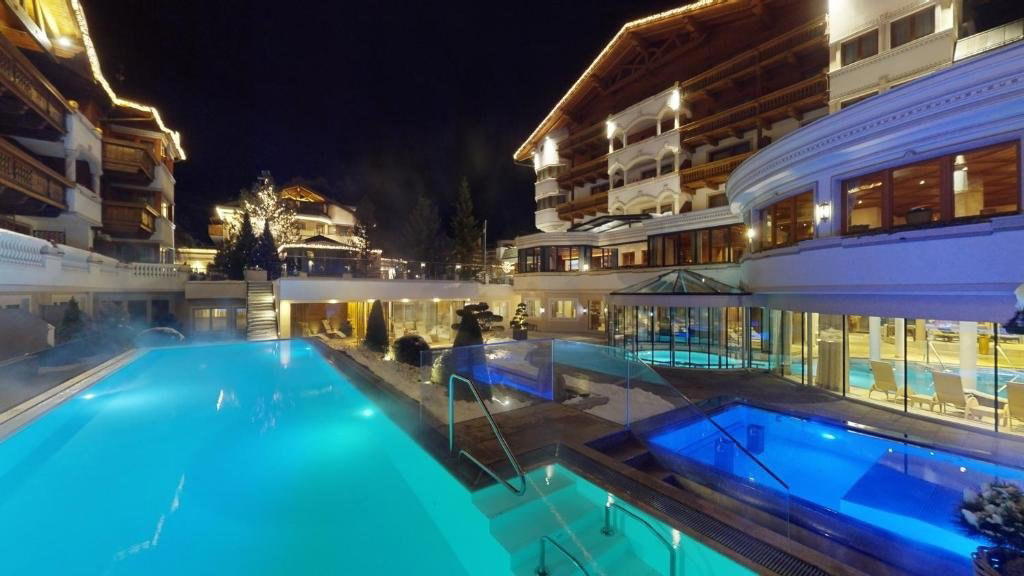
Wineries in Galtur
Browse all →
At a Glance
- Rustic
- Cozy
- Classic
- Family
- Special Occasion
- Hotel Restaurant
- Extensive Wine List
- Local Sourcing
- Mountain
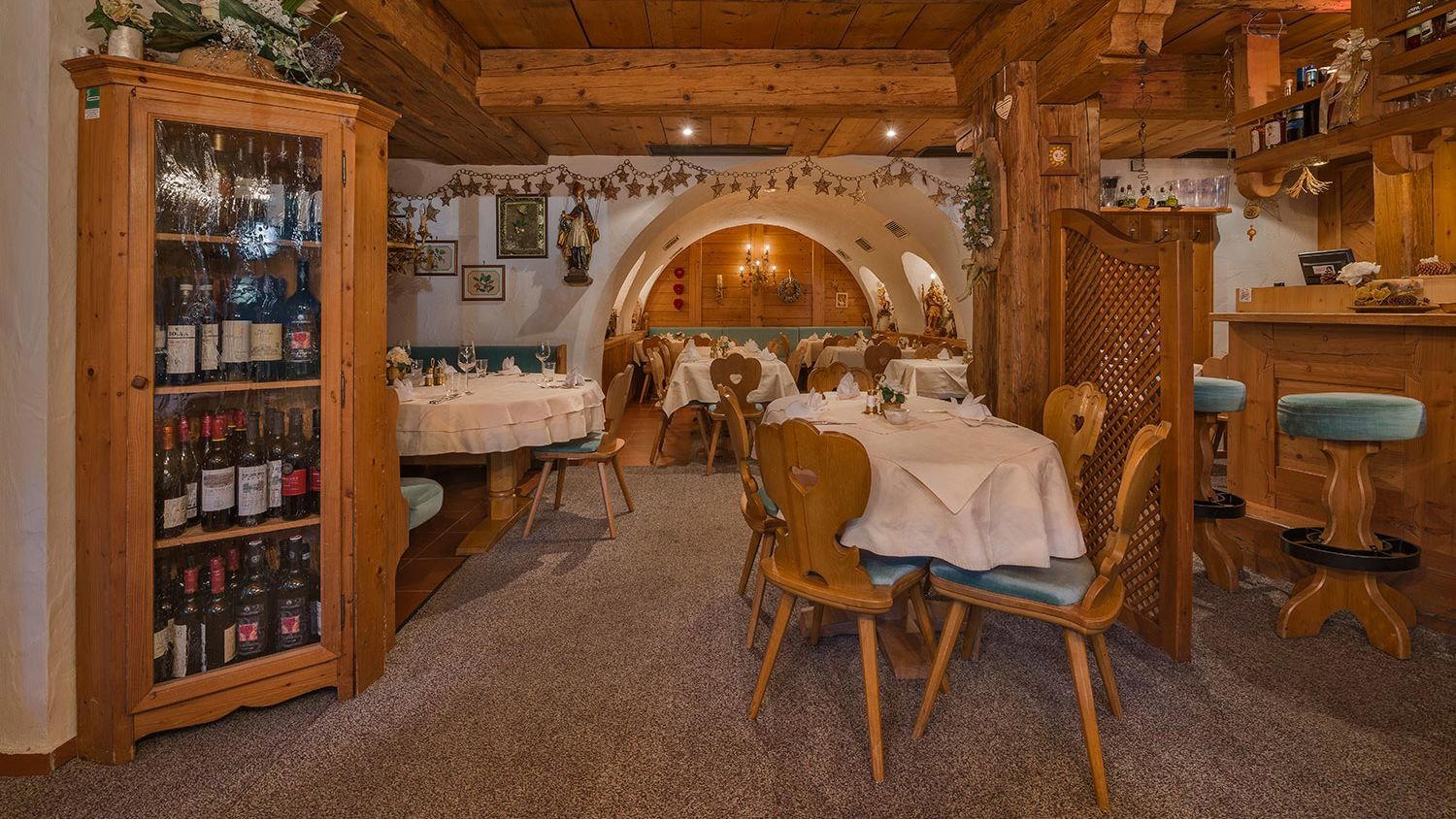
Alpine-style restaurant with cozy, traditional atmosphere well-suited for intimate dinners.