


Paznaunerstube serves modern Austrian fine dining at Hotel Trofana Royal in Ischgl, with one Michelin star in 2024, 2025 and 2026 plus an extensive, sommelier-led wine list.
Pearl is the En Primeur Club membership app — saves, bookings, and concierge access live there. Same editors, same standards.
- Address
- Dorfstr. 95, 6561 Ischgl, Austria
- Phone
- +43 5444 600
- Website
- paznaunerstube.at
- Directions
- Get directions
 Saves & bookings on Pearl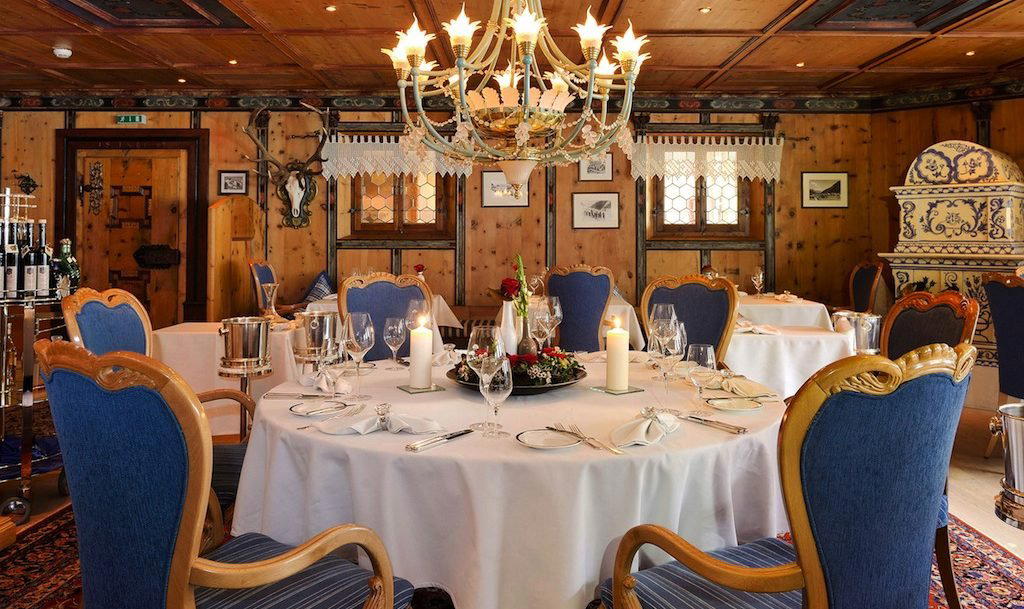
Alpine Dining at Altitude: The Paznaunerstube in Context
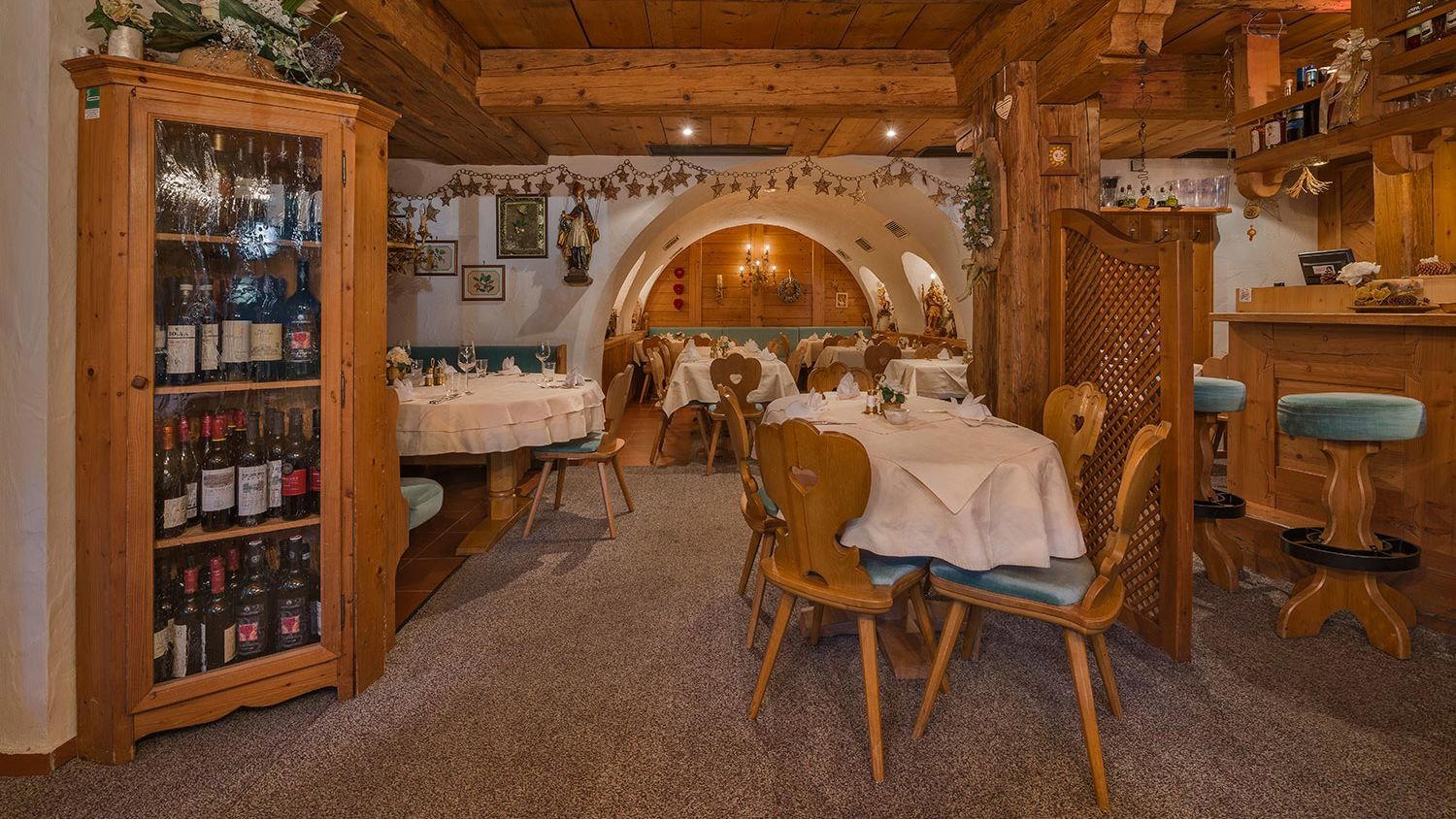
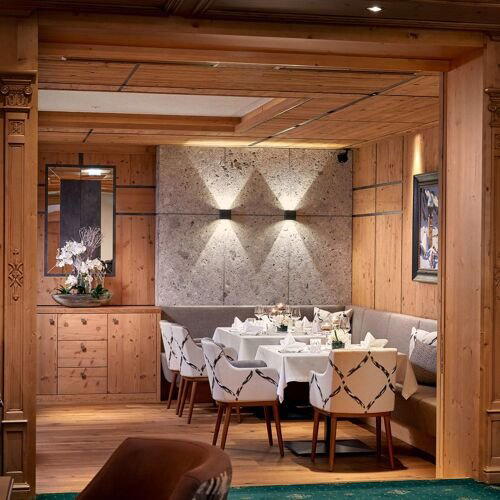
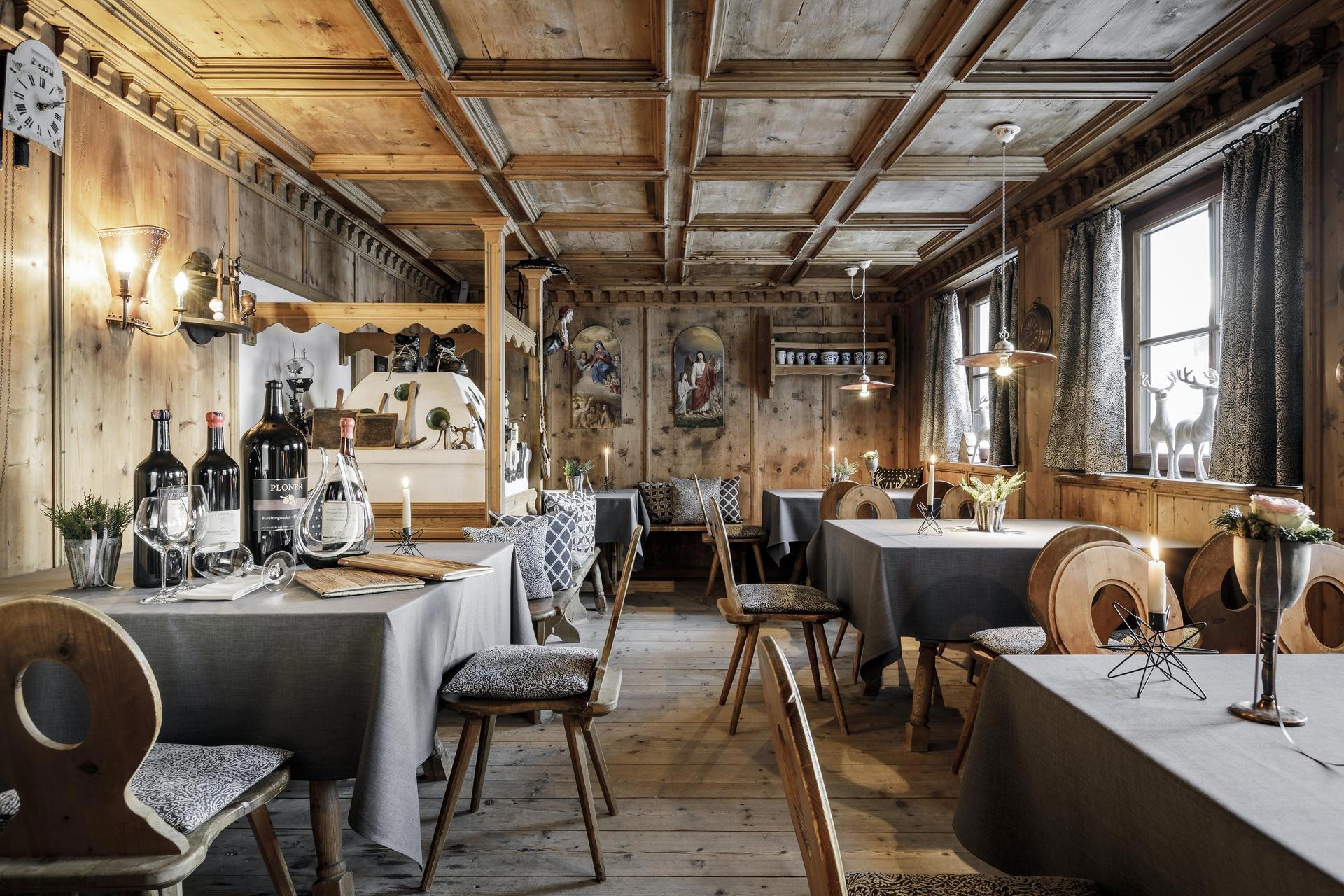
The dining room at Paznaunerstube is a one-Michelin-star restaurant in Ischgl, Austria, inside Hotel Tofana Royal, with a price tier of €€€€ and head chef Minoru Ogawa. The dining room at Paznaunerstube sits inside the Hotel Tofana Royal on Dorfstrasse, and the atmosphere lands precisely where you would expect a long-established Alpine gourmet room to land: warm timber tones, considered lighting, and a formality that stops short of stiffness. The space reads as a place where serious cooking has been happening for a long time, and where the room has been designed to match that ambition rather than upstage it. For visitors arriving from a day on the Silvretta ski area, the transition from mountain cold to this composed interior is part of the occasion.
Ischgl occupies a specific position in the Austrian Alps dining map. The village sits in the Paznaun Valley in Tyrol, and while its winter sports infrastructure is its primary draw, it has developed a concentration of high-end restaurants that punches considerably above what its size would suggest. Paznaunerstube, Schlossherrnstube, Stüva, and Fliana Gourmet all operate at the €€€€ tier, with Paznaunerstube holding the strongest formal award credentials of the cluster. That density of fine dining in a ski village reflects a broader Austrian Alpine pattern: destination resorts where well-resourced visitors stay for a week and eat seriously every evening.
Where Paznaun Beef Meets the Contemporary Kitchen
The cultural argument for Paznaunerstube is not simply that it serves good food in a scenic location. It is that the kitchen has found a way to anchor contemporary European technique in a genuinely local ingredient base, most visibly through Paznaun Highland beef, a regional product that gives the restaurant its name and its clearest identity signal. The sous-vide preparation of prime rib from this breed, finished with a port reduction and accompanied by Jerusalem artichoke in multiple textures, is the kind of dish that demonstrates what contemporary Alpine cooking can do when it is not reaching for imported luxury ingredients to justify its price tier.
This approach connects to a wider shift in Austrian high-end cooking. Restaurants such as Steirereck im Stadtpark in Vienna and Döllerer in Golling an der Salzach have demonstrated over the past two decades that Austrian regional produce, handled with technical precision, can compete with the classic French or Italian luxury ingredient repertoire on purely culinary terms. Paznaunerstube applies that same logic to the Paznaun Valley specifically, using the high-altitude grassland terroir of the region as a foundation for cooking that holds a Michelin star as of 2024 and scored 94 points on the 2026 La Liste ranking, up from 92.5 points in 2025. That trajectory suggests a kitchen in improving form, not one coasting on an established reputation.
The chef's position in that kitchen has its own lineage: Chef Minoru Ogawa leads the kitchen team, giving Paznaunerstube continuity and a clear point of view. What matters editorially is not the family biography but what it signals: a kitchen with deep institutional memory of the restaurant's style and ingredient relationships, able to evolve incrementally rather than reinventing itself with each new appointment. What matters editorially is not the family biography but what it signals: a kitchen with deep institutional memory of the restaurant's style and ingredient relationships, able to evolve incrementally rather than reinventing itself with each new appointment.
The Royalmenü and What It Tells You About Format
The set menu format at Paznaunerstube is called the Royalmenü and runs across six, eight, or ten courses. This graduated structure reflects how the upper tier of Alpine resort dining has settled on set menus as the primary format for conveying serious cooking. The option across three lengths gives guests some control over the evening's pace and spend, which is practical in a resort context where diners may have early morning ski plans. Comparable formats appear across the Austrian Alpine gourmet circuit, at venues such as Gourmetrestaurant Tannenhof in Sankt Anton am Arlberg and Griggeler Stuba in Lech, where the multi-course progression has become the dominant language for communicating Alpine cuisine at this price level.
€€€€ pricing places Paznaunerstube at the same tier as Stüva, Fliana Gourmet, and Schlossherrnstube within Ischgl, but the Michelin recognition and La Liste score give it the strongest third-party validation in that local cluster. For context outside Austria, the contemporary register of the cooking places Paznaunerstube in a broader category of technically ambitious hotel dining rooms with strong regional ingredient programs, a format that has produced notable results at places as different as Ikarus in Salzburg and Kräuterreich by Vitus Winkler in Sankt Veit im Pongau.
Service, Atmosphere, and the Hotel Dining Room Tradition
Service model at Paznaunerstube fits the tradition of the serious Alpine hotel dining room: coordinated, attentive, and operating at a higher formality register than the valley's more casual mountain restaurants. The La Liste notes describe the team as well-coordinated and professional, and that assessment aligns with what a Michelin-starred room inside a hotel bearing the word Royal in its name would be expected to deliver. In this tier, service is not incidental; it is part of the value proposition, particularly for guests staying multiple nights who will interact with the same team across several evenings.
Atmosphere description of Alpine sophistication is doing precise work here. Paznaunerstube is not attempting the informal mountain-rustic register that characterises places like Heimatbühne, which sits a price tier below. Nor is it chasing the kind of architectural statement that some newer Alpine luxury properties use to signal modernity. Instead it occupies a more traditional formal-hotel-dining register, which in Ischgl's specific context functions as a mark of continuity and confidence rather than conservatism.
Planning a Visit
Paznaunerstube is located at Dorfstrasse 95, 6561 Ischgl, inside the Hotel Tofana Royal. Ischgl is accessible via Innsbruck airport, with a transfer of roughly 90 minutes, or by train to Landeck-Zams followed by a bus or taxi into the valley. The village is pedestrianised at its core, and the hotel sits on the main street, which makes arrival direct once you are in Ischgl. The restaurant operates Monday through Saturday from 7 to 9 PM and is closed on Sunday. Advance reservations are essential. For those building a wider Austrian Alpine itinerary, Obauer in Werfen and the dining rooms in Lech and Sankt Anton offer comparable commitment to regional produce at similar price tiers.
Cuisine Context
Comparable venues nearby, for context on price, style, and recognition.
| Venue | Cuisine | Price | Awards | Notes |
|---|---|---|---|---|
| PaznaunerstubeThis venue — the venue you are viewing | Modern Austrian Fine Dining | $$$$ | Michelin 1 Star | Not listed |
| Schlossherrnstube | Modern French-Influenced Fine Dining | $$$$ | Michelin 1 Star | Ischgl |
| Alpenhaus VIP | Tyrolean & International Fine Dining | $$$$ | Not listed | Idalp |
| KOYA | Japanese Cuisine & Brasserie | $$$$ | Not listed | Ischgl |
| Heimatbühne | Modern Tyrolean Alpine Cuisine | $$$$ | Michelin Plate | Ischgl village center |
| Genussrestaurant Sunna | Modern Tyrolean Austrian | $$$ | Not listed | centre |
Recognition history
Dated appearances from independent guides and award organizations, with the underlying list record or original source where available.
Falstaff Restaurant - 98 Falstaff Points
Falstaff
La Liste Top Restaurants
La Liste
Michelin 1 Star
Michelin
La Liste Top Restaurants
La Liste
Michelin 1 Star
Michelin
Michelin 1 Star
Michelin
At a Glance
- Elegant
- Cozy
- Sophisticated
- Rustic
- Special Occasion
- Date Night
- Celebration
- Hotel Restaurant
- Extensive Wine List
- Sommelier Led
- Local Sourcing
Current opening hours
- Monday
- 7–9 PM
- Tuesday
- 7–9 PM
- Wednesday
- 7–9 PM
- Thursday
- 7–9 PM
- Friday
- 7–9 PM
- Saturday
- 7–9 PM
- Sunday
- Closed
Hours can change for holidays and private events. Last verified .
Distinguished Alpine sophistication with warm, cozy, and stylish atmosphere.