Perched on the Pardatschgrat above Ischgl, Alpenhaus VIP sits inside one of the Austrian Alps' most charged ski-season circuits, where mountain dining has moved well beyond fondue and glühwein into territory that competes with valley-floor fine dining. The setting alone justifies the ascent, but the venue's position within Ischgl's premium on-mountain tier is what gives it real editorial weight.
Pearl is the En Primeur Club membership app — saves, bookings, and concierge access live there. Same editors, same standards.
- Address
- Pardatsch-Idalpe, 6561 Ischgl, Austria
- Phone
- +435444606844
- Website
- ischgl.com
- Directions
- Get directions
 Saves & bookings on Pearl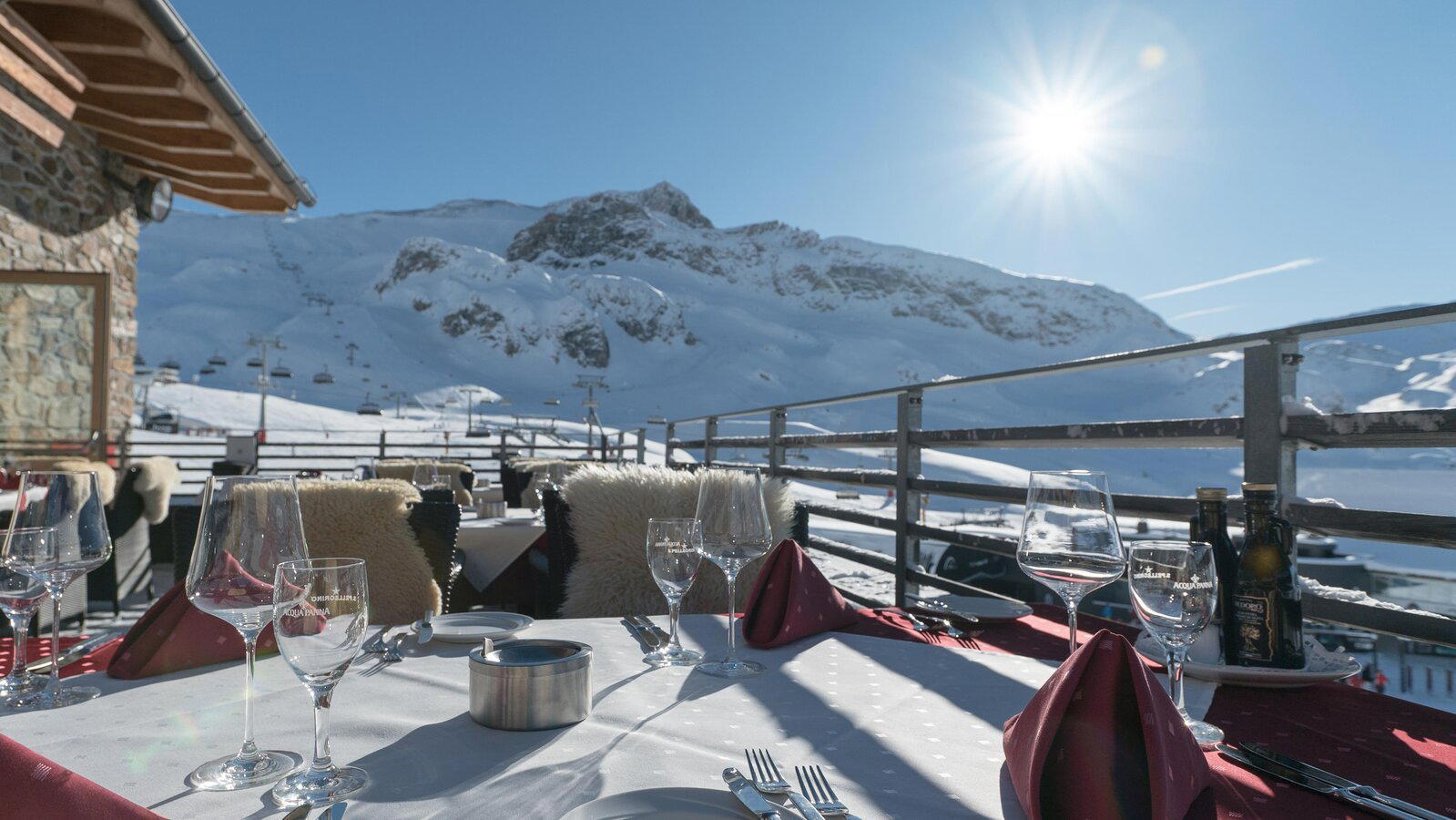
Where the Mountain Meets the Menu
At altitude on the Idalpe, the air has that particular thinness that makes every sensory detail register more sharply. The light off the snow is flat and brilliant; the wind, depending on the season, either bites or simply clarifies. Mountain dining venues in the Austrian Alps have long understood that this environment does half the work for them, which is precisely why the better operators in Ischgl's on-mountain circuit have pushed their food and hospitality programming to match the drama outside the glass. Alpenhaus VIP, positioned on the Pardatsch-Idalpe above 6561 Ischgl, belongs to that upper tier of the circuit, where the competition is not the valley-floor gasthaus but the increasingly sophisticated range of alpine dining that has emerged across Vorarlberg and Tyrol over the past decade.
Ischgl itself operates at a different frequency from most Austrian ski resorts. The Silvretta Arena spans the Austrian-Swiss border, the lift infrastructure runs to genuine scale, and the après-ski economy supports hospitality investment that would be unusual at smaller, quieter resorts. That investment shows in the dining options spread across the mountain, from Stüva (Creative French) to Paznaunerstube (Contemporary) and Fliana Gourmet (International) at the €€€€ tier, alongside mid-range options like Heimatbühne (Austrian) at €€€. The presence of multiple premium dining addresses at altitude tells you something about the resort's ambition and its clientele's expectations. See our full Ischgl restaurants guide for the broader picture.
The Austrian Alps as a Sourcing Story
Mountain dining in Tyrol and Vorarlberg has become an increasingly serious conversation about provenance. The argument for alpine sourcing is not merely romantic: the combination of high-altitude pasture, slow grass growth, mineral-rich soil, and short growing seasons produces dairy and meat with flavour profiles that lowland equivalents rarely replicate. Austrian alpine cattle, grazed above 1,500 metres, yield milk and beef with higher concentrations of omega-3 fatty acids and carotenoids, a function of the diverse highland flora they consume. This is the same logic that drives premium pricing at alpine-sourced restaurants across Switzerland and Bavaria, and it applies with equal force in the Tyrolean context.
The broader Austrian fine-dining circuit has absorbed this sourcing argument thoroughly. Steirereck im Stadtpark in Vienna built a significant part of its reputation on Austrian regional sourcing long before the term became commonplace in European fine dining. Döllerer in Golling an der Salzach has made alpine terroir a central editorial proposition, and Obauer in Werfen has long anchored its menu in the seasonal rhythms of the Salzburg region. At the regional Tyrolean level, Gourmetrestaurant Tannenhof in Sankt Anton am Arlberg and Restaurant 141 by Joachim Jaud in Mieming sit in the same conversation about what western Austrian ingredients can achieve when treated with serious culinary attention. Schwarzer Adler in Hall in Tirol adds another node to this regional network.
On-mountain venues like Alpenhaus VIP operate within this sourcing framework but face a logistical constraint that valley restaurants do not: supply chains to altitude require planning, and the seasonal compression of the ski calendar means menus must be both resilient and responsive. The venues that handle this well tend to work with suppliers in the immediate alpine region, reducing the complexity of delivery while keeping provenance local. It is a model that, when executed properly, produces food that is more directly tied to its geography than many urban tasting menus ever manage to be.
How Ischgl's On-Mountain Tier Compares
The on-mountain dining circuit in Ischgl sits within a broader Austrian alpine dining conversation that extends from the Arlberg valley westward and south through Tyrol. Within the resort itself, the premium tier is defined less by individual venue celebrity and more by aggregate quality: multiple serious addresses at altitude, a clientele that arrives with high expectations and spending capacity, and a resort economy that supports year-over-year investment in hospitality. This differs from the model at smaller Tyrolean resorts, where a single anchor restaurant tends to carry the quality argument alone.
Internationally, the comparison points are the on-mountain dining circuits of Verbier, Courchevel, and Zermatt, where premium ski-resort hospitality has long commanded prices and quality levels that compete with destination restaurants in major cities. Le Bernardin in New York City and Lazy Bear in San Francisco represent urban dining at serious professional depth; what the leading alpine venues offer is a different proposition, one where context and environment are as much a part of the experience as the plate. The argument is not that mountain dining replaces urban fine dining, but that it operates on different terms.
Other Austrian addresses worth holding in mind alongside the Ischgl circuit include Landhaus Bacher in Mautern an der Donau, Kräuterreich by Vitus Winkler in Sankt Veit im Pongau, Taubenkobel in Schützen am Gebirge, and Ois in Neufelden. These venues collectively define the ambition of Austrian regional cooking, and they provide a useful frame for understanding where on-mountain Ischgl dining sits in the national hierarchy. Also in Ischgl's immediate dining circuit, Genussrestaurant Sunna rounds out the options for visitors looking to build a multi-day dining itinerary across the resort.
Planning a Visit
Alpenhaus VIP is located on the Pardatsch-Idalpe, accessible via the Ischgl lift system. The venue operates within the ski season calendar, which in Ischgl typically runs from late November through late April, with the resort's compressed season meaning that on-mountain venues are busiest over the Christmas-New Year period and during the February half-term window. Visitors planning a meal here should factor in mountain access time and lift operating hours, and arrive with awareness that on-mountain dining in Ischgl at this tier tends to draw from the same well-travelled clientele as the resort's better valley-floor addresses.
How Alpenhaus VIP Ischgl compares with similar nearby venues.
| Venue | Cuisine | Price |
|---|---|---|
| Schlossherrnstube | Contemporary | €€€€ |
| Stüva | Creative French | €€€€ |
| Heimatbühne | Austrian | €€€ |
Continue exploring
More in Ischgl
Restaurants in Ischgl
Browse all →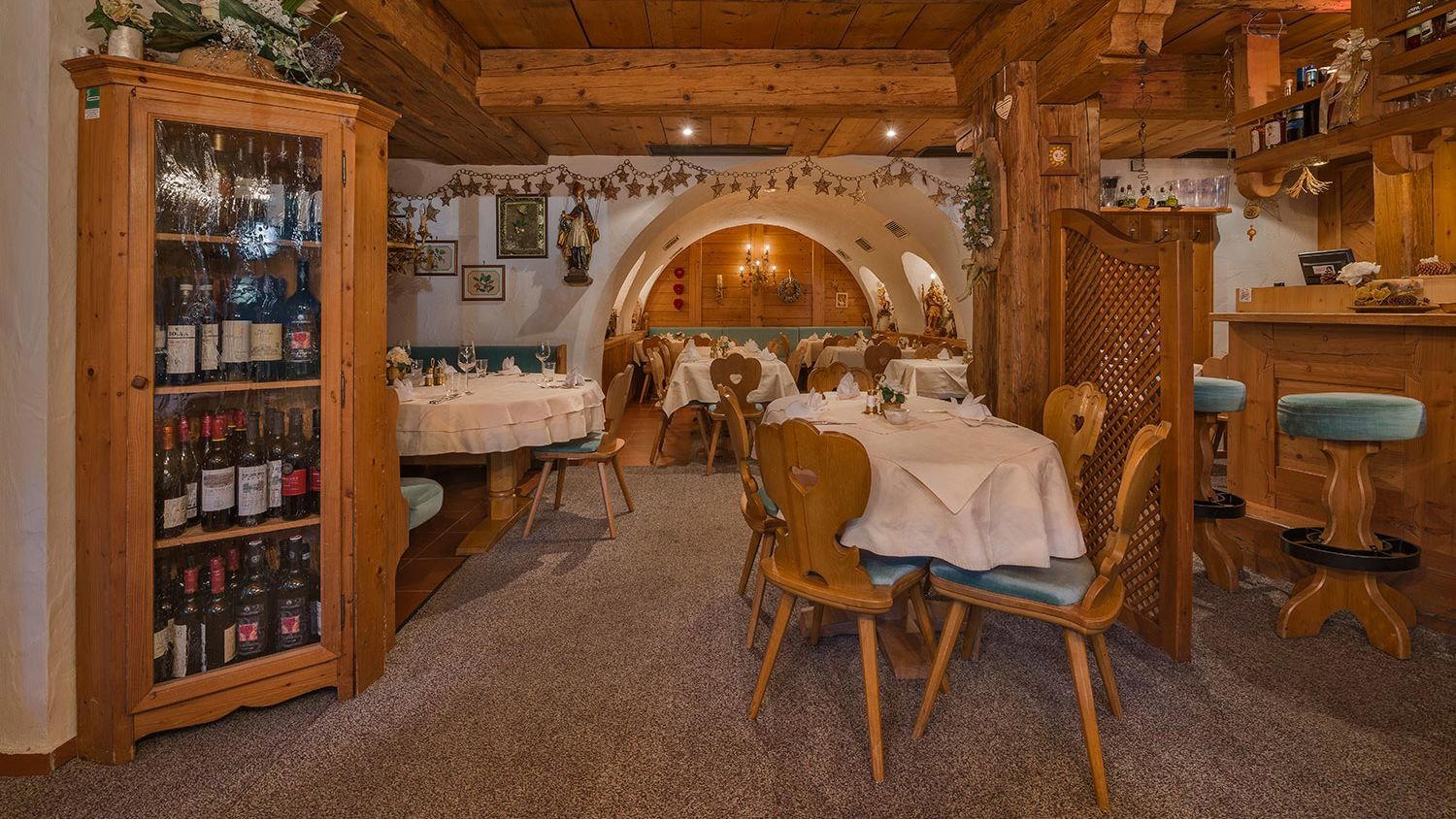
Bars in Ischgl
Browse all →


Hotels in Ischgl
Browse all →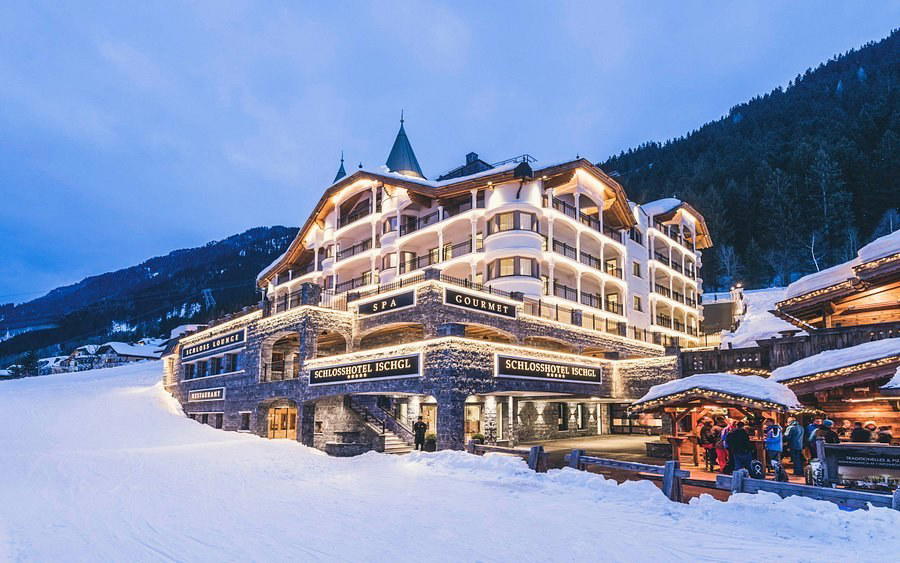

At a Glance
- Rustic
- Elegant
- Cozy
- Sophisticated
- Special Occasion
- Celebration
- Panoramic View
- Terrace
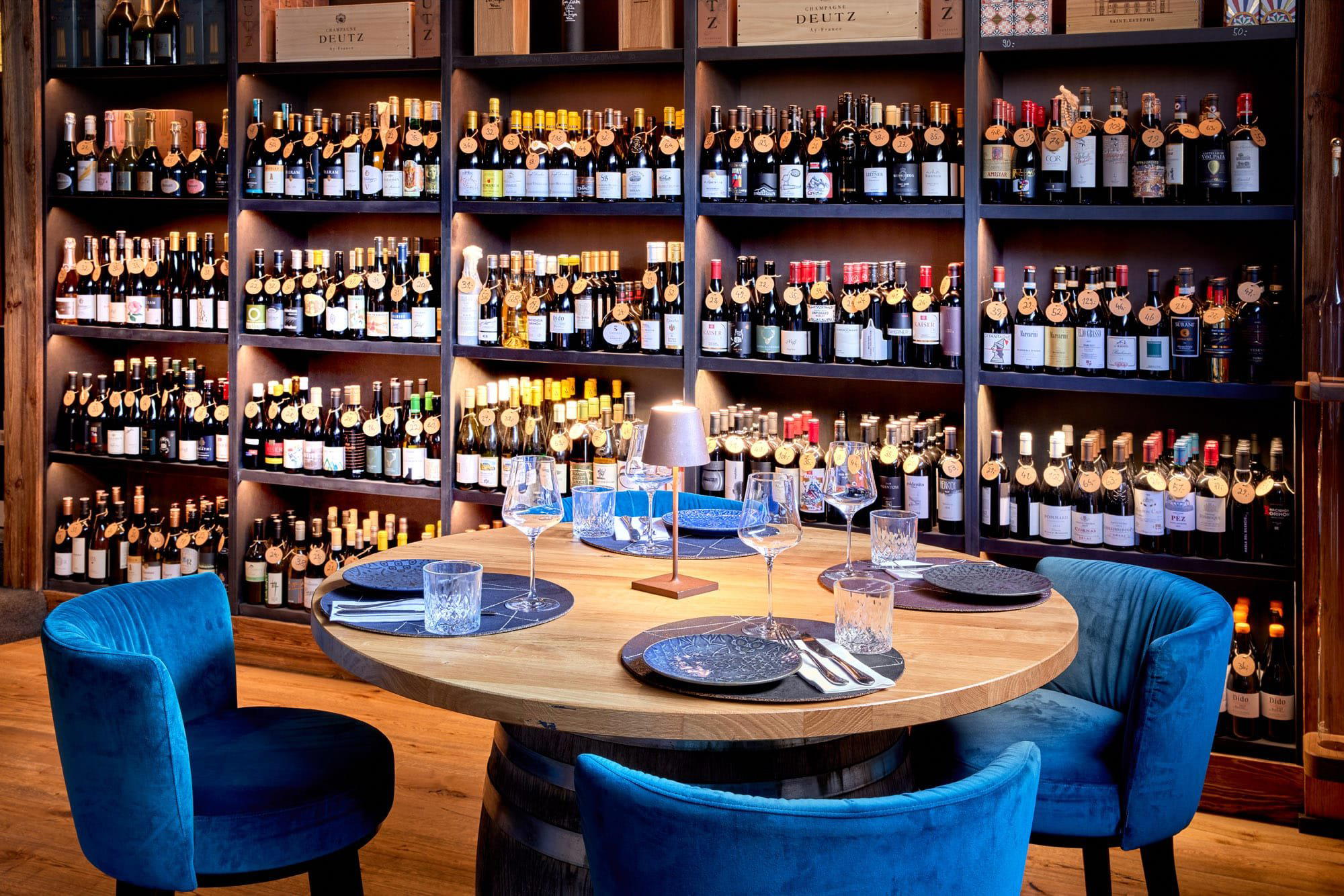
- Extensive Wine List
- Mountain
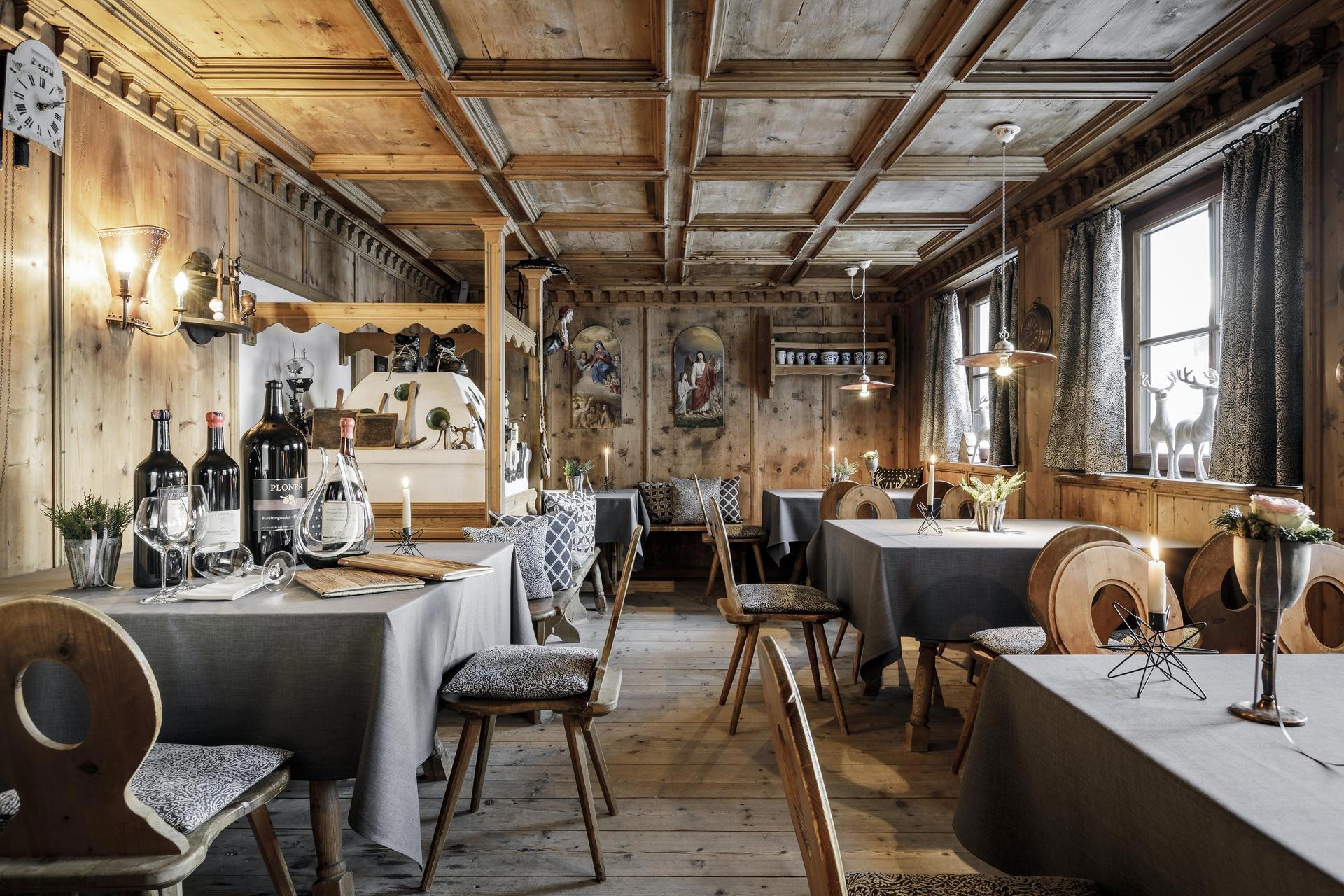
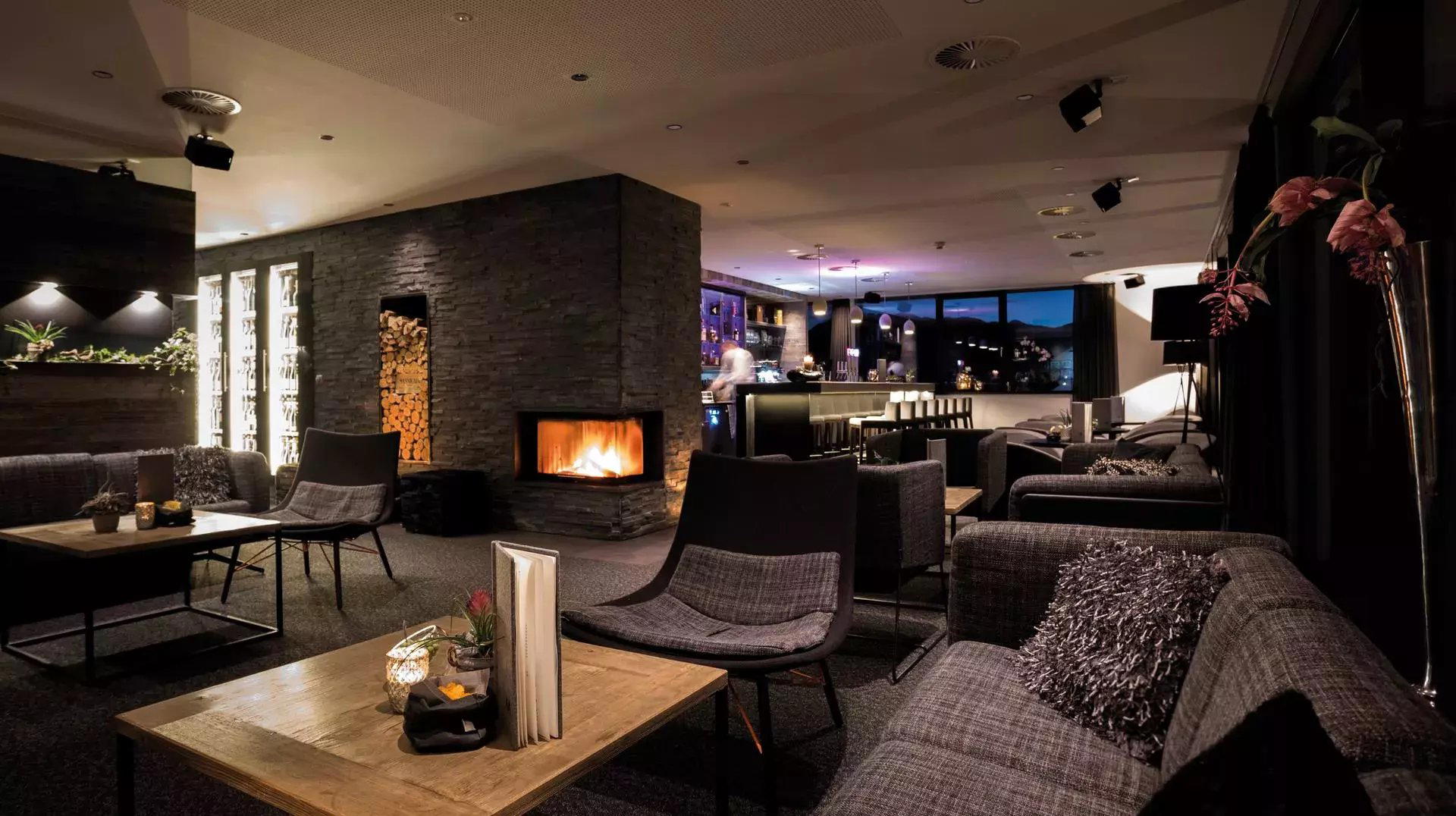
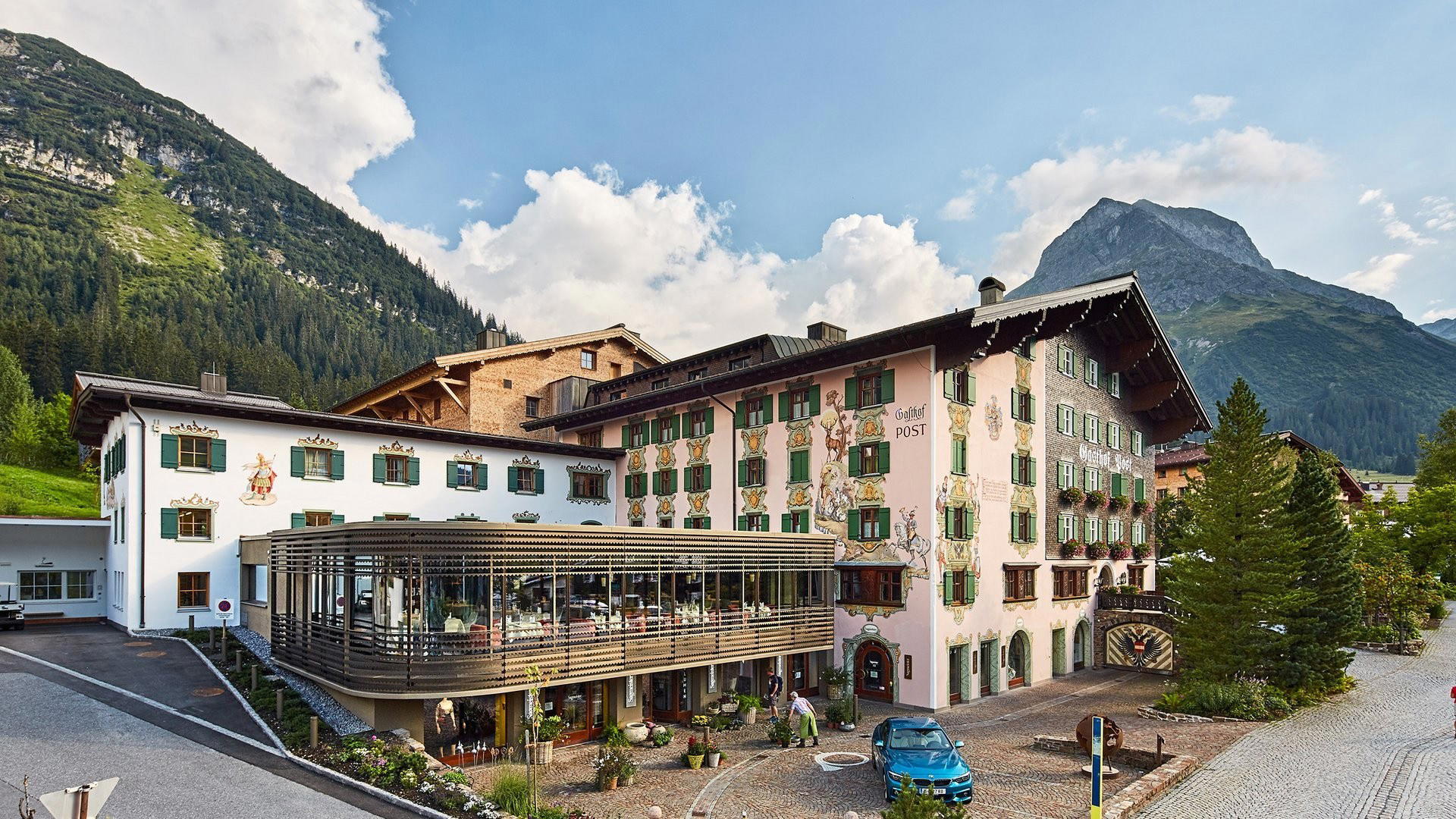
Alpine style décor featuring wooden beams, cowhides, open fireplace, natural materials, and warm colors creating a luxurious, comfortable, and refined atmosphere.