

1 Michelin Star · Falstaff Restaurant - 92 Falstaff Points
Our verdict
Bruderherz Fine Dine holds a Michelin star (2024) inside Das Marent hotel in Fiss, Tyrol, serving creative cuisine that fuses Alpine regional produce with international technique. Chef Christian Marent's menu moves between Tyrolean salmon trout with saffron vinegar and rack of lamb with chorizo and jalapeño, backed by an Austrian and Spanish wine list. Price range sits at €€€€.

Pearl is the En Primeur Club membership app — saves, bookings, and concierge access live there. Same editors, same standards.
- Address
- Bruderherz Fine Dine Oberer, Spelsweg 6, 6533 Fiss, Austria
- Phone
- +43 5476 20320
- Hours
- Mon–Tue ClosedWed–Sat 6:30–8:30 PMSun Closed
- Website
- bruderherzfinedine.at
- Directions
- Get directions
- Booking
- Book on the venue's website
The menu
What to order
- Tyrolean salmon trout with radish and saffron vinegar
- Rack of lamb with chorizo, black-eyed beans, sweetcorn and jalapeño
Where Alpine Altitude Meets Cross-Border Technique
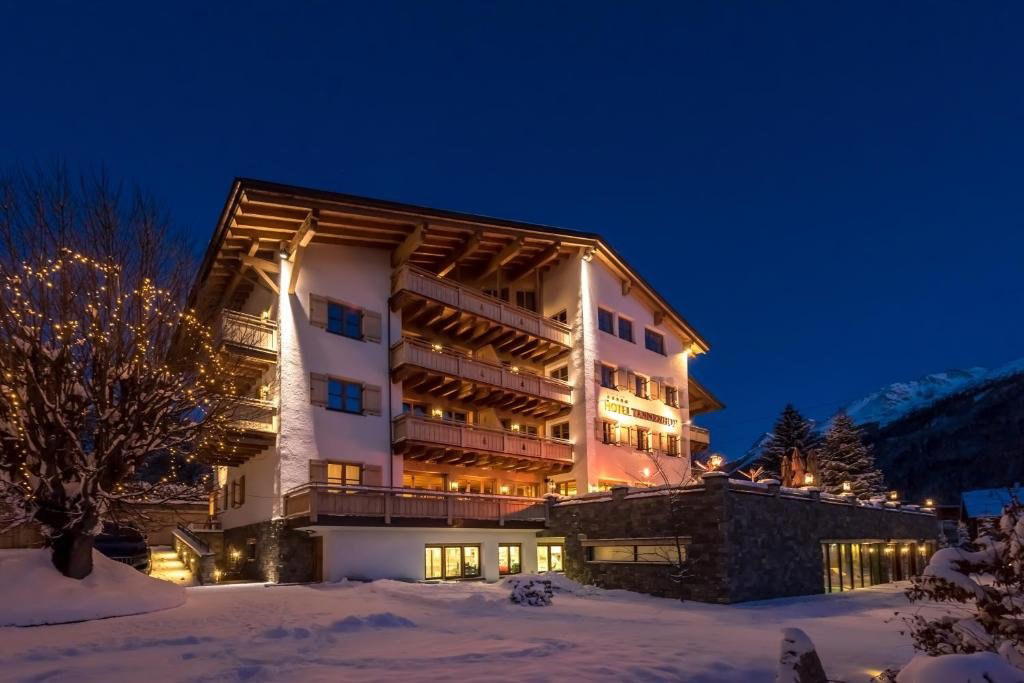
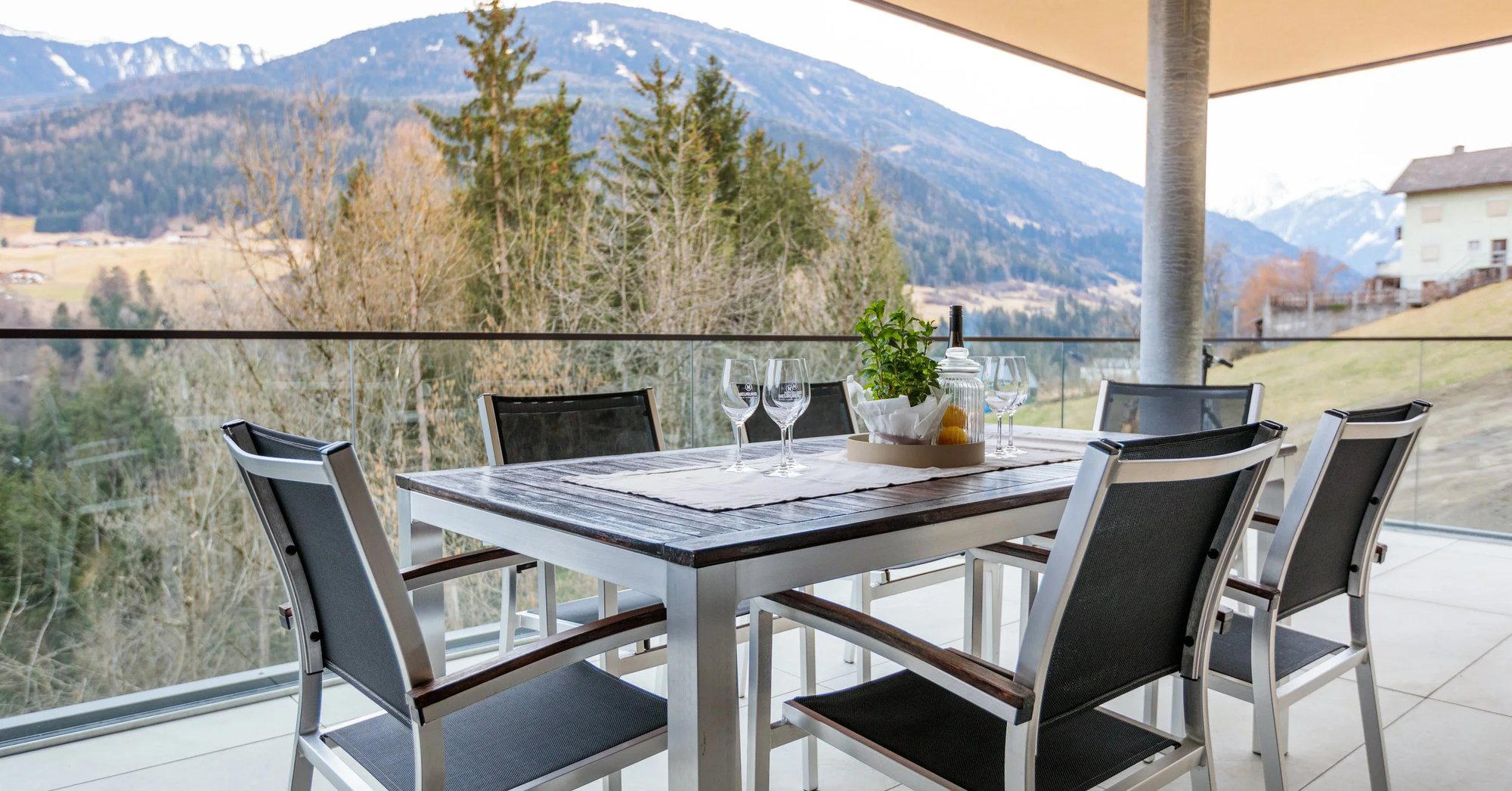
The Tyrolean village of Fiss sits above 1,400 metres in the Serfaus-Fiss-Ladis ski area, and the dining culture at that altitude has historically followed a predictable pattern: hearty Stuben with schnapps and Tiroler Gröstl, fuelled by après-ski appetite rather than any particular culinary ambition. What has changed in recent years, across Austria's mountain corridor from the Arlberg to the Inn Valley, is the emergence of hotel restaurants willing to hold a more serious register. Griggeler Stuba in Lech and Gourmetrestaurant Tannenhof in Sankt Anton am Arlberg represent that shift on the western end of the arc. Bruderherz Fine Dine, operating within Das Marent hotel in Fiss, belongs to the same movement: a mountain property choosing to compete on culinary credibility rather than Alpine cliché.
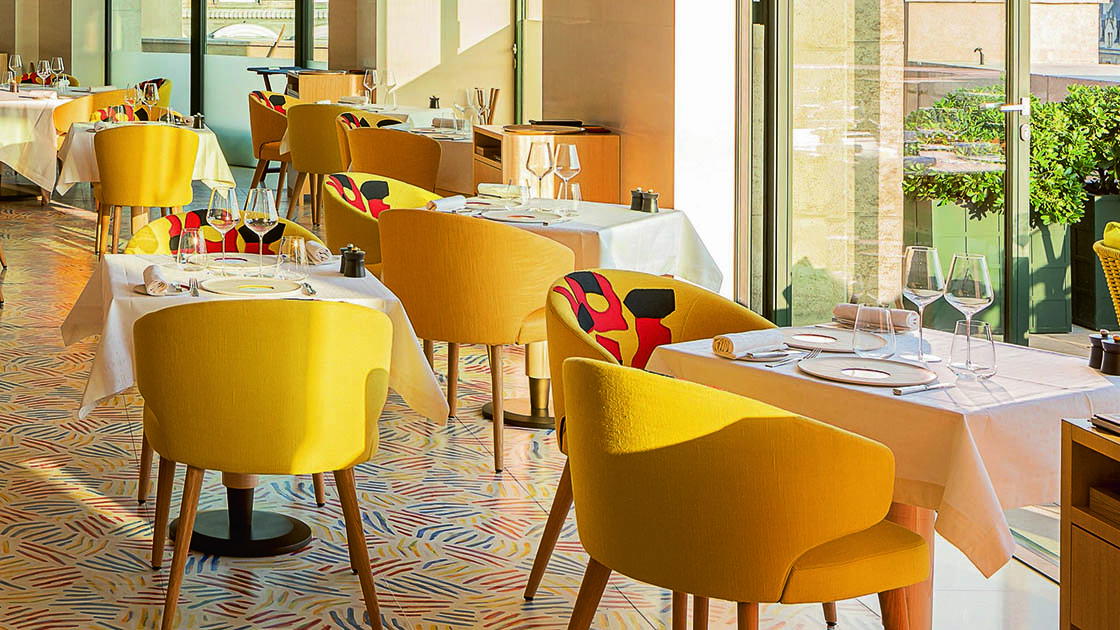
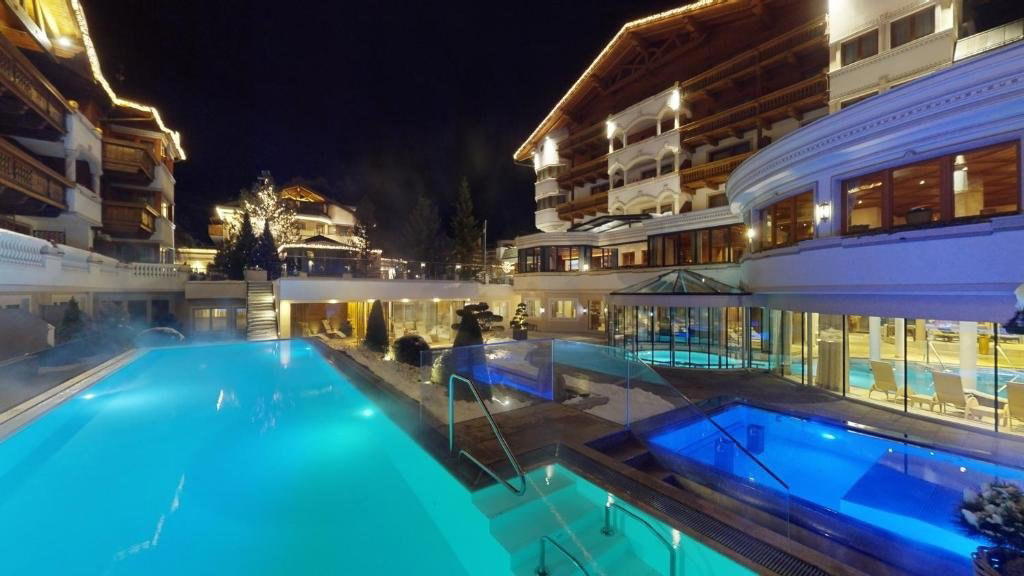
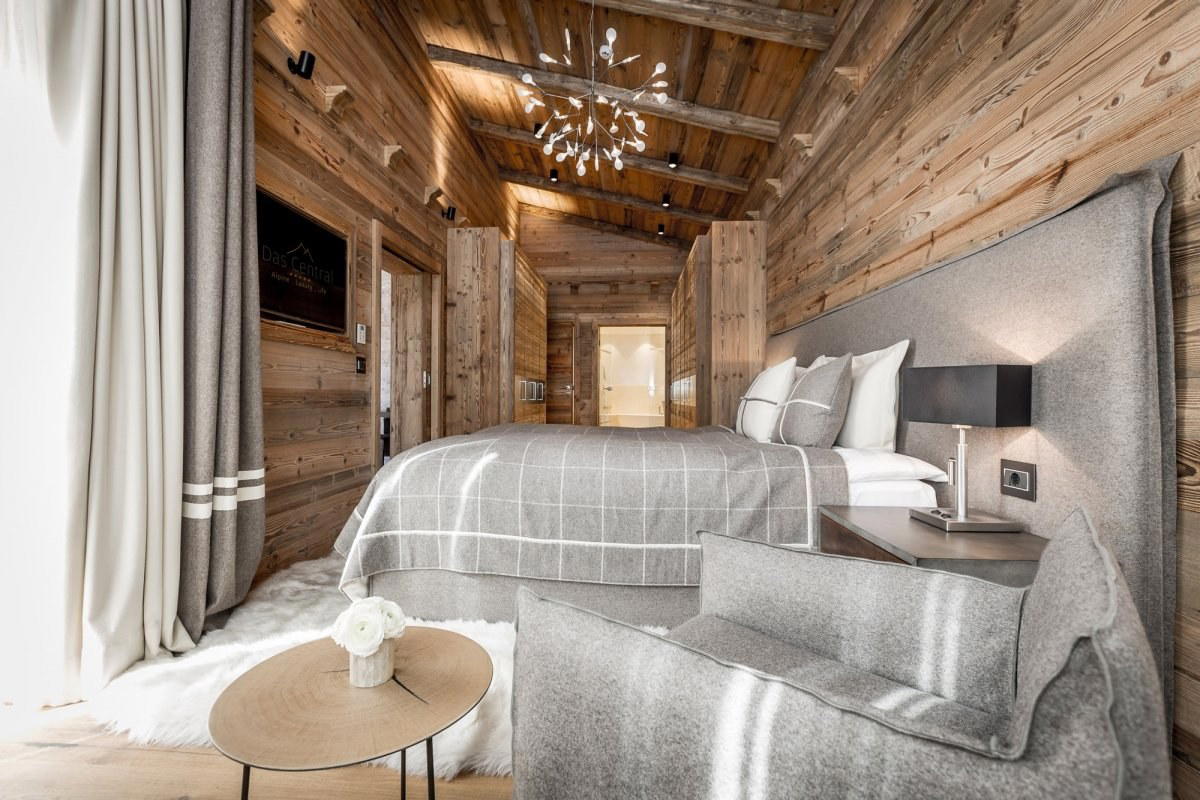
The setting inside Das Marent reads as modern Alpine in its design logic — an interior language that has become a recognisable shorthand in Tyrolean hospitality, where pale timber, clean geometry, and restrained ornamentation signal ambition without loudness. That register matters because it sets expectations before a plate arrives. Fine dining rooms in mountain hotels carry the risk of feeling grafted on, as though the cuisine and the architecture are speaking different languages. At Bruderherz, the visual coherence between room and kitchen appears deliberate, and the 2024 Michelin star confirms the kitchen has earned its place within that frame.
The Cultural Logic of Creative Alpine Cuisine
Austria's most decorated restaurants have long navigated a productive tension between regional identity and international technique. Steirereck im Stadtpark in Vienna, at three Michelin stars, represents the apex of that tradition: hyper-regional produce refined through layered technical complexity. Further down the star count, Döllerer in Golling an der Salzach holds two stars with a menu that reads as both Alpine and cosmopolitan simultaneously. Landhaus Bacher in Mautern an der Donau and Obauer in Werfen anchor the Austrian classic end of the spectrum. What distinguishes Bruderherz Fine Dine's position within this context is the explicit reach toward non-Alpine flavour registers: the inclusion of chorizo, jalapeño, black-eyed beans, and saffron vinegar in signature preparations signals a kitchen willing to source its references as broadly as its geography allows.
This is not unusual at the creative end of Austrian fine dining. Ikarus in Salzburg, holding two Michelin stars, has built an entire programming model around rotating international guest chefs, which speaks to how openly the Austrian scene has engaged with cross-cultural dialogue. Kräuterreich by Vitus Winkler in Sankt Veit im Pongau approaches that dialogue from a herbalist and local-foraging angle. At Bruderherz, the approach is less about foraging philosophy and more about confident flavour pairing: Tyrolean salmon trout arriving alongside radish and saffron vinegar pulls the Alpine ingredient through a Mediterranean lens without erasing its origins.
For context on what creative cuisine achieves at the very best of the international register, Alléno Paris au Pavillon Ledoyen and Arpège in Paris represent the French creative tradition against which many European kitchens orientate themselves. Austrian fine dining has increasingly developed its own idiom within that broader conversation rather than simply mirroring it, and Bruderherz Fine Dine's fusion of Tyrolean produce with Spanish and international flavour references reflects that independence.
Reading the Menu Through a Regional Lens
Two dishes from the Bruderherz kitchen appear in Michelin's documentation and serve as useful entry points for understanding the kitchen's priorities. Tyrolean salmon trout, a freshwater species raised in the cold, clear rivers of the Inn Valley region, carries a delicate flavour that can be overwhelmed by heavy treatment. Pairing it with radish and saffron vinegar applies acidity and slight bitterness against the fish's natural sweetness, a structurally sound decision that shows restraint where a less confident kitchen might reach for richer sauces. Radish has a long presence in Tyrolean cooking, which means the pairing reads as locally grounded even as the saffron pushes the dish toward a more Mediterranean register.
The rack of lamb with chorizo, black-eyed beans, sweetcorn, and jalapeño reads differently: a dish where the Iberian and Latin American influence clearly dominates. That combination sits closer to a modern European bistronomy vocabulary than to anything specifically Tyrolean, and its presence on the menu signals that the kitchen is not bound by a strict regionalist programme. The two dishes together sketch a kitchen comfortable operating across a fairly wide tonal range, using Alpine ingredients where they serve the idea and international references where they sharpen it. Comparable in this sense to Ois in Neufelden and Restaurant 141 by Joachim Jaud in Mieming, both of which hold Michelin recognition while working in smaller Austrian markets outside the major cities.
Wine, Service, and the Family Dimension
Austria's wine output has expanded its international reputation considerably over the past two decades, with Grüner Veltliner and Riesling from the Wachau and Kamptal earning serious critical attention in export markets. The decision at Bruderherz to anchor the wine list in Austrian and Spanish selections makes structural sense alongside the kitchen's flavour vocabulary: Austrian whites for the trout and lighter preparations, Spanish reds for the lamb and richer dishes. Spain's presence on the list, rather than a more predictable French Burgundy or Bordeaux bias, mirrors the kitchen's interest in Iberian flavour references and gives the pairing programme a coherent internal logic. For those wanting to explore beyond Bruderherz, our full Fiss wineries guide covers the regional wine options.
Service at Michelin-starred hotel restaurants in Austria's mountain properties tends to run between two models: the highly formal, protocol-driven style inherited from grand hotel tradition, and the warmer, family-operated register that characterises properties where the owners remain closely involved in daily operations. Michelin's own notes on Bruderherz specifically reference friendly and adept service, which places it toward the second model. In a village-scale ski resort, that register is likely the right calibration: technically competent without the stiffness that can make smaller fine dining rooms feel uncomfortable.
Planning a Visit
Bruderherz Fine Dine operates within Das Marent hotel at Oberer Spelsweg 6, 6533 Fiss, Austria. Given the Michelin star earned in 2024 and the limited scale typical of hotel fine dining rooms at this tier, reservations made well in advance are the pragmatic approach, particularly during peak ski season from December through March and in the summer hiking season. Fiss is accessible via the Serfaus-Fiss-Ladis cable car network from the valley floor. Those building a broader trip around the area's dining options will find our full Fiss restaurants guide, our full Fiss hotels guide, our full Fiss bars guide, and our full Fiss experiences guide useful starting points. For those pairing dinner with local activities, Beef Club in Fiss represents a contrasting, more casual approach to quality meat-led dining in the same village. The Michelin star situates Bruderherz Fine Dine clearly within Austria's mountain fine dining tier, where creative ambition and Alpine setting have become a credible combination rather than a contradiction.
Frequently asked questions
What does dinner at Bruderherz Fine Dine typically cost?
Pricing at Bruderherz Fine Dine is listed as €€€€.
Is Bruderherz Fine Dine Michelin-listed?
Bruderherz Fine Dine has received recognition including: Housed in Das Marent hotel, this stylish fine dining restaurant with its modern Alpine-inspired decor fully lives up to the name. Brothers Alexander and Christian Marent pour their heart and soul into providing their guests with a memorable….
What should I eat at Bruderherz Fine Dine?
Two dishes documented by Michelin anchor the kitchen's approach: Tyrolean salmon trout with radish and saffron vinegar, and rack of lamb with chorizo, black-eyed beans, sweetcorn, and jalapeño. Both illustrate how chef Christian Marent draws on regional Tyrolean produce while reaching into Iberian and broader European technique. The wine list, weighted toward Austrian and Spanish labels, is worth treating as a deliberate pairing framework rather than an afterthought.
Where is Bruderherz Fine Dine located?
Bruderherz Fine Dine is located at Bruderherz Fine Dine Oberer, Spelsweg 6, 6533 Fiss, Austria, Fiss.
What's the best way to book Bruderherz Fine Dine?
Bruderherz Fine Dine operates within Das Marent hotel at Oberer Spelsweg 6, 6533 Fiss, Austria. Contacting the hotel directly is the most reliable route to securing a table. Since earning its Michelin star in 2024, demand has increased, so booking well ahead of any ski-season visit to the Serfaus-Fiss-Ladis area is advisable.
Pricing, Compared
| Venue | Cuisine | Price | Awards |
|---|---|---|---|
| Bruderherz Fine DineThis venue — the venue you are viewing | Creative Alpine Fine Dining | $150–200 | 1 Michelin Star · Falstaff Restaurant - 92 Falstaff Points |
| Steirereck im Stadtpark | Creative | Not listed | Michelin 3 Star |
| Döllerer | Contemporary Austrian, Innovative | Not listed | Michelin 2 Star |
| Ikarus | Modern European, Creative | Not listed | Michelin 2 Star |
| Mraz & Sohn | Modern Austrian, Creative | Not listed | Michelin 2 Star |
| Obauer | Classic Cuisine | Not listed | Michelin 2 Star |
Recognition history
Dated appearances from independent guides and award organizations, with the underlying list record or original source where available.
Michelin 1 Star
Michelin
Falstaff Restaurant - 92 Falstaff Points
Falstaff
Full recognition history (4 entries)
Michelin 1 Star
Michelin
Michelin 1 Star
Michelin
Continue exploring
More in Fiss
Restaurants in Fiss
Browse all →
Bars in Fiss
Browse all →

Hotels in Fiss
Browse all →

Details
- Elegant
- Cozy
- Sophisticated
- Intimate
- Modern
- Date Night
- Special Occasion
- Chefs Counter
- Hotel Restaurant
- Extensive Wine List
- Local Sourcing
- Mountain
- A La Carte
- Tasting Menu
- Vegetarian Friendly
- Gluten Free Options
Current opening hours
- Monday
- Closed
- Tuesday
- Closed
- Wednesday
- 6:30–8:30 PM
- Thursday
- 6:30–8:30 PM
- Friday
- 6:30–8:30 PM
- Saturday
- 6:30–8:30 PM
- Sunday
- Closed
Hours can change for holidays and private events. Last verified .
Calming and stylish with modern Alpine-inspired decor featuring natural textures, polished wood, stone, soft lighting, and carefully spaced tables for privacy.