Michelin Plate · Tabelog 100 #18
Our verdict
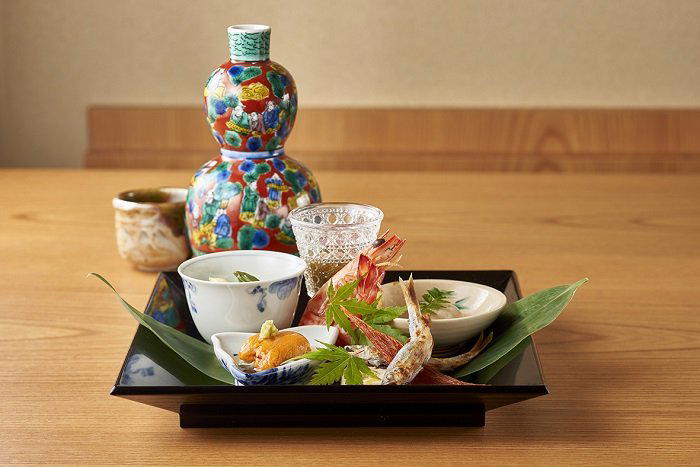
Shintomicho Yuasa brings a health-conscious philosophy to Chinese cooking in Tokyo's Chuo City, holding consecutive Michelin Plate recognition in 2024 and 2025. The kitchen's approach connects balanced-diet principles with the pleasures of the table, and the sommelier-qualified chef bridges Chinese cuisine with considered wine service at the ¥¥¥ price tier.

Pearl is the En Primeur Club membership app, where members save venues, book tables and use the concierge.
Chinese Noodle Craft in Tokyo's Shintomi Quarter
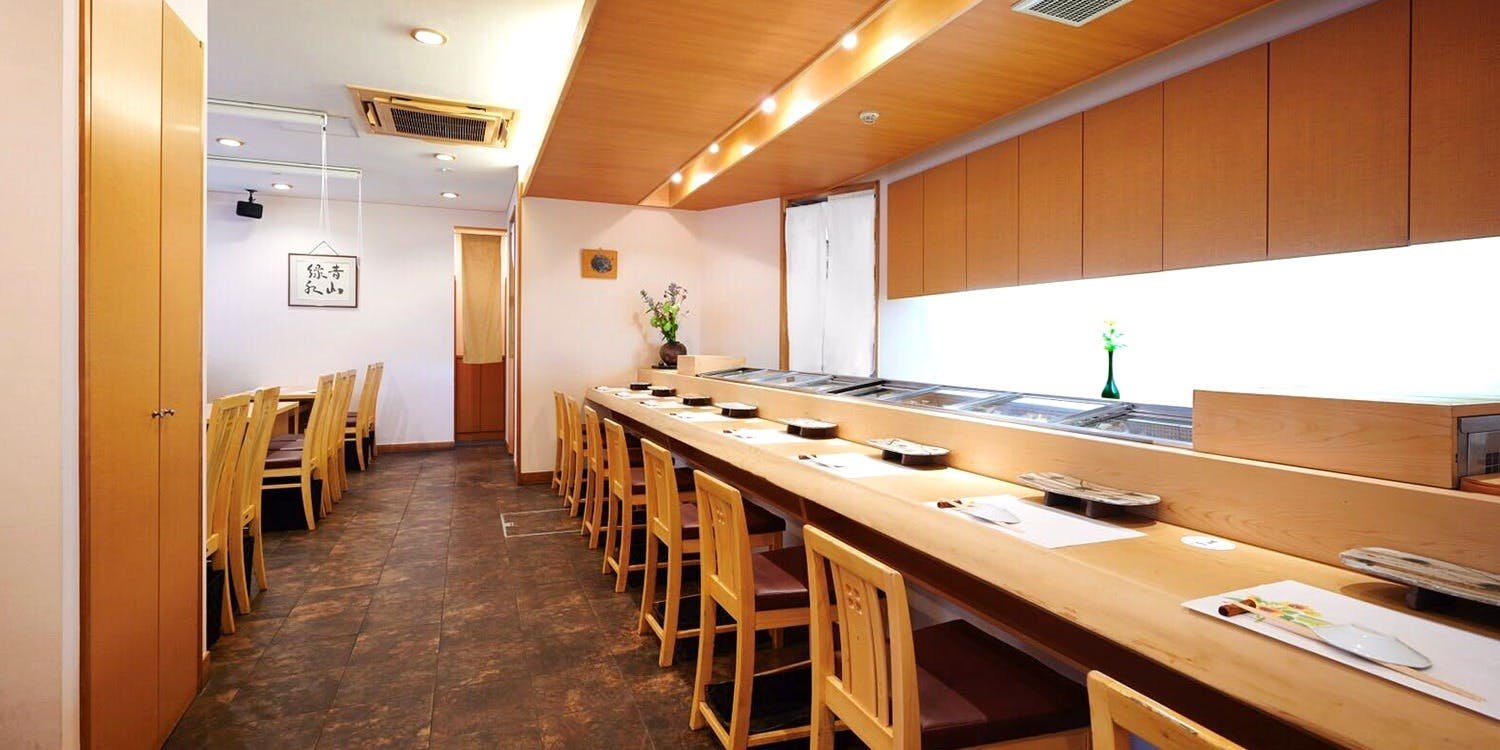
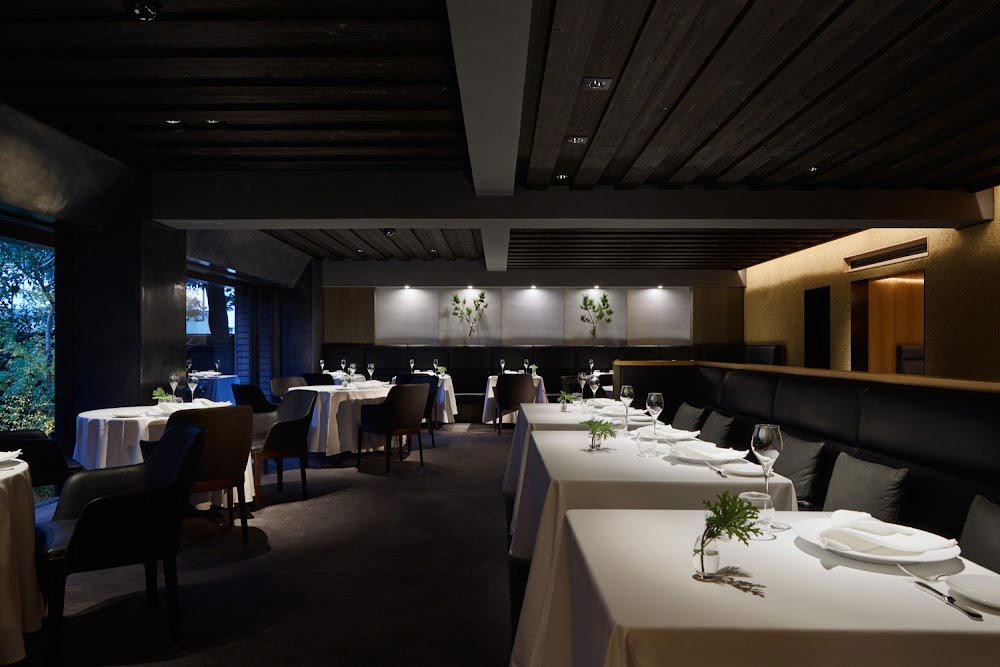
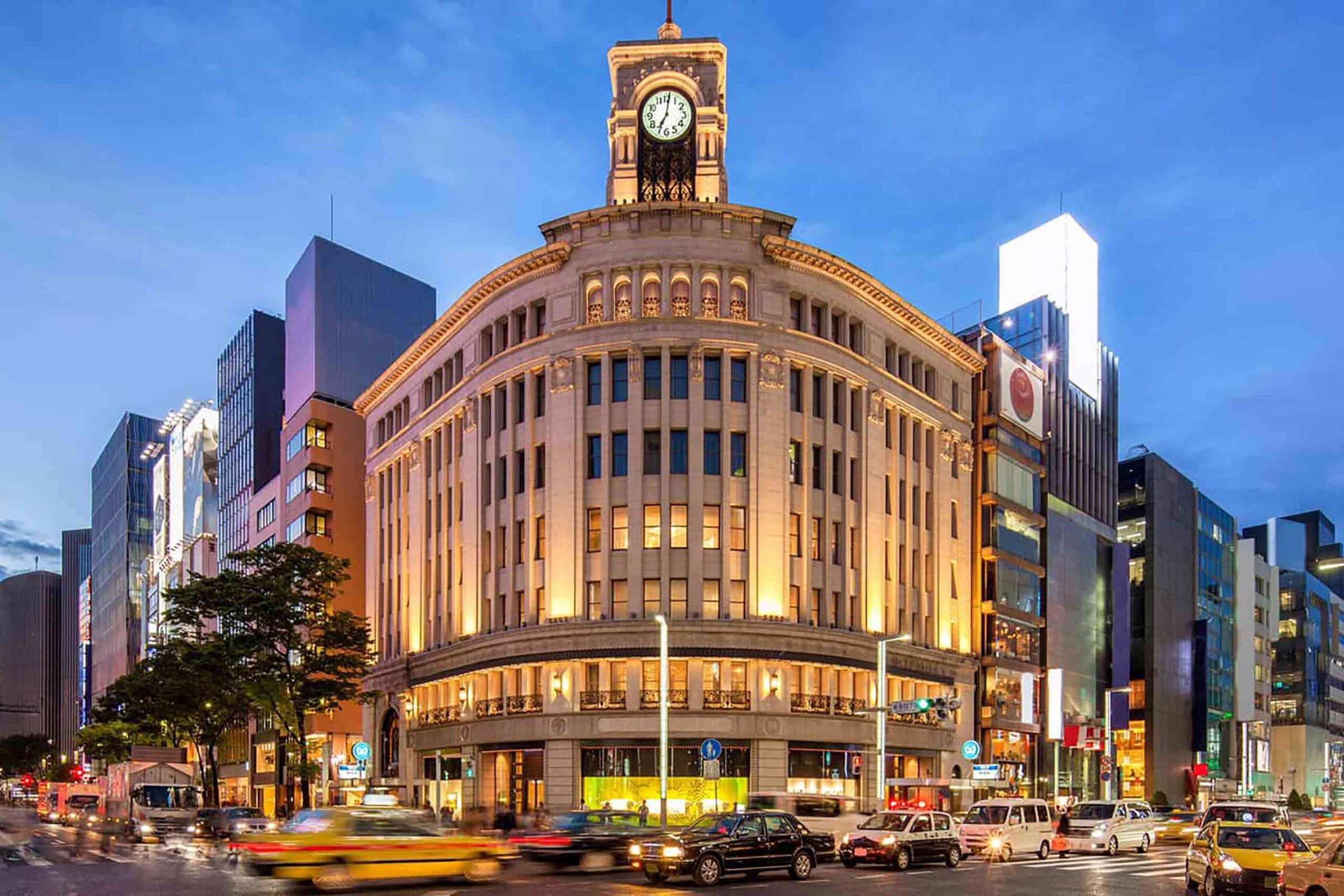
Tokyo's Chinese restaurant scene has never operated as a monolith. The city's Chinese dining splits across several distinct registers: the Cantonese banquet houses of Yokohama lineage, the contemporary mainland-inspired rooms in Ginza and Azabu, and a quieter tier of neighbourhood specialists who apply Japanese precision to regional Chinese traditions. Shintomicho Yuasa occupies this third register, sitting in Chuo City's Shintomi district, a low-key commercial pocket east of Ginza that has accumulated a cluster of serious, counter-oriented dining rooms over the past two decades. The address, Growth Ginza East 1F on 2-chome, places it within walking distance of the financial corridors of Hatchobori and Shintomicho stations, which partly explains its daytime credibility and its after-work reservation pressure.
Noodle Traditions and What They Demand
Among the regional Chinese cooking traditions that have taken root in Japanese cities, noodle craft carries particular weight. Hand-pulled lamian, knife-cut daoxiaomian, and the thinner, more restrained wheat noodles of northern Chinese cooking each require different flour hydration, resting times, and pulling techniques. Japanese diners, conditioned by decades of ramen culture to notice texture gradations in wheat noodles, tend to be exacting audiences for this kind of work. A noodle that pulls correctly but cooks a few seconds long, or a broth that neglects the alkaline mineral character of traditional northern Chinese preparation, registers immediately in a market where the bar for noodle execution is set by hundreds of specialist ramen and soba shops.
This context matters for understanding where a venue like Shintomicho Yuasa positions itself. Rather than competing on volume or spectacle, the kitchen operates from a framework that connects the physical act of eating to broader ideas about balance and health. The Chinese character for food (食) is made up of the components for person (人) and good (良), a reading that frames eating as an act with consequences for how a person functions. That framing shapes both the kitchen's sourcing logic and the way dishes are sequenced, not as a narrative flourish, but as a working principle that informs ingredient selection and portion architecture.
The Sommelier Credential and What It Signals
Wine pairing with Chinese cuisine sits in an underdeveloped corner of both Chinese and Japanese restaurant culture. The pairing challenges are real: the interaction of fermented bean pastes, high-heat wok technique, and the layered umami of aged soy with European varietals requires a different matching grammar than French or Japanese kaiseki traditions. The fact that the chef at Yuasa holds a sommelier qualification is not incidental, it signals a deliberate effort to bring wine into the Chinese dining experience as a considered option rather than an afterthought. This positions the room alongside a small peer group of Chinese restaurants in Tokyo that treat the drinks list as an extension of the kitchen's logic rather than a separate department. For context, venues like Chugoku Hanten Fureika and Chugoku Hanten Kohakyu (Amber Palace) represent the more formal, banquet-oriented end of Tokyo's Chinese dining; Yuasa operates in a smaller, more personal format.
Michelin Plate Recognition: What the Designation Means Here
The Michelin Plate, awarded in both 2024 and 2025, indicates that inspectors found the cooking consistently good enough to flag without reaching the threshold for a star. In practical terms, this sits the restaurant above the general field while placing it below the star-holding tier occupied by Tokyo's most decorated Chinese tables. That positioning is accurate to the venue's format and price range. At ¥¥¥, Yuasa is priced above casual Chinese but below the omakase-tier Chinese rooms that have emerged in Ginza and Nishi-Azabu.
For comparison, Tokyo's broader dining culture at this price tier includes technically serious rooms across multiple cuisines: Ippei Hanten operates in related territory, and itsuka and Koshikiryori Koki illustrate the range of specialist formats competing for the same informed-diner audience in central Tokyo.
Regional Chinese Cooking in a Japanese Context
The broader question for Chinese restaurants operating at serious price points in Tokyo is how they move through the tension between regional authenticity and the expectations of a Japanese dining audience. Japanese diners bring specific textural preferences, a tendency toward cleaner broths, lower salt thresholds, and comfort with umami from sources other than MSG, that can pull Chinese kitchens toward accommodation. The more confident rooms hold their regional logic intact while adjusting service pacing and presentation to match local standards. This is the approach that distinguishes Chinese restaurants in Tokyo from their counterparts in, say, Yokohama's Chinatown or the Chinese dining scenes of other major cities. For international reference points, Restaurant Tim Raue in Berlin and Mister Jiu's in San Francisco represent how Chinese culinary frameworks translate into fine-dining contexts in other markets, each a useful lens for understanding what Yuasa is doing within Tokyo's own version of that conversation.
Planning Your Visit
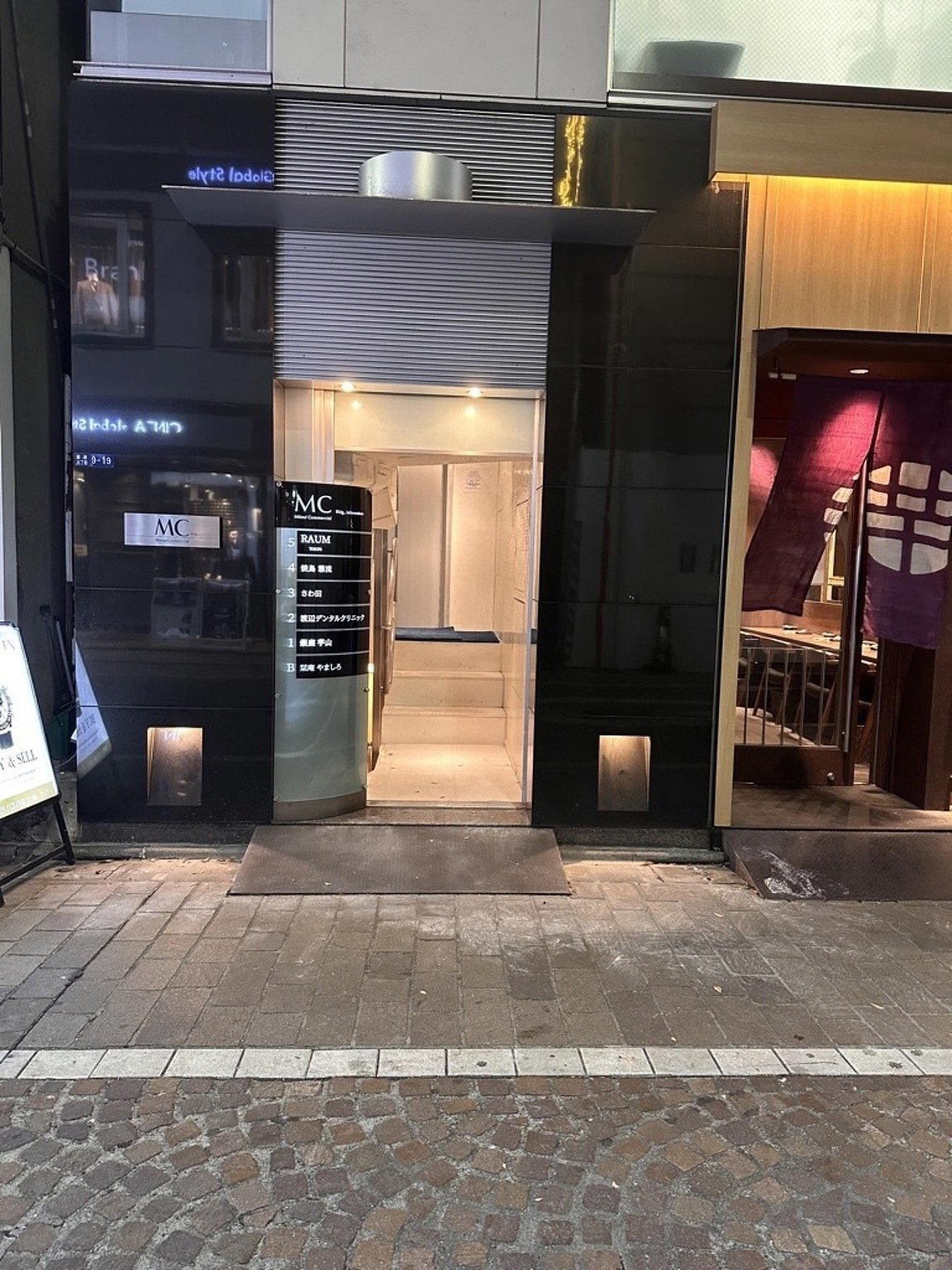
Shintomicho Yuasa is located at 2 Chome-7-4 Shintomi, Chuo City, Tokyo, on the ground floor of Growth Ginza East. The nearest stations are Shintomicho (Hibiya Line) and Hatchobori (Hibiya and Keiyo Lines), both within a few minutes on foot. Budget: ¥¥¥, placing it in the mid-to-upper range for neighbourhood Chinese in Tokyo. Reservations: Booking details are not published; approach via direct contact or through a concierge familiar with the Shintomi dining cluster. Timing: The area draws a financial-district lunch crowd and a dinner clientele that skews toward regulars and repeat visitors; evening visits outside peak hours are likely to yield a quieter experience. Dress: No formal code specified, but the neighbourhood and price tier suggest smart casual as a working assumption.
For broader Tokyo dining context, see our full Tokyo restaurants guide. If you're building a full Japan itinerary, comparable serious dining can be found at HAJIME in Osaka, Gion Sasaki in Kyoto, akordu in Nara, Goh in Fukuoka, 1000 in Yokohama, and 6 in Okinawa. Tokyo's hospitality options beyond dining are covered in our Tokyo hotels guide, bars guide, wineries guide, and experiences guide.
Frequently asked questions
Does Shintomicho Yuasa have a Michelin star or similar recognition?
Shintomicho Yuasa has received recognition including: The character for ‘food’ (食) is composed of the components for ‘person’ (人) and ‘good’ (良), signifying the power of food to make a person good. Daisuke Yuasa, who puts great store by the principles of a balanced diet and good food for good ….
What price level is Shintomicho Yuasa?
Pricing at Shintomicho Yuasa is listed as ¥¥¥.
What dish is Shintomicho Yuasa famous for?
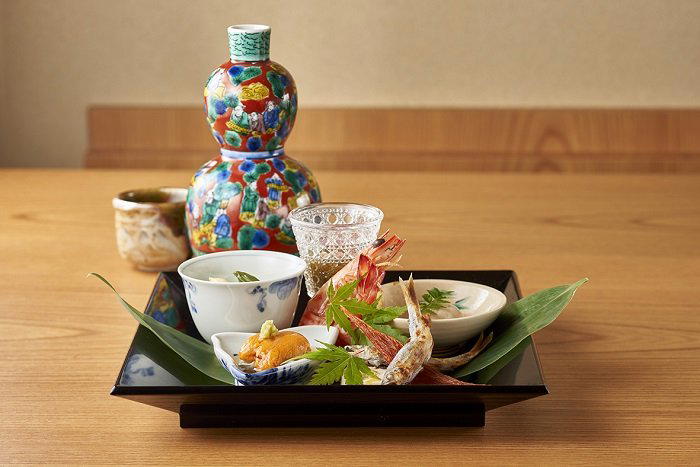
The kitchen's identity centres on noodle craft rooted in Chinese regional tradition, shaped by chef Daisuke Yuasa's philosophy that food should support health in both body and soul. That principle drives the menu choices rather than a single signature dish. Michelin inspectors awarded the restaurant a Plate in both 2024 and 2025, recognising the consistency of the cooking across the menu rather than singling out one item.
What should I expect cuisine-wise at Shintomicho Yuasa?
Comparable Spots
| Venue | Cuisine | Price | Awards | Notes |
|---|---|---|---|---|
| Shintomicho YuasaThis venue (the venue you are viewing) | Modern Chinese Fine Dining | $150–200 | Michelin Plate · Tabelog 100 #18 | Not listed |
| Harutaka | Edo-Style Omakase Sushi | $200–300 | 3 Michelin Stars · World's 50 Best #76 | Sushi |
| RyuGin | Modern Kaiseki | $500+ | 3 Michelin Stars · World's 50 Best #41 | Kaiseki, Japanese |
| L'Effervescence | Modern French with Japanese Influences | $200–300 | 3 Michelin Stars · World's 50 Best #69 | French |
| HOMMAGE | Modern French with Japanese Influences | $150–200 | 2 Michelin Stars · World's 50 Best #78 | Innovtive French, French |
| MAZ | Innovative Peruvian-Japanese Fusion | $150–200 | 2 Michelin Stars · World's 50 Best #28 | Innovative |
Recognition history
Dated appearances from independent guides and award organizations, with the underlying list record or original source where available.
Michelin Plate
Michelin
Tabelog 100 #18 · No. 18
Tabelog · Tabelog 100 - Chinese cuisine - TOKYO - 2026
Full recognition history (4 entries)
Michelin Plate
Michelin
Michelin Plate
Michelin