Skip to Main Content
Authentic Turkish Grill

Google: 4.4 · 1,130 reviews

← Collection
Berlin, Germany

Hasir Kreuzberg

Price≈$20
Dress CodeCasual
ServiceCasual
NoiseLively
CapacityMedium

One of Berlin's oldest Turkish restaurants, Hasir Kreuzberg on Adalbertstraße has anchored the neighbourhood's Anatolian dining scene since the 1970s. It represents the longer arc of Turkish gastronomy in the city — a cuisine that arrived with the Gastarbeiter generation and became inseparable from Kreuzberg's cultural identity. The address draws both long-standing regulars and visitors tracing the roots of Berlin's most consequential immigrant food tradition.

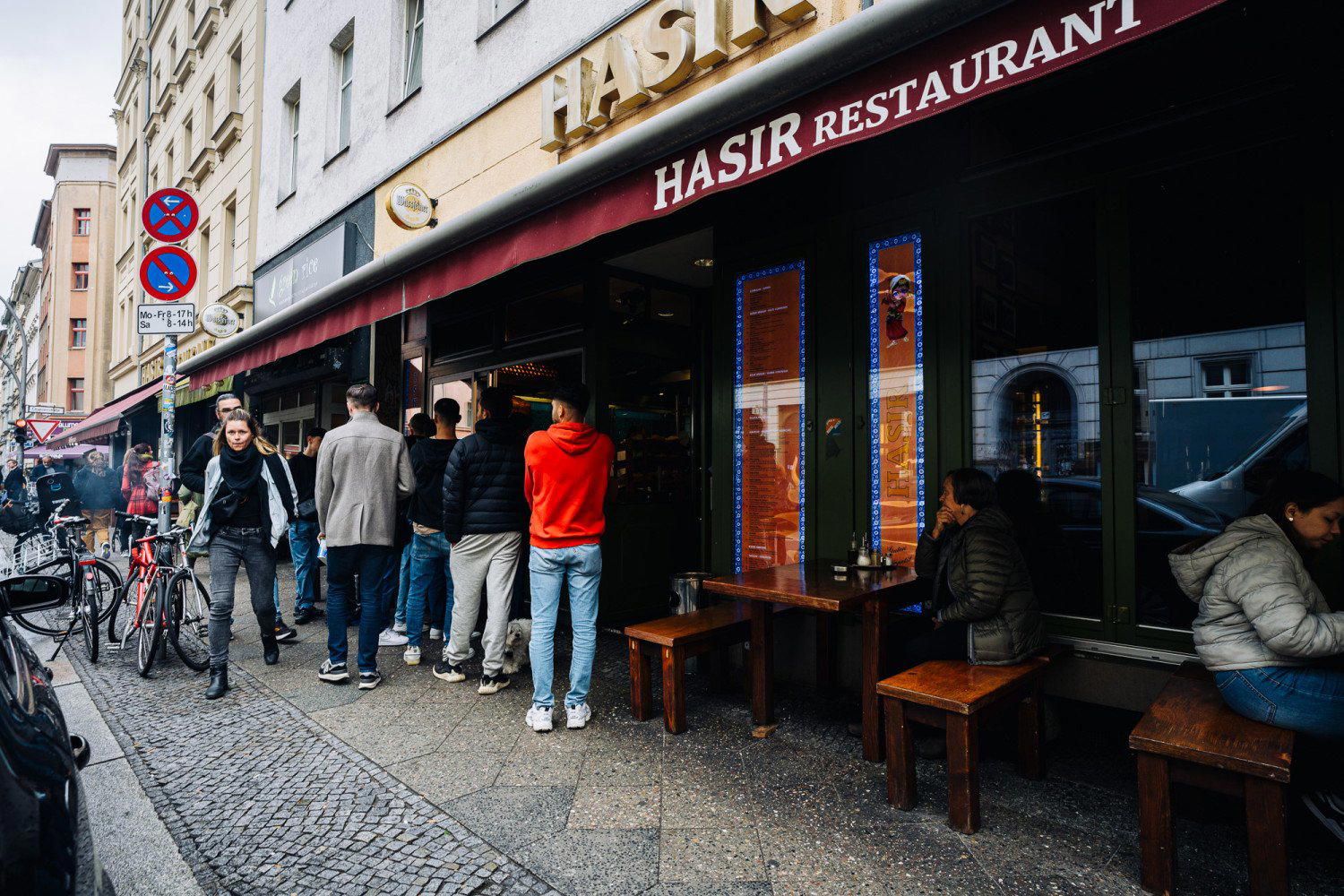
Hasir Kreuzberg restaurant in Berlin, Germany
About

Where Kreuzberg's Turkish Dining Tradition Has Its Longest Roots

Adalbertstraße runs through the part of Kreuzberg that Berlin's Turkish community made its own over fifty years ago, and the street has the culinary density to prove it. Döner stalls, tea houses, and family-run kebab kitchens overlap at close intervals, each representing a different generation of settlement and adaptation. Hasir sits inside that lineage at a particular depth: it is among the oldest Turkish restaurants in Berlin, and its presence on this street is less a business fact than a historical marker about how Anatolian food culture established itself in a German city.

The story of Turkish food in Berlin does not begin with fine dining. It begins with Gastarbeiter — the guest workers recruited from Turkey through bilateral labour agreements starting in 1961 — and the community infrastructure that followed them: grocers, bakeries, tea rooms, and eventually restaurants serving food that was never intended for a German audience. That insularity is precisely what preserved the cuisine's integrity. Kreuzberg's Turkish kitchens in the 1970s and 1980s were cooking for people who knew what the food should taste like. Hasir was part of that original formation, which gives it a different kind of authority than the wave of Turkish fusion restaurants that emerged later.

The Cuisine in Context: Anatolian Cooking as a Serious Category

Turkish food in Germany has spent decades fighting a perception problem. The döner kebab , now so thoroughly adapted to German street-food culture that its origins are sometimes disputed , flattened the cuisine in the popular imagination into one format. What Anatolian cooking actually contains is considerably wider: slow-braised meats, wood-fired flatbreads, cold meze built around yogurt and legumes, offal preparations with regional specificity, and a grilling tradition that predates the European steakhouse by centuries.

Hasir's menu draws from that broader vocabulary. The restaurant is particularly associated with kebab formats , not the vertical-spit döner of the imbiss stands but table-served preparations with more direct Anatolian lineage. Grilled meats, lamb dishes, and the accompaniments that give them context (fresh bread, pickled vegetables, herb-heavy salads) form the core of what regulars return for. This positions Hasir in a different category from the experimental Turkish kitchens that have appeared in European cities in recent years, places reinterpreting Anatolian ingredients through a contemporary fine-dining lens. Hasir is not making that argument. It is making a different one: that continuity and fidelity to a culinary tradition carry their own form of authority.

For readers working through Berlin's more technically complex restaurants, the contrast is useful. The city's upper tier , CODA Dessert Dining, Rutz, Nobelhart & Schmutzig, FACIL, and Restaurant Tim Raue , operates at price points and format structures that have almost nothing to do with Hasir's register. But a complete picture of how Berlin eats requires both ends of that range, and Hasir represents a category of restaurant that the Michelin tier cannot replicate: the neighbourhood anchor with genuine historical roots.

Kreuzberg as a Dining District

Kreuzberg is not a monolithic neighbourhood. It splits roughly into the SO36 postal district , historically the denser, more working-class Turkish zone , and the 61 area around Bergmannstraße, which skews toward a different demographic and a different restaurant culture. Adalbertstraße 10 places Hasir firmly in the former, in a section of the neighbourhood where the Turkish community's footprint remains strongest and where the surrounding food environment is still largely shaped by that heritage.

This matters for visitors calibrating expectations. The atmosphere on Adalbertstraße at dinner is not the curated cool of Prenzlauer Berg or the gallery-district energy of Mitte. It is a working neighbourhood with its own rhythm, and the restaurant fits that context rather than trying to reframe it. That authenticity is precisely what draws a certain kind of traveller , someone less interested in the city's design-hotel dining scene and more interested in understanding Berlin's social history through what it eats.

For context across Germany's broader restaurant scene, the distance between Hasir's register and the country's upper fine dining tier , Aqua in Wolfsburg, Schwarzwaldstube in Baiersbronn, Vendôme in Bergisch Gladbach, Victor's Fine Dining by Christian Bau in Perl, or Waldhotel Sonnora in Dreis , is considerable. But that distance is precisely the point. Hasir belongs to a culinary tradition that German fine dining has largely left unengaged, which gives it a specificity the tasting-menu circuit cannot offer.

Other strong German regional addresses worth cross-referencing include JAN in Munich, ES:SENZ in Grassau, Schanz in Piesport, Restaurant Haerlin in Hamburg, and Bagatelle in Trier. For comparison beyond Germany, Le Bernardin in New York City and Atomix in New York City illustrate how immigrant culinary traditions can be reinterpreted at the highest technical level , a trajectory that Berlin's Turkish restaurant scene has largely not pursued, for reasons that are as much cultural as commercial.

For a full survey of where Berlin's restaurant scene sits across categories and price tiers, the EP Club Berlin restaurants guide maps the full range.

Know Before You Go

  • Address: Adalbertstraße 10, 10999 Berlin, Germany
  • Neighbourhood: Kreuzberg SO36
  • Leading approach: U-Bahn to Kottbusser Tor (U1/U8), then a short walk south along Adalbertstraße
  • Booking: Contact details not currently listed , walk-ins are historically accepted at this type of neighbourhood restaurant, but calling ahead is advisable for larger groups
  • Price range: Not listed in current data; Kreuzberg Turkish restaurants in this category typically fall in the accessible-to-mid range
  • Hours: Not confirmed in current data , verify before visiting
Signature Dishes
döner kebabiskender kebab
Frequently asked questions

Recognition, Side-by-Side

A quick peer snapshot; use it as orientation, not a full ranking.

At a Glance
Vibe
  • Rustic
  • Lively
Best For
  • Casual Hangout
  • Group Dining
  • Late Night
Experience
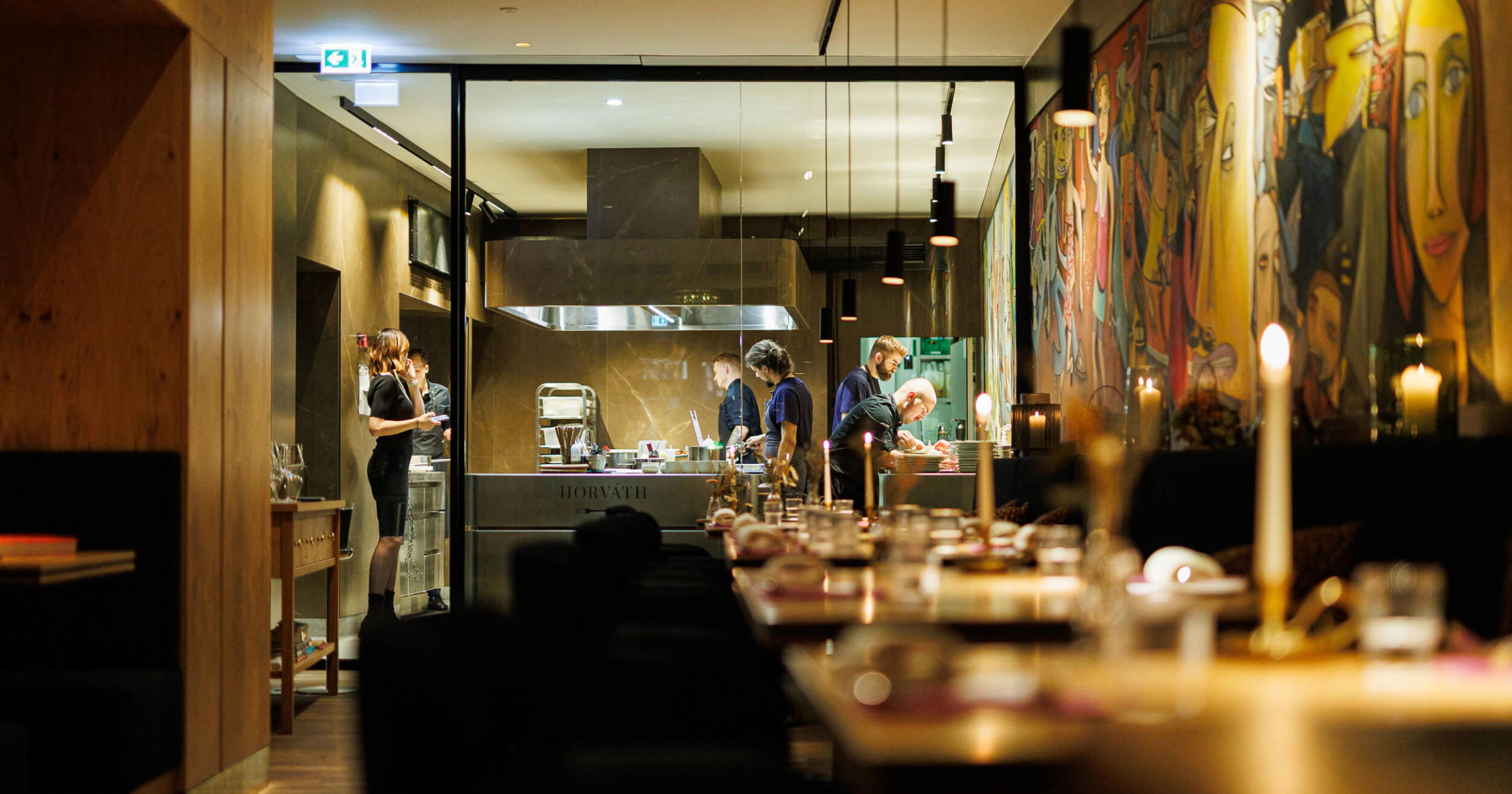
  • Open Kitchen
Dress CodeCasual
Noise LevelLively
CapacityMedium
Service StyleCasual
Meal PacingStandard

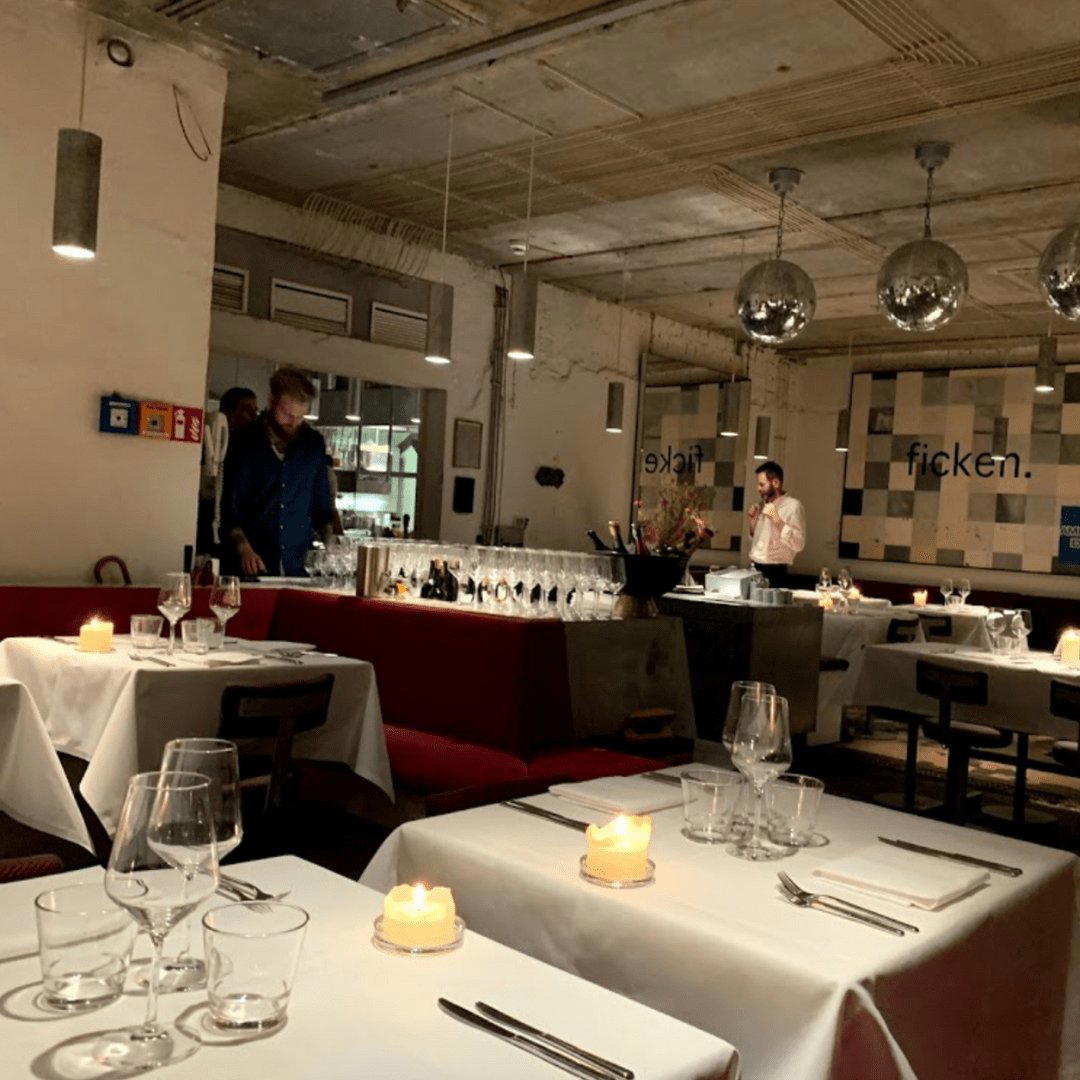
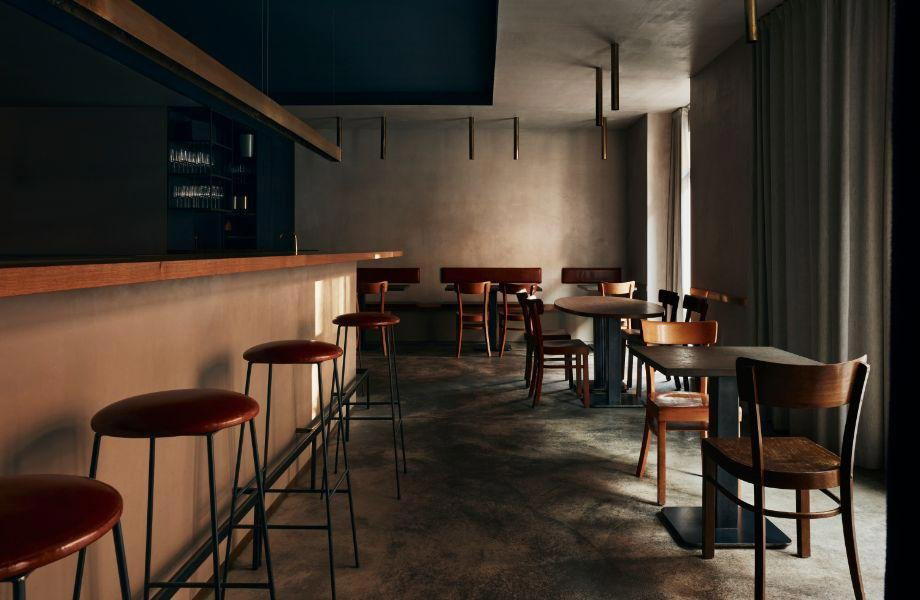
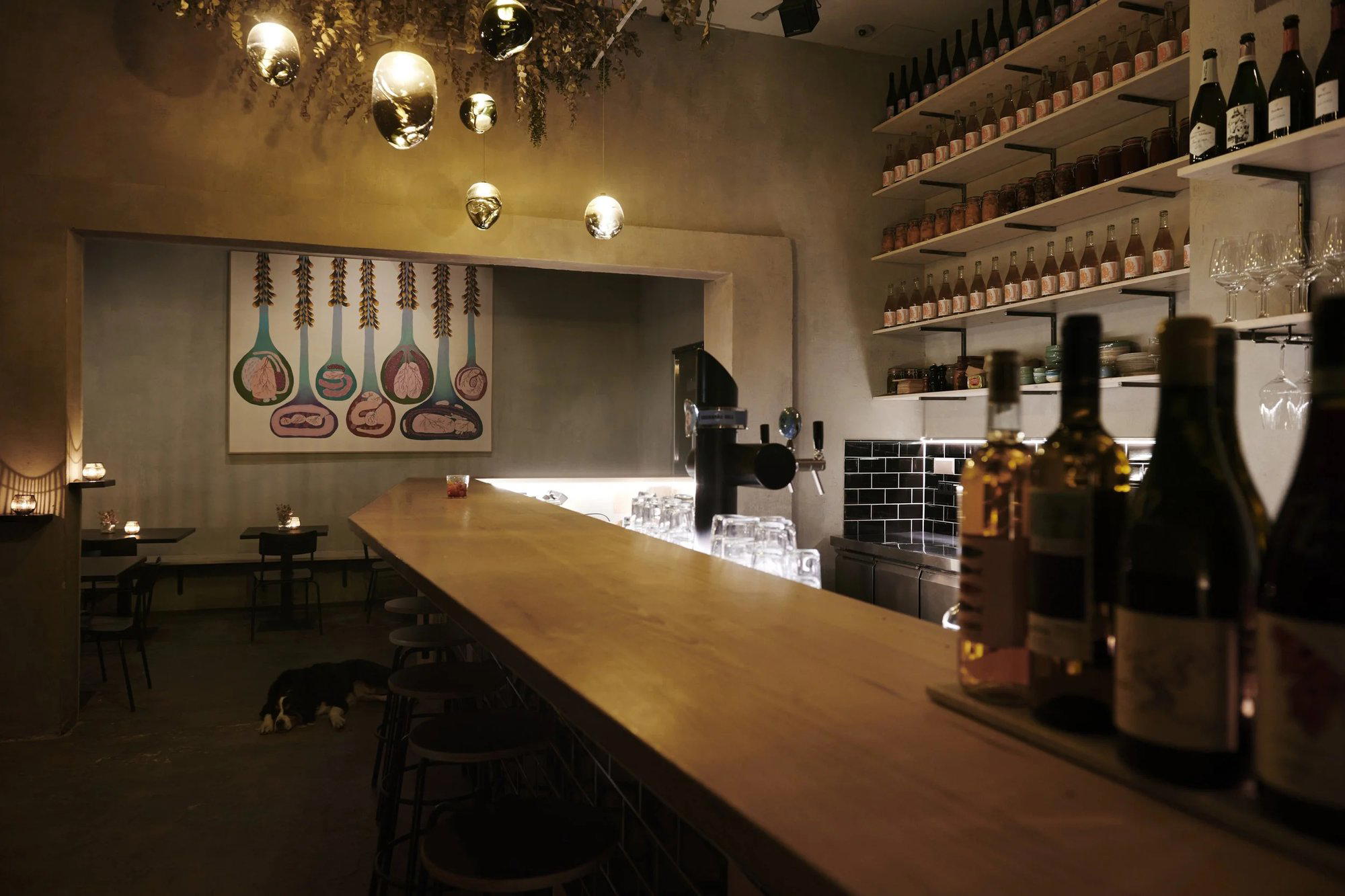
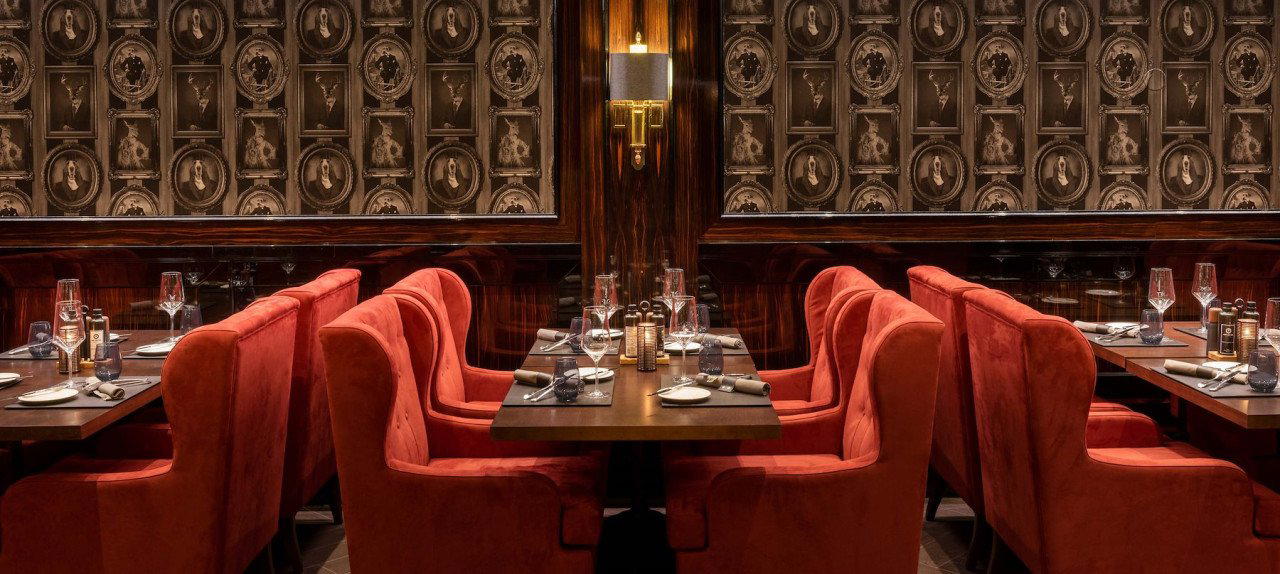
Opulent yet comfortable atmosphere with classy decor and energetic buzz from grill preparations.

Signature Dishes
döner kebabiskender kebab