
Habasta occupies a side street off the Carmel Market and has become the reference point for Tel Aviv's natural wine crowd, with Opinionated About Dining placing it among Europe's top casual restaurants three consecutive years through 2025. Chef Elon Amir runs a market-driven Israeli kitchen where the food moves in the loose, generous rhythm of shared plates and the wine list consistently outpaces the room's modest proportions.
 Discover on Pearl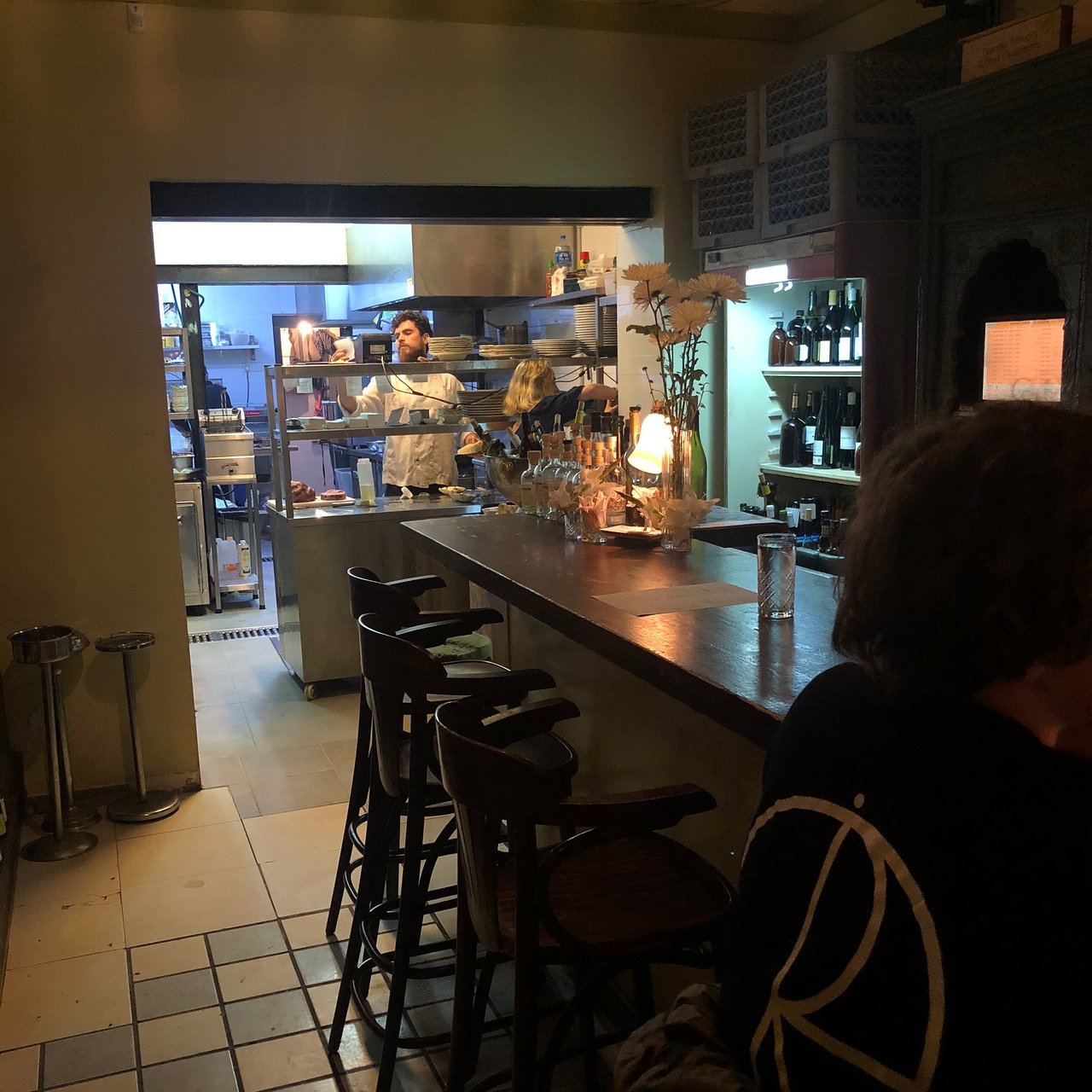
Where the Carmel Market Crowd Ends Up
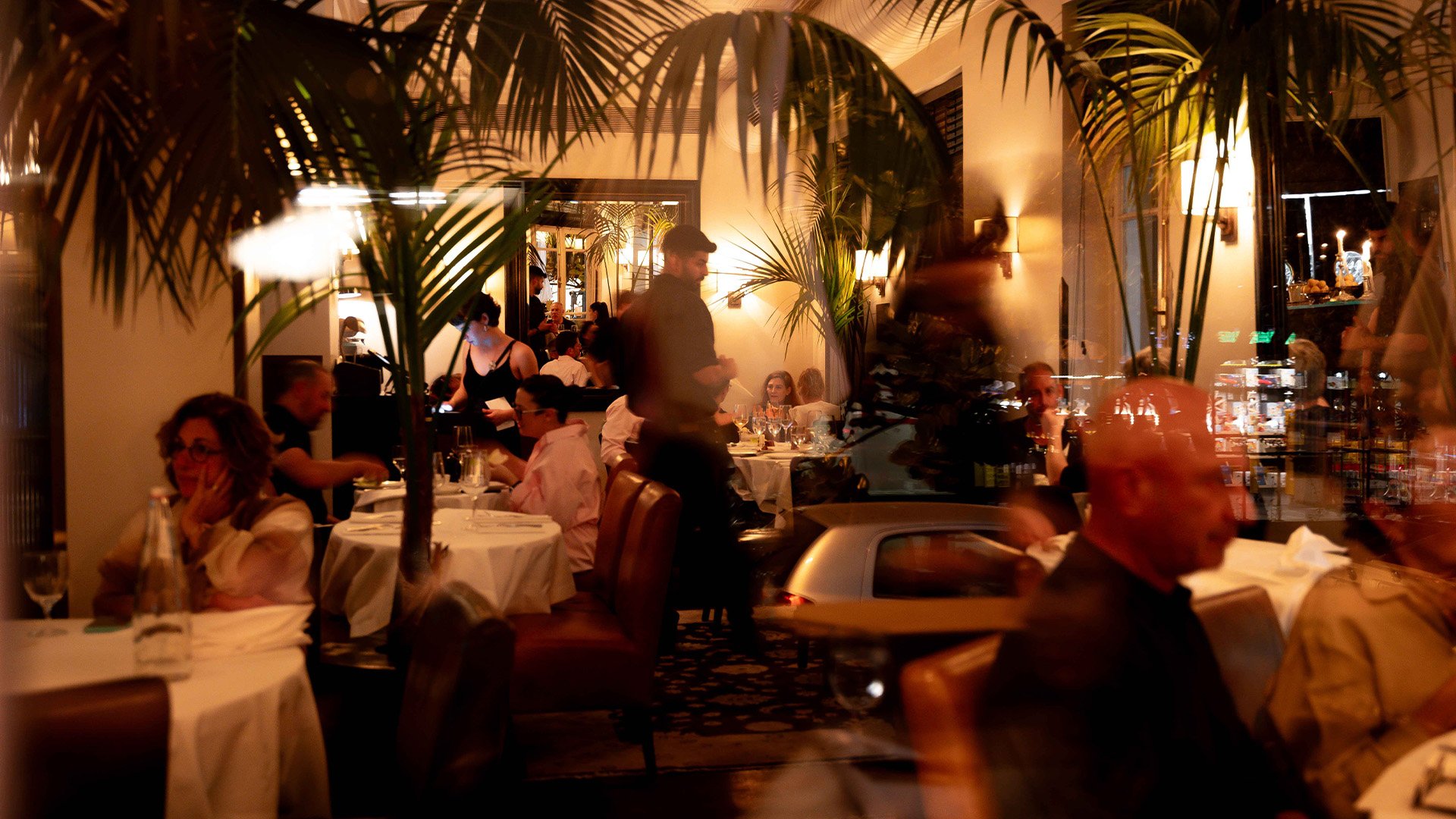
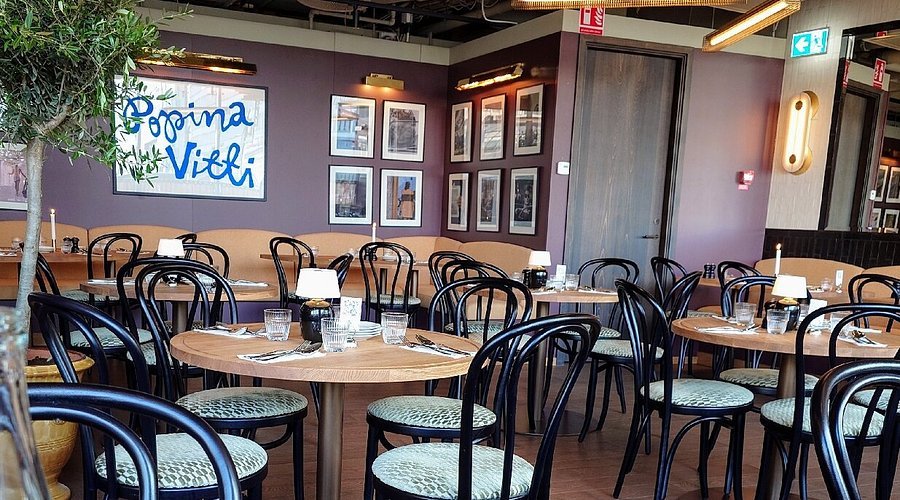
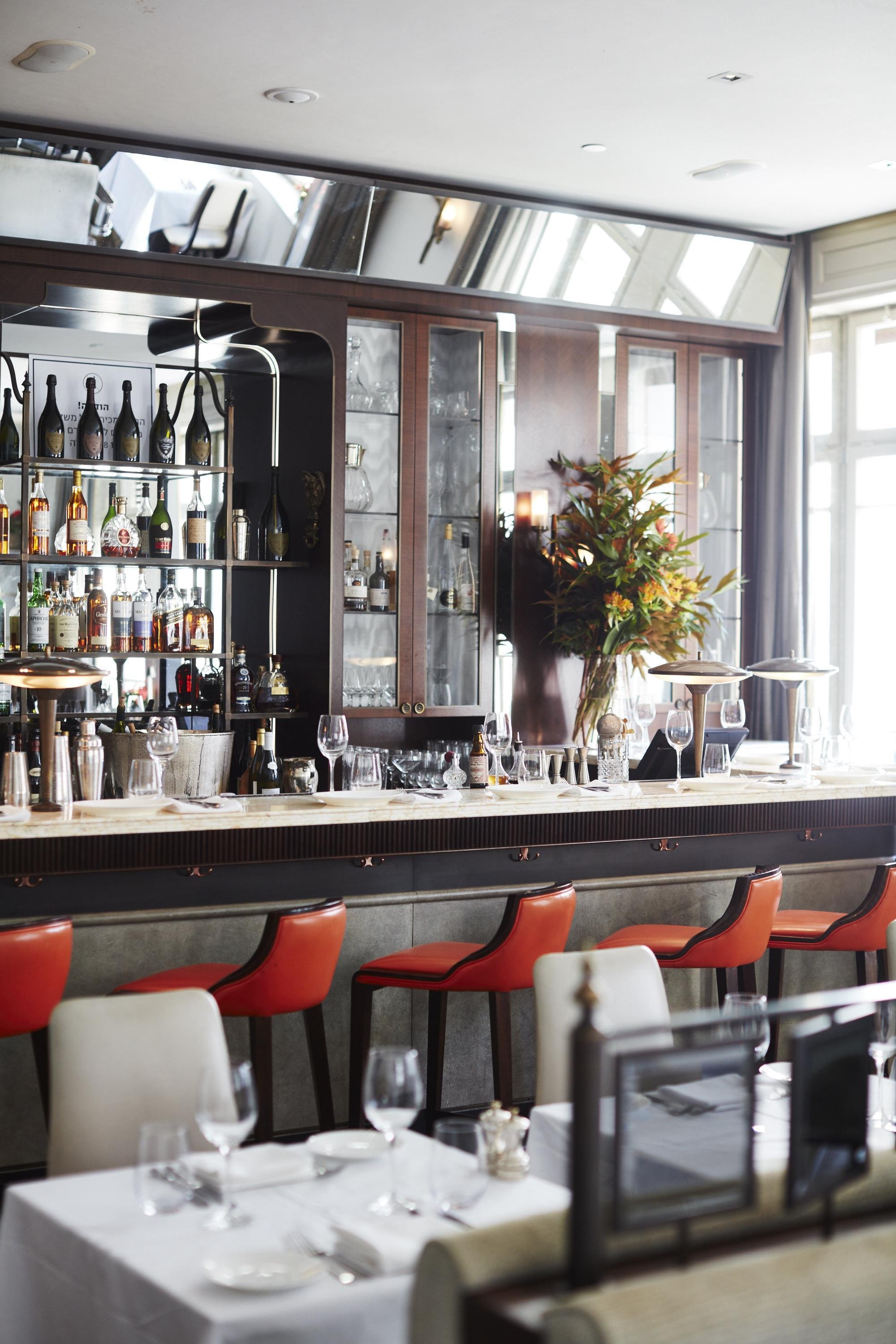
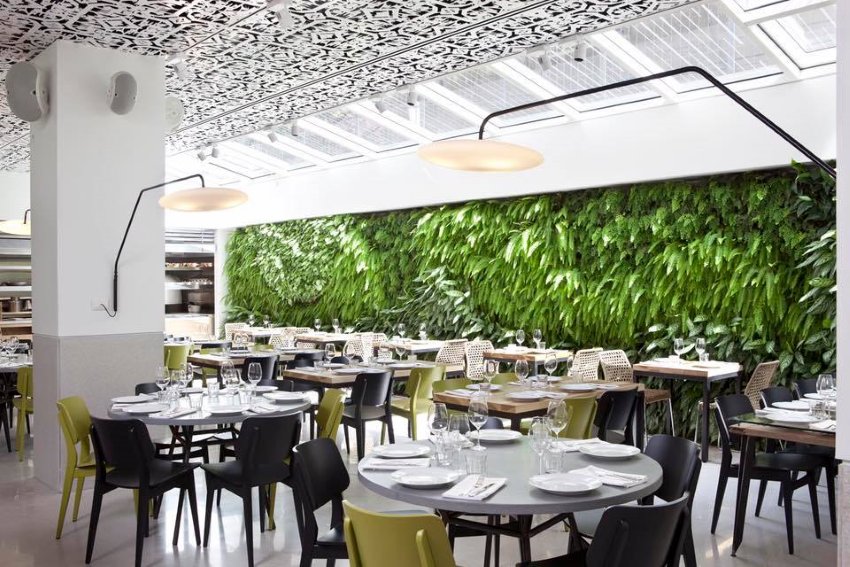
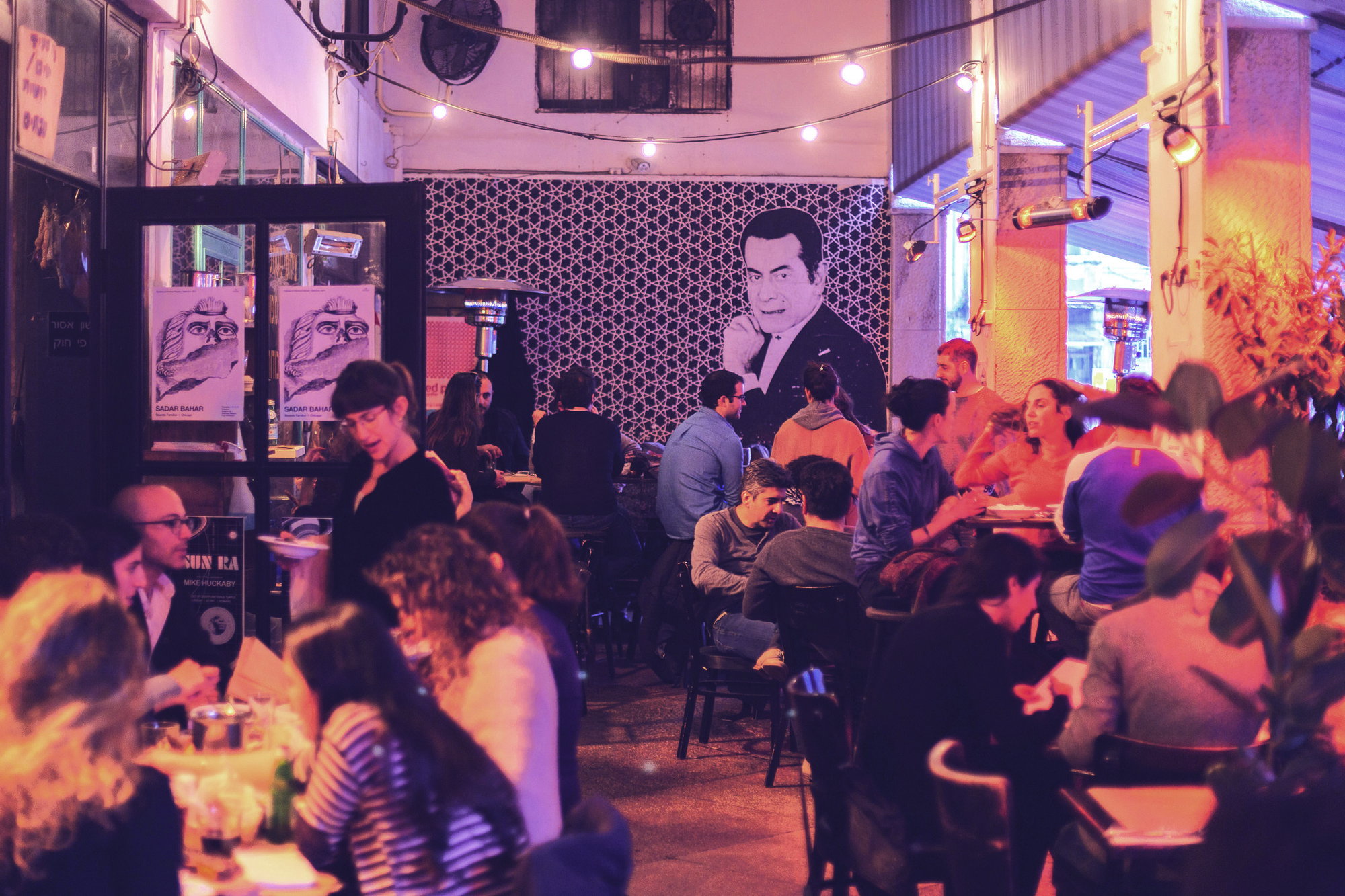
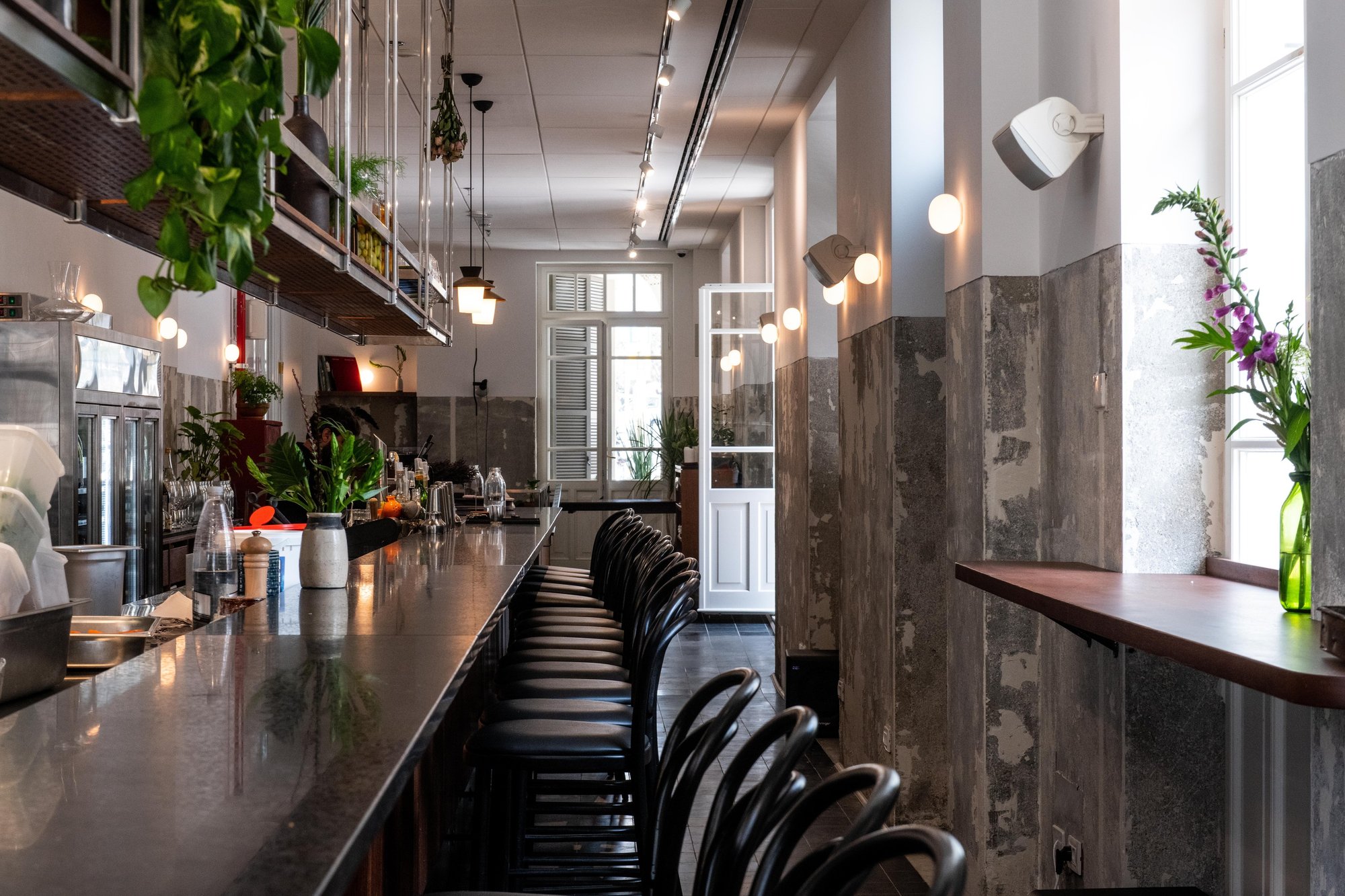
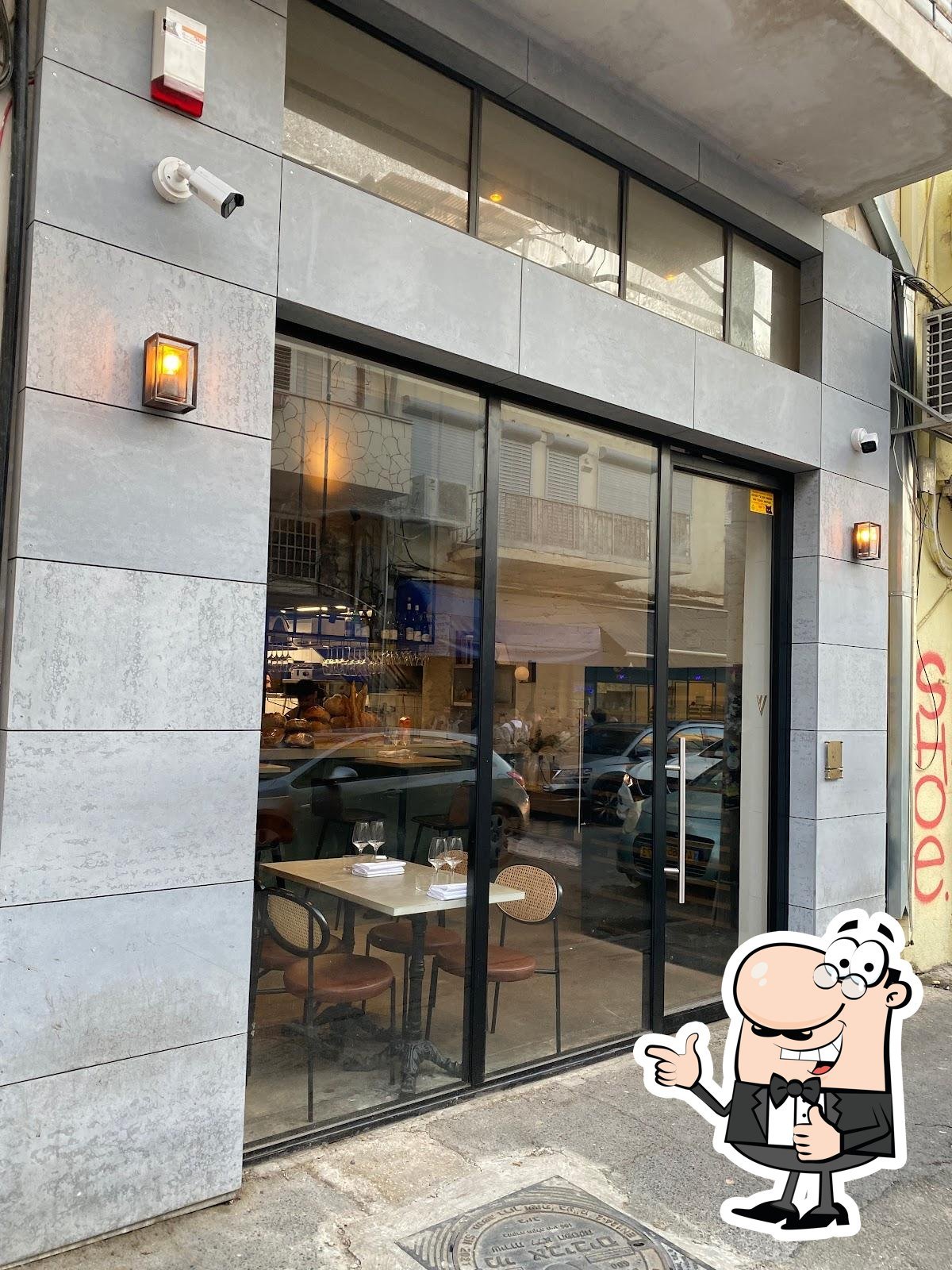
HaShomer Street is not the kind of address that announces itself. A short turn off the Carmel Market's southern edge, it runs quiet against the noise of the shuk, and Habasta sits on it without ceremony — no canopy, no queuing infrastructure, nothing that signals the density of conversation happening inside. The room has the slightly compressed energy common to serious neighbourhood restaurants the world over: tables close enough that you register your neighbours' order, a bar area where the wine conversation tends to run longer than the food conversation, and a pace set by a kitchen that moves to market availability rather than a fixed clock.
That proximity to the Carmel Market is not incidental. Tel Aviv's shuk culture shapes the food supply for a particular tier of restaurant — those kitchens that build their menus around what arrived that morning rather than what was ordered three days ago. Habasta operates squarely in that tradition, and the connection gives the cooking a seasonality and informality that distinguishes it from the more structured tasting formats found at places like Alena at The Norman or Mashya.
The Logic of Generous Sharing
Israeli restaurant culture at its most relaxed operates on a hospitality grammar borrowed from multiple traditions , the Levantine impulse to keep ordering until the table is covered, the Mediterranean habit of treating food as social infrastructure rather than individual consumption, and a local pragmatism about portion boundaries that effectively renders them optional. Habasta sits comfortably inside that grammar. The format is one of shared plates, and the rhythm of a table here tends to expand: dishes arrive, are finished, and more are called for without the ceremony of a formal tasting progression. It is closer to the way meals work at Port Said than to the structured procession of higher-format rooms.
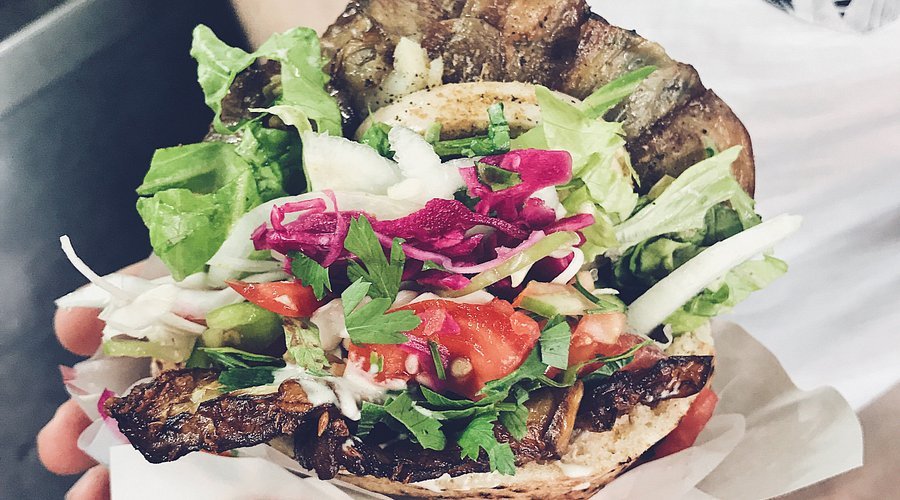
That hospitality register , food as the vehicle for extended time at the table rather than as a series of individual courses to be assessed , is where Habasta's appeal is most clearly located. Chef Elon Amir's kitchen produces Israeli food rooted in seasonal produce from the market outside, and the dishes are calibrated for sharing in the way that the cuisine's leading expressions tend to be: built from bold vegetable cookery, cured and pickled elements, and proteins that work as one component among several rather than as the centrepiece around which sides orbit.
For a sense of how this sits within the wider Tel Aviv picture, the contrast with Ha'Achim is instructive. Both operate in the casual Israeli register, but Ha'Achim skews toward the meat-forward end of the spectrum while Habasta's market proximity pulls it toward a more produce-led approach. Neither is a street-food format like Miznon; both sit in the mid-tier of the city's casual dining scene where serious cooking happens without the formal apparatus of fine dining.
The Wine Program as Destination
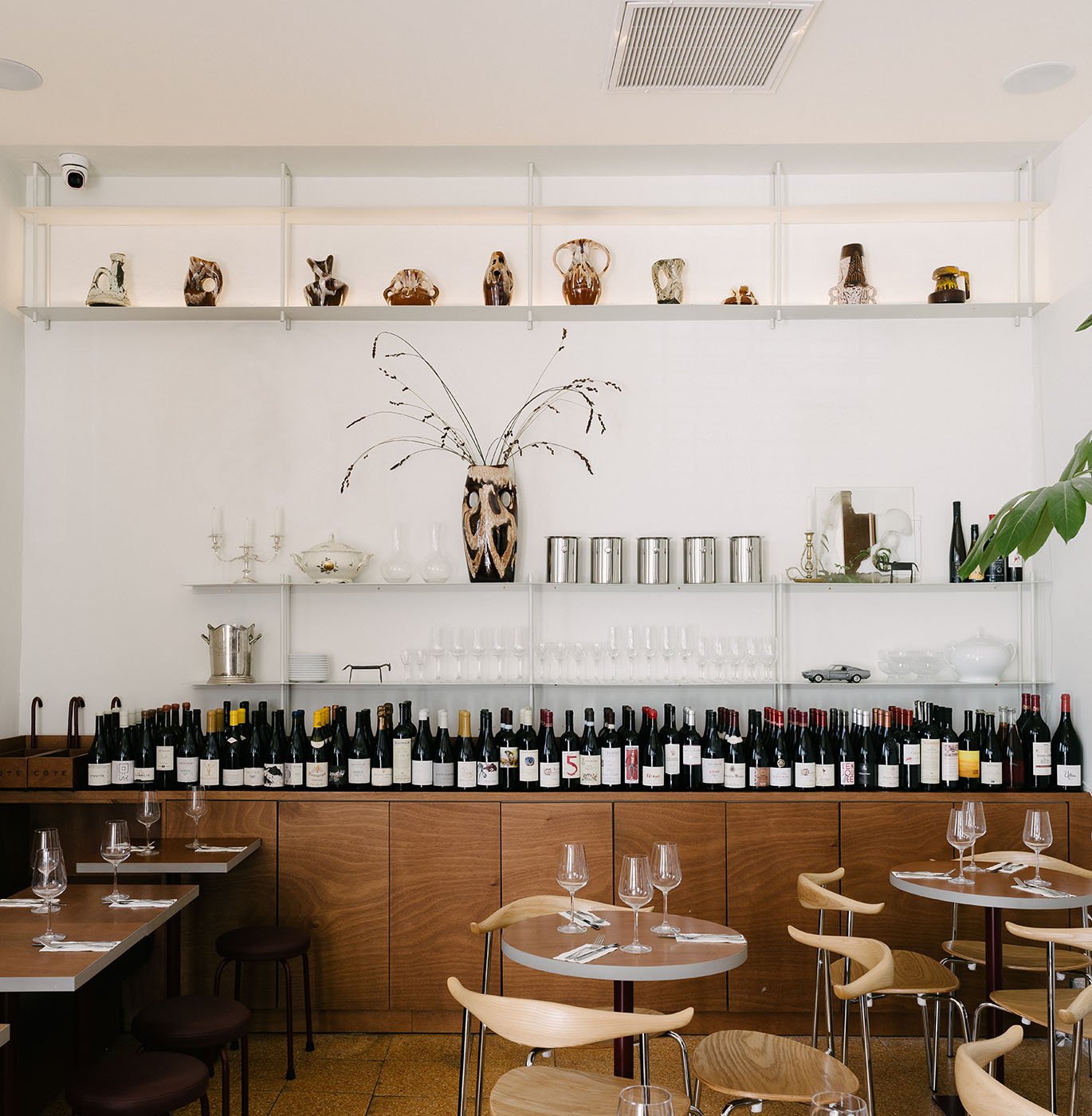
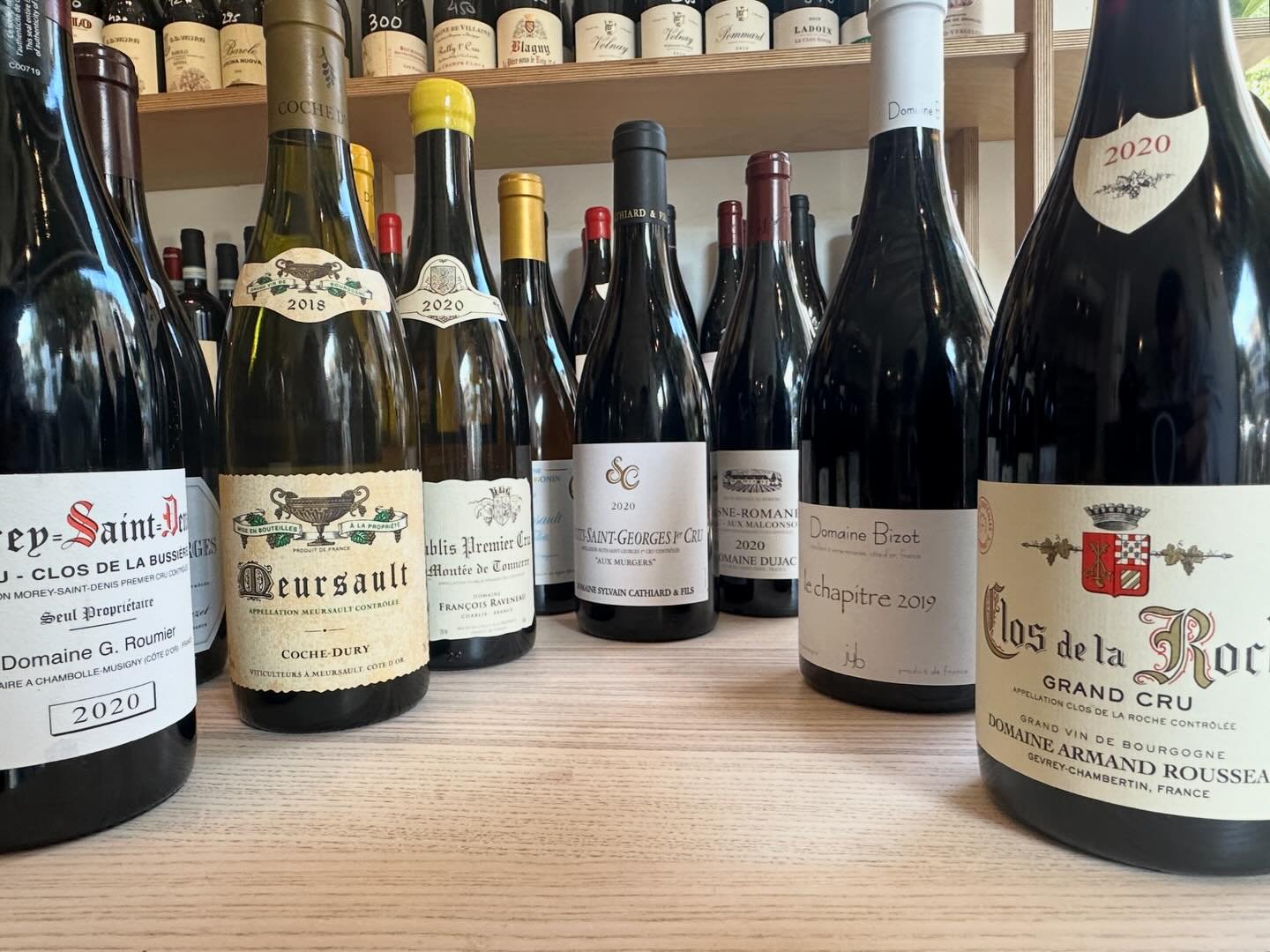
The detail that most consistently draws Tel Aviv's food and drink community to Habasta is the wine list. In a city where the natural wine conversation has matured rapidly over the past decade, Habasta has positioned itself at the centre of it , a place that functions as much as a wine bar destination as a food restaurant. Israeli viticulture has undergone a substantial shift in the same period, with producers in regions like the Galilee and Judean Hills developing a body of low-intervention work that has begun to attract serious international attention. Habasta's list draws on that local production while also reaching into the European natural wine canon that shaped the sensibility of the room's regulars.
Opinionated About Dining, the independent critic-led guide that scores restaurants across Europe and beyond, has listed Habasta in its Casual in Europe ranking for three consecutive years: Recommended in 2023, ranked 580th in 2024, and rising to 467th in 2025. That upward movement within the OAD casual rankings is a meaningful signal, given that the guide's methodology is based on critic votes rather than commercial criteria. A Google review score of 4.1 across nearly 2,000 responses adds a ground-level confirmation that the room performs consistently for a broad range of visitors, not only the specialist wine crowd that might be expected to skew a critical ranking.
For context on how this fits within the Israeli dining scene more broadly, the comparison group is worth mapping. Abu Hassan in Jaffa and Chakra in Jerusalem each represent different registers of the country's food culture, and Israeli cooking has also built a credible international presence through restaurants like Balaboosta and 12 Chairs in New York, Berta in Berlin, Ash'Kara in Denver, and Etzel Itzek in Miami. Within Tel Aviv itself, Habasta occupies a specific niche: it is the room where wine knowledge and Israeli market cooking overlap most visibly, at a pitch that sits below the formal end of the market but above the purely casual.
Planning a Visit
Habasta runs through the week with a schedule that reflects both the neighbourhood rhythm and the Carmel Market's Friday hours. The restaurant opens at noon Monday through Thursday, running through to 11 pm. Friday is split: 11 am to 4 pm in the morning session, then 6 to 11 pm in the evening, which aligns the lunch service with the market's Friday morning peak , the busiest trading session of the week and the one that draws the densest mix of locals and visitors to the Carmel. Saturday runs two sessions as well, noon to 4:30 pm and 6 to 11 pm. Sunday returns to the full noon-to-11-pm format.
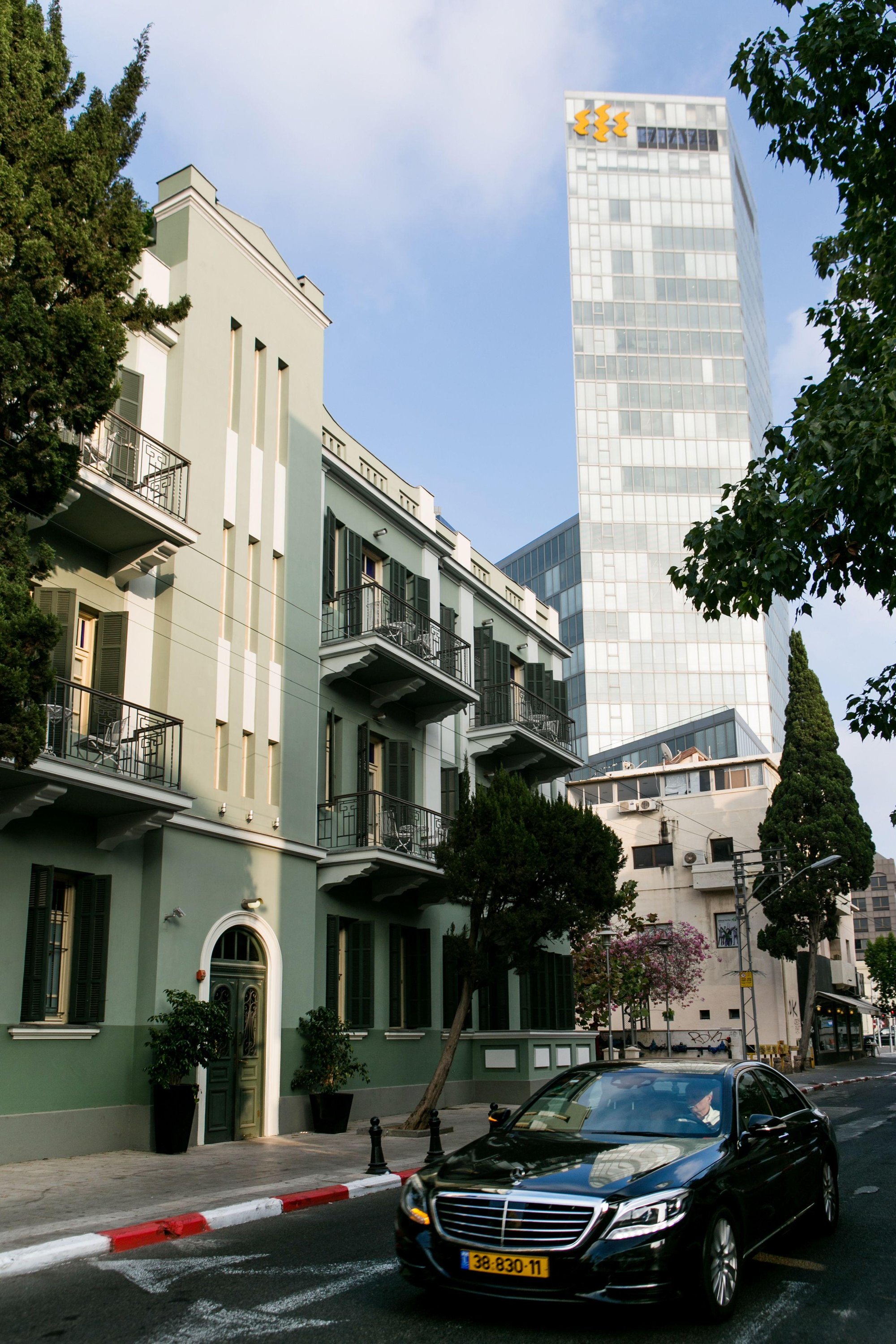
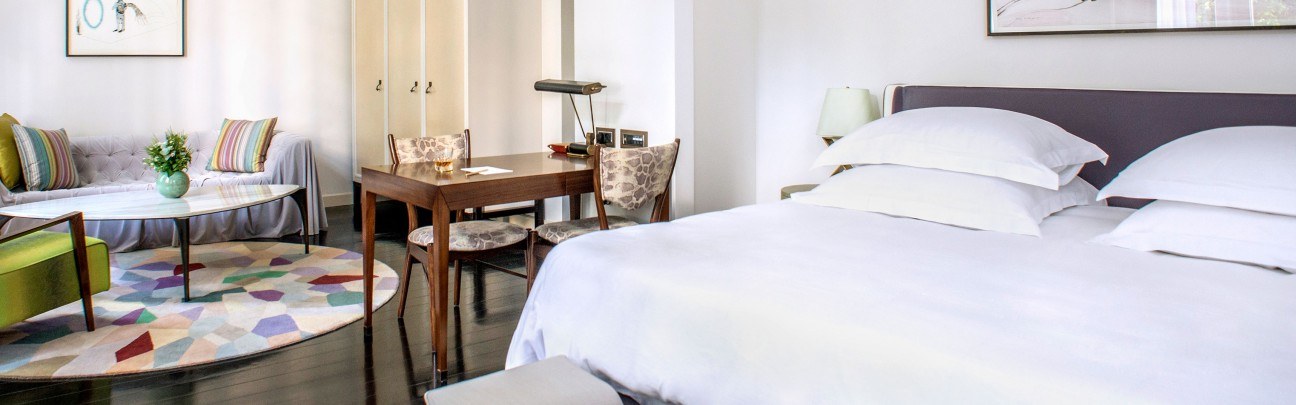
The location at HaShomer St 4 places it within easy reach of the shuk's southern entrance, and the surrounding streets are walkable from the city's central hotel belt. Visitors building a wider Tel Aviv itinerary can cross-reference our full Tel Aviv restaurants guide, our Tel Aviv hotels guide, our Tel Aviv bars guide, our Tel Aviv wineries guide, and our Tel Aviv experiences guide for a fuller picture of the city. For something at the coastal end of the food spectrum, Pescado in Ashdod is within reach for a day trip south.
Tables at Habasta are worth securing in advance, particularly for the Friday morning session and Saturday evenings, when the combination of market-day energy and weekend demand makes the room fill quickly. Walk-in availability mid-week is more realistic, though the bar area absorbs a portion of the room's capacity and can work as a fallback if a table isn't available on arrival.
Continue exploring