Khaim Menakhem Bassok sits inside Tel Aviv's bar scene at a point where the city's cocktail culture has grown specific enough to reward neighbourhood loyalty. The bar draws regulars who know what they want and return for it, placing it within a tier of Tel Aviv drinking rooms where craft and consistency matter more than spectacle. Check the latest hours and booking approach before visiting.
Pearl is the En Primeur Club membership app — saves, bookings, and concierge access live there. Same editors, same standards.
- Address
- Tel Aviv-Yafo, Israel
- Directions
- Get directions
 Saves & bookings on Pearl
A Bar Shaped by Its City
Tel Aviv's bar scene has moved through several distinct phases over the past decade. The city once leaned heavily on Mediterranean terrace drinking, where wine and arak carried most of the weight and cocktails were secondary. That began to shift as a generation of bartenders returned from stints abroad, bringing with them fermentation techniques, clarified-spirit work, and a more deliberate approach to menu architecture. Today, the city's better bars sit in a recognisable competitive set: they tend to be small, they tend to be serious, and they tend to operate with the kind of neighbourhood specificity that makes them hard to locate unless you already know where to look. Khaim Menakhem Bassok is a casual bar in Tel Aviv-Yafo.
The name itself is a street address as much as a brand, signalling a localism that is common to bars at this level in Israel. Rather than projecting outward with a polished identity, these venues embed themselves in a specific block or neighbourhood and let word of mouth do the work. It is a format that has worked well for the city's more technically oriented bars, and it positions Khaim Menakhem Bassok within a cohort that includes Imperial Craft, long regarded as the anchor of Tel Aviv's craft cocktail scene, alongside newer entrants like Bar 51, Bosser, and Brix.
What the Cocktail Programme Signals
In cities where cocktail culture has matured past the speakeasy-and-theatre phase, one telling indicator of a bar's ambition is usually its approach to structure rather than showmanship. The bars that attract sustained attention from local regulars are the ones where the menu has an internal logic, where technique is visible in the glass rather than performed at the counter, and where the spirit selection reflects considered sourcing rather than brand placement. Khaim Menakhem Bassok, based on its positioning within the Tel Aviv scene, operates along those principles.
The broader pattern across serious bars in this city is a lean toward local botanical material, Israeli spirits, and a Mediterranean sensibility that stops well short of kitsch. Rather than reconstructing classic European cocktail formats note for note, bartenders here tend to interrogate them, substituting native ingredients or adjusting sweetness levels to match a climate that pushes drinkers toward lower-alcohol, higher-citrus serves. This is a regional approach that has parallels in other warm-climate bar cities, and it is what gives Tel Aviv's better cocktail programmes a character distinct from their European counterparts.
For reference on what technically rigorous bar programmes look like across different geographies, it is worth considering how programme discipline works at bars like Kumiko in Chicago, where Japanese precision drives an otherwise Western spirits list, or Bar Leather Apron in Honolulu, where a small footprint and carefully curated spirits create an outsized reputation. In New Orleans, Jewel of the South has built its identity on historical rigour rather than novelty. Each of those bars succeeds because it has chosen a lane and stayed in it, which is precisely what the better bars in Tel Aviv are now learning to do.
The Room and How It Reads
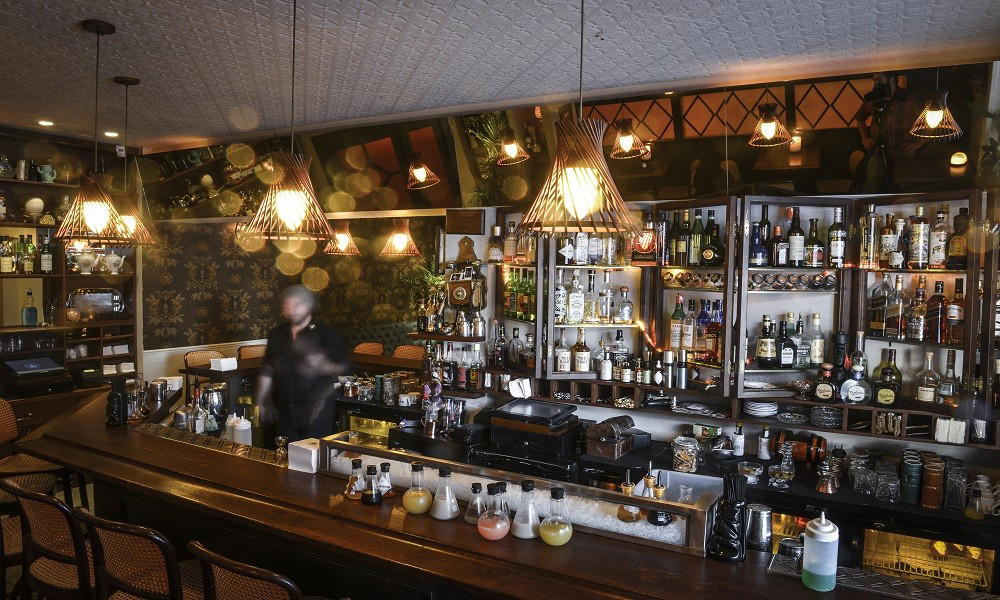
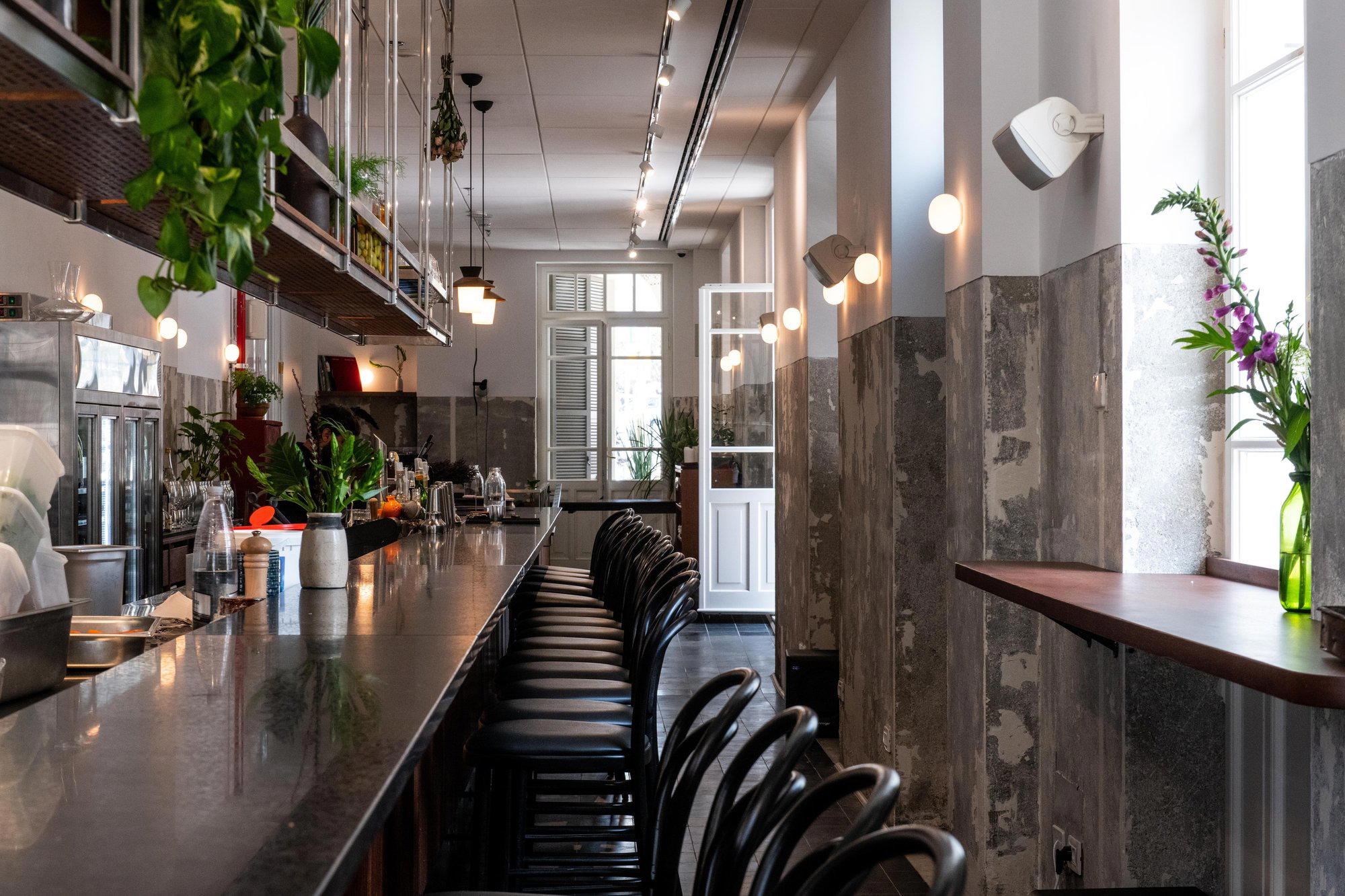
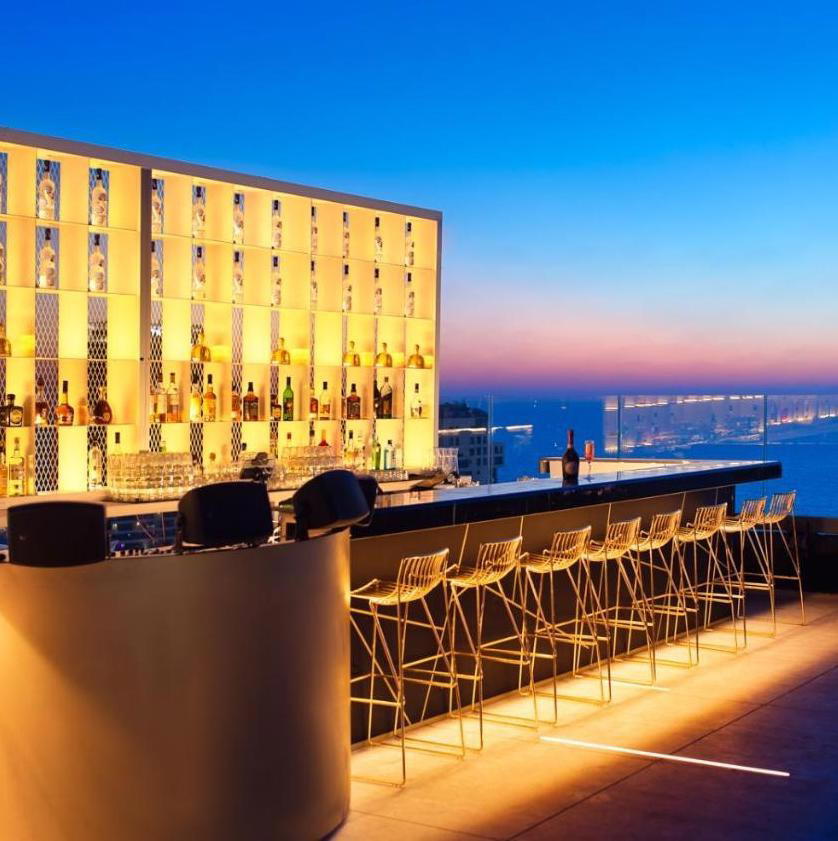
Approaching the bar, the physical environment does the work that a sign or logo might do elsewhere. Tel Aviv's most interesting drinking venues have tended to occupy spaces that feel borrowed rather than purpose-built: former apartments, street-level shopfronts, courtyards attached to Bauhaus-era buildings. The neighbourhood around the bar contributes its own character, and the bar becomes a concentration of it rather than a break from it. Inside, the atmosphere is calibrated for conversation rather than performance, which is consistent with bars in this part of the city that prioritise repeat visits over one-time experiences.
This format, where the room is deliberately undemonstrative and the drink is the event, has become a marker of a particular kind of seriousness in urban bar culture globally. You see it in Houston at Julep, in Frankfurt at The Parlour, in Melbourne at 1806, and in New York at Superbueno. The point is not minimalism for its own sake but the removal of competing distractions so that the programme itself can carry the evening.
Where This Bar Fits in Tel Aviv's Drinking Culture
Tel Aviv's bar scene is small enough that reputation travels fast. A bar that builds a consistent regular clientele within its first year or two is already operating in a different tier from the city's tourist-facing venues, which tend to rotate menus seasonally and keep their offers broad enough to accommodate unfamiliar drinkers. The more technically ambitious bars operate on a different logic: the menu is specific, the staff know it in depth, and the guest who arrives without context may need a moment to orient themselves. That specificity is a signal of quality rather than exclusivity.
Across the city's better cocktail bars, this dynamic is common. Imperial Craft established early that Tel Aviv could support a serious programme without apology. The bars that followed, including the bar, have built on that precedent rather than reinventing it. The result is a scene where the peer group is tight enough to be legible to regulars but still under-documented enough that visiting drinkers who know what to look for can find rooms that operate at a level comparable to the better bars in any European capital.
Planning Your Visit
Comparison Snapshot
Comparable venues nearby, for context on price, style, and recognition.
| Venue | Cuisine | Price | Notes |
|---|---|---|---|
| Khaim Menakhem BassokThis venue — the venue you are viewing | Bar | $ | Not listed |
| Brix | wine_bar | $$ | Ha-rakevet |
| Giaconda – Wine Library | wine_bar | $$$ | Ṣummeil |
| Côte | wine_bar | $$$ | Newe Sha'anan |
| Christoff | wine_bar | $$ | Florentine |
| Bar 51 | wine_bar | $$$ | Kerem Ha-teimanim |
Continue exploring
More in Tel Aviv
Bars in Tel Aviv
Browse all →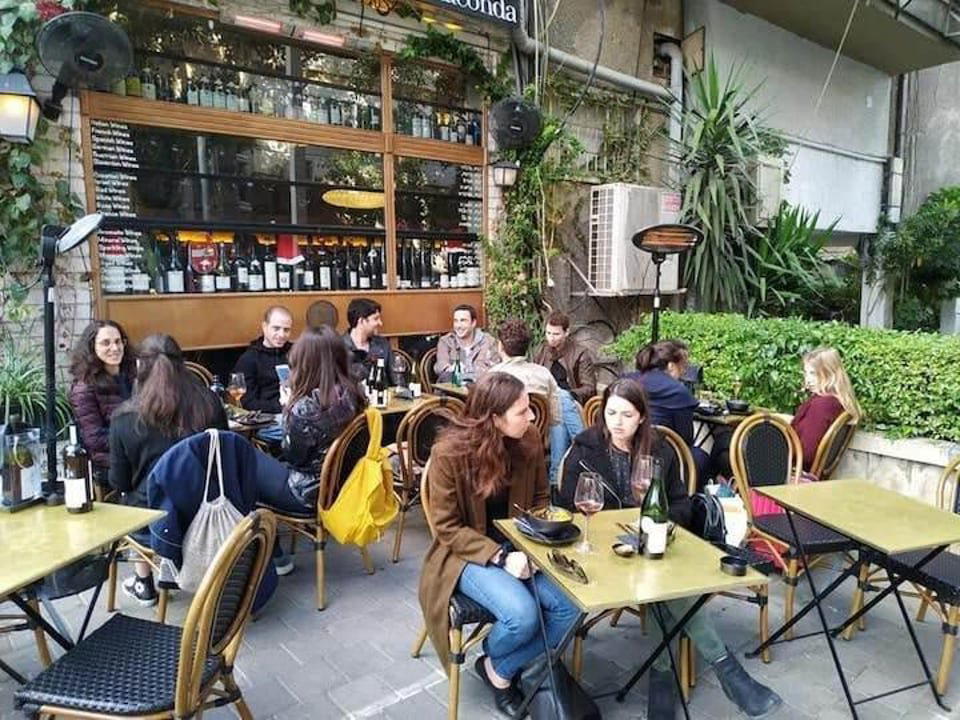
Restaurants in Tel Aviv
Browse all →
Hotels in Tel Aviv
Browse all →

At a Glance
- Historic
- Historic Building