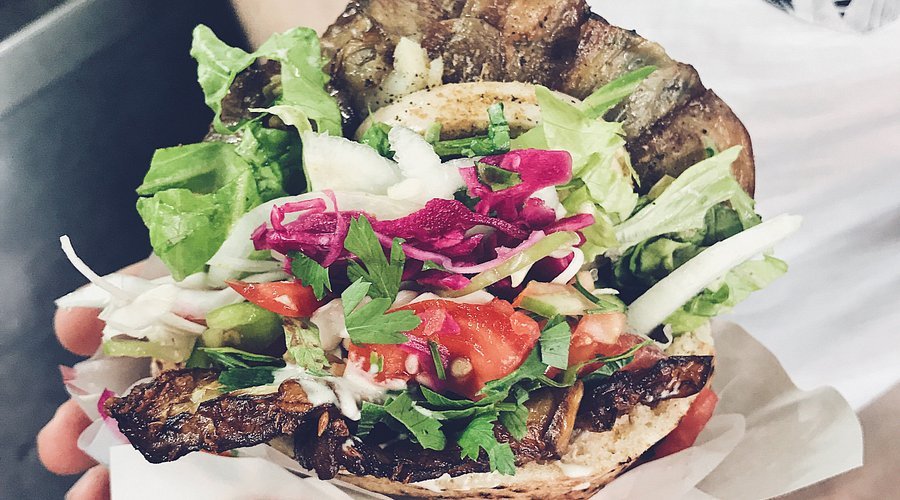
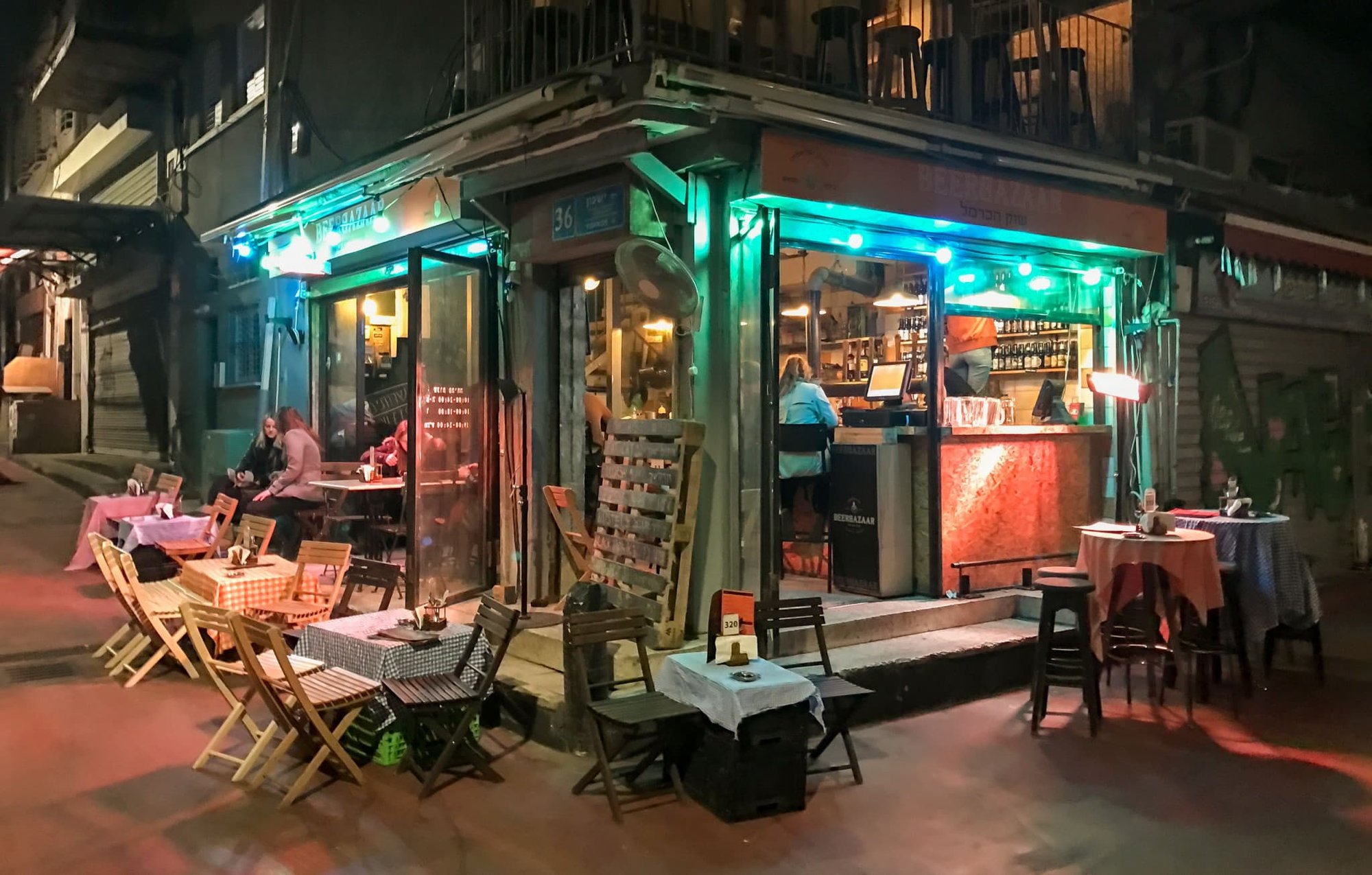
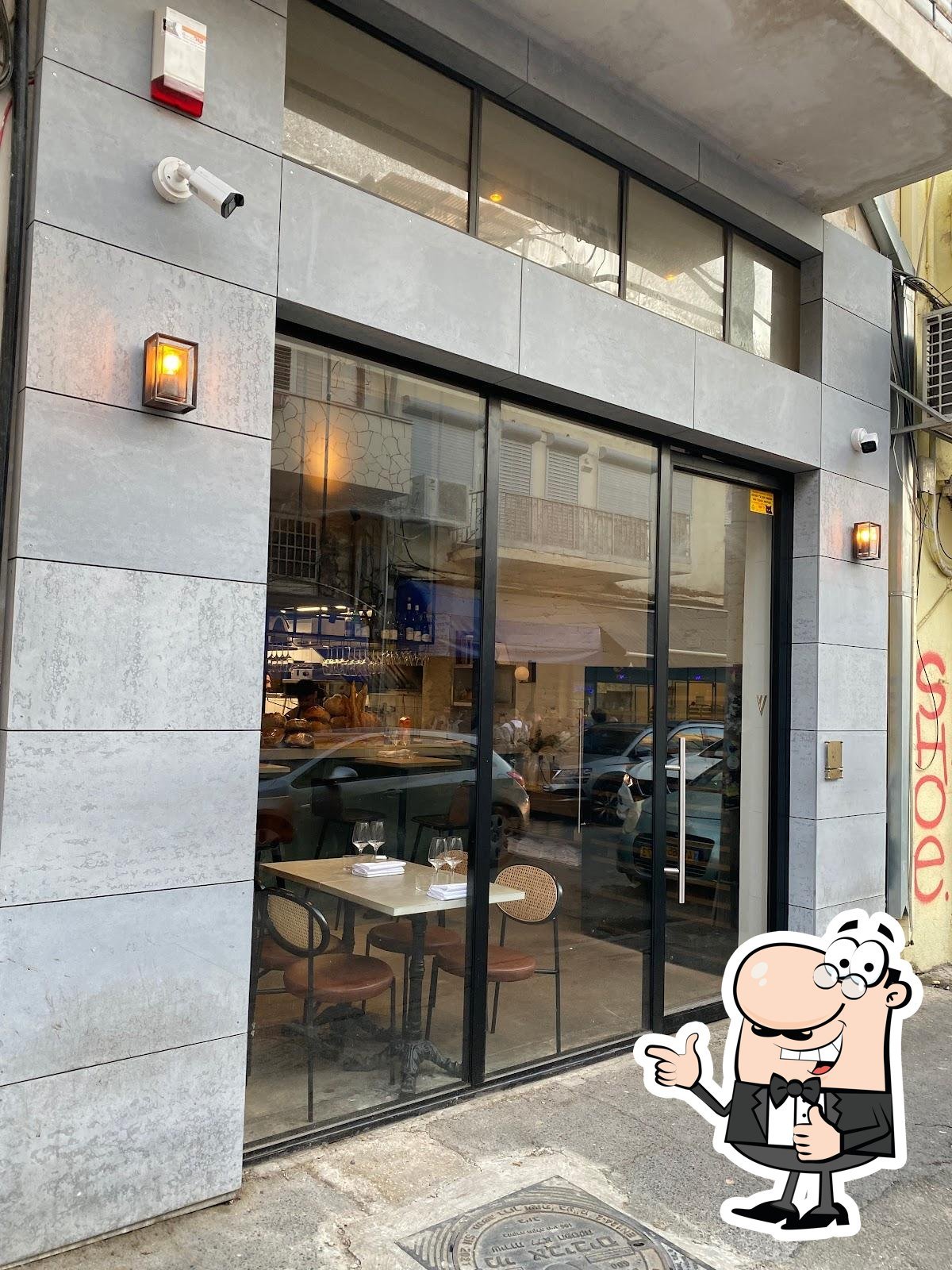
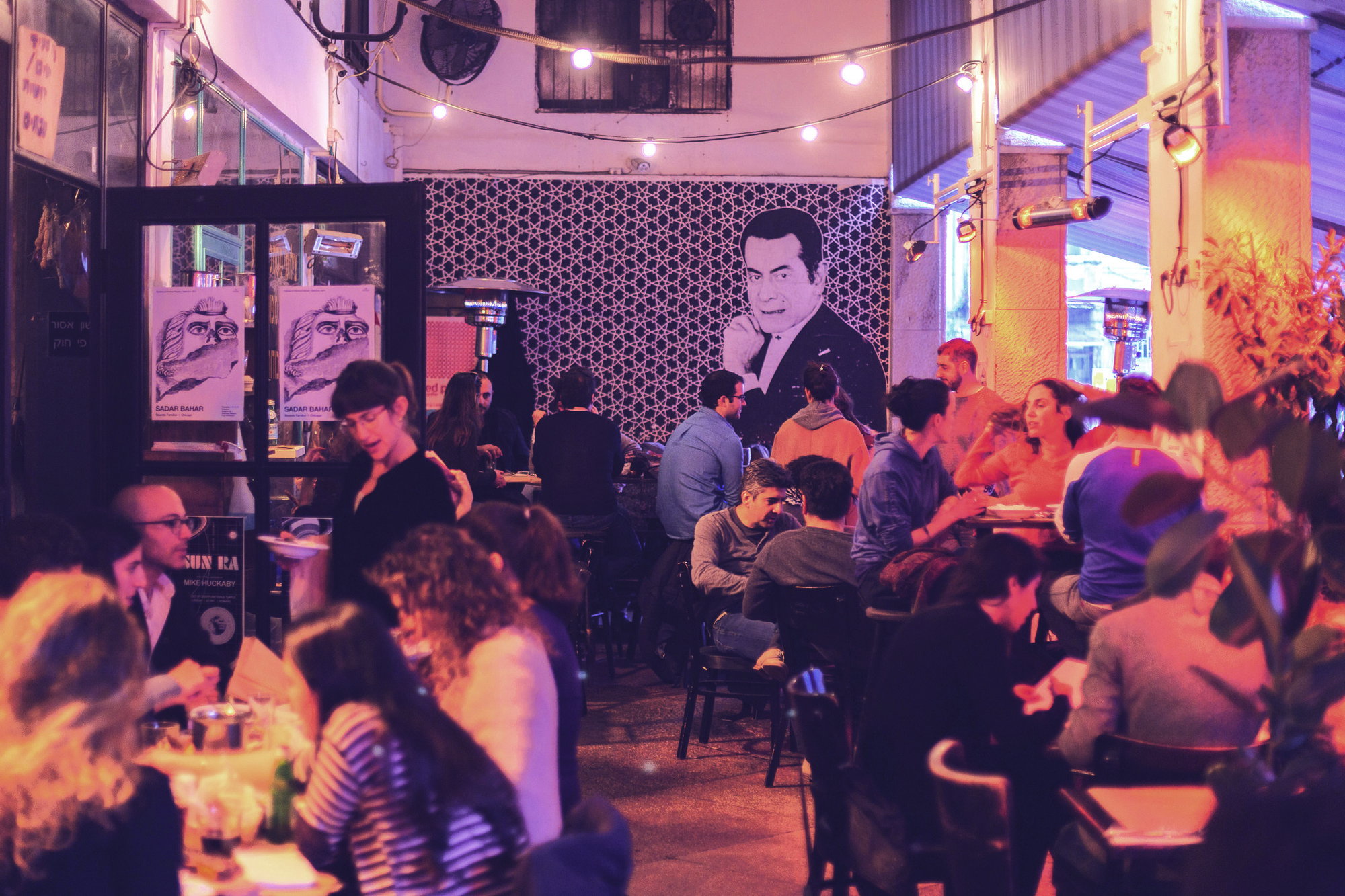
A fixture in Jaffa's old city since the 1980s, Dr. Shakshuka is the address that put the dish on the international map. Operating out of Beit Eshel Street, it draws long queues for its cast-iron pans of eggs poached in spiced tomato sauce, alongside a full spread of North African and Levantine staples. Ranked among Opinionated About Dining's Cheap Eats in Europe in 2024, it occupies the rare space between neighbourhood institution and pilgrimage destination.
 Discover on Pearl
Spice Before Plate: The Aromatic Logic of Jaffa's Most Copied Dish
The smell reaches you before the food does. Walking down Beit Eshel Street in the old city of Jaffa, the air carries cumin, paprika, and something sharper — the acidic lift of tomatoes reducing in cast iron with a generous hand of baharat. This is the aromatic grammar of North African cooking, and Dr. Shakshuka has been running that same grammar lesson since the 1980s. Long before shakshuka appeared on brunch menus in Los Angeles or was reinterpreted at addresses like Bait Maryam in Dubai and Baron in Doha, this address in Jaffa was already serving it in the pan it was cooked in.
Shakshuka, in its purest form, is a study in spice architecture. The base — typically a sofrito of onion, garlic, and sweet pepper , carries cumin and paprika as structural elements, not garnishes. Harissa, when used, introduces dried chilli heat that builds slowly. A late addition of turmeric shifts the colour toward gold. The eggs go in last, poached directly in the sauce until the whites set but the yolks remain fluid. The dish's genius is that it tolerates no shortcuts: under-spiced, it is flat; over-cooked, the eggs turn rubbery and the sauce loses its brightness. What Dr. Shakshuka has always understood is that the spice blend carries the entire dish, and consistency at that level is harder than it looks.
Jaffa as Context: Where the Old City Meets the Israeli Plate
Jaffa's food character differs from Tel Aviv's in ways that matter. The old city has a predominantly Arab population, and its restaurants have long operated in the culinary tradition of the Levant and North Africa , hummus houses, fish grills, and spice-forward home cooking that predates the Israeli fine-dining scene by generations. Abu Hassan, a few streets away, operates on the same principle of long-standing authority: a dish made correctly, every day, for decades. Dr. Shakshuka sits in that same lineage.
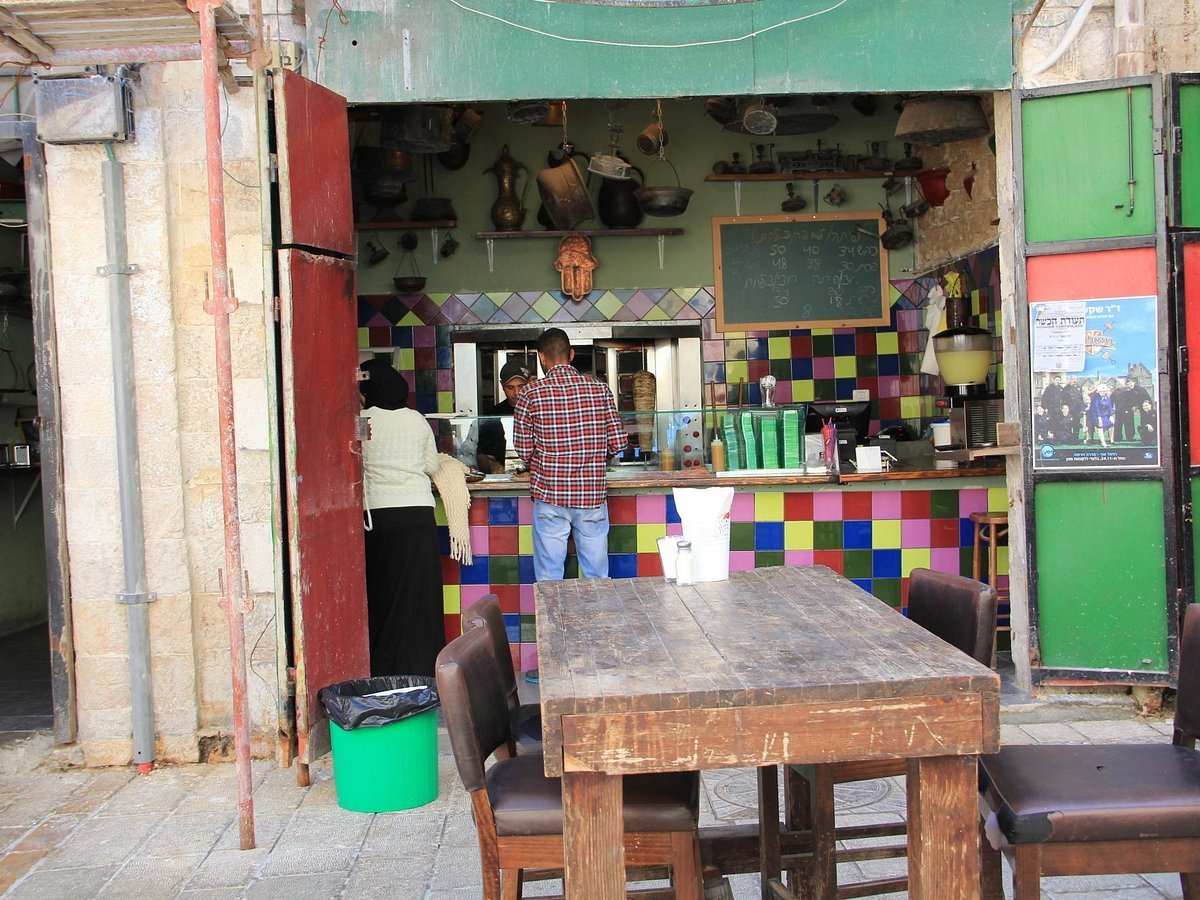
The restaurant's location on Beit Eshel Street places it in a part of Jaffa where the built environment still reads as the old city , low stone buildings, a market nearby, a pace that runs slower than the Tel Aviv seafront. This context matters to what the food is. The dining room itself functions as an extension of the neighbourhood rather than a destination designed to extract visitors from it. For comparison, the more polished Israeli cuisine playing out at venues like Alena at The Norman or Claro operates from a completely different position , ingredient-forward, chef-authored, expensive. Dr. Shakshuka is none of those things, and that is precisely why it occupies a different and equally legitimate place in the city's eating map.
What Opinionated About Dining's Recognition Actually Signals
Cheap eats rankings work differently from fine-dining ones. Opinionated About Dining's Cheap Eats in Europe list, which placed Dr. Shakshuka at number 124 in 2024 across the full continent, is compiled from a network of serious eaters rather than anonymous inspectors. It tends to reward restaurants where a specific dish is executed with uncommon fidelity , not breadth of menu or service formality, but a core thing done at a level that justifies the visit repeatedly. A ranking of 124 across all of Europe's casual dining puts Dr. Shakshuka in a peer set that includes some of the continent's most obsessive single-dish specialists.
That framing matters when you are deciding how to read the Google rating of 3.5 across more than 4,200 reviews. A large, high-traffic venue in a tourist-adjacent location will always accumulate a wider spread of reviews, including from visitors who arrived with misaligned expectations. The OAD recognition is the more calibrated signal for whether the food itself delivers at a serious level.
The Spice Bazaar Logic Applied to a Full Menu
While shakshuka is the organizing principle of the restaurant's identity, the menu extends into the broader North African and Levantine pantry. The same spices that structure the signature dish , cumin, coriander, paprika, saffron, harissa , appear across the rest of what is served. This is the spice bazaar logic in practice: not a collection of unrelated dishes, but a coherent set of flavours drawn from the same aromatic tradition.
Za'atar, the herb-and-sesame blend used extensively across Levantine cooking, and sumac, the tart, berry-scented powder that lifts fatty proteins and grain dishes alike, are foundational to this part of the world's food in the way salt and pepper are foundational elsewhere. Restaurants that operate seriously in this tradition treat these not as exotic additions but as structural seasoning. That approach distinguishes a kitchen with real roots in the cuisine from one that has adopted its surface features. The cooking at Dr. Shakshuka comes from the former category, which is exactly what the OAD recognition reflects.
For readers tracking the broader Middle Eastern restaurant scene across regions, the contrast with more contemporary takes on the same tradition is instructive. Adana in Los Angeles or Adamá in Oaxaca represent the diaspora and fusion end of the spectrum. Within Israel itself, the same spice tradition underpins very different formats: the family-style abundance at Ha'Achim, the more architectural plating at George and John, and the seafood-forward approach at Milgo and Milbar. Dr. Shakshuka is the point on that spectrum where tradition is most intact and least mediated.
Planning the Visit
The restaurant operates seven days a week with a notable exception: it closes on Saturday, which aligns with Shabbat observance and is worth building into any Tel Aviv itinerary accordingly. Hours run from 8am to midnight Monday through Thursday and Sunday, and from 8am to 4pm on Friday, making it viable for breakfast, lunch, or a late casual dinner on most days. The address is Beit Eshel Street 3, in the old city of Jaffa , reachable from central Tel Aviv by taxi or the coastal walk through Jaffa, which adds context to the neighbourhood before you arrive.
No booking method is listed for the venue, which suggests walk-in is the standard approach. Queues form at peak hours, particularly weekend mornings when the brunch crowd combines with regular neighbourhood traffic. Arriving at opening on a weekday is the path of least resistance. This is a cash-register kind of place rather than a reservation-system one , part of what makes it function the way it does.
For a fuller picture of where Dr. Shakshuka sits within Tel Aviv's food and drink scene, see our full Tel Aviv restaurants guide. If you are planning a longer stay, our Tel Aviv hotels guide, bars guide, wineries guide, and experiences guide cover the full range. For a regional comparison of how this cooking tradition plays out in different Israeli cities, Chakra in Jerusalem and Pescado in Ashdod offer different but connected reference points.
Category Peers
A short peer table to compare basics side-by-side.
Continue exploring