ANAM

ANAM holds a 2025 Michelin Bib Gourmand for its dwaeji-gukbap, a pork and rice soup served from a compact diner in Bukchon Village, Jongno District. The broth is finished with a Cheongyang chili and kale oil; the pork arrives as Spanish Duroc baby ribs and thin-sliced butt. Pricing sits at the single-won sign, making it one of Seoul's most affordable Michelin-recognised bowls.
Pearl is the En Primeur Club membership app — saves, bookings, and concierge access live there. Same editors, same standards.
- Address
- 10 Bukchon-ro 5-gil, Jongno District, Seoul, South Korea
- Phone
- +82 10-6874-8818
- Website
- anaminanguk.com
- Directions
- Get directions
 Saves & bookings on Pearl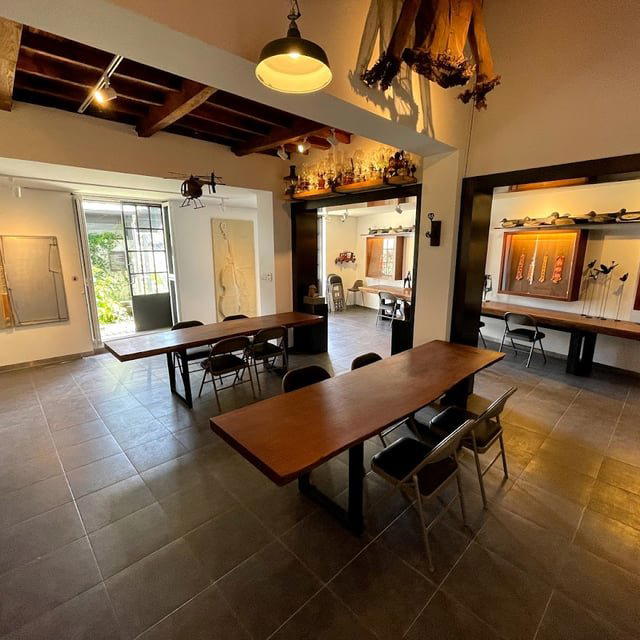
A Bukchon Bowl That Earned Its Stars on Substance
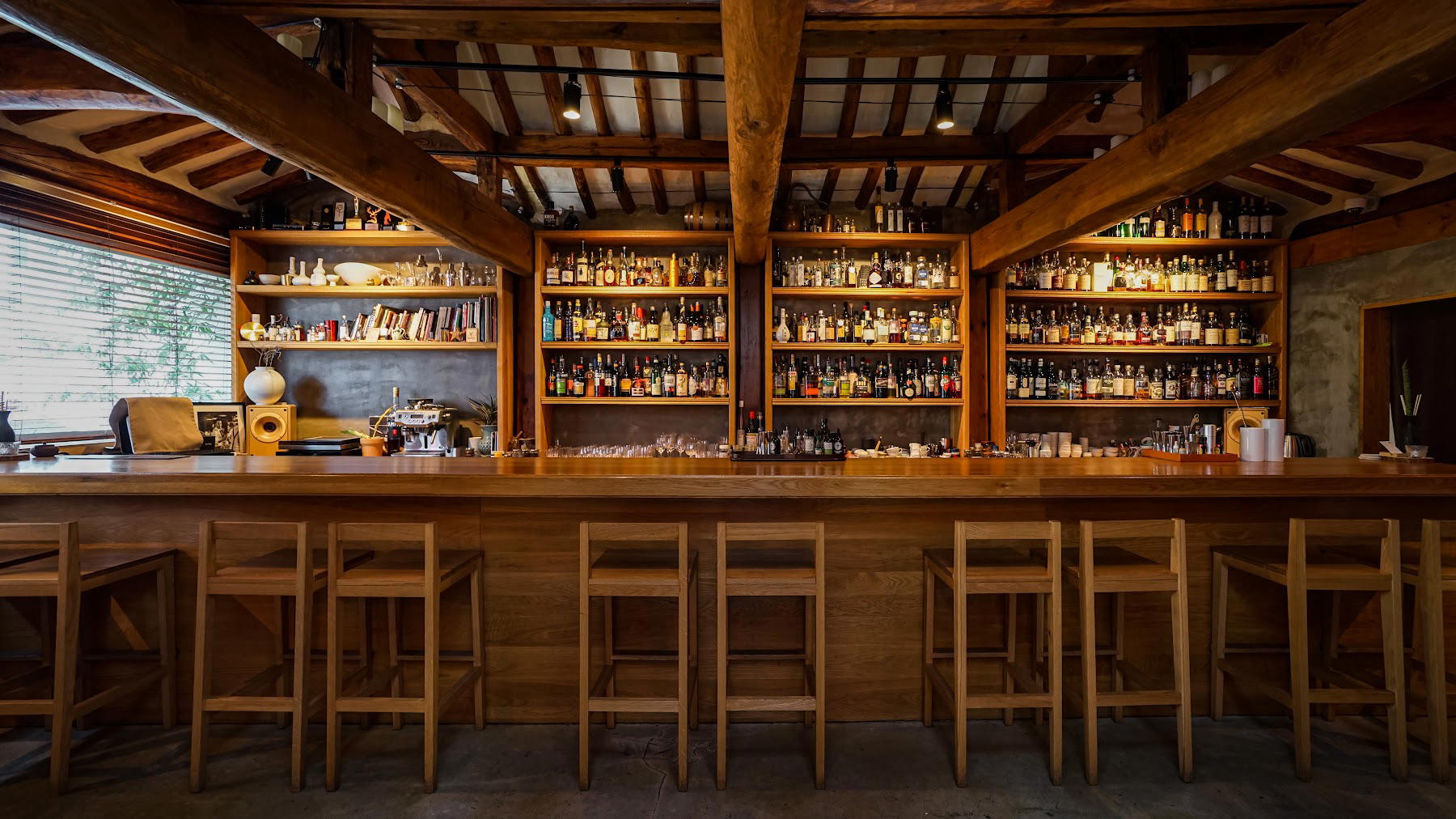
Bukchon Hanok Village is better known for its tile-roofed lanes and weekend tourist queues than for serious eating. The physical environment communicates its priorities before a bowl arrives. The physical environment communicates its priorities before a bowl arrives. There is no elaborate threshold to cross, no ambient soundtrack designed to set a mood. The smell of long-cooked pork broth does that work instead.
What Dwaeji-Gukbap Actually Is
Dwaeji-gukbap sits at the utilitarian end of Korean soup culture. It originated in post-war Busan as a way to stretch scarce pork across a milky, bone-derived broth, and it has remained resolutely unfussy ever since. The dish is defined by its broth, which should be clean on first sip and accumulate depth as the pork fat integrates, and by the quality of whatever pork is served alongside or within it. Condiments, particularly fermented shrimp paste, sliced scallions, and chili, are set on the table for self-assembly. The form is democratic by design: a single protein, a single grain, a hot bowl.
Seoul's dwaeji-gukbap scene is smaller and less institutionalised than Busan's, where specialist houses like Anmok, Hapcheon Gukbapjip, and Jeongjitgan have operated for decades with local cult followings. In the capital, the category competes for attention against an enormous range of soup formats, and most dwaeji-gukbap diners serve a general neighbourhood market rather than destination diners. ANAM has moved into a different tier.
The Bowl and What Distinguishes It
ANAM holds a 2025 Michelin Bib Gourmand recognition. At its price point, that designation places it among Seoul's more accessible Michelin-recognised plates, a bracket where the focus is on consistency, technique, and whether the kitchen is doing something the surrounding neighbourhood cannot replicate.
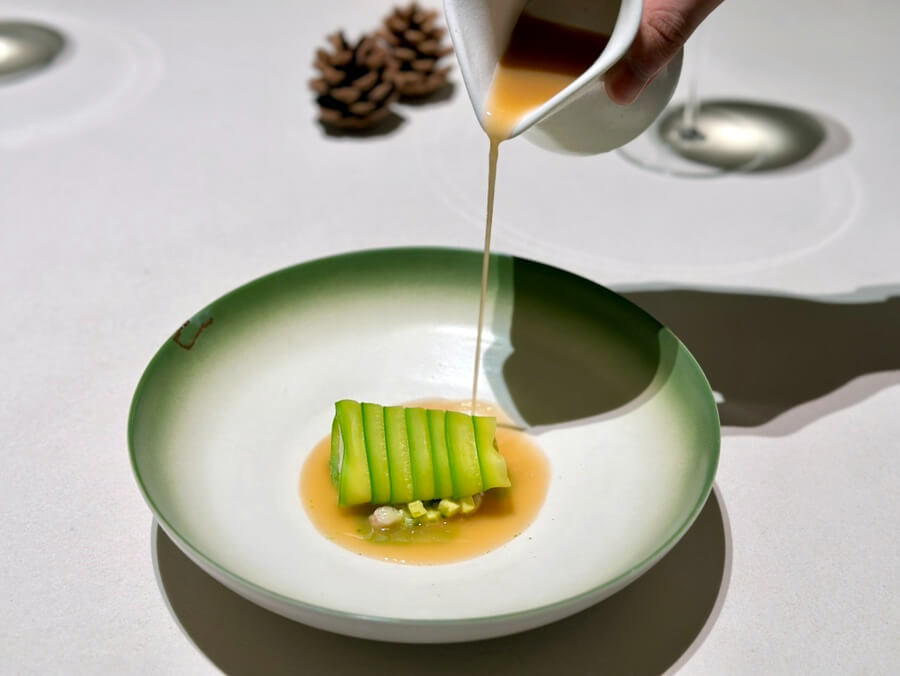
At ANAM, the distinguishing detail is an oil made from Cheongyang chili pepper and kale, drizzled across the surface of the broth. Cheongyang chili is one of Korea's hotter cultivars, typically registering between 10,000 and 23,000 Scoville units, but the oil application here is calibrated to add fragrance and colour rather than raw heat. The visual effect, a glossy slick across the pale broth, signals the kitchen's intentions: this is a considered bowl, not a default one. The pork itself runs to two specifications, Spanish Duroc baby ribs and thin-sliced pork butt, both noted for a tenderness that reflects either careful sourcing or slow preparation, likely both.
The menu structure is direct without ceremony: two sizes, medium and extra-meat. The architecture of the choice tells you something about the kitchen's confidence in the broth itself. If the broth were merely a backdrop, you would expect more variables. The fact that the only meaningful decision is how much pork you want suggests the liquid is the point.
Cilantro is offered as an optional addition, an unusual touch in a format that traditionally leans on Korean aromatics. It widens the appeal without repositioning the dish.
Bukchon as Dining Context
The Jongno District address places ANAM in a part of Seoul that attracts considerable foot traffic from the Gyeongbokgung Palace area and the Bukchon lanes themselves, but it is not a neighbourhood historically associated with destination dining. That is changing incrementally. The broader Jongno dining scene has seen investment from formal Korean restaurants such as Gaon and hanok-adjacent fine dining, while the gukbap end of the spectrum has remained largely untouched by Michelin attention. ANAM's Bib Gourmand recognition is a signal that the committee is looking past Gangnam and Mapo for affordable distinction.
For travellers spending time at the northern heritage sites, the diner offers a logical mid-morning or lunch stop that requires no reservation infrastructure or dress consideration. The contrast with the neighbourhood's more formal dining registers, tasting menus at Jungsik, the contemporary Korean format at Mingles, or the innovative work at alla prima, is part of what makes Seoul's eating scene function as well as it does. The city sustains serious ambition across an enormous price range.
Where ANAM Sits in Seoul's Broader Soup Culture
Seoul's gukbap category is wide. Across the city, you can find specialist houses focused on ox bone broth, pork spine, blood sausage, and rice combinations that span regional styles from Jeju to Gyeonggi. The Michelin-recognised end of that spectrum includes Gwanghwamun Gukbap and Okdongsik, both of which occupy a similar value tier and serve as reference points for what the guide considers worth tracking in the category. Each has a slightly different broth character and pork cut emphasis, and regulars tend to develop strong preferences between them.
ANAM's differentiator within that peer group is the chili-kale oil and the Spanish Duroc sourcing, both of which pull the bowl slightly outside the genre's most traditional parameters without abandoning the format. Whether that registers as a virtue or a departure depends on your attachment to orthodoxy. The Bib Gourmand committee's view is clear enough.
For context on what the upper end of Seoul's Korean dining looks like, the distance between a ₩ bowl of dwaeji-gukbap and a ₩₩₩₩ tasting menu at Kwon Sook Soo is considerable in price but connected in ambition. The city's food culture holds both registers with equal seriousness, and the Bib Gourmand programme is the mechanism through which Michelin acknowledges that interesting cooking in Seoul does not always require tablecloths.
Beyond Seoul, dwaeji-gukbap's home territory remains Busan, where Mori represents a different register of the city's dining culture, and temple food specialists like Baegyangsa Temple in Jangseong-gun illustrate how seriously Korea tracks its regional food distinctions. The Flying Hog in Seogwipo offers yet another angle on Korean pork culture, from the far south.
Planning a Visit
ANAM is located at 10 Bukchon-ro 5-gil in Jongno District, within reasonable walking distance of Anguk station and the Bukchon Hanok Village entry points. The price point, single-won-sign across both menu sizes, makes it among the more accessible Michelin-tracked plates in the city. Timing around the Bukchon tourist peak, mid-morning on weekends in particular, is worth considering. The diner's capacity is not large, and the Bib Gourmand recognition will have expanded awareness beyond the immediate neighbourhood.
What Regulars Order
The menu at ANAM is built around a single dish in two configurations: a standard medium bowl and an extra-meat version with additional Spanish Duroc ribs and pork butt. The Cheongyang chili and kale oil is applied to both. Regulars working through the options tend to treat the extra-meat size as the baseline, given the tenderness of the Duroc cuts. Cilantro, offered tableside, is the main self-assembly variable. Cilantro is available on the side for those who want it, which aligns with the kitchen's confidence that the broth can carry an aromatic addition without losing its character.
Price and Positioning
Comparable venues nearby, for context on price, style, and recognition.
| Venue | Cuisine | Price | Awards | Notes |
|---|---|---|---|---|
| ANAMThis venue — the venue you are viewing | 가회동, Modern Korean Gukbap | $$ | Bib Gourmand | Not listed |
| Hwangsaengga Kalguksu | Not listed | $$ | Bib Gourmand | 가회동, Traditional Korean Kalguksu (Knife-Cut Noodles) |
| Jeongmyeon | 송정동, Korean Noodle Soups | $$ | Bib Gourmand | Not listed |
| Okdol Heyonok | 방이동, Pyongyang Naengmyeon | $$ | Bib Gourmand | Not listed |
| Gaeseong Mandu Koong | Not listed | $$ | Bib Gourmand | 남가좌, Traditional Gaeseong-Style Korean Dumplings |
| Tongue & Groove Joint | 이태원동, Modern Korean BBQ | $$ | Michelin Plate | Not listed |
Recognition history
Dated appearances from independent guides and award organizations, with the underlying list record or original source where available.
Michelin Bib Gourmand
Michelin
Michelin Bib Gourmand
Michelin
Michelin Bib Gourmand
Michelin
Continue exploring
More in Seoul
Restaurants in Seoul
Browse all →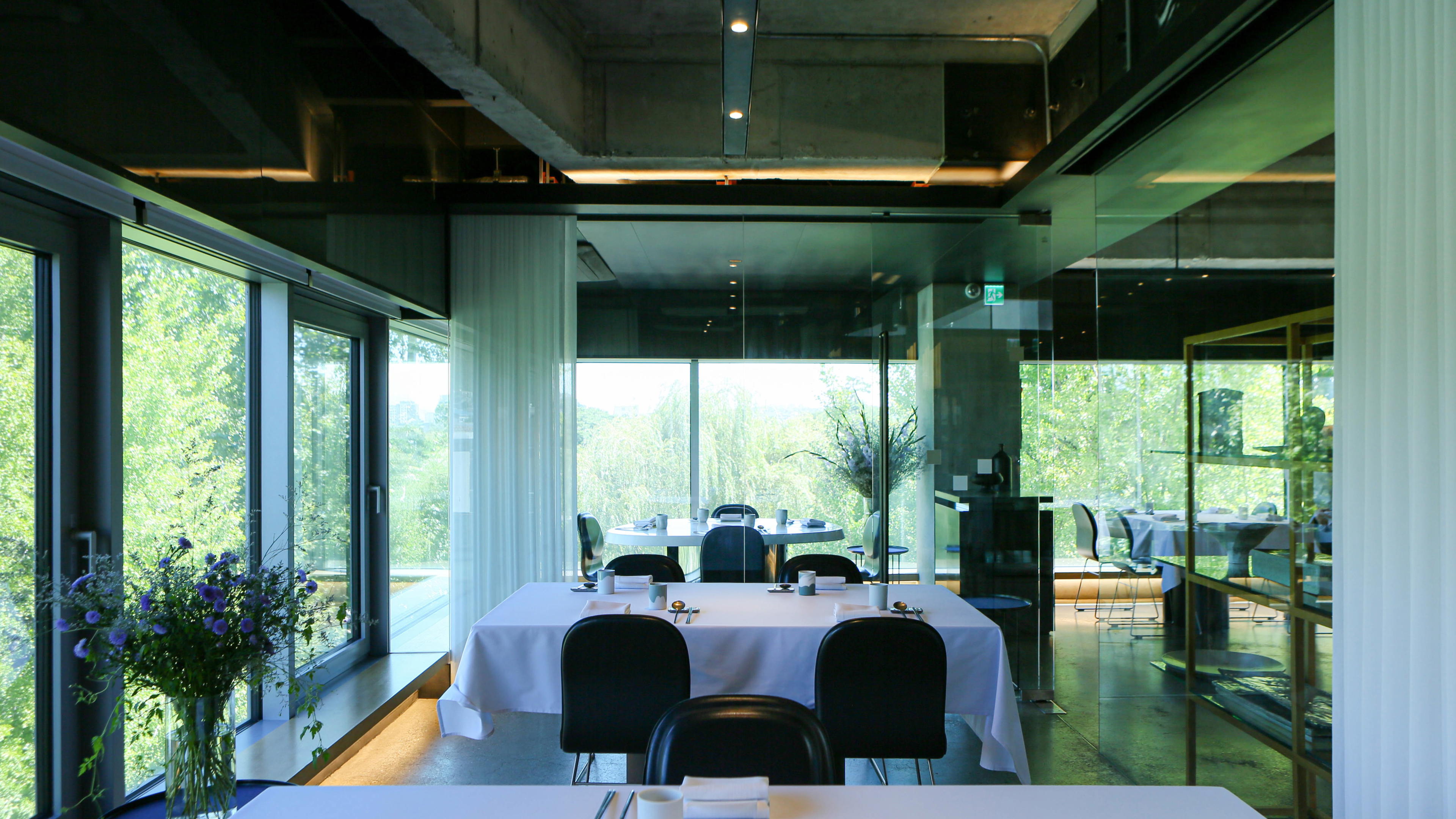
At a Glance
- Cozy
- Intimate
- Casual Hangout
- Solo
- Standalone
- Sake Program
- Local Sourcing
Current opening hours
- Monday
- 11:30 AM–9 PM
- Tuesday
- 11:30 AM–3 PM, 5–9 PM
- Wednesday
- 11:30 AM–3 PM, 5–9 PM
- Thursday
- 11:30 AM–3 PM, 5–9 PM
- Friday
- 11:30 AM–3 PM, 5–9 PM
- Saturday
- 11:30 AM–9 PM
- Sunday
- 11:30 AM–9 PM
Hours can change for holidays and private events. Last verified .
Humble, cozy diner atmosphere in historic Bukchon Village with warm, hearty dining experience.