

Michelin Plate · Black Pearl 1 Diamond
Our verdict
Positioned atop a hotel in Quanzhou's old city, Hám-khàk holds a Black Pearl 1 Diamond rating (2025) for its disciplined treatment of Fujian tradition. The kitchen applies modern technique to local seafood and seasonal produce, anchored by a pre-order fo tiao qiang built from abalone, sea cucumber, and fish maw. It occupies the upper tier of what is, for now, a relatively compact fine dining scene in one of China's most historically layered coastal cities.

Pearl is the En Primeur Club membership app, where members save venues, book tables and use the concierge.
The menu
What to order
- Buddha jumps over the wall
- Seasonal seafood medley
Atop the Old City: Fujian Fine Dining at a New Register
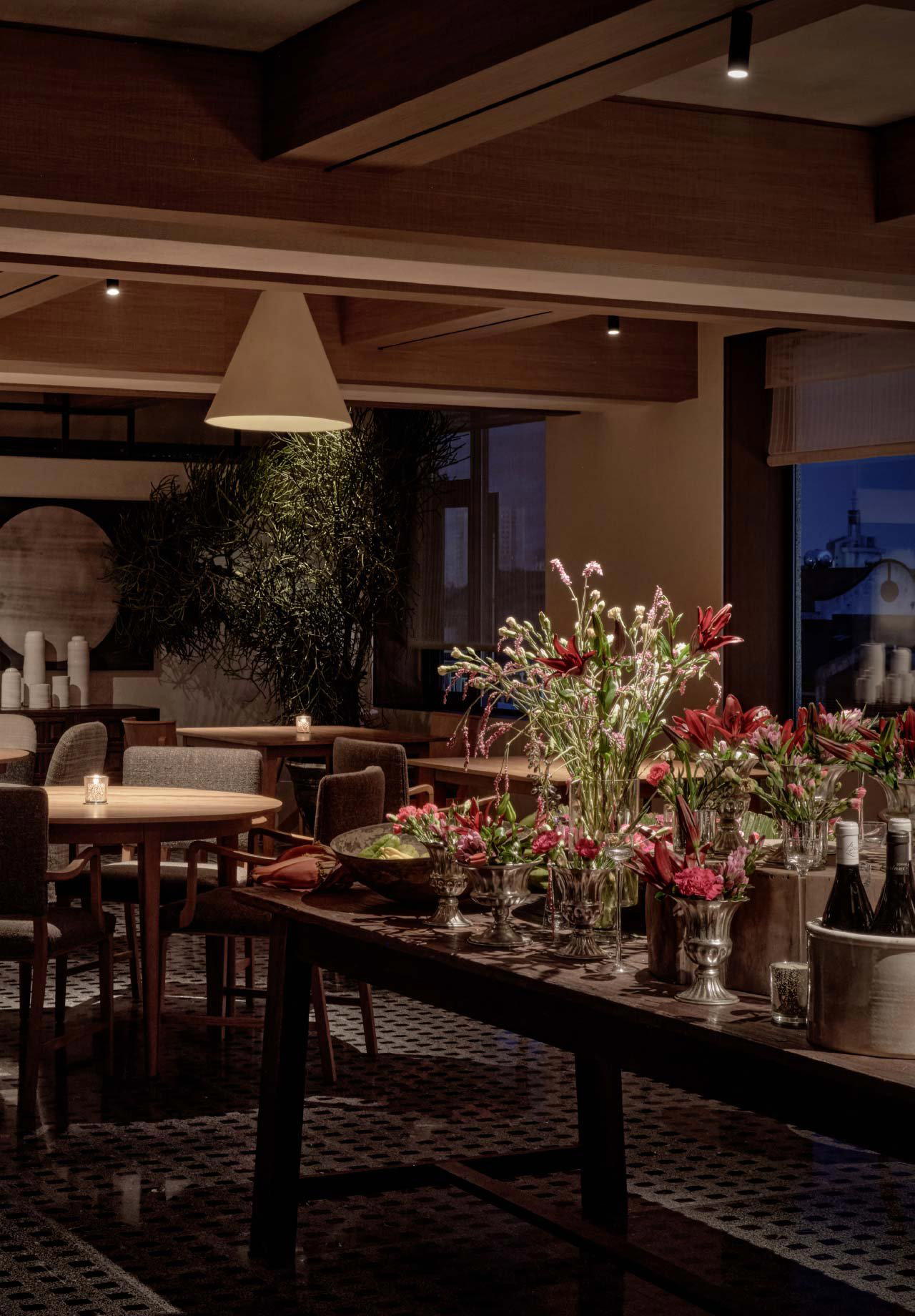
Quanzhou's dining scene divides cleanly between the street-level hawker tradition, where oyster omelettes and noodle soups move fast and cheap, and a thinner tier of restaurants attempting to frame that same culinary heritage in a more deliberate, composed setting. Hám-khàk occupies the latter position, situated at the top of a hotel in the heart of the old city, where the surrounding streetscape of Song-dynasty ruins and incense-filled temples gives the meal a context that no interior designer can manufacture. The elevation, both literal and conceptual, matters: this is a room that asks you to look down at Quanzhou while it asks the kitchen to look closely at what Fujian cooking can do when given space and intention.
Black Pearl Recognition and What It Signals
China's Black Pearl Restaurant Guide, which functions as one of the more credible domestic benchmarks for fine dining quality alongside international systems like Michelin, awarded Hám-khàk a 1 Diamond rating in 2025. That rating places the restaurant in the guide's entry tier of recognised excellence, a category that, across the Black Pearl system, tends to identify venues worth a deliberate visit rather than a casual drop-in. To understand the competitive weight of that signal, consider that Black Pearl 1 Diamond restaurants in Fujian province sit in a relatively small cohort; the province's seafood-driven traditions are not always the focus of national fine dining conversation, which tends to concentrate on Cantonese, Shanghainese, and Sichuan registers. Recognition here represents a meaningful argument that Quanzhou's culinary specificity deserves a place in that wider conversation. For comparison, similarly recognised restaurants working within regional Chinese seafood traditions, such as Xin Rong Ji (Xinyuan South Road) in Beijing and Imperial Treasure Fine Chinese Cuisine in Guangzhou, operate in cities with much denser fine dining ecosystems. Hám-khàk making that cut from Quanzhou carries its own editorial weight.
The Kitchen's Argument: Home-Style Foundations, Contemporary Discipline
The executive chef's approach at Hám-khàk works within a framework that serious Fujian food has always understood: that the province's larder, meaning its coastline, its dried goods trade, its mountain produce, provides more than enough material for a kitchen that knows how to listen to it. The menu draws on local seafood and seasonal produce, presented in a way the restaurant describes as home-style in foundation but modern in technique and plating. That combination is not a contradiction in the context of contemporary Chinese fine dining; it is, in fact, the dominant mode at restaurants like Chef Tam's Seasons in Macau and Ru Yuan in Hangzhou, where regional specificity is treated as an asset rather than a constraint. What distinguishes Hám-khàk within that cohort is the depth of Fujian-specific material it draws on, particularly in its use of the dried goods canon, abalone, sea cucumber, fish maw, that defines the province's luxury register.
Buddha Jumps Over the Wall: The Dish and Its Significance
No Fujian restaurant operating at this level can avoid a reckoning with fo tiao qiang, the slow-cooked, multi-ingredient broth that represents the most labour-intensive and symbolically loaded dish in the regional repertoire. Hám-khàk's version is pre-order only, which immediately signals how seriously the kitchen treats it: the dish requires advance sourcing, extended preparation, and cannot be produced on demand without compromising the result. The restaurant's version removes shark fin, replacing that historically central ingredient with a selection of hand-picked dried items, abalone, sea cucumber, and fish maw, building its umami depth through those components rather than through the now-controversial fin. Globally, the shift away from shark fin in luxury Chinese cooking has accelerated over the past decade, with restaurants from 102 House in Shanghai to high-end venues across Hong Kong reconsidering the ingredient. At Hám-khàk, the result is described as an umami-rich brown broth, built from components that represent centuries of Fujian dried goods trading culture. Pre-ordering this dish should be treated as non-negotiable if it is the reason for your visit.
Where Hám-khàk Sits in Quanzhou's Dining Ecosystem
Quanzhou's restaurant scene rewards visitors who understand its layered structure. At street level, places like De Wen Xia Zai Mian and Che Qiao Tou Wen A Shui Wan (Daxi Street) represent the daily rhythm of Hokkien eating, the noodle soups and seafood snacks that define how most residents actually cook and eat. One tier up, Chun Sheng operates in a mid-range register. Antstory represents a different kind of contemporary ambition. Hám-khàk, with its hotel rooftop setting and Black Pearl recognition, occupies the upper tier, the place where the same culinary traditions get the slowest preparation, the most deliberate sourcing, and the most considered presentation. For visitors building a Quanzhou itinerary, this is not a replacement for eating at street level but a complement to it: the same ingredients, the same traditions, seen through a different lens. Browse our full Quanzhou restaurants guide to map the full range, and consider pairing the dining itinerary with entries from our full Quanzhou hotels guide, our full Quanzhou bars guide, and our full Quanzhou experiences guide.
For readers who have eaten at Black Pearl or Michelin-recognised seafood restaurants in other Chinese cities, the point of comparison is instructive. Xin Rong Ji in Chengdu and venues like Atomix in New York City or Le Bernardin in New York City demonstrate that regional specificity, executed with discipline, generates critical credibility across vastly different systems of evaluation. Hám-khàk's 2025 Black Pearl recognition suggests the kitchen is operating with exactly that kind of focus. See also A Qiu Niu Pai (Huxin Street) for another angle on Quanzhou's mid-to-upper dining range, and check our full Quanzhou wineries guide for beverage context to round out your visit.
Planning Your Visit
Hám-khàk is located in the old city of Quanzhou, Fujian, on the upper floor of a hotel. The restaurant does not publish a website or phone number in widely circulated directories, which means the most reliable approach is booking through your hotel concierge, particularly if you are staying in one of the properties listed in our full Quanzhou hotels guide. If the fo tiao qiang is your primary reason for visiting, contact the restaurant in advance to arrange a pre-order: this is not a dish that can be requested on arrival. Walk-in availability is possible but not guaranteed, especially given the restaurant's Black Pearl recognition in 2025, which has expanded its profile beyond the local market.
Frequently asked questions
How do I find Hám-khàk?
Hám-khàk is located at Quanzhou, Fujian, China, Quanzhou.
What awards or recognition does Hám-khàk have?
Hám-khàk has received recognition including: This restaurant stands in the heart of the old city, atop a hotel. Acclaimed for his home-style dishes made with local seafood and seasonal produce, the executive chef honours Fujian traditions while thinking outside the box with modern tec….
What's the best thing to order at Hám-khàk?
Pre-order the fo tiao qiang (Buddha jumps over the wall). The version here drops shark fin and builds the umami-heavy brown broth around abalone, sea cucumber, and fish maw selected by hand. It requires advance arrangement and represents the clearest case for why the kitchen earned its 2025 Black Pearl 1 Diamond rating.
Can I walk in to Hám-khàk?
Walk-ins are possible if availability allows, but the 2025 Black Pearl 1 Diamond recognition has raised the restaurant's profile considerably across mainland China's fine dining circuit.
What's the defining dish or idea at Hám-khàk?
The kitchen's argument is that Fujian's dried-seafood larder, abalone, sea cucumber, fish maw, carries enough inherent depth to anchor genuinely considered modern cooking, without abandoning the home-style register those ingredients come from. The fo tiao qiang here, made without shark fin, is the sharpest expression of that position. Black Pearl recognition in 2025 suggests the broader Chinese fine dining community finds the argument credible.
What if I have allergies at Hám-khàk?
The most practical route is to contact the hotel in Quanzhou's old city where the restaurant operates, either before arrival or at check-in, and pass allergy information through staff. Given that the menu centres on dried seafood and shellfish-derived broths, guests with shellfish or iodine sensitivities should flag requirements before ordering.
Does Hám-khàk serve a shark-fin-free version of Buddha jumps over the wall, and how does that change the dish?
Yes. The executive chef's fo tiao qiang omits shark fin entirely and builds the broth around abalone, sea cucumber, and fish maw instead. In practical terms, this shifts the dish's texture profile away from the gelatinous strands associated with fin and concentrates the umami on the dried seafood components, which Fujian cooking has always treated as the more expressive part of the ingredient set. The dish must be pre-ordered, and it remains the kitchen's most-cited preparation since the restaurant received its 2025 Black Pearl 1 Diamond.
Quick Comparison
| Venue | Cuisine | Price | Awards |
|---|---|---|---|
| Hám-khàkThis venue (the venue you are viewing) | Contemporary Chinese Seafood | Not listed | Michelin Plate · Black Pearl 1 Diamond |
| Chun Sheng | Home-style Fujian | $20–30 | Michelin Bib Gourmand |
| Jiang Nan Yuan | Vegetarian | Not listed | Not listed |
| Luo Ji Mian Xian Hu | Minnan Noodle Shop | $10–20 | Michelin Bib Gourmand |
| Qing You Yu | Live Seafood Selection with Refined Fujian Technique | $50–100 | 1 Michelin Star · Black Pearl 1 Diamond |
| Che Qiao Tou Wen A Shui Wan (Daxi Street) | Traditional Quanzhou Small Eats | Not listed | Michelin Bib Gourmand |
Recognition history
Dated appearances from independent guides and award organizations, with the underlying list record or original source where available.
Michelin Plate
Michelin
Black Pearl 1 Diamond
Black Pearl
Continue exploring
More in Quanzhou
Restaurants in Quanzhou
All restaurants in Quanzhou →
Bars in Quanzhou
Browse all →


Details
- Cozy
- Elegant
- Modern
- Business Dinner
- Family
- Celebration
- Hotel Restaurant
- Private Dining
- Local Sourcing
- Street Scene
- A La Carte
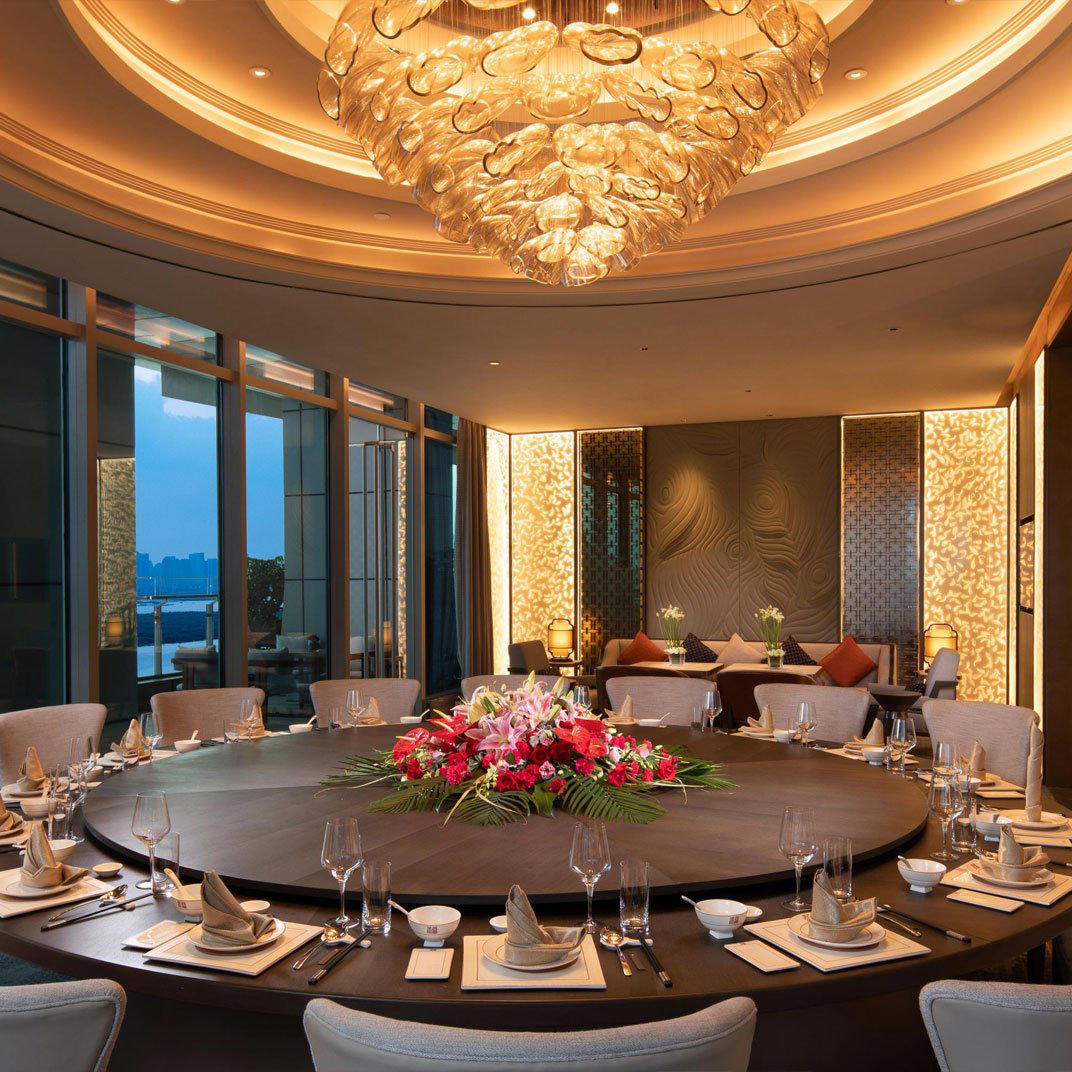
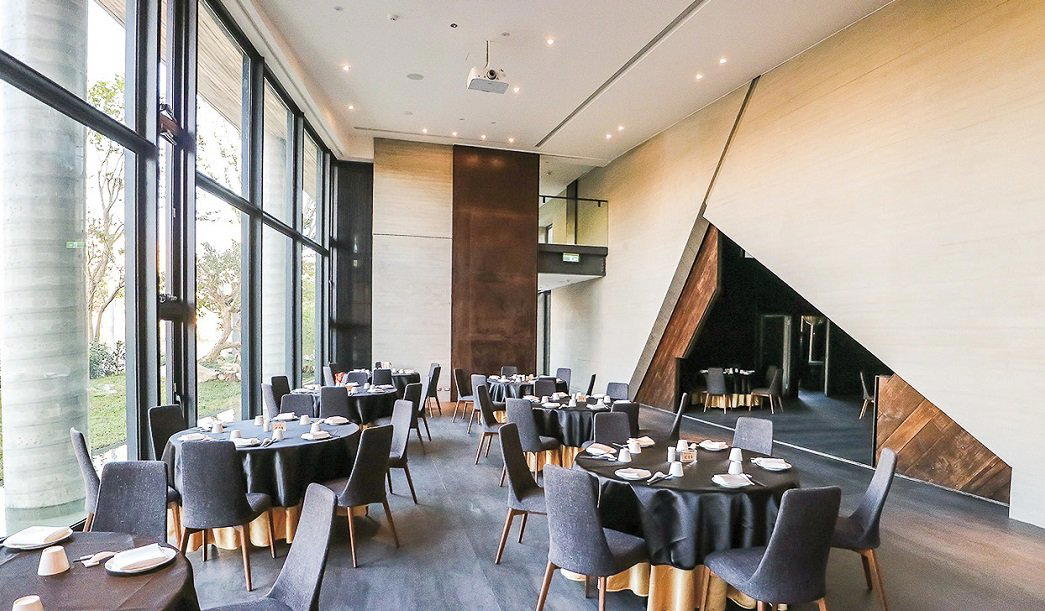
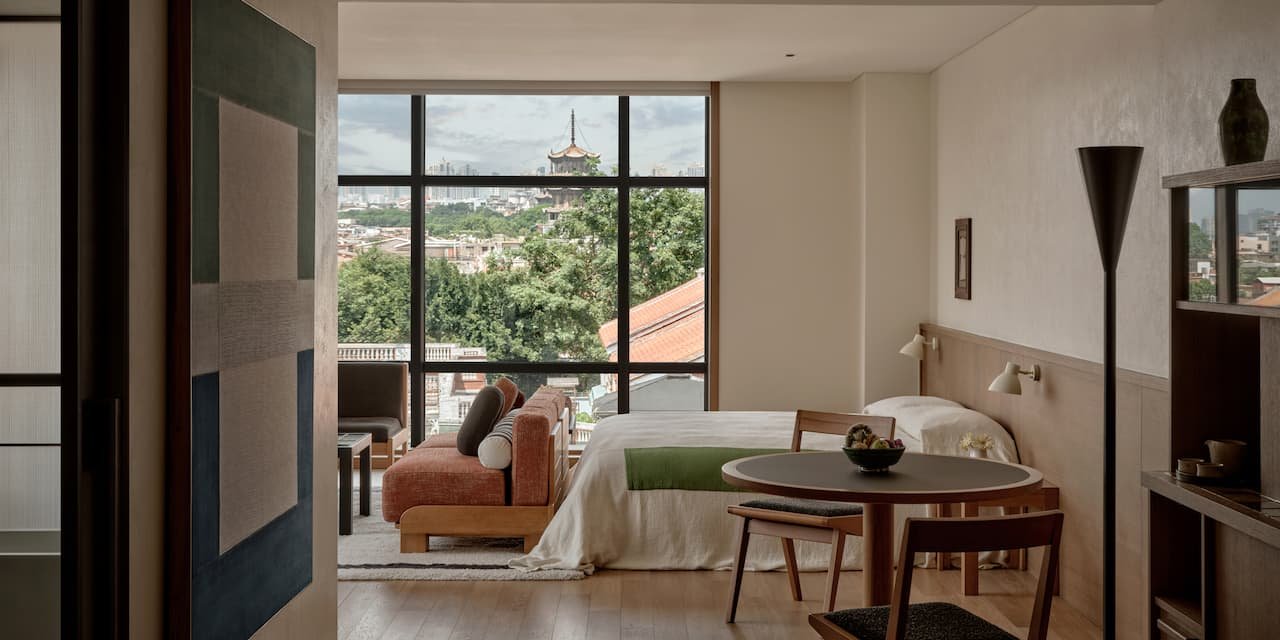
Relaxed cozy dining room with clean lines, large windows, warm even lighting, and views of historic Quanzhou core.