Halászbástya pairs modern Hungarian fine dining with a terrace, skyline views, and a sommelier-led wine list, suited to a leisurely lunch, brunch, or dinner.
Pearl is the En Primeur Club membership app — saves, bookings, and concierge access live there. Same editors, same standards.
- Address
- Budapest Budapest Budai Vár, Halászbástya - Északi Híradástorony, 1014 Hungary
- Phone
- +3612016935
- Website
- halaszbastya.eu
- Directions
- Get directions
 Saves & bookings on Pearl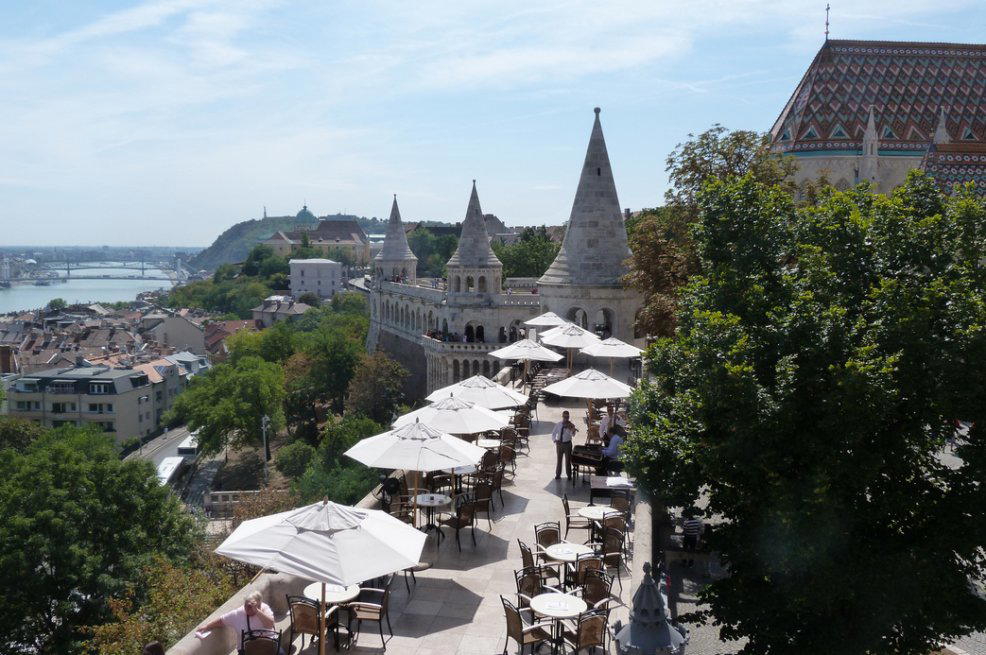
On the Ramparts Above the Danube
Arriving at Halászbástya by foot, along the stone-flagged promenade of Buda Castle Hill, prepares you for something the city below cannot easily replicate. The neo-Romanesque towers and open arcades of the Fisherman's Bastion, built between 1895 and 1902 as a decorative terrace rather than a defensive fortification, frame a panorama that takes in the full sweep of Pest, the Chain Bridge, and the Parliament building across the river. This is Budapest at its most compositionally deliberate, a city that arranged itself, over centuries, to be seen from precisely this vantage point. Whatever you eat or drink here, the ritual begins before you sit down.
The Architecture of the Visit
The broader question worth asking about a place like Halászbástya is what kind of visit it rewards. Budapest's Castle District operates as a self-contained historical precinct, separated from the Pest dining scene by the river and by altitude. The restaurants and cafes embedded within the Bastion's structure benefit from that separation: the walk up from Clark Ádám tér via the funicular or the cobbled lanes of the Várhegy filters out casual foot traffic and creates a different rhythm from the city's more accessible dining corridors. You arrive having made a decision, not stumbled in. That deliberateness shapes the experience from the start.
In cities where historical monuments double as hospitality venues, the dining tends to split between two poles: venues that trade entirely on spectacle while the food recedes, and rarer cases where the setting amplifies a considered offer. Budapest's Castle Hill has both. The terrace at Halászbástya positions itself as a destination within that precinct rather than a stopover, drawing visitors who factor the panorama into the evening's logic alongside whatever is on the table.
Setting the Table: Hungarian Dining Customs and What They Mean Here
Hungarian dining at its more traditional register follows a particular arc. A substantial soup course, often a clear broth or a richer gulyás variant, precedes the main. Portions tend toward generosity rather than restraint. Paprika, both sweet and hot, appears not as a garnish but as a structural ingredient. Pork, duck, and freshwater fish anchor the protein side; the Danube basin's carp and fogas (pike-perch) remain embedded in Hungarian culinary identity, and the Fisherman's Bastion takes its name from the guild of fishermen who once defended this stretch of the castle walls. That etymology is not incidental: it places the site inside a long civic and culinary tradition tied to the river below.
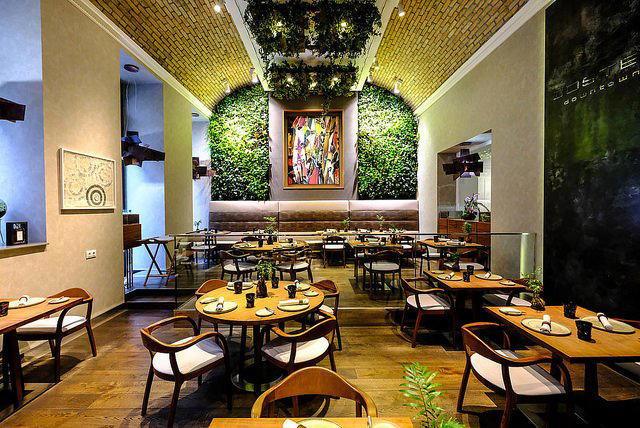
Visitors accustomed to contemporary tasting-menu formats, the pacing of venues like Stand (€€€€ · Modern Cuisine) or Costes (€€€€ · Modern Cuisine), both operating at the sharper edge of Budapest's fine dining tier, will find that the Castle Hill setting encourages a slower, more expansive rhythm. The meal is not the tasting-menu sprint but the longer, more conversational Hungarian dinner, where courses arrive with room between them and the wine pours without urgency. Borkonyha Winekitchen (€€€ · Modern Cuisine) on the Pest side illustrates how seriously Hungarian wine lists have developed in recent years; that context matters here too, given the quality of Tokaj and Egri Bikavér that now reaches restaurant lists across the city.
Where Halászbástya Sits in Budapest's Dining Scene
Budapest's premium dining map has sharpened considerably since Hungary's first Michelin recognition arrived in 2010. Venues like Babel (€€€€ · Modern Cuisine) and essência (€€€€ · Modern Cuisine) operate within a competitive set defined by technical ambition and chef-driven menus. Halászbástya occupies a different position in that map: its value proposition is anchored in place and setting, in the specific experience of dining within a monument, rather than in the kitchen's position on any critical ranking. That is not a diminishment, it is a different contract with the visitor, one that prioritises context over culinary acrobatics.
For travellers who want to cross-reference Budapest's dining scene more broadly, our full Budapest restaurants guide maps the range from traditional Hungarian kitchens to the city's modern cuisine tier. Hungary beyond the capital also rewards attention: Platán Gourmet in Tata and Pajta in Őriszentpéter represent the regional dining movement that has gained momentum outside Budapest. Wine-focused travellers should note Halasi Pince Panzió in Villány in Hungary's southern wine country, and BoriMami in Gyöngyös near the Mátra wine region. For historic towns close to Budapest, Aranysárkány Vendéglő in Szentendre offers a well-regarded traditional kitchen twenty minutes north by HÉV train.
Further afield in Hungary, Forst-Ház Étterem és Kávézó in Eger sits in one of Hungary's most visited wine cities, while Classic Grill Serbian Restaurant Underground in Szeged reflects the cross-border culinary influences that shape Hungary's south. Astro Tea & Kávéház in Gyor, La Pizza Del Lupo in Onga, and Almalomb in Hosszúhetény round out the country's more scattered but increasingly considered dining options.
Planning the Visit
The Castle District is most practically reached via the Budavári Sikló funicular from Clark Ádám tér, or on foot from Batthyány tér via the Király lépcsők stairs. The Bastion itself is free to walk, though the upper terraces carry a small access fee during peak hours. One rewarding time to visit aligns with early evening in the warmer months, when the light over Pest shifts from direct afternoon sun to the softer tones that the Parliament dome and Chain Bridge reflect particularly well. In winter, the terrace takes on a different quality: fewer visitors, colder air off the Danube, and a stillness that the summer crowds do not allow. Both are legitimate ways to see the same structure.
Venues in the €€€€ bracket here correspond to the mid-range of equivalent European capitals, which means the quality-to-cost ratio at every tier reads more favourably than the price symbol suggests.
Pricing, Compared
Comparable venues nearby, for context on price, style, and recognition.
| Venue | Cuisine | Price | Notes |
|---|---|---|---|
| HalászbástyaThis venue — the venue you are viewing | Varhegy, Modern Hungarian Fine Dining | $$$ | Not listed |
| Déryné | Not listed | $$$ | Krisztina körút, Modern Hungarian Bistro with French Influences |
| Kacsa Étterem | Not listed | $$$ | Varhegy, Classic Hungarian Duck Specialties |
| Franziska Buda | Varhegy, Healthy Cafe Breakfast & Brunch | $$ | Not listed |
| Kispiac | Terézváros, Traditional Hungarian Bistro | $$ | Not listed |
| Café Gerbeaud | Varhegy, Hungarian Café & Pastries | $$$ | Not listed |
Continue exploring
More in Budapest
Restaurants in Budapest
Browse all →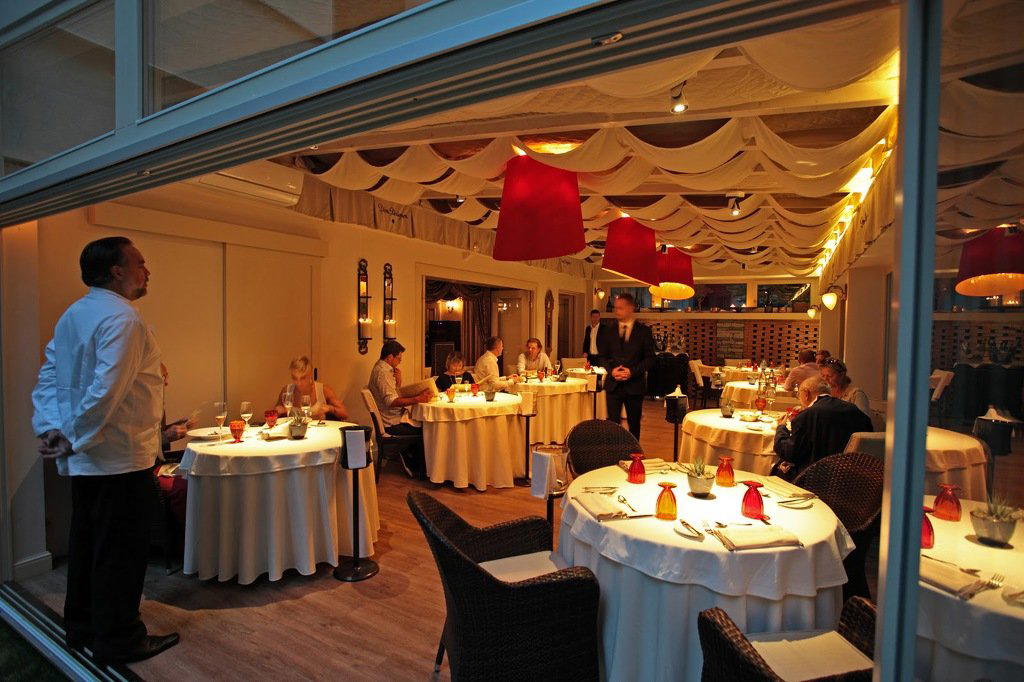
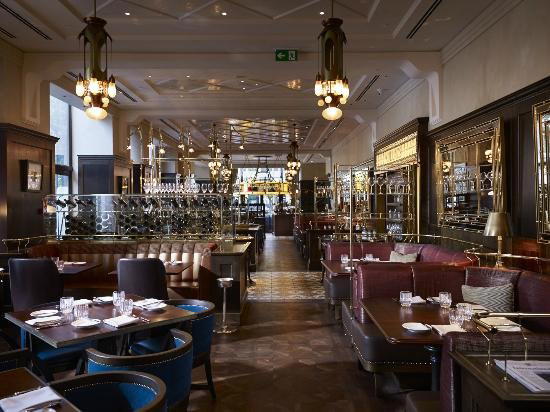
Bars in Budapest
Browse all →
Hotels in Budapest
Browse all →

At a Glance
- Romantic
- Elegant
- Well Known
- Scenic
- Sophisticated
- Date Night
- Special Occasion
- Business Dinner
- Terrace
- Panoramic View
- Historic Building
- Live Music
- Extensive Wine List
- Sommelier Led
- Skyline
Current opening hours
- Monday
- 6 PM–12 AM
- Tuesday
- 6 PM–12 AM
- Wednesday
- 6 PM–12 AM
- Thursday
- 6 PM–12 AM
- Friday
- 6 PM–12 AM
- Saturday
- 6 PM–12 AM
- Sunday
- 6 PM–12 AM
Hours can change for holidays and private events. Last verified .
Elegant Neo-Romanesque interior with cosy atmosphere, terrace with dramatic Danube and city panorama, accompanied by live Gypsy music.