On a quiet stretch of Iskola utca in Buda's First District, Franziska sits within the compact tier of Budapest restaurants where neighbourhood setting and kitchen-to-floor collaboration define the experience as much as the food itself. The address places it among the city's less-trafficked but carefully watched dining addresses, operating at a remove from the Pest-side concentration of higher-profile tasting menus.
Pearl is the En Primeur Club membership app — saves, bookings, and concierge access live there. Same editors, same standards.
- Address
- Budapest, Iskola u. 29, 1011 Hungary
- Phone
- +36703323745
- Website
- franziska.hu
- Directions
- Get directions
 Saves & bookings on Pearl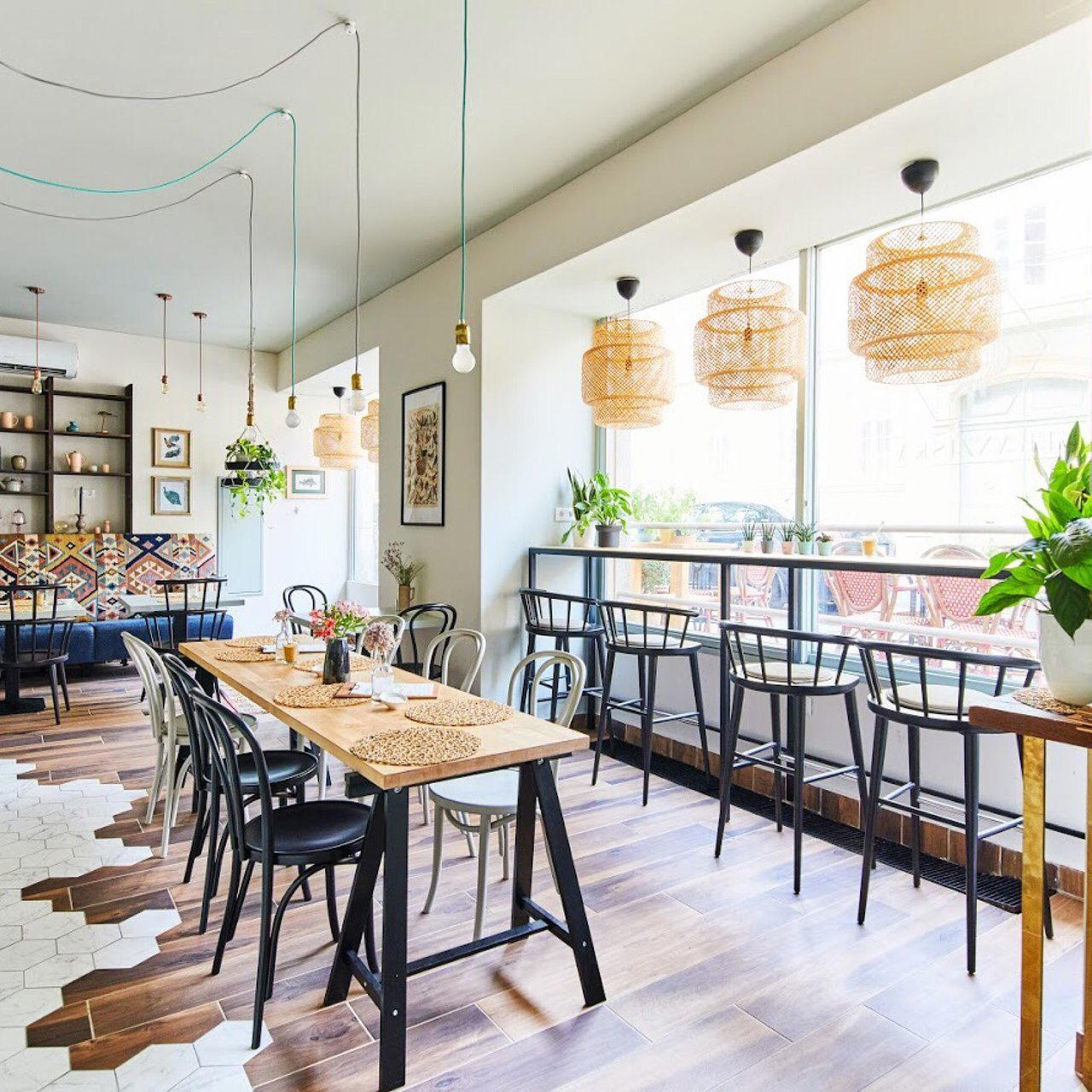
First District, Quieter Side of the River
Budapest's restaurant conversation has long been anchored on the Pest side, where Michelin-recognised addresses like Costes (€€€€ · Modern Cuisine) and Babel (€€€€ · Modern Cuisine) cluster around the inner districts. Buda operates differently. The First District, carved into the Castle Hill area, draws a quieter foot traffic and a different kind of diner: locals who live within the district's winding streets, visitors staying in the area, and those who cross the Danube deliberately rather than by default. Franziska Buda sits on Iskola utca 29, Budapest, a casual Healthy Cafe Breakfast & Brunch restaurant at about $15 per person.
That positioning matters in a city where the gap between high-volume tourist dining and genuinely local-facing restaurants is wider than in most European capitals. The Buda bank's First District has enough historical weight, the Royal Palace, Mátyás Church, the Fisherman's Bastion, to attract visitors, but Iskola utca itself sits at a slight remove from those landmarks, meaning the room tends to fill with people who have sought the address out rather than stumbled upon it.
How the Room Works: Kitchen, Floor, and the Space Between
In Budapest's mid-to-upper dining tier, the relationship between kitchen ambition and floor execution is the variable that separates a good meal from a considered one. At venues like Borkonyha Winekitchen (€€€ · Modern Cuisine), the wine program is so central that it effectively functions as a third voice at the table alongside kitchen and service. The question with any restaurant operating in this register is whether those three elements are in genuine dialogue or running parallel tracks that occasionally intersect.
Franziska Buda's Iskola utca address places it in a neighbourhood where the room size and format tend toward the intimate rather than the theatrical. In smaller Budapest restaurants of this type, the front-of-house team carries more interpretive weight than in larger venues: without a sprawling floor or a sommelier's trolley rolled tableside, the communication of a dish's logic or a wine's rationale falls to whoever is standing in front of you. That dynamic, when it functions well, produces the kind of meal that feels collaborative rather than transactional.
The broader Budapest scene has been moving in this direction. The city's recognition on the European fine-dining circuit, consolidated through Michelin coverage and the growing international profile of addresses like Stand (€€€€ · Modern Cuisine) and essência (€€€€ · Modern Cuisine), has created pressure on mid-tier and neighbourhood restaurants to articulate what they offer beyond the tasting menu format. The answer, in many cases, is a more conversational service model where the sommelier and floor team are as fluent in the menu's logic as the kitchen itself.
The Hungarian Context: What the Region Brings to the Table
Any serious Budapest restaurant in 2024 is making decisions about how much of Hungary's wider culinary geography to draw from. The country's wine regions have become increasingly legible to international diners: Tokaj remains the flagship, but Villány and Eger now carry real credibility, and smaller appellations have restaurants built around them. Sauska 48 in Villány and Petrányi Csopak in Csopak represent the winery-restaurant format that has emerged as a serious alternative to urban fine dining, where the wine list is not curated but grown.
Beyond wine, the question of produce sourcing has become a defining characteristic of how Budapest restaurants position themselves. The farm-to-table framing that felt aspirational a decade ago is now a baseline expectation at the upper end of the market; what differentiates kitchens now is the specificity of those relationships and whether the floor team can communicate them. Restaurants like Pajta in Őriszentpéter and Hosszú Tányér in Hosszúhetény have built their identities around deep regional specificity, a standard that urban restaurants increasingly reference even when they cannot replicate it directly.
For a Buda address like Franziska, the region provides both a larder and a framework. The First District's proximity to the Danube, the hills, and the market culture of central Buda shapes what is available and what resonates with a regular clientele that tends to have a more settled relationship with the neighbourhood than the touring diner moving between tasting menus.
Seasonal Timing and the First District Rhythm
Spring and autumn are the periods when Budapest's neighbourhood restaurants perform at their most coherent. Summer brings a significant tourist influx that shifts the dynamic of even particularly locally oriented rooms; winter contracts the city's dining population but concentrates the serious regulars. The First District specifically sees its tourist pressure front-loaded toward the warmer months, when the castle area draws large volumes, but Iskola utca's position slightly off the main circuits means the rhythm is less volatile than at addresses closer to the major landmarks.
For those planning a visit, the practical logic of the First District is direct: the area is served by the 16, 16A, and 116 bus routes from Clark Ádám tér, which connects to the Buda bridgehead of Széchenyi Chain Bridge. The walk from the bridge is feasible and, in good weather, the preferred approach for those arriving from Pest. Dinner bookings in this part of the city tend to be advisable rather than optional, particularly from March through October when the district draws visitors alongside its local base. Bookings are recommended.
Where Franziska Sits in the Budapest Pecking Order
Budapest's dining market has stratified clearly over the past five years. At the leading sit the Michelin-holding addresses and their immediate peers. Below that, a tier of wine-forward, produce-led restaurants has emerged, represented in the city by venues like Borkonyha Winekitchen and, at the neighbourhood scale, by addresses that prioritise a consistent regular clientele over destination-dining traffic. Franziska Buda's Iskola utca location and its First District positioning place it in that second and third register: a restaurant that rewards return visits and local familiarity more than a single-occasion pilgrimage.
For diners working through Budapest's wider culinary geography, the context extends well beyond the capital. Platán Gourmet in Tata, Kővirág in Köveskál, Teyföl in Szentendre, and Botanica in Dánszentmiklós each represent the regional restaurant culture that has developed alongside, and sometimes ahead of, the capital's urban scene. Old Kőrössy Fish Restaurant in Szegedin and Öreg Prés in Mór extend that map further.
The international frame of reference for the collaborative kitchen-floor-sommelier model that Franziska's format evokes is well-established: venues like Le Bernardin in New York City and Lazy Bear in San Francisco represent the format at a different scale and price point, but the underlying logic, that a meal is a conversation between multiple specialists rather than a single auteur's statement, translates across contexts.
Comparable Options
Comparable venues nearby, for context on price, style, and recognition.
| Venue | Cuisine | Price | Notes |
|---|---|---|---|
| Franziska BudaThis venue — the venue you are viewing | Healthy Cafe Breakfast & Brunch | $$ | Not listed |
| Múzeum Étterem | Traditional Hungarian | $$ | Belvaros |
| Gettó Gulyás | Authentic Hungarian Stews | $$ | Belvaros |
| Fat Mama | Hungarian BBQ Gastropub | $$ | Belvaros |
| Fortuna | Contemporary Hungarian Bistro | $$ | Varhegy |
| Mezzo Music Restaurant | Modern European with Hungarian Classics | $$$ | Buda |
Continue exploring
More in Budapest
Restaurants in Budapest
Browse all →
Bars in Budapest
Browse all →
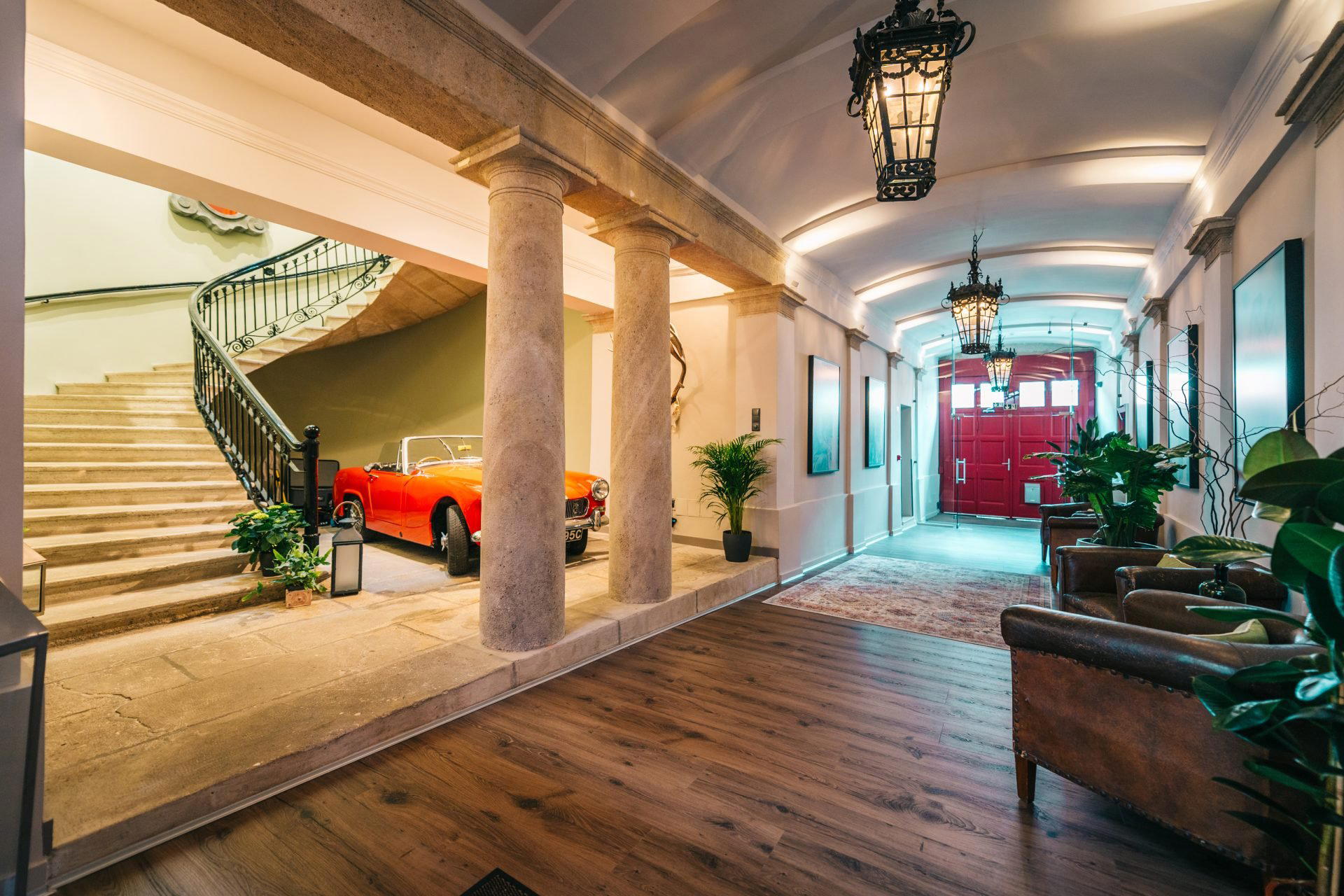
Hotels in Budapest
Browse all →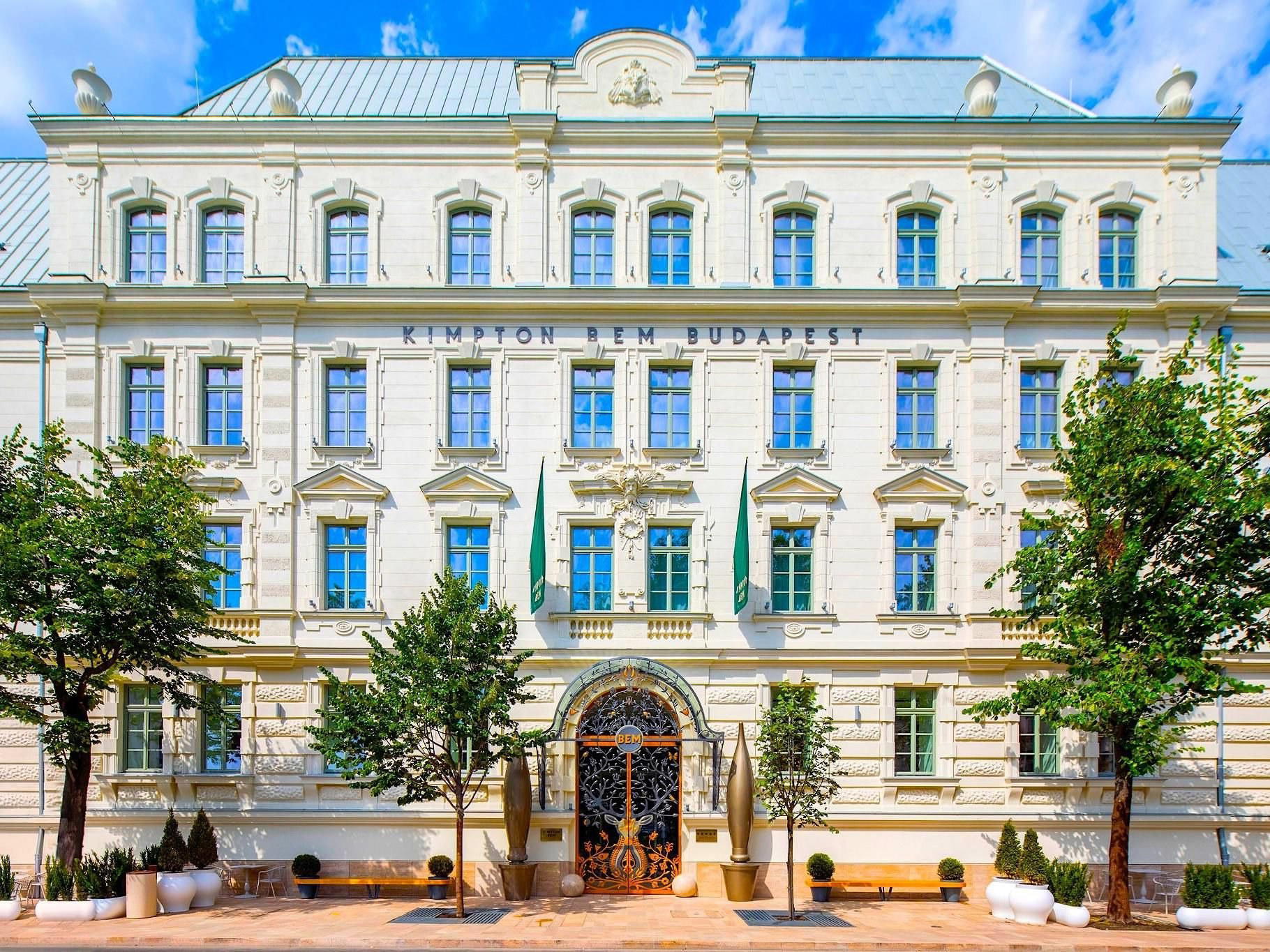

At a Glance
- Cozy
- Bohemian
- Relaxed
- Brunch
- Casual Hangout
- Family
Current opening hours
- Monday
- 8 AM–4 PM
- Tuesday
- 8 AM–4 PM
- Wednesday
- 8 AM–4 PM
- Thursday
- 8 AM–4 PM
- Friday
- 8 AM–4 PM
- Saturday
- 8 AM–4 PM
- Sunday
- 8 AM–4 PM
Hours can change for holidays and private events. Last verified .
Bright, airy boho space with a relaxed vibe.