.png)
A Michelin Bib Gourmand recipient in both 2024 and 2025, Hall Thing occupies a courtyard space in Licheng District that frames Fujian comfort food within antique surroundings. The Yongchun taro noodle soup and stir-fried pork liver are the dishes to know. Finding the place is part of the experience: look for the large tree above a small alley courtyard off Houcheng Street.
 Discover on Pearl
Pearl is the En Primeur Club membership app — saves, bookings, and concierge access live there. Same editors, same standards.
A Courtyard at the End of an Alley
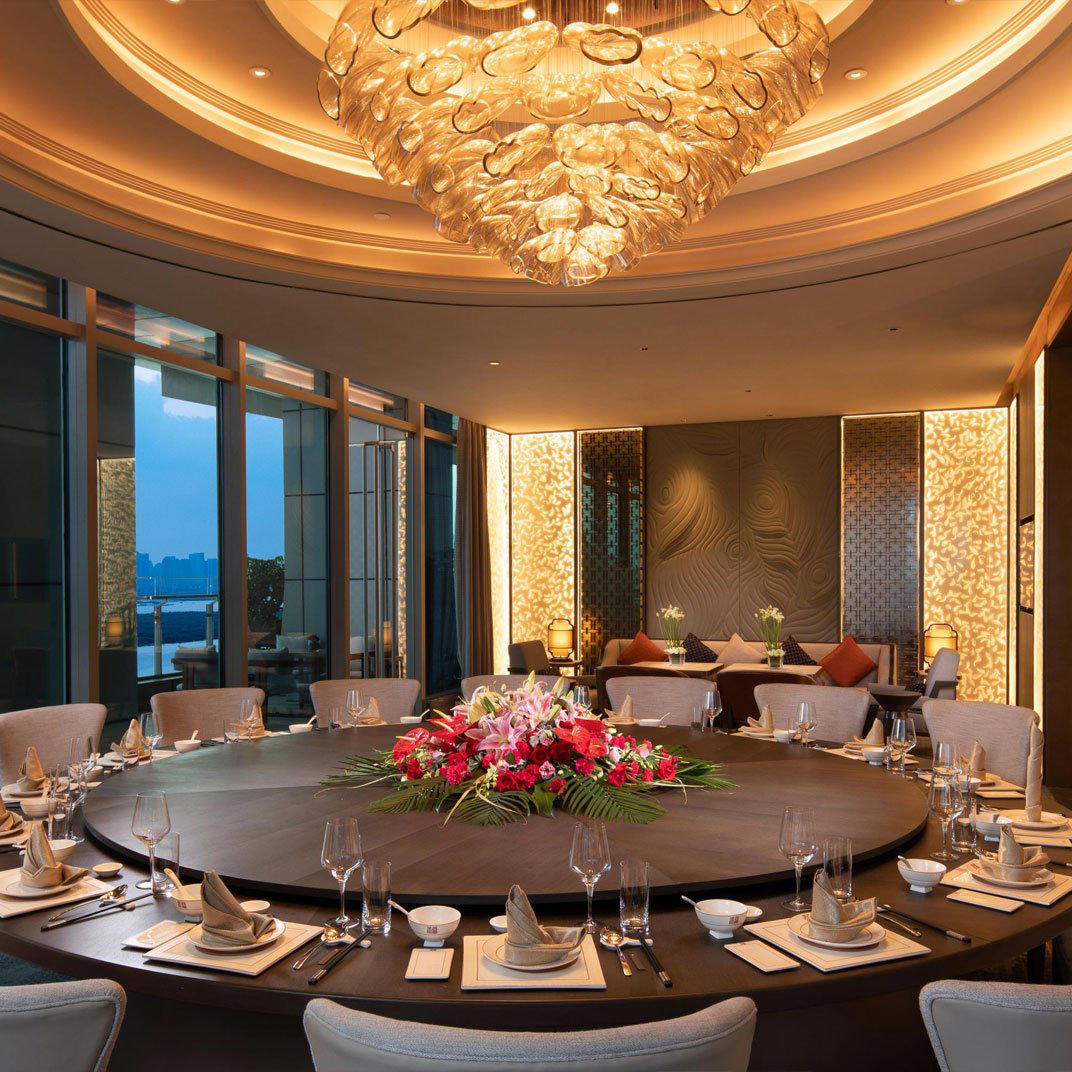
Quanzhou's Licheng District preserves more of the city's pre-modern urban grain than most of Fujian's coastal towns. Narrow lanes branch off the main streets in ways that reward patience, and the logic of the neighbourhood is better read on foot than by map. Hall Thing sits inside that fabric, down an alley off Houcheng Street, identifiable by the large tree that extends over a small courtyard rather than by any prominent signage. It is the kind of address that filters its own clientele: people who know it, or people who looked hard enough to find it.
That physical obscurity is not incidental to the experience. Fujian's most compelling neighbourhood restaurants have historically operated this way, positioned inside residential or semi-commercial lanes where rent is lower and the local crowd is more consistent. The setting at Hall Thing reinforces the food: the interior is furnished with antique pieces, the proportions are domestic rather than commercial, and the courtyard table under the tree is the seat worth waiting for when the weather holds. On a clear afternoon, the combination of dappled light, worn stone, and the particular quiet of an enclosed urban courtyard makes the meal feel more considered than the price point suggests.
Where Hall Thing Sits in Quanzhou's Fujian Canon
Quanzhou's dining scene draws from a culinary tradition that is both hyper-local and historically distributed. Min Nan cooking, the southern Fujian dialect food that originated in this region, spread through maritime trade to Southeast Asia, Taiwan, and the broader Hokkien diaspora. What remains in Quanzhou is a version of that food closest to its source, less adapted, less sweetened for export markets, and still tied to local ingredient supply chains.
At the ¥¥ tier, the field in Licheng is competitive. Chun Sheng occupies a similar price bracket with Fujian cooking, and several noodle shops operate at the ¥ level with high foot traffic and fast turnover. Hall Thing distinguishes itself within this set not through price or scale but through the deliberateness of its environment and the specificity of dishes like the Yongchun taro noodle soup, which signals a regional sub-identity within Fujian cooking rather than a generic southern Chinese menu. Yongchun is a county inland from Quanzhou, and its taro preparations carry a distinct character: the mashed taro creates a thick, almost silky texture in the broth that differs from the lighter clear-broth noodle soups more commonly associated with coastal Min Nan cooking.
The Michelin Bib Gourmand recognition, awarded in both 2024 and 2025, places Hall Thing in a specific credentialled tier: cooking that represents good value without the formality of a full star recommendation. Across Chinese cities where Michelin operates, Bib Gourmand designations tend to cluster around neighbourhood-format restaurants serving regional food with technical consistency. Hall Thing's back-to-back recognition confirms that the quality is not incidental.
For a broader map of how Fujian cooking travels within China's restaurant scene, Hokklo in Xiamen and Hokkien Cuisine in Chengdu show how the tradition adapts when transplanted. Quanzhou remains the origin point, and Hall Thing operates in the idiom closest to that source.
Tea as the Default Register
Southern Fujian is the production and drinking heartland of oolong tea, specifically the Wuyi and Anxi styles that define the region's relationship to tea culture. In Quanzhou specifically, the gongfu cha tradition, the slow, multi-steep, small-vessel brewing method practiced domestically and in teahouses, is embedded in daily life in a way that distinguishes Fujian from tea cultures elsewhere in China. Drinking tea here is not a ritual performed for tourists; it is the ambient social medium.
At a restaurant like Hall Thing, that context matters. The food served, particularly the taro noodle soup and the stir-fried offal preparations, pairs with Tie Guan Yin or lighter roasted oolongs rather than heavy fermented teas. The reasoning is textural and aromatic: Fujian oolongs carry floral or light roasted notes that cut through the richness of taro and liver without competing with the broth's savouriness. Heavy pu-erh or fully oxidised teas would flatten the dish's subtleties. This pairing logic is rarely stated explicitly in restaurants at this price tier; it is assumed knowledge for local diners and worth making explicit for visitors.
If you are approaching Quanzhou through its tea culture as well as its food, the Licheng District has tea shops and traditional teahouse formats within walking distance. The combination of a meal at Hall Thing followed by an unhurried gongfu session nearby is one of the more coherent ways to spend an afternoon in the old city. For those exploring the city's broader hospitality offering, our full Quanzhou experiences guide maps the tea and cultural programming in detail.
The Dishes That Define the Menu
The Yongchun taro noodle soup anchors the menu's identity. Mashed taro forms the body of the broth, producing a density and creaminess that is specific to this sub-regional preparation. The noodles carry the flavour rather than dominating it, and the soup functions as a complete dish rather than a side or primer. Ordering it is the clearest signal that you understand what the kitchen does.
The stir-fried pork liver is a more technically demanding dish to execute well. Liver overcooks in seconds, and the balance between tender interior and slightly crisped exterior requires timing that experienced Fujian cooks develop over years. The dish also speaks to a broader pattern in Min Nan cooking, which has historically made use of the whole animal without euphemism, treating offal as premium rather than secondary.
Beyond these anchors, the menu reads as a document of Fujian nostalgia, a term the restaurant's own Michelin description uses directly. That framing is accurate rather than sentimental: the dishes reference a domestic cooking tradition that predates restaurant culture, and the antique-furnished setting reinforces a continuity between household memory and public dining.
Other restaurants in Quanzhou working within the Fujian frame include Lao A Bo, Jian Lai Fa, and Antstory. For a different register, A Qiu Niu Pai on Huxin Street operates at a different format and price point. The broader context for Fujian cooking across Chinese cities can be explored through Ru Yuan in Hangzhou, Xin Rong Ji in Beijing, 102 House in Shanghai, Xin Rong Ji in Chengdu, Imperial Treasure Fine Chinese Cuisine in Guangzhou, and Chef Tam's Seasons in Macau.
Planning a Visit
Hall Thing is located on Houcheng Street in Licheng District, Quanzhou, with the map reference WH2W+F6M if you are using Google's plus code system. The price range is ¥¥, which in Quanzhou's context puts a full meal well within reach for most travellers. No phone or website is listed in available records, which means walk-in is likely the primary access method; arriving early or at off-peak lunch hours reduces the chance of a wait. The courtyard table is worth requesting specifically on days when the weather permits outdoor seating. For context on the rest of the city's hospitality offering, our full Quanzhou restaurants guide, hotels guide, bars guide, and wineries guide cover the city's broader range.
Comparable Spots
Comparable options at a glance, pulled from our tracked venues.
| Venue | Cuisine | Price | Notes |
|---|---|---|---|
| Hall Thing (Licheng) | Fujian | ¥¥ | This venue |
| Chun Sheng | Fujian | ¥¥ | Fujian, ¥¥ |
| Jiang Nan Yuan | Vegetarian | ¥¥¥ | Vegetarian, ¥¥¥ |
| Luo Ji Mian Xian Hu | Noodles | ¥ | Noodles, ¥ |
| Qing You Yu | Seafood | ¥¥¥ | Seafood, ¥¥¥ |
| Che Qiao Tou Wen A Shui Wan (Daxi Street) |
Continue exploring
More in Quanzhou
Restaurants in Quanzhou
Browse all →



At a Glance
- Hidden Gem
- Classic
- Cozy
- Rustic
- Casual Hangout
- Family
- Courtyard
- Garden
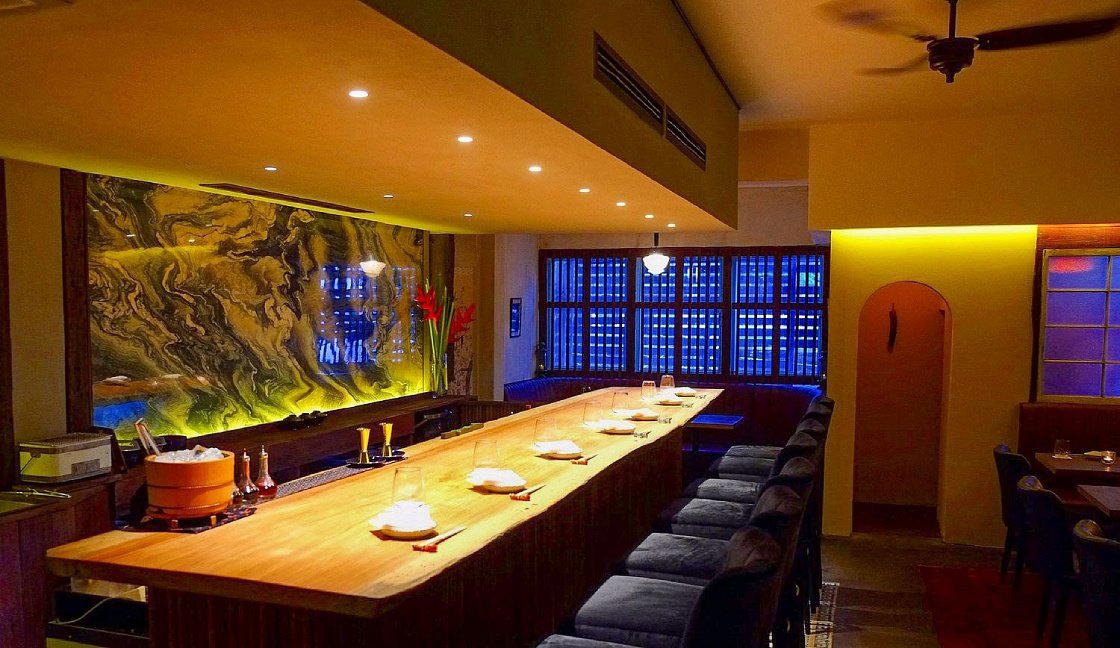
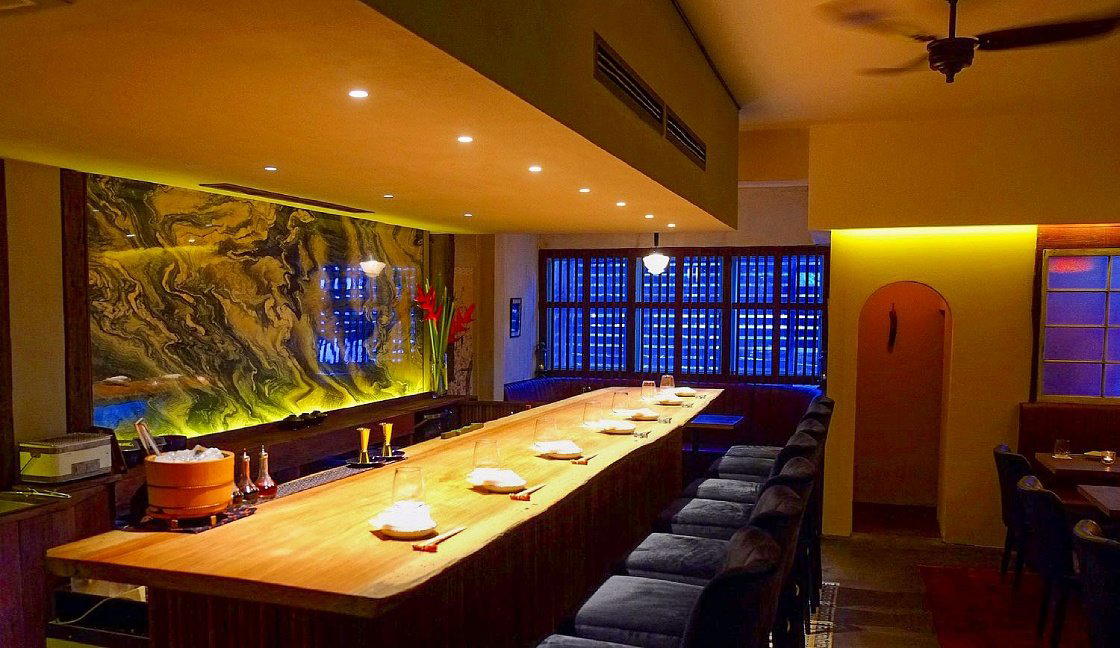
Vintage and elegant Chinese retro style with warmth, small courtyard seating ideal on sunny days; windy and cold in the lobby at night.