HAKU serves Japanese Fusion Kappo at ifc mall in Central, with waterfront and skyline views, a sake program, and Kagoshima Wagyu skewers.
Pearl is the En Primeur Club membership app — saves, bookings, and concierge access live there. Same editors, same standards.
- Address
- Hong Kong, Central, Finance St, 8號HK 香港島 Shop 4011, Podium Level 4, ifc mall
- Phone
- +85228188030
- Website
- linktr.ee
- Directions
- Get directions
 Saves & bookings on Pearl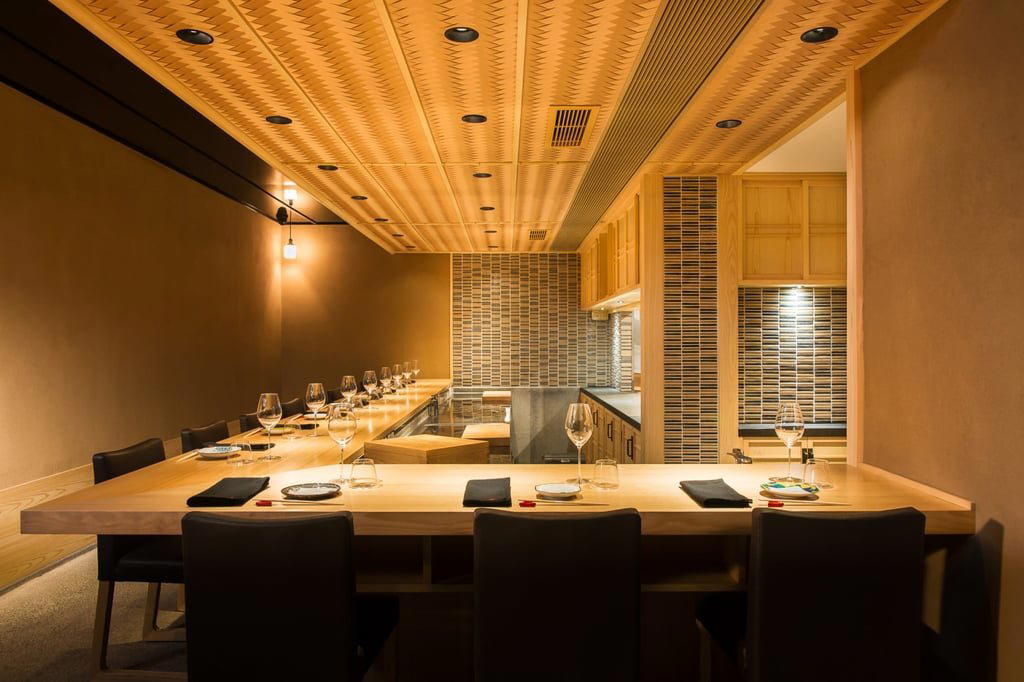
Finance Street at Altitude: The ifc Mall Dining Tier
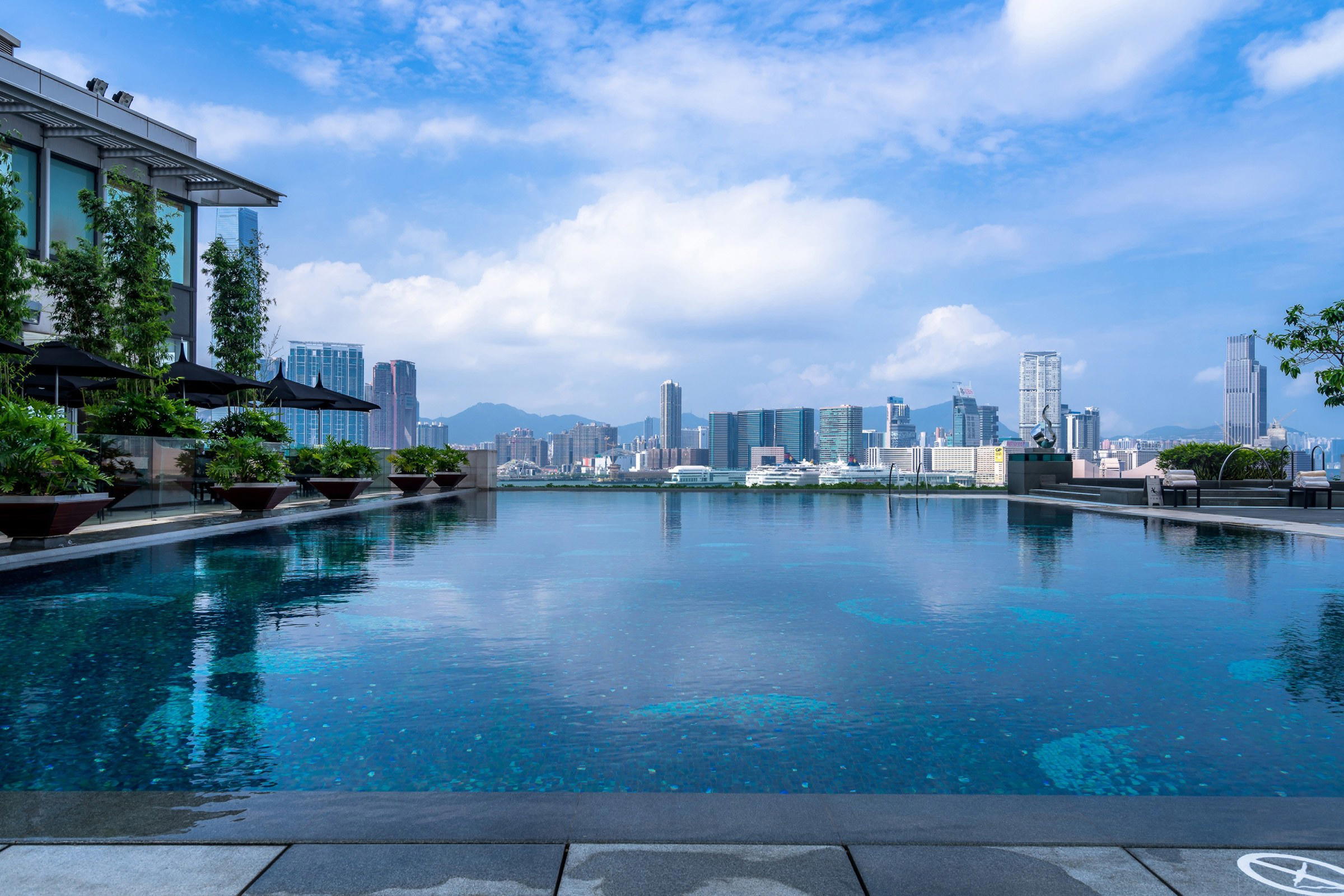
HAKU is a Japanese Fusion Kappo restaurant in Central, Hong Kong, at a price tier of 3. Hong Kong's most concentrated stretch of high-end restaurants runs not along a lantern-lit alley but through the upper floors of IFC Mall on Finance Street, Central. Podium Level 4 sits above the MTR concourse and the retail floors, and from that position it looks out over Victoria Harbour with a directness that most restaurants in the city spend considerable money trying to approximate. HAKU occupies Shop 4011 on that level. That framing matters: the restaurants on this floor compete on sourcing rigour and format precision, not on novelty or spectacle.
The broader IFC dining tier has, over the past decade, become shorthand in Hong Kong for a particular category of cooking, technically grounded, ingredient-led, and priced to reflect the cost of operating inside one of Asia's most expensive commercial addresses. HAKU sits within that context, and understanding that context is the starting point for any visit.
Where the Ingredient Starts
The earlier model, premium Japanese produce flown in on short cycles, presented with minimal intervention, remains visible across a tier of restaurants. A newer cohort has complicated that picture by combining Japanese sourcing discipline with Chinese culinary logic, or by tracking seasonal availability across multiple supply chains simultaneously. This approach requires a different kind of kitchen infrastructure: relationships with specific farms and fishing operations, not just with a preferred distributor.
HAKU operates within that more demanding sourcing framework. The restaurant's name itself references a Japanese concept of purity and clarity, a signal, at the naming stage, of what the kitchen intends to prioritise. In Hong Kong's competitive fine-dining environment, where restaurants like 8½ Otto e Mezzo BOMBANA and Aaharn have built reputations on specific sourcing philosophies tied to regional traditions, a credible sourcing story is not decorative, it is the structural argument the kitchen makes to justify its position in the market.
The Central Dining Ecosystem
Central and Western as a dining district operates at several registers simultaneously. At the approachable end, places like AMMO and cafe TOO serve the neighbourhood's large working population across the lunch and after-work window. At the upper tier, the concentration of Michelin-starred and regionally recognised rooms reflects the density of corporate and private wealth in the district. HAKU operates at that upper register, which means it sits in a competitive set where diners are making active comparisons, not just choosing somewhere to eat, but choosing between formats, sourcing philosophies, and kitchen lineages.
That competitive density shapes what a restaurant must do to hold attention. Across Hong Kong's broader dining geography, from the traditional seafood operations at Sai Kung Sing Kee to the Cantonese heritage of Lei Garden in Kwun Tong and Lei Garden in Sha Tin, the strongest restaurants make a specific argument about what they are doing with produce and why. The restaurants that lose ground in Hong Kong tend to be the ones that blur that argument, offering technically proficient cooking without a clear position on sourcing or tradition.
Other parts of the city have developed their own distinct sourcing characters: One-ThirtyOne in Tai Po has built a farm-to-table model rooted in the New Territories that sits entirely outside the IFC tier's logic. The contrast is instructive. Urban fine dining in Central trades on supply-chain reach, the ability to source from anywhere and deliver it with technical precision. Farm-adjacent restaurants in the New Territories trade on proximity and seasonality. Both are legitimate, but they serve different arguments about what a meal should mean.
The IFC Setting and What It Asks of a Diner
Arriving at HAKU requires passing through the commercial architecture of IFC Mall, the atrium, the retail floors, the escalators up to Podium Level 4. That approach is not incidental. The building's position directly above Hong Kong Station means the restaurant is genuinely accessible from across the territory via the Airport Express and MTR network, which makes it a practical choice for visitors staying elsewhere on Hong Kong Island or in Kowloon. The harbour view from the upper level, visible on approach, frames the meal before it begins.
The IFC setting also creates a particular atmosphere: quieter at lunch than the street-level restaurants of SoHo and more formally paced than the casual end of the district's dining. Both types have a place in a well-constructed Hong Kong itinerary, but they are not interchangeable.
Planning a Visit
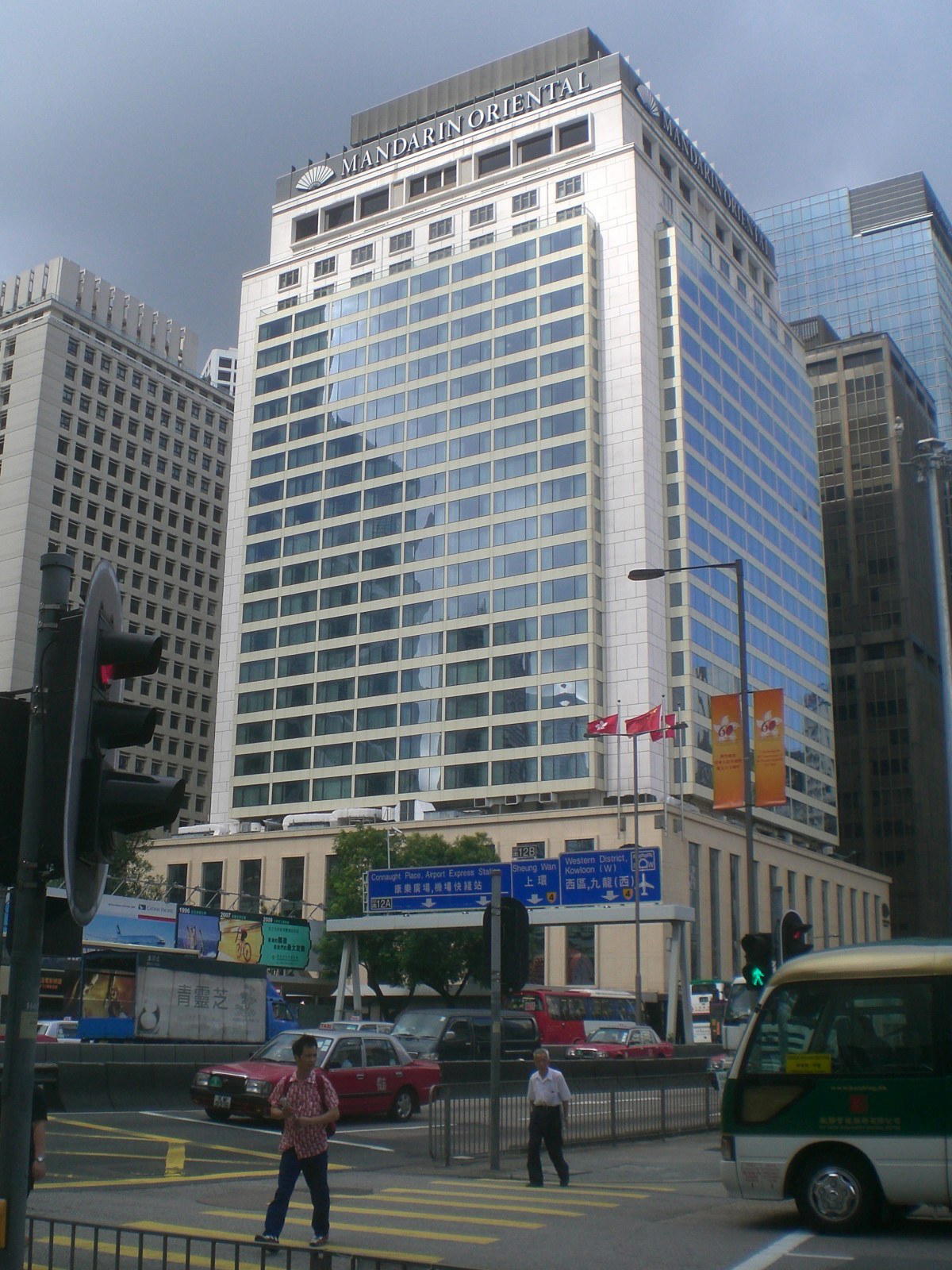
HAKU is located at Shop 4011, Podium Level 4, IFC Mall, 8 Finance Street, Central, Hong Kong Island. The MTR's Hong Kong Station connects directly to the mall, making the location direct to reach from across the territory. Advance booking is recommended. Diners exploring beyond Central on the same trip might consider the contrast offered by seafood-focused operations on outlying islands, including the historical context provided by the Former Jumbo Floating Restaurant in Aberdeen or the more casual dining at Gangstas in Islands. For those continuing westward into the New Territories, Chin Sik in Tsuen Wan and Hoi Tin Garden in Tuen Mun round out a picture of how Hong Kong's dining culture extends well beyond the Central core.
At-a-Glance Comparison
Comparable venues nearby, for context on price, style, and recognition.
| Venue | Cuisine | Price | Notes |
|---|---|---|---|
| HAKUThis venue — the venue you are viewing | Japanese Fusion Kappo | $$$ | Not listed |
| Cristal Room by Anne-Sophie Pic | Modern French with Asian Influences | $$$$ | Central |
| Carbone | New York-Style Italian | $$$$ | Central |
| HANARE | Japanese Wagyu Kaiseki | $$$$ | Central |
| Ippoh | Traditional Osaka Tempura Omakase | $$$$ | Central |
| cafe TOO | International Buffet | $$$ | Central And Western |
Continue exploring
More in Central And Western
Restaurants in Central And Western
Browse all →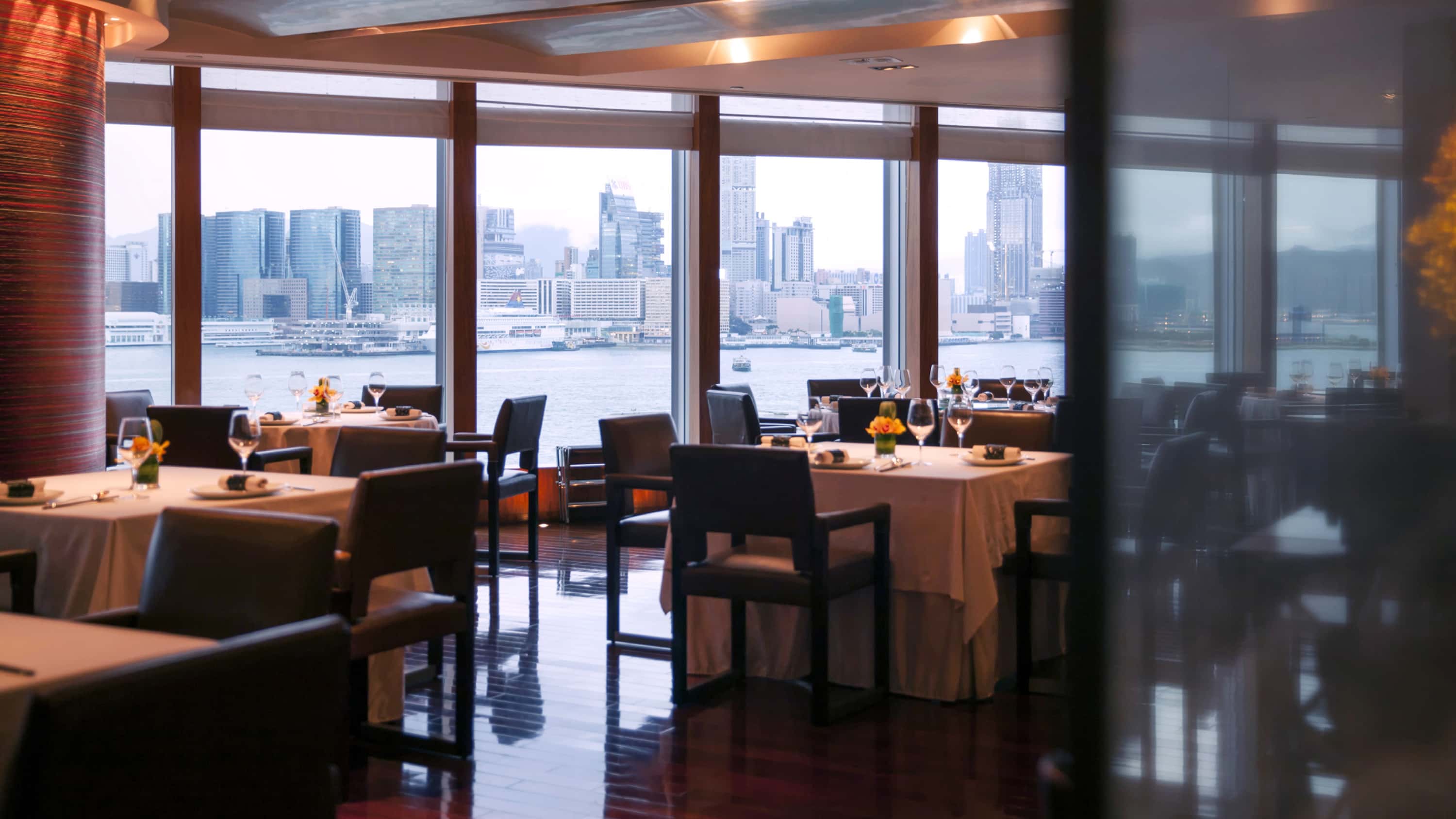
Bars in Central And Western
Browse all →
At a Glance
- Minimalist
- Elegant
- Sophisticated
- Date Night
- Special Occasion
- Business Dinner
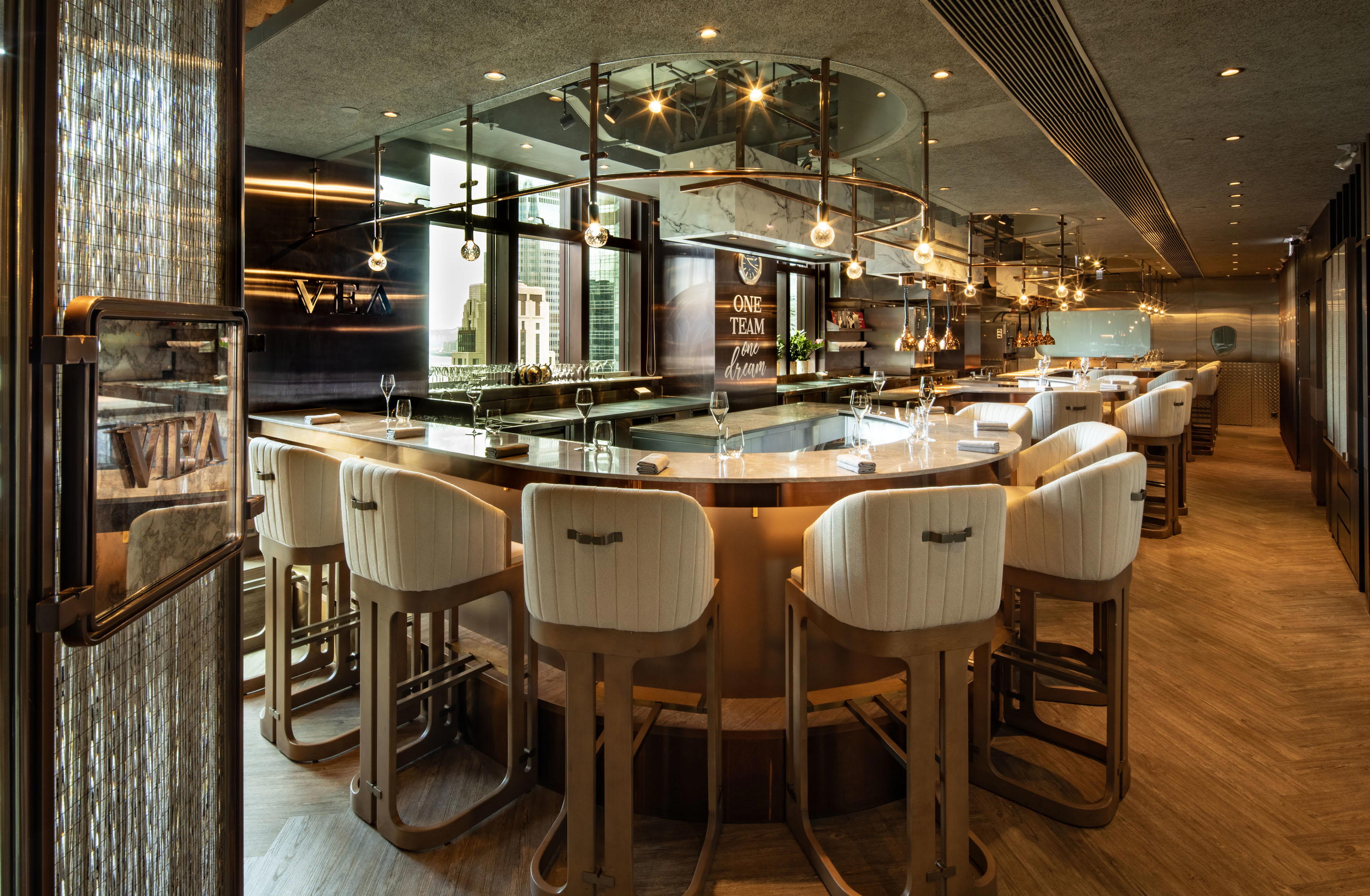
- Open Kitchen
- Sake Program
- Waterfront
- Skyline
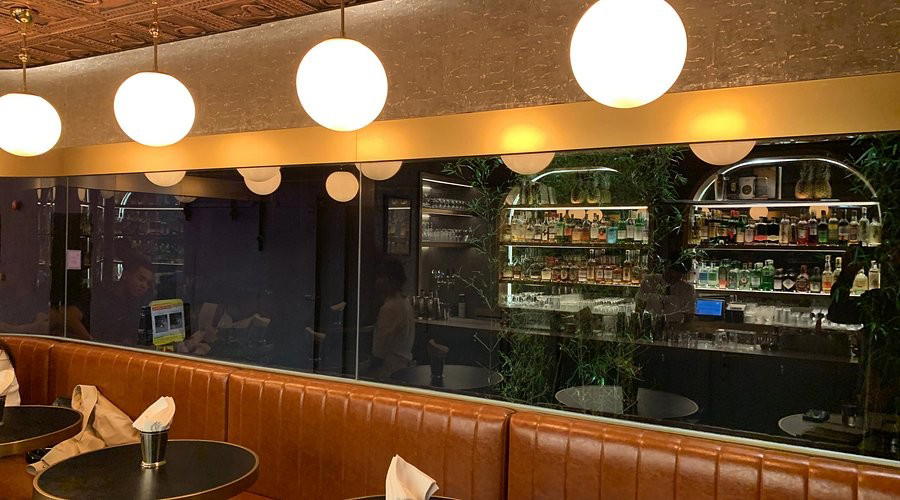
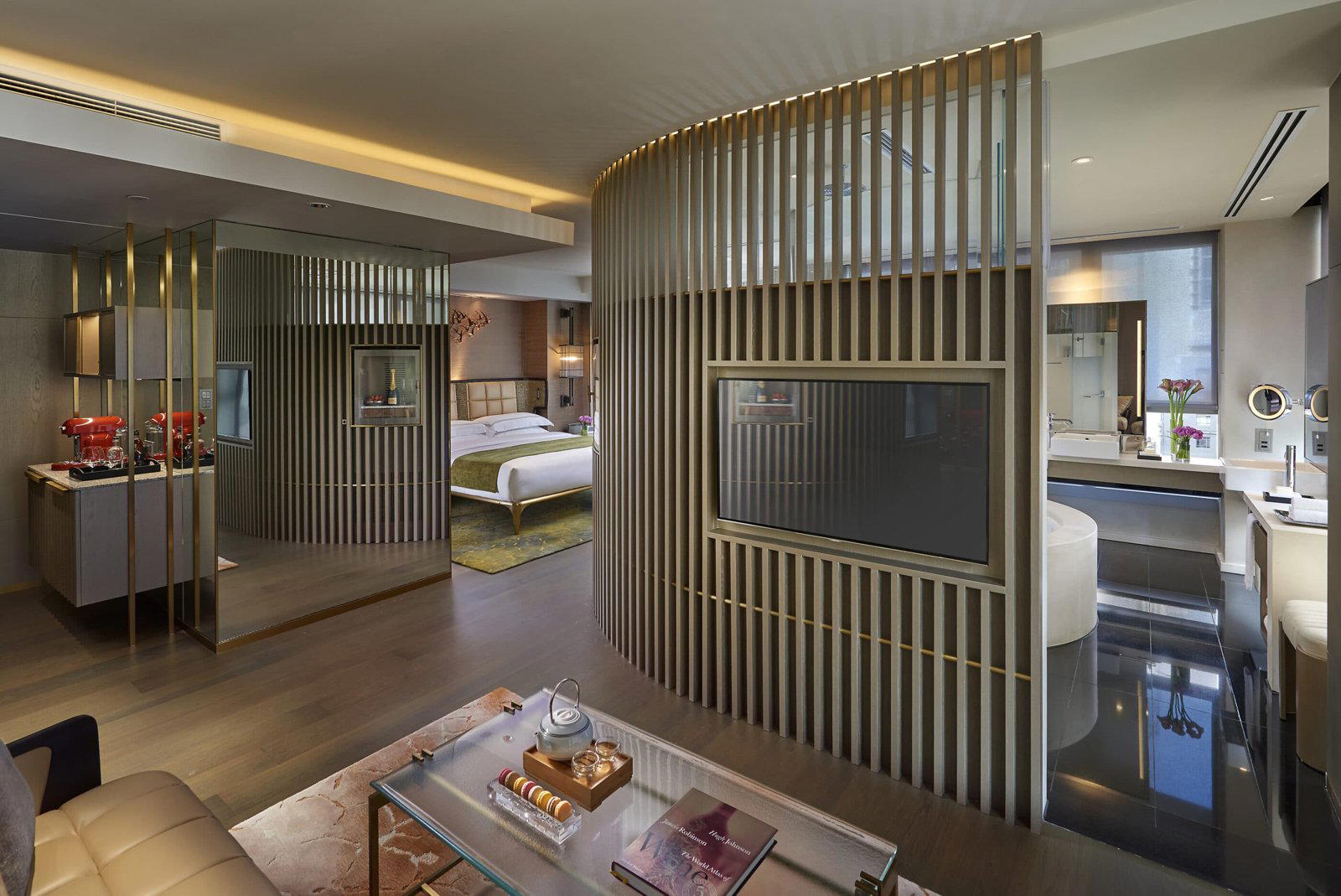
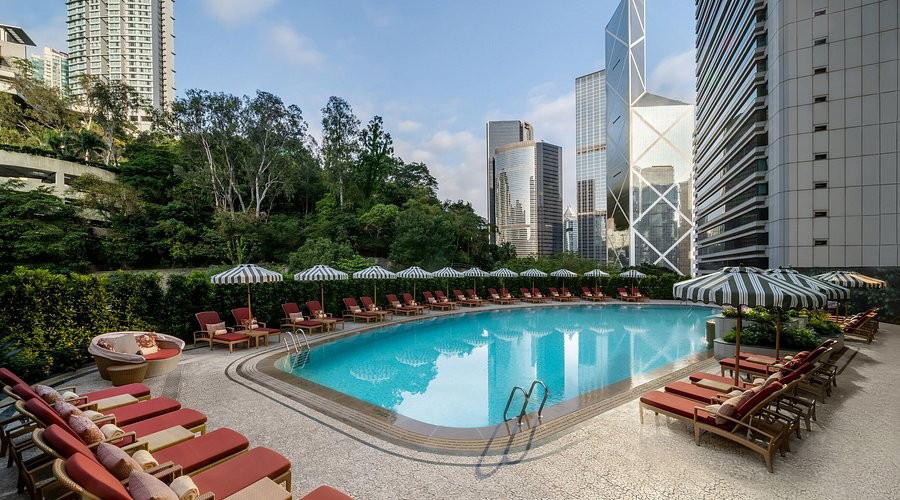
Sleek minimalist space with wood, stone, and glass highlighting harbour views, creating an elegant and inviting atmosphere.