COA occupies a basement address on Shin Hing Street in Central, where Hong Kong's agave-focused bar scene has found one of its most serious outposts. The programme centres on mezcal and tequila with the rigour more commonly associated with wine lists, placing it alongside the neighbourhood's more considered drinking destinations. Reservations are advisable, particularly on weekends.
Pearl is the En Primeur Club membership app — saves, bookings, and concierge access live there. Same editors, same standards.
- Address
- Shop A, LG/F, Wah Shin House, 6-10 Shin Hing St, Central, Hong Kong
- Phone
- +85228135787
- Website
- coa.com.hk
- Directions
- Get directions
 Saves & bookings on Pearl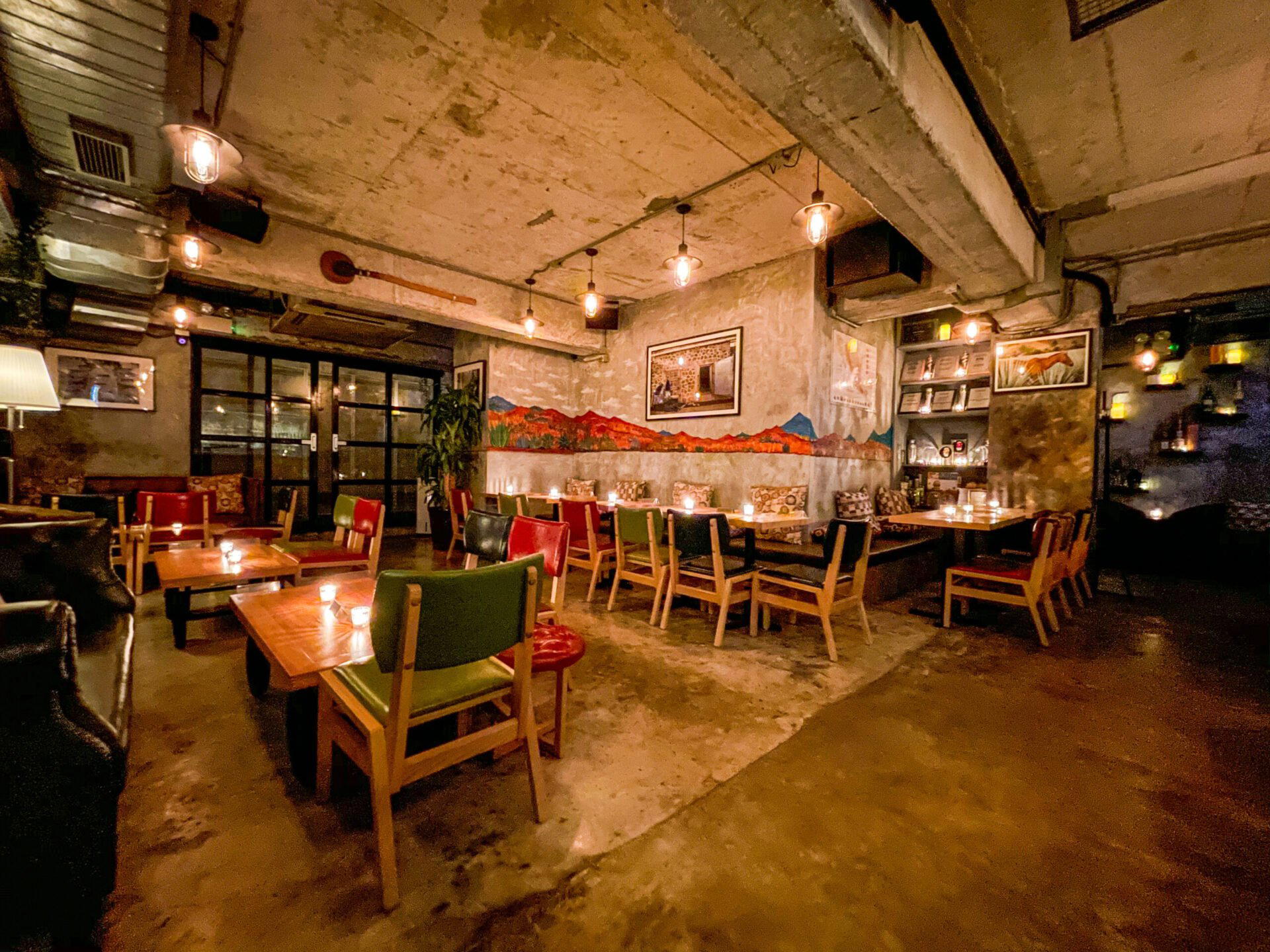
Shin Hing Street and the Rise of Serious Agave in Central
Central's bar geography has shifted considerably over the past decade. The neighbourhood that once defaulted to whisky-heavy hotel bars and Lan Kwai Fong volume drinking now holds a more granular drinking culture, with pockets of genuine category specialism tucked into the older shophouse fabric of SoHo and the streets descending from Hollywood Road. Shin Hing Street sits within that fabric, and it is here that COA has established itself as one of Hong Kong's most focused agave programmes. The address, Shop A on the lower ground floor of Wah Shin House at 6-10 Shin Hing St, is not a high-footfall corner. That is partly the point.
Globally, the premium bar world has been through a long reorientation away from theatrical venue concepts toward programmes defined by product depth and bartender knowledge. In cities where real estate pressure compresses ambition into smaller formats, that shift has produced bars that function more like specialist off-licences with counter service than like traditional hospitality venues. COA belongs to that category. The physical environment is deliberately contained, and the focus is directed at what is in the glass rather than what surrounds it.
The Agave Argument: How the Drink Shapes the Experience
Tequila and mezcal occupy a complicated position in premium bar culture. For a long stretch, both spirits were treated as either party-format shots or, at the opposite end, objects of collector obsession with little in between. The middle ground, where category knowledge meets accessible hospitality, is where COA operates. Hong Kong's drinking audience has the international exposure and disposable income to support serious agave programmes, but the category has historically been underserved relative to Japanese whisky or Cognac in the city's bar listings.
What a considered agave programme does structurally is change the logic of an evening. Rather than building cocktails around a base spirit chosen for its neutrality, the bartender works with spirits that carry strong regional and production identities: the terroir distinctions between Highland and Lowland tequila, the smoke variance across different mezcal production regions, the flavour gap between blanco and aged expressions. A well-sequenced evening at COA moves through those distinctions in a way that rewards attention, functioning less like a conventional bar visit and more like a progressive tasting with conversation attached.
That tasting arc, moving from brighter, higher-acid expressions toward richer, more complex aged spirits or smokier mezcal, gives the experience a narrative shape that most bar programmes lack. The first drink sets reference points; later choices deepen or contrast them. This is the logic that serious wine programmes and omakase counters have long applied, and its adoption in the agave bar format represents a genuine step forward for the category in Asian drinking culture. Bars like COA sit alongside dedicated Hong Kong drinking destinations such as Amber in Hong Kong and more neighbourhood-rooted options like AMMO in the broader Central and Western drinking circuit.
Central's Competitive Bar Tier and Where COA Sits
Central and Western as a district holds Hong Kong's densest concentration of premium food and drink. The restaurant tier alone ranges from the Michelin-three-star Italian of 8½ Otto e Mezzo BOMBANA to the Thai-focused programme at Aaharn, with broader dining options like cafe TOO and regional Chinese at Bayi filling out the mid-range. The bar segment is equally varied, though category-specialist venues remain rarer than general cocktail bars.
Within that competitive field, COA's positioning is defined by depth in a single category rather than breadth across spirit types. This is a different commercial bet from the multi-spirit cocktail bars that populate Wyndham Street and nearby blocks. It attracts a more intentional drinker, one who arrives with curiosity about the category rather than a default order already in mind. The format also means that the bartender's role is educational as much as service-oriented, which changes the pace and texture of an evening. Comparable specialist bar formats in other markets, from the clarified-drink programmes that have defined New York's technical bar scene to the fermentation-focused bars of Tokyo, share this characteristic: interesting conversation happens between drink and drinker rather than between drink and décor.
For visitors already exploring Hong Kong's wider food scene across the harbour and into other districts, COA fits naturally into an itinerary that might include the Le Salon de Thé de Joël Robuchon Hong Kong (ifc mall) in Central for an afternoon or Lei Garden in Sha Tin for a longer cross-district day.
Planning the Visit
Shin Hing Street runs off D'Aguilar Street and is walkable from the Central MTR exits that serve the SoHo escalator corridor. The lower ground floor location means the entrance requires a short descent, which contributes to the sense of separation from the street-level noise of Central. Reservations are advisable, particularly Thursday through Saturday, when the bar's compact footprint means walk-in availability narrows quickly. The format rewards visitors who come with time rather than a fixed departure window, since the sequencing logic of the agave programme works better over two or three drinks than in a single round. COA represents a different register from the large-format or hotel bar experiences that dominate Central's premium drinking tier, and that difference in scale and focus is precisely what gives it its position in the neighbourhood's drinking map.
Accolades, Compared
Comparable venues nearby, for context on price, style, and recognition.
| Venue | Cuisine | Price | Notes |
|---|---|---|---|
| COAThis venue — the venue you are viewing | Mexican Agave Spirits Cocktail Bar | $$$ | Not listed |
| MâmAmis | Modern Vietnamese with French Flair | $$$ | Sheung Wan |
| MIAN | Modern Regional Chinese | $$$ | Central |
| cafe TOO | International Buffet | $$$ | Central And Western |
| Ippoh | Traditional Osaka Tempura Omakase | $$$$ | Central |
| Quiero Más | Modern Mediterranean with Spanish Tapas | $$$ | Central |
Continue exploring
More in Central And Western
Restaurants in Central And Western
Browse all →
Bars in Central And Western
Browse all →
At a Glance
- Intimate
- Cozy
- Trendy
- Lively
- Date Night
- Casual Hangout
- After Work
- Craft Cocktails
- Sake Program
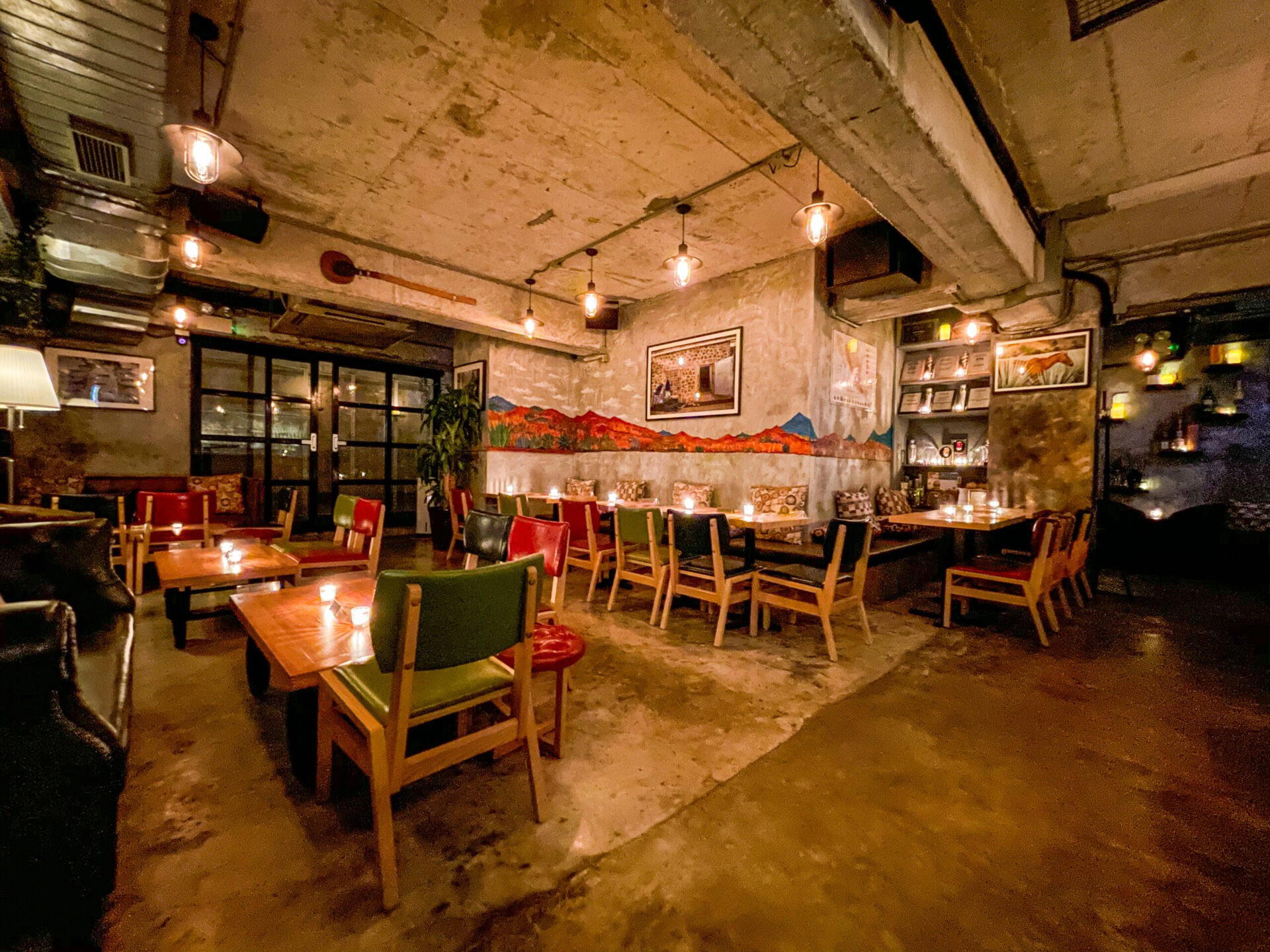
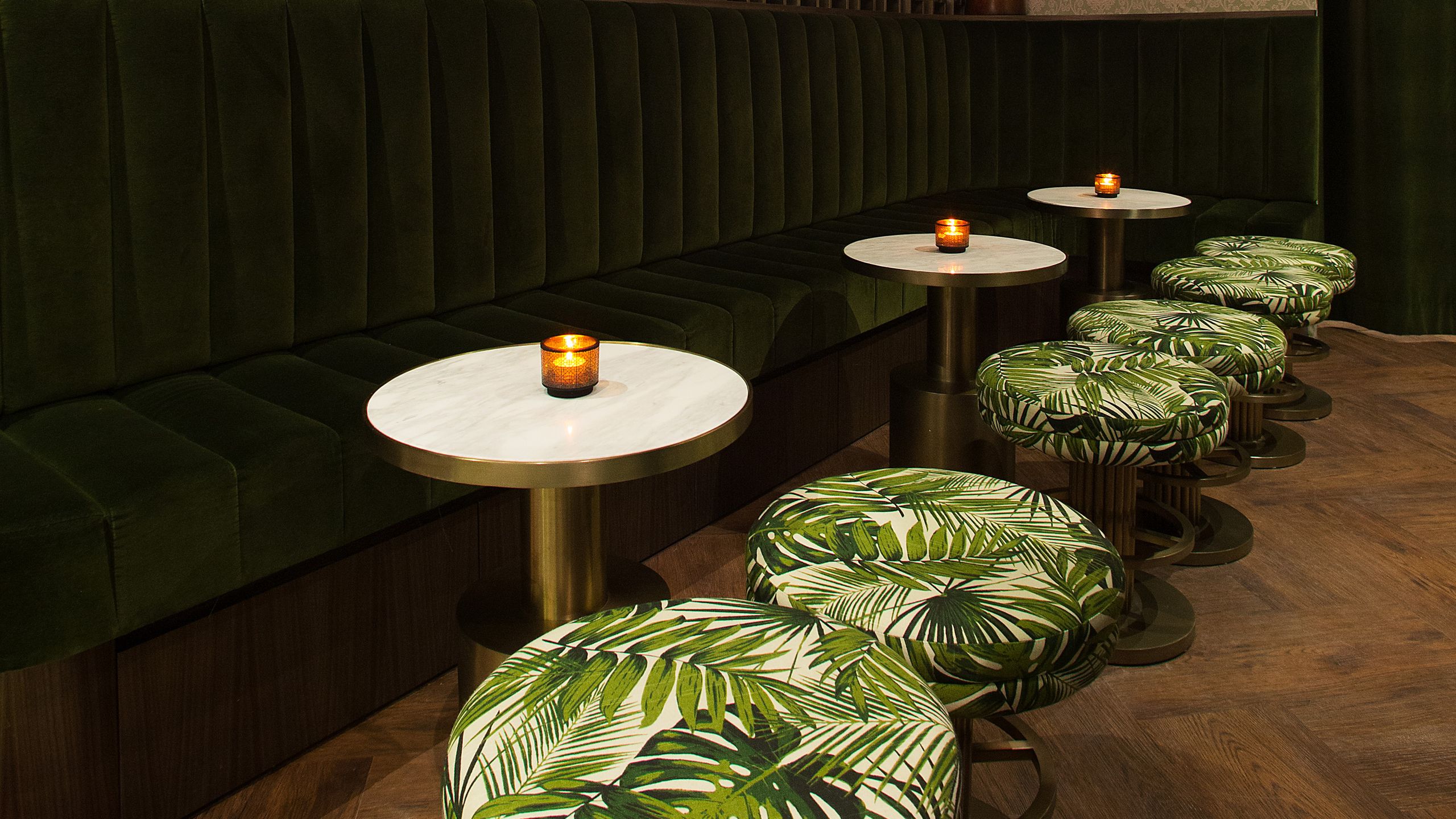
Cozy and intimate with dark lighting, lively yet conversational atmosphere, and tropical Mexican decor reminiscent of an old cantina.