Yangcheng Lake's hairy crab farms represent one of China's most geographically specific food traditions, where autumn water temperature, sediment composition, and tidal rhythm determine the quality of every crab that reaches the table. The season runs roughly October through November, and serious eaters plan months ahead. For anyone tracing Suzhou's culinary identity back to its source, the lake is where that conversation starts.

Pearl is the En Primeur Club membership app — saves, bookings, and concierge access live there. Same editors, same standards.
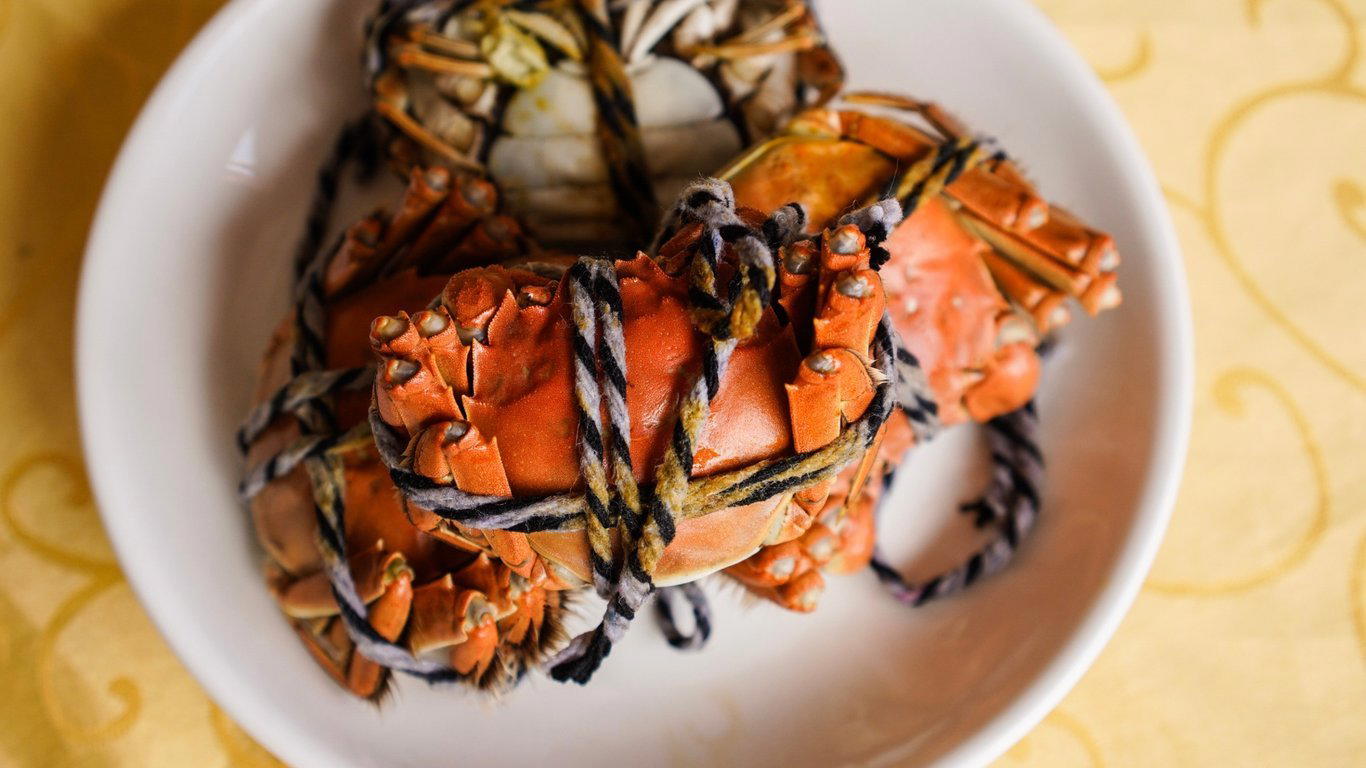
Where the Water Defines the Crab
Approach Yangcheng Lake on an autumn morning and the landscape reads in layers: low reed banks, flat grey water, and the geometric grid of bamboo-fenced crab pens stretching toward the far shore. The smell is mineral and faintly brackish.
Yangcheng Lake hairy crab, zhàjiāng xiè in the local idiom, though most menus use dàzháxiè, occupies a specific and fiercely defended place in China's seasonal food calendar. The crab's reputation is inseparable from the lake's physical conditions: a shallow, slow-moving body of water east of Suzhou, fed by channels from the Yangtze system, with a sandy-clay lakebed that gives the crabs firm, clean-flavored flesh and the characteristic golden roe that drives the autumn market. Farms elsewhere in Jiangsu and Zhejiang produce hairy crab, but the Yangcheng designation carries a price premium and a level of consumer scrutiny that few agricultural labels in China can match.
The Sourcing Logic Behind a Seasonal Obsession
Chinese hairy crab culture has a sourcing problem that predates modern food labeling by centuries: everyone claims the leading provenance. Yangcheng Lake farms began issuing anti-counterfeit tags to individual crabs in the early 2000s, a response to the volume of fake-origin product flooding Shanghai and Beijing markets every autumn. The tag system, a metal ring around one claw, stamped with a traceability code, is now so familiar to experienced buyers that purchasing untagged Yangcheng crab from a vendor is treated as a red flag rather than a neutral transaction.
This matters for the traveler because visiting a farm at the lake itself removes the provenance question entirely. The crabs come from the pen you can see from the dock. The seasonal window is tight: female crabs with fully formed roe are at their peak in mid-October, males with thick, creamy paste in early-to-mid November. Miss that window by a few weeks in either direction and the product changes in ways that experienced eaters notice immediately. Planning around those two sub-windows, rather than booking a general autumn trip to Suzhou, is the approach that regulars take.
Suzhou's broader dining scene reflects this seasonal logic. Restaurants like Dingshan·Jiangyan (Xiangcheng) and Pingjiangsong both work within the Jiangsu cuisine tradition that treats hairy crab as a reference-point ingredient, the thing against which other autumn dishes are measured. Bai Sheng Ren Jia (Wuzhong) operates at a more accessible price point within the same culinary framework. The lake farms sit upstream of all of them, literally and figuratively.
Hairy Crab in the Jiangnan Food Tradition
The Jiangnan region, the cultural geography that includes Suzhou, Hangzhou, and Shanghai, treats hairy crab with a reverence that non-specialists sometimes underestimate. The classical preparation is steamed whole, served with a small dish of Zhenjiang black vinegar and finely shredded ginger, and eaten with a set of small tools: a crab hammer, a pick, a pair of scissors. The ritual is slow and deliberate. A single medium-sized crab can take thirty minutes to eat properly, and that pace is considered appropriate rather than inconvenient.
Secondary preparations, meanwhile, form a significant part of autumn menus across the region: crab roe tofu, crab paste stirred into scrambled egg, crab fat mixed into noodle sauces. The roe and paste extracted from hairy crab are used the way black truffle is used in French kitchens during the Périgord season, as a luxury modifier that changes the character of everything it touches. The parallel is imperfect but structurally accurate. Destinations like Ru Yuan in Hangzhou and 102 House in Shanghai each show how urban Jiangnan kitchens interpret this seasonal ingredient at the restaurant level.
Le Bernardin in New York City operates on a similar philosophy of ingredient primacy, the sourcing decision precedes every other kitchen decision, though the format and cultural register are entirely different. Atomix in New York City applies Korean seasonal logic to a tasting menu context in a way that rhymes with the Jiangnan approach to crab season, even if the two traditions share no direct lineage.
Getting There and Timing the Visit
Yangcheng Lake sits roughly 30 kilometers east of central Suzhou, accessible by car or organized tour from the city. The lakeside township of Bacheng is the primary hub for farm visits and crab restaurants; most visitors arrive by private car or hired driver, as public transport connections are limited. High-speed rail from Shanghai to Suzhou takes under thirty minutes, making a same-day Suzhou excursion from Shanghai viable, though the lake itself requires additional ground transport from the city center.
The season is fixed by biology, not by calendar date, and shifts slightly year to year depending on water temperature. The general framework holds: October for females, November for males, with nothing of interest outside those months. Farms and lakeside restaurants field a significant volume of visitors during peak season; arriving midweek rather than on a Saturday reduces crowding and allows for a more direct engagement with the farm operations. Other regional dining worth combining with a Suzhou visit includes Shang Palace in Yangzhou and Dai Yuet Heen in Nanjing, both within reasonable distance for a multi-city Jiangnan itinerary.
Those combining the crab farm visit with a broader coastal China itinerary might also consider Fleurs Et Festin in Xiamen, Jiangnan Wok·Rong in Fuzhou, or Imperial Treasure Fine Chinese Cuisine in Guangzhou for a survey of how different southern Chinese traditions handle premium seafood at the table. Xin Rong Ji (Xinyuan South Road) in Beijing and Xin Rong Ji in Chengdu extend the same restaurant group's approach to Zhejiang-sourced seafood into northern and western China contexts. Chef Tam's Seasons in Macau and Ban Lan (Huqiu) represent how luxury Chinese dining frames provenance-driven ingredients within tasting-menu formats. Ban Ting Jia Yan (Suzhou Industrial Park) offers a more contemporary Suzhou dining option for evenings after a day at the lake.
Quick Comparison
Comparable venues nearby, for context on price, style, and recognition.
| Venue | Cuisine | Price | Awards | Notes |
|---|---|---|---|---|
| Hairy Crab Farm at Yangcheng LakeThis venue — the venue you are viewing | Yangcheng Lake Hairy Crab | $$$$ | Not listed | Not listed |
| 松鹤楼 Song helou | Authentic Su Bang (Suzhou) Cuisine | $$$ | Not listed | Gusu District |
| Jin Hai Hua · Pingjiangsong | Modern Suzhou fine dining in a classical garden mansion | $$$ | Not listed | Gusu District |
| The Grove | Modern Suzhou and Huaiyang Cuisine | $$$$ | Not listed | Gusu District |
| Jin Jing Ge | Modern Jiangnan Cuisine | $$$$ | Michelin Plate | Suzhou Industrial Park |
| CHAI 8 HOUSE | Jiangzhe fine dining with Jinji Lake views | $$$ | Not listed | Suzhou Industrial Park / Ligongdi |

At a Glance
- Rustic
- Scenic
- Special Occasion
- Celebration
- Waterfront
- Sake Program
- Local Sourcing
- Sustainable Seafood
- Waterfront
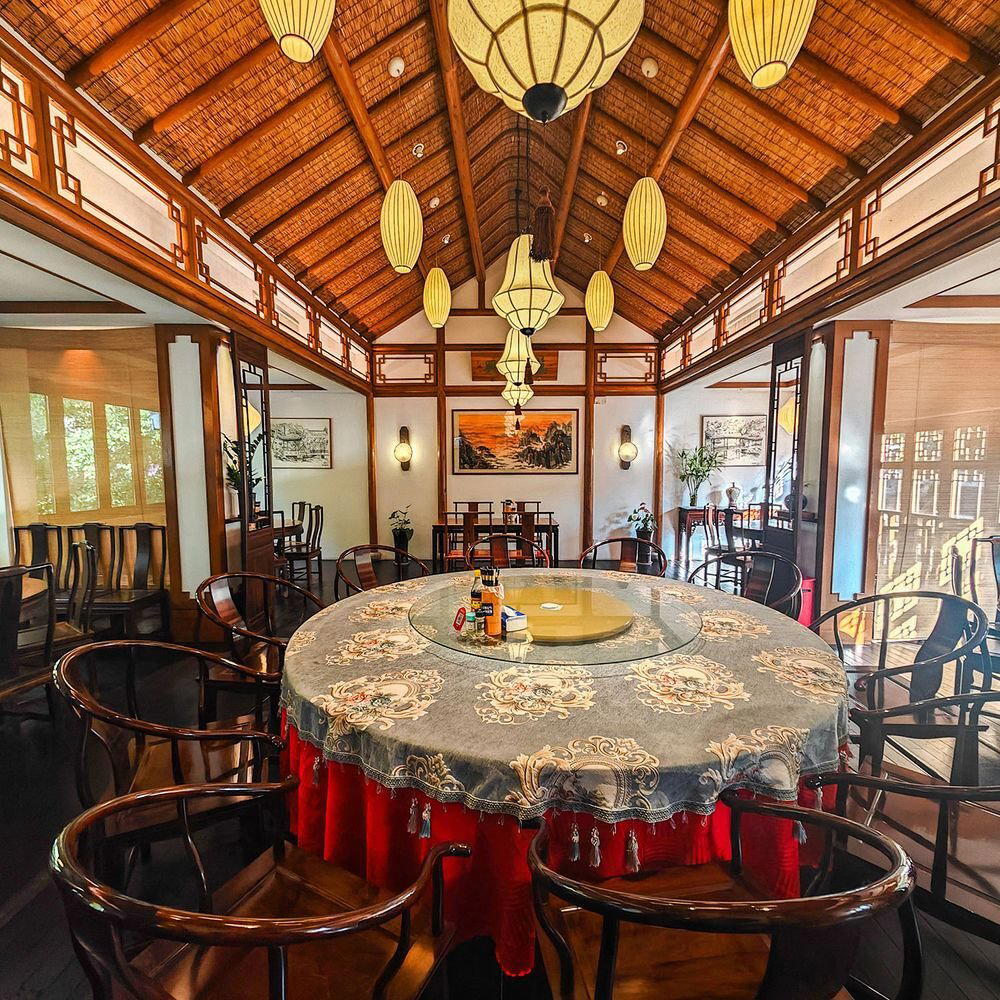
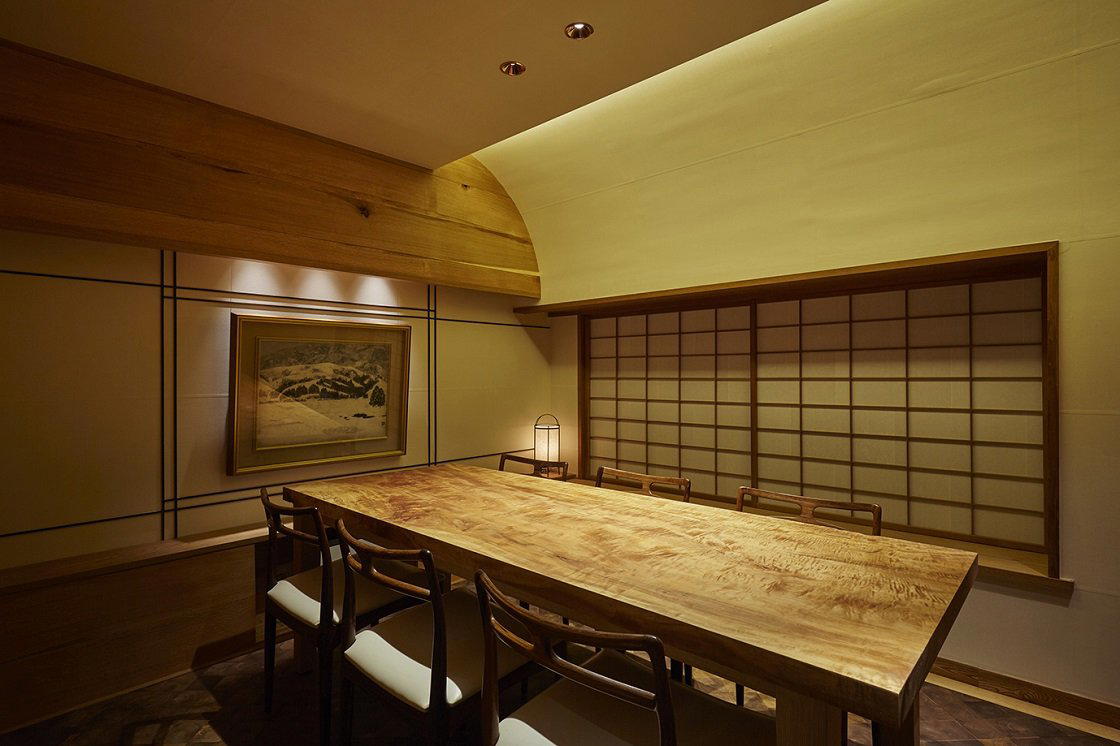
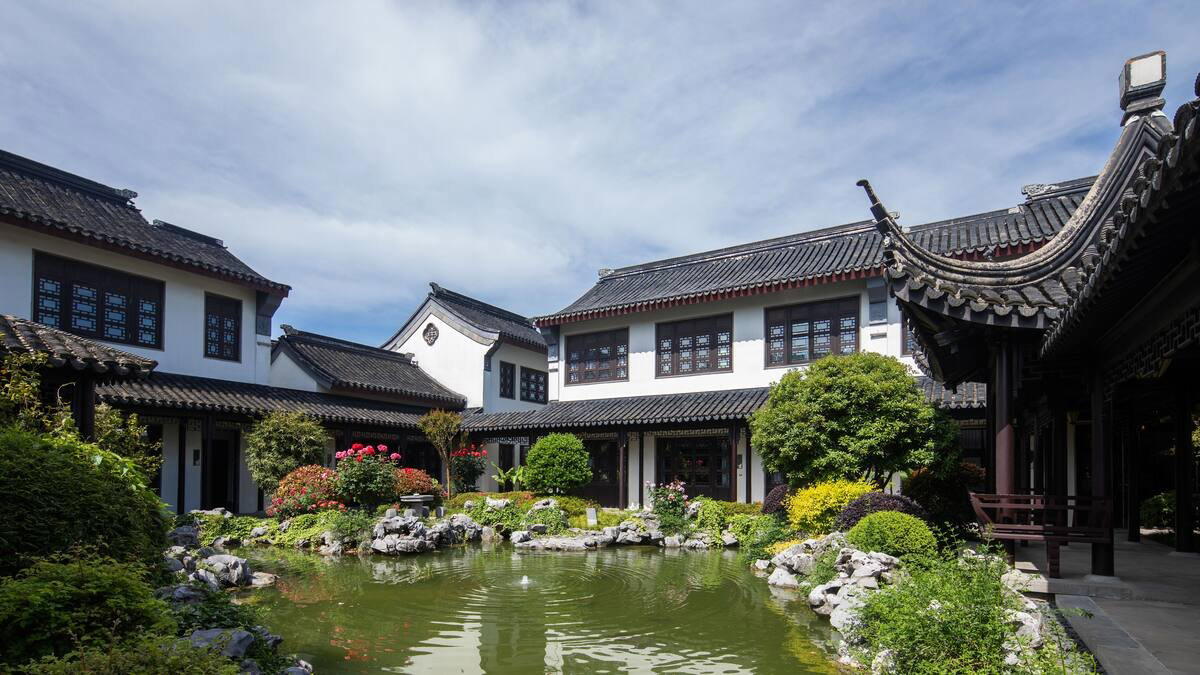
Scenic lakeside setting with rustic farm atmosphere focused on seasonal crab feasts.