
Michelin Plate
Our verdict
Ban Lan (Huqiu) brings Fujian cuisine to Suzhou's Huqiu district, earning a Michelin Plate recognition in 2025. Positioned at the mid-to-upper price tier (¥¥¥), the restaurant operates from the third floor of One Sino Finance Plaza, placing coastal southern Chinese cooking into a city better known for its Jiangsu traditions. A considered choice for those tracking regional diversity in Suzhou's dining scene.

Pearl is the En Primeur Club membership app, where members save venues, book tables and use the concierge.
The menu
What to order
- Ginger duck stew
- Peanut sweet soup with taro paste and bird's nest
Fujian Cooking in a Jiangsu City
Suzhou's culinary identity is built around Jiangsu traditions: the sweetened braises of Su-style cuisine, the refined simplicity of river fish, and a cooking philosophy that prizes subtlety over heat. Against that backdrop, Fujian cuisine occupies a smaller, more specific niche in the city's restaurant map. The province it draws from, Fujian on China's southeastern coast, produces a culinary tradition defined by seafood abundance, fermented sauces, clear broths, and a broader flavour register than the Yangtze Delta norm. Where Suzhou cooking tends toward sweetness and restraint, Fujian technique leans into umami depth, preserved ingredients, and the briny character of coastal ingredients. Hokklo in Xiamen represents the tradition at its coastal source; finding a version of it in a finance district in Suzhou is a different proposition entirely.
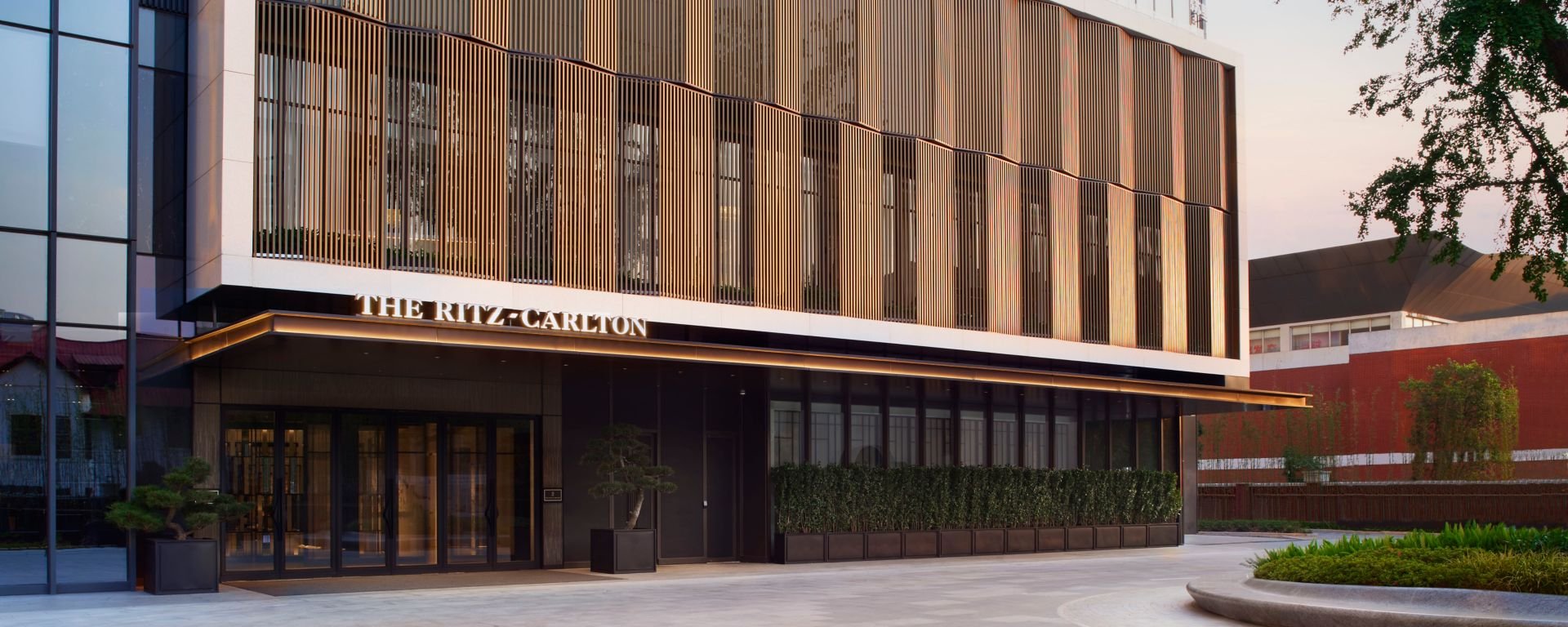
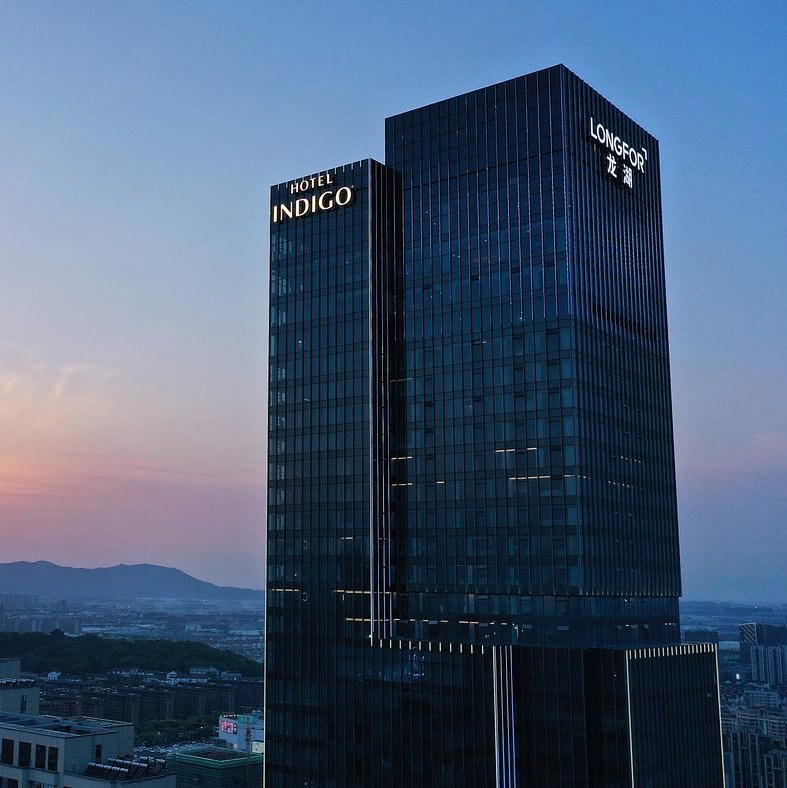
Ban Lan (Huqiu) sits on the third floor of Building No. 8 within One Sino Finance Plaza on Lingyan Road in the Huqiu district. The address places it inside a contemporary commercial development rather than a heritage lane or waterfront block, the kind of location that has become increasingly common for mid-to-upper tier dining in China's secondary cities, where new mixed-use towers provide the footfall and parking infrastructure that older neighbourhoods cannot. The approach is functional, the setting corporate-modern, and the contrast with Fujian cooking's coastal roots is part of what makes the restaurant worth examining as a phenomenon in Suzhou's broader dining picture.
The Fujian Tradition at Table
Fujian cooking spans multiple sub-regional styles, but certain elements recur across serious kitchens working in this tradition. Dried and preserved ingredients, dried oysters, fermented tofu, aged vinegar, appear alongside fresh seafood preparations. Broths tend toward clarity and length rather than the cream-coloured richness of, say, Cantonese double-boiled soups. The Hokkien (Min Nan) branch of the cuisine, which spread through Southeast Asia via emigrant communities, popularised dishes like oyster vermicelli and braised pork rice that are now as familiar in Taipei or Singapore as in Fujian itself. Hokkien Cuisine in Chengdu represents another inland outpost of this tradition, pointing to a pattern of Fujian restaurants opening in cities where the cuisine remains genuinely unfamiliar to most diners.
At the more refined end of the Fujian spectrum, the cuisine's craftsmanship shows most clearly in the handling of dim sum and small-format steamed or pan-fried preparations. Bamboo steamers arrive carrying thin-skinned dumplings with fillings that foreground seafood or the region's characteristic balance of savoury and subtly sweet. The ritual of ordering across multiple small plates, passing steamers across a table, and working through textures from slippery to crisp is as present in a serious Fujian kitchen as in any Cantonese yum cha setting, though the flavour signatures differ substantially. Where Cantonese dim sum prizes delicacy and ingredient-forward simplicity, Fujian preparations often carry more pronounced seasoning from preserved or fermented components.
Ban Lan's 2025 Michelin Plate recognition positions it as a kitchen the Michelin inspectorate considers worth attention without yet placing it in the starred tier. In Suzhou's full Michelin picture, starred Jiangsu cuisine restaurants like Dingshan·Jiangyan (Xiangcheng) (one star, ¥¥¥) and Pingjiangsong (one star, ¥¥¥¥) represent the city's highest Michelin-recognised tier. Ban Lan holds Plate status at ¥¥¥, which aligns it price-wise with Dingshan·Jiangyan and sets it apart from more accessible Jiangsu options like Bai Sheng Ren Jia (Wuzhong) at ¥¥. The Plate designation, in Michelin's own framing, indicates a kitchen with good cooking, a threshold that filters out casual dining but does not yet signal the full consistency required for star consideration.
Where Ban Lan Sits in Suzhou's Regional Mix
Suzhou's restaurant scene is dominated by Jiangsu cuisine in its multiple forms, from high-end Su bang cooking to simpler noodle houses. Non-Jiangsu options tend to cluster around Cantonese, Chai Court at ¥¥¥ is the city's other Michelin Plate-recognised option in that register, and the occasional outpost of other regional Chinese traditions. Fujian cooking occupies a smaller footprint here than in cities like Shanghai or Guangzhou, where the cuisine has deeper roots through historical migration patterns and established restaurant lineages.
That positioning matters for the reader's decision. At ¥¥¥, Ban Lan asks for a meaningful spend relative to the city's dining average. Comparison against Jiangsu peers at the same price point, such as Ban Ting Jia Yan (Suzhou Industrial Park), is not quite the right frame, the cuisines are too different for direct evaluation. The more useful question is whether a diner coming to Suzhou specifically for its food culture wants to spend a ¥¥¥ dinner on a regional cuisine available at higher density and craft level in coastal Fujian cities, or in larger Chinese metros. For those tracking Fujian cooking across cities, the comparison set extends to Xin Rong Ji in Beijing, 102 House in Shanghai, or Chef Tam's Seasons in Macau for a sense of how ambitious regional Chinese kitchens are being evaluated across the region at comparable and higher price points. Ru Yuan in Hangzhou and Imperial Treasure Fine Chinese Cuisine in Guangzhou round out the regional picture for fine Chinese dining across the broader Yangtze Delta and Pearl River Delta corridors.
For the diner in Suzhou who has already worked through the Su-style canon, Ban Lan represents a deliberate detour into a distinct tradition rather than a continuation of the city's culinary logic. That is its clearest value proposition: access to a coastal Chinese cooking tradition in a city where it arrives with less competition and, consequently, with a certain novelty of placement.
Planning Your Visit
Ban Lan (Huqiu) operates from the third floor of One Sino Finance Plaza at 6 Lingyan Road in the Huqiu district. The ¥¥¥ price tier positions it above Suzhou's mid-range casual options and in the same spend bracket as the city's Michelin-starred Jiangsu restaurants. No specific booking window or dress code data is available in published sources, though the location in a contemporary commercial development and the Michelin Plate recognition suggest a setting with table-service formality rather than a casual walk-in format. Visiting during weekday lunch hours tends to reduce pressure at comparable urban Chinese restaurants in this tier, though specific operational hours should be confirmed directly with the venue before planning travel. For broader orientation across Suzhou's dining, drinking, and accommodation options, see our full Suzhou restaurants guide, our full Suzhou hotels guide, our full Suzhou bars guide, our full Suzhou wineries guide, and our full Suzhou experiences guide.
Frequently asked questions
What awards or recognition does Ban Lan (Huqiu) have?
Ban Lan (Huqiu) has received recognition including: Michelin Plate (2025).
Is Ban Lan (Huqiu) expensive?
Pricing at Ban Lan (Huqiu) is listed as ¥¥¥.
What's the best thing to order at Ban Lan (Huqiu)?
Fujian kitchens operating at the Michelin Plate level, which Ban Lan earned in 2025, typically anchor their menus around preserved and dried ingredients, slow-cooked broths, and seafood preparations that reflect the coastal tradition. Ask staff on arrival which preparations are currently in season, as Fujian cooking shifts considerably with the market.
Booking and Cost Snapshot
Comparable venues nearby, for context on price, style, and recognition.
| Venue | Cuisine | Price | Awards | Notes |
|---|---|---|---|---|
| Ban Lan (Huqiu)This venue (the venue you are viewing) | Modern Fujian | Not listed | Michelin Plate | Not listed |
| Su Mian Fang | Suzhou-style Noodles | Not listed | Michelin Plate | Suzhou Industrial Park, Suzhou-style Noodles |
| Gu Su Qiao (Diyi Tianmen) | Modern Jiangnan Noodles | Not listed | Michelin Plate | Gusu, Modern Jiangnan Noodles |
| Jin Jing Ge | Modern Jiangnan Cuisine | $100–150 | Michelin Plate | Suzhou Industrial Park, Modern Jiangnan Cuisine |
| Xin Jun Feng Cai Guan (Taijianlane) | Traditional Suzhou Cuisine | $20–30 | Michelin Plate | Gusu, Traditional Suzhou Cuisine |
| CHAI 8 HOUSE | Jiangzhe fine dining with Jinji Lake views | Not listed | Black Pearl 1 Diamond | Suzhou Industrial Park / Ligongdi, Jiangzhe fine dining with Jinji Lake views |
Recognition history
Dated appearances from independent guides and award organizations, with the underlying list record or original source where available.
Michelin Plate
Michelin
Full recognition history (2 entries)
Michelin Plate
Michelin
Continue exploring
More in Suzhou
Details
- Quiet
- Elegant
- Sophisticated
- Intimate
- Special Occasion
- Standalone
- Extensive Wine List
- Local Sourcing
- Set Menu
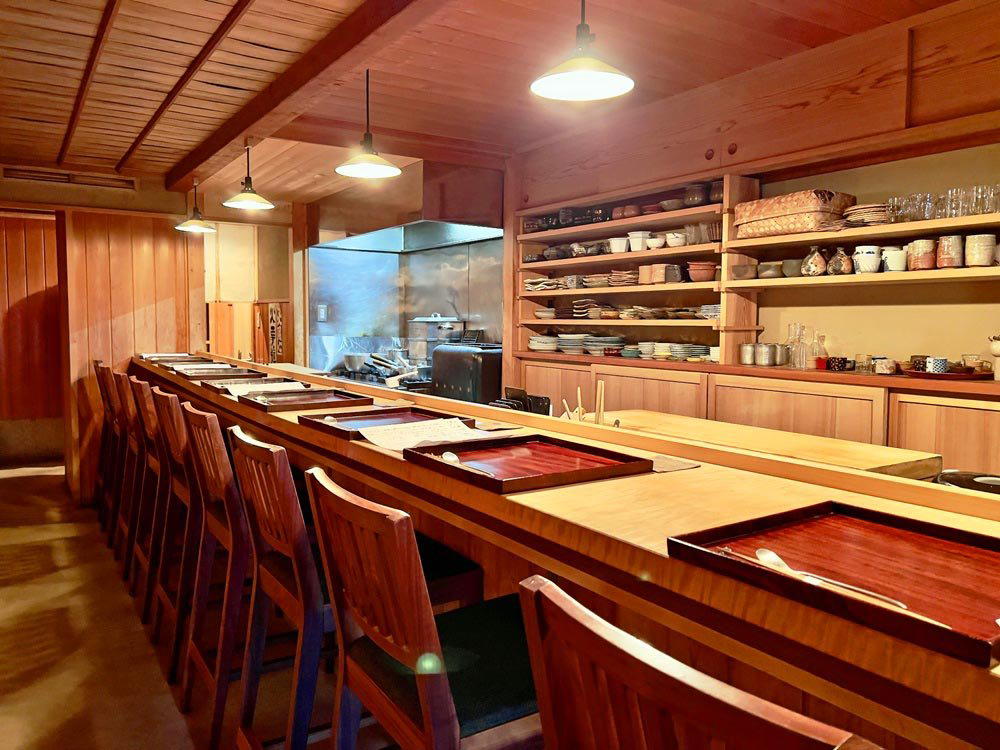
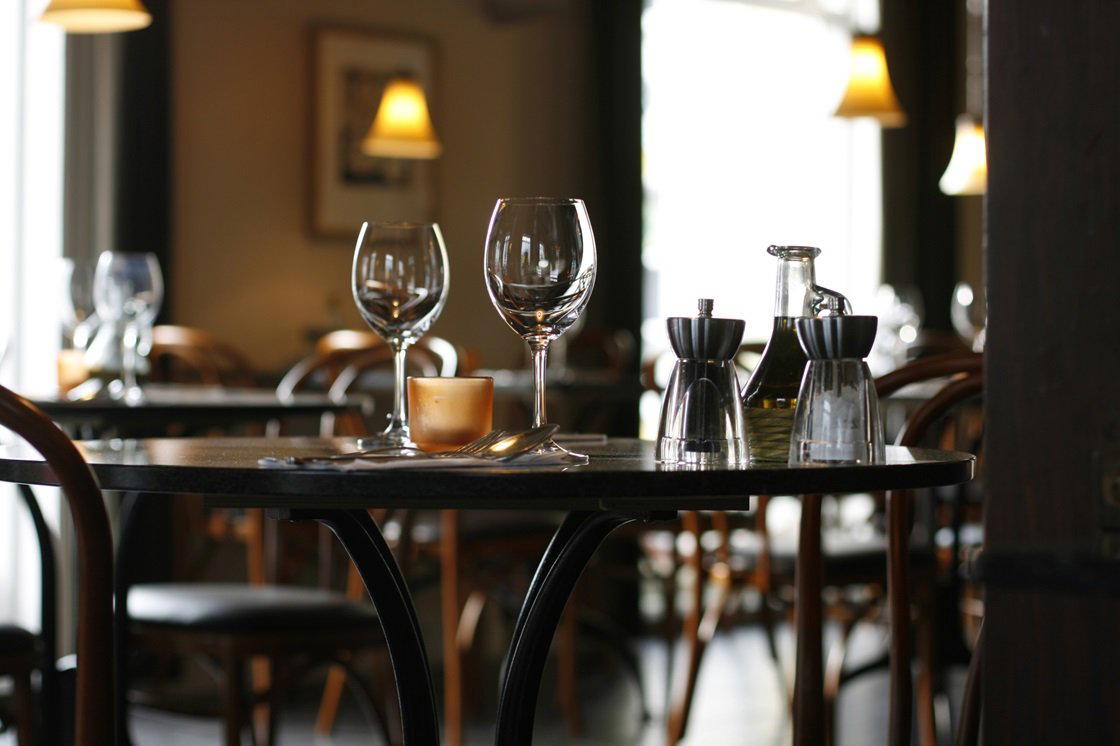
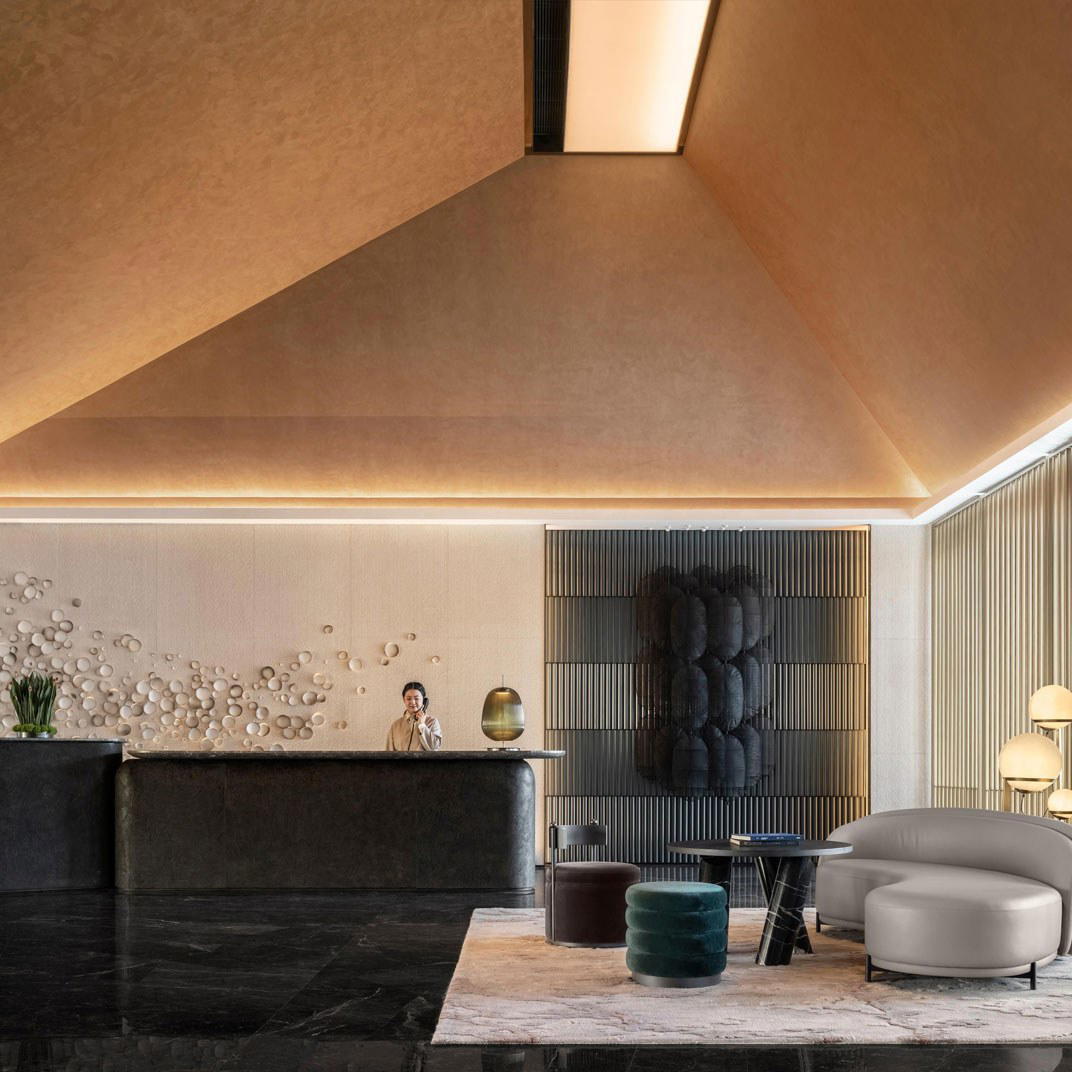
Calm and composed atmosphere with a polished aesthetic that amplifies the food’s understated elegance.