
Jin Hai Hua · Pingjiangsong is a Suzhou dining address with a Black Pearl Restaurant Guide 2026 one-diamond distinction, placing it in the city’s higher-recognition tier. The editorial draw is ingredient-led Jiangnan cooking: a table shaped by river fish, seasonal vegetables, freshwater textures, and the precision that Suzhou’s banquet tradition demands.

Pearl is the En Primeur Club membership app — saves, bookings, and concierge access live there. Same editors, same standards.
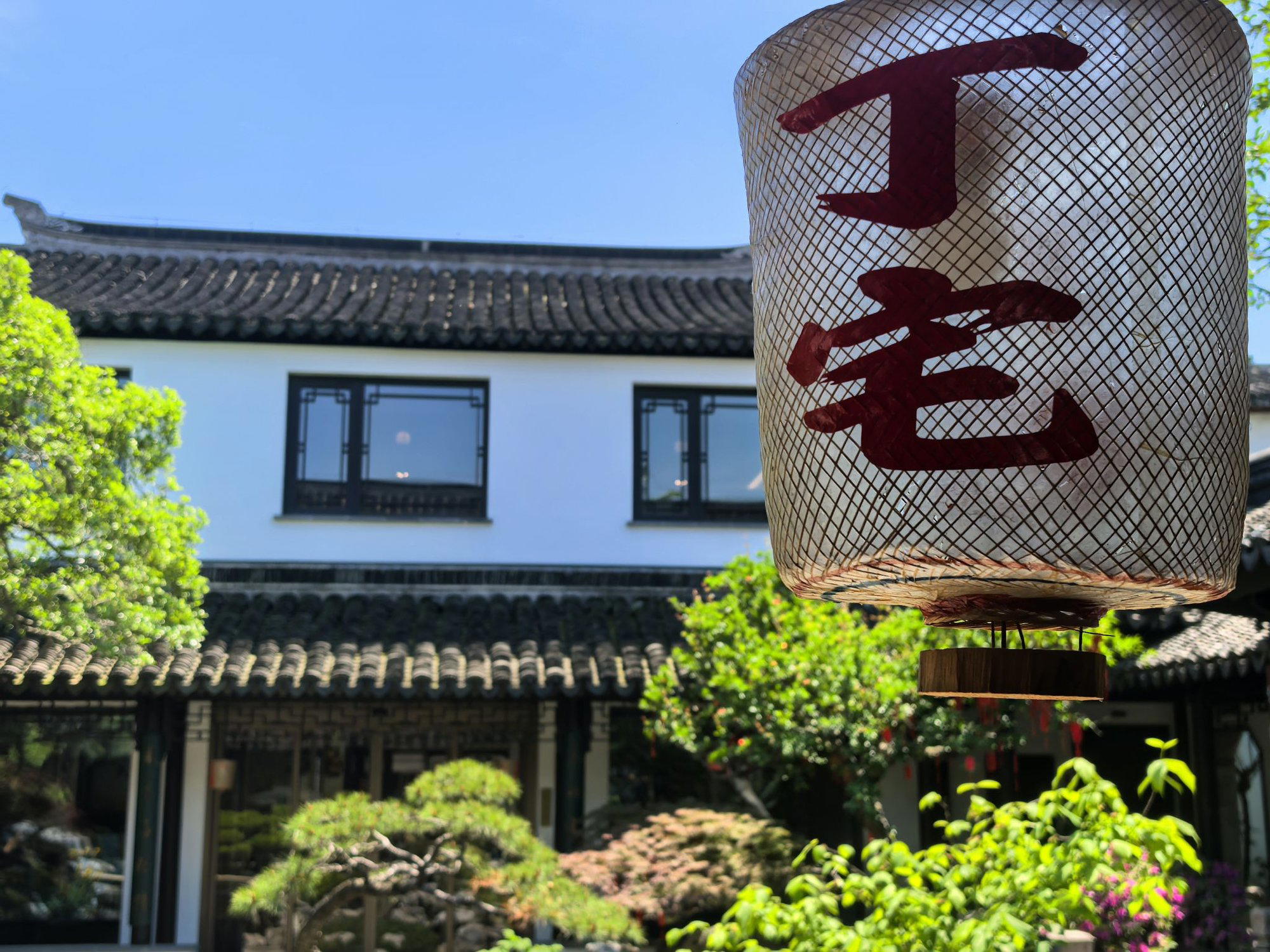
Approaching a serious Suzhou dining room, the city’s temperament matters before the menu does. This is a place where water, gardens, merchant houses, and canal-side markets have long shaped appetite: freshwater fish, river shrimp, tender greens, careful knife work, and a preference for balance over force. Jin Hai Hua · Pingjiangsong belongs in that frame. Its Black Restaurant Guide 2026 one-diamond recognition gives the address an external credential, but the larger point is Suzhou itself, a city where sourcing is not an accessory to cuisine but the grammar of the table.
Suzhou cooking begins with water, season, and restraint
Jiangnan dining can be misread by visitors looking for heat, spectacle, or heavy luxury cues. Suzhou’s register is quieter and more exacting. The city’s food culture draws from lakes, rivers, and fertile farmland around the lower Yangtze, so freshness is measured in texture as much as flavor: the snap of river produce, the tenderness of seasonal greens, the soft sweetness prized in local sauces, and the timing required to serve ingredients before they lose their point. In that tradition, a recognized restaurant has to do more than plate regional nostalgia. It has to show judgment in procurement and restraint in cooking.
That ingredient logic is the useful way to read Jin Hai Hua · Pingjiangsong. The one-diamond Black listing signals a level of consistency that matters in China’s high-end dining market, where regional Chinese restaurants now compete for attention alongside tasting-menu rooms, hotel Cantonese dining, and destination banquets. For Suzhou, the distinction also points to a broader correction: Jiangsu cooking is not a single category. Suzhou sits apart from Nanjing’s saltier, deeper flavors and Yangzhou’s banquet precision, with a lighter hand and a closer relationship to waterways. The room’s relevance comes from that local specificity rather than from generic luxury language.
For readers mapping the city, Our full Suzhou restaurants guide gives the broader dining context, while nearby regional references such as Bai Sheng Ren Jia (Wuzhong) (Jiangsu Cuisine) and Ban Ting Jia Yan (Suzhou Industrial Park) (Jiangsu Cuisine) show how Jiangsu cooking changes by room, district, and occasion. Fujian-leaning cooking at Ban Lan (Huqiu) (Fujian) is a useful contrast in regional grammar, though not a like-for-like peer.
Why a one-diamond room matters in Suzhou
China’s premium restaurant culture has become increasingly guide-aware, and Black ’s one-diamond category gives domestic diners a recognizable quality marker without flattening the local character of the meal. In Suzhou, that matters because the city’s stronger tables often serve a clientele fluent in banquet etiquette, seasonal ordering, and the difference between technically correct cooking and cooking that feels rooted in place. Award recognition is not the whole argument, but it is a practical trust signal for travelers deciding where to spend a limited number of meals.
The stronger editorial case is ingredient sourcing. Suzhou cooking rewards kitchens that understand timing: aquatic produce and spring vegetables do not behave like luxury proteins that can be standardized year-round. A dining room working in this register is judged by how it handles delicacy, sweetness, and texture without dulling them under excessive seasoning. That is also why the city can be difficult for first-time visitors. The food may not announce itself loudly; it asks the diner to notice proportion, temperature, pacing, and the way a sauce supports rather than dominates.
Jin Hai Hua · Pingjiangsong should therefore be read as a Suzhou address for travelers who want regional cooking with guide-level validation, not as a generic trophy booking. It fits a trip built around gardens, canals, and Jiangnan food culture better than one built around nightlife or maximalist hotel dining. For the rest of a Suzhou itinerary, Our full Suzhou hotels guide, Our full Suzhou bars guide, Our full Suzhou wineries guide, and Our full Suzhou experiences guide help separate dining plans from the city’s slower cultural rhythm.
How to place it within a China dining itinerary
For travelers moving across China, Suzhou offers a different kind of pleasure from the country’s larger dining capitals. Chengdu is associated with layered heat and oil-based intensity, while Shanghai often frames regional Chinese cooking through hotel polish and business dining. Hangzhou brings its own lake-and-banquet vocabulary; Beijing carries imperial, northern, and roast-duck traditions. Against that national spread, Suzhou’s appeal is concentration: a small shift in season can change what feels appropriate at the table.
That makes the restaurant a useful anchor for a Jiangnan-focused itinerary. It is not the address to choose for theatrical novelty. It is the address to consider when the priority is a regionally grounded meal with an independent award signal and a sourcing culture tied to Suzhou’s waterways and markets. Travelers comparing Chinese regional dining across cities can look outward to #8 in Chengdu, 100 Century Avenue Cantonese in Shanghai, 167 Shan Hai Li in Fuzhou, 1913 in Hangzhou, 1927 Dong Yuan Si Chu in Xiamen, and 1949 - Duck de Chine in Beijing for contrast by region and dining format.
Within Suzhou, the better plan is to treat the meal as part of a larger reading of place. Pair a serious Jiangnan table with garden time, canal districts, and a schedule that leaves room for a slower dinner rather than stacking the evening too tightly. The city rewards that pace. For broader EP Club browsing, Alkanna, Biao Xia, Jōdo Saké Bar in Los Angeles, and Onigiri Time in Pasadena sit outside the local comparison frame, but they show the platform’s wider interest in focused formats and ingredient-led dining.
Comparable Venues Nearby
Comparable venues nearby, for context on price, style, and recognition.
| Venue | Cuisine | Price | Notes |
|---|---|---|---|
| Jin Hai Hua · PingjiangsongThis venue — the venue you are viewing | Modern Suzhou fine dining in a classical garden mansion | $$$ | Not listed |
| Hairy Crab Farm at Yangcheng Lake | Yangcheng Lake Hairy Crab | $$$$ | Yangcheng Lake |
| Ban Ting Jia Yan (Suzhou Industrial Park) | Jiangsu Cuisine | $$$ | Suzhou Industrial Park |
| 松鹤楼 Song helou | Authentic Su Bang (Suzhou) Cuisine | $$$ | Gusu District |
| Gu Su Qiao (Diyi Tianmen) | Modern Jiangnan Noodles | $$$ | Gusu |
| Xiu | Refined Jiangzhe Chinese with Cantonese and Sichuan influences | $$$ | Suzhou Industrial Park |
Recognition history
Dated appearances from independent guides and award organizations, with the underlying list record or original source where available.
Black Pearl 1 Diamond
Black Pearl
Continue exploring
More in Suzhou
Restaurants in Suzhou
Browse all →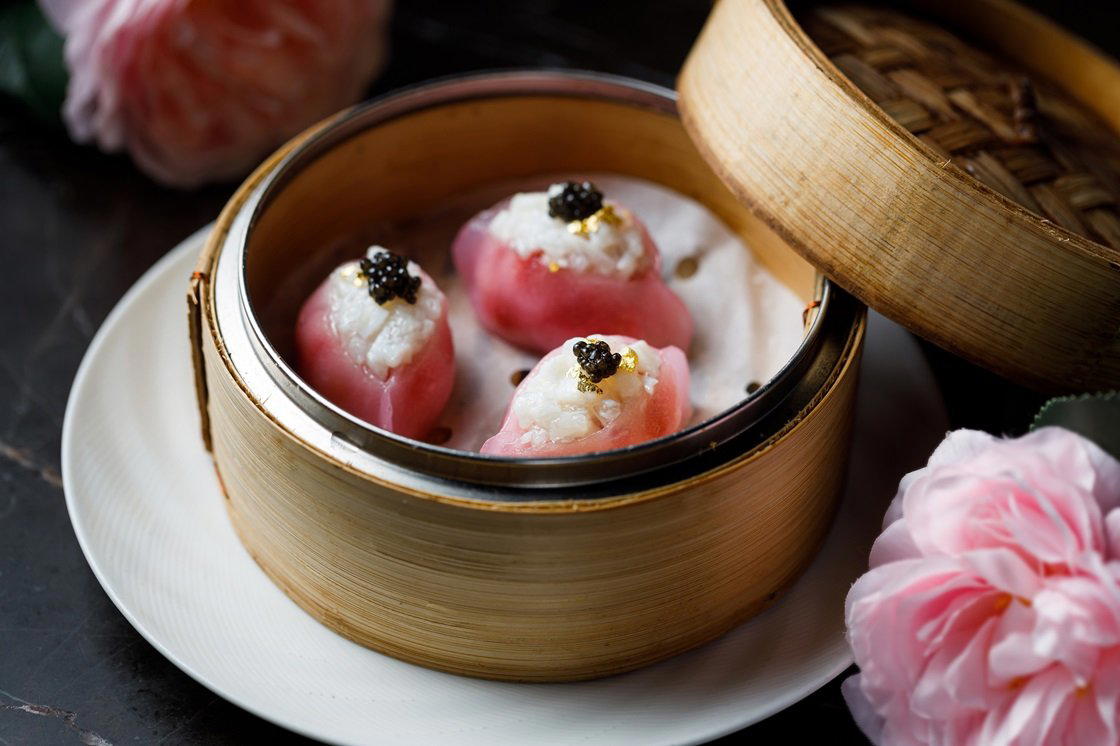
At a Glance
- Elegant
- Classic
- Romantic
- Scenic
- Sophisticated
- Date Night
- Special Occasion
- Business Dinner
- Group Dining
- Historic Building
- Courtyard
- Garden
- Design Destination
- Standalone
- Extensive Wine List
- Garden
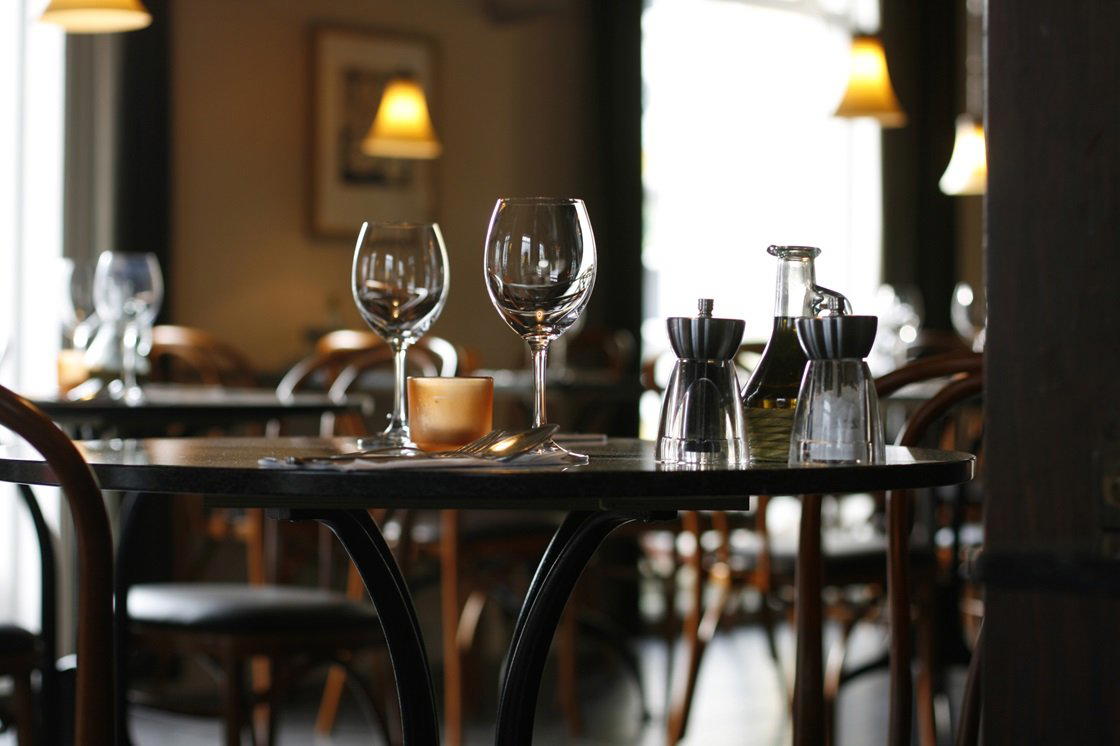
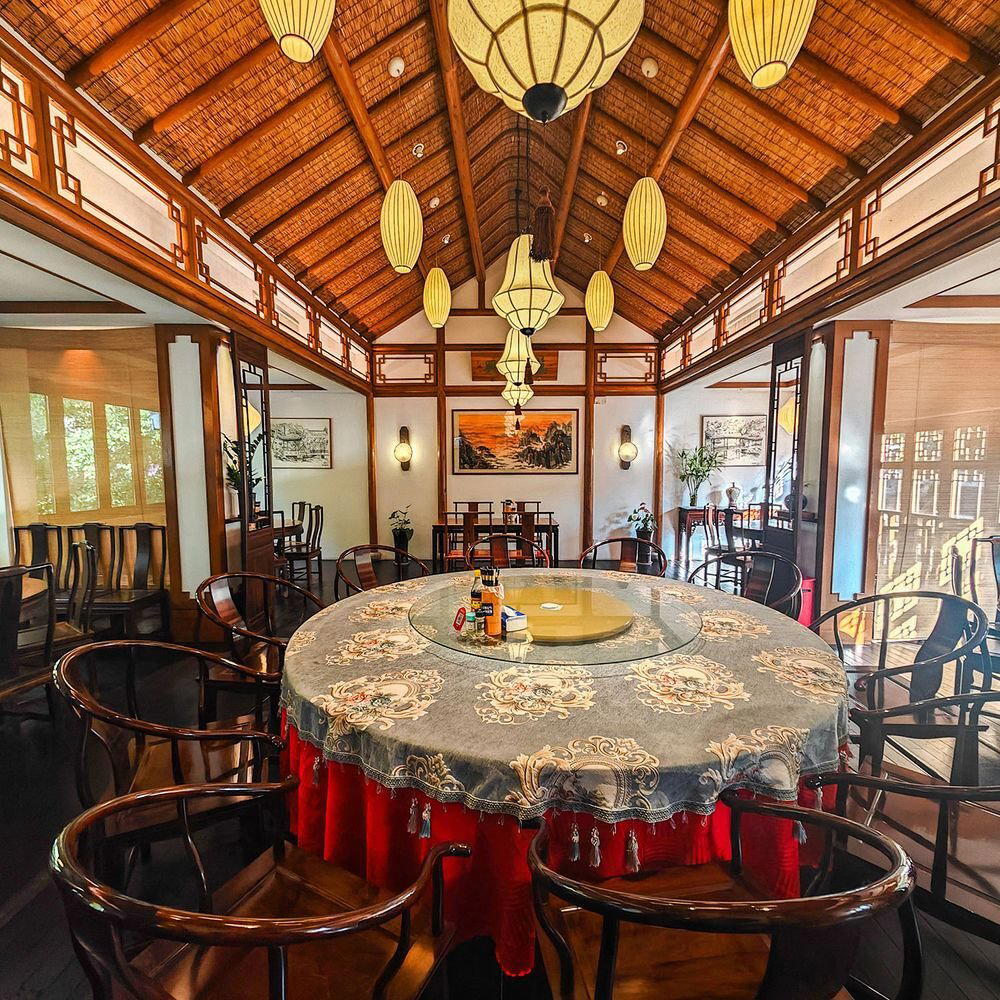
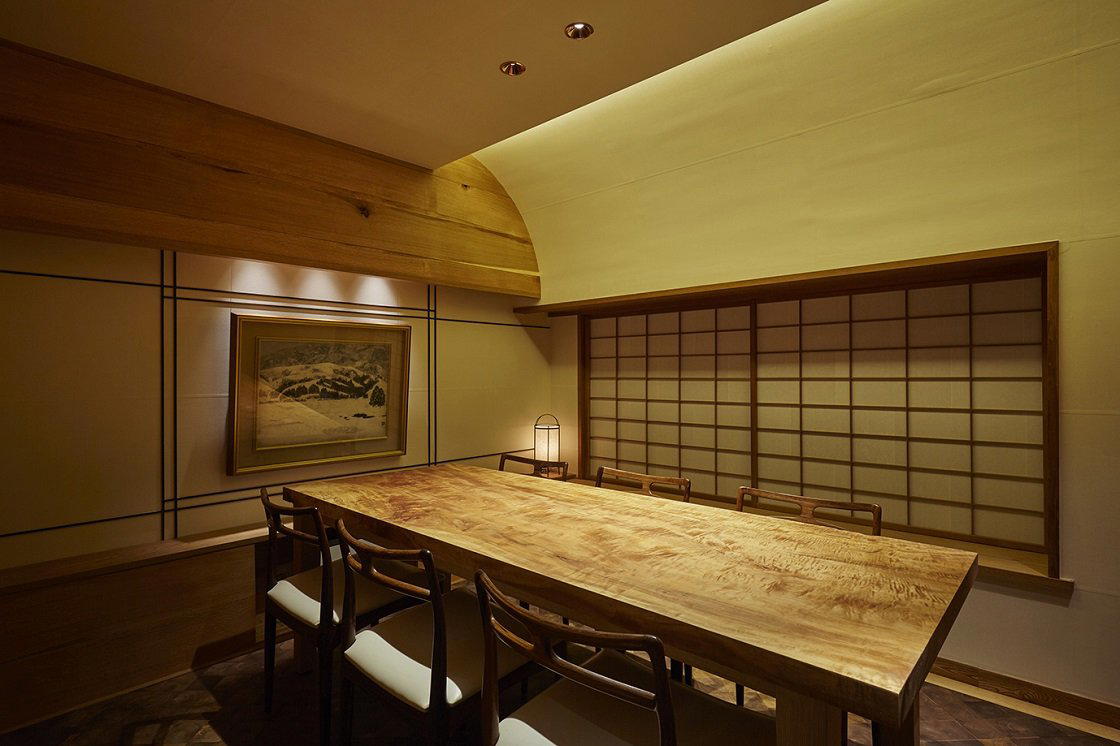
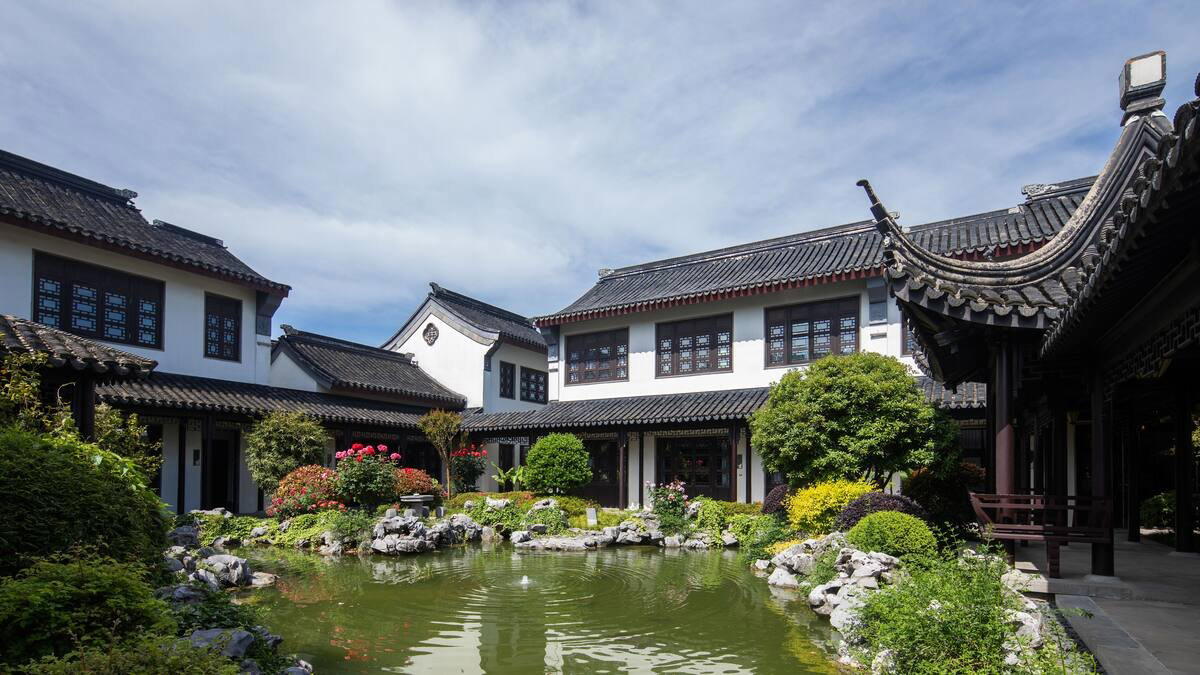
A tranquil, refined setting inside an ancient Suzhou garden residence, with classical courtyards, soft lighting, and a hushed, contemplative atmosphere that contrasts with the busy tourist street outside.