
Hafuu Honten gives Kyoto’s yoshoku tradition a beef-led reading rather than a temple-district cliché. South of the Kyoto Imperial Palace, the room’s counter-and-table format suits a meal that can move from Western-style comfort to steakhouse seriousness, with Tabelog 100 Yoshoku WEST 2025 recognition placing it inside a selective regional category.
Pearl is the En Primeur Club membership app — saves, bookings, and concierge access live there. Same editors, same standards.
- Address
- 471-1 Sasayacho, Nakagyo Ward, Kyoto, 604-0983, Japan
- Phone
- +81 75-257-1581
- Website
- hafuu.com
 Saves & bookings on Pearl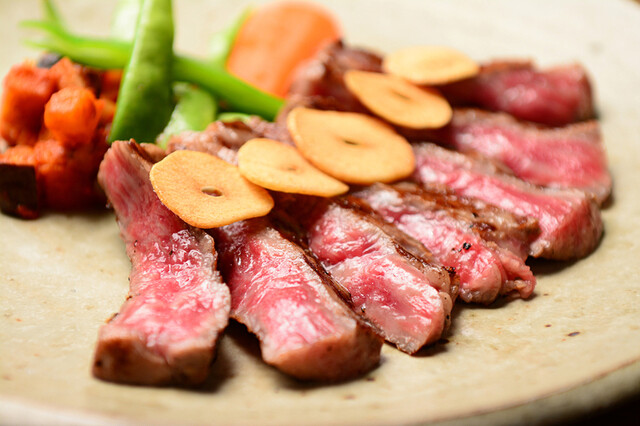
South of the Kyoto Imperial Palace, sightseeing Kyoto gives way to residential Kyoto: narrower streets, lower voices, fewer shopfronts competing for attention. That setting matters for yoshoku, a cuisine built on translation rather than spectacle. Its pleasure is not novelty, but Western forms absorbing Japanese priorities: cut, rice, sauce, restraint, and service rhythm. Hafuu Honten belongs to that Kyoto register, where a beef-focused meal can feel closer to a composed progression than a conventional steak dinner.
Visitors often misread yoshoku as a casual detour from kaiseki, sushi, or ramen. In Kyoto, it has deeper range: a simple lunch plate, a precise counter meal, or a dinner structured around beef with enough pacing for diners who usually book tasting menus. The comparison is not French fine dining, but Kyoto’s habit of editing imported forms until they sit comfortably inside local manners. The result is familiar on paper and highly specific in execution.
Kyoto yoshoku, paced like a beef-focused tasting meal
The appeal lies in sequencing. A yoshoku table built around steak and beef dishes rarely depends on one theatrical course; it builds through contrast, from lighter Western-style preparations to richer cuts, rice, and sauces that make sense in a Japanese dining context. That arc suits travellers wanting a pause from formal multi-course Japanese cuisine without dropping into anonymous comfort food. It occupies a middle lane: less ceremonial than kaiseki, more deliberate than a quick grill counter.
Recognition helps define the lane. Selection for Tabelog 100 Yoshoku WEST 2025 places the restaurant within a regional list devoted to Japanese-style Western cuisine, not a generic steak category. That distinction matters. Kyoto treats beef through sukiyaki, yakiniku, kappo, and hotel dining; yoshoku reads differently because the grammar is Western while the calibration is Japanese. Diners comparing formats might look at -Grilled beef Sukiyaki- KAMAKURA TANUKIAN 鎌倉 たぬき庵 in Kamakura for a separate sukiyaki-led tradition, or . 鮪と炭火焼き うお炭 秋葉原店 in Tokyo for charcoal and seafood energy, but Kyoto yoshoku asks for a quieter read.
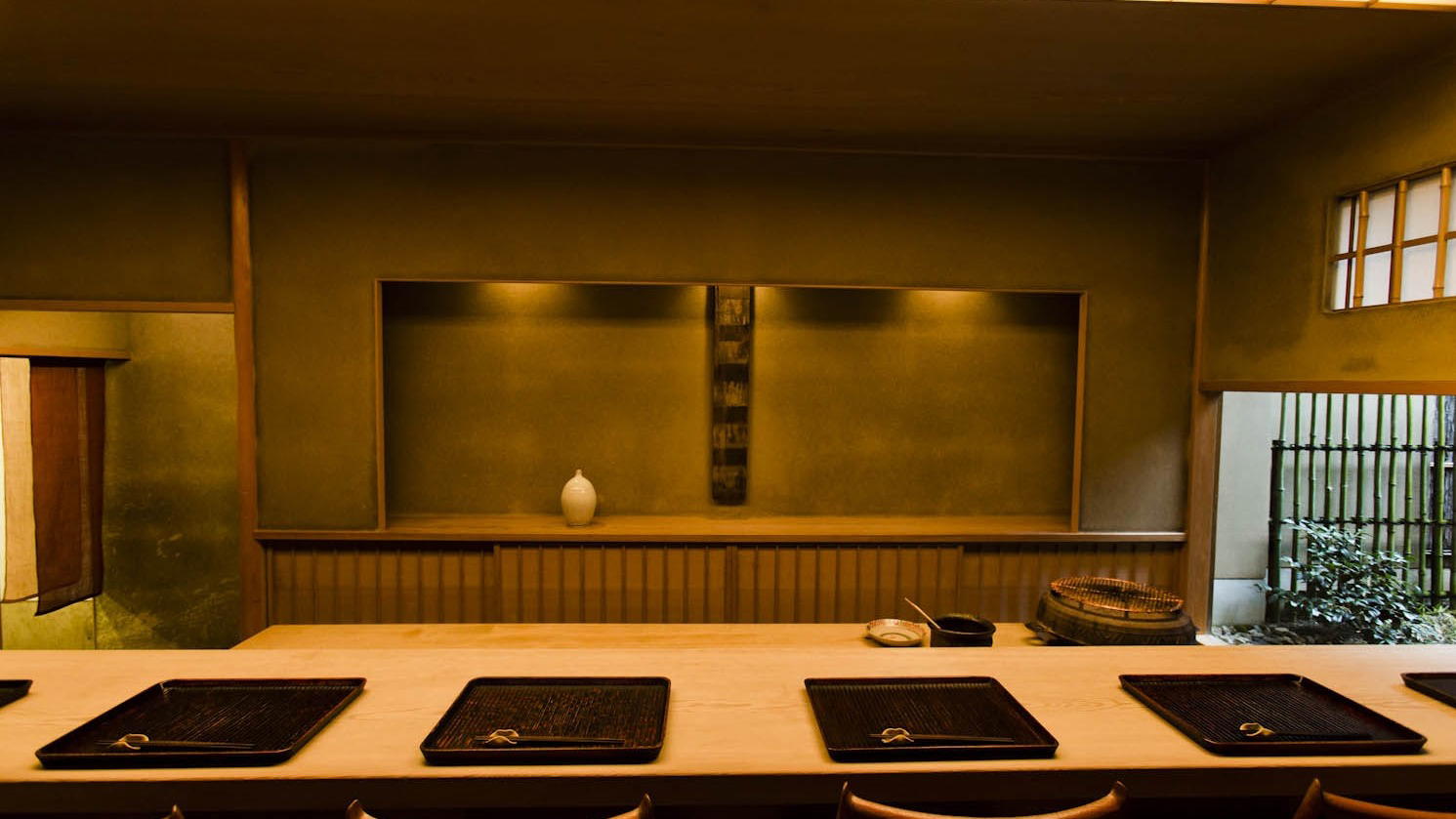
The 36-seat room, divided between counter and tables, supports that progression. Counter seats suit diners who want visible kitchen rhythm; tables suit groups making beef the centre of a longer evening. There are no private rooms, keeping the experience closer to a polished neighbourhood restaurant than a sealed-off occasion room. Private use is listed for up to 20 people, useful for small gatherings, though the core experience remains the regular dining room.
Why beef changes the city's dining rhythm
Kyoto’s international image still leans toward seasonality, temple-adjacent calm, and traditional Japanese codes. Yoshoku complicates that picture. It belongs to the city’s everyday appetite as much as its visitor economy, and beef gives the category weight. Lunch can be contained; dinner enters a higher spend bracket, well above casual yoshoku and below Kyoto’s more rarefied tasting-menu rooms. That spread makes the restaurant a practical itinerary pivot: serious enough for a planned dinner, not so formal that it demands the emotional bandwidth of kaiseki.
Among Kyoto peers, the distinction is category rather than hierarchy. 3TOKU6MI Shijo karasuma ten speaks to casual modern dining, while 551蓬莱 sits in a more populist register. [ki:] and Abbesses point toward contemporary and French-inflected meals, and Aburi Mochi Honke Nemoto Kazariya preserves a shrine-side sweets tradition. Hafuu Honten’s role is different: it treats Western-style beef cookery as a Kyoto meal with structure, not as a break from Kyoto.
That structure explains the drinks fit. Sake, shochu, wine, and cocktails are all listed, underlining yoshoku’s hybrid nature. Wine may seem obvious with steak, but sake and shochu anchor the meal in Japanese pairing habits, especially when sauces, rice, and beef richness share the table. The multilingual menu and English-speaking staff make the format easier for visitors, though the cuisine should not be flattened into tourist convenience. It is a local category with visitor access, not the reverse.
How to place it within a Kyoto itinerary
The strongest use case is dinner after a day of temples, galleries, or hotel lounges, when another formal Japanese meal would feel repetitive. Gosho Minami gives the evening a quieter frame than the Shijo-Kawaramachi axis, and the no-smoking policy and compact room keep focus on the table. Lunch has a lower spend range, but lunch reservations are not accepted, changing the calculus. Dinner is the more controlled plan for travellers with tight schedules.
For a wider Kyoto edit, keep the restaurant in a cluster rather than as a standalone trophy. Use Our full Kyoto restaurants guide to balance yoshoku with soba, kappo, sweets, and contemporary rooms; Our full Kyoto hotels guide for choosing whether to stay near the palace, Higashiyama, or Kyoto Station; Our full Kyoto bars guide for the post-dinner drinking map; Our full Kyoto wineries guide for regional wine context; and Our full Kyoto experiences guide for cultural planning around the meal. Travellers extending the Japan food thread can compare everyday formats through.cafe in Osaka.know in Kumamoto, (Shoku) Vietnam in Kawasaki, and [Curry Senmon Ten] Maruyama Kyoju. in Sapporo; outside Japan, Jōdo Saké Bar in Los Angeles and Onigiri Time in Pasadena show how Japanese drinking and rice formats translate abroad.
The editorial case is clear: choose this for Kyoto yoshoku with beef at the centre and enough pacing to feel considered. The Tabelog 100 Yoshoku WEST 2025 selection, 36-seat format, counter availability, and operating history since 1999 all point to a restaurant settled in its category. It is not postcard Kyoto. It is the Kyoto of adapted appetites, where Western-style cooking has been absorbed, disciplined, and given a local tempo.
How It Stacks Up
Comparable venues by cuisine and price in the same metro.
| Venue | Cuisine | Price | Notes |
|---|---|---|---|
| Hafuu HontenThis venue — the venue you are viewing | Beef-focused Yoshoku & Steakhouse | $$$ | Not listed |
| Junshin An | Creative Kyoto steakhouse with Japanese-style Western cuisine | $$$ | Higashiyama |
| Bar Rocking chair | Craft cocktail bar with bar snacks | $$$ | Shimogyō |
| Yakiniku Yazawa Kyoto | Premium Wagyu Yakiniku | $$$ | Shimogyō |
| Nishino | Yakitori | $$$ | Ukyō |
| Tempura Kawatatsu | Kyoto-style Tempura & Wine Pairing | $$$ | Minami |
Recognition history
Dated appearances from independent guides and award organizations, with the underlying list record or original source where available.
Tabelog 100 #19 · No. 19
Tabelog · Tabelog 100 - Yoshoku - WEST - 2025
Continue exploring
More in Kyoto
Restaurants in Kyoto
Browse all →

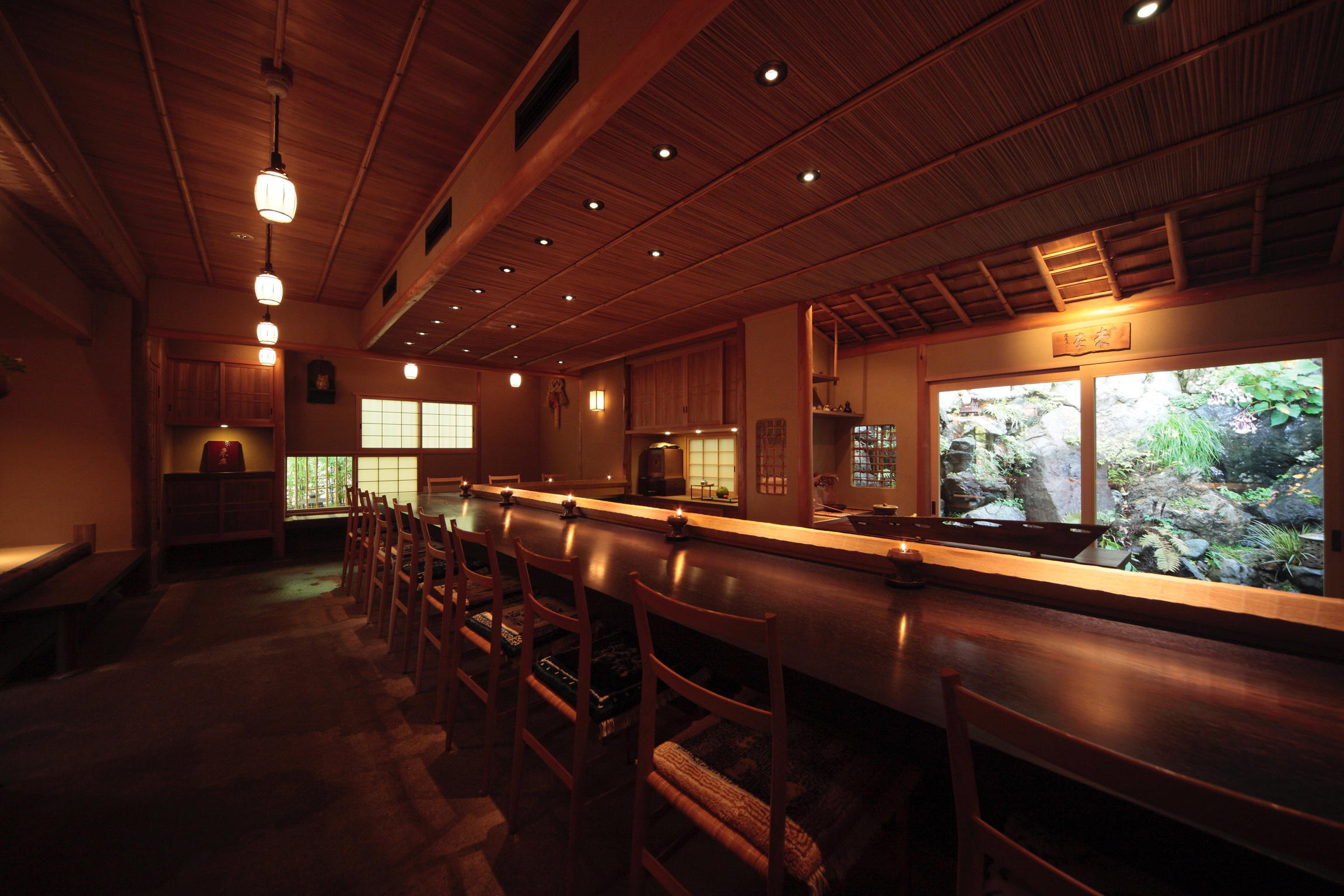
Bars in Kyoto
Browse all →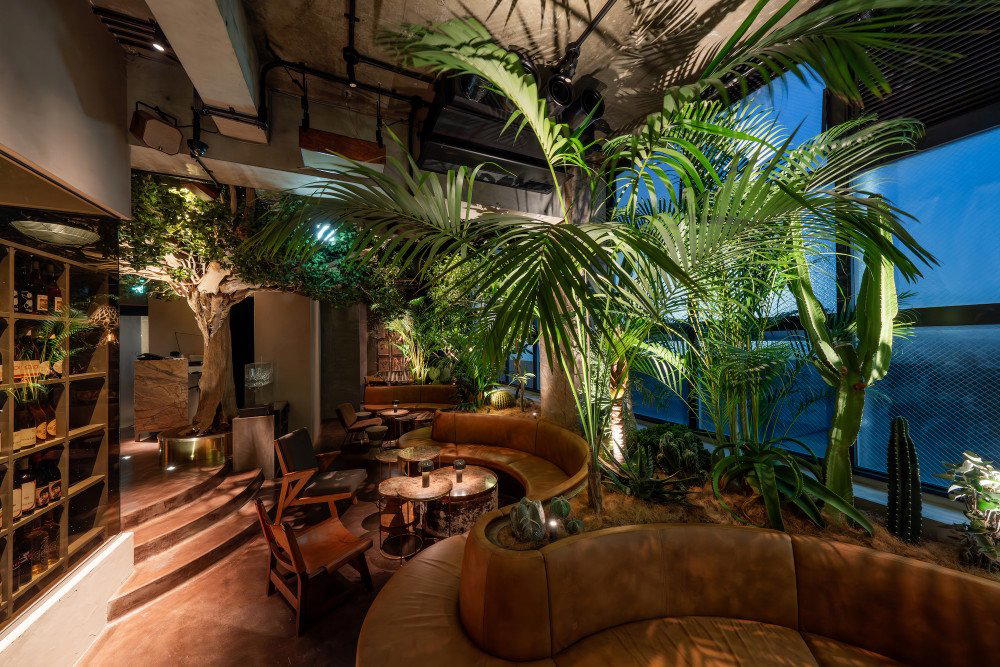


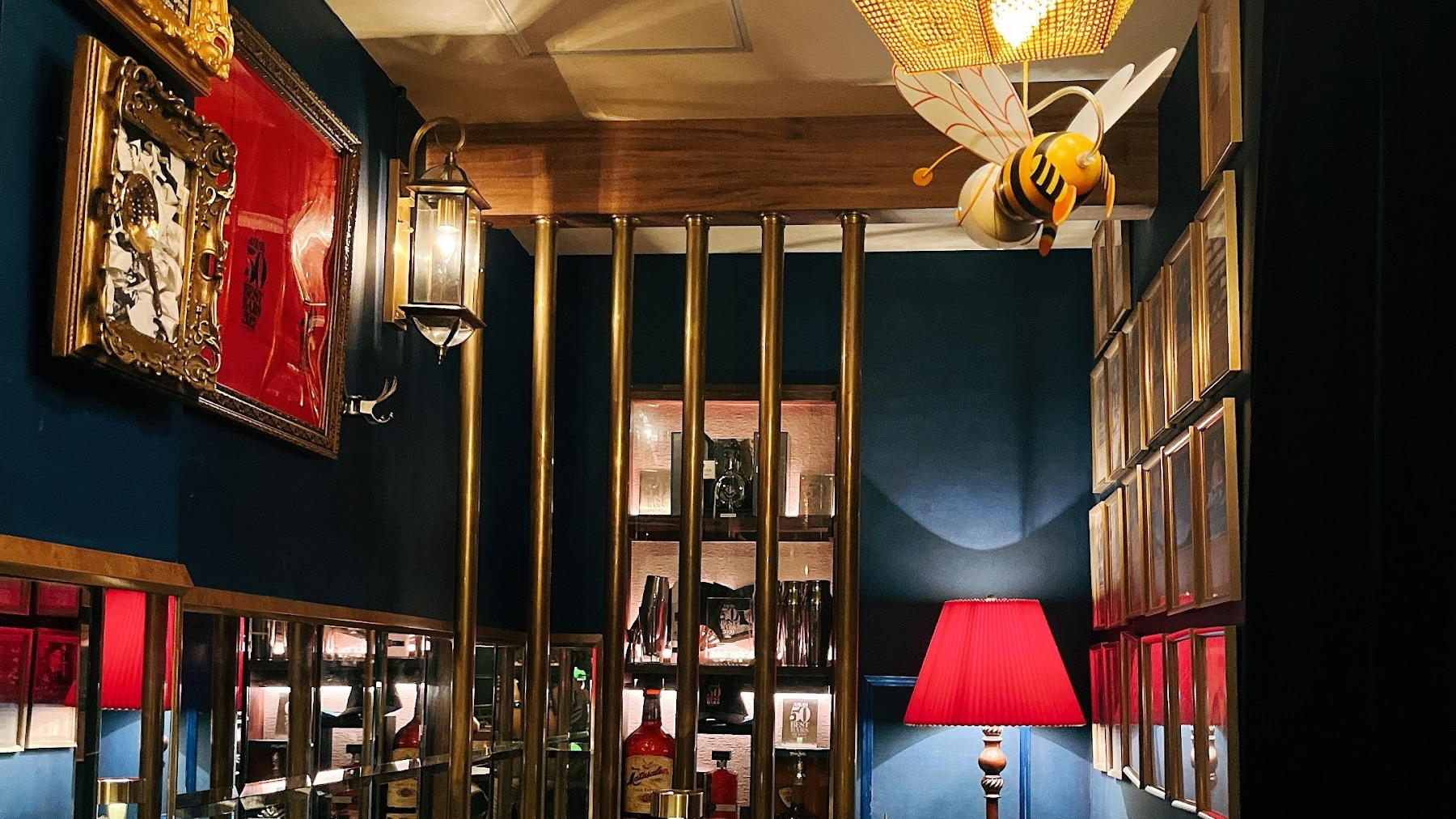
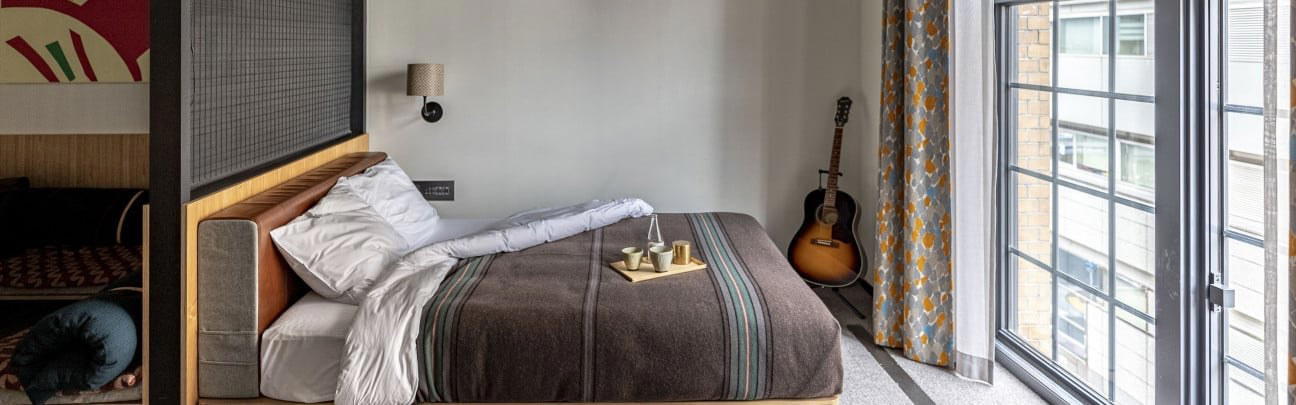
Hotels in Kyoto
Browse all →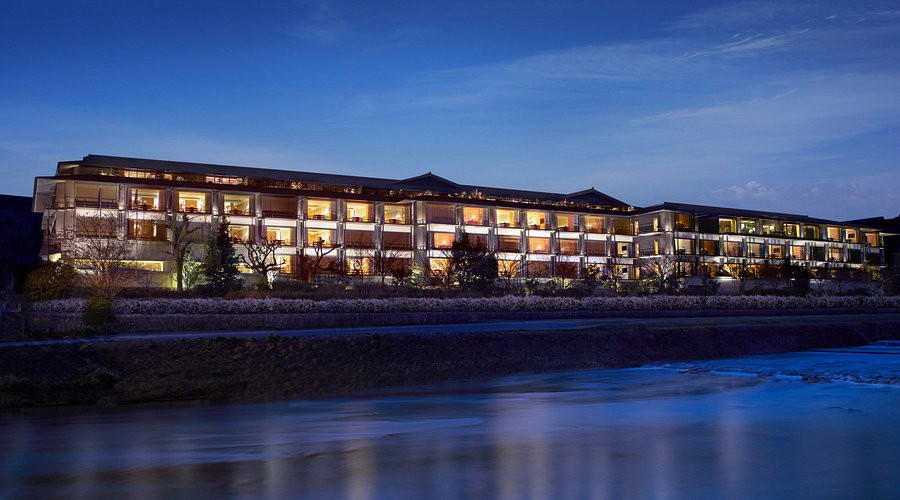
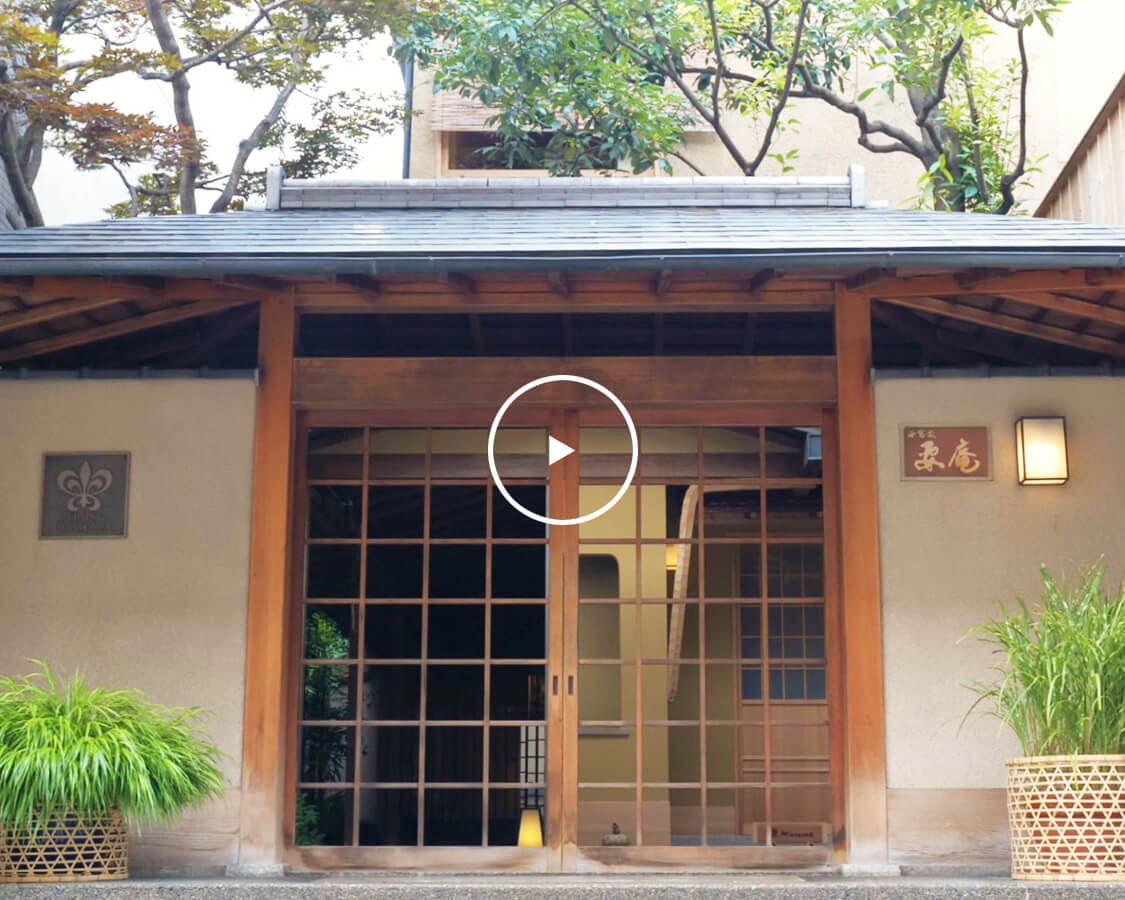
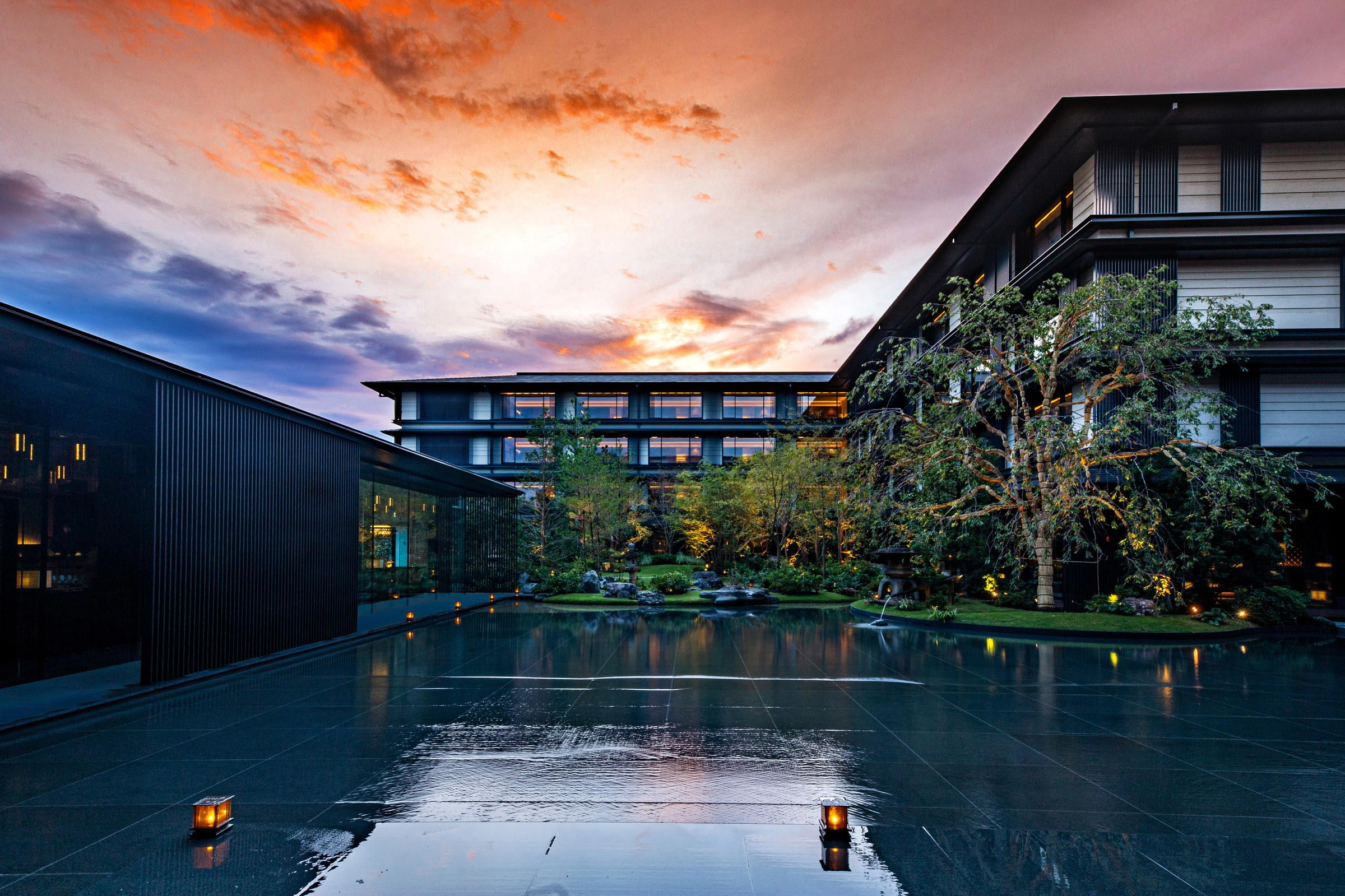

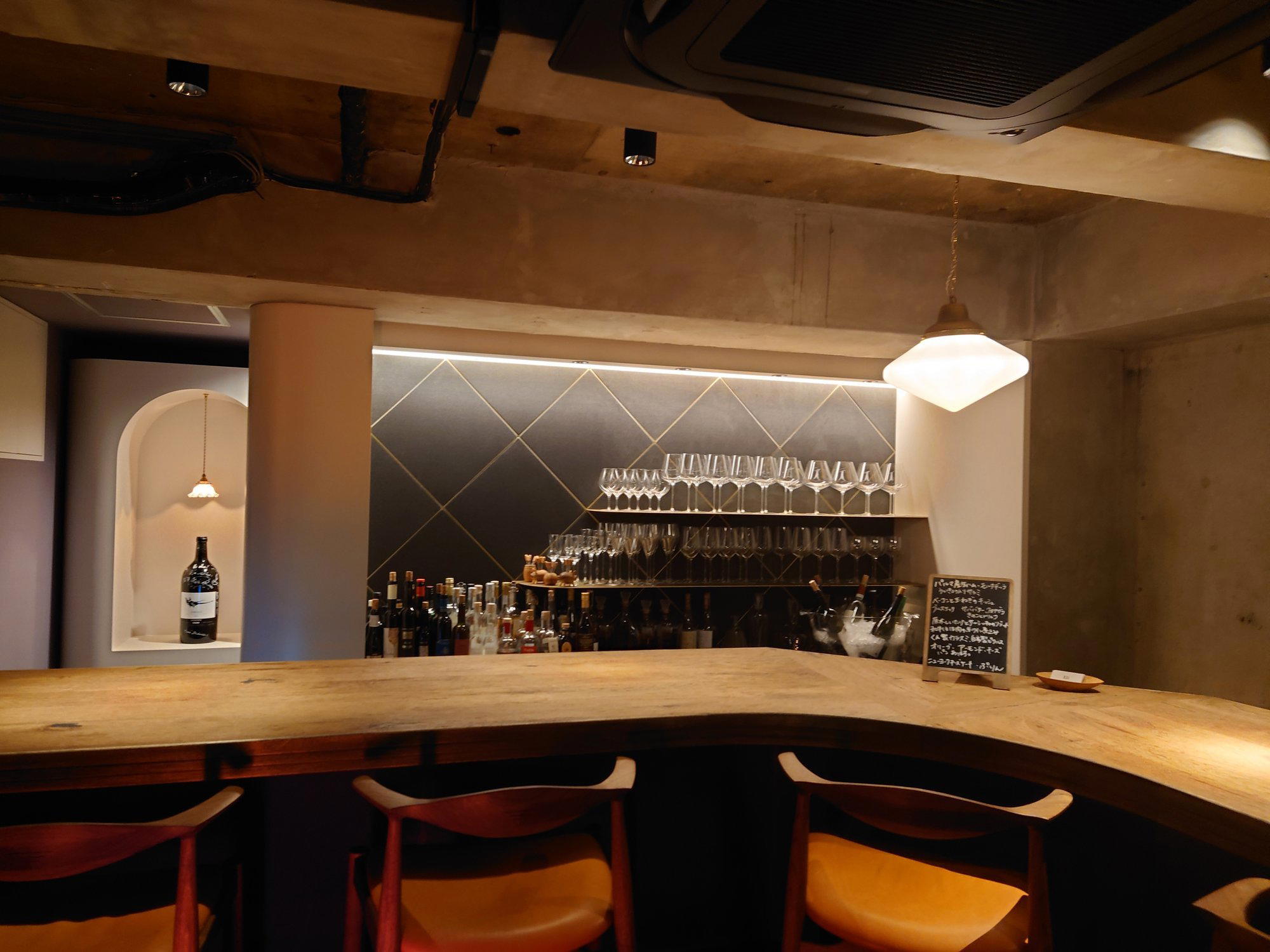
Wineries in Kyoto
Browse all →
At a Glance
- Cozy
- Classic
- Quiet
- Intimate
- Date Night
- Business Dinner
- Group Dining
- Family
- Celebration
- Casual Hangout
- Special Occasion
- Chefs Counter
- Standalone
- Historic Building
- Local Sourcing
Current opening hours
- Monday
- 11:30 AM–1:30 PM, 5:30–9:30 PM
- Tuesday
- Closed
- Wednesday
- Closed
- Thursday
- 11:30 AM–1:30 PM, 5:30–9:30 PM
- Friday
- 11:30 AM–1:30 PM, 5:30–9:30 PM
- Saturday
- 11:30 AM–1:30 PM, 5:30–9:30 PM
- Sunday
- 11:30 AM–1:30 PM, 5:30–9:30 PM
Hours can change for holidays and private events. Last verified .
Relaxed, Japanese-style yet modern space with a calm, warm atmosphere, counter seating facing the open kitchen and simple stylish tables, tucked in a quiet residential neighborhood away from the bustle.