Minami

Minami brings Japanese soba to Seoul's Jung District with enough conviction to earn a 2025 Michelin Plate, a notable distinction for a single-dish format in a city better known for its contemporary Korean and fine-dining scenes. The price point sits at the accessible end of Seoul's Michelin-recognised venues, making it one of the few award-carrying addresses where a full meal won't exceed casual dining budgets.
Pearl is the En Primeur Club membership app — saves, bookings, and concierge access live there. Same editors, same standards.
- Address
- 105 Sopa-ro, Jung District, Seoul, South Korea
- Phone
- +82 50-71427-6696
- Directions
- Get directions
 Saves & bookings on Pearl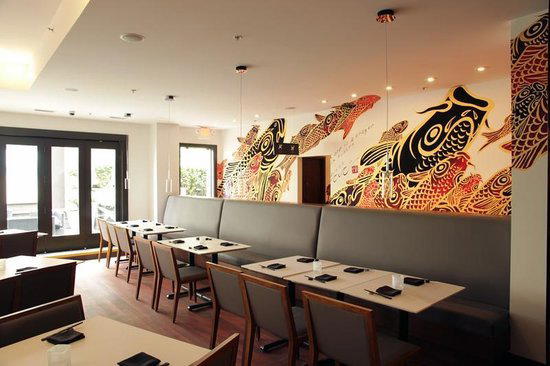
Soba in Seoul: A Japanese Tradition Finds Its Footing
Seoul's restaurant scene has long been weighted toward Korean tradition and contemporary fine dining, with Japanese cuisine occupying a secondary tier dominated by omakase counters and yakiniku houses. Soba, the more contemplative end of Japanese noodle culture, has been slower to establish itself as a serious dining category in the city. That's what makes Minami's 2025 Michelin Plate recognition worth paying attention to: it signals that dedicated soba practice, built around buckwheat quality, broth precision, and the discipline of a limited menu, has enough of an audience in Seoul to earn formal acknowledgment.
The address on Sopa-ro in the Jung District places Minami in one of Seoul's most historically layered neighbourhoods, where older commercial streets sit alongside government buildings and the residual character of pre-modern Seoul. It's not the neighbourhood you'd associate with destination dining in the way that Gangnam or Itaewon are, which means the clientele tends to be local and intentional rather than tourist-driven. For a format like soba, which rewards repeat visits and familiarity with the menu, that dynamic suits the restaurant.
The Lunch and Dinner Divide at a Soba Counter
In Japan, soba restaurants operate along a well-established daytime logic: service is faster, the menu is tighter, and the experience is closer to a working lunch than an evening event. The same structural divide applies at dedicated soba houses in Seoul. At lunch, a soba counter like Minami functions as a precision meal, cold zaru soba or warm kake soba, a small side, eaten efficiently and with full attention on the noodle itself. There is no performance or pacing of the kind you'd expect at an omakase or a multi-course Korean dinner.
Evening visits shift the register slightly. The absence of daytime rush creates space for a longer sit, and diners who arrive for dinner at a soba specialist tend to approach the experience more deliberately, working through the menu's range, considering the ratio of broth to noodle, noting the buckwheat's texture. Seoul's food-conscious diners have grown increasingly attuned to this kind of technical appreciation, partly through the influence of venues like Mingles and Jungsik, which have trained a generation of diners to look for intention and craft behind even simple-seeming formats.
For value, the lunch window is the stronger argument. Minami's single-symbol price tier (₩) means that even a dinner visit sits well below what you'd pay at Seoul's contemporary Korean addresses like alla prima or Gaon. But lunch delivers the same Michelin-acknowledged quality at a pace and cost that few other recognised venues in the city can match.
Where Minami Sits in Seoul's Soba Conversation
Seoul's dedicated soba scene is small relative to Tokyo's or Osaka's, where generational soba houses occupy entire neighbourhoods and the category supports its own critical infrastructure. The contrast with Japanese cities is instructive: Akasaka Sunaba in Tokyo operates within a centuries-old soba tradition, drawing on lineage and neighbourhood identity that Seoul's soba houses are still in the process of building. Ayamedo in Osaka and Azabukawakamian in Tokyo represent further points on that Japanese spectrum.
Within Seoul itself, the comparable set for Minami includes Sobakeeri Suzu and Subaru, both operating in the same format category. What differentiates Minami is the Michelin Plate, which provides an external validation point that the other soba addresses in the city don't currently carry. In a category where quality signals are hard for non-specialist diners to read, that distinction matters more than it might in a larger cuisine type.
Specialist soba houses rarely attract high review volumes; their audience is self-selecting and tends to engage through word of mouth and repeat visits rather than public review platforms. The Michelin recognition, which requires multiple anonymous inspector visits, carries more weight than the aggregated score here.
Understanding the Format
Soba as a cuisine category asks something specific of the diner: a willingness to focus on restraint. The buckwheat noodle is the subject, and every other element, the broth, the condiments, the dipping sauce, the temperature of the bowl, exists to frame it. Korean dining culture has its own tradition of single-item precision, from naengmyeon to gomtang, so the format isn't entirely foreign. But soba's Japanese aesthetic register, its emphasis on the visual clarity of the noodle and the subtlety of the dashi, sits at a particular angle to the bolder flavour profiles that define much of Seoul's restaurant culture.
That tension is part of what makes a venue like Minami interesting to track. It operates in a format that demands fluency from both kitchen and diner, in a city that is developing that fluency in real time. Compare this with the broader Korean dining evolution visible at Kwon Sook Soo or the temple food tradition represented by Baegyangsa Temple, and you get a picture of a food culture that has absorbed restraint-led dining from multiple directions simultaneously.
For context on how Korean cuisine intersects with Japanese influence outside Seoul, Mori in Busan and The Flying Hog in Seogwipo offer different regional perspectives on that relationship.
Planning Your Visit
Address: 105 Sopa-ro, Jung District, Seoul, South Korea
Price tier: ₩ (accessible, well below Seoul's fine-dining average)
Awards: Michelin Plate 2025
Leading visit window: Lunch for pace and value; dinner for a longer sit
Booking: Reservations are recommended
Note: Limited public review volume (15 reviews, 3.7 score) indicates a modest number of public reviews.
Comparable Spots
Comparable venues nearby, for context on price, style, and recognition.
| Venue | Cuisine | Price | Notes |
|---|---|---|---|
| MinamiThis venue — the venue you are viewing | Authentic Japanese Soba | $$ | Not listed |
| JUNGDON (정돈) | Japanese Tonkatsu | $$ | Hongdae |
| íë í¼ì¤ ë¤ì´ì´í¸ í¸ë ííìì (Preppers Diet Food Hyehwa) | Diet Japanese | $$ | 혜화동 |
| Hyun Udon | Traditional Japanese Udon | $$ | 잠원동 |
| Jinmi Sikdang | Korean Soy-Marinated Raw Crab (Ganjang Gejang) | $$ | 북아현동 |
| Sool052 | Modern Korean Gastropub | $$ | Doseon-dong |
Recognition history
Dated appearances from independent guides and award organizations, with the underlying list record or original source where available.
Michelin Plate
Michelin
Continue exploring
More in Seoul
Restaurants in Seoul
Browse all →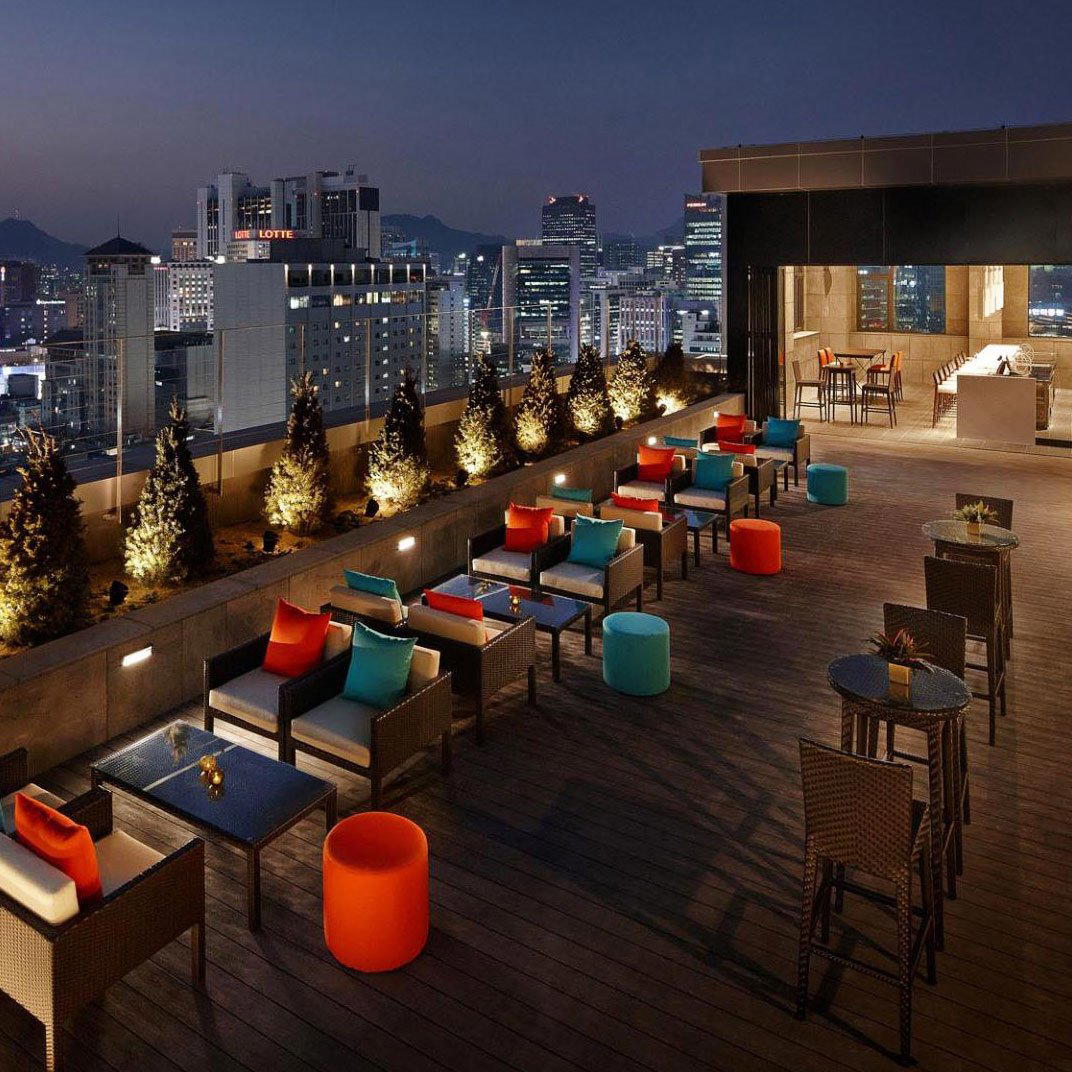
At a Glance
- Modern
- Elegant
- Sophisticated
- Date Night
- Business Dinner
- Special Occasion
- Open Kitchen
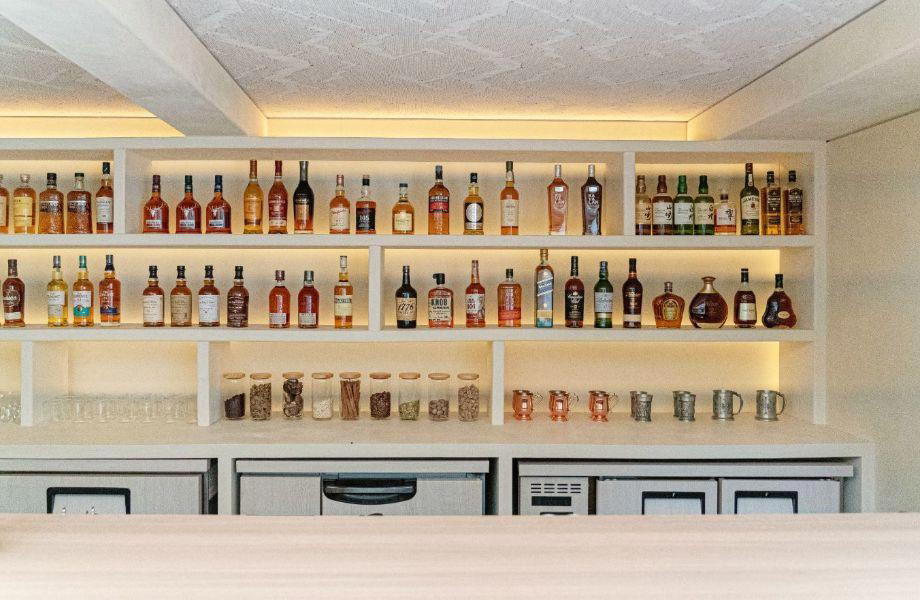
- Sake Program
- Local Sourcing
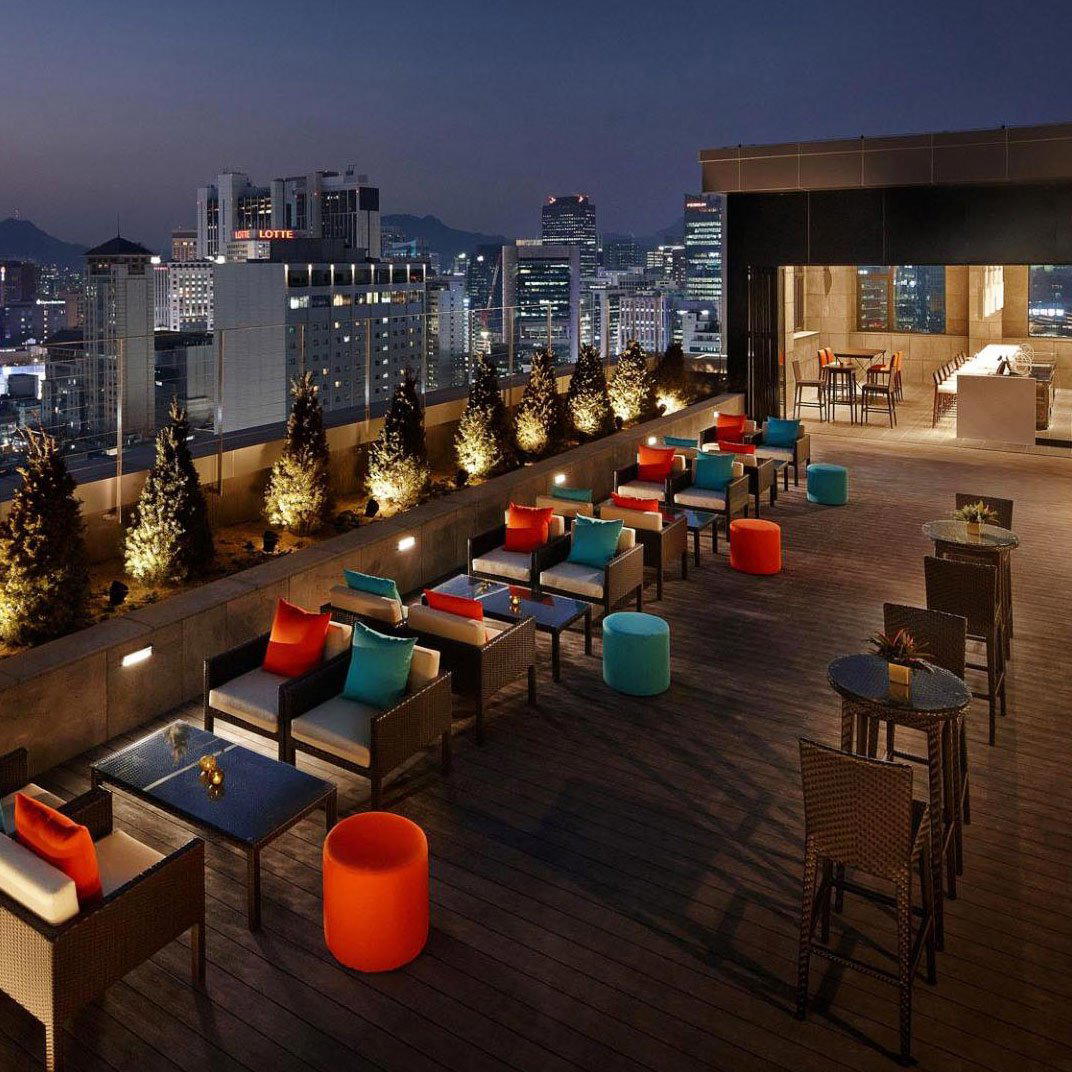
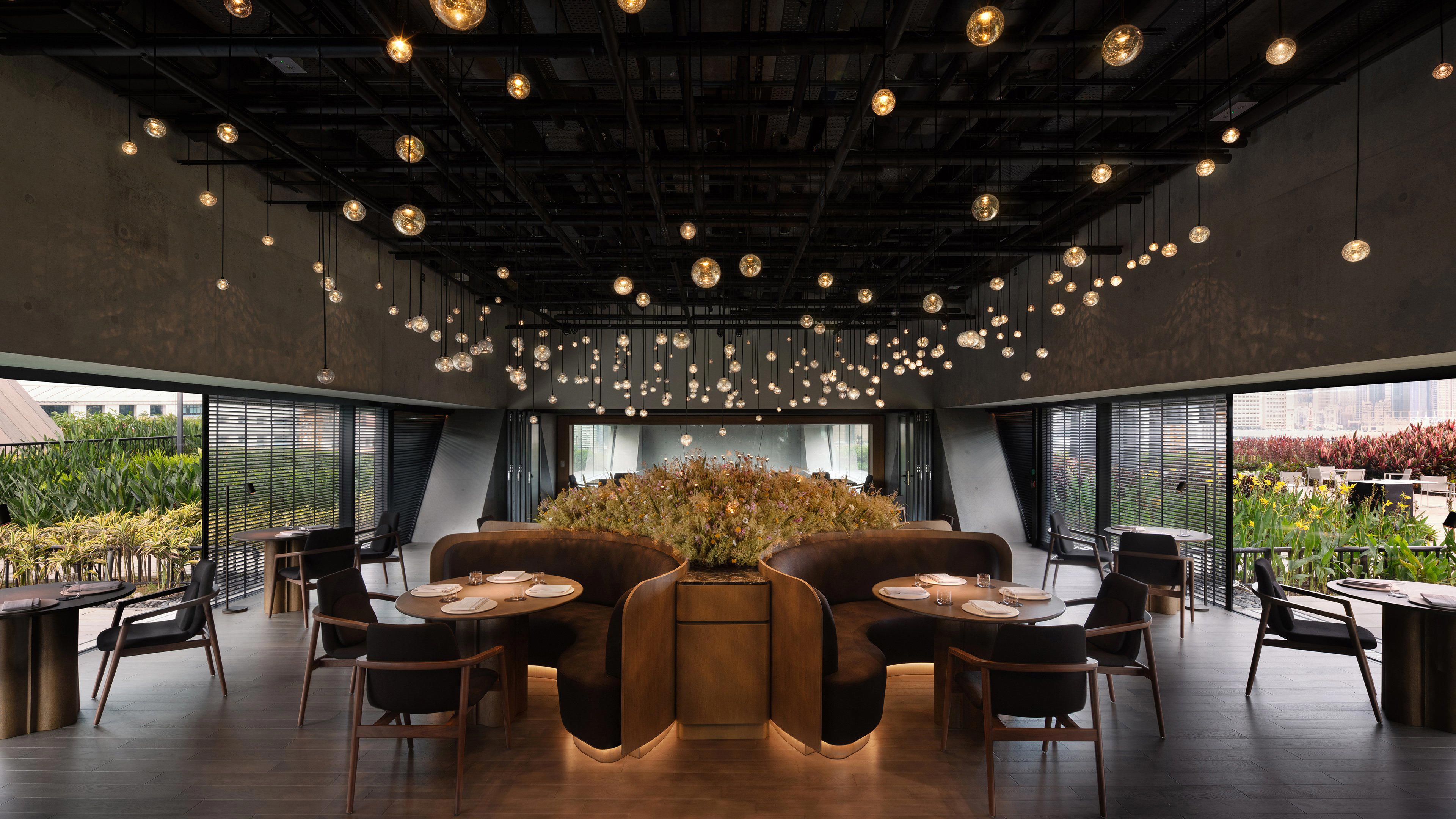
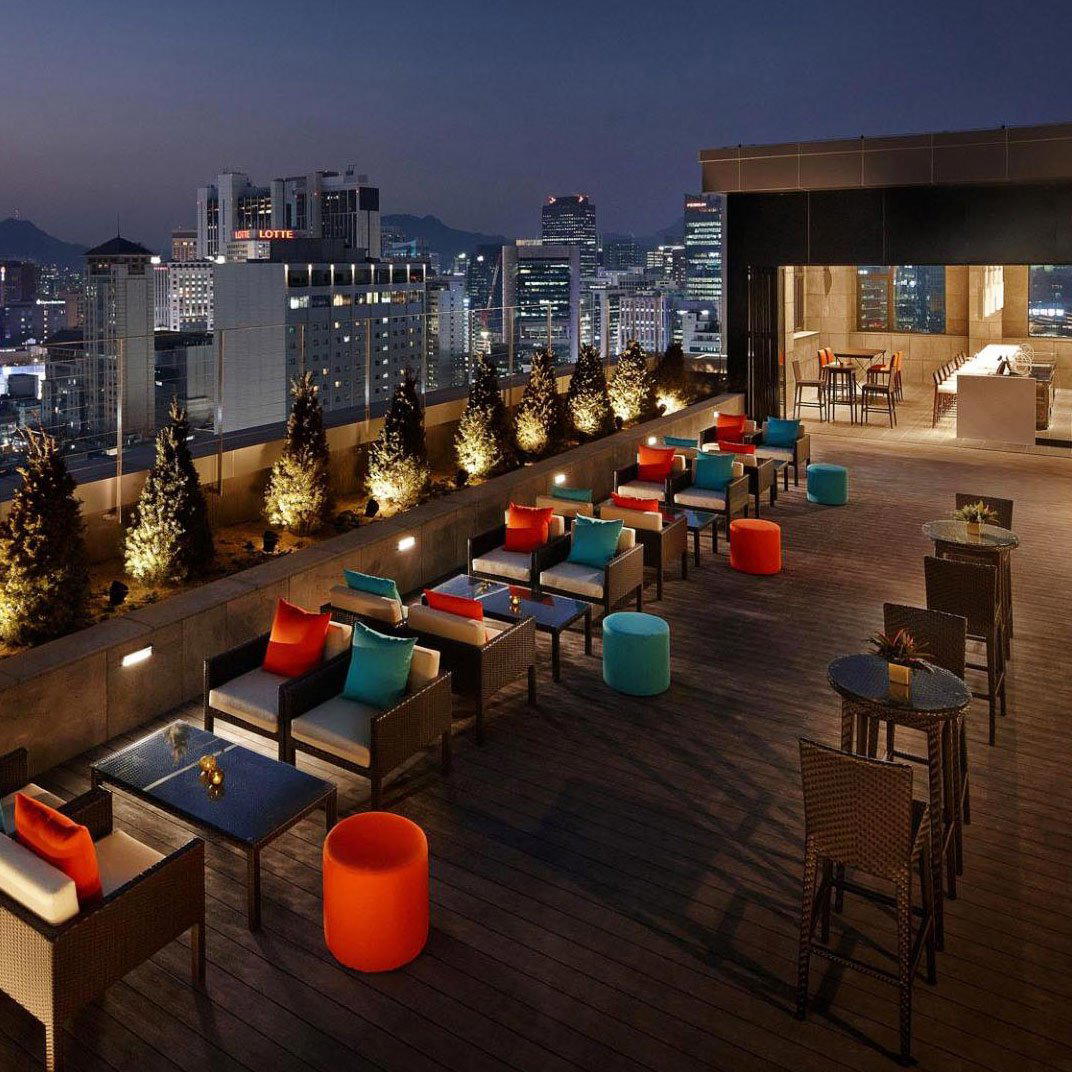
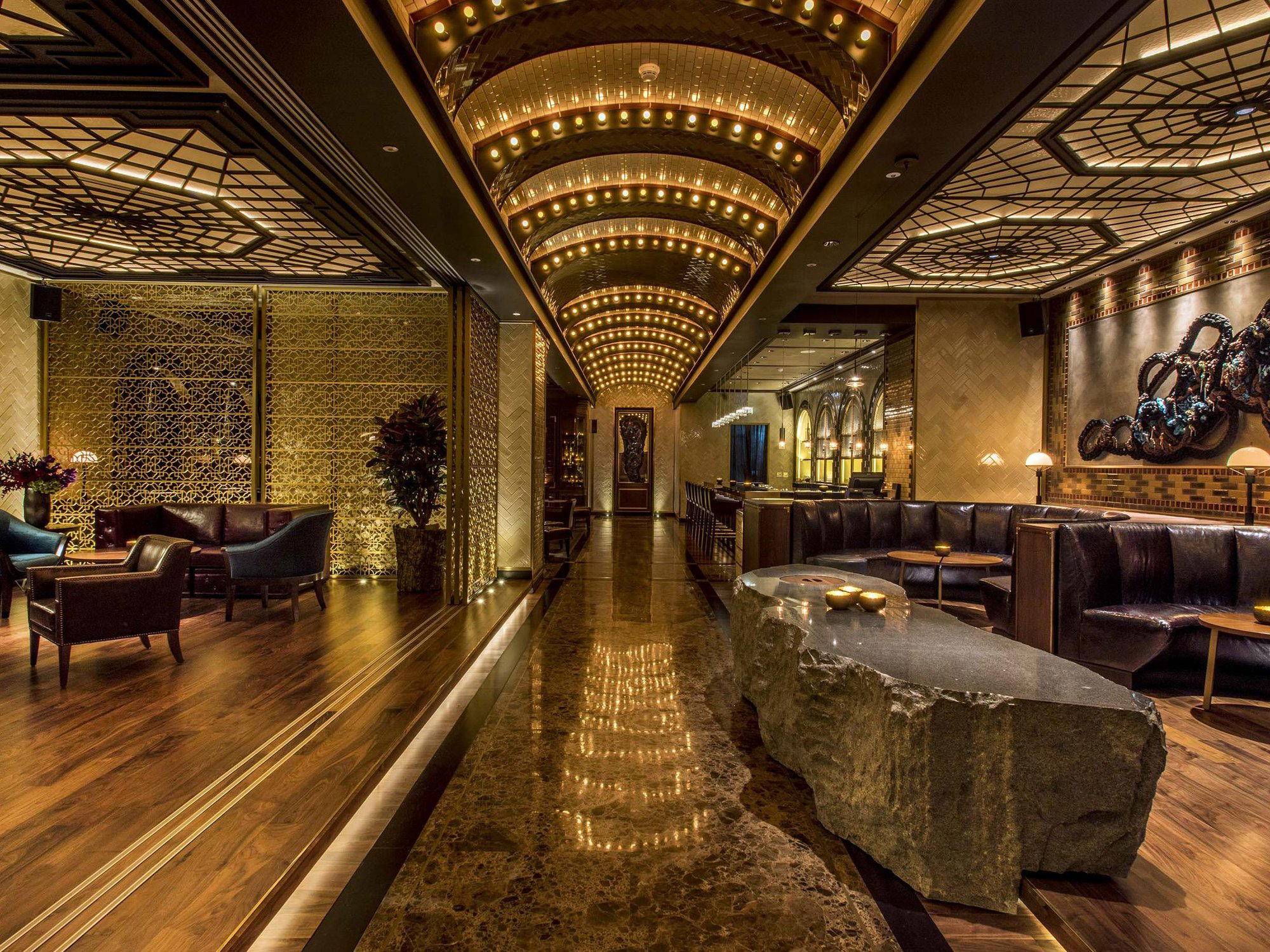
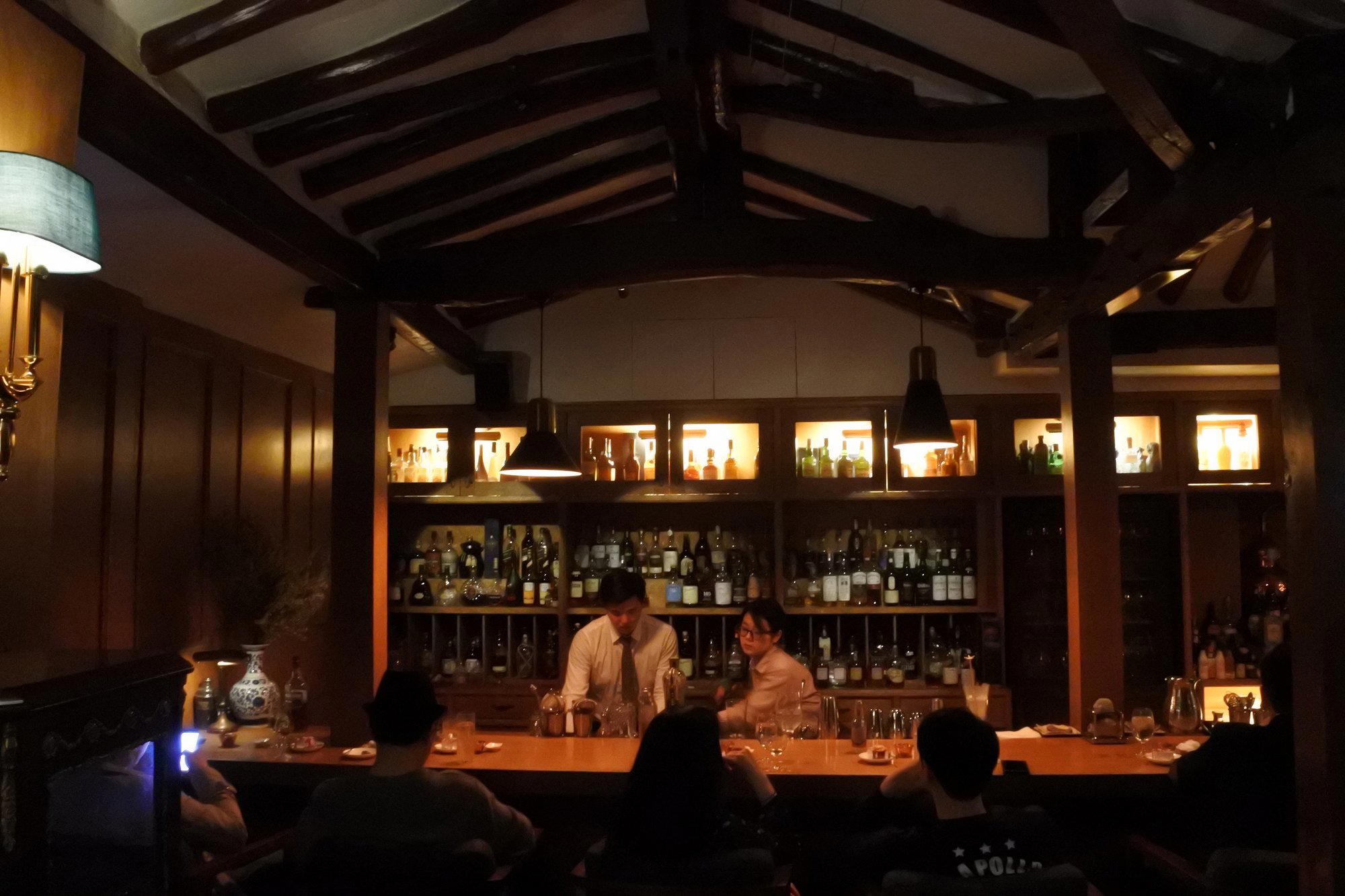
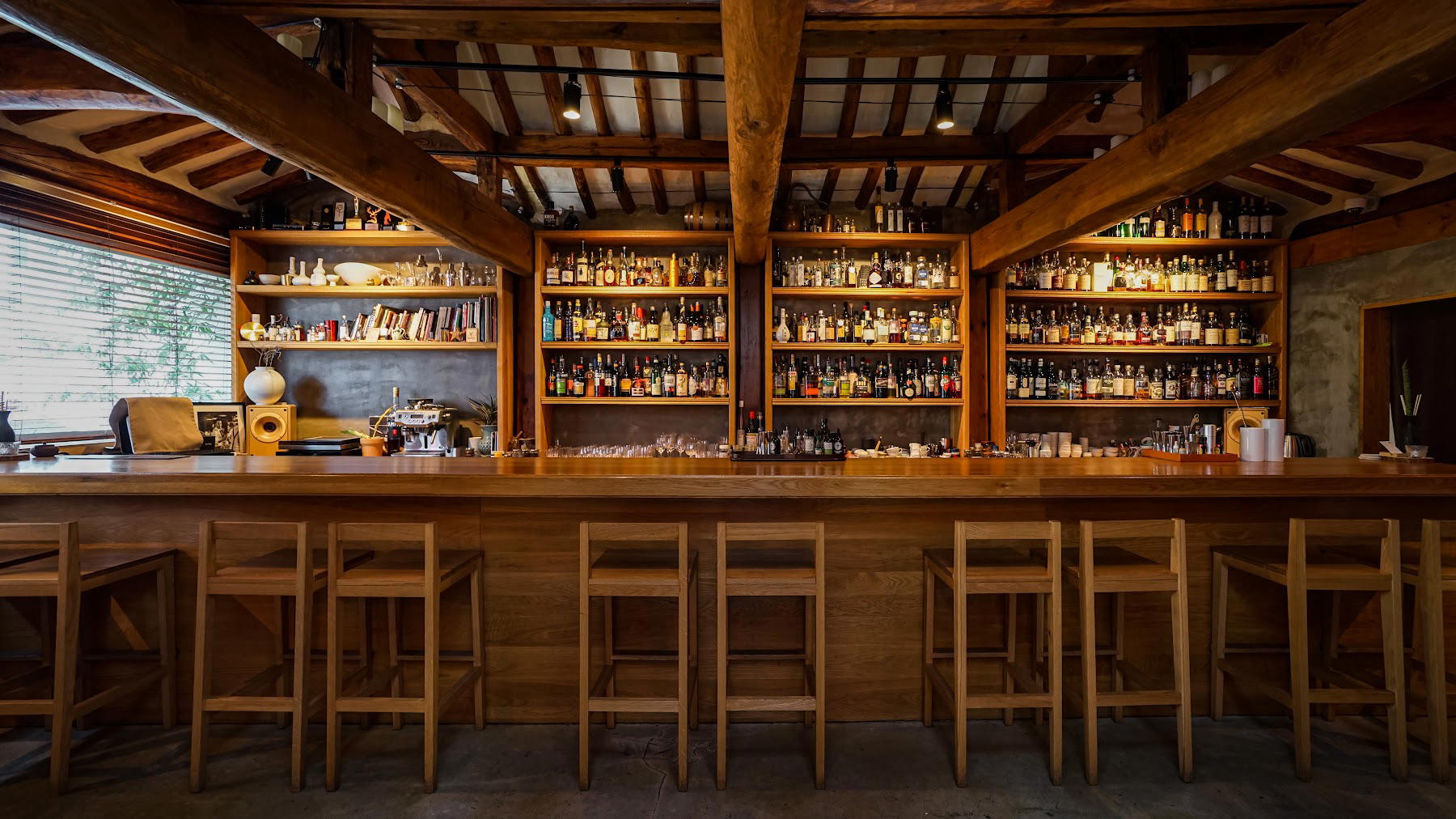
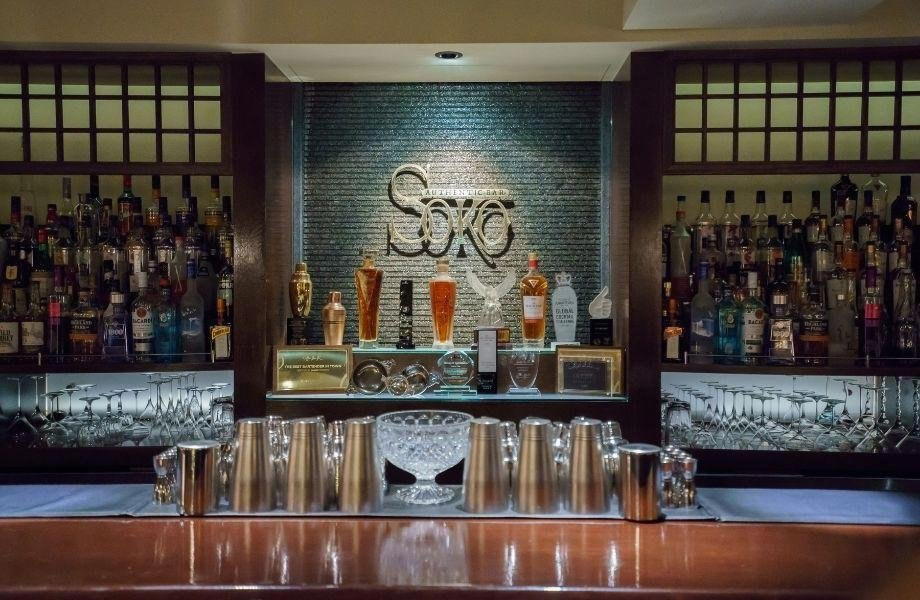
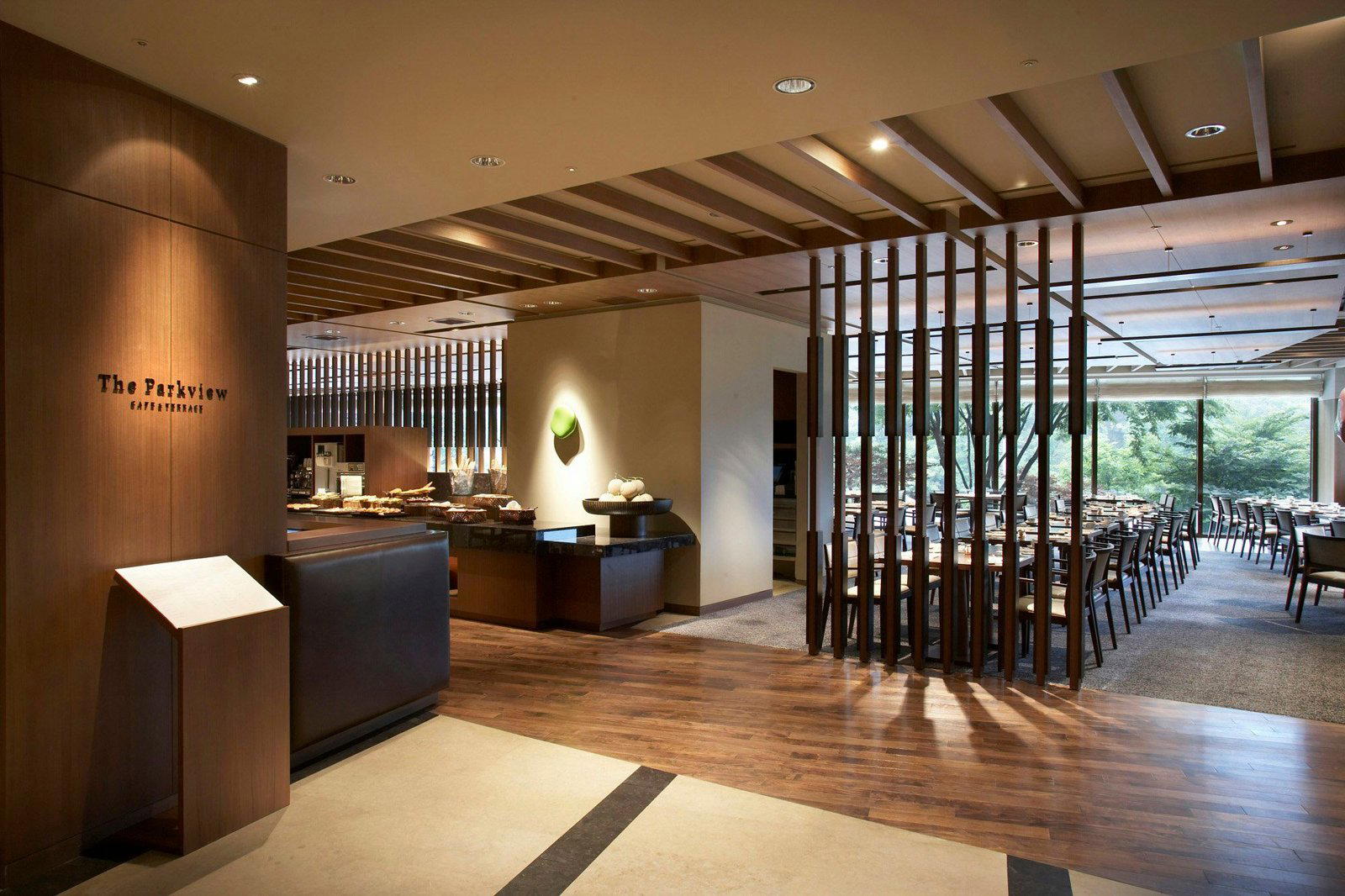
Sleek modern decor balancing elegance and comfort with a hushed, polished atmosphere.