
Kyuan gives Kobe’s soba scene a focused, ingredient-led counterpoint to the city’s heavier beef and yoshoku circuits. Its repeated selection for Tabelog’s Soba WEST 100, including 2025, places it among western Japan’s noted buckwheat specialists, with donburi and tempura broadening the meal without pulling attention from the noodles.
Pearl is the En Primeur Club membership app — saves, bookings, and concierge access live there. Same editors, same standards.
- Address
- Japan, 〒652-0804 Hyogo, Kobe, Hyogo Ward, Tsukamotodori, 6 Chome−1−3 SUNつかろくビル
- Phone
- +81 78-531-7899
- Website
- soba-kyuan.jp
 Saves & bookings on Pearl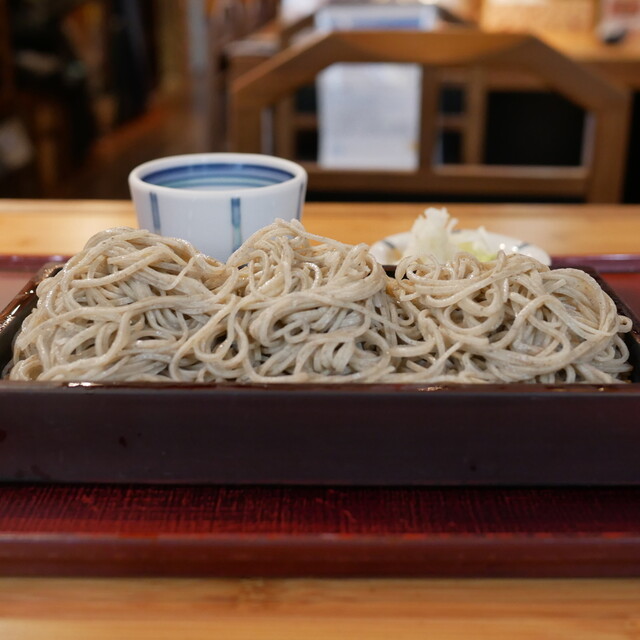
Approach the Hyogo Station side of Kobe and the city’s restaurant rhythm changes. The polished hotel dining rooms and beef counters around Sannomiya give way to smaller lunch rooms, counter seats, and the kind of noodle shops where the meal is built around timing rather than ceremony. Kyuan belongs to that register: compact, soba-led, and closer to a working neighbourhood routine than to the port city’s familiar luxury narrative.
That matters in Kobe because the city is often read through beef first. The premium visitor circuit tends to orbit teppanyaki, yakiniku, and Western-influenced yoshoku, with restaurants such as Aburi Niku Kobo Wakkoku Shinkobe ten, Aburi Niku Kobo Wakkoqu Kitano Sakamoto Ten, Yoshokuya Yuuki, Grill Ippei Shinkaiti honten, and Fumi showing how broad that lane can be. Soba operates by a different logic. It is less about marbling and theatre, more about grain character, water, knife work, and the narrow window in which noodles hold their texture.
Buckwheat, restraint, and the quieter side of Kobe eating
Good soba is an ingredient argument before it is a dish. Buckwheat has less elasticity than wheat, so the craft sits in managing aroma, snap, and fragility without letting the noodle collapse into rustic heaviness. In western Japan, where udon often dominates the casual noodle conversation, a serious soba room carries a particular kind of intent. The appeal is not abundance; it is precision, portioning, and the contrast between plain noodles and supporting dishes that do not overwhelm them.
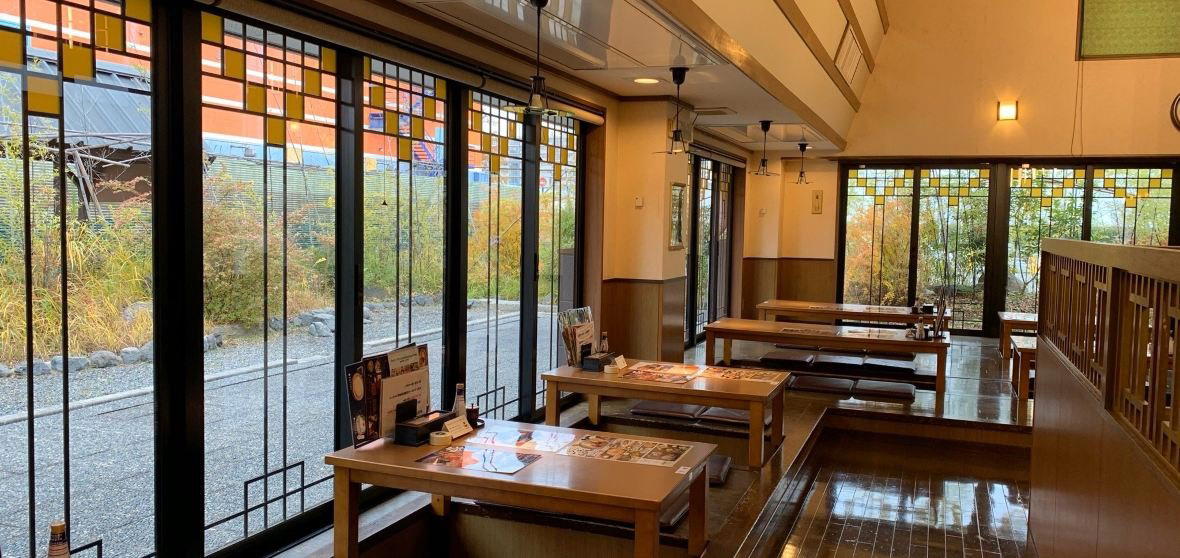
Kyuan’s category listing, soba with donburi and tempura, places it in a practical Japanese format rather than a tasting-menu idiom. That combination tells seasoned diners what to expect from the meal’s architecture: noodles at the centre, rice bowls or fried items as supporting weight, and a pace that suits a midday stop as much as a planned detour. The restaurant’s 18-seat scale, including counter and table seating, also keeps the experience closer to a craft shop than a dining room built for long-form hospitality.
The recognition is not incidental. Selection for Tabelog’s Soba WEST 100 in 2025, with earlier selections listed for 2024, 2022, and 2018, gives Kyuan a repeated signal in a category where consistency counts. Tabelog scoring is not the same as international awards culture, but within Japan it is a useful gauge of specialist consensus, especially for genres such as soba, ramen, tonkatsu, and curry where local diners track fine distinctions closely. A 3.61 Tabelog score puts the restaurant in a serious peer conversation without implying the kind of luxury polish attached to Michelin-chasing rooms.
Why this format rewards a targeted detour
The reason to prioritise soba in Kobe is not because the city lacks other pleasures. It is because the contrast sharpens the trip. A visitor can spend one meal on beef, another on kissaten coffee culture at Akaneya Coffee Ten, and another on neighbourhood cooking at places such as Akari or Ali's Halal Kitchen. A soba lunch cuts across that itinerary with a cleaner register: grain, broth, tempura, rice, and the discipline of a short service window.
Compared with Yakiniku Possam Chip, which sits in a higher spend band, Kyuan occupies a more modest and tightly focused tier. Compared with Sansho An, which is positioned at a lower spend level, it reads as a more deliberate specialist stop rather than a purely casual noodle fix. Those comparisons are useful because Kobe’s dining value is not linear. The city’s lower and mid-priced restaurants often carry more local texture than international visitors expect, and noodle shops can be as revealing as steak counters if the itinerary makes room for them.
Ingredient sourcing is the subtext rather than a slogan here. Soba’s quality depends on buckwheat condition, milling decisions, water absorption, and the way noodles are handled after cutting. Tempura, when it appears alongside soba, plays a functional role: it adds fat, heat, and crunch against the leaner grain profile. Donburi does something different, giving the meal a rice-based anchor for diners who want more substance. None of that requires theatrical plating. The format works when each component stays in its lane.
How to place it in a Kobe itinerary
Kyuan is a sharper choice for travellers who want a local lunch rhythm rather than another formal dinner. It suits solo dining and small-party eating better than group occasion dining, and the no-children policy narrows the audience. Non-smoking status helps, as many older Japanese neighbourhood restaurants can still be a gamble on that front. Payment is another part of the character: this is a cash-minded restaurant culture rather than a card-forward international one.
For a broader map of the city, use Our full Kobe restaurants guide alongside Our full Kobe hotels guide, Our full Kobe bars guide, Our full Kobe wineries guide, and Our full Kobe experiences guide. For readers building a wider Japan food route, the contrast points are instructive: -Grilled beef Sukiyaki- KAMAKURA TANUKIAN 鎌倉 たぬき庵 in Kamakura shows beef in a different regional frame. 鮪と炭火焼き うお炭 秋葉原店 in Tokyo points toward tuna and charcoal.cafe in Osaka shifts into café culture.know in Kumamoto widens the Kyushu lens, (Shoku) Vietnam in Kawasaki tracks Japan’s everyday international dining, and [Curry Senmon Ten] Maruyama Kyoju. in Sapporo shows how specialist formats travel across regions. Even outside Japan, compact ingredient-led formats have parallels at Jōdo Saké Bar in Los Angeles and Onigiri Time in Pasadena.
The editorial case is simple: Kyuan is not the Kobe meal that announces itself loudly. It is the one that corrects the itinerary. In a city where beef can dominate the visitor imagination, a soba specialist with repeated Tabelog Soba WEST 100 recognition gives the trip a quieter, grain-focused counterweight.
At-a-Glance Comparison
Comparable options at the same price tier.
| Venue | Cuisine | Price | Notes |
|---|---|---|---|
| KyuanThis venue — the venue you are viewing | Traditional Soba Noodle Shop | $ | Not listed |
| Pan Yakidokoro RIKI | Japanese artisan bakery | $ | Chūō |
| Gyoza Daigaku | Japanese Dumplings (Gyoza) | $ | Chūō |
| Menya Isshin | Modern Ramen Shop | $ | Nada |
| ENISHI | Tantanmen ramen specialist | $ | Nada |
| Marutaka Chuka Soba Kobe Ninomiya Ninomiya ten | Japanese Ramen | $ | Chūō |
Recognition history
Dated appearances from independent guides and award organizations, with the underlying list record or original source where available.
Tabelog 100 #92 · No. 92
Tabelog · Tabelog 100 - Soba - WEST - 2025
Continue exploring
More in Kobe

Bars in Kobe
Browse all →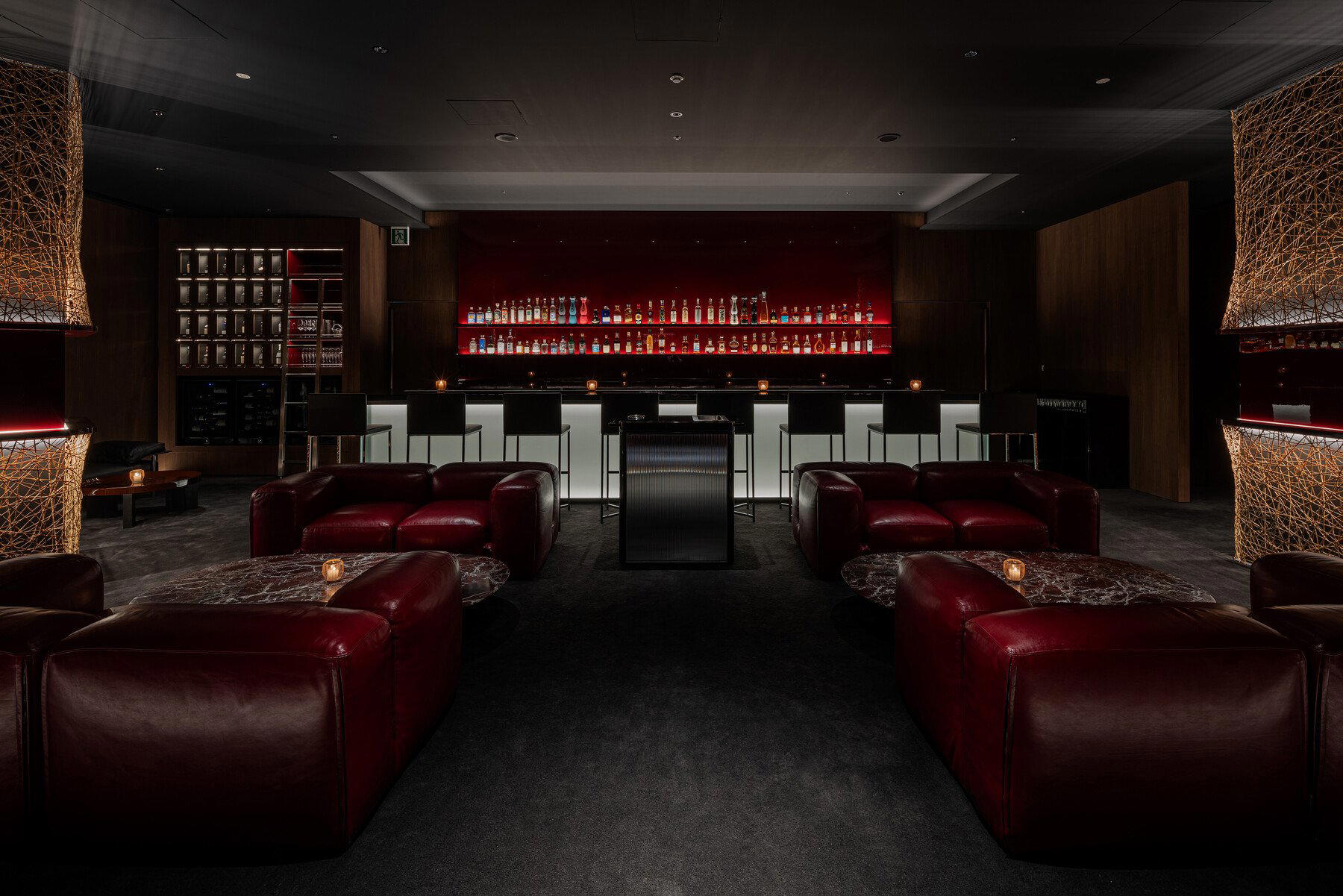



Hotels in Kobe
Browse all →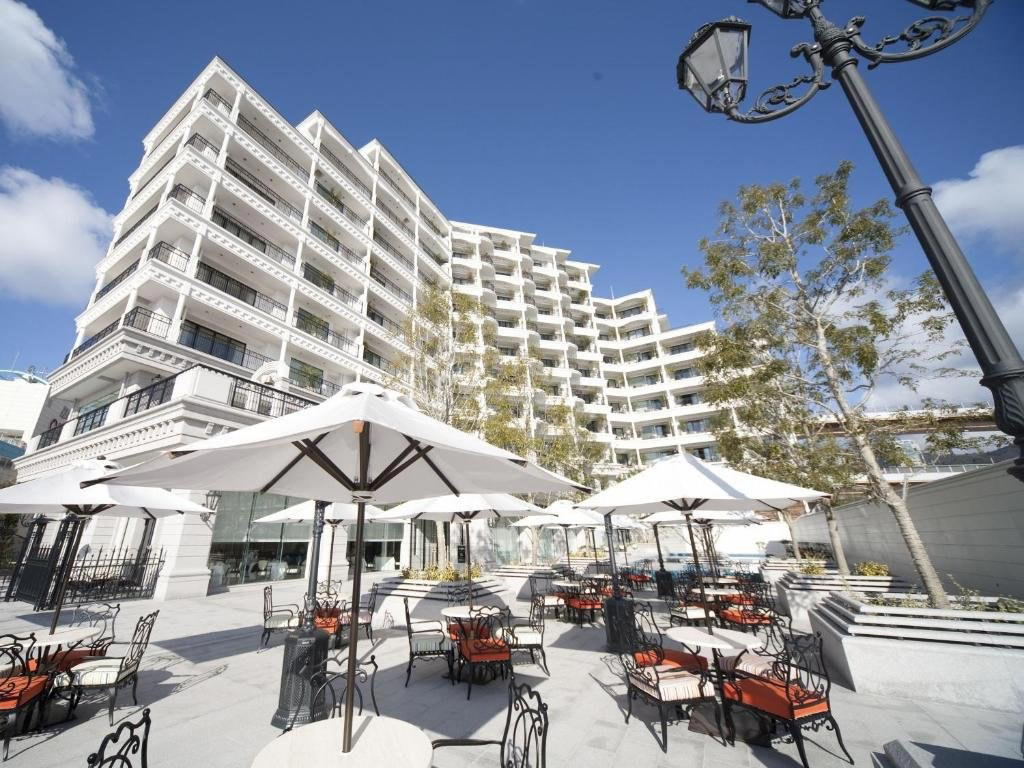

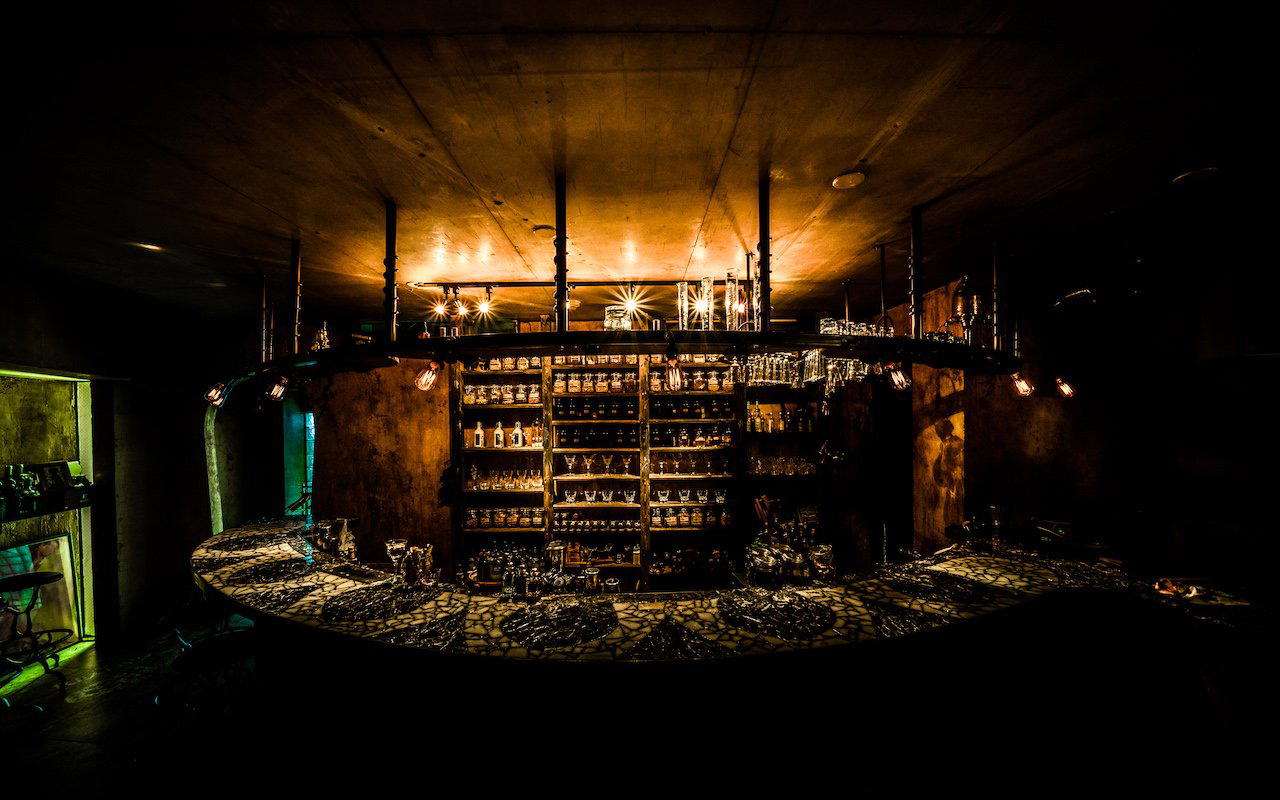
Wineries in Kobe
Browse all →
At a Glance
- Classic
- Cozy
- Quiet
- Solo
- Casual Hangout
- Family
- After Work
- Standalone
Current opening hours
- Monday
- 11:30 AM–2 PM
- Tuesday
- Closed
- Wednesday
- 11:30 AM–2 PM
- Thursday
- 11:30 AM–2 PM
- Friday
- 11:30 AM–2 PM
- Saturday
- 11:30 AM–2 PM
- Sunday
- 11:30 AM–2 PM
Hours can change for holidays and private events. Last verified .
Simple and traditional soba-ya atmosphere with understated decor, calm background noise, and a focus on the food rather than design flourishes; it feels like a quiet neighborhood spot suited to relaxed solo or small-party meals.