
Le Shmiki is a compact Kobe cafe and cake address near Hanakuma, selected for Tabelog Cafe WEST “Tabelog 100” 2025. Its appeal sits in a local tradition that treats cake shops and coffee counters as serious daily rituals rather than decorative stops between meals.
Pearl is the En Primeur Club membership app — saves, bookings, and concierge access live there. Same editors, same standards.
- Address
- Japan, 〒650-0012 Hyogo, Kobe, Chuo Ward, Kitanagasadori, 7 Chome−1−27 ナカハラマンション 203
- Phone
- +81 78-585-8765
- Website
- instagram.com
 Saves & bookings on Pearl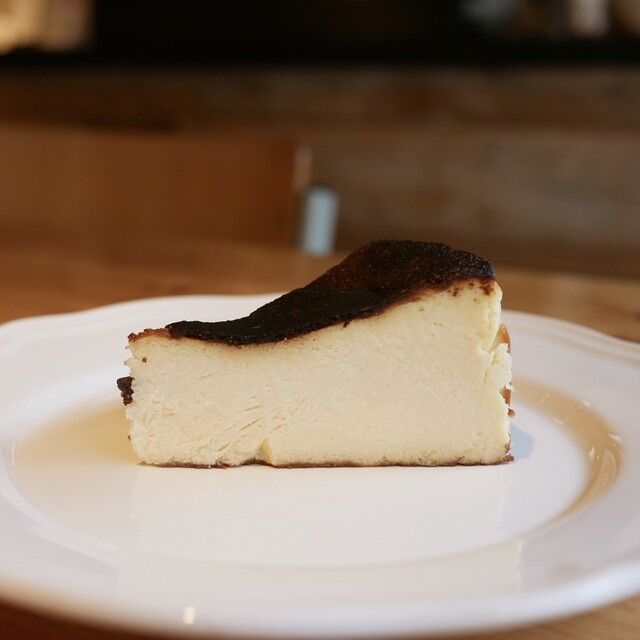
Kobe’s smaller cafe rooms are quieter than the city’s beef-house theatre. Around Hanakuma and Motomachi, department-store polish gives way to narrow upstairs rooms, small counters, and pastry cases treated with tasting-menu seriousness. Le Shmiki belongs to that compact Kobe register: cafe and cake rather than restaurant spectacle, with Tabelog Cafe WEST “Tabelog 100” 2025 recognition placing it inside western Japan’s competitive cafe conversation.
Kobe has long absorbed foreign influence at table. The port history that shaped Kitano, Motomachi, and the old trading districts made Western-style confectionery part of local life, not novelty. A cafe-cake address here is not just sugar and caffeine; it sits where patisserie, kissaten culture, and afternoon retail rhythms overlap. Limited seating, take-out demand, and a short operating week are how small Japanese cake shops manage quality, queues, and neighbourhood tolerance.
Kobe's cafe culture rewards precision over scale
The comparison is not grand hotel lounges or tourist dessert rooms, but the small western Japan cafe category Tabelog separates and tracks. Selection for Tabelog Cafe WEST “Tabelog 100” 2025 is the clearest public signal, especially where national guidebooks privilege formal dining and high-spend restaurants. Cafe recognition in Japan often reflects consistency across a narrow format: cake, coffee, service rhythm, and holding local demand without expanding into a larger, less personal room.
That Kobe context matters. A city famous abroad for beef also has a dense low-to-mid spend layer, from old coffee shops to curry counters, bakeries, and cake rooms. The contrast with Kobe’s beef circuit is sharp: Aburi Niku Kobo Wakkoku Shinkobe ten and Aburi Niku Kobo Wakkoqu Kitano Sakamoto Ten are built around meat provenance and grill-side performance, while the cafe-cake tier works through repetition, restraint, and small-ticket frequency. Akaneya Coffee Ten gives another Kobe angle on coffee culture, while Akari and Ali's Halal Kitchen show how wide the casual map becomes once the beef shorthand is set aside.
Le Shmiki’s format suits solo dining. Japanese cafe culture has long made room for the single guest: a counter seat, small table, book, and quiet order. In Kobe, cafe stops thread into station-to-station movement across Motomachi, Hanakuma, and the waterfront edge. The experience is a disciplined neighbourhood ritual more than a destination meal.
The small-room cake shop as a serious Kobe format
In mature dessert cities, strong cake shops often resist enlargement. Small rooms keep production, display, and service close, forcing a clear choice: eat in if a seat is available, take away if full, or return earlier if the day’s rhythm has moved on. This is not inconvenience as charm; it is the operating logic of freshness, limited batches, and local foot traffic.
The root is partly French patisserie, partly Japanese precision, and partly the older kissaten idea that a cafe can be social and solitary. Kobe’s port history normalized Western sweets, but the local form is not a European copy. It is smaller, tidier, and integrated into the day: lunch substitute, mid-afternoon pause, take-home box, or quiet solo stop between errands. Le Shmiki fits that Kobe pattern better than a large dessert salon would.
For travellers, pair this stop with a neighbourhood walk rather than an isolated booking. Motomachi’s arc makes that easy, with coffee, cake, shopping streets, and station access close enough for a short detour. Readers building a wider Kobe plan can use Our full Kobe restaurants guide for dining, Our full Kobe hotels guide for where to stay, Our full Kobe bars guide for drinking after dark, Our full Kobe wineries guide for regional wine context, and Our full Kobe experiences guide for cultural planning beyond the table.
How to read it against Japan's wider casual dining map
Japan’s casual food culture is not casual in standards. Lower-spend categories often carry intense specialization: a curry shop may focus on spice balance, an onigiri counter on rice handling, a cafe on cake texture and coffee pacing. A cafe award can matter to a serious eater as much as a formal restaurant listing. The signal is not luxury; it is category discipline.
Kobe’s cake-and-cafe layer gains definition against the national spread. Osaka has its compact cafe grammar, visible in addresses such as.cafe in Osaka, while Kyushu’s independent dining energy appears in places like.know in Kumamoto. Tokyo’s casual spectrum runs from seafood-and-charcoal rooms such as. 鮪と炭火焼き うお炭 秋葉原店 in Tokyo to hyper-specific snack formats, while regional specialists such as [Curry Senmon Ten] Maruyama Kyoju. in Sapporo show how one category can carry a local following.
That lens prevents the wrong expectation. The restaurant is not competing with Kobe’s higher-spend dinner rooms such as Ouraku En or Mangetsu, nor with the quick-service urban appeal of BRISK STAND Koube honten. Its local logic is closer to the cake-shop economy represented by Mama no Eranda Motomachi Cake Motomachi honten, with cafe structure making recognition, queue behaviour, and small capacity meaningful signals. Sion sits in another casual price band, but the point holds: Kobe’s value is not only beef; it is narrow formats executed with conviction.
International readers can read the category alongside other precise Japanese comfort formats abroad, from Jōdo Saké Bar in Los Angeles to Onigiri Time in Pasadena. Different cities and foodways, same lesson: a modest format can carry serious cultural information when details are controlled.
The EP Club view: treat the restaurant as a small Kobe cafe-cake reference point, not a trophy meal. Its value is what it reveals about everyday pastry culture, where western influence, Japanese order, and neighbourhood scale meet in a room asking for patience rather than ceremony. For a broader Japan itinerary, it counterweights beef counters, sushi bars, and destination dinners; for Kobe, it reminds that quieter sweets culture deserves the attention given grill rooms.
Further afield, category specialists such as -Grilled beef Sukiyaki- KAMAKURA TANUKIAN 鎌倉 たぬき庵 in Kamakura and (Shoku) Vietnam in Kawasaki underline how Japanese city dining is built from focused rooms rather than broad menus. Kobe’s cafe culture belongs in that reading: small, specific, and more revealing than its spend level suggests.
Price and Positioning
Comparable venues by cuisine and price in the same metro.
| Venue | Cuisine | Price | Notes |
|---|---|---|---|
| Le ShmikiThis venue — the venue you are viewing | Chūō, Cafe & cake shop | $ | Not listed |
| Pane Ho Maretta | Chūō, Popular Kobe artisan bakery | $ | Not listed |
| Marche | Chūō, Bakery Café | $ | Not listed |
| Place de Pasto | Chūō, French-inspired bakery & deli | $ | Not listed |
| Yoshoku Masuda | Not listed | $ | Chūō, Traditional yoshoku (Japanese-style Western) |
| Gyoza Daigaku | Not listed | $ | Chūō, Japanese Dumplings (Gyoza) |
Recognition history
Dated appearances from independent guides and award organizations, with the underlying list record or original source where available.
Tabelog 100 #3 · No. 3
Tabelog · Tabelog 100 - Cafe - WEST - 2025







At a Glance
- Solo
- Casual Hangout
- Late Night
- Standalone
Current opening hours
- Monday
- Closed
- Tuesday
- Closed
- Wednesday
- Closed
- Thursday
- 11 AM–7 PM
- Friday
- 11 AM–7 PM
- Saturday
- 11 AM–7 PM
- Sunday
- 11 AM–7 PM
Hours can change for holidays and private events. Last verified .
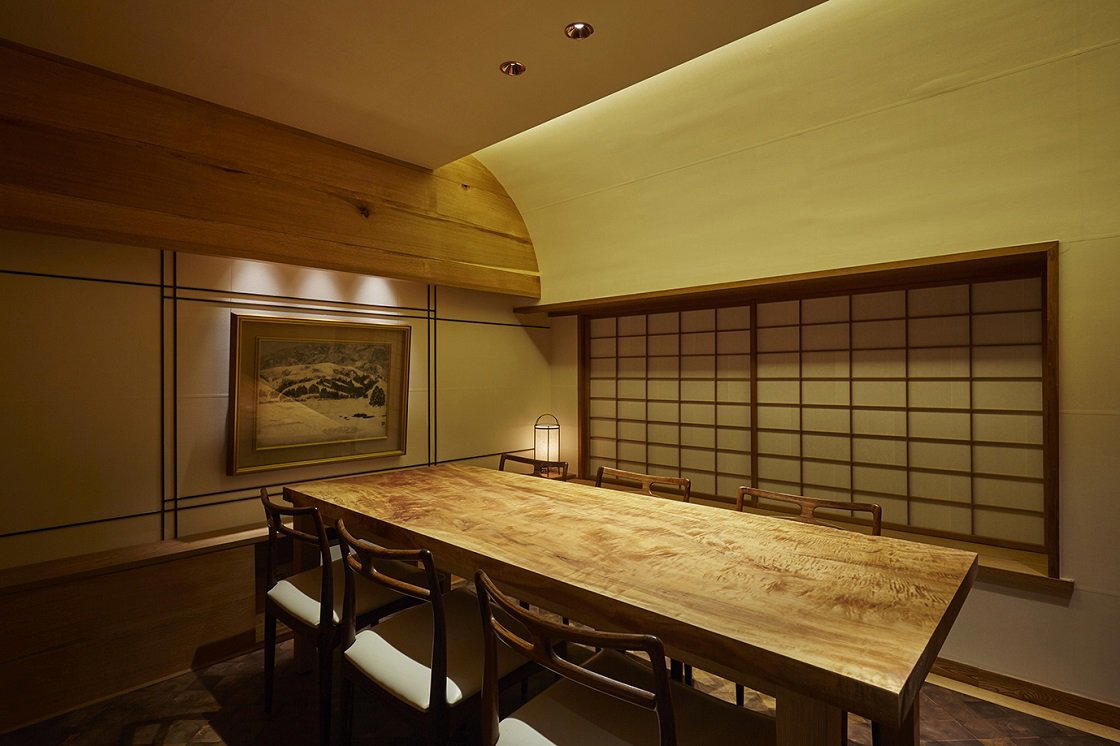
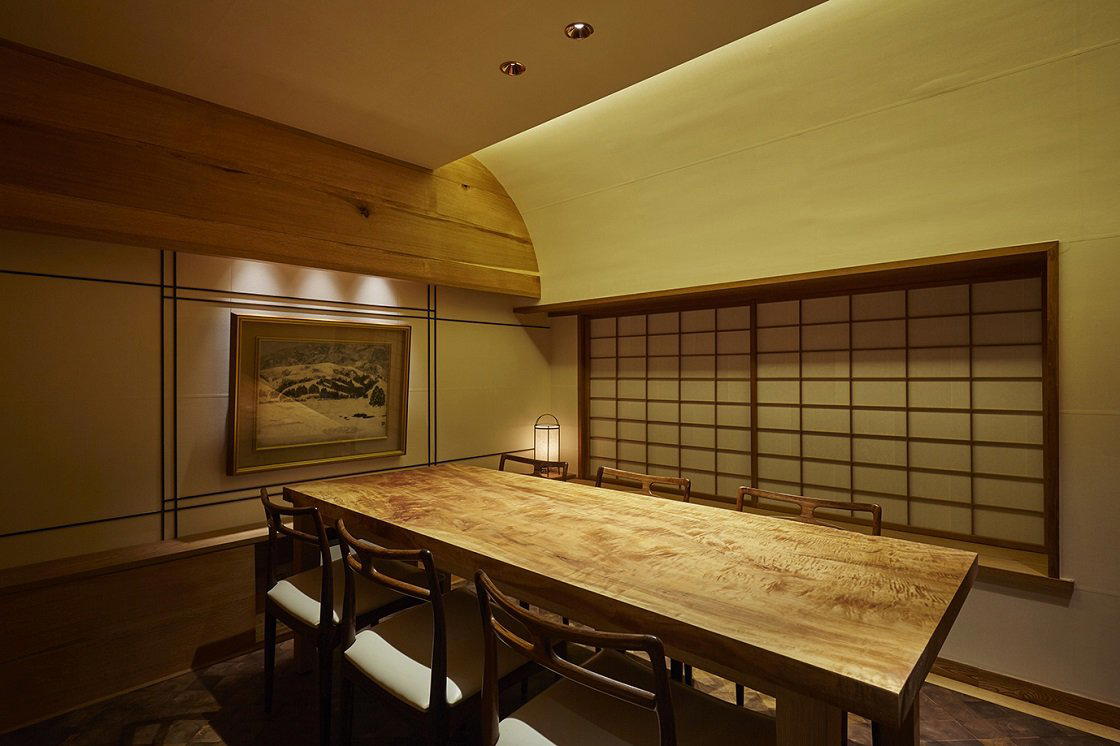
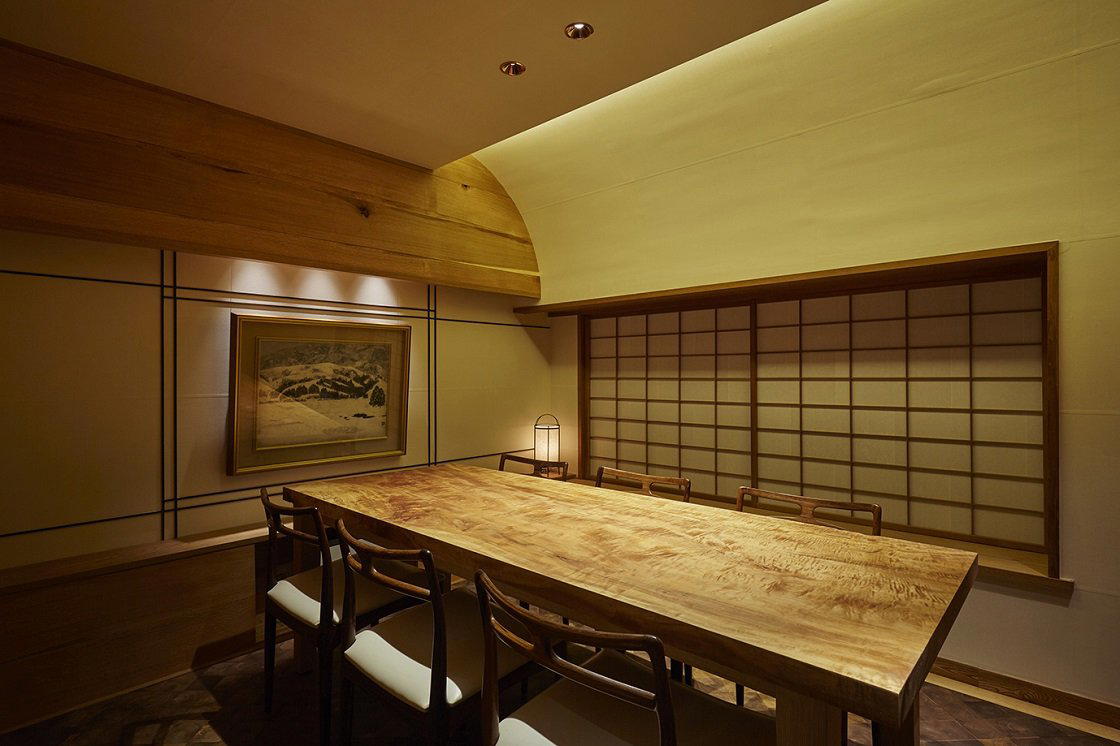
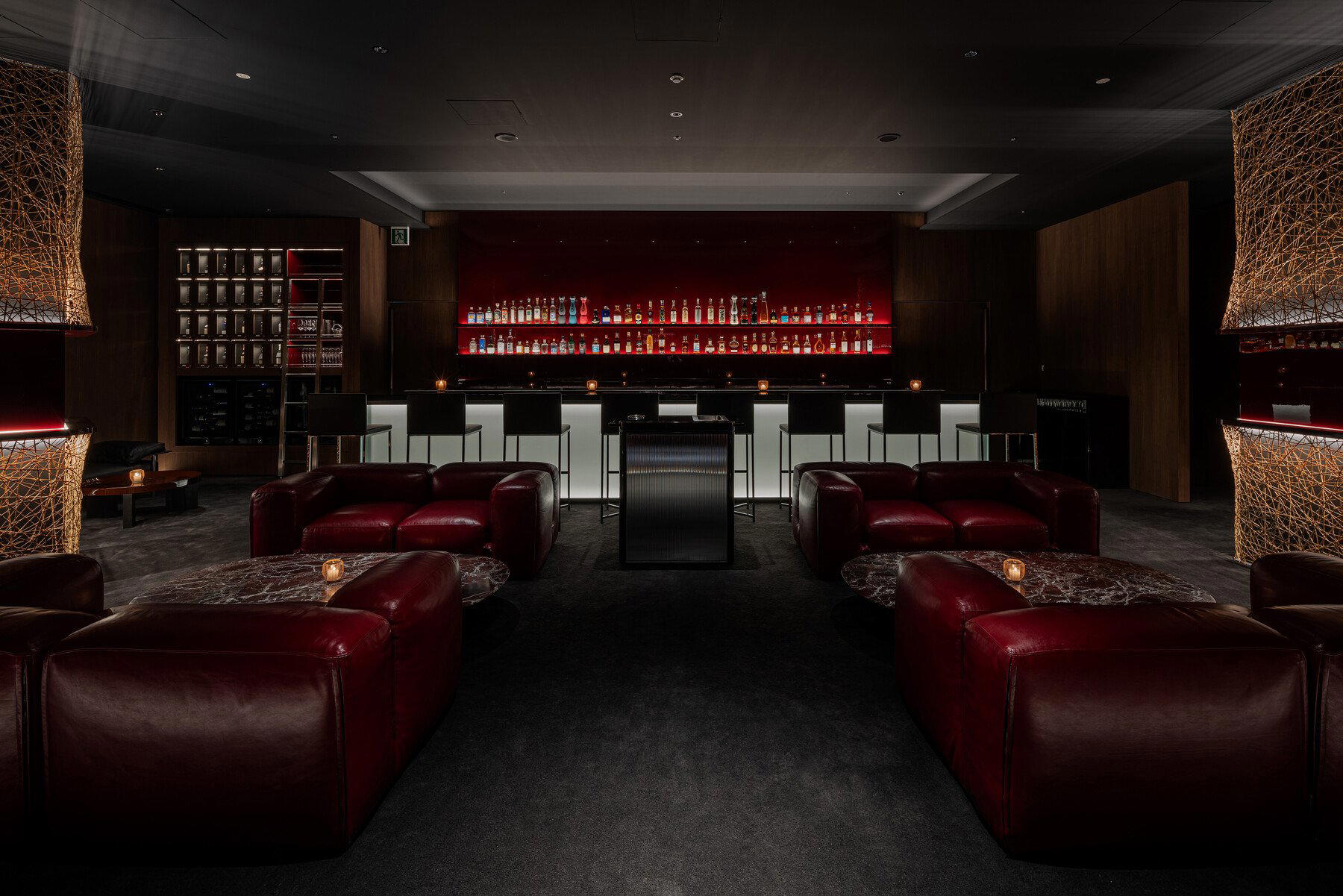
Based on its small 8-seat layout and classification as a cafe and cake shop, the atmosphere is likely quiet and relaxed, oriented around enjoying sweets in a compact indoor setting.