
Nagoya’s yoshoku tradition is strongest when it treats Western forms as local comfort food rather than imported theatre. Su Zu Ya Akamon ten sits in Osu’s occasion-dining lane: a 100-seat, non-smoking restaurant with private rooms, tatami seating, tonkatsu and bistro-leaning yoshoku, and repeated Tabelog 100 recognition across yoshoku and tonkatsu categories.
Pearl is the En Primeur Club membership app — saves, bookings, and concierge access live there. Same editors, same standards.
- Address
- 3 Chome-11-17 Osu, Naka Ward, Nagoya, Aichi 460-0011, Japan
- Phone
- +81 52-241-3752
- Website
- tabelog.com
 Saves & bookings on Pearl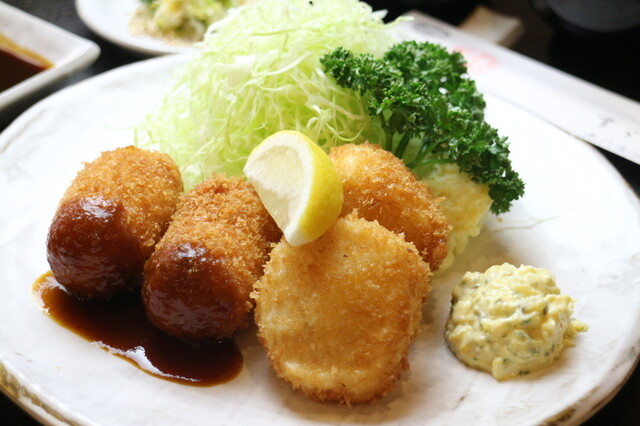
Osu changes texture quickly: temple-side foot traffic, covered shopping streets, small specialist shops, and restaurants that have fed several generations without chasing the mood of Sakae or Nagoya Station. In that setting, yoshoku makes sense. It is celebration food with working-neighbourhood manners, the kind of Japanese Western cooking built for families, friends, and low-formality milestone meals rather than tasting-menu ceremony.
Su Zu Ya Akamon ten belongs to that older Nagoya register. The restaurant’s public category mix, yoshoku, tonkatsu, and bistro, places it between cutlet house and Western-style dining room, a useful middle ground in a city where special-occasion meals do not always mean sushi counters or kaiseki rooms. Tabelog selected it for the Yoshoku EAST “Tabelog 100” in 2025, after earlier selections in yoshoku and tonkatsu categories, which gives the room a stronger critical signal than its modest price band might suggest.
Yoshoku as celebration food, not formal dining
Yoshoku in Japan is not a museum category. It absorbs frying, sauces, rice, stews, cutlets, gratins, and bistro habits, then serves them in a way that feels domestic and public at once. In Nagoya, that matters because the city’s dining identity has long balanced regional comfort foods with serious appetite. The point is not French correctness or Western nostalgia. The point is reliability, portion logic, and a room where a family lunch can sit beside a friends’ dinner without either feeling misplaced.
That is where Su Zu Ya Akamon ten earns its editorial interest. The venue lists 100 seats, private rooms for groups of 20 to 30, tatami rooms, non-smoking service, children welcome, take-out, and drinks spanning sake, shochu, and wine. Those details point to a restaurant designed for occasions that need structure without stiffness: birthdays with grandparents, a post-shopping meal in Osu, a small celebration where one person wants tonkatsu and another wants yoshoku rather than a course menu.
The comparison set in Nagoya clarifies the position. Yaba Misen occupies a similar everyday price band but speaks more directly to Nagoya’s miso-driven comfort-food identity. Izakaya Ooedo sits higher at dinner and reads as a drinking-led choice. Oosu Bakery and the local pizzeria addresses serve different rhythms: quick purchase, casual carb stop, or Italian-leaning table. Su Zu Ya Akamon ten is more useful when the meal needs to feel seated, multi-generational, and anchored by cooked dishes rather than snacks or bar pacing.
Why the Tabelog 100 signal matters in Osu
Tabelog’s Hyakumeiten lists tend to reward restaurants with sustained local pull, not only luxury formats. A 2025 Yoshoku EAST selection gives the restaurant a credential that travels better than casual word-of-mouth, especially for visitors trying to distinguish serious yoshoku from the many broad-menu Western-style restaurants found across Japanese shopping districts. The repeated selections across 2017, 2018, 2019, 2021, 2022, 2023, and 2025 also show continuity across both tonkatsu and yoshoku recognition.
That continuity is more useful than a single headline. In a city dining plan, it marks the restaurant as a credible middle-tier choice: not a splurge room, not a quick counter, and not a novelty stop. The listed lunch range of JPY 1,000 to JPY 1,999 and dinner range of JPY 2,000 to JPY 2,999 make it accessible for a planned meal, while the private-room and tatami-room details make it more occasion-capable than many restaurants in the same spend bracket.
Osu itself helps the case. The district rewards meals that can absorb mixed itineraries: temple visits, shopping arcades, electronics detours, vintage clothing, and café breaks. A restaurant near Kamimaezu with group-friendly seating and a yoshoku-tonkatsu axis functions as a practical anchor. It is not trying to compete with Ginza-style destination dining; it competes with the question every Nagoya visitor eventually faces: where to eat well with a group when nobody wants a fragile, overdesigned meal.
How to place it in a Nagoya itinerary
The planning logic is simple: use this as a Nagoya meal for comfort, recognition, and group flexibility. The restaurant operates lunch and dinner service on most days, with Thursday as the regular closed day. It is listed near Kamimaezu Station in Osu, and parking is not provided, though coin parking is listed nearby. Credit cards are accepted, electronic money is not, and d Barai is listed among QR payments, details that matter more in Japan than many travellers expect.
For a broader city edit, place it beside more specialist Nagoya choices rather than treating it as a lone destination. EP Club’s restaurant pages for 1022, 451, Aaron, Alan., and All Day Dining Montmartre help map the city’s range beyond one meal. For city-wide planning, use Our full Nagoya restaurants guide, then pair it with Our full Nagoya hotels guide, Our full Nagoya bars guide, Our full Nagoya wineries guide, and Our full Nagoya experiences guide.
Travellers building a wider Japan food itinerary can also compare how regional comfort formats shift across cities: -Grilled beef Sukiyaki- KAMAKURA TANUKIAN 鎌倉 たぬき庵 in Kamakura. 鮪と炭火焼き うお炭 秋葉原店 in Tokyo.cafe in Osaka.know in Kumamoto, (Shoku) Vietnam in Kawasaki, and [Curry Senmon Ten] Maruyama Kyoju. in Sapporo show how casual and mid-priced dining carries local identity. For Japanese food culture abroad, Jōdo Saké Bar in Los Angeles and Onigiri Time in Pasadena sit in a different diaspora context.
The editorial call is clear: this is a strong choice when a Nagoya meal needs to please several generations, stay within a moderate spend, and carry a recognized yoshoku credential. It is less suited to travellers seeking chef-counter intimacy or a nightlife-led meal. Its value lies in a durable Japanese Western format, a group-capable room, and Osu’s ability to turn an ordinary lunch or dinner into the centre of a day.
Just the Basics
Nearby venues at a similar price tier for orientation.
| Venue | Cuisine | Price | Notes |
|---|---|---|---|
| Su Zu Ya Akamon tenThis venue — the venue you are viewing | Naka, Classic Yoshoku & Tonkatsu | $$ | Not listed |
| Shabushabu Creative Izakaya Butagin Sakae ten | Naka, Lettuce Shabu-Shabu & Pork Izakaya | $$ | Not listed |
| 虹霓 | Nishi, japanese | Not listed | Not listed |
| takumi | Not listed | $$ | Naka, Charcoal-grilled Yakiniku & Izakaya |
| PORKMAN | Not listed | $$ | Naka, Japanese Yakiniku & Horumon Izakaya |
| Taniya | Nishi, Handmade Soba & Izakaya | $$ | Not listed |
Recognition history
Dated appearances from independent guides and award organizations, with the underlying list record or original source where available.
Tabelog 100 #6 · No. 6
Tabelog · Tabelog 100 - Yoshoku - EAST - 2025
Continue exploring
More in Nagoya
Restaurants in Nagoya
Browse all →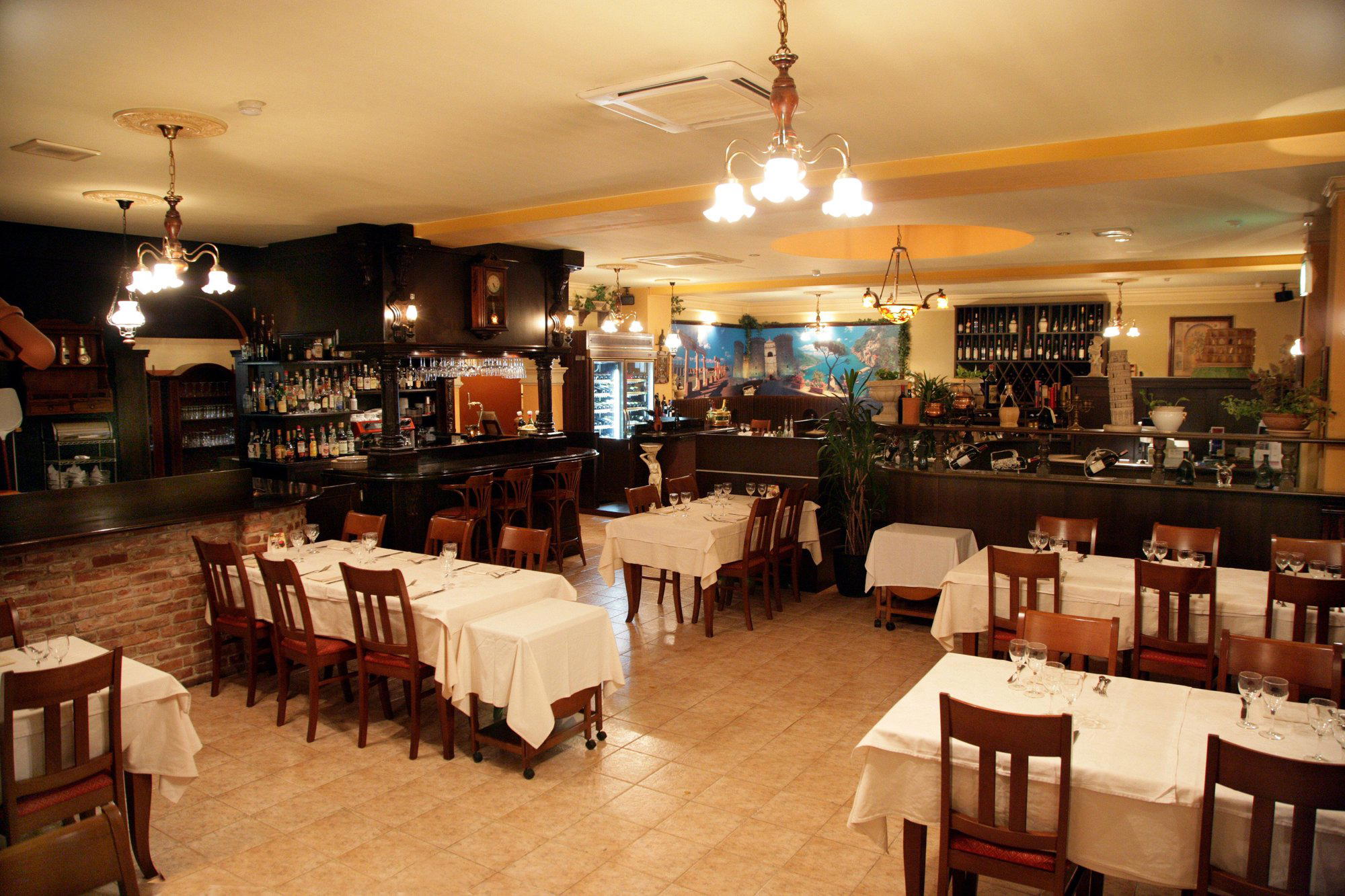
At a Glance
- Classic
- Cozy
- Lively
- Well Known
- Family
- Group Dining
- Casual Hangout
- Solo
- After Work
- Private Dining
- Standalone
Current opening hours
- Monday
- 11 AM–2:30 PM, 5–8:30 PM
- Tuesday
- 11 AM–2:30 PM, 5–8:30 PM
- Wednesday
- 11 AM–2:30 PM, 5–8:30 PM
- Thursday
- Closed
- Friday
- 11 AM–2:30 PM, 5–8:30 PM
- Saturday
- 11 AM–2:30 PM, 5–8:30 PM
- Sunday
- 11 AM–2:30 PM, 5–8:30 PM
Hours can change for holidays and private events. Last verified .