
Mitsumura brings Nagoya’s everyday tempura culture into sharper focus: a house-style restaurant in Shimizu with counter seats, tatami rooms, takeaway, and a 2025 Tabelog 100 Tempura selection. The appeal is less formal ceremony than range and accessibility, with lunch and dinner budgets kept in a modest band for a category that often turns expensive in Japan’s larger dining capitals.
Pearl is the En Primeur Club membership app — saves, bookings, and concierge access live there. Same editors, same standards.
- Address
- 3 Chome-19-18 Shimizu, Kita Ward, Nagoya, Aichi 462-0844, Japan
- Phone
- +81 52-911-3512
- Website
- tp-mitsumura.com
 Saves & bookings on Pearl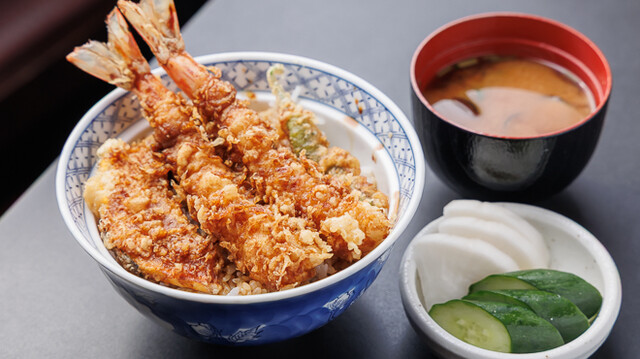
Shimizu is not the part of Nagoya built for grand dining entrances. The setting is residential and low-rise, and that matters: tempura here reads less as theatre and more as a neighbourhood habit sharpened by repetition. A house restaurant with counter seating, tables, tatami space, and family provisions sets a different rhythm from the hushed Ginza-style tempura counter. Mitsumura belongs to that Nagoya register, where the sound of service, the turnover of rice bowls, and the practicality of takeaway sit beside formal recognition.
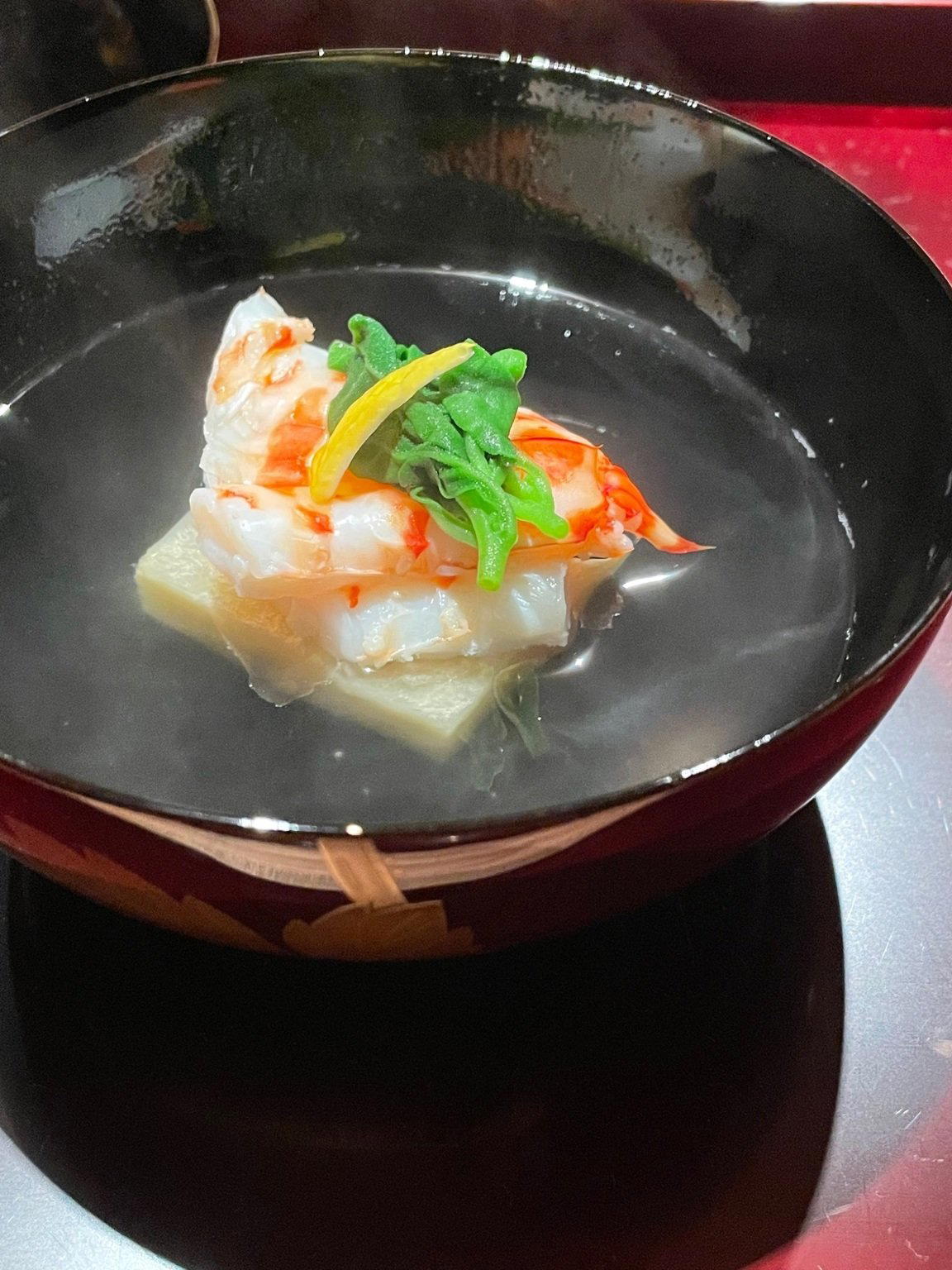
Tempura in Japan splits into two distinct experiences. One is the high-control counter meal, often staged piece by piece, with oil temperature, batter, and timing turned into a tasting-menu language. The other is tempura as a daily meal: tendon, set meals, seafood-led frying, rice, sauce, and enough speed to make lunch viable. Nagoya has room for both, but this address is strongest when understood through the second tradition. Its 2025 selection for Tabelog 100 Tempura gives the restaurant a national marker without moving it into the luxury category.
Tempura without the ceremony of a luxury counter
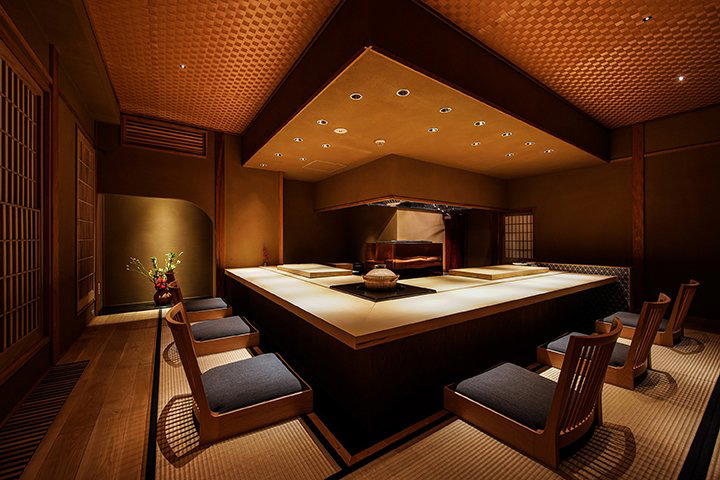
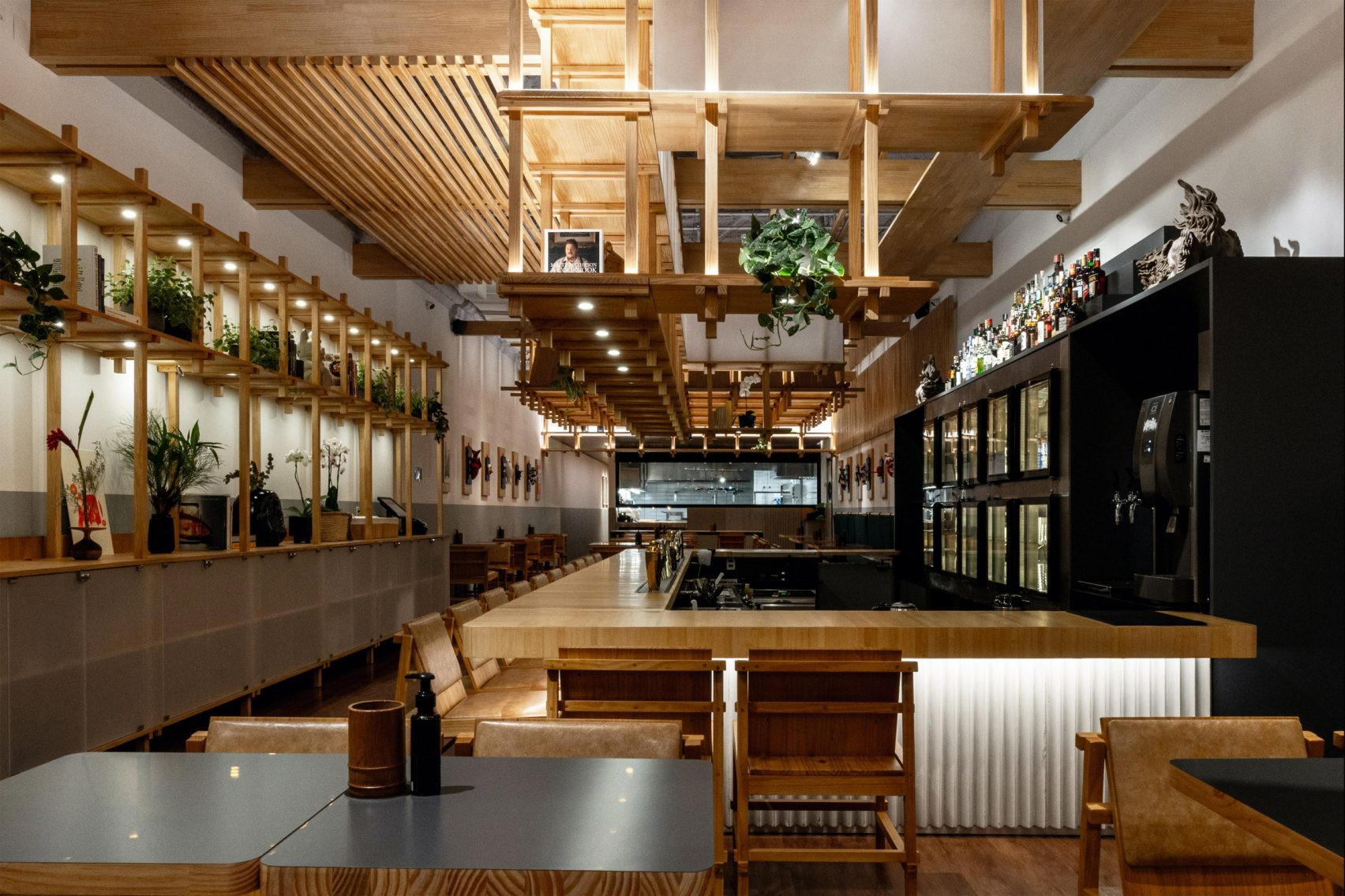
The useful way to read the room is through format. The ground floor includes 11 counter seats and two four-person tables, with further table seating upstairs; the total capacity is listed at 53 seats. That scale changes the meal. It is not the tiny counter model where every diner moves through the same sequence at the same pace. It is closer to a Nagoya tempura house built for repeat use: lunch, dinner, family meals, small groups, and takeaway.
The restaurant’s own positioning is seafood-conscious, with tempura and rice bowls at the centre and drinks running across sake, shochu, and wine. That combination places it in a practical middle ground. The category still depends on precision, but the experience is not asking diners to suspend the rest of the day around it. For travellers, that distinction is useful. A meal here can sit between a museum morning and an evening bar, rather than becoming the whole day’s project.
Recognition matters because affordable tempura is a crowded field. The 2025 Tabelog 100 Tempura selection, alongside a listed Tabelog score of 3.70, signals more than popularity; it puts the restaurant inside a curated national tempura conversation. In the immediate Nagoya comparison set, Kurokawa Yuuan Tei operates in a similar lunch-and-dinner budget band, while China Sichuan Kinsui En, Chuka Soba Shirakabe Aoi, and TETRA CONTA point to the area’s broader everyday eating economy. Mitsumura is the tempura choice in that context, not a generic stop for anyone merely passing through Kita Ward.
A Nagoya meal built around access, not spectacle
The room’s practical details say plenty about the intended audience. Children are welcome, with chairs and tableware provided. The restaurant is non-smoking, has free Wi-Fi, offers an English multilingual menu, and is wheelchair accessible. Private rooms are not part of the setup, but private use is available, with a seated maximum party size listed at 28. These are not cosmetic details; they explain why the restaurant functions as a local dining address rather than a destination counter dependent on scarcity.
That accessibility should not be mistaken for lack of discipline. Tempura’s margin for error is narrow: batter, oil, moisture, and service timing have to hold under pressure. Larger tempura restaurants can fail when volume flattens the cooking. The evidence here points to the opposite kind of appeal: a house that handles scale while keeping enough focus to be selected for a national tempura list. The takeaway option adds another clue. Rice bowls and tempura to go are part of the operation, which ties the restaurant to the everyday tendon tradition rather than the rarefied tasting-counter economy.
Nagoya dining often rewards travellers who move beyond the station-and-Sakae axis. The city’s better casual meals are frequently found in neighbourhoods where the price-to-quality ratio is protected by local demand rather than visitor traffic. Shimizu, on the Meitetsu Seto Line, fits that pattern. A four-minute walk from the station makes the restaurant workable without turning it into a central-city convenience play, and the listed parking, 6 spaces in front and 13 behind, explains its pull for local families and groups.
How to place it in a Nagoya itinerary
For a visitor mapping food across the city, this is a useful counterweight to more polished hotel dining and nightlife-led itineraries. The smarter move is to treat it as a focused tempura stop in Kita Ward, then build the rest of the day around Nagoya’s stronger neighbourhood contrasts. For broader planning, Our full Nagoya restaurants guide gives the citywide frame, while Our full Nagoya hotels guide, Our full Nagoya bars guide, Our full Nagoya wineries guide, and Our full Nagoya experiences guide help separate a meal-led visit from a full weekend plan.
The internal comparison also helps. Nagoya’s dining range moves from compact specialist addresses such as 1022, 451, Aaron, Alan., and All Day Dining Montmartre to regional Japanese cooking formats found well beyond Aichi. For context across Japan, compare the category logic with -Grilled beef Sukiyaki- KAMAKURA TANUKIAN 鎌倉 たぬき庵 in Kamakura,. 鮪と炭火焼き うお炭 秋葉原店 in Tokyo,.cafe in Osaka,.know in Kumamoto, (Shoku) Vietnam in Kawasaki, and [Curry Senmon Ten] Maruyama Kyoju. in Sapporo. Even overseas Japanese formats such as Jōdo Saké Bar in Los Angeles and Onigiri Time in Pasadena underline the same point: casual Japanese food travels well, but the local infrastructure behind it rarely does.
The verdict is clear enough without over-dressing it. Mitsumura is for diners who want tempura as Nagoya residents use it: accessible, seafood-led, efficient, and grounded in a room that can handle counters, tables, families, and takeaway. The Tabelog 100 Tempura 2025 selection gives it a national credential; the neighbourhood format keeps the experience from becoming precious. In a city where some meals hide behind convenience, this one makes its case through category focus and local utility.
Price and Positioning
Comparable venues at a glance for context.
| Venue | Price | Awards | Notes |
|---|---|---|---|
| MitsumuraThis venue — the venue you are viewing | $$ | , | |
| Lucca | $$ | , | Naka, Meat-focused Japanese Izakaya & Dining Bar |
| SUSURU Fushimi hanare | $$ | , | Naka, Chicken paitan ramen & Chinese-style small plates |
| 料亭 香楽 | , | , | Higashi, Nagoya Hitsumabushi Eel Restaurant |
| Curry Udon Shachinoya | $$ | , | Kita, Nagoya curry udon and udon noodle shop |
| Hamburger Steak Shokudo Enomoto Yoshihiro Shoten | $$ | , | Higashi, Japanese Hamburger Steak / Yoshoku |
Continue exploring
More in Nagoya
Restaurants in Nagoya
Browse all →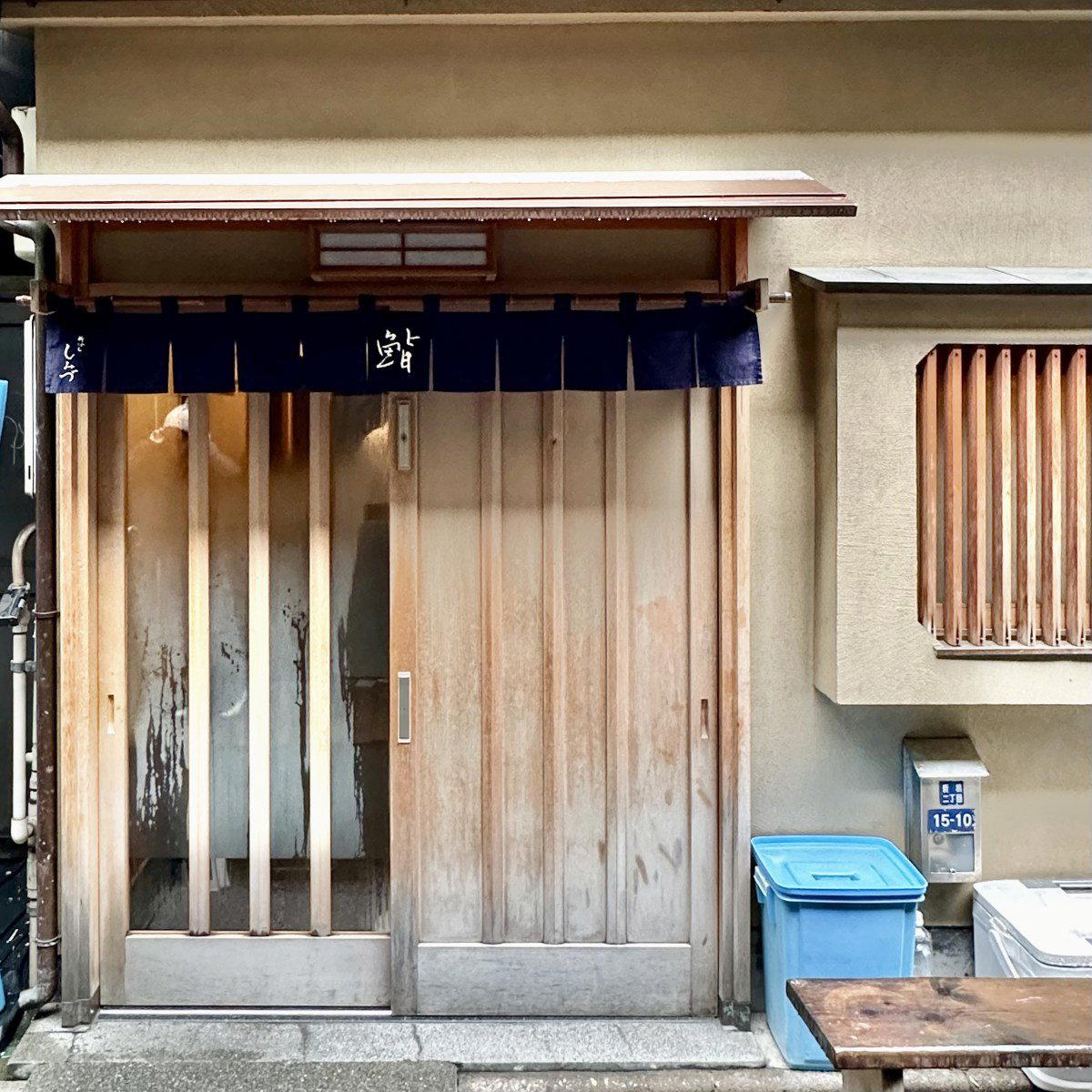
At a Glance
- Lively
- Classic
- Cozy
- Iconic
- Solo
- Family
- Group Dining
- Casual Hangout
- After Work
- Chefs Counter
- Standalone
A classic, compact tempura counter with the sound of sizzling oil, the aroma of shrimp, and a lively, casual neighborhood atmosphere that often includes queues at peak times.