Guilford Hall Brewery
Our verdict
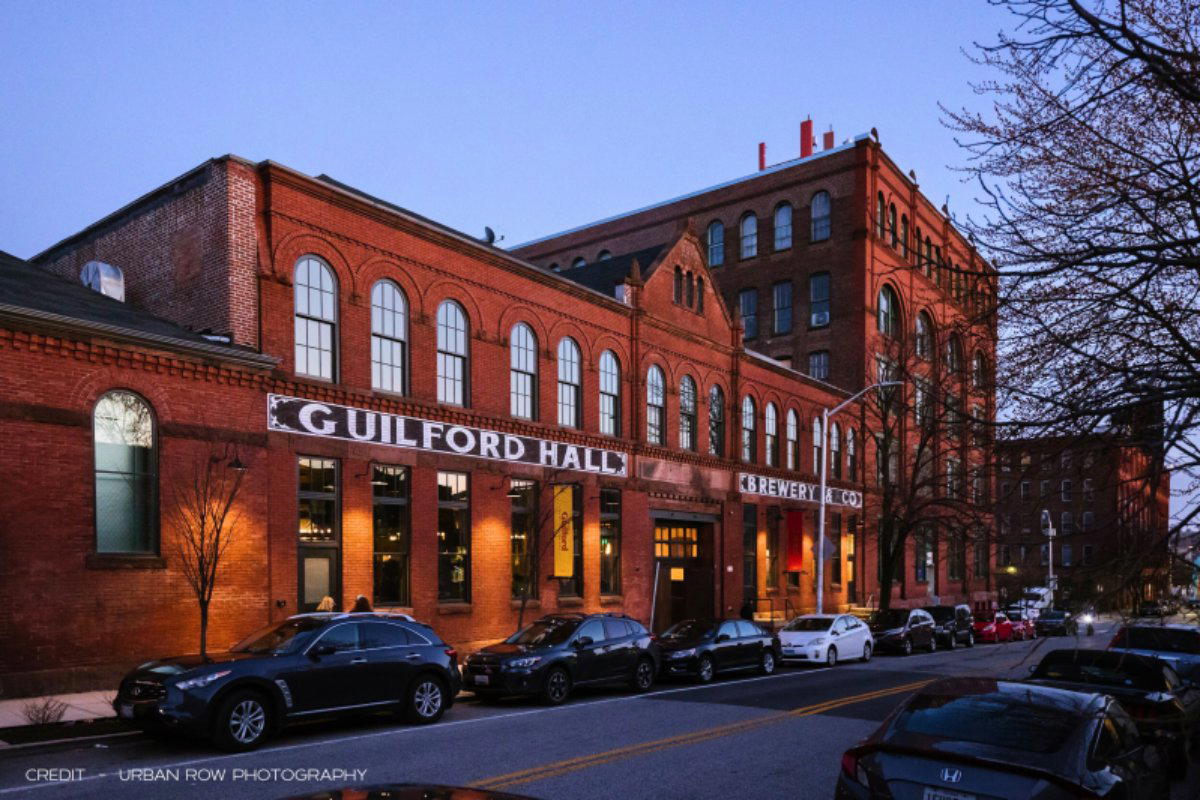
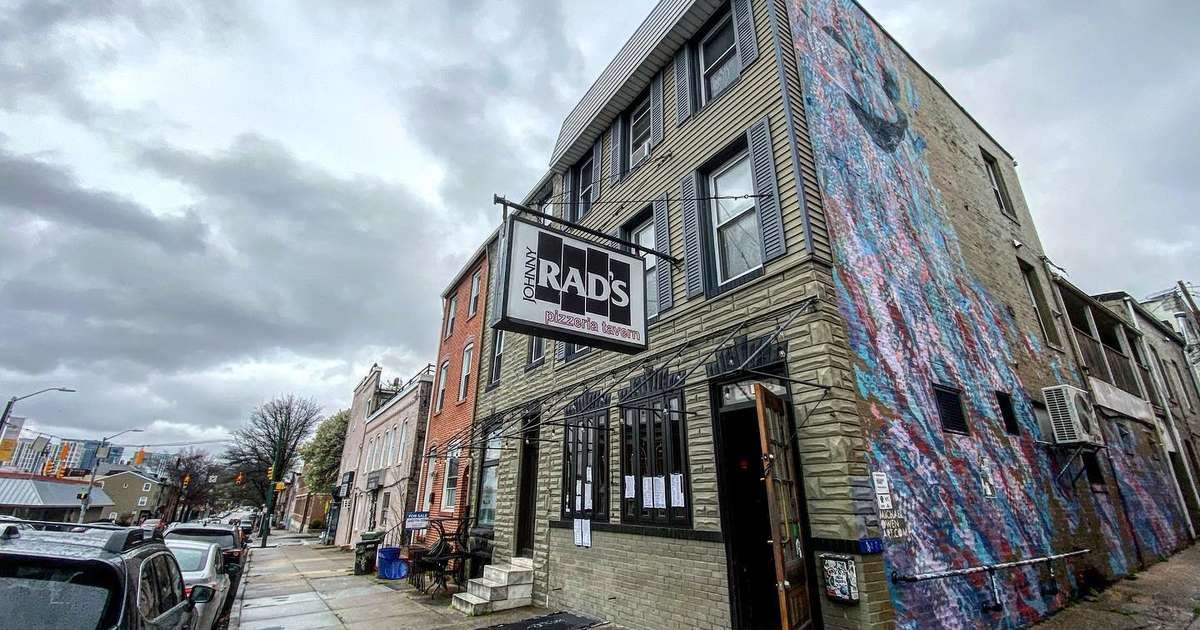
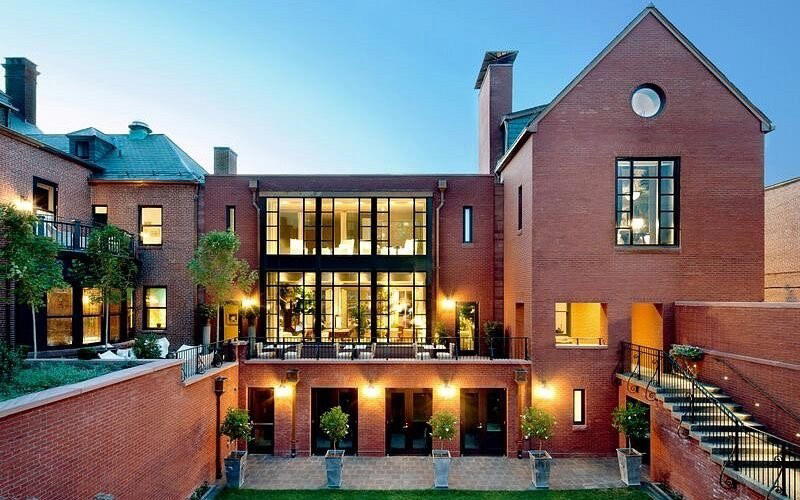
Guilford Hall occupies a mid-century address on Guilford Avenue in Baltimore's Station North arts corridor, a neighbourhood where the dining scene has shifted from afterthought to destination over the past decade. The space itself does much of the editorial work, placing it in the tier of Baltimore venues where architecture and atmosphere carry as much weight as what arrives at the table.

Pearl is the En Primeur Club membership app — saves, bookings, and concierge access live there. Same editors, same standards.
The menu
What to order
- Guilford Giant Pretzel
- Bangers and Mash
Station North and the Architecture of Intention
Baltimore's Station North district has undergone a recognisable pattern seen in post-industrial creative corridors across American cities: cheap rents attract artists, artists attract restaurants, and restaurants eventually attract the kind of operators who think carefully about what a room should feel like before they decide what to serve in it. Guilford Hall, at 1611 Guilford Ave, sits inside that trajectory. The address alone places it in a neighbourhood where the physical container of a dining room carries genuine editorial weight, because the buildings here have histories that predate their current tenants and spaces that resist easy renovation.
In American dining cities that have matured over the past two decades, the most telling split is no longer between formal and casual, but between spaces that were designed to disappear and spaces that ask to be read. The former category fills its walls with reclaimed wood and Edison bulbs and calls itself atmospheric. The latter category makes considered choices about sightlines, material honesty, and how a ceiling height affects the register of a conversation. Guilford Hall's Guilford Avenue position puts it in a part of Baltimore where that second approach has become the baseline expectation, because the neighbourhood's existing architecture already sets a high compositional bar.
How Baltimore's Dining Scene Frames the Room
To understand what Guilford Hall is doing, it helps to map Baltimore's broader dining geography. The city's restaurant scene has always operated in tiers that do not correspond neatly to price or formality. At one end sits the legacy fine dining model, represented most durably by Cindy Wolf's Charleston, which has held its position at the top of Baltimore's formal dining hierarchy long enough to function as a reference point rather than a trend. At the other end, neighbourhood operators like Angeli's Pizzeria and community anchors like Akbar serve their immediate corridors with a different set of priorities entirely.
The more interesting middle ground is where spaces like Guilford Hall operate: venues whose spatial identity is as deliberate as their menus, positioned in neighbourhoods where design choices read as statements rather than defaults. Baltimore has developed a genuinely competitive set in this register, alongside places like dede (Turkish), which occupies a similar conceptual tier, and 16 On The Park, where the relationship between interior space and neighbourhood context is central to the proposition. Each of these venues makes a case for Baltimore as a city where considered hospitality design is no longer confined to one or two celebrated outliers.
Nationally, the venues that have most successfully fused spatial intelligence with culinary ambition tend to share a resistance to formula. Lazy Bear in San Francisco and Alinea in Chicago both built reputations partly on the premise that the room itself is a medium, not a backdrop. At the farm-to-table end of that argument, Blue Hill at Stone Barns in Tarrytown and Single Thread Farm in Healdsburg demonstrate how architecture and landscape can be as load-bearing as any kitchen credential. Guilford Hall operates in a different scale and context, but the underlying question, what does this room want the experience to be, is the same one those venues answer with deliberate force.
The Physical Argument
Station North's building stock skews toward early twentieth-century commercial and residential forms: brick facades, generous ceiling heights, and structural bones that resist the kind of generic strip-out that levels so many American dining interiors. A venue at this address inherits a spatial situation with strong defaults, which means the design decisions that matter most are the ones that work with rather than against what is already there. Seating arrangements in spaces with these proportions tend to reward restraint: fewer covers per square foot, sightlines that allow the room to read as a whole rather than fragment into sections, and material choices that acknowledge the existing palette rather than painting over it.
This is the spatial logic that distinguishes the better operators in creative-corridor neighbourhoods from those who treat the address as branding and the interior as an afterthought. Baltimore's dining public, particularly in the arts districts, has become sufficiently experienced to notice the difference. The comparison set is not just local: Le Bernardin in New York City and Providence in Los Angeles represent the formal end of rooms where spatial restraint is itself a statement. Atomix in New York City and The Inn at Little Washington demonstrate that regional American dining rooms can carry the same conceptual weight as any metropolitan benchmark.
What the Address Tells You
Guilford Avenue in the 1600 block sits at the intersection of residential density and creative-commercial activity that defines Station North at its most functional. The neighbourhood draws from a catchment that includes MICA students and faculty, the arts and media community around North Avenue, and the broader Mount Vernon and Charles Village residential population. This is a dining public that reads spaces critically, not just menus, which raises the threshold for what a room needs to do before anyone sits down.
For visiting diners, Station North is most conveniently accessed from the Mount Royal light rail station, which places Guilford Hall within a short walk of the main line connecting Penn Station to the Inner Harbour. The neighbourhood's walkability means that an evening here can extend naturally before or after the meal: the Charles Theatre is nearby, as are several of the bars and coffee spaces that have accumulated around the arts corridor over the past decade. Visitors coming from Washington, DC, where Addison in San Diego and Emeril's in New Orleans serve as reference points for what regional American dining rooms can achieve, will find Baltimore's Station North scene operating at a comparable level of spatial and culinary ambition, at a price point that the DC market rarely offers. For a broader orientation to where Guilford Hall sits within the city's dining map, the full Baltimore restaurants guide provides the necessary context. Hong Kong comparisons like 8 1/2 Otto e Mezzo Bombana illustrate how rooms with strong architectural identities create dining experiences that outlast any single menu cycle, a principle that applies as directly in Baltimore as anywhere.
Planning Your Visit
Current contact details, hours, and booking arrangements for Guilford Hall are best confirmed directly via the venue, as operating schedules in the Station North corridor can shift with programming and season. The neighbourhood is most active Thursday through Sunday evenings, when the surrounding arts venues draw additional foot traffic and the case for arriving early, to read the room before it fills, is strongest.
Frequently asked questions
Where is Guilford Hall in Baltimore?
Guilford Hall is located at 1611 Guilford Ave, Baltimore, MD 21202, Baltimore.
Is Guilford Hall a good option for a night out in Baltimore's arts district?
For anyone already in the Station North corridor — Baltimore's primary concentration of galleries, music venues, and independent food-and-drink operations — Guilford Hall at 1611 Guilford Ave sits at a block where residential density and creative-commercial activity converge, making it a geographically logical anchor for an evening in the neighborhood. The venue has not received formal award recognition in public records to date, but its position within one of Baltimore's most active arts districts gives it a contextual weight that purpose-built destination bars rarely achieve. Verify current hours and programming before visiting.
What's the must-try dish at Guilford Hall?
Specific menu details for Guilford Hall are best confirmed directly with the venue, as the kitchen program has not been formally documented in public sources. What the address at 1611 Guilford Ave does signal is a room shaped by Station North's creative-commercial identity, where food and drink programming tends to reflect the neighborhood's independent, non-formulaic character. Contact the venue for current offerings before your visit.
What's the best way to book Guilford Hall?
Phone and website details for Guilford Hall are not currently listed in public directories, so reaching out via direct visit or social media channels is the most reliable first step. Station North venues frequently update contact arrangements seasonally, so checking the most current listings for 1611 Guilford Ave, Baltimore, MD 21202 will give you the clearest picture of reservation or walk-in policy.
What has Guilford Hall built its reputation on?
Guilford Hall's reputation is rooted in its position within Station North, Baltimore's most concentrated creative corridor, where the building stock and neighborhood density create conditions for a genuinely local gathering dynamic. The Guilford Avenue address places it at the intersection of residential and arts-commercial activity that defines this part of the city, which tends to attract a crowd less interested in destination dining and more invested in the room itself.
What if I have allergies at Guilford Hall?
Anyone with specific dietary requirements should check the venue's official channels before visiting — the 1611 Guilford Ave address is the most reliable point of reference when reaching out in person or through available social channels.
Does Guilford Hall justify its prices?
Pricing information for Guilford Hall has not been publicly documented, so a direct value assessment isn't possible here. What the Station North location does suggest is that the venue operates in a neighborhood where price points tend to reflect independent ownership rather than hospitality-group overhead — generally a favorable signal for value relative to what's on the plate or in the glass. Confirm current pricing directly with the venue at 1611 Guilford Ave.
The Quick Read
Comparable venues nearby, for context on price, style, and recognition.
| Venue | Cuisine | Price | Awards | Notes |
|---|---|---|---|---|
| Guilford HallThis venue — the venue you are viewing | European Brew Pub | $20–30 | Not listed | Not listed |
| Dukem | Authentic Ethiopian | $20–30 | Not listed | Mount Vernon, Authentic Ethiopian |
| Watershed | Classic Maryland Seafood House | $30–50 | James Beard Award Best Chefs | Federal Hill, Classic Maryland Seafood House |
| Twist fells point | Mediterranean with American Twist | $20–30 | Not listed | Fells Point, Mediterranean with American Twist |
| Tapas Teatro | Spanish Tapas | $30–50 | Not listed | Station North, Spanish Tapas |
| The Urban Oyster | Black-Owned Chargrilled Oyster Bar | $20–30 | James Beard Award Semi Finalist | Hampden, Black-Owned Chargrilled Oyster Bar |
Continue exploring
More in Baltimore
Restaurants in Baltimore
All restaurants in Baltimore →
Bars in Baltimore
All bars in Baltimore →

Details
- Lively
- Industrial
- Historic
- Energetic
- Group Dining
- Casual Hangout
- Brunch
- Late Night
- Historic Building
- Open Kitchen
- Beer Program
- A La Carte
- Craft Beer
Current opening hours
- Monday
- Closed
- Tuesday
- 4–11 PM
- Wednesday
- 4–11 PM
- Thursday
- 4–11 PM
- Friday
- 4 PM–12 AM
- Saturday
- 11 AM–12 AM
- Sunday
- 11 AM–9 PM
Hours can change for holidays and private events. Last verified .
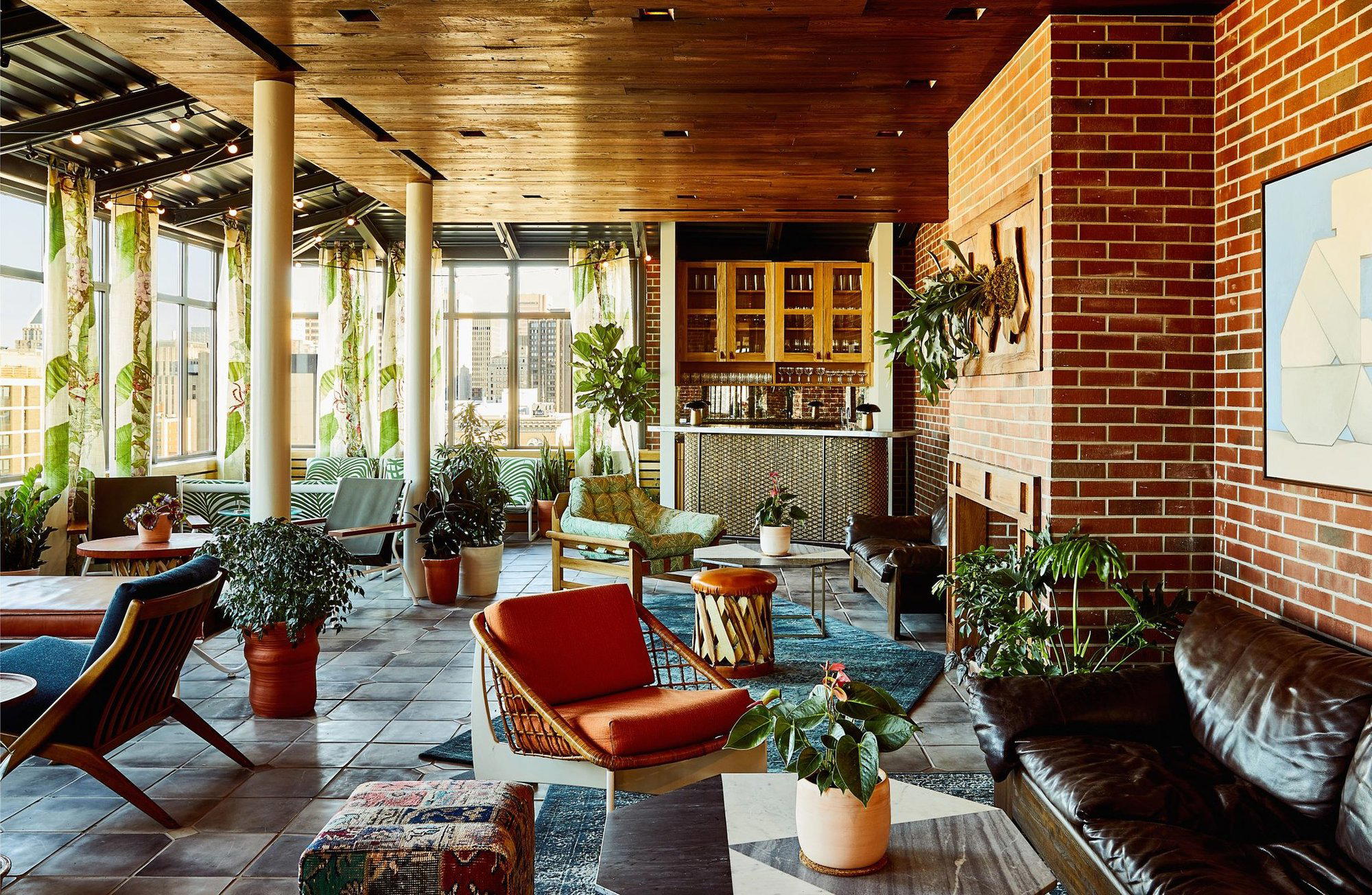
Spirited and lively atmosphere in a revitalized industrial historic space featuring an open-concept beer hall and intimate beer garden.