Benny's (Formerly Joe Benny’s)
Benny's, formerly known as Joe Benny's, occupies a corner of Baltimore's historic Little Italy at 300 S High St. The bar sits within a neighbourhood that has shaped the city's Italian-American dining culture for over a century, making it a reference point for understanding how South Baltimore's eating and drinking habits have evolved. Expect a room with deep local roots and the kind of unhurried pace that defines the area.

Pearl is the En Primeur Club membership app, where members save venues, book tables and use the concierge.
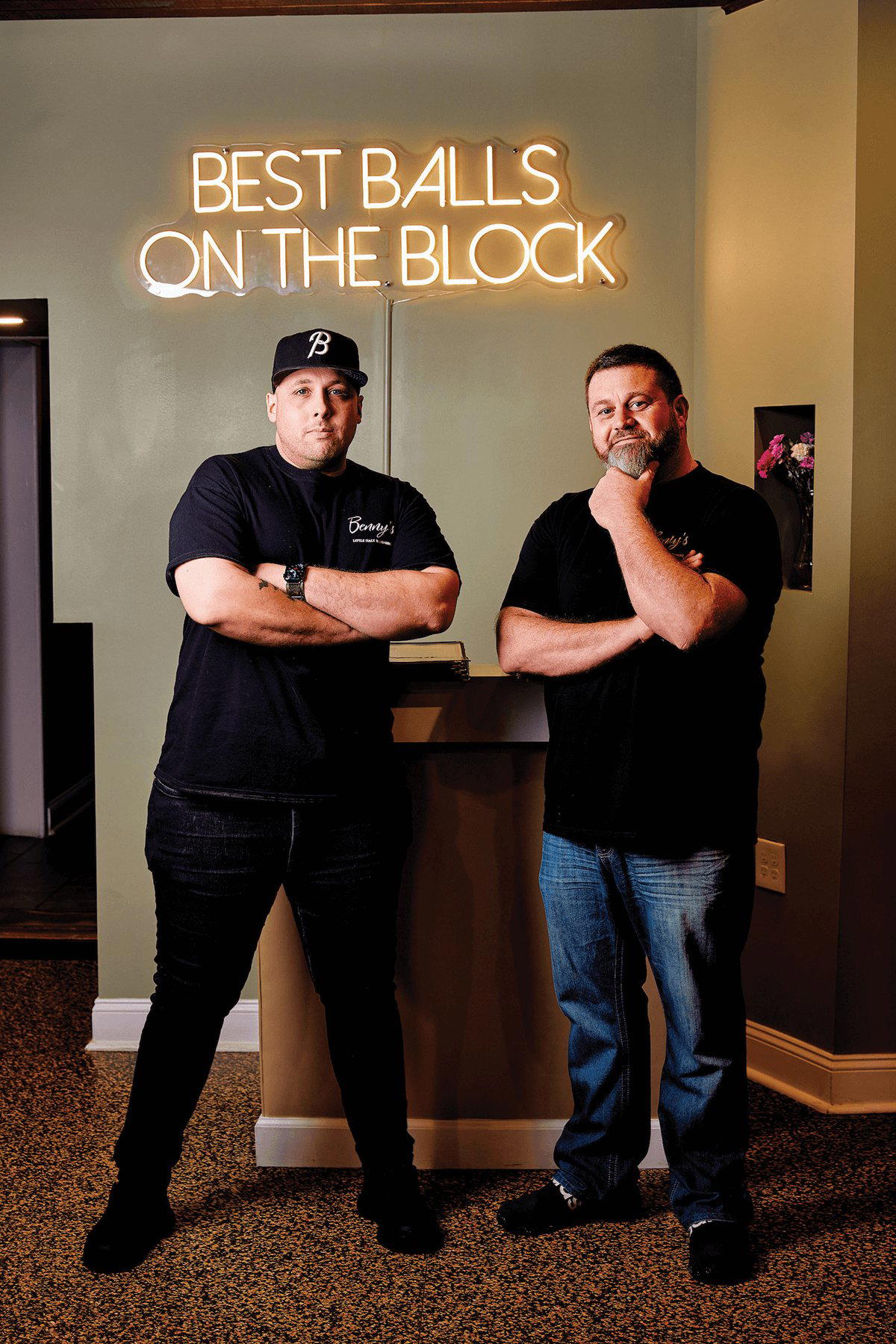
Little Italy, Corner Table: How Baltimore's Neighbourhood Bars Set the Pace
Baltimore's Little Italy occupies a compact grid of blocks south of the Inner Harbour where the rhythm of eating and drinking has always been set by the neighbourhood rather than by trends arriving from elsewhere. The corner at 300 S High St, where Benny's (formerly Joe Benny's) sits, is representative of that tradition: a space that has cycled through names while the surrounding streets have remained stubbornly consistent in character. In a city where dining culture is increasingly pulled between waterfront spectacle and the craft-bar scene spreading through Remington and Station North, Little Italy bars occupy a distinct register, slower, more habitual, tied to the idea that a good evening is measured in hours rather than courses.
The name change from Joe Benny's to Benny's signals the kind of quiet evolution common to long-standing neighbourhood spots. The underlying address, the corner position, the proximity to the block's Italian-American social fabric, these elements persist across the rebrand. For visitors arriving from outside Baltimore, the shorthand is useful: this part of South High Street has been a gathering point long enough that locals navigate it by instinct rather than by review aggregator.
The Ritual of the Room
The dining ritual at a Baltimore neighbourhood bar like Benny's is governed less by a printed menu arc than by a set of inherited social conventions. You arrive, you settle, the pace of the room tells you how fast to order. Little Italy venues have historically operated on the assumption that guests are not in transit, they are present. Contrast this with the technical-program bars now drawing attention in other American cities: Kumiko in Chicago or Bar Leather Apron in Honolulu both frame the drinking experience as a structured progression, almost theatrical in its precision. The South Baltimore neighbourhood bar works from the opposite premise: the structure is social, not choreographed.
That distinction matters when you're deciding where to spend an evening in Baltimore. If the appeal is a technically ambitious cocktail list with provenance notes and a bartender who wants to talk about clarification techniques, the scene has moved to other postcodes. What the Little Italy corner bar offers instead is the kind of accumulated atmosphere that only comes from a space that has been used continuously for a long time, where regulars set the tempo and visitors either sync to it or feel slightly out of place.
This model has parallels in other American cities where neighbourhood bar culture has survived the craft-cocktail displacement. Julep in Houston and Jewel of the South in New Orleans both carry strong local identity, though both operate closer to the programmatic end of the spectrum. The Baltimore equivalent, at its most characterful, resists programming as a matter of principle.
Little Italy in Baltimore's Broader Drinking Geography
Baltimore's bar scene has diversified considerably over the past decade. Remington and the area around R House have drawn younger operators building menus around local spirits and seasonal sourcing. The Inner Harbour corridor sustains a high volume of tourist-facing venues. Little Italy sits apart from both: too residential to function as a destination circuit, too established to reinvent itself for a new audience. Benny's address at 300 S High St places it on the edge of this neighbourhood, close enough to Fells Point to catch foot traffic moving east along the waterfront, but rooted firmly in the Italian-American residential grid.
For comparison within the Baltimore bar scene, venues like Alma Cocina Latina and Barcocina represent the city's Latin-inflected food-and-drink programming, while Baba'de extends Baltimore's range into African-influenced cooking. Alonso's holds a different kind of neighbourhood loyalty in North Baltimore.
The broader context is worth noting for visitors constructing an itinerary. Baltimore rewards the kind of reader who moves between registers, a technically ambitious meal at one address, an unhurried evening at a corner bar the next. Our full Baltimore restaurants guide maps those transitions across the city's distinct neighbourhoods.
What the Address Tells You
The specific location at 300 S High St is information in itself. High Street runs through the spine of Little Italy, and the even-numbered south end sits within walking distance of the Fells Point border. This matters logistically: parking in Little Italy is easier than in Fells Point proper, the streets are quieter after dark, and the neighbourhood operates on a schedule closer to a residential dinner hour than a late-night bar circuit. Visitors who have used the precision-drinking rooms in other cities, ABV in San Francisco, Superbueno in New York City, or The Parlour in Frankfurt, will find the mode of engagement here operates at a different register entirely.
Name change from Joe Benny's to Benny's suggests a continuity of ownership or concept rather than a full repositioning. In Little Italy, that kind of incremental evolution is the norm rather than the exception. Venues that survive in this neighbourhood do so by remaining legible to the people who live on the surrounding blocks, not by chasing the attentions of out-of-town reviewers.
Planning a Visit
Benny's is located at 300 S High St in Baltimore's Little Italy, a walkable distance from both the Inner Harbour and Fells Point. As with many neighbourhood venues in this part of the city, arriving early in the evening tends to mean easier seating and a more relaxed tempo, the room fills as the night progresses and locals move through their dinner hour.
What It’s Closest To
Comparable venues nearby, for context on price, style, and recognition.
| Venue | Cuisine | Price | Notes |
|---|---|---|---|
| Benny's (Formerly Joe Benny’s)This venue (the venue you are viewing) | pub | $20–30 | Not listed |
| Nepenthe Brewing Co. | beer_bar | $30–50 | Hampden |
| Union Craft Brewing | beer_bar | $20–30 | Woodberry |
| Birroteca Baltimore | beer_bar | Not listed | Hampden |
| Koco's Pub | pub | $20–30 | Lauraville |
| Mobtown Ballroom & Cafe | lounge | $10–20 | Station North |
Continue exploring
More in Baltimore
Bars in Baltimore
All bars in Baltimore →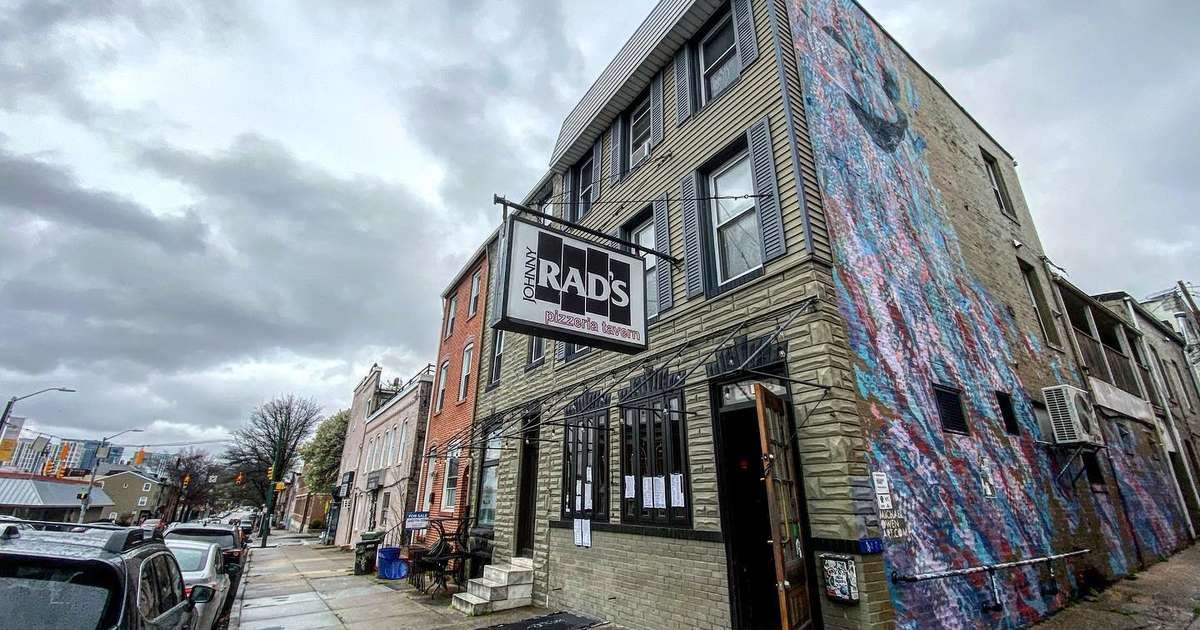
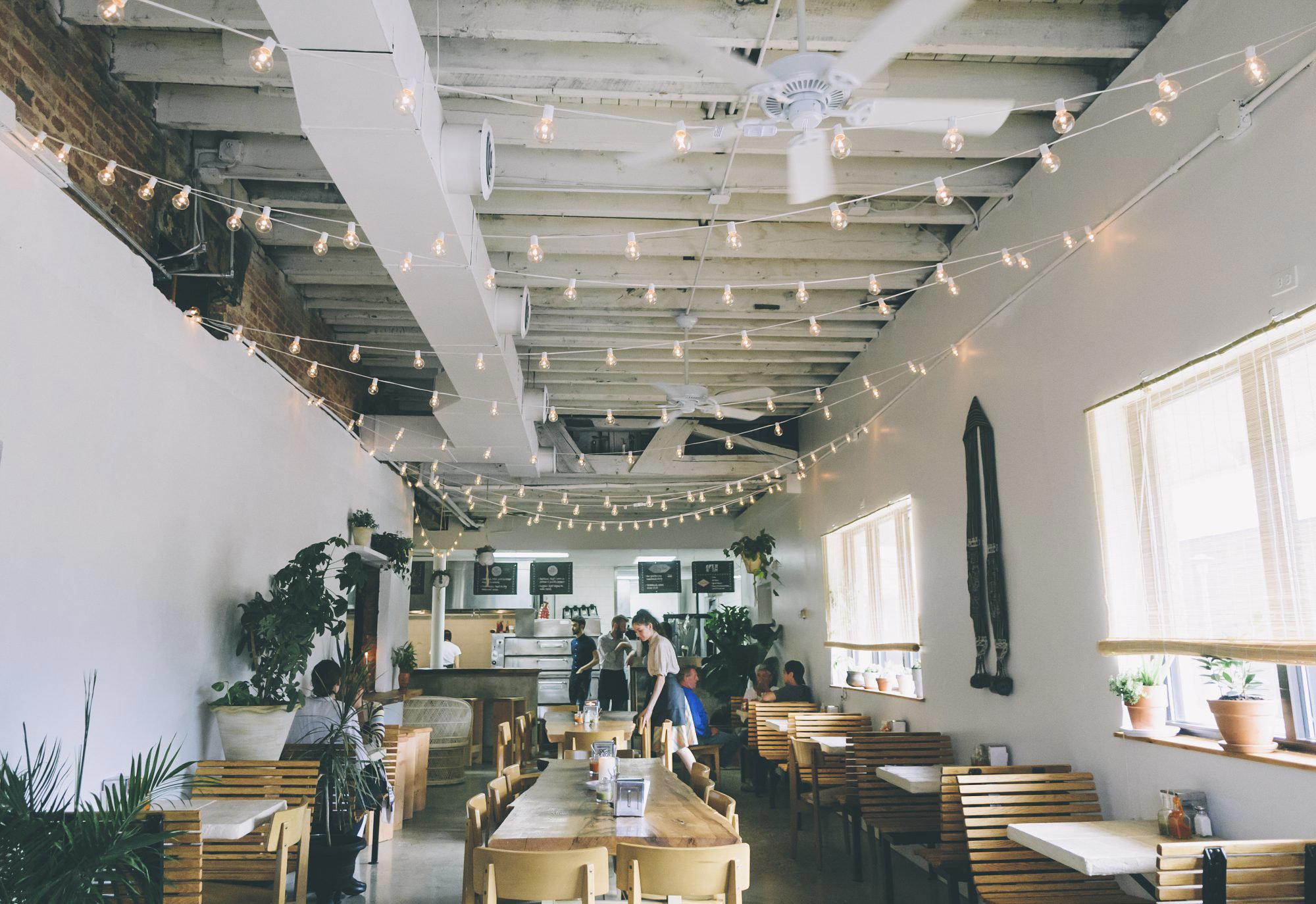
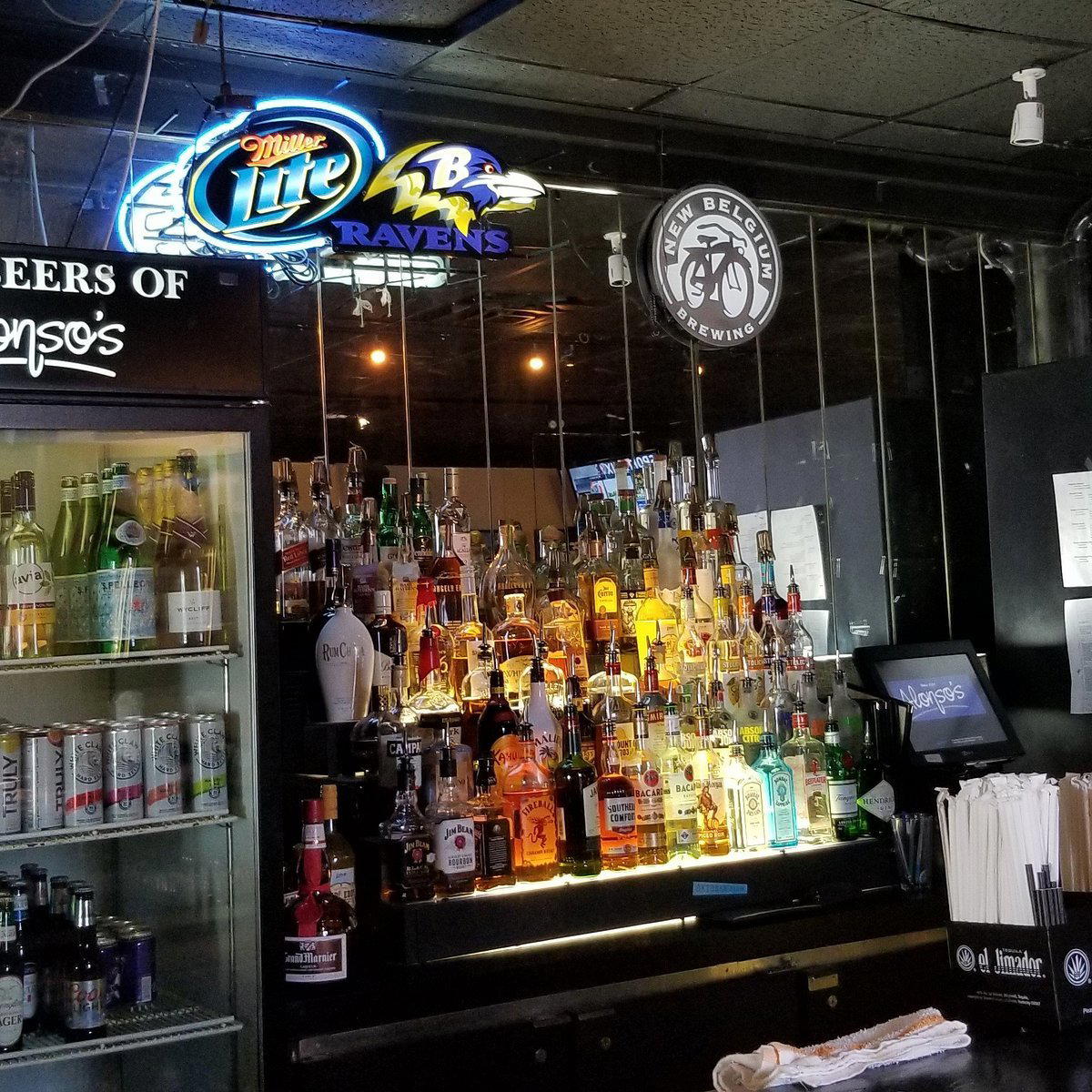
Restaurants in Baltimore
All restaurants in Baltimore →
Details
- Rustic
- Classic
- Cozy
- Casual Hangout
- Group Outing
- After Work
- Historic Building
- Standalone
- Seated Bar
- Booth Seating
- Conventional Wine
- Craft Beer
Current opening hours
- Monday
- Closed
- Tuesday
- 5–10 PM
- Wednesday
- 5–10 PM
- Thursday
- 5–10 PM
- Friday
- 5–10 PM
- Saturday
- 12–10 PM
- Sunday
- 12–8 PM
Hours can change for holidays and private events. Last verified .
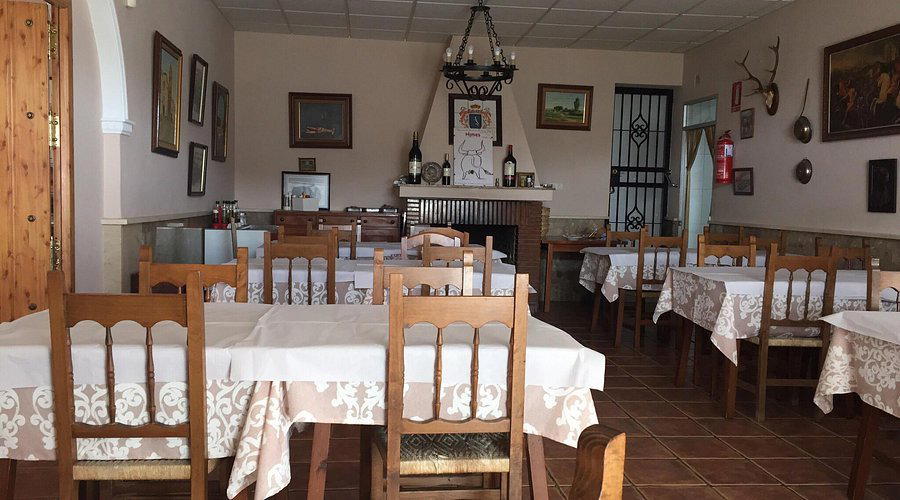
Time-worn, casual Italian neighborhood atmosphere with traditional Sicilian decor and welcoming service.