Pendry Baltimore




Pendry Baltimore occupies the 1914 Recreation Pier on Thames Street, a landmark building that once served as a working harbor facility before its conversion into one of the Pendry Hotels brand's first East Coast addresses. The property holds a Star Wine List recognition for 2026 and positions itself at the intersection of Baltimore's waterfront history and the Montage International portfolio's design-forward sensibility.
 Discover on Pearl
Pearl is the En Primeur Club membership app — saves, bookings, and concierge access live there. Same editors, same standards.
- Address
- 1715 Thames Street
- Phone
- 443-552-1400
- Website
- pendryhotels.com
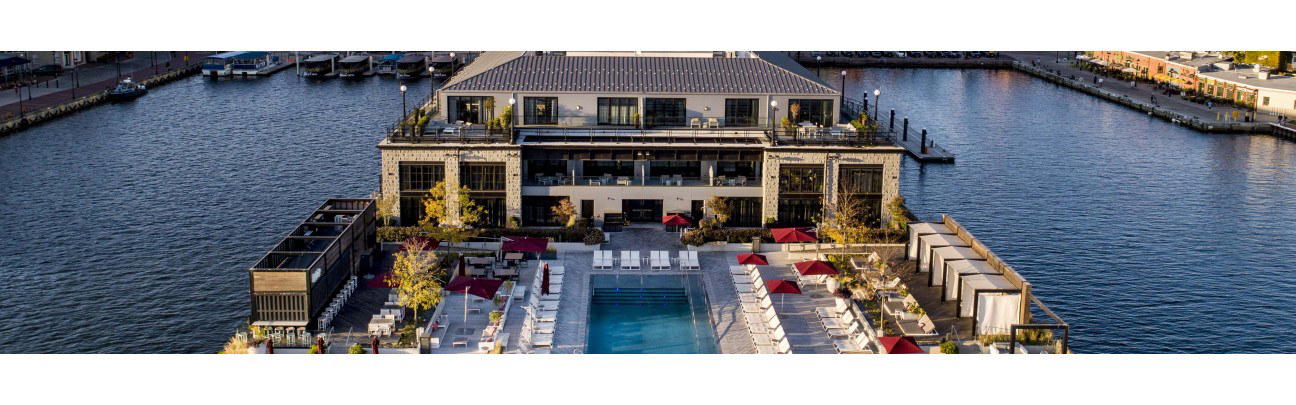
A Harbor Building That Earns Its Age
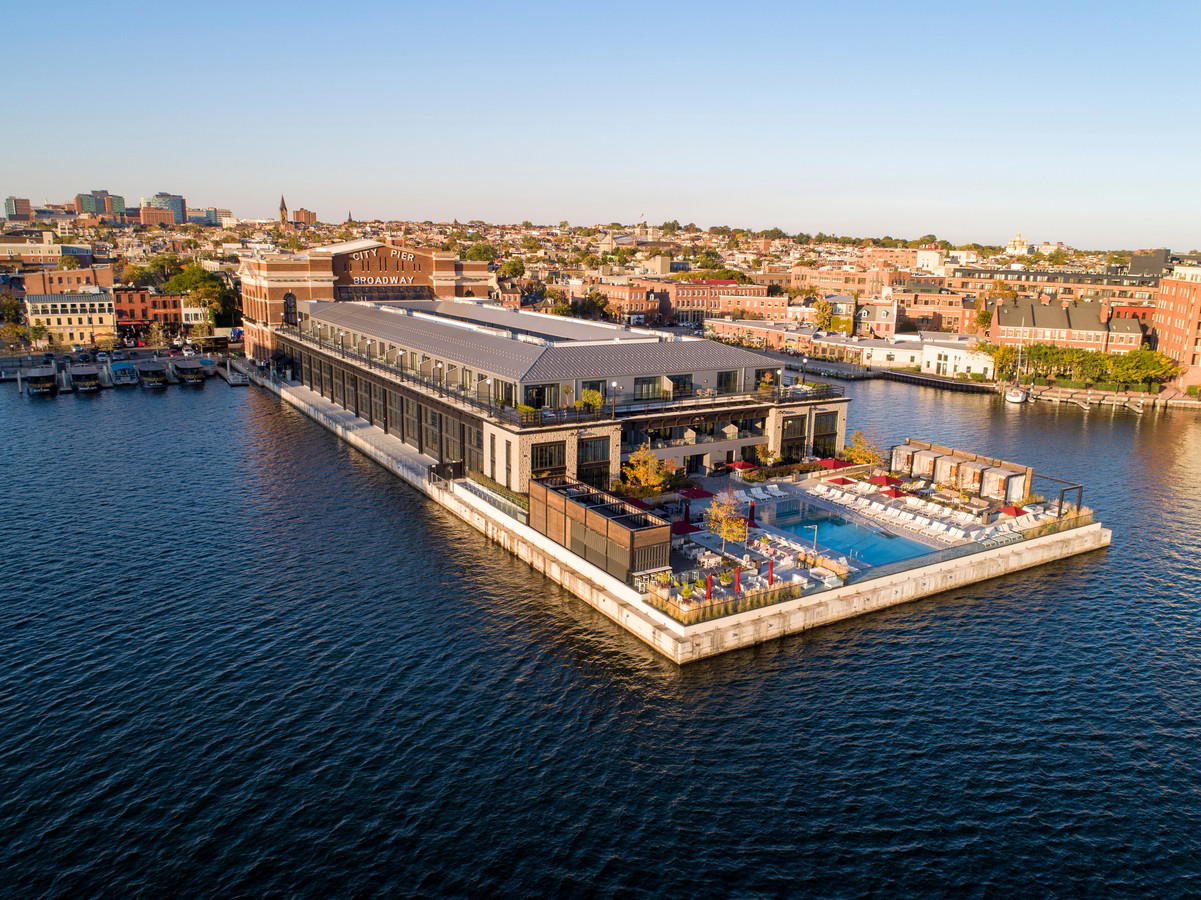
There is a particular category of American hotel that derives its authority not from square footage or lobby drama, but from the specific weight of its address. Pendry Baltimore belongs to that category. It is a five-star hotel in Baltimore, Maryland, on Fells Point waterfront at 1715 Thames Street. The property sits at 1715 Thames Street on Baltimore's Fells Point waterfront, inside the Recreation Pier, a 1914 structure that operated as a working municipal pier long before hotels made harbor-adjacent locations a pricing strategy. The building's bones are the argument: brick construction, a waterfront position that predates the area's gentrification, and local nickname recognition ("Rec Pier") that no marketing budget can manufacture. For travelers comparing Baltimore's premium hotel tier, that embedded history places Pendry in a different conversation than purpose-built waterfront properties elsewhere in the city.
The Pendry brand sits within Montage International's portfolio as the group's more design-forward, younger-demographic-oriented line, distinct from the parent brand's resort scale. This makes the Baltimore location, as the brand's first East Coast outpost, an interesting case study in how adaptive reuse hotel projects intersect with brand expansion. The decision to anchor that expansion in a 110-year-old pier building rather than a new-build signals something deliberate about the positioning: heritage as a differentiator rather than heritage as a liability. Comparable moves in the adaptive reuse space, like the Chicago Athletic Association in Chicago, which converted a 1893 athletic club into a full-service hotel, demonstrate that when the historic structure is strong enough, the building itself becomes the amenity.
Where the Wellness Mindset Fits Into This Format
Baltimore's premium hotel market has not historically been associated with destination wellness programming in the way that, say, resort properties like Canyon Ranch Tucson in Tucson or Amangiri in Canyon Point have built their entire identity around recovery and restorative programming. Urban hotels operate on a different logic: the retreat here is partial, carved out within the infrastructure of a working city stay rather than built as the primary reason for travel.
Pendry Baltimore fits that urban retreat model. The harbor-facing position provides natural separation from the density of Baltimore's Inner Harbor tourist circuit, and Fells Point itself operates at a lower velocity than the Convention Center corridor. For a guest arriving with the intention of slowing down, waterfront walks in the morning, an afternoon spent in-property, dinner at the pier's edge, the physical location does significant work that a centrally located urban tower cannot replicate. The 1914 building's architecture reinforces this: thick masonry walls, a scale that reads institutional rather than transient, and a waterfront orientation that means natural light enters from one consistent direction over the water. Properties like Post Ranch Inn in Big Sur or Little Palm Island Resort & Spa in Little Torch Key deliver geographic isolation as the wellness mechanism; Pendry Baltimore delivers architectural and neighborhood-level quietude as a softer version of the same idea.
The property's Star Wine List recognition for 2026 signals a serious wine program. For the retreat-minded traveler, a coherent in-house wine program is relevant: it supports the logic of an evening that begins and ends at the pier rather than requiring movement across the city.
Baltimore's Premium Tier and Where Pendry Sits Within It
Baltimore's upper hotel market is smaller and less stratified than comparable East Coast cities. The Four Seasons Hotel Baltimore occupies the waterfront tower position with harbor views and a full-service model; The Ivy Hotel takes the opposite approach with a historic Mount Vernon mansion and an intimate, low-key guest count. Sagamore Pendry Baltimore, the sibling property in Canton, operates under the same brand with a similar adaptive reuse logic applied to a different neighborhood. Hotel Revival Baltimore and Hotel Ulysses represent the design-boutique tier with more compact footprints, while guesthouse by good neighbor operates at a smaller, more stripped-back register.
Pendry Baltimore carves its position between the full-service tower model and the intimate boutique format. The Rec Pier building is substantial enough to support branded programming, restaurant infrastructure, and proper fitness and wellness facilities, but specific enough in its architecture and neighborhood context to avoid reading as anonymous. For travelers calibrating against other Montage-adjacent properties or East Coast adaptive reuse hotels, the Raffles Boston in Boston, for example, which brings a historic brand into a purpose-built tower, or The Fifth Avenue Hotel in New York City, Pendry Baltimore offers a scale and specificity that those properties trade for different advantages.
The Fells Point neighborhood context adds a dimension that the hotel alone cannot provide. The area has Baltimore's highest concentration of 18th and 19th century row houses, an established independent restaurant and bar scene, and a harbor-walking infrastructure that extends east and west from the pier. Guests who want to move between in-property time and neighborhood exploration have a walkable, lower-density zone to do so, a different experience than the Inner Harbor's tourist-facing commercial strip.
Planning a Stay
The Thames Street address in Fells Point places the hotel within walking distance of the neighborhood's core, though driving or rideshare access to Baltimore's other areas, Mount Vernon, Station North, the Inner Harbor, requires short transit. The 1914 building's conversion means that room configurations may vary more than in purpose-built hotels, which is worth factoring into room selection. Weekends during Baltimore's spring and fall seasons tend to carry the most demand. For guests weighing this against other regional alternatives with stronger explicit wellness programming, properties like Troutbeck in Amenia or Sage Lodge in Pray offer a more rural retreat model; Pendry Baltimore's version of that dynamic is distinctly urban and harbor-specific.
Standing Among Peers
Comparable venues nearby, for context on price, style, and recognition.
| Venue | Awards |
|---|---|
| Pendry BaltimoreThis venue — the venue you are viewing | |
| Sagamore Pendry Baltimore | Michelin 1 Key |
| Four Seasons Hotel Baltimore | |
| The Ivy Hotel | Michelin 2 Key |
| guesthouse by good neighbor | |
| Hotel Ulysses |
At a Glance
- Elegant
- Modern
- Sophisticated
- Historic
- Scenic
- Romantic Getaway
- Business Trip
- Weekend Escape
- Rooftop Pool
- Waterfront
- Infinity Pool
- Historic Building
- Wifi
- Pool
- Spa
- Fitness Center
- Room Service
- Concierge
- Business Center
- Valet Parking
- Ev Charging
- Waterfront
- Skyline
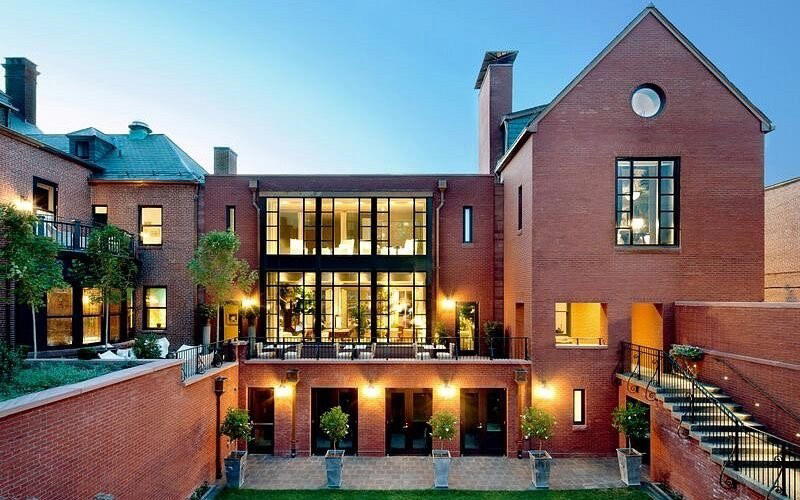
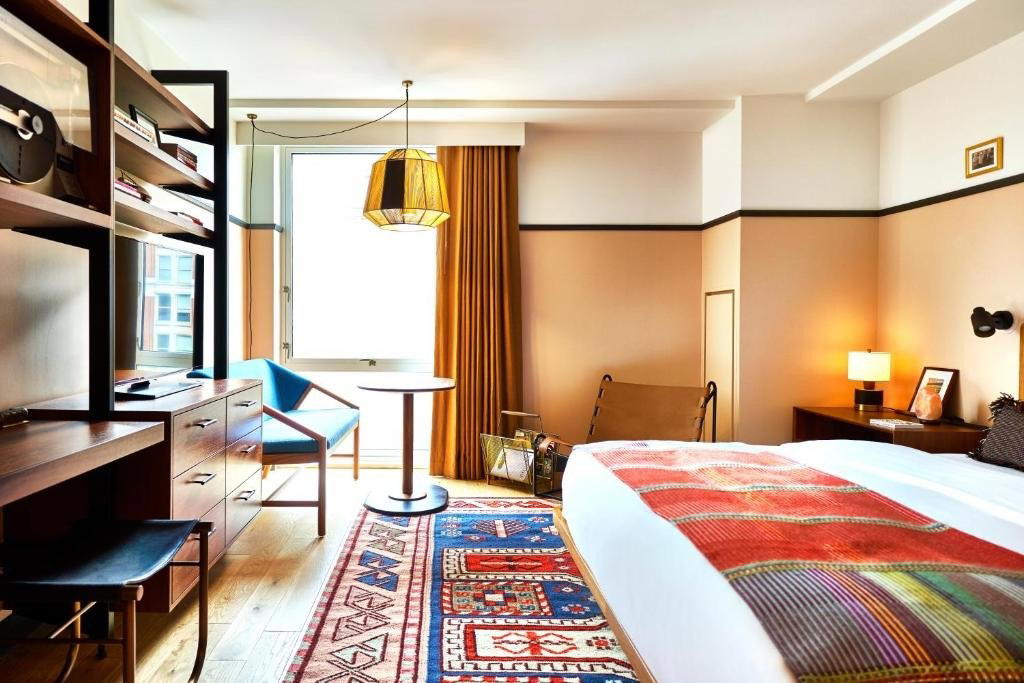
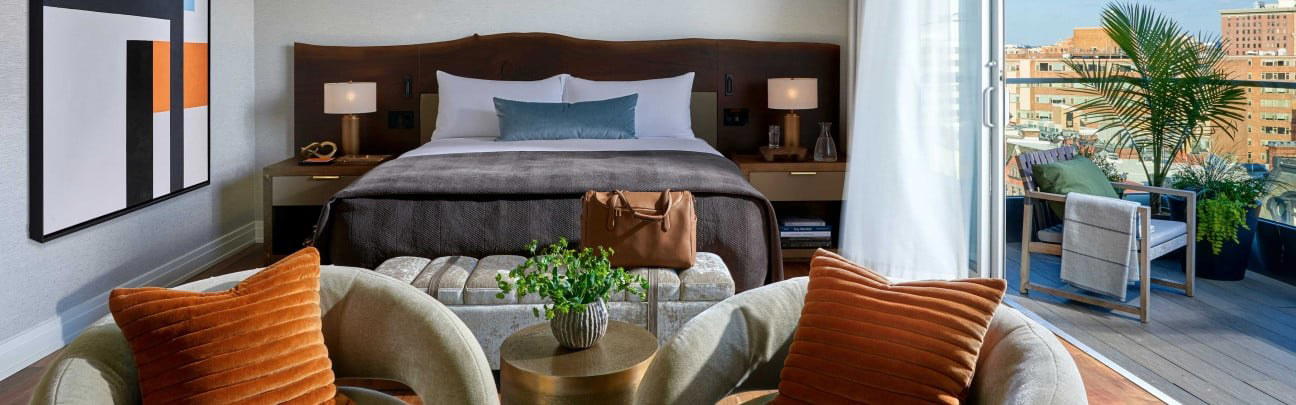
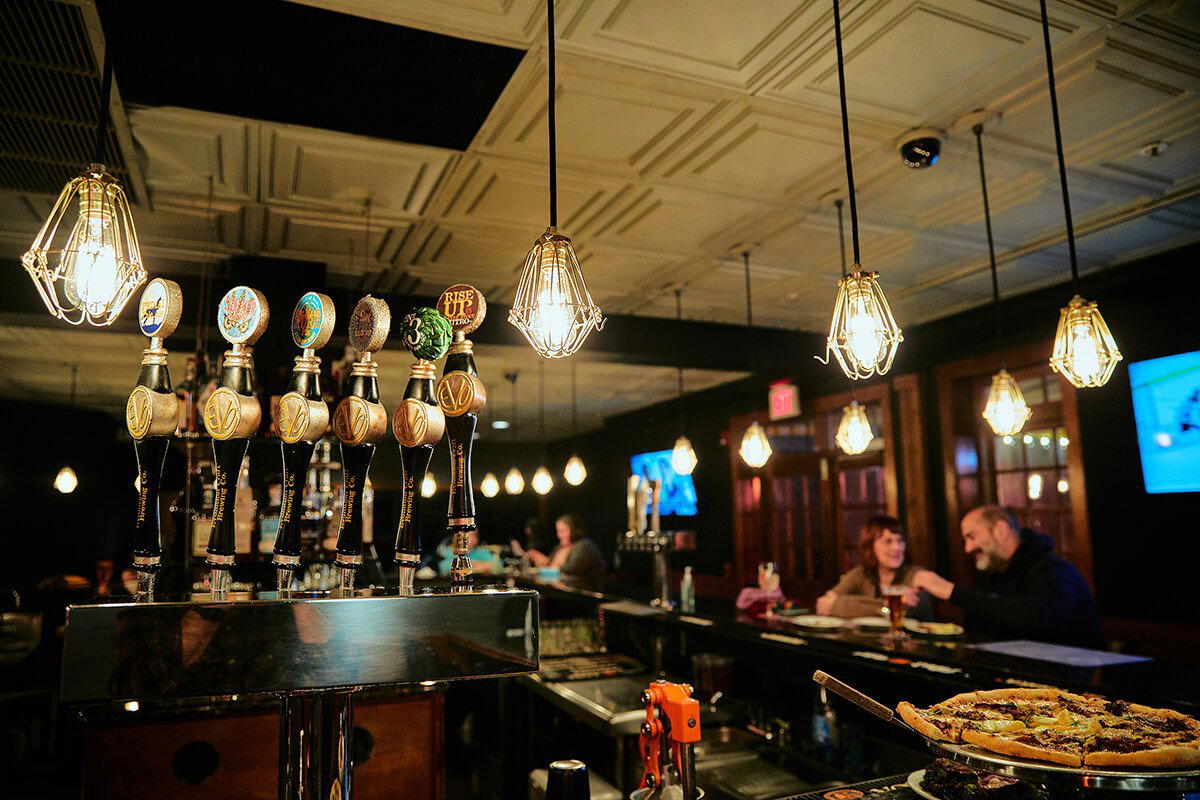
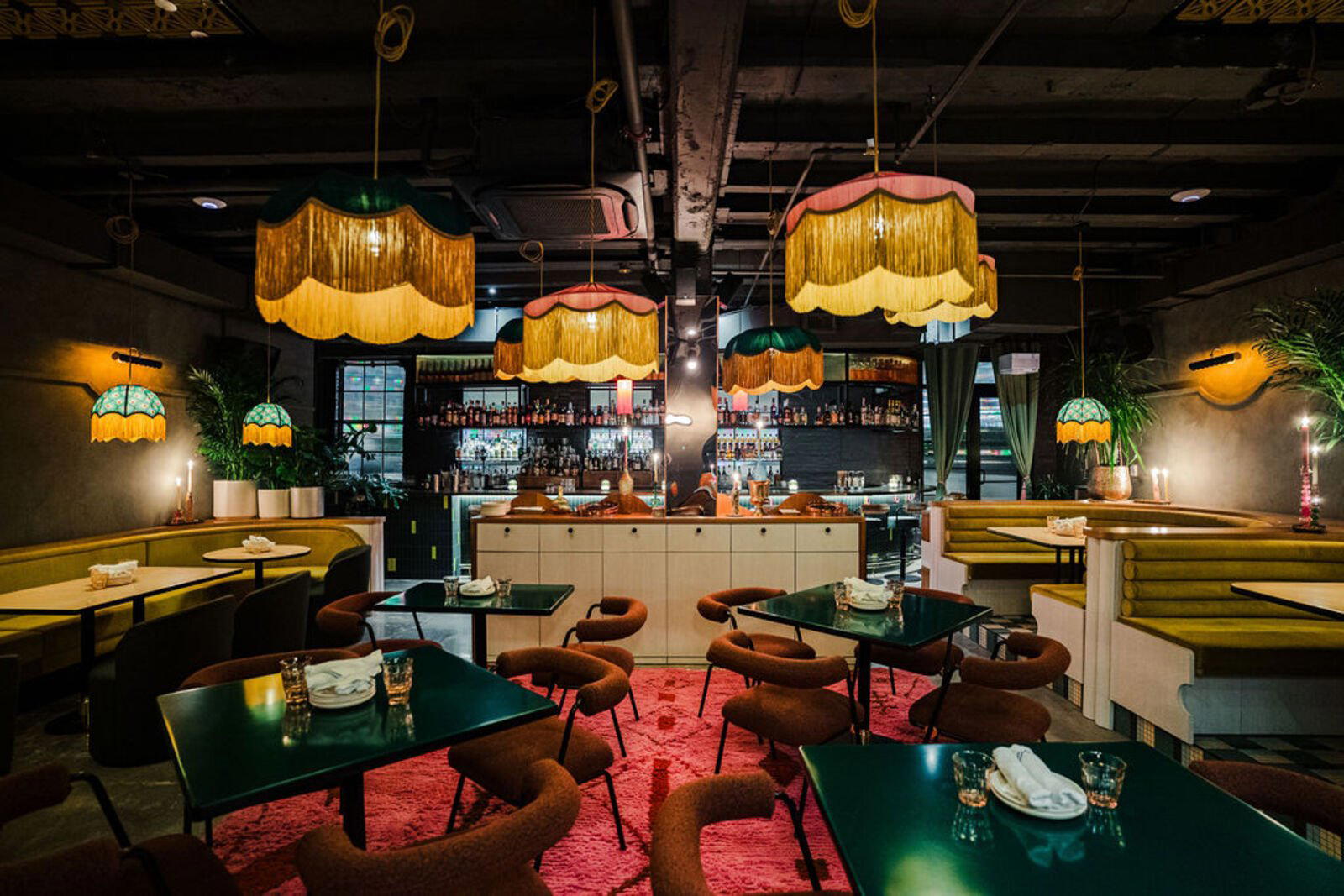
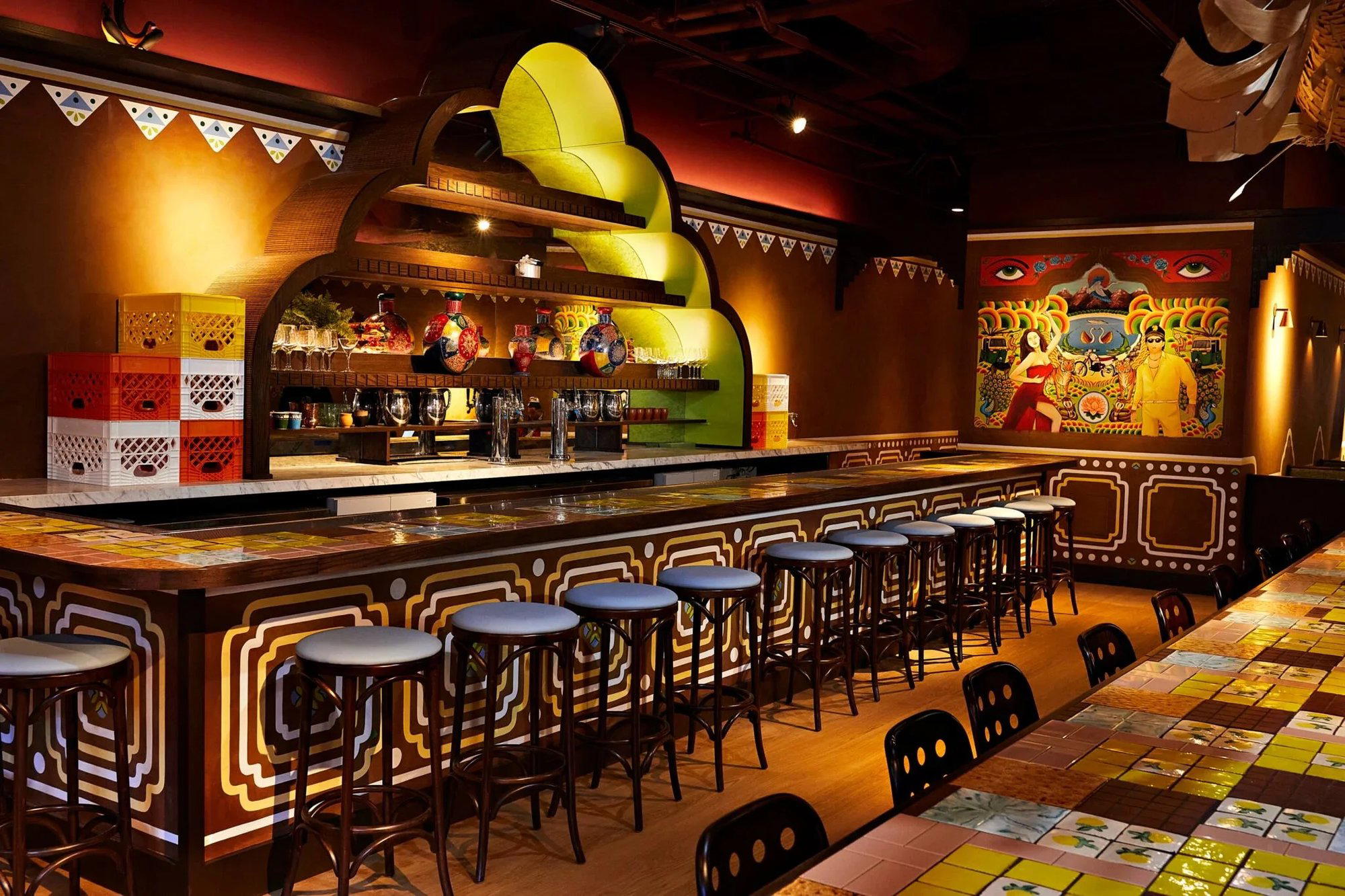
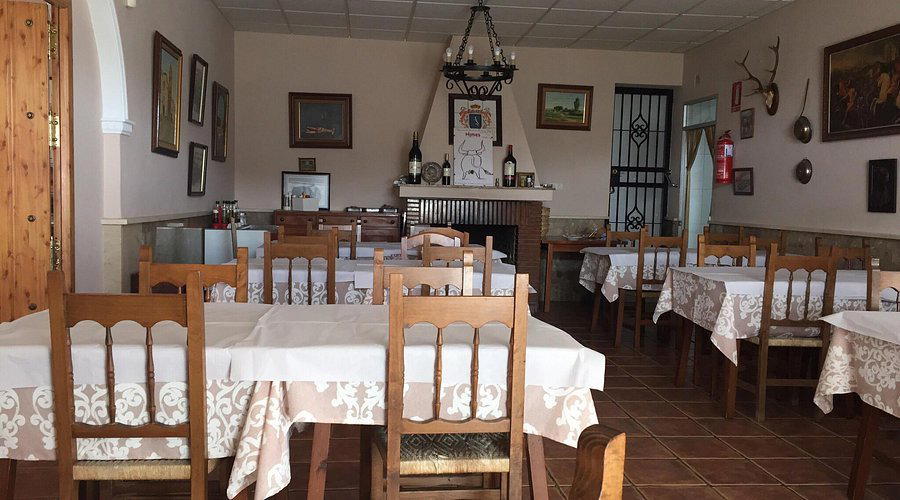
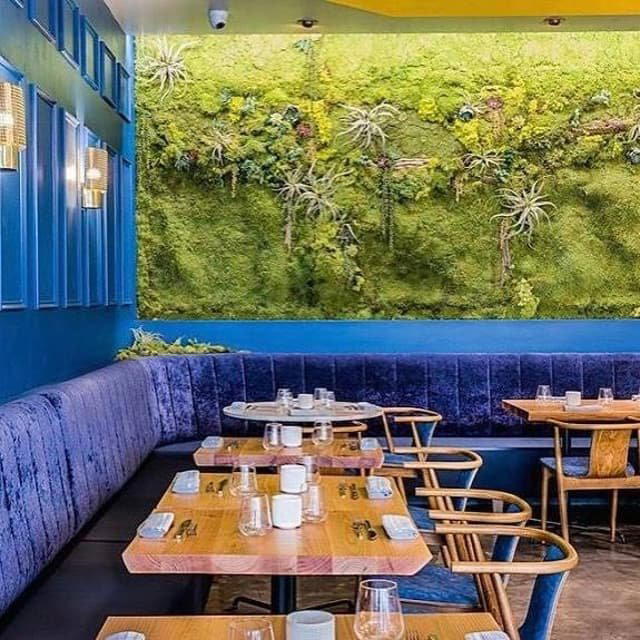
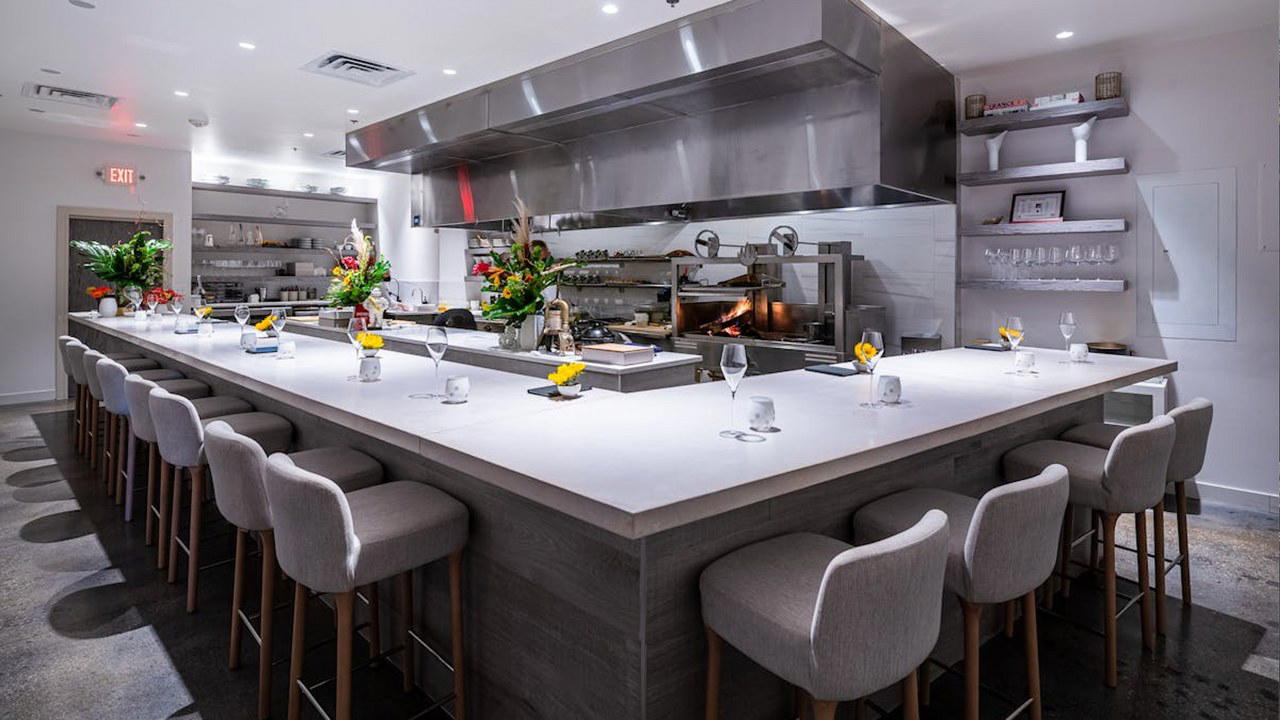
Rich warm wood and cool stone interiors with custom furnishings, greenery, and curated artwork create a sophisticated, heritage-inspired atmosphere.