Tapas Teatro
Our verdict
A fixture on North Charles Street in Baltimore's Station North arts district, Tapas Teatro draws a pre-theatre and late-night crowd with a small-plates format rooted in Spanish tradition. The setting rewards lingering: the kitchen reads local sourcing as a baseline expectation rather than a selling point, and the menu moves with the season. Reserve ahead, particularly on weekend evenings.

Pearl is the En Primeur Club membership app, where members save venues, book tables and use the concierge.

The menu
What to order
- Little-neck clams steamed in sherry
- Spanish paella
- Croquetas
- Papas Bravas
- Grilled lamb chops
Station North and the Small-Plates Question
Baltimore's dining scene has historically clustered around the Inner Harbor and Fells Point, leaving the Charles Street corridor to operate as a quieter, more neighbourhood-specific axis. That geography shapes Tapas Teatro in a direct way. Positioned at 1711 N Charles St in Station North, the city's designated arts and entertainment district, the restaurant occupies a stretch where gallery openings, theatre performances, and film screenings generate the kind of foot traffic that rewards a format built around flexibility. Small plates, by design, accommodate people who arrive at different times, eat at different paces, and leave when the curtain calls. That structural fit with the neighbourhood is not incidental; it explains the format more honestly than any claim about Spanish culinary heritage.
The tapas model itself carries a particular logic in an American context. When Spanish small-plates dining moved into the American mainstream in the early 2000s, it split into two trajectories: venues that treated the format as an excuse for high-margin minimal portions, and those that genuinely engaged with the communal, produce-led rhythms of the tradition. The better iteration places vegetables and preserved proteins at the centre of the table rather than at the margins, and it treats sharing as the architectural principle rather than a gimmick. Where Tapas Teatro sits on that spectrum matters to how a first-time visitor should approach the menu and the evening.
Sourcing as Structure, Not Marketing
Across the American restaurant industry, the language of sustainability has become so pervasive that it functions more as branding than as operational fact. The more instructive question is whether a kitchen's sourcing decisions actually constrain its menu, or whether the seasonal and local framing is cosmetic. In Baltimore, the Chesapeake watershed provides a genuinely distinctive local supply base: rockfish, blue crab, oysters from the tributaries, and a mid-Atlantic agricultural belt that runs from Maryland's Eastern Shore through Pennsylvania. Restaurants that work seriously with those inputs produce menus that read differently from month to month, because the supply itself moves.
The tapas format is well-suited to this kind of seasonal responsiveness. A menu built around small, composable plates can absorb ingredient substitutions and new arrivals from purveyors without requiring a full structural overhaul. Compare this to a fixed tasting menu at a place like Single Thread Farm in Healdsburg, where the farm-to-table commitment is baked into a multi-course architecture that changes in its entirety each season. At a tapas counter, the seasonal turn can happen incrementally, one or two plates at a time, which makes it easier to maintain but also easier to fake. The distinction matters when you're deciding how much to trust the sourcing narrative.
Station North's position within Baltimore gives it access to the same Eastern Shore producers that supply more formally celebrated kitchens downtown. Cindy Wolf's Charleston has long anchored the high end of Baltimore dining with a programme built on regional sourcing; dede (Turkish) works within a different culinary grammar but operates in the same sourcing environment. What differentiates venues at this tier is not access to good ingredients but what they do with consistency of supply, waste reduction, and the less glamorous logistical discipline that ethical sourcing requires at scale.
The Neighbourhood Frame
Understanding Tapas Teatro requires understanding Station North. The district was formally designated by the city in 2002, and it has developed as a corridor for smaller arts organisations, independent cinemas, and music venues rather than the large institutional anchors that anchor other cultural districts. That scale matters for dining. Venues here serve a community that includes artists, academics from the nearby Maryland Institute College of Art, and a pre-show crowd from the Everyman Theatre and the Parkway Theatre. These are not diners who necessarily want a three-hour tasting menu; they want something that fits around an evening's other commitments without feeling like a compromise.
That context places Tapas Teatro in a different competitive frame than Baltimore's Inner Harbor venues or the more formal rooms in Mount Vernon. At the national level, the farm-rooted, community-embedded restaurant model has found its most deliberate expressions at places like Blue Hill at Stone Barns in Tarrytown and, in a more technically ambitious register, Lazy Bear in San Francisco. Tapas Teatro operates at a different scale and with a different set of ambitions, but the underlying question, how much a restaurant's format should be shaped by its ecological and social context, is the same.
What the Format Demands of the Diner
Small-plates dining requires a different negotiation at the table than a fixed-course meal. The order in which dishes arrive, the pace of the kitchen, and the balance of the meal across the table are all variables that the diner partially controls. This is not a format that works well if one person at the table is not engaged in the process, or if the kitchen is not staffed to manage the variable timing that shared plates demand. The better tapas counters in the United States, from the more technically precise rooms like Atomix in New York City to more relaxed neighbourhood formats, share a common operational requirement: the kitchen has to be able to pace disparate tables simultaneously without losing coherence.
For visitors arriving from other American dining cities, it is worth noting how Baltimore's dining culture differs from the more heavily written-about rooms at Le Bernardin in New York City, Alinea in Chicago, or The French Laundry in Napa. Baltimore rewards a different register of attention: less about technical spectacle and more about the relationship between a neighbourhood, its food supply, and the people who cook within it. Angeli's Pizzeria operates in a similar register within the same city, as does Emeril's in New Orleans at a different scale in a comparable regional food city.
Reservations at Tapas Teatro are advisable on weekend evenings and on nights when the Everyman Theatre has a performance, when foot traffic on the N Charles corridor increases noticeably. Arriving early in the week or at off-peak hours gives more flexibility both with seating and with the kitchen's attention. For a fuller map of where Tapas Teatro fits within Baltimore's dining options, see our full Baltimore restaurants guide.
Frequently asked questions
What should I order at Tapas Teatro?
Because the menu at Tapas Teatro follows a small-plates format, the approach that works well is ordering in rounds rather than all at once. Start with two or three plates per person, assess the pace and your appetite, then add from there. Given the restaurant's location in the Chesapeake watershed, any dishes that draw on regional seafood, crab, oysters, or rockfish, are likely to reflect the most direct sourcing relationships the kitchen maintains.
What is the ideal way to book Tapas Teatro?
Tapas Teatro is located in Baltimore's Station North arts district, a neighbourhood with strong pre-theatre demand on evenings when nearby venues have performances. Booking ahead is the prudent approach for Friday and Saturday evenings. Contact details and current booking options are best confirmed directly with the venue, as online reservation availability can vary.
What has Tapas Teatro built its reputation on?
Tapas Teatro has developed its neighbourhood profile over time through a combination of format and location: a Spanish small-plates structure that fits the arts-district crowd, and a position on N Charles Street that places it within walking distance of several of Baltimore's principal independent theatre and cinema venues. Its longevity on that corridor is itself a form of editorial evidence in a street that has seen significant turnover among independent restaurants.
What if I have allergies at Tapas Teatro?
Allergy and dietary information is best confirmed with the venue directly before visiting. Because a small-plates kitchen often works with shared preparation surfaces and rotating seasonal ingredients, the allergy picture can change from service to service. Contact Tapas Teatro ahead of your visit to discuss specific requirements; the Station North location and phone details are available through the venue's current online listings.
Should I splurge on Tapas Teatro?
Tapas Teatro occupies a neighbourhood-casual tier rather than the special-occasion bracket represented by Baltimore's formally awarded rooms. The format, shared plates in an arts-district setting, is designed for regular use rather than rare-event dining. If the question is whether to spend more per head than you might elsewhere in Station North, the answer depends on how many plates you order: the economics of tapas reward restraint as much as generosity.
Is Tapas Teatro a good option before a show at the Everyman or Parkway Theatre?
Pre-theatre dining at Tapas Teatro makes logistical sense given the restaurant's position within walking distance of both the Everyman Theatre and the Parkway on N Charles Street. The small-plates format allows for a meal calibrated to available time: a focused selection of three or four plates and a glass of wine fits a 45-minute window more comfortably than a conventional two-course structure. Inform your server of your curtain time at the start of the meal so the kitchen can pace accordingly. For reference on comparable arts-adjacent dining in other American cities, Providence in Los Angeles and Addison in San Diego occupy very different price tiers but share the same principle of timing a meal around an evening's wider programme.
Budget Reality Check
Comparable venues nearby, for context on price, style, and recognition.
| Venue | Cuisine | Price | Notes |
|---|---|---|---|
| Tapas TeatroThis venue (the venue you are viewing) | Spanish Tapas | $30–50 | Not listed |
| Dukem | Authentic Ethiopian | $20–30 | Mount Vernon, Authentic Ethiopian |
| Akbar | Authentic Indian | $20–30 | Mount Vernon, Authentic Indian |
| The Food Market | Upscale Comfort Food | $30–50 | Hampden, Dining |
| The Choptank - Baltimore | Classic Maryland Seafood & Crab House | $30–50 | Fells Point, Classic Maryland Seafood & Crab House |
| Baltimore Seafood | Cajun Seafood Boils | $20–30 | Canton, Cajun Seafood Boils |
Continue exploring
More in Baltimore
Restaurants in Baltimore
All restaurants in Baltimore →

Bars in Baltimore
All bars in Baltimore →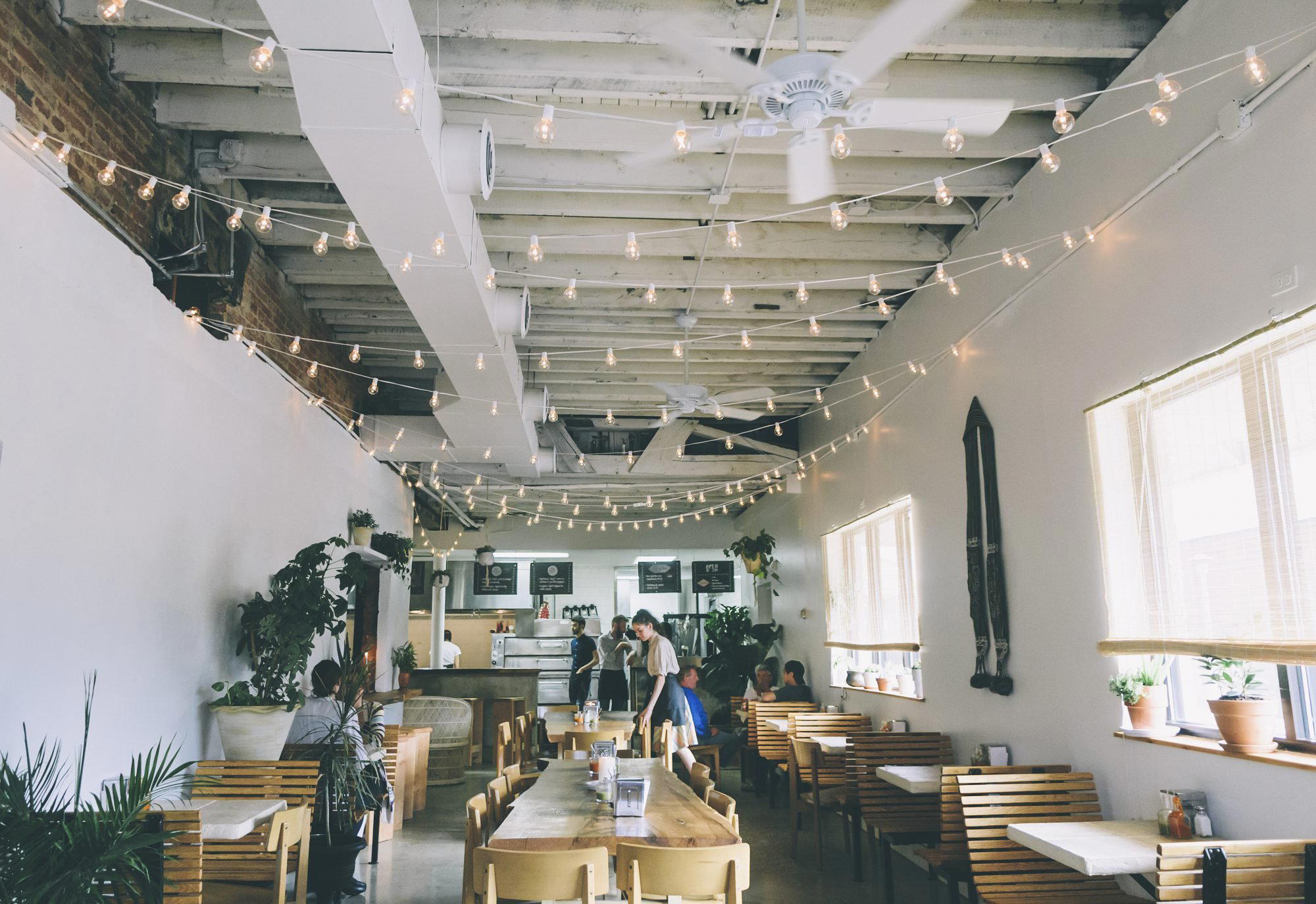

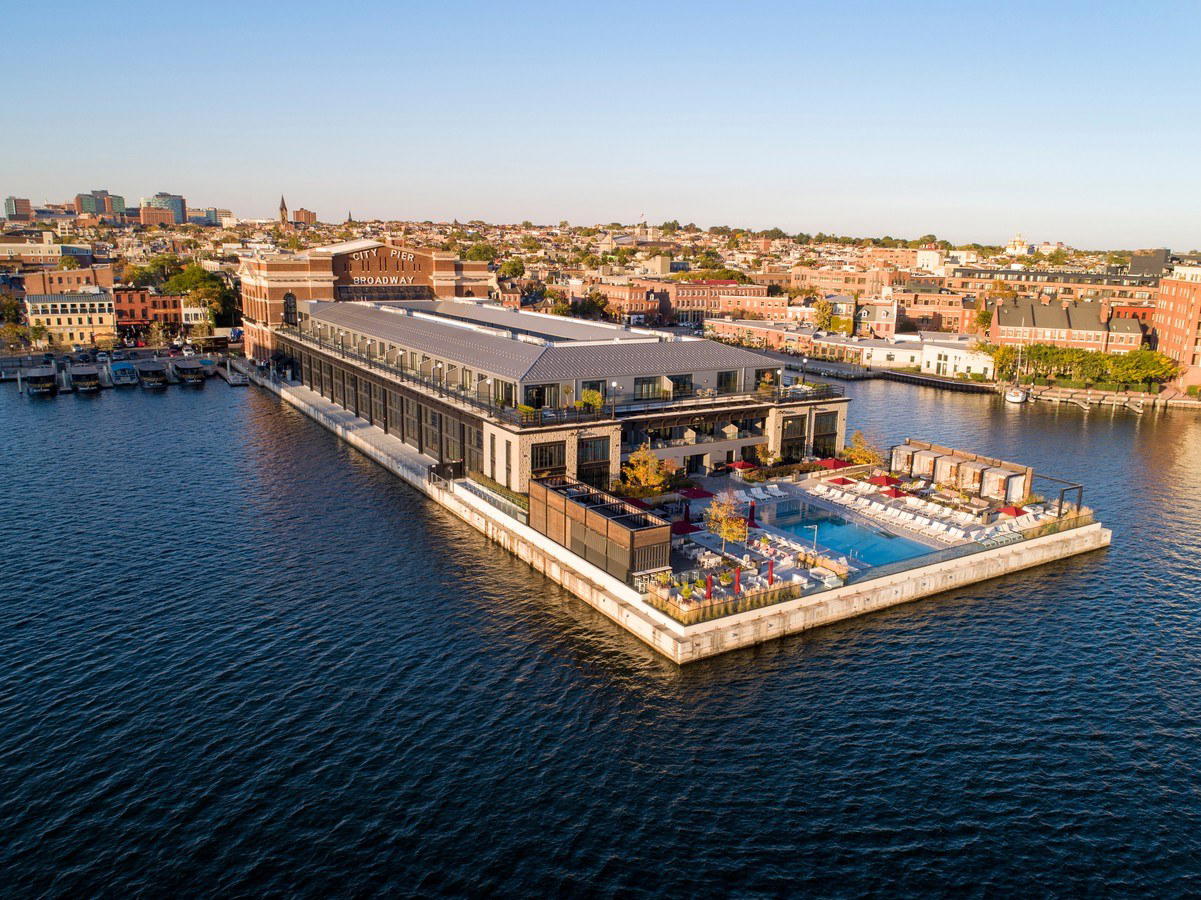
Tapas Teatro
The wine
- Extensive wine list
- Craft cocktails
- Beer program
Details
- Classic
- Cozy
- Intimate
- Lively
- Date Night
- Casual Hangout
- After Work
- Late Night
- Group Dining
- Standalone
- Extensive Wine List
- Craft Cocktails
- Beer Program
- Small Plates
- A La Carte
- Sangria
- Gin And Tonics
- Craft Cocktails
- Vegetarian Friendly
- Gluten Free Options
Current opening hours
- Monday
- Closed
- Tuesday
- 5–10 PM
- Wednesday
- 5–10 PM
- Thursday
- 5–10 PM
- Friday
- 5–10 PM
- Saturday
- 5–10 PM
- Sunday
- 5–9 PM
Hours can change for holidays and private events. Hours as of .
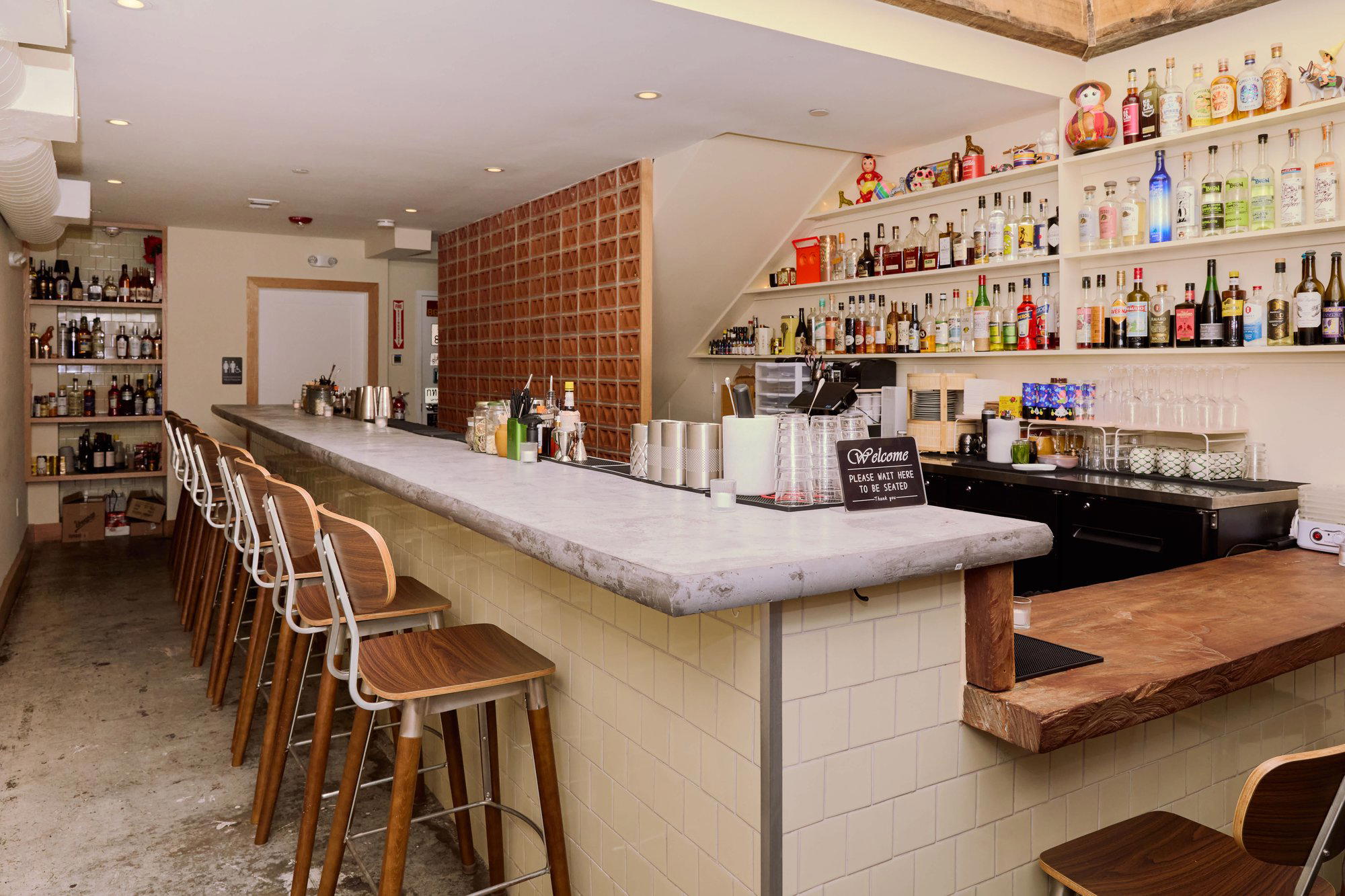
Relaxed and intimate atmosphere with a theatrical neighborhood setting, well-suited for late-night dining and pre- or post-movie experiences.