Dukem
Baltimore's Ethiopian dining scene clusters around a handful of Maryland Avenue addresses, and Dukem at 1100 Maryland Ave is among the more established. The restaurant draws a mixed crowd of diaspora regulars and first-timers, with communal injera-based service that rewards sharing over solo ordering. It sits in a price tier accessible enough to make repeat visits easy, and the format suits both casual weeknight meals and longer, unhurried group dinners.
Pearl is the En Primeur Club membership app — saves, bookings, and concierge access live there. Same editors, same standards.
- Address
- 1100 Maryland Ave, Baltimore, MD 21201
- Phone
- +14103850318
- Website
- dukemrestaurant.com
- Directions
- Get directions
 Saves & bookings on Pearl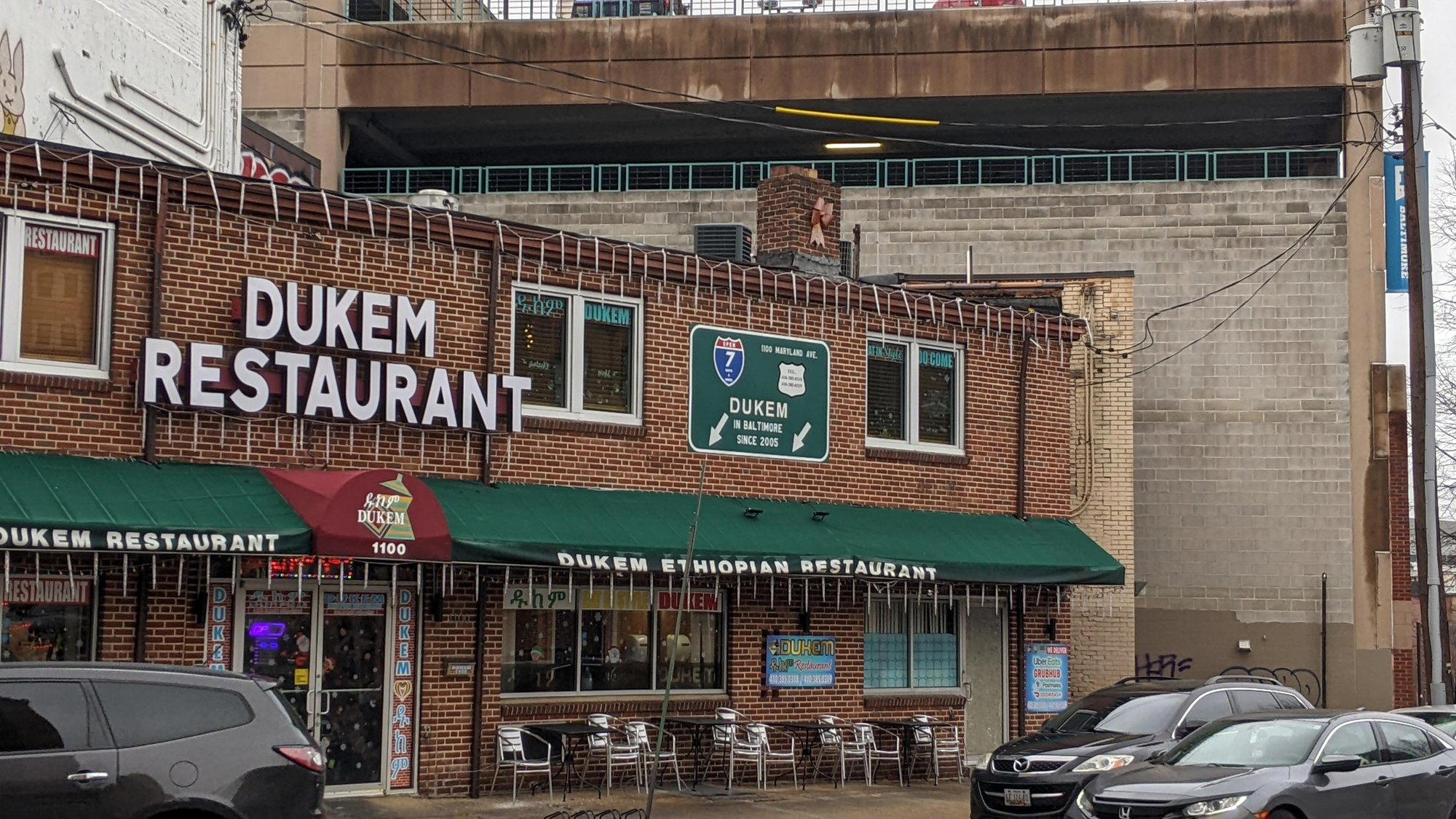
Where Maryland Avenue Meets the Horn of Africa
Maryland Avenue in Baltimore has long functioned as one of the city's more culturally layered corridors, and the stretch around 1100 carries a particular density of immigrant-run kitchens that operate largely outside the mainstream dining press. Ethiopian restaurants occupy a notable share of that real estate, and Dukem is one of the addresses that has shaped that identity. Walking toward the entrance, the neighborhood signals its character before you step inside: this is a restaurant serving Baltimore diners with authentic Ethiopian communal dishes in a casual setting.
The atmosphere inside reflects that dual function. The room is unpretentious in the way that only comes with longevity, walls decorated with Ethiopian imagery, seating arranged for groups rather than couples, and a background hum that shifts between Amharic and English depending on the table. It is the kind of room where a solitary diner feels slightly out of context, because the food format itself is communal by design. This is a casual room shaped by function, and that function is sharing.
The Logic of the Table: How an Ethiopian Meal Unfolds
Ethiopian dining follows a sequencing logic that most Western tasting menus attempt to replicate artificially: distinct courses, textural contrast, and a build toward richness that makes the meal feel purposeful rather than random. At Dukem, that progression happens through the traditional format of dishes served atop injera, the spongy, fermented teff flatbread that functions simultaneously as plate, utensil, and starch course.
The meal typically opens with lighter, vegetable-forward preparations: lentil dishes spiced with berbere or turmeric, split peas cooked to a smooth density, and greens that carry both heat and acidity. These are not side dishes in the Western sense; they are the structural opening of the meal, providing a baseline against which the richer, meat-centered preparations are measured. The sequencing follows the tradition of the cuisine.
As the table fills, the meat-based stews arrive: tibs preparations, doro wat with its long-cooked depth, and the lamb dishes that benefit most from the injera's ability to absorb braising liquid. A table ordered for two or three will cover the surface completely by the time all dishes land, creating the communal platter effect that defines the format. The injera itself, if well-made, should carry enough fermentation tang to act as a palate reset between bites, functioning in the same way that a clean, high-acid wine cuts through fat in a more formal setting.
Finishing the meal, the progression naturally slows. Ethiopian coffee service, where it is offered, represents a genuine cultural ritual: the beans roasted at the table, the pouring ceremonial, the small cups designed for slow consumption rather than a quick caffeine hit. This is the closest the format comes to a formal dessert course, and it serves the same function, signaling the meal's close while giving the table a reason to remain.
Dukem in the Baltimore Dining Context
Baltimore's dining identity is often understood through its seafood heritage, the blue crab culture at Faidley's Seafood, the deli tradition at Attman's, but its immigrant-restaurant layer tells a different story about the city's actual eating habits. Ethiopian restaurants on Maryland Avenue, Mexican kitchens in Highlandtown, and the Turkish influence at Akbar collectively form a dining infrastructure that operates at accessible price points and serves regulars more than tourists.
Dukem fits that pattern. It is not the place that appears in national press alongside the tasting-menu conversation that venues like Le Bernardin in New York City, Lazy Bear in San Francisco, or The French Laundry in Napa occupy. It does not position itself in the same tier as Smyth in Chicago, Atomix in New York City, or Providence in Los Angeles. But for a reader who has spent time at those more architecturally ambitious addresses, or at Blue Hill at Stone Barns in Tarrytown, Single Thread Farm in Healdsburg, or Addison in San Diego, Dukem represents something those rooms cannot offer: an unmediated encounter with a living food tradition that has not been adapted for fine-dining presentation.
The contrast is worth naming directly. Ethiopian cuisine at Dukem's price point reaches the table in essentially the same form it takes in Addis Ababa. There is no reduction of doro wat into a sauce draped over a protein component, no deconstructed injera crumble on a white plate. The format resists that kind of treatment, and the restaurants that attempt it tend to lose both the diaspora audience and the cultural credibility that makes the cuisine worth eating in the first place.
For Baltimore visitors, a meal at Dukem provides genuine contrast to the city's higher-end options. The same logic applies to visitors who have made the short drive to The Inn at Little Washington in Washington; the culinary distance between those two experiences is far greater than the geographic one.
Planning a Visit
Dukem sits at 1100 Maryland Ave, Baltimore, MD 21201, and reservations are recommended. The restaurant suits groups of three or more most naturally, given the shared-platter format, a party of two can still eat well, but the table covers more of the menu's range with additional diners. Vegetarians are well accommodated: the Ethiopian tradition includes a significant body of plant-based preparations tied to Orthodox fasting days, so the non-meat options are not afterthoughts. First-time visitors should resist the instinct to order conservatively; the format rewards a full table of dishes, and the price point makes that approach feasible.
The Quick Read
Comparable venues nearby, for context on price, style, and recognition.
| Venue | Cuisine | Price | Notes |
|---|---|---|---|
| DukemThis venue — the venue you are viewing | Mount Vernon, Authentic Ethiopian | $$ | Not listed |
| Alma Cocina Latina | Station North, Modern Venezuelan Latina | $$ | Not listed |
| Indigma | Mount Vernon, Modern Indian Bistro | $$ | Not listed |
| Tapas Teatro | Station North, Spanish Tapas | $$ | Not listed |
| Rooted Rotisserie | Hollins Market, French Rotisserie | $$ | Not listed |
| Ekiben | Not listed | $$ | Fells Point, Asian Fusion Steamed Buns & Bowls |
Continue exploring
More in Baltimore
Restaurants in Baltimore
Browse all →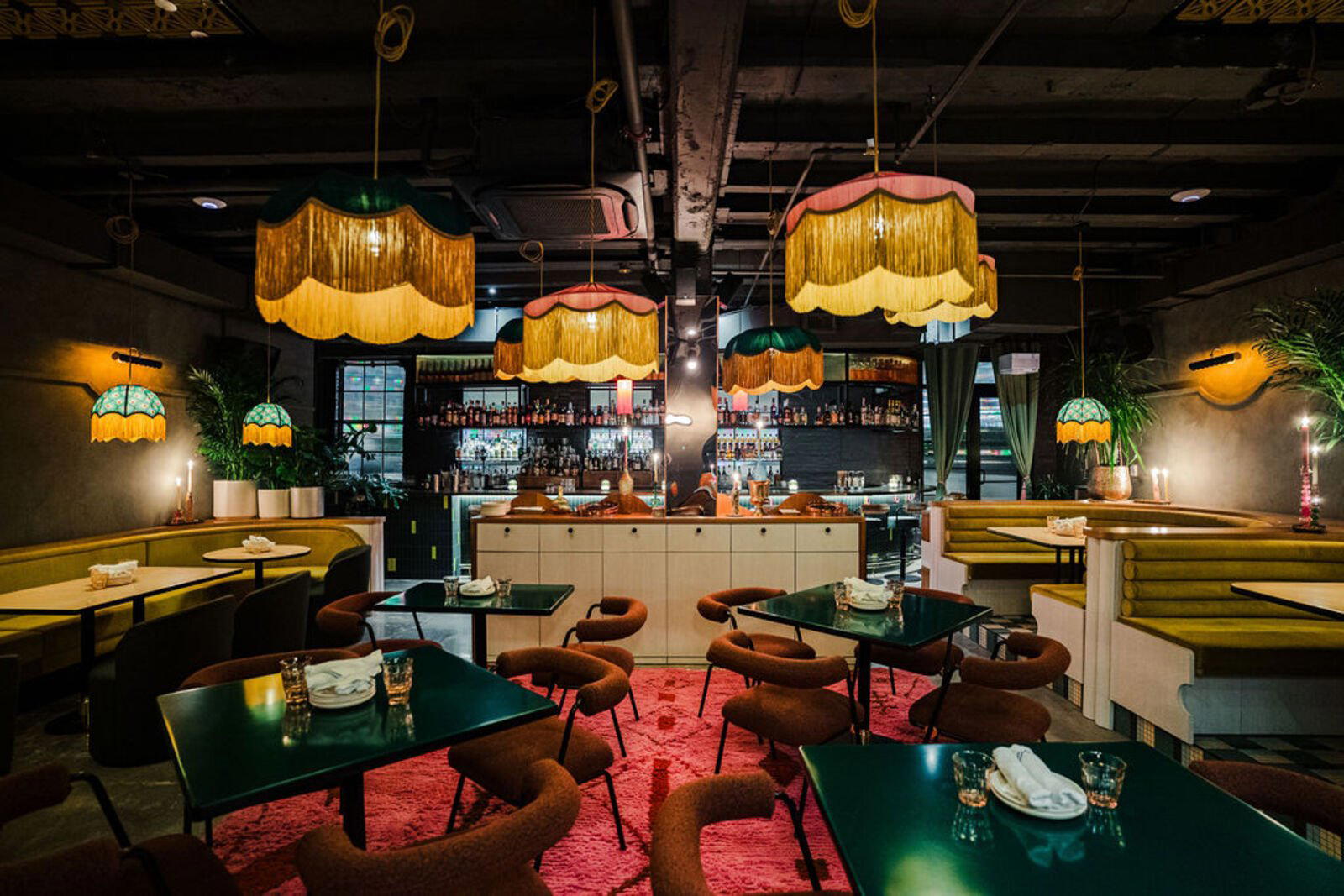
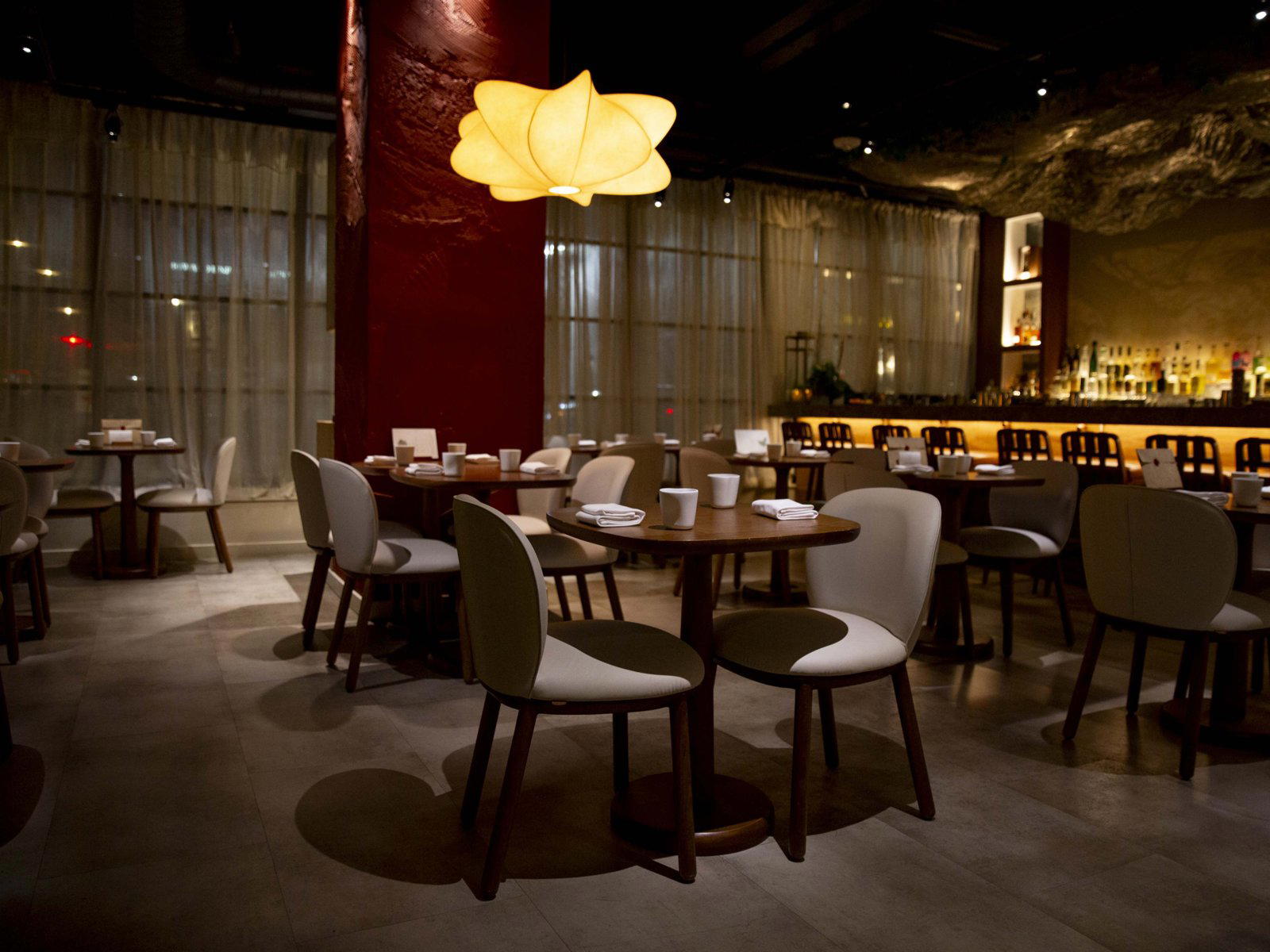
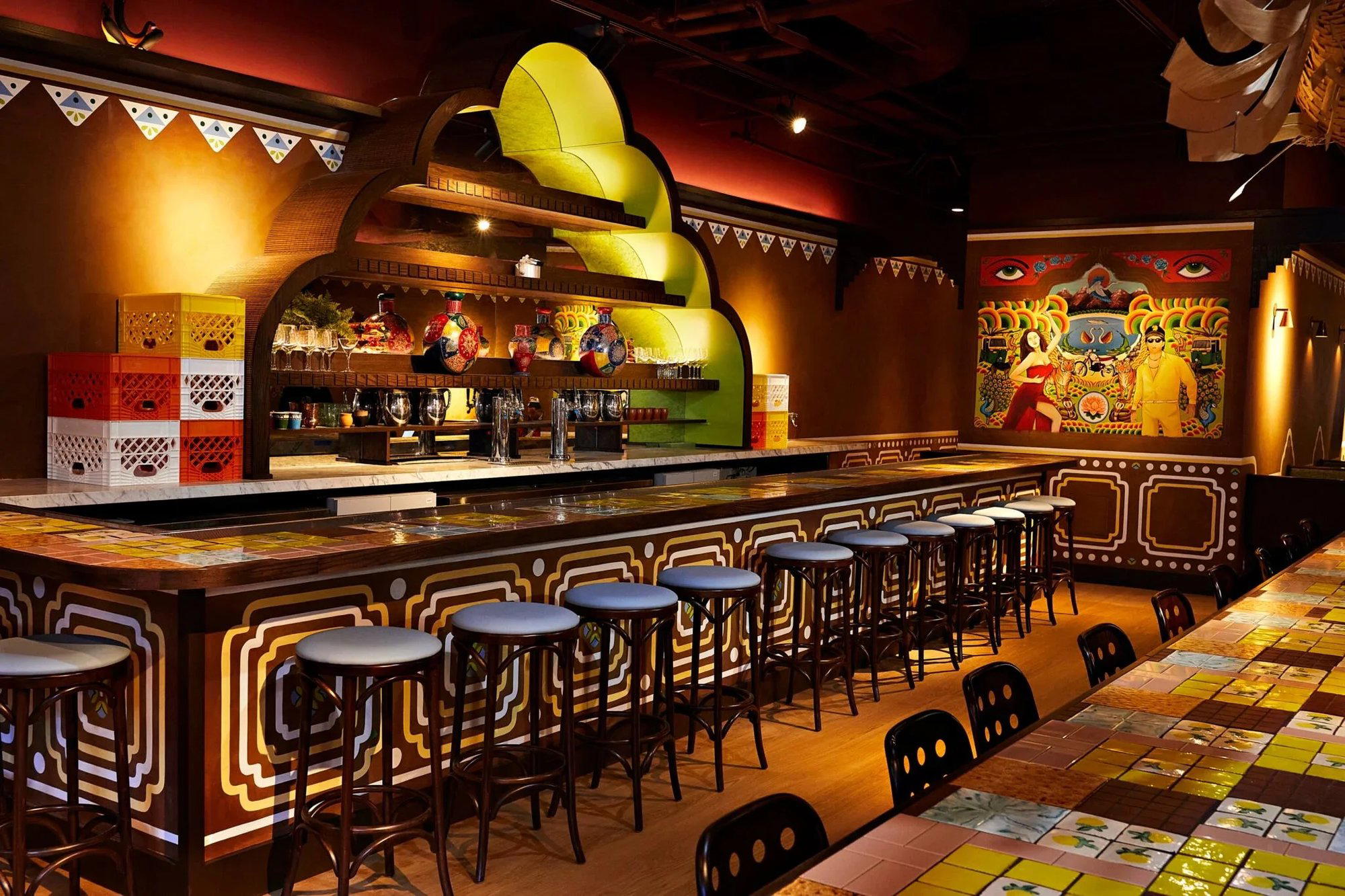
Bars in Baltimore
Browse all →


At a Glance
- Lively
- Classic
- Well Known
- Group Dining
- Celebration
- Casual Hangout
- Private Event
- Live Music
- Private Dining
Current opening hours
- Monday
- 11 AM–9 PM
- Tuesday
- 11 AM–9 PM
- Wednesday
- 11 AM–9 PM
- Thursday
- 11 AM–9 PM
- Friday
- 11 AM–10 PM
- Saturday
- 11 AM–10 PM
- Sunday
- 11 AM–10 PM
Hours can change for holidays and private events. Last verified .
Bright eatery with bar atmosphere and live entertainment, casual and welcoming environment.