Barcocina
Barcocina sits on Thames Street in Baltimore's Fells Point, where the waterfront dining scene has long rewarded venues that balance casual energy with serious kitchen ambition. The address places it inside one of the city's most active hospitality corridors, where Latin-inflected menus and open-air settings have found a consistent audience among locals and visitors alike.

Pearl is the En Primeur Club membership app, where members save venues, book tables and use the concierge.
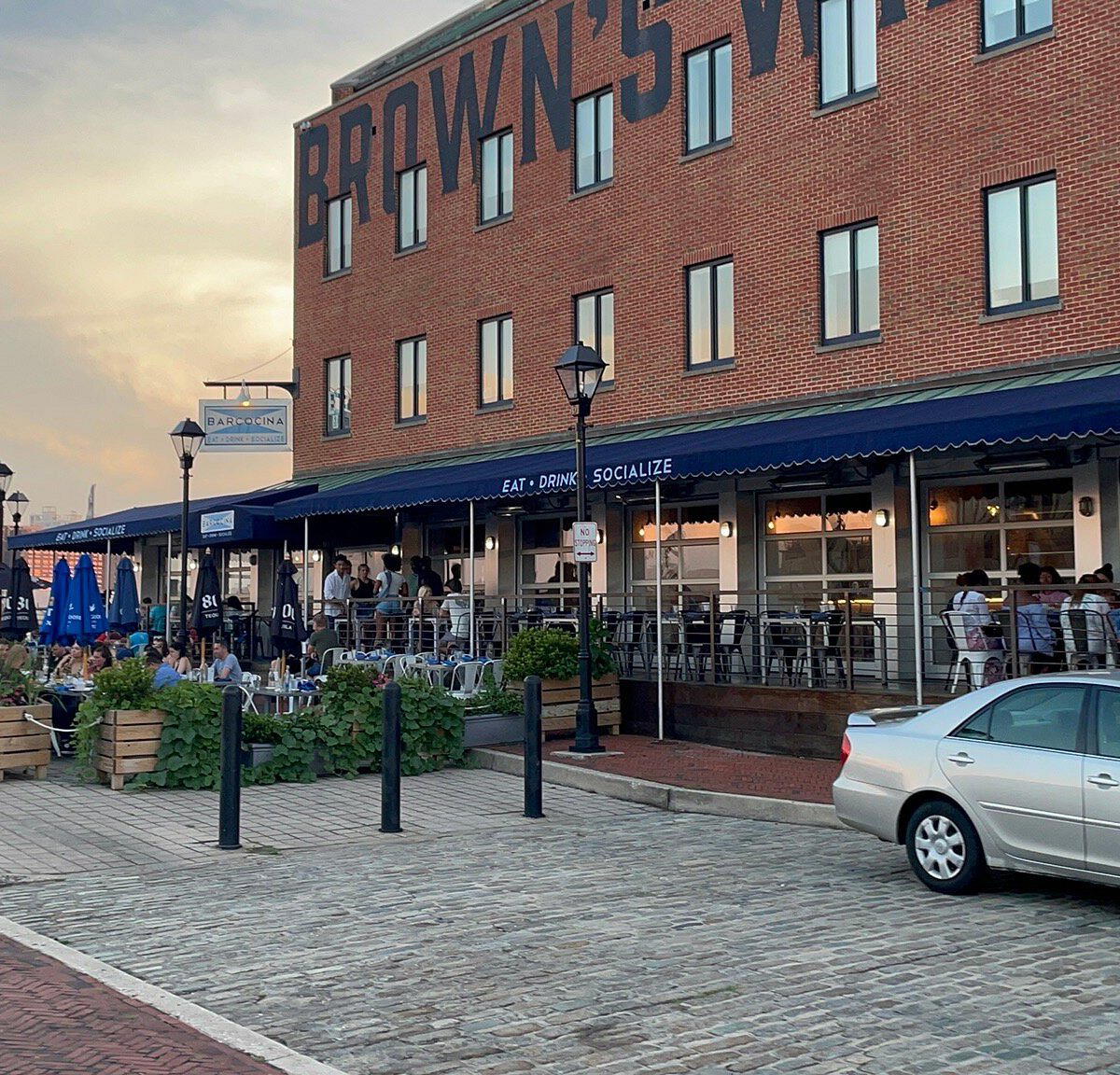
Thames Street and the Fells Point Waterfront
Fells Point's dining character is built on contrast. The neighborhood's cobblestone streets and converted maritime warehouses attract a crowd that wants the texture of old Baltimore alongside food and drink that reflects something current. Thames Street, running parallel to the harbor, concentrates several of the area's more visited venues within a short corridor, which creates a competitive pressure that tends to separate the serious from the scenographic. Barcocina sits at 1629 Thames Street, deep inside that corridor, where the proximity to the waterfront is an asset but the real differentiator has always been what comes out of the kitchen and behind the bar.
Latin-influenced menus occupy an interesting position in Baltimore's broader dining pattern. The city has a handful of venues working seriously in that register, from the widely recognized Alma Cocina Latina, which brought Venezuelan cooking to genuine national attention, to newer arrivals like Baba'de, which approaches the category from a different cultural angle. Barcocina operates closer to the bar-forward, accessible end of the spectrum, where the drink program and the setting carry as much weight as the plate.
The Case for Team-Driven Hospitality
In waterfront dining markets, where foot traffic and tourist volume can mask weak service with reliable volume, the venues that sustain a genuine local following tend to be the ones where the floor and the bar work as a coordinated unit rather than parallel operations. The leading examples of this pattern are visible across American port cities: venues where the bartender's pacing, the server's knowledge of the menu, and the kitchen's output are calibrated to each other rather than siloed by department.
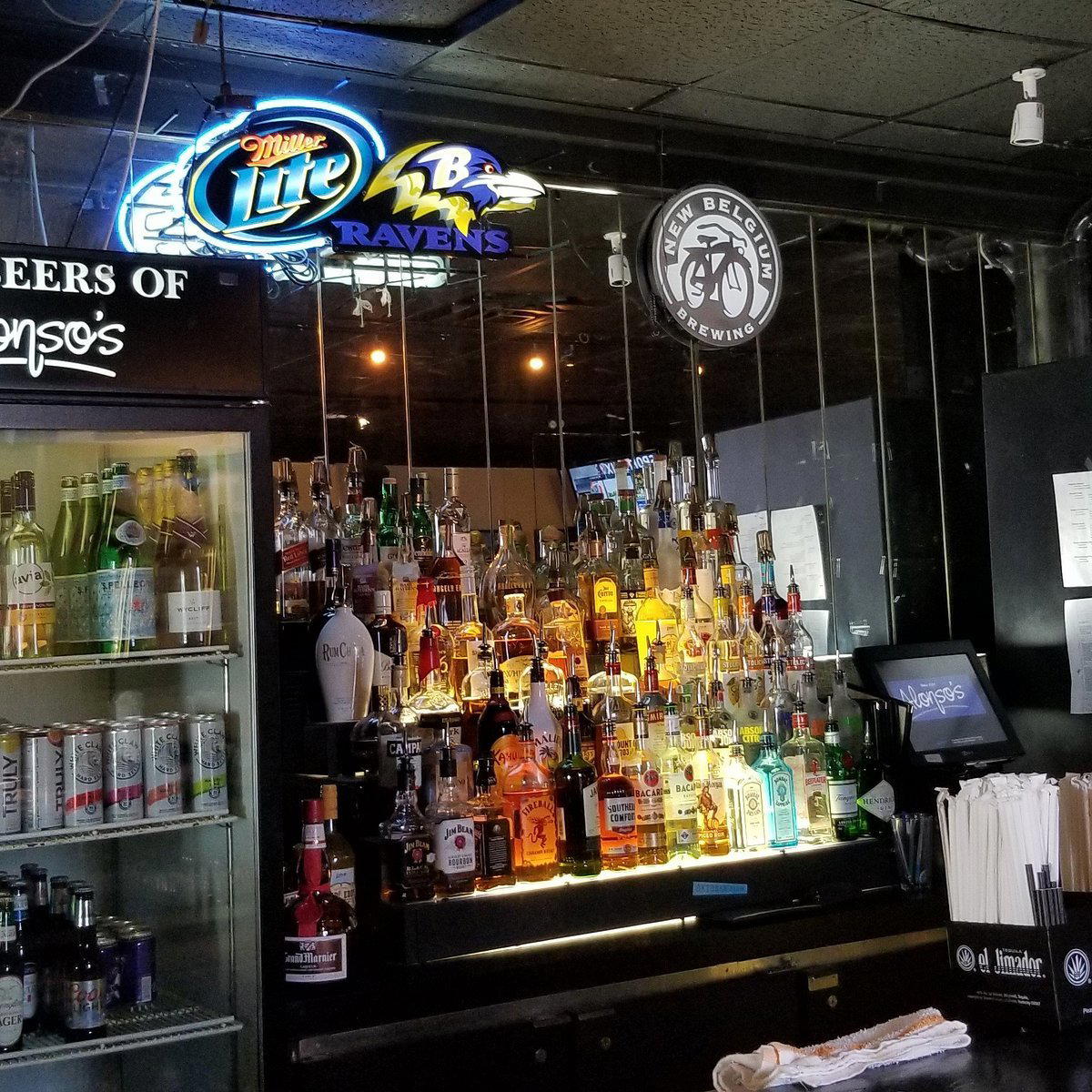
Barcocina's Thames Street setting puts it in regular competition with venues that have more obvious marquee credentials, including nearby spots on the Fells Point circuit like Benny's (Formerly Joe Benny's) and Alonso's. In that context, the operational question is whether the front-of-house and bar programs project enough confidence to hold a table through a full evening rather than functioning as a pre-dinner stop. Venues that succeed in this format across comparable American bar scenes, from Jewel of the South in New Orleans to Kumiko in Chicago, typically do so because the drink program is built with the same intent as the food menu, and the people serving both understand the relationship between them.
The bar-cocina format itself, a hybrid of bar culture and kitchen ambition that the name signals directly, has gained traction across American cities where the formal restaurant model feels less relevant to how people actually want to eat and drink. Superbueno in New York City occupies a related position in its own market, where the Latin bar-restaurant hybrid has generated sustained press attention by treating the cocktail and the taco as equally considered outputs of the same creative operation. That framing, where no single element of the guest experience is subordinated to another, is what distinguishes a team-run venue from one that simply has a kitchen attached to a bar.
What the Baltimore Setting Demands
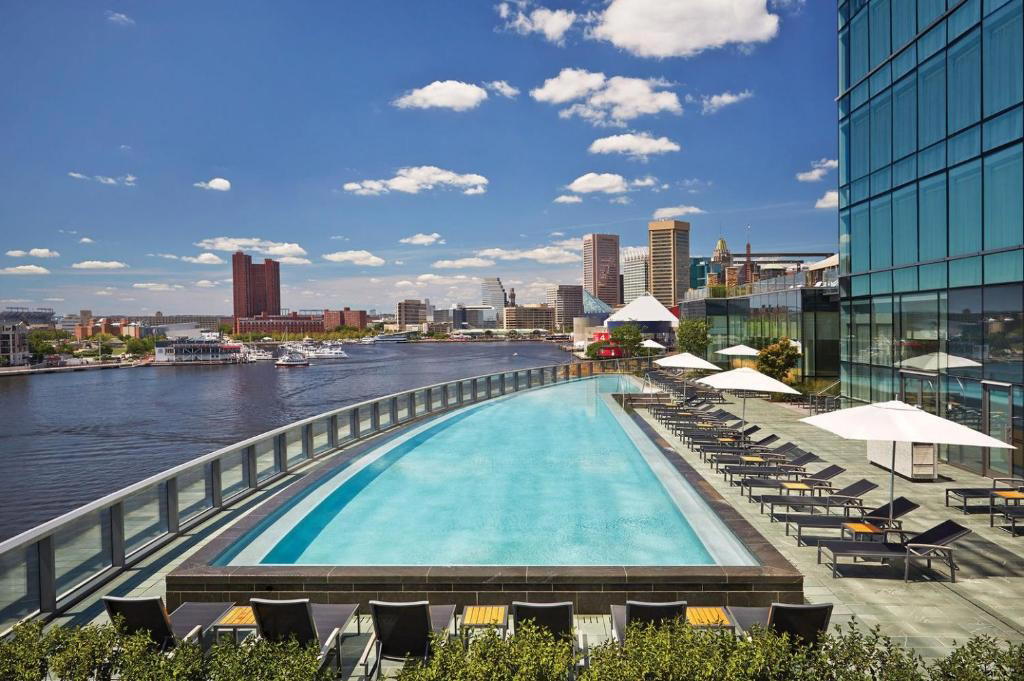
Baltimore's waterfront hospitality has historically rewarded venues that read the outdoor experience correctly. Fells Point draws significant foot traffic across the warmer months, and the premium for a Thames Street address is meaningful only if the venue can hold attention in competition with the harbor view itself. Venues that get this right tend to be the ones where the pacing of service, the calibration of the drink menu to the weather and the hour, and the quality of the outdoor seating are treated as design decisions rather than afterthoughts.
Across comparable waterfront bar-restaurant formats in American cities, the seasonal dimension is particularly consequential. Bar Leather Apron in Honolulu and Julep in Houston both operate in climates where the outdoor experience is central to the guest proposition, and both have invested heavily in how the drink program responds to ambient conditions. In a city like Baltimore, where the summer waterfront season is intense but compressed into roughly May through September, the venues that time their menus and programming to that rhythm tend to outperform those that treat the outdoor months as a variant of the indoor product.
For readers building a Baltimore itinerary, the broader context matters as much as the individual address. Our full Baltimore restaurants guide maps the city's hospitality zones in more detail, but Fells Point's concentration of evening venues means that most decisions are effectively made by neighborhood first and address second. Thames Street, specifically, functions as a self-contained circuit where guests move between venues across the course of an evening, which puts a premium on bars and kitchens that can anchor a stop rather than simply fill one.
Venues operating in technically demanding cocktail formats elsewhere in this tier, including ABV in San Francisco and The Parlour in Frankfurt on the Main, have demonstrated that the bar-forward hybrid format sustains repeat visits when the program has genuine depth rather than surface variety. The question for any waterfront venue in Barcocina's position is whether the drink list and the kitchen output have the kind of internal logic that brings a guest back when the novelty of the setting has worn off.
Planning Your Visit
Barcocina's address at 1629 Thames Street places it within walking distance of Fells Point's main square and the majority of the neighborhood's other evening venues, which makes it a natural part of any multi-stop itinerary in that part of Baltimore. The waterfront location means that weekend evenings in summer draw larger crowds, and planning accordingly is sensible for anyone who wants a specific table or outdoor position rather than whatever is available on arrival. Visiting midweek or arriving early in the evening window gives a more accurate read of the venue's operational rhythm than a peak Saturday service would.
Comparison Snapshot
| Venue | Price |
|---|---|
| BarcocinaThis venue (the venue you are viewing) | Not listed |
| Verde | $20–30 |
Continue exploring
More in Baltimore
Bars in Baltimore
All bars in Baltimore →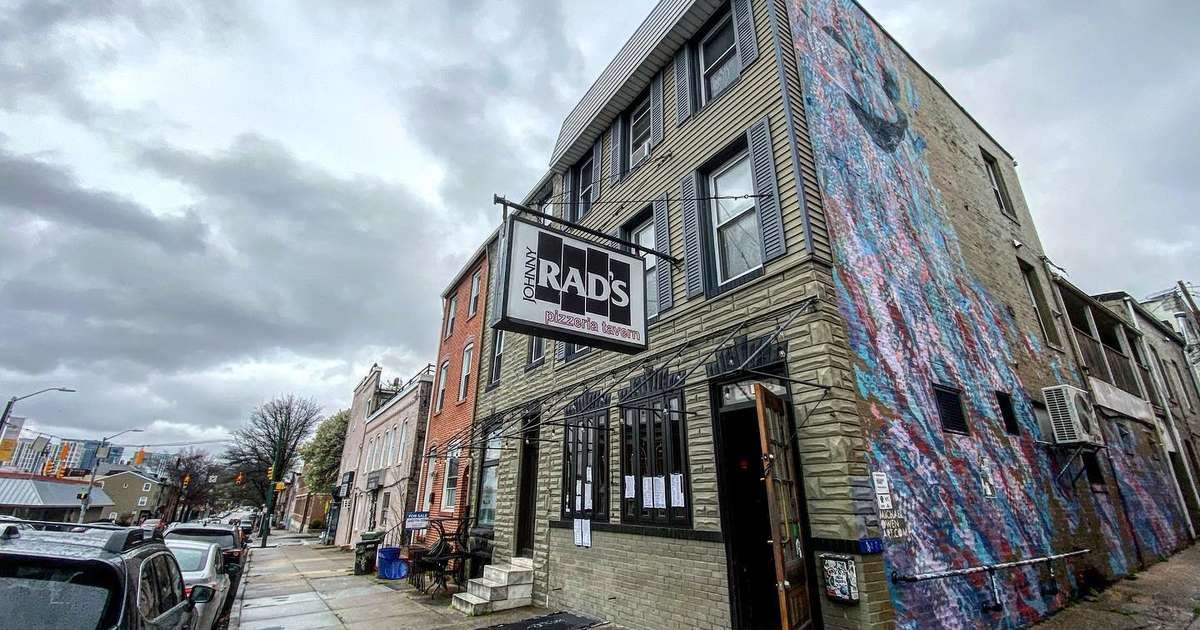
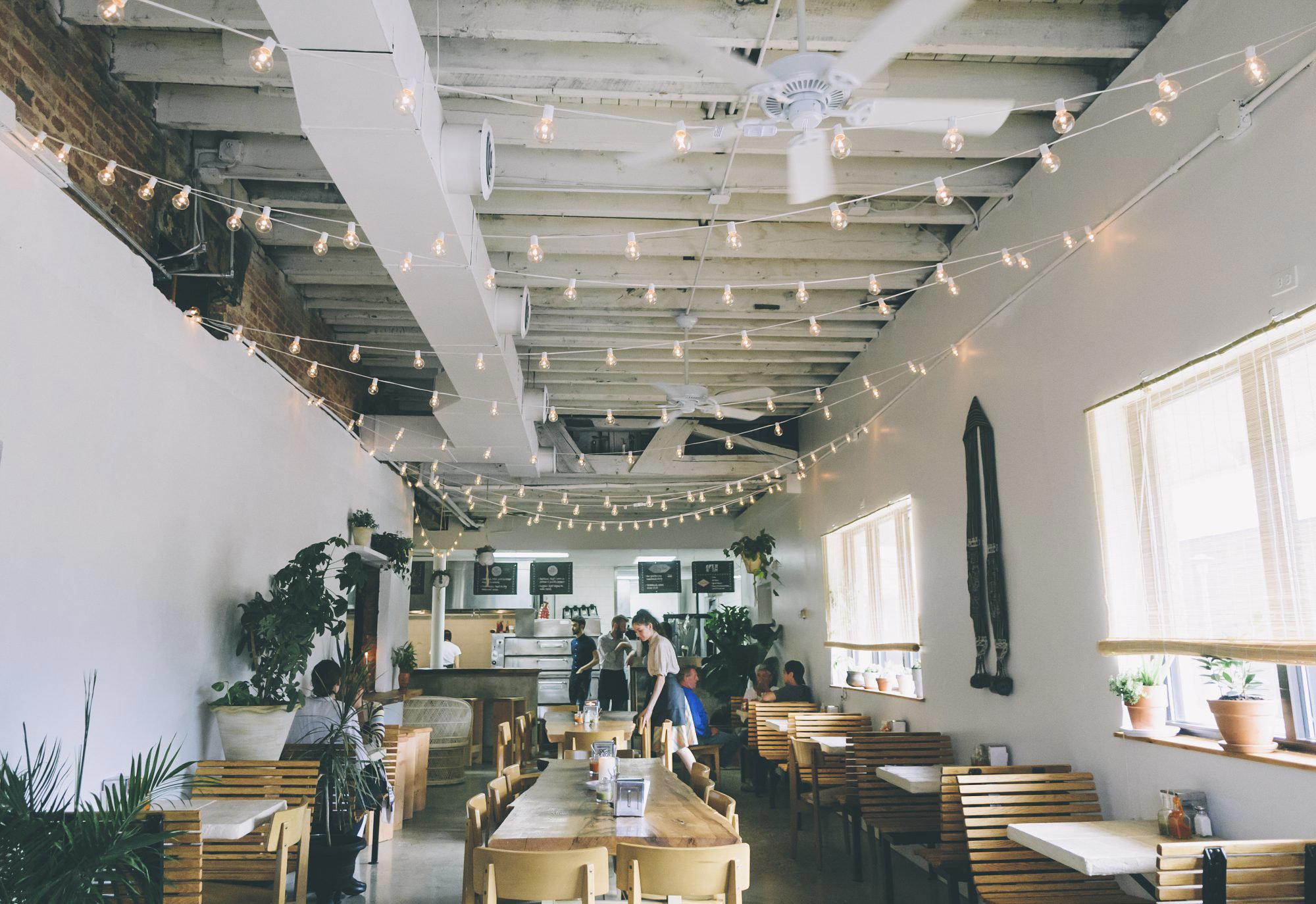
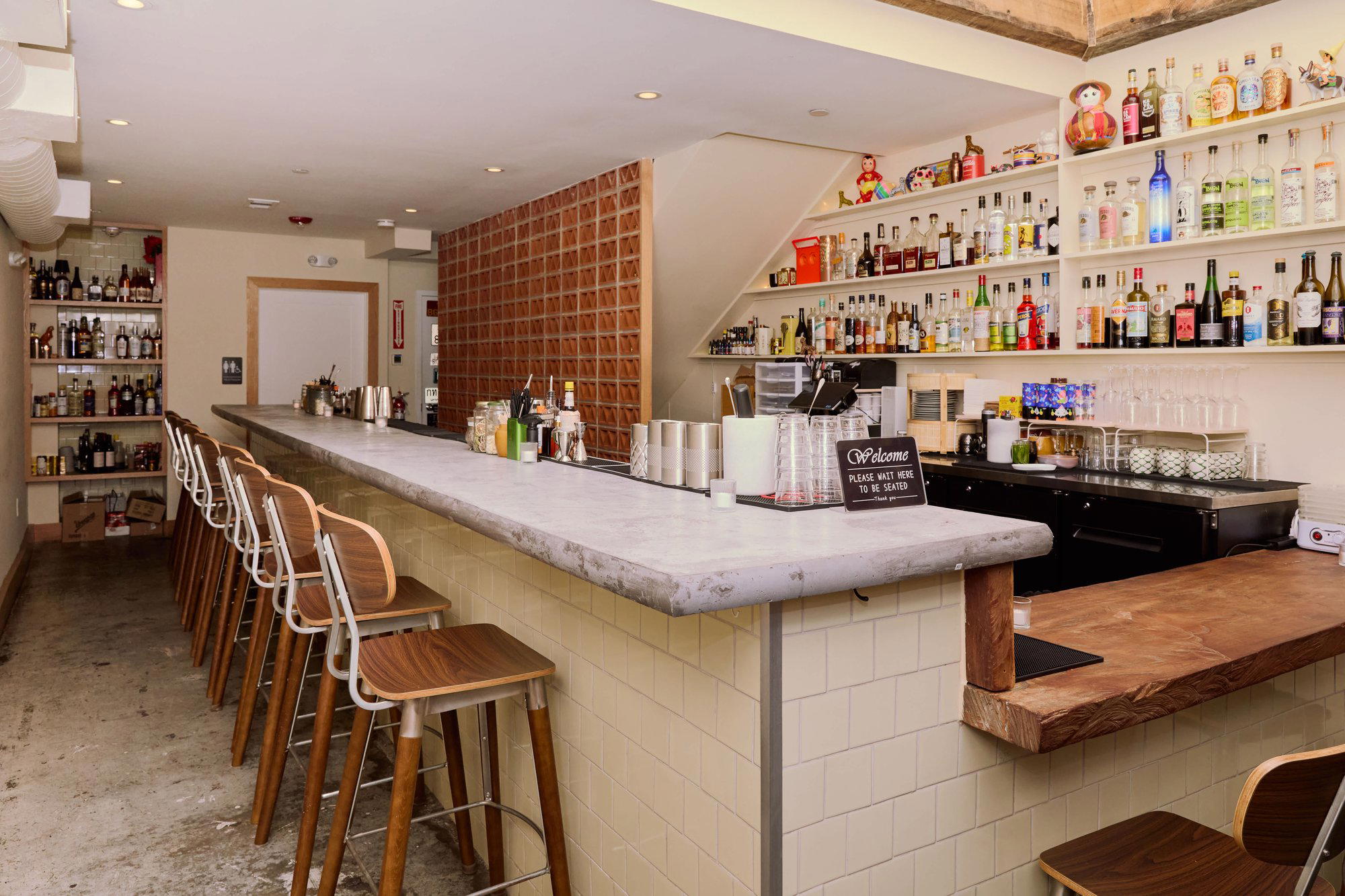
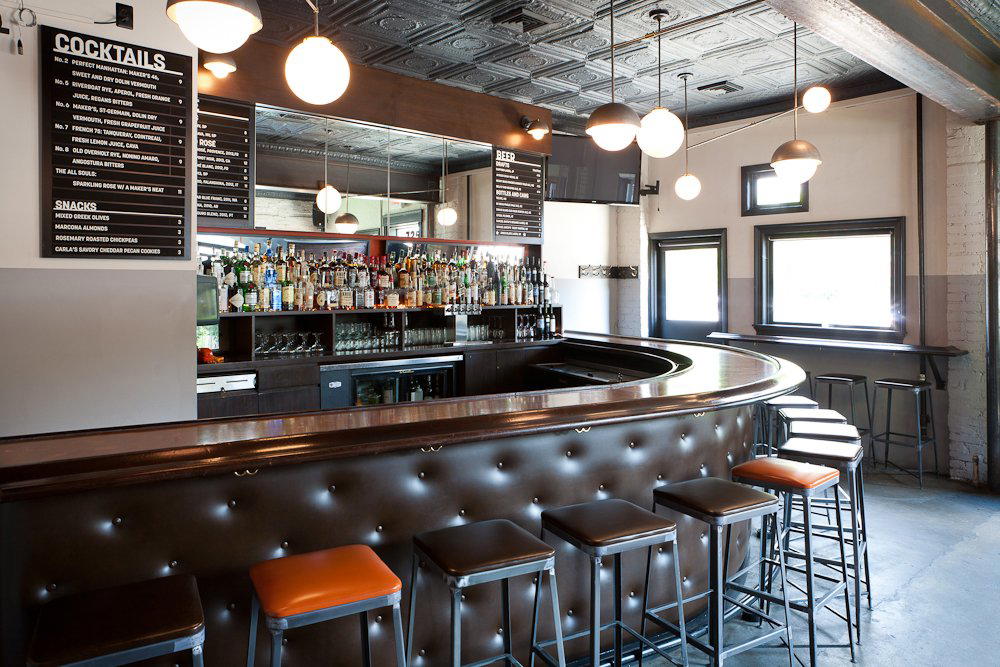
Restaurants in Baltimore
All restaurants in Baltimore →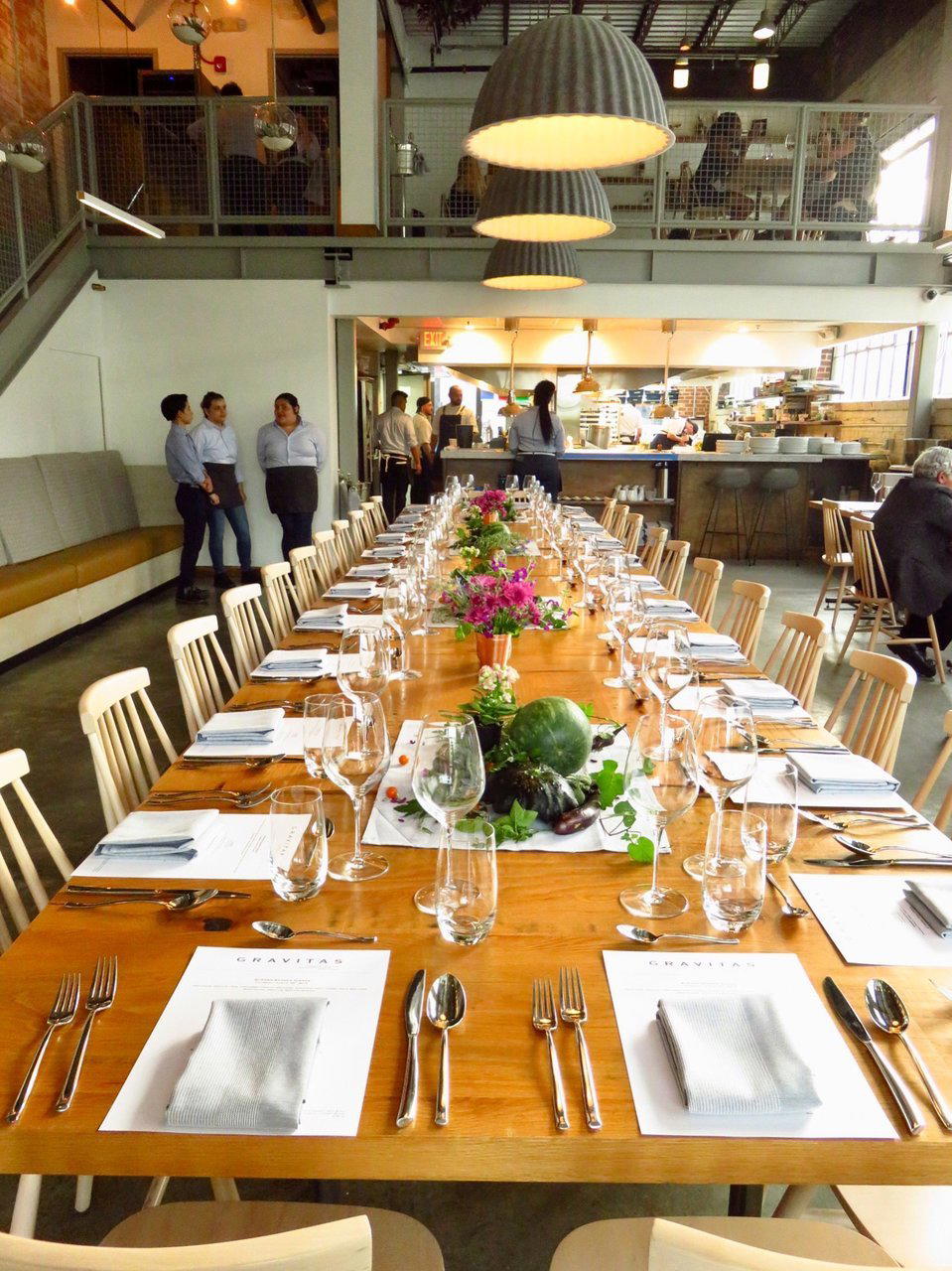
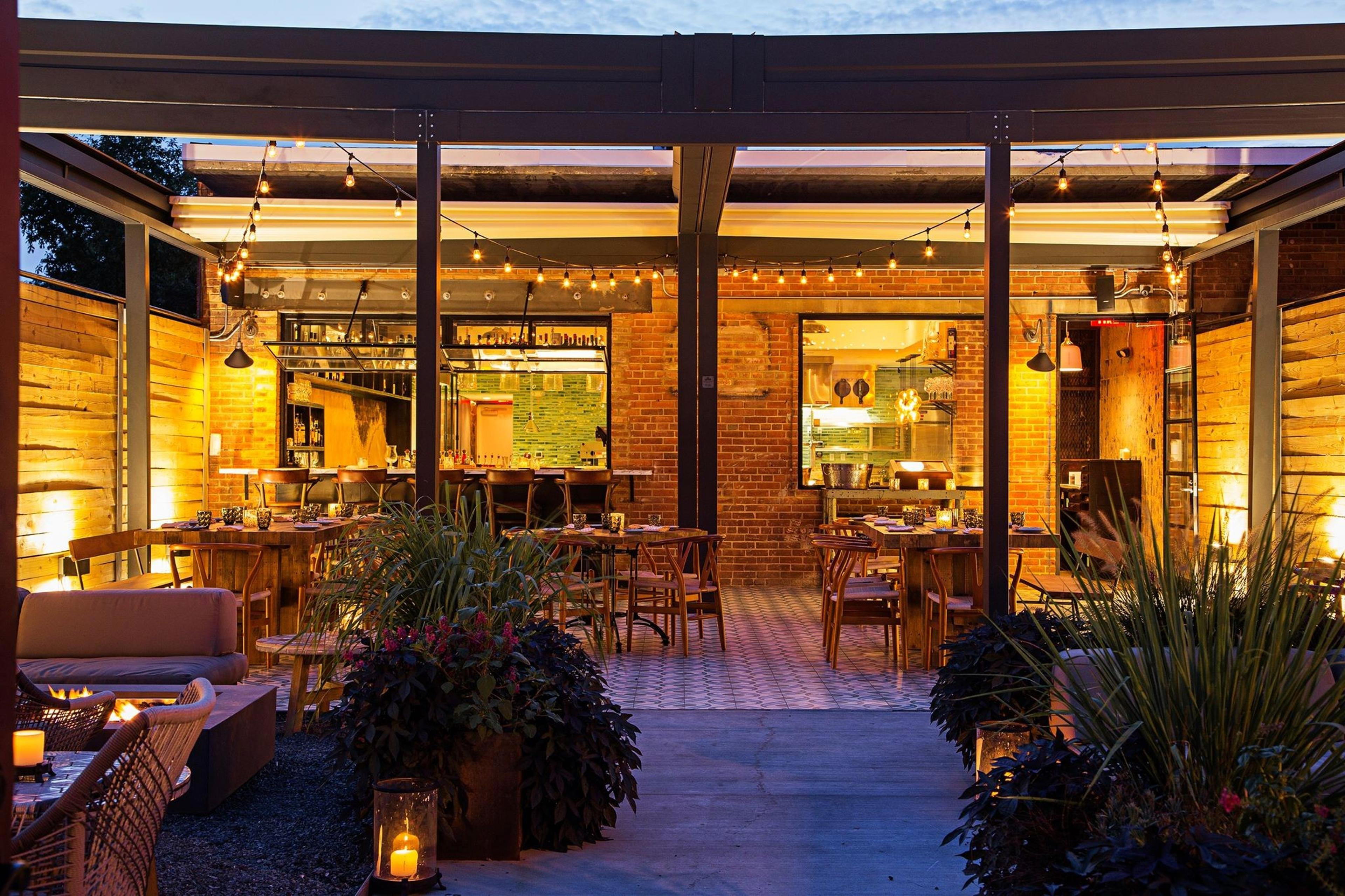
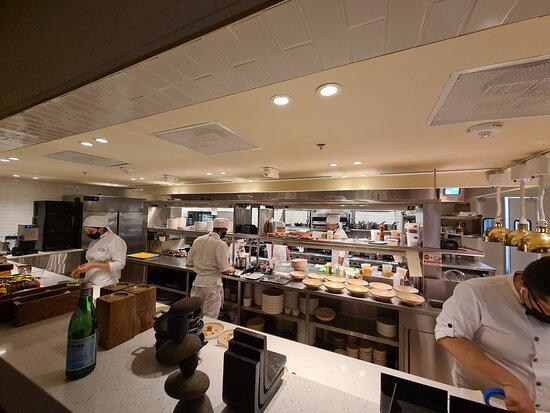
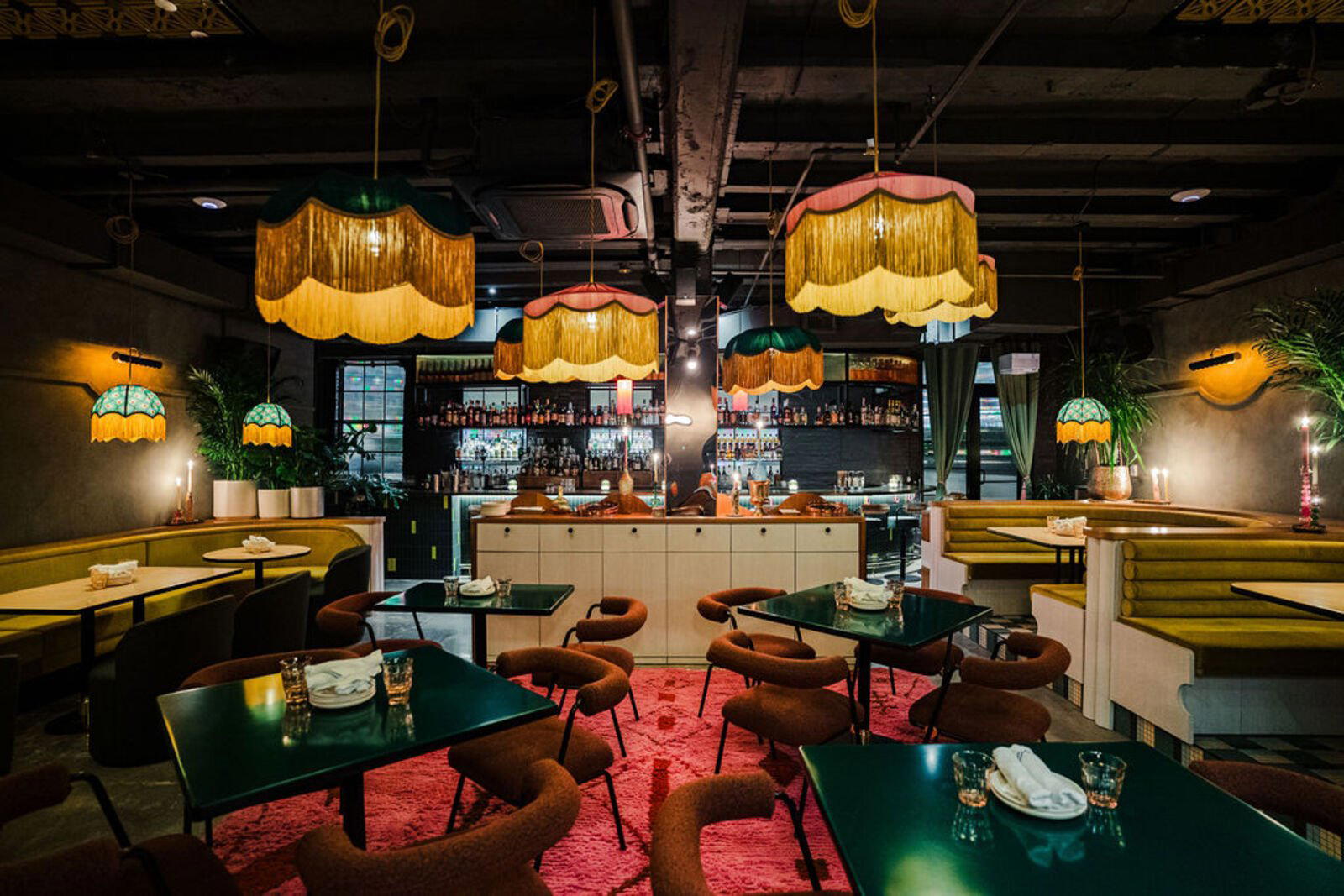
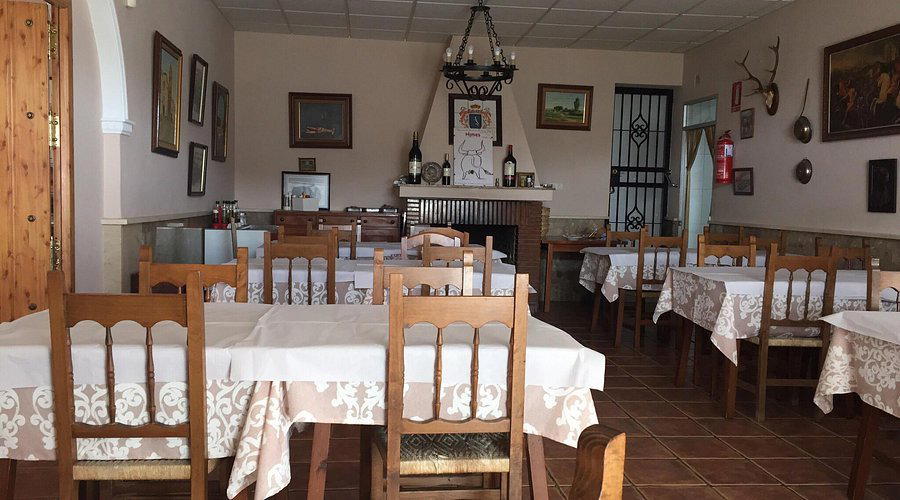
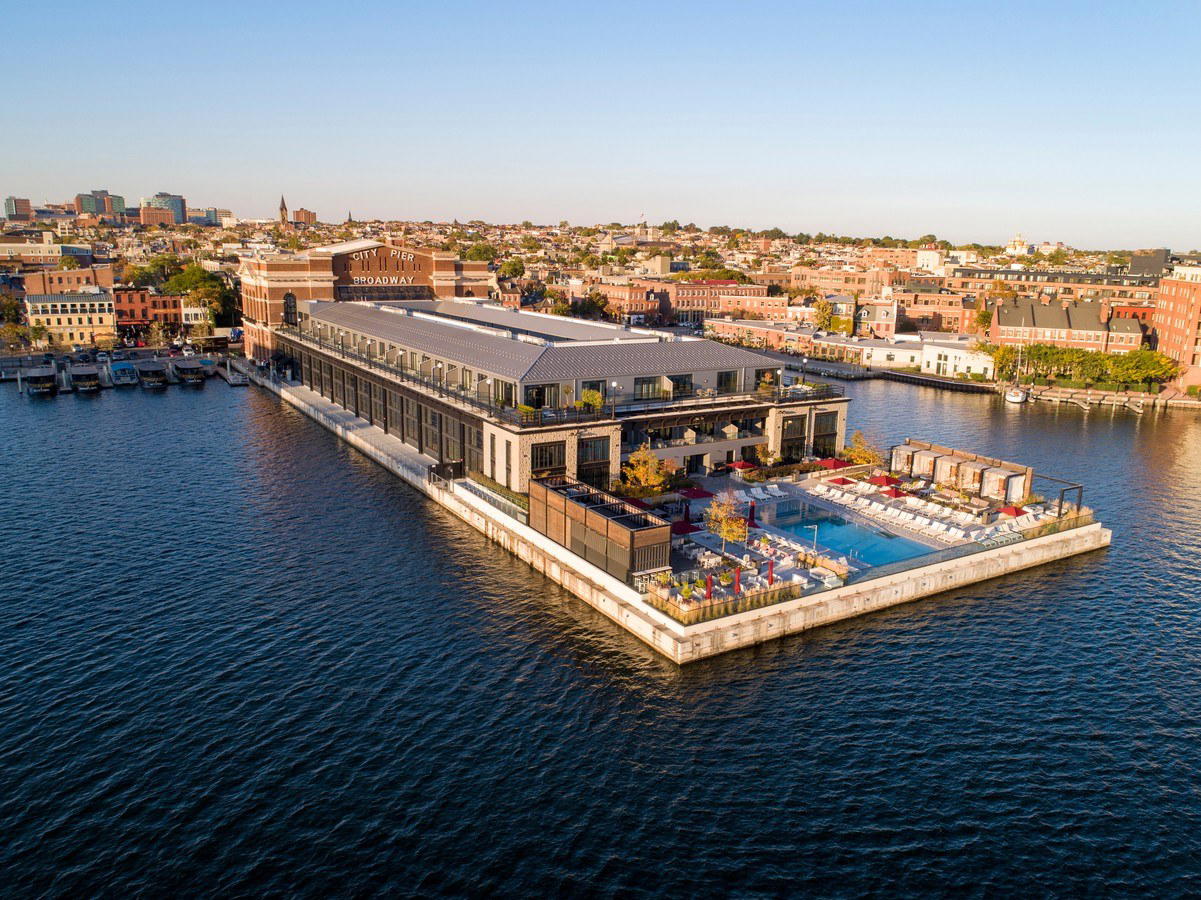
Barcocina
The drinks
- Craft cocktails
- Tequila
Signature drinks: margaritas.
Details
- Lively
- Group Outing
- Celebration
- Waterfront
- Lounge Seating
- Craft Cocktails
- Tequila
- Waterfront
Current opening hours
- Monday
- 11 AM–10 PM
- Tuesday
- 11 AM–10 PM
- Wednesday
- 11 AM–10 PM
- Thursday
- 11 AM–10 PM
- Friday
- 11 AM–2 AM
- Saturday
- 10 AM–2 AM
- Sunday
- 10 AM–10 PM
Hours can change for holidays and private events. Last verified .
Striking and lively with moderate noise levels.