Modern Chinese Canteen at 3 Cr Saint-Louis, Gros Bao serves bao and salt & pepper cuttlefish in a casual, upscale-casual room with street scene views.
Pearl is the En Primeur Club membership app — saves, bookings, and concierge access live there. Same editors, same standards.
- Address
- 3 Cr Saint-Louis, 13001 Marseille, France
- Website
- baofamily.co
- Directions
- Get directions
 Saves & bookings on Pearl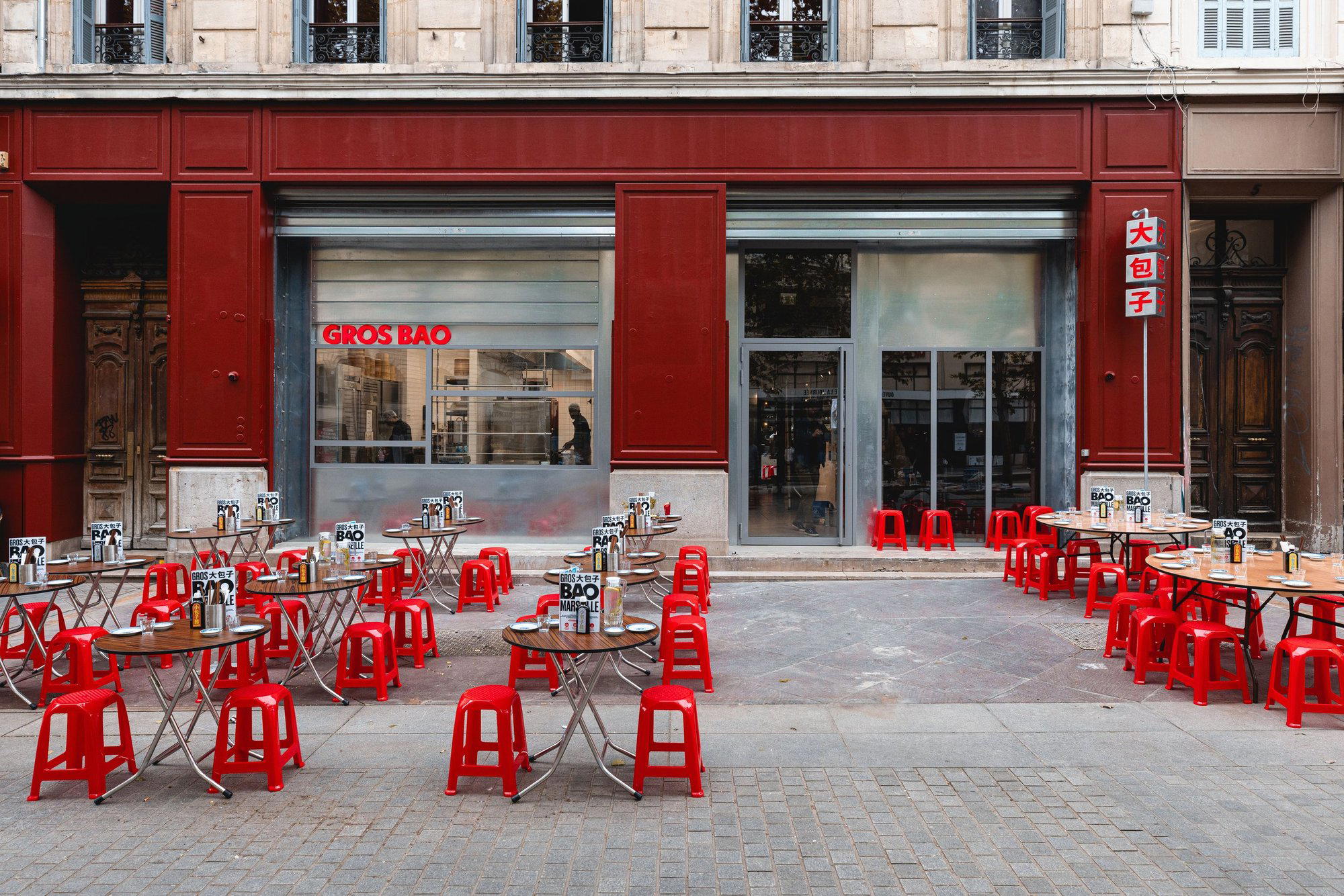
Where Cours Saint-Louis Meets the Bao
Cours Saint-Louis runs through the commercial heart of Marseille's 1st arrondissement, a wide boulevard where the city's layered identity plays out in real time: North African spice merchants alongside Provençal produce stalls, brasseries doing pastis at noon beside newer addresses with a sharper, more international edge. It is in this context that Gros Bao, at number 3, makes a particular kind of sense. Marseille has always been a port city shaped by successive waves of migration, and its restaurant culture reflects that more honestly than almost any comparable French city. The bao format, steamed and filled, belongs to that tradition of absorbed influences as much as it does to any single culinary origin point.
Across France, the bao has followed a predictable trajectory: first appearing in Paris's refined Asian-influenced bistros, then filtering into mid-market casual formats across provincial cities. In Marseille, that trajectory intersects with a food culture that has always been less precious about its sources. The city that gave France bouillabaisse, itself a fisherman's dish absorbed into fine dining, has little difficulty accommodating a Taiwanese street food format as a legitimate dining proposition. Gros Bao sits within that logic.
What the Menu Structure Says
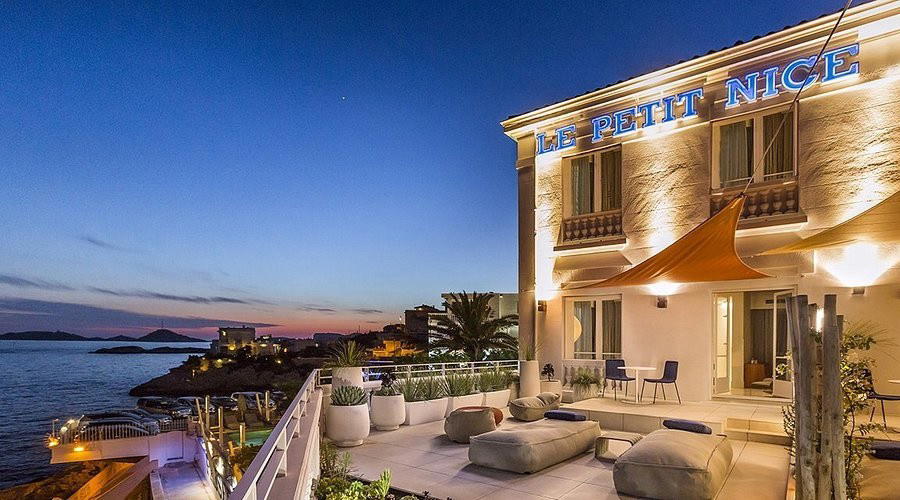
The name itself is an editorial statement. Gros, meaning large or big, signals a departure from the delicate, miniaturised bao that appears on tasting menus at addresses like AM par Alexandre Mazzia or at internationally recognised French houses such as Mirazur in Menton. The format here is generous and direct, designed around the bao as a primary vehicle rather than an amuse-bouche or a conceptual accent. That decision alone places Gros Bao in a different competitive conversation from the city's high-end Michelin tier, which includes Le Petit Nice and Une Table, au Sud.
The bao-centric menu structure, when executed with discipline, imposes a useful constraint: every element has to work within the logic of the steamed bun. Filling, texture, sauce ratio, and bread-to-protein balance become the critical variables rather than plate composition or sauce architecture. This is a different kind of menu intelligence, one more common in cities like London, New York, and Sydney, where the casual-format restaurant has developed serious culinary ambition without adopting fine-dining conventions. Marseille's food scene has been slower to develop this category, making the restaurant's approach relatively early in the local context.
For comparison, the broader French restaurant landscape at the premium end remains heavily committed to classical forms. Houses like Paul Bocuse - L'Auberge du Pont de Collonges, Auberge de l'Ill in Illhaeusern, and Troisgros - Le Bois sans Feuilles in Ouches represent a France where menu architecture is fundamentally rooted in the carte and tasting format. The restaurant operates in a different register entirely, one that aligns more with the direction taken by Atomix in New York City in collapsing the distance between casual format and serious culinary intent, even if the contexts and price tiers differ substantially.
Marseille's Broader Dining Context
Marseille's restaurant scene has historically been read as secondary to Lyon or Paris in French culinary terms, but that reading misses what the city actually does well. Its leading addresses are not trying to replicate northern French fine dining in a southern climate; they are doing something more specific to port-city logic, which is to say they draw on proximity to notable ingredients, deep Mediterranean tradition, and a population whose food references stretch across the Mediterranean basin and beyond. Alivetu and 1860 Le Palais both operate within versions of this framework, as does the broader category of informal addresses along the Vieux-Port and into the Noailles district.
Cours Saint-Louis sits at the edge of Noailles, a neighbourhood that functions as Marseille's most concentrated expression of this multicultural food culture. The proximity matters for understanding what the restaurant is doing: the surrounding context is one where Vietnamese pho shops, Lebanese pastry counters, and Algerian msemen stands coexist without much hierarchy. An address focused on bao in this environment is not making an exotic proposition; it is participating in an existing conversation.
For the French high-end dining reference frame, it is worth noting how far removed the restaurant is from the formal traditions tracked by addresses like Assiette Champenoise in Reims, Bras in Laguiole, or Flocons de Sel in Megève. That distance is precisely the point. The city's serious dining conversation at the upper tier is documented separately in our full Marseille restaurants guide; the restaurant occupies a different register within the same city.
Planning a Visit
The address at 3 Cours Saint-Louis places the restaurant within walking distance of the Vieux-Port and within the immediate orbit of the Noailles market district, making it a logical stop within a broader afternoon or evening that takes in the area's food culture. The restaurant is casual, reservations are recommended, and the price per person is about $20. Cours Saint-Louis is accessible by metro (Vieux-Port station on Line 1) and straightforwardly reached on foot from the waterfront. The restaurant is recommended for reservations and keeps regular lunch and dinner hours throughout the week.
Awards and Standing
Comparable venues nearby, for context on price, style, and recognition.
| Venue | Cuisine | Price | Notes |
|---|---|---|---|
| Gros BaoThis venue — the venue you are viewing | Modern Chinese Canteen | $$ | Not listed |
| Sauver | Classic Italian Pizzeria | $$ | Noailles |
| Coquille | Provençal Seafood Bistro | $$ | Opera |
| La Cave de Baille | French Bistro | $$ | La Conception |
| Libala | Franco-Congolese Fusion Street Food | $$ | Noailles |
| BASKAWAÏ | Basque Cuisine | $$ | Notre Dame Du Mont |
Continue exploring
More in Marseille
Restaurants in Marseille
Browse all →
Bars in Marseille
Browse all →
Hotels in Marseille
Browse all →
At a Glance
- Lively
- Modern
- Trendy
- Industrial
- Group Dining
- Casual Hangout
- Open Kitchen
- Street Scene
Current opening hours
- Monday
- 12–2:30 PM, 7–10:30 PM
- Tuesday
- 12–2:30 PM, 7–10:30 PM
- Wednesday
- 12–2:30 PM, 7–10:30 PM
- Thursday
- 12–2:30 PM, 7–11 PM
- Friday
- 12–2:30 PM, 7–11 PM
- Saturday
- 12–3 PM, 7–11 PM
- Sunday
- 12–3 PM, 7–10:30 PM
Hours can change for holidays and private events. Last verified .
Animé and immersive with a raw, authentic industrial feel evoking Shanghai street life.