
Grünerhof holds a Michelin Plate in consecutive years (2024 and 2025), placing it among the small tier of recognised contemporary kitchens operating at altitude in the Austrian Tirol. At the €€€ price point, it occupies a considered middle ground in Obergurgl's dining scene, more ambitious than resort-casual, less formal than the village's starred rooms, with a kitchen that takes the ritual of the meal seriously.
Pearl is the En Primeur Club membership app — saves, bookings, and concierge access live there. Same editors, same standards.
- Address
- Gaisbergweg 2, 6456 Obergurgl, Austria
- Phone
- +43 5256 6526
- Website
- gruenerhof.at
- Directions
- Get directions
 Saves & bookings on Pearl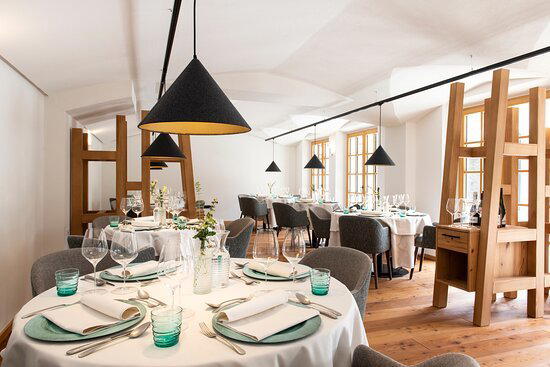
Dining at Altitude: The Rhythm of a Meal in Obergurgl
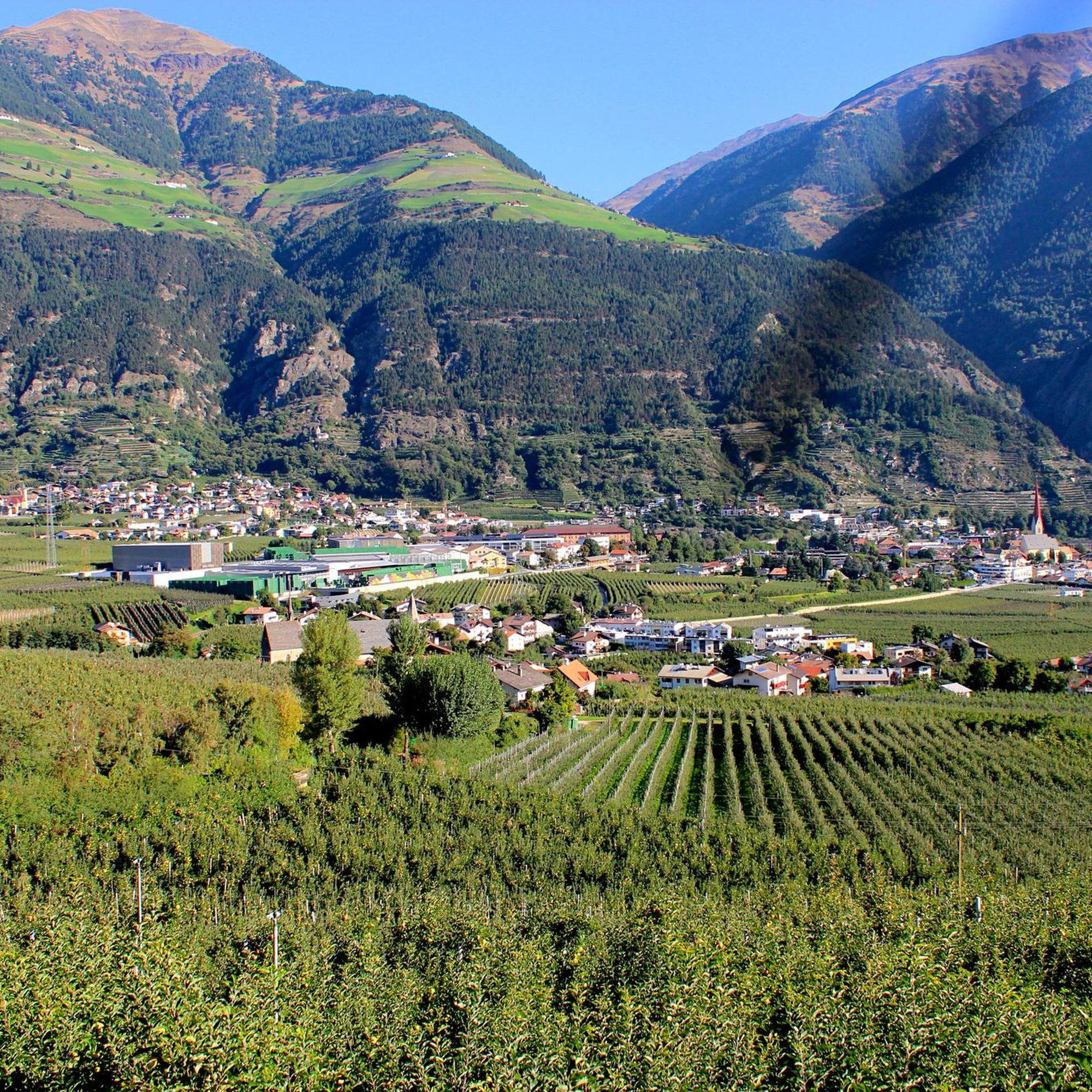
At 1,930 metres, Obergurgl is the highest parish village in Austria, and the conditions shape everything about how its restaurants operate. The season is compressed, the clientele predominantly passes through rather than settles, and the kitchens that earn sustained recognition do so by building a distinct identity within those constraints. Grünerhof, at Gaisbergweg 2, sits within this small, competitive dining tier and has earned consecutive Michelin Plates in 2024 and 2025, a signal of consistent kitchen quality rather than a one-season flourish.
In an alpine village of Obergurgl's size, two consecutive Plates position Grünerhof within a small group of kitchens that take the craft of the meal seriously regardless of the resort calendar. For context, Gourmetstube Hochfirst and Austria Stuben round out the recognised dining options in the village, a comparable set that is small enough to make each venue's identity clearly legible.
The Contemporary Kitchen in an Alpine Setting
Contemporary cuisine, as a category, covers a wide range of intentions and techniques. Across Austria's most ambitious tables, from Steirereck im Stadtpark in Vienna to Döllerer in Golling an der Salzach, the designation tends to mean kitchens that draw on regional ingredients and classical Austrian technique while applying more current approaches to composition and plating. Grünerhof works within this broader Austrian contemporary tradition at the €€€ price tier, which places it above resort-casual but below the €€€€ bracket occupied by the country's starred destination restaurants.
That distinction matters for how the meal is structured. At the starred end of the Austrian alpine spectrum, venues like Gourmetrestaurant Tannenhof in Sankt Anton am Arlberg or Griggeler Stuba in Lech, multi-course tasting menus dominate, pacing is extended, and the evening is the event. Grünerhof's €€€ positioning suggests a more accessible format: still deliberate in its kitchen approach, still awarded, but structured around a meal that functions for guests who arrive after a day on the mountain and want serious cooking without committing to a formal progression of eight or more courses.
The Ritual of the Alpine Meal
In alpine dining culture, the rhythm of a meal carries particular weight. Guests are often arriving from physical exertion, appetite is genuine rather than constructed, and the warmth of an interior matters as much as what arrives at the table. The leading Tirolean kitchens understand this: the meal is not decorative but functional in pleasurable sense. Dishes that read as contemporary in technique often anchor themselves in regional produce and familiar flavour logic, giving the meal a coherence that pure modernist tasting menus can sometimes lack.
This approach has precedent across Austria's serious contemporary kitchens. At Ikarus in Salzburg, the format rotates guest chefs through a fixed stage, foregrounding the meal's structure as the event. At Kräuterreich by Vitus Winkler in Sankt Veit im Pongau, regional herb cultivation is central to both the ritual and the kitchen's identity. These examples illustrate a consistent logic in Austrian contemporary dining: the meal's pacing and ingredient sourcing are statements of intent, not incidental details. Grünerhof's consecutive recognition suggests its kitchen applies that same discipline within Obergurgl's tight seasonal window.
Where Grünerhof Sits in the Austrian Dining Conversation
Austria's serious dining scene extends well beyond Vienna, though the capital anchors it. The country's recognised contemporary kitchens range from Landhaus Bacher in Mautern an der Donau, a benchmark for classical Austrian technique refined over decades, to younger addresses like Ois in Neufelden, which work in smaller markets with sharp contemporary focus. Obauer in Werfen represents the long-form version of this story: a family kitchen that has sustained Michelin recognition over many years in a provincial setting.
Grünerhof belongs to the subset of this story that plays out specifically in high-altitude resort villages, a niche category where kitchens must serve a visiting rather than local audience, operate within a compressed seasonal window, and earn recognition without the consistent foot traffic that sustains urban or lowland restaurants. Consecutive Michelin Plates point to a kitchen that holds its standard across seasons.
For readers who want to understand how the contemporary category lands differently across geographies, the comparison is instructive. César in New York City and Jungsik in Seoul represent how contemporary fine dining frames itself in major metropolitan contexts, larger stages, more international reference points, year-round operations. Grünerhof's version of the same category is shaped by its geography: the Tirolean mountain setting creates a specificity that metropolitan contemporaries, by definition, cannot replicate.
Planning Your Visit
Obergurgl operates primarily as a ski resort, so Grünerhof's season follows the mountain calendar. The address at Gaisbergweg 2 is direct to locate within the compact village. At the €€€ price point, Grünerhof sits below the leading price tier in Austria, a reasonable entry point for travellers who want awarded contemporary cooking without the commitment level of the country's €€€€ destination restaurants. Booking ahead is advisable during peak ski weeks, when the village's small number of serious dining rooms fill quickly.
Category Peers
Comparable venues nearby, for context on price, style, and recognition.
| Venue | Cuisine | Price | Awards | Notes |
|---|---|---|---|---|
| GrünerhofThis venue — the venue you are viewing | Modern Tyrolean | $$$ | Michelin Plate | Not listed |
| Gourmetstube Hochfirst | Contemporary French Alpine Fine Dining | $$$$ | Michelin Plate | Obergurgl |
| Gourmet & Wine Hotel Austria | Modern Austrian Fine Dining | $$$$ | Not listed | Obergurgl |
| Austria Stuben | Modern Alpine Fine Dining | $$$$ | Michelin 1 Star | Gurgl |
| Haller's | Alpine-Adriatic Fine Dining | $$$ | Michelin Plate | Mittelberg |
| Das Schindler | Modern Austrian Seasonal | $$$ | Michelin Plate | Maria-Theresien-Straße |
Recognition history
Dated appearances from independent guides and award organizations, with the underlying list record or original source where available.
Michelin Plate
Michelin
Michelin Plate
Michelin
Continue exploring
More in Obergurgl
Restaurants in Obergurgl
Browse all →
Bars in Obergurgl
Browse all →

Hotels in Obergurgl
Browse all →
At a Glance
- Romantic
- Cozy
- Rustic
- Elegant
- Scenic
- Special Occasion
- Date Night
- Celebration
- Hotel Restaurant
- Open Kitchen
- Extensive Wine List
- Local Sourcing
- Organic
- Mountain
Current opening hours
- Monday
- 4–10:30 PM
- Tuesday
- 4–10:30 PM
- Wednesday
- 4–10:30 PM
- Thursday
- 4–10:30 PM
- Friday
- 4–10:30 PM
- Saturday
- 4–10:30 PM
- Sunday
- 4–10:30 PM
Hours can change for holidays and private events. Last verified .
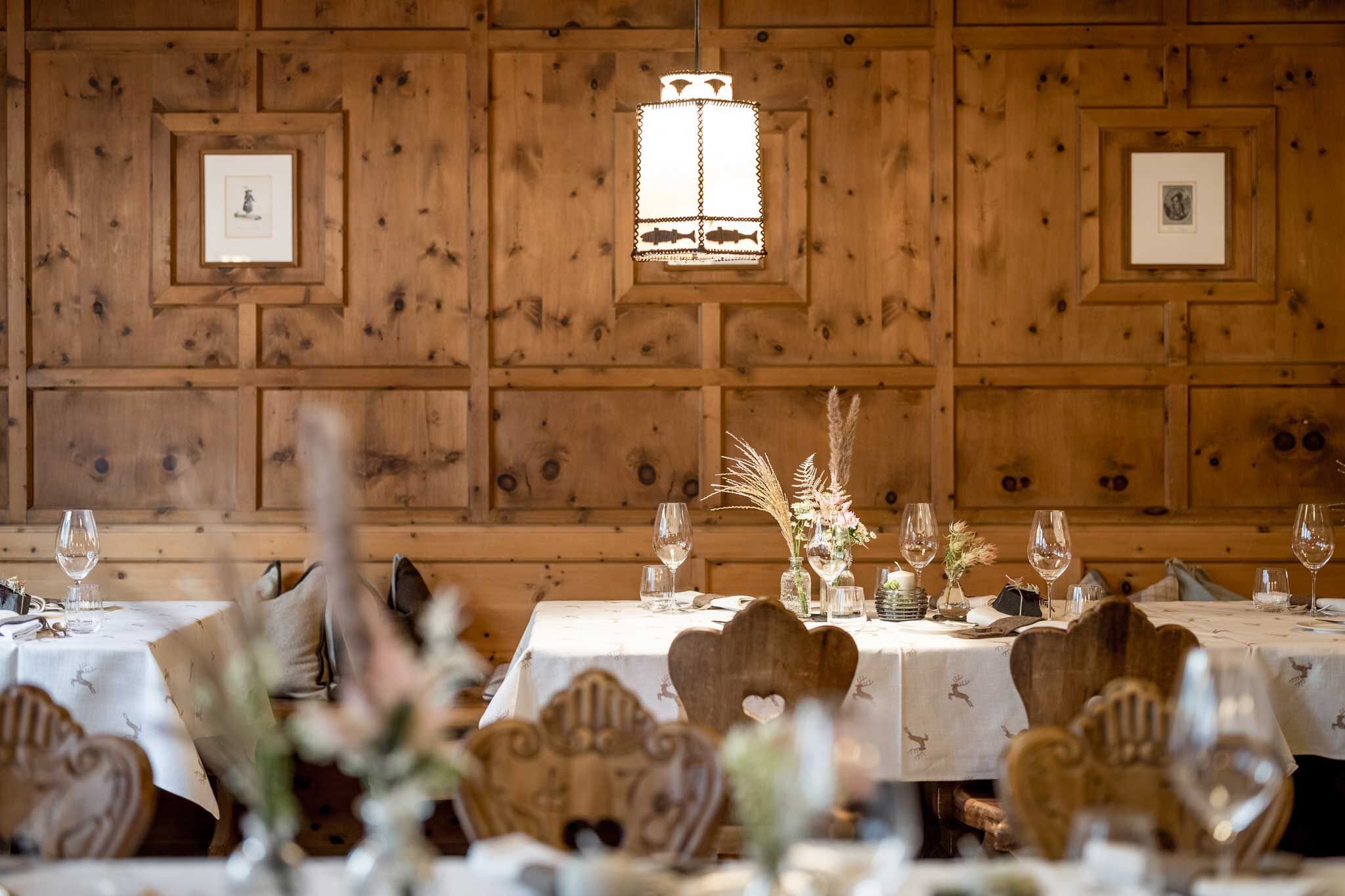
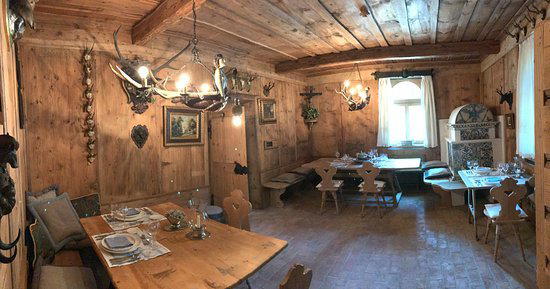
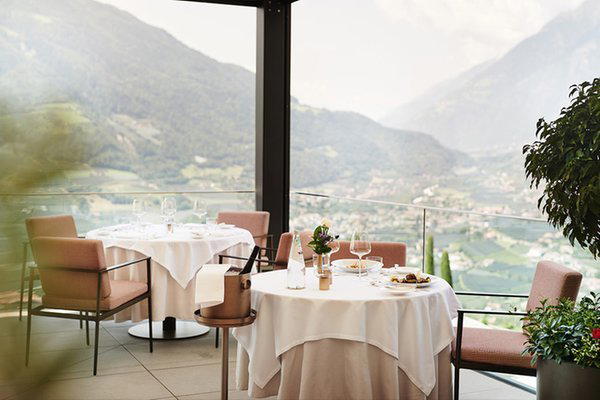
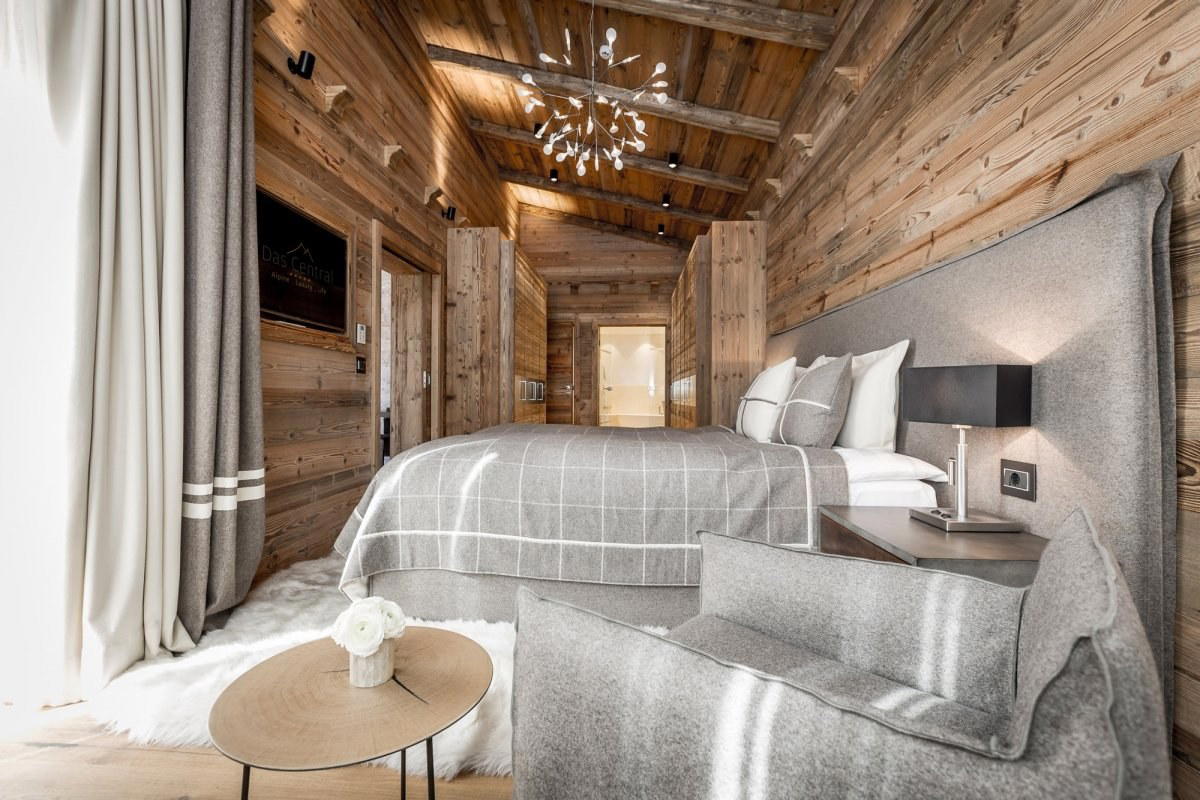
Romantic and cozy atmosphere with natural materials, warm personalized service, and a peaceful setting right on the ski slopes.