Gaislachalm sits on the slopes above Sölden in Austria's Ötztal Valley, operating in the tradition of the alpine Almwirtschaft: a mountain hut where the meal is inseparable from the terrain that produced it. The setting, the pacing, and the food all follow the logic of altitude, unhurried, seasonal, and grounded in Tyrolean custom. For visitors to Sölden's ski and hiking circuit, it represents a different register from the valley-floor restaurants.
Pearl is the En Primeur Club membership app — saves, bookings, and concierge access live there. Same editors, same standards.
- Address
- Gaislachalm 18, 6450 Sölden, Austria
- Phone
- +434352542914
- Website
- gaislachalm.com
- Directions
- Get directions
 Saves & bookings on Pearl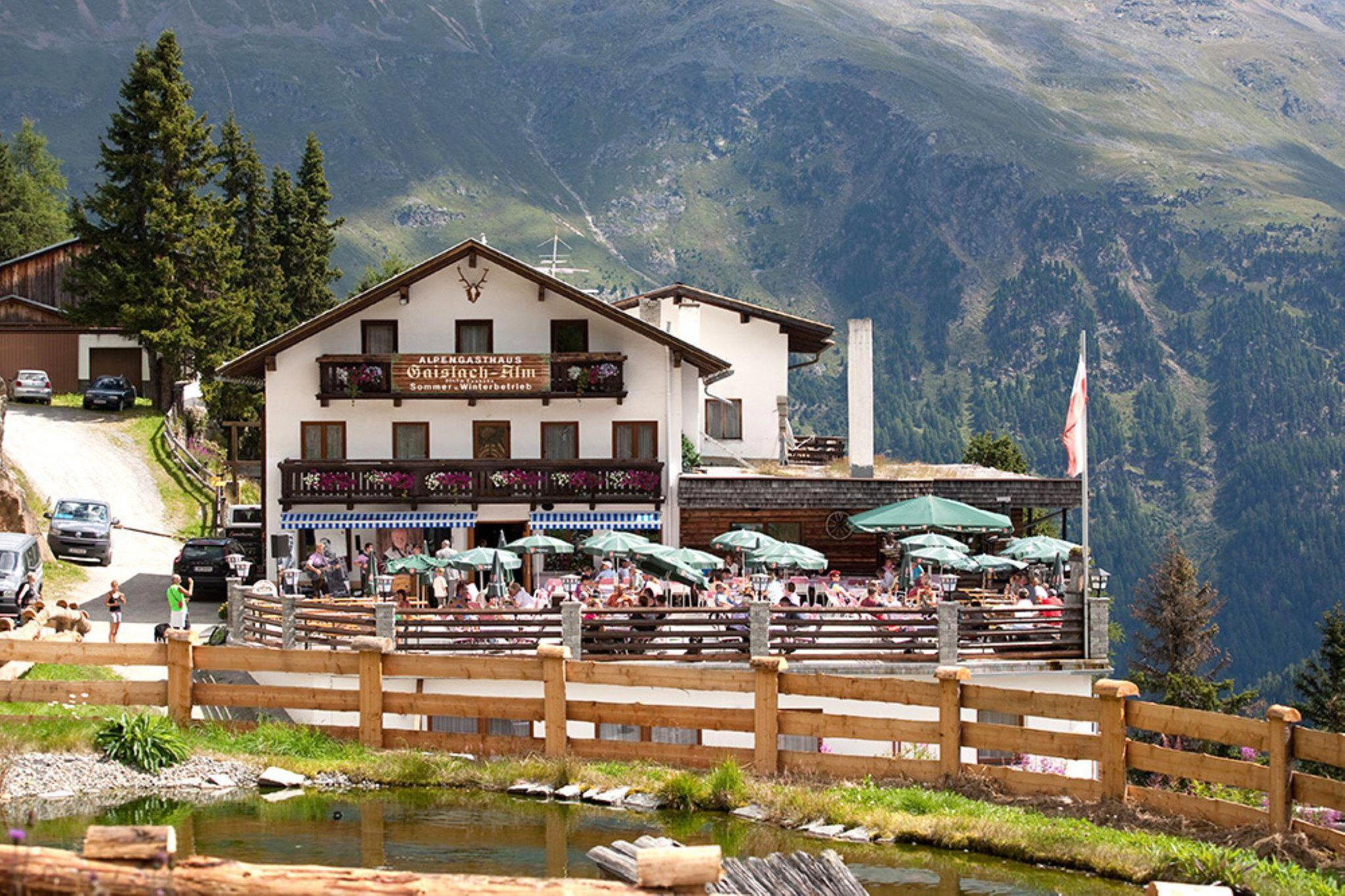
The Ritual of the Mountain Hut Meal
There is a particular grammar to eating at an alpine Alm that has little to do with restaurant conventions. You arrive on foot or by ski, cold and slightly breathless from altitude, and the meal begins before anyone hands you a menu. The warmth of the interior is the first course. In Tyrol, this format, the Almwirtschaft, has been refined over generations into something that sits between hospitality and folklore. Gaislachalm, a restaurant in Sölden, Austria, serves Traditional Austrian Alpine Cuisine at Gaislachalm 18, 6450 Sölden, and is recommended for reservations. The address alone, Gaislachalm 18, places it in the category of mountain station rather than town restaurant, and that positioning shapes everything about how a meal there unfolds.
The Ötztal has long attracted serious mountain visitors, hikers in summer, skiers in winter, and the huts that serve them have developed a distinct dining culture. Unlike the formal progression of a tasting menu or the efficiency of an urban lunch counter, the Alm meal moves at the pace of the mountain day. You sit when you arrive, you eat what the season allows, and you leave when you are ready for the descent. This is not a format designed around table turns. It is designed around the mountain itself.
Sölden's Dining Context
Sölden sits at roughly 1,350 metres in the Ötztal Alps, with ski terrain extending well above 3,000 metres, and its dining scene reflects the dual demands of a high-altitude resort: fuel for activity and reward after it. The valley floor holds more polished options, LA'LIV and Grünerhof occupy different positions in the resort's more formal dining register, while the mountain stations, including Gaislachalm, serve a different function entirely. The comparison is not between quality tiers so much as between dining philosophies.
Across the broader Tyrolean and Austrian alpine dining scene, the tension between rustic authenticity and culinary ambition has produced some of the country's most interesting restaurants. Gourmetrestaurant Tannenhof in Sankt Anton am Arlberg and Stüva in Ischgl represent the end of that spectrum where technical precision meets alpine produce. Gaislachalm occupies the other pole: a place where the tradition itself is the point, and where the hut format has not been converted into a vehicle for fine dining ambition. Both approaches have their legitimacy; they are simply answering different questions.
Further afield in Austria, the country's serious dining benchmark runs through places like Steirereck im Stadtpark in Vienna, Döllerer in Golling an der Salzach, Landhaus Bacher in Mautern an der Donau, and Obauer in Werfen. Gaislachalm does not compete with that comparable set. It competes with the Alm next door, and its relevance is measured in different terms: accessibility, authenticity to the mountain setting, and the quality of the ritual it sustains.
What Defines the Almwirtschaft Tradition
The Almwirtschaft is one of the more durable formats in Central European food culture. Its origins are practical: high pastures required seasonal infrastructure to support herders, and the food that emerged from those conditions, dairy-heavy, preserved, and caloric, became the basis of a regional cuisine. Dishes built around cheese, cured meat, bread, and broth are not historical accidents; they are the logical output of what alpine terrain and climate could reliably produce. When these huts began serving visitors as well as workers, the menu changed at the margins but the logic remained.
In the Ötztal specifically, the Alm tradition has remained more intact than in some more heavily developed Austrian ski resorts, partly because the valley's geography keeps individual stations somewhat isolated. This isolation is part of the draw. A meal at an Alm like Gaislachalm is not something you pass by on the way to something else, you go there specifically, which means the people eating alongside you have also made that choice deliberately. The self-selection matters. It shapes the atmosphere of the room in ways that a valley restaurant, accessible to everyone by default, cannot replicate.
Other Sölden Mountain Stops Worth Considering
Gaislachalm sits within a broader network of mountain-accessible dining in and around Sölden. Almwirtschaft Gampe Thaya operates a similar format and is regularly mentioned alongside Gaislachalm in the context of traditional alpine stops. Restaurant Rofenhof takes a different approach, with the Rofenhof settlement's own historical weight giving it a distinct character. Edelweiss & Gurgl sits higher up, toward Obergurgl, and offers a more hotel-integrated dining experience. Each of these serves a different moment in the mountain day and a different visitor preference. For a full picture of what Sölden's dining terrain looks like, the full Solden restaurants guide maps the options across formats and altitude bands.
For those interested in how other high-altitude or destination-specific dining rituals work internationally, the communal tasting format at Lazy Bear in San Francisco and the precision service structure at Le Bernardin in New York City illustrate how differently a meal can be choreographed when the setting and intention change. The Alm sits at a different point on that spectrum entirely, informal but not casual, traditional but not static.
Planning a Visit to Gaislachalm
Gaislachalm's location above Sölden means access depends on the season and prevailing conditions. In winter, it is reachable via the ski network; in summer, hiking trails connect it to the valley. The mountain station format means hours and capacity are tied to weather and daylight in ways that a town restaurant is not. The venue's address, Gaislachalm 18, 6450 Sölden, provides the formal reference point.
The range across those options illustrates how varied Austrian alpine and near-alpine dining has become, with Gaislachalm representing one of the more traditional anchors in that broader network.
Category Peers
Comparable venues nearby, for context on price, style, and recognition.
| Venue | Cuisine | Price | Awards | Notes |
|---|---|---|---|---|
| GaislachalmThis venue — the venue you are viewing | Traditional Austrian Alpine Cuisine | $$$ | Not listed | Not listed |
| Edelweiss & Gurgl | Traditional Tyrolean Alpine Cuisine | $$$ | Not listed | Obergurgl |
| Siegerlandhütte | Traditional Austrian Alpine Hut Cuisine | $$ | Not listed | Windachtal |
| Grünerhof | Seasonal Tyrolean Alpine Cuisine | $$$ | Not listed | Obergurgl |
| AD VINUM | Regional Austrian Fine Dining | $$$$ | Michelin Plate | Sölden |
| Almwirtschaft Gampe Thaya | Traditional Austrian Alpine | $$ | Not listed | Gampealm |
Continue exploring
More in Sölden
Restaurants in Sölden
Browse all →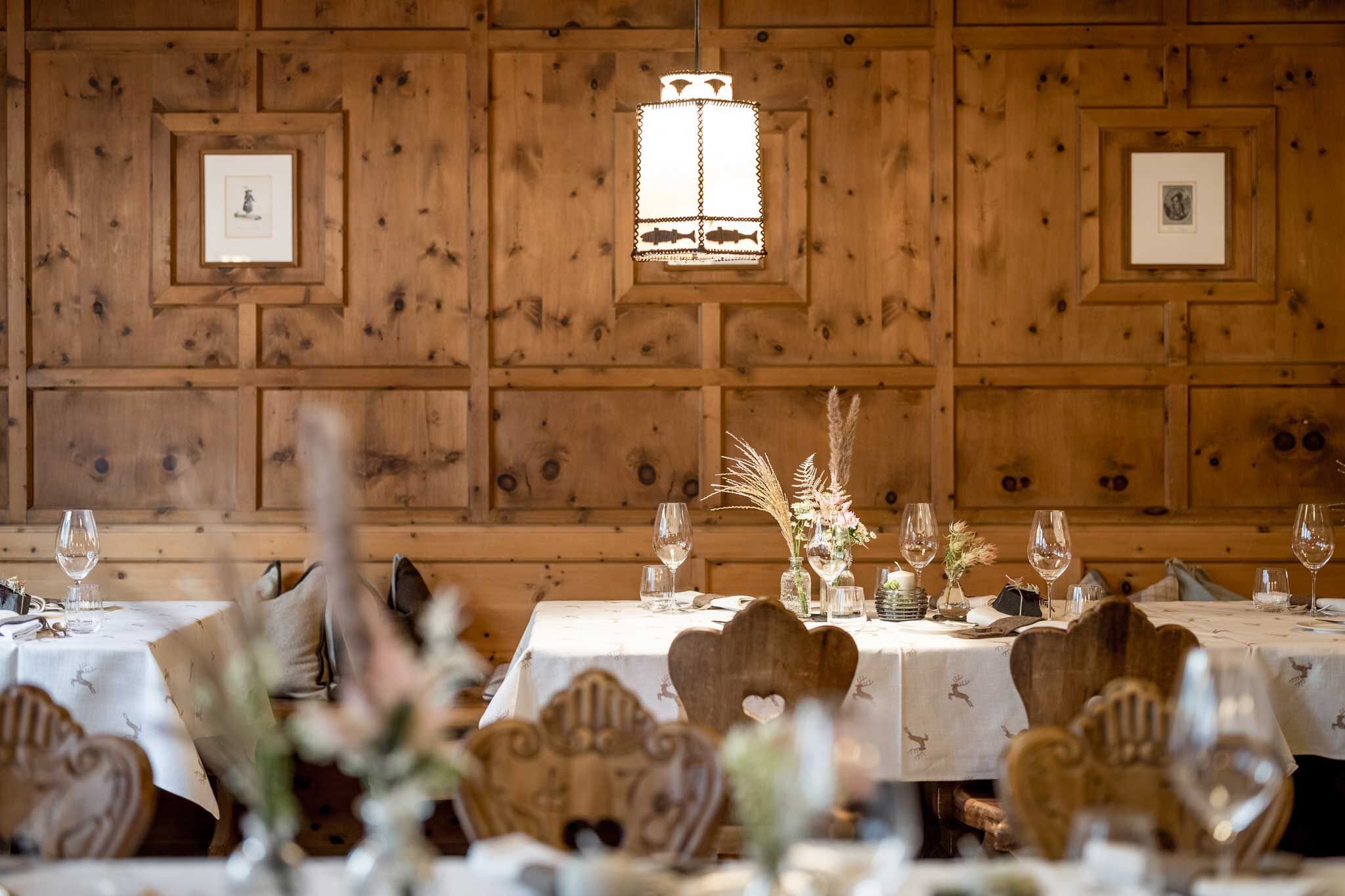
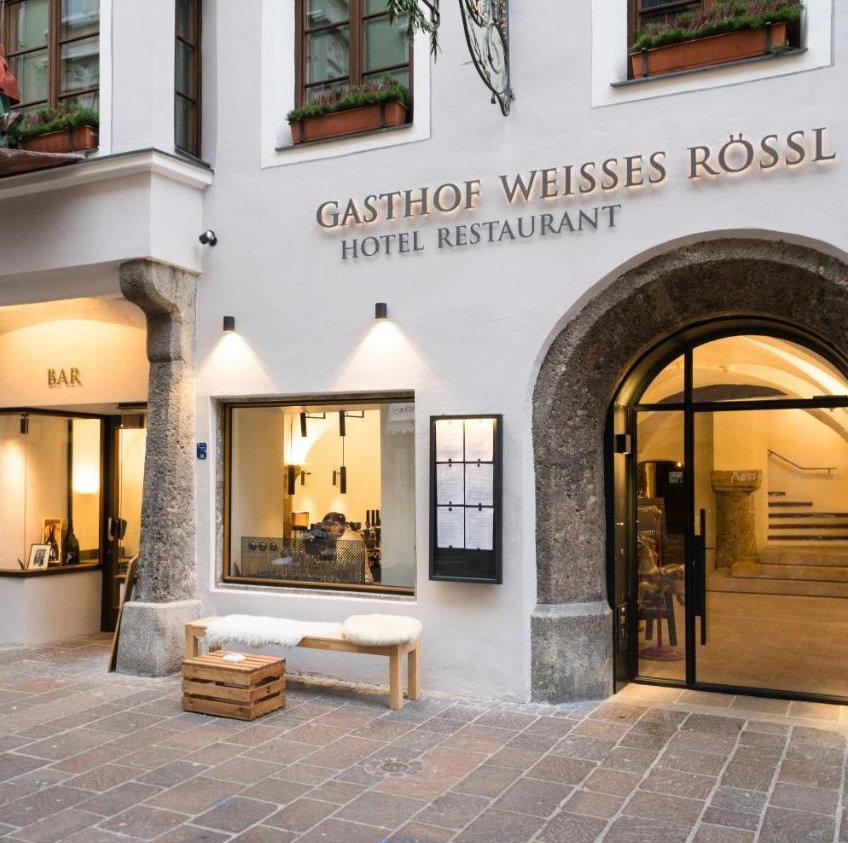
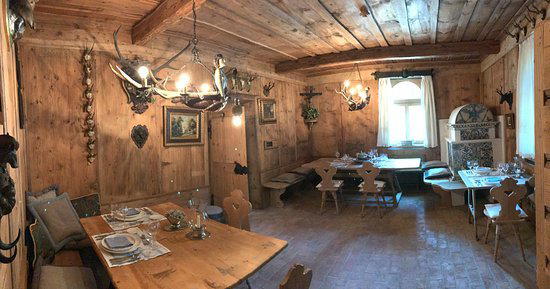
Bars in Sölden
Browse all →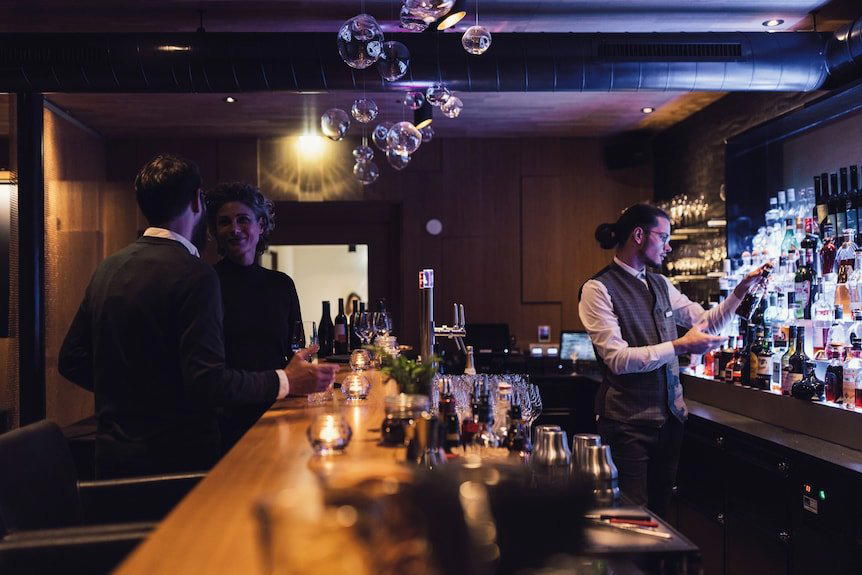
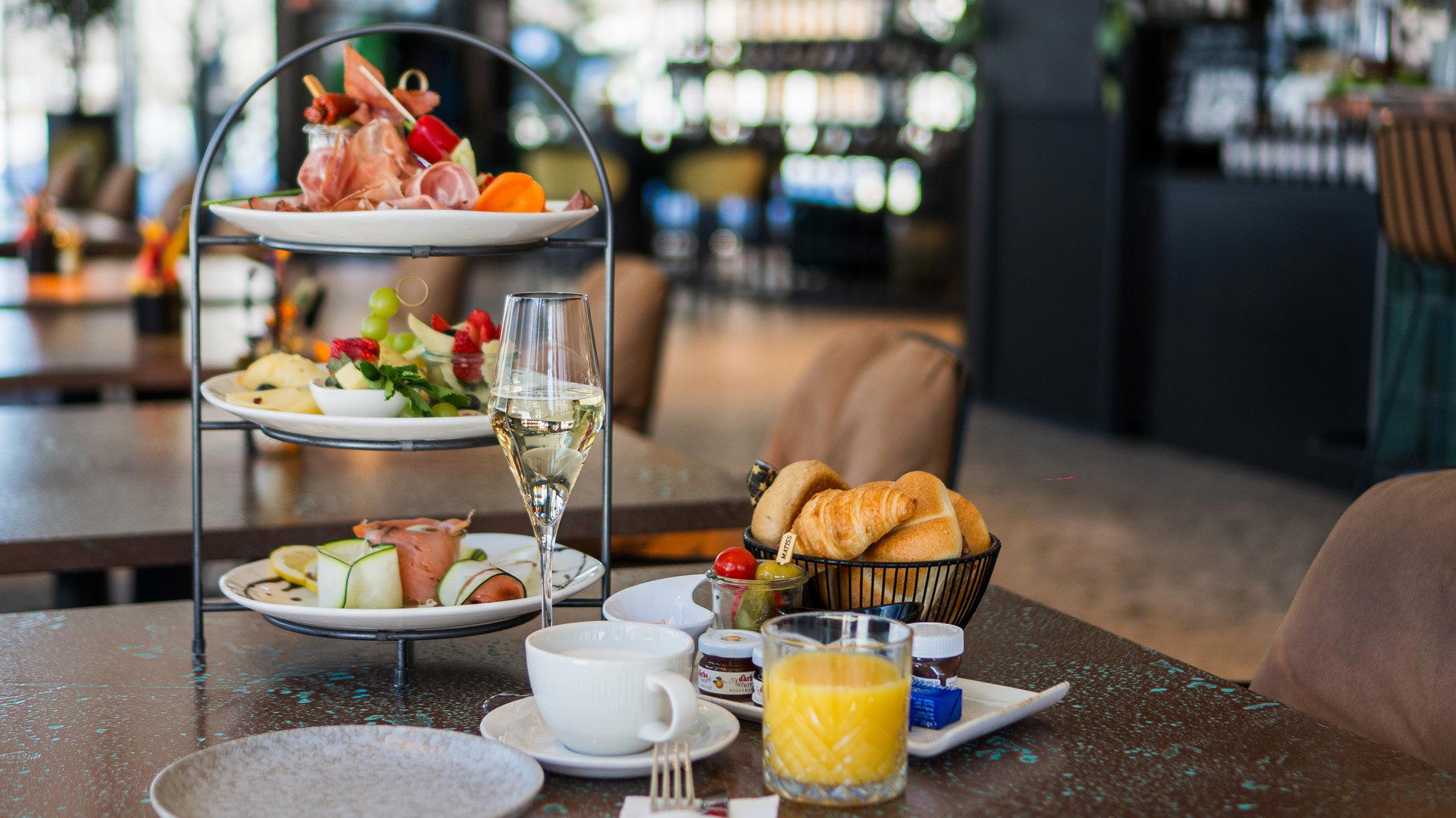
Hotels in Sölden
Browse all →

At a Glance
- Rustic
- Cozy
- Scenic
- Family
- Group Dining
- Casual Hangout
- Terrace
- Panoramic View
- Live Music
- Local Sourcing
- Mountain
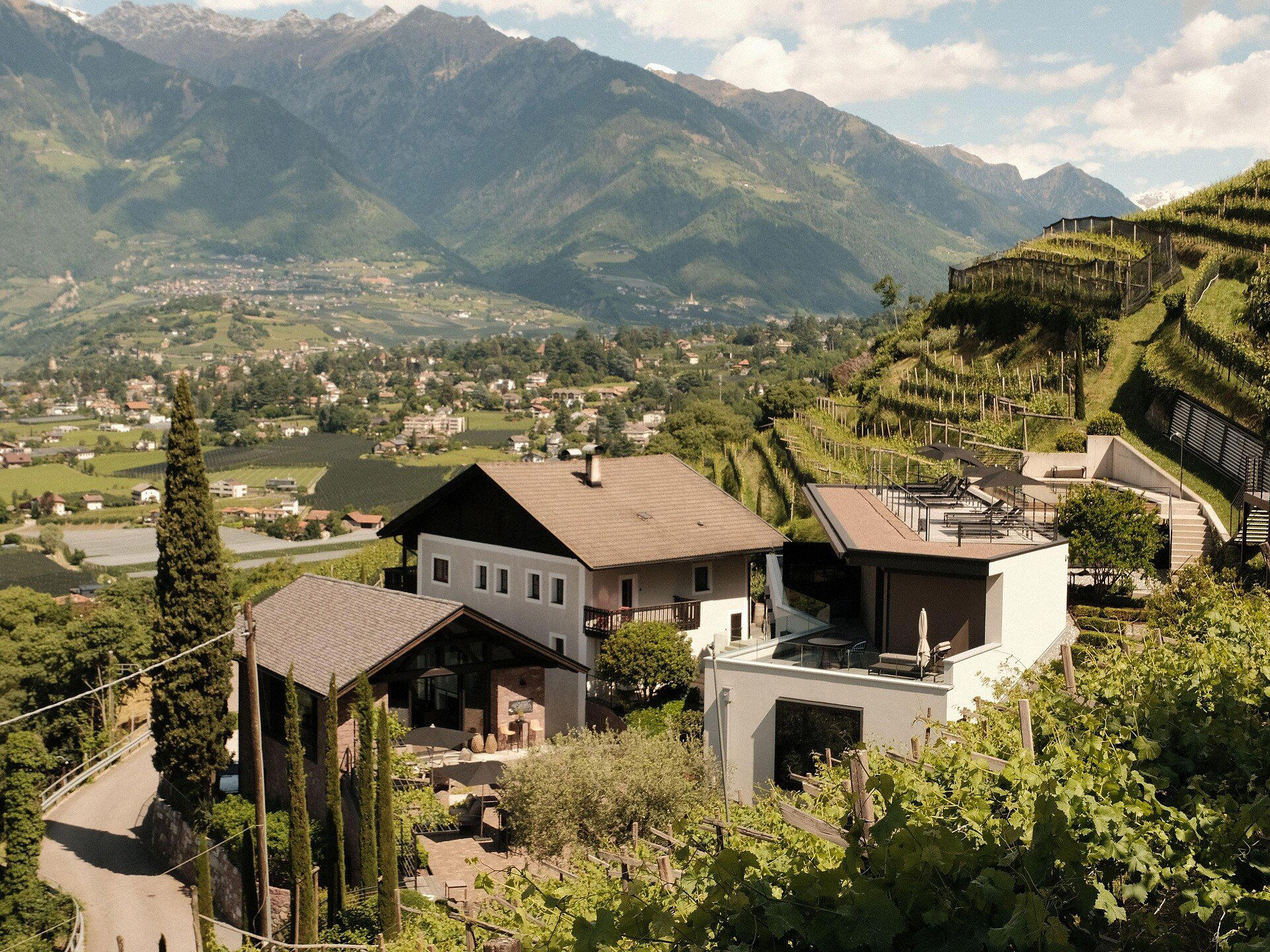
Homely traditional alpine atmosphere with a large sun terrace and live music events.