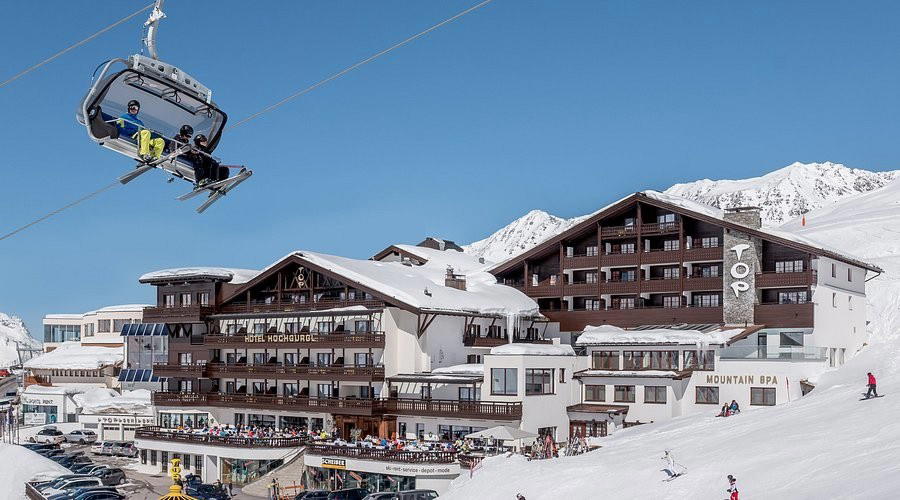
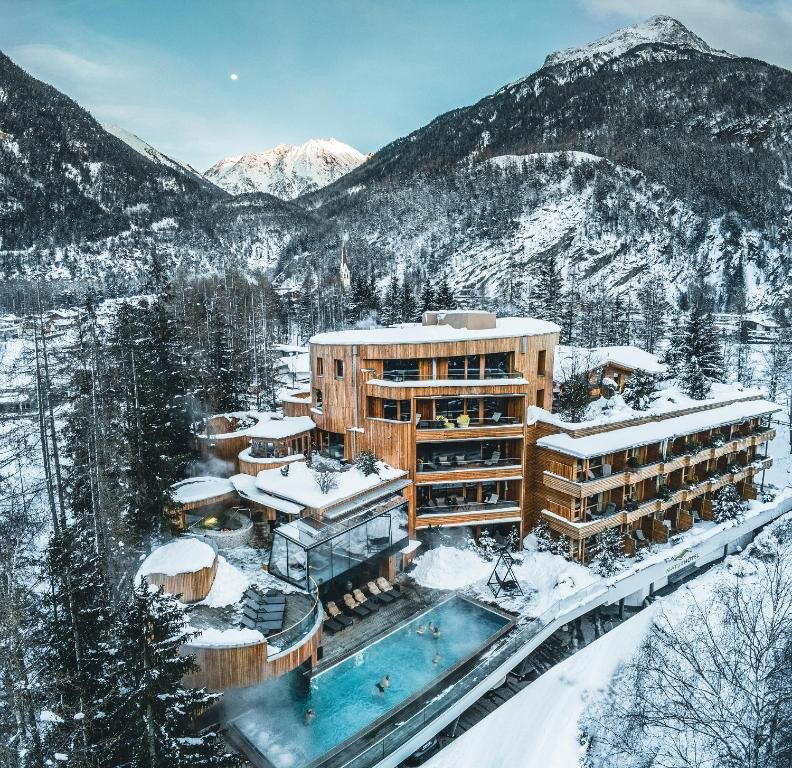
Positioned in Obergurgl at 1,930 metres above sea level, Edelweiss & Gurgl sits within one of the Ötztal valley's most established alpine resort addresses. The property draws visitors seeking high-altitude Tyrolean hospitality during both the winter ski season and summer hiking months. Ramolweg 5 places it within walking distance of Obergurgl's compact village centre.
Pearl is the En Primeur Club membership app — saves, bookings, and concierge access live there. Same editors, same standards.
- Address
- Ramolweg 5, 6456 Obergurgl, Austria
- Phone
- +434352566223
- Website
- edelweiss-gurgl.com
- Directions
- Get directions
 Saves & bookings on Pearl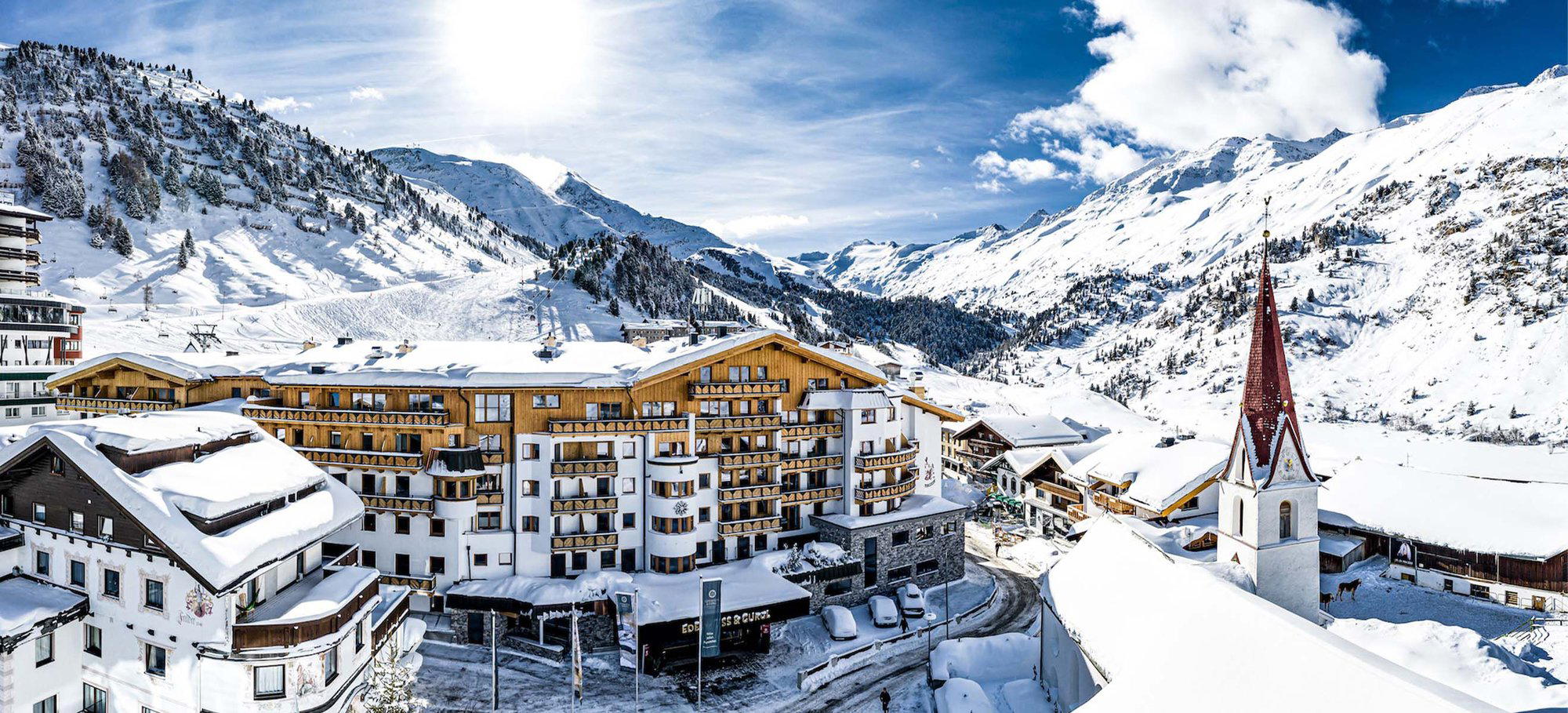
High-Altitude Tyrolean Hospitality at Obergurgl
Edelweiss & Gurgl is a restaurant in Obergurgl, Austria, serving Traditional Tyrolean Alpine Cuisine at about $65 per person. At roughly 1,930 metres, it is one of the highest permanently inhabited villages in the Alps, and the combination of reliable snow cover from November through late April and a compact, walkable village layout has made it a consistent draw for visitors who prioritise skiing depth over resort spectacle. The Ötztal valley that frames it stretches south from Sölden, itself a larger and louder resort node, but Obergurgl cultivates a quieter register. Edelweiss & Gurgl, addressed at Ramolweg 5 in this upper village, exists within that specific hospitality culture: mountain-facing, season-anchored, and shaped by the Tyrolean tradition of the Gasthof as a place of genuine shelter rather than curated performance.
That tradition carries more weight in these valleys than a casual visitor might assume. Tyrolean alpine hospitality developed over centuries around the practical demands of a high-altitude environment: feeding and warming guests who had come a long way in difficult conditions. The formality of the Viennese table and the produce-driven ambition of restaurants like Steirereck im Stadtpark in Vienna represent one axis of Austrian dining; the mountain Gasthof and alpine hotel restaurant represent another, grounded in animal fats, root vegetables, cured meats, and the kind of warming starch that genuinely makes sense after four hours on skis.
Where Edelweiss & Gurgl Sits in the Obergurgl Scene
Obergurgl's dining options are tighter in number than those of larger Austrian ski towns. Sölden, lower in the valley, has a denser and more varied restaurant scene, including venues like LA'LIV and the mountain-set Almwirtschaft Gampe Thaya, which occupies a working alm above the valley floor. The Gaislachalm and Grünerhof serve as further reference points for the range of formats that characterise Ötztal valley dining, from casual alpine hut to more considered table service. Restaurant Rofenhof extends the map toward the valley's remoter upper reaches.
Within Obergurgl itself, hotel restaurants carry more weight than in urban settings simply because the village offers fewer independent alternatives. Edelweiss & Gurgl, as part of an established property in the village, sits at the centre of that dynamic. Guests staying elsewhere in Obergurgl treat hotel restaurants as genuine dining destinations rather than default fallbacks, which creates a different kind of social pressure on the kitchen: the room needs to work for mixed tables of skiers, non-skiing partners, multi-generational family groups, and the occasional solo guest who has come to walk the summer trails.
The Tyrolean Table: What the Regional Tradition Demands
Austrian alpine cooking is not a simplified version of Viennese cuisine transplanted to the mountains. It is a separate lineage. The core repertoire draws on Tiroler Gröstl (pan-fried potato and meat with egg), Käsespätzle (cheese-sauced egg noodles), venison and chamois from the surrounding hunting grounds, cured and smoked pork products, and dairy from the high summer pastures. Bread dumplings, Knödel in multiple forms, and hearty soups built on bone stock are structural rather than optional. Desserts tend toward the dense and flour-based: Kaiserschmarrn, Apfelstrudel, and variations on cream-enriched pastry that make more sense at altitude than they do at sea level.
The broader Tyrol dining scene has produced serious expressions of this tradition. Schwarzer Adler in Hall in Tirol and Gourmetrestaurant Tannenhof in Sankt Anton am Arlberg both show how Tyrolean ingredients can be handled at a higher technical register. In the Salzburg orbit, Obauer in Werfen and Döllerer in Golling an der Salzach have built long reputations on alpine produce treated with sustained precision. Stüva in Ischgl, the Arlberg-adjacent ski town, offers another point of comparison for what a committed mountain restaurant can achieve. Further afield, Kräuterreich by Vitus Winkler in Sankt Veit im Pongau has built its identity around herbs and foraged ingredients that run through the alpine canon at every level.
At the hotel-restaurant tier in a village like Obergurgl, the expectation is not that level of technical ambition but rather competent, warm execution of the regional repertoire, a wine list that can handle both light après-ski drinking and a proper dinner bottle, and service that reads the room correctly across a long winter season. Those are not modest demands. They require consistency across months of daily service in an isolated location, with staff who are themselves seasonal workers managing the particular social dynamics of a ski resort environment.
Seasonal Rhythms and Planning Your Visit
Obergurgl's operating rhythm is sharply seasonal. The winter season typically runs from late November through late April, with peak occupancy concentrated over Christmas, New Year, and the February half-term period. The summer season, shorter and quieter, attracts hikers, cyclists, and visitors drawn to the high-altitude trails of the Ötztal Alps. Between these windows, many properties operate only within these defined seasons.
For visitors planning around dining specifically, the winter shoulder weeks offer comfortable conditions. Booking accommodation-inclusive packages that cover dinner is common in Obergurgl's hotel segment. Independent walk-in dining is possible but less common in this village format than it would be in a city setting. Confirming reservation availability directly with the property before arrival is advisable, particularly during peak winter weeks.
For a wider orientation to the valley's dining options across all formats and price points, the full Sölden restaurants guide covers the range from mountain huts to hotel tables. Comparative reference points outside Austria include Le Bernardin in New York City and Lazy Bear in San Francisco. Closer to home, Restaurant 141 by Joachim Jaud in Mieming and Ois in Neufelden and Landhaus Bacher in Mautern an der Donau map the range of Austrian regional cooking at committed mid-to-upper tiers.
Pricing, Compared
Comparable venues nearby, for context on price, style, and recognition.
| Venue | Cuisine | Price | Awards | Notes |
|---|---|---|---|---|
| Edelweiss & GurglThis venue — the venue you are viewing | Not listed | $$$ | Not listed | Not listed |
| Zirbenalm | Obergurgl, Traditional Austrian Alpine | $$$ | Not listed | Not listed |
| Siegerlandhütte | Not listed | $$ | Not listed | Windachtal, Traditional Austrian Alpine Hut Cuisine |
| Gaislachalm | Not listed | $$$ | Not listed | Gaislachalm, Traditional Austrian Alpine Cuisine |
| Grünerhof | Not listed | $$$ | Not listed | Obergurgl, Seasonal Tyrolean Alpine Cuisine |
| ice Q | Sölden, Modern Alpine Fine Dining | $$$$ | Michelin Plate | Not listed |
Continue exploring
More in Sölden
Restaurants in Sölden
Browse all →
Bars in Sölden
Browse all →
Hotels in Sölden
Browse all →
Wineries in Sölden
Browse all →
At a Glance
- Cozy
- Romantic
- Scenic
- Rustic
- Elegant
- Date Night
- Family
- Celebration
- Special Occasion
- Hotel Restaurant
- Terrace
- Panoramic View
- Local Sourcing
- Mountain
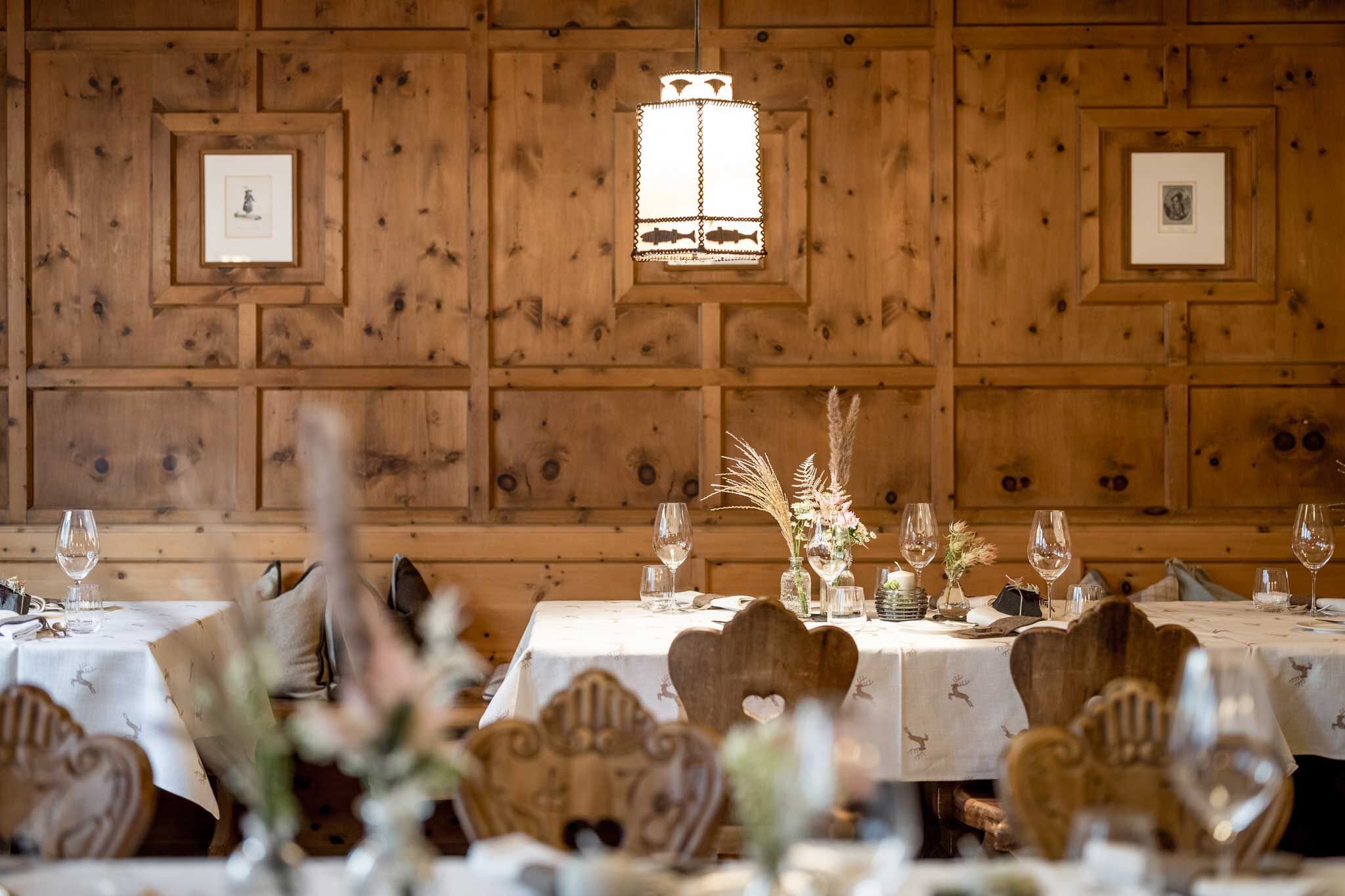
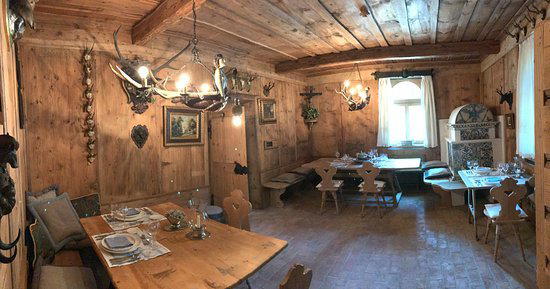
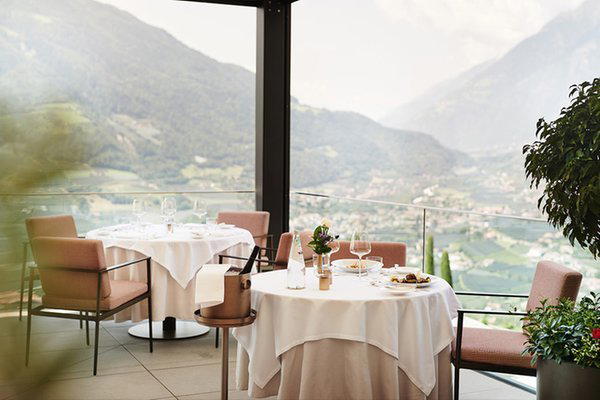
Warm and inviting alpine atmosphere with traditional Tyrolean charm, enhanced by mountain vistas and cozy fireside settings.