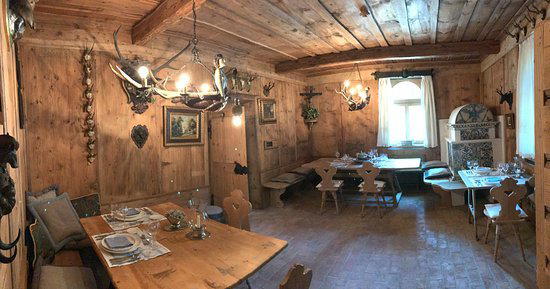
Zirbenalm sits at Gaisbergweg 25 in Obergurgl, at the upper end of the Ötztal where Tyrolean hut dining operates on the logic of landscape and altitude rather than culinary ambition. The name references the Swiss stone pine interiors that define the room, and the menu follows the regional canon of cured meats, dumplings, and warming soups calibrated for a mountain day. It occupies the traditional Almwirtschaft tier within one of Austria's highest and most reliably snow-sure resort villages.
Pearl is the En Primeur Club membership app — saves, bookings, and concierge access live there. Same editors, same standards.
- Address
- Gaisbergweg 25, 6456 Obergurgl, Austria
- Phone
- +434352566332
- Website
- zirbenalm.at
- Directions
- Get directions
 Saves & bookings on Pearl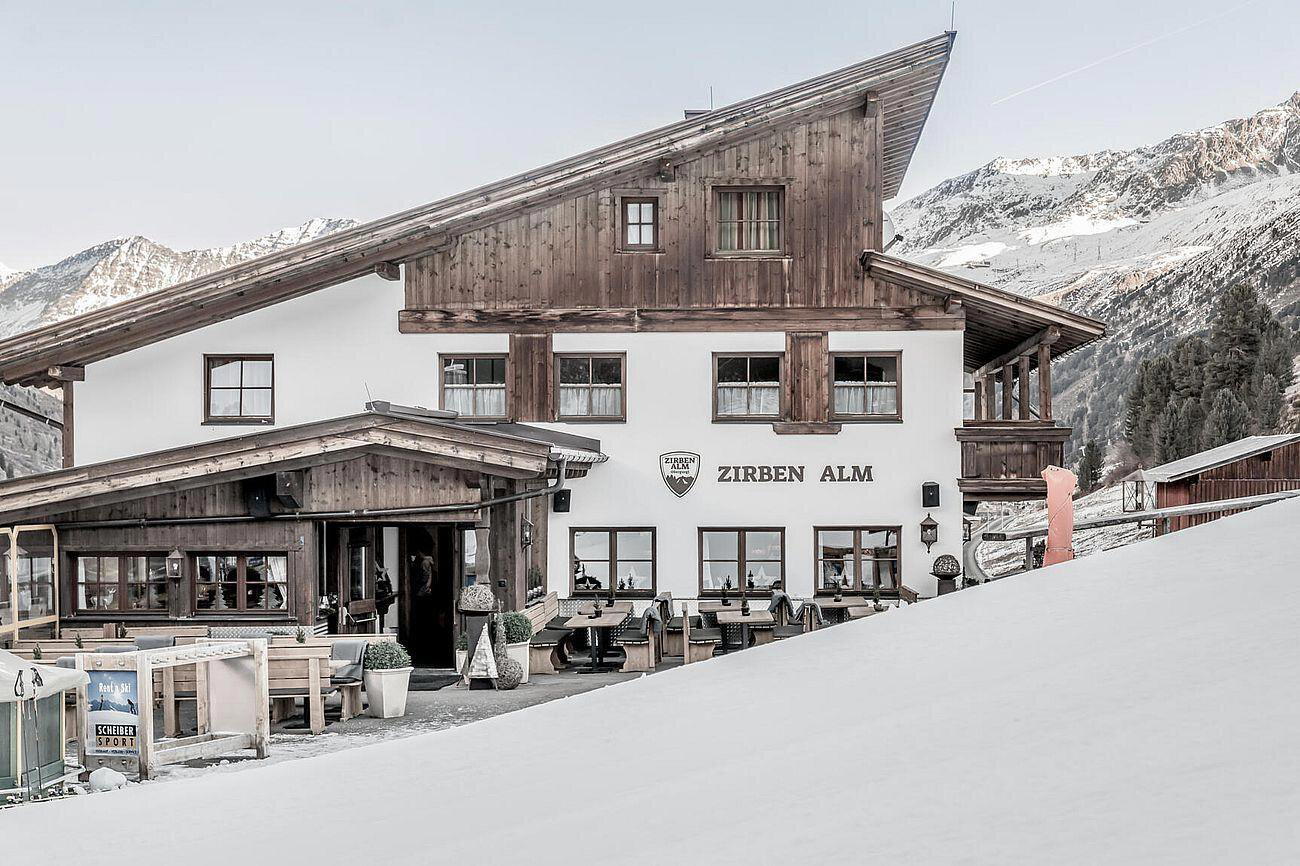
At the Edge of the Treeline, a Different Kind of Alpine Dining
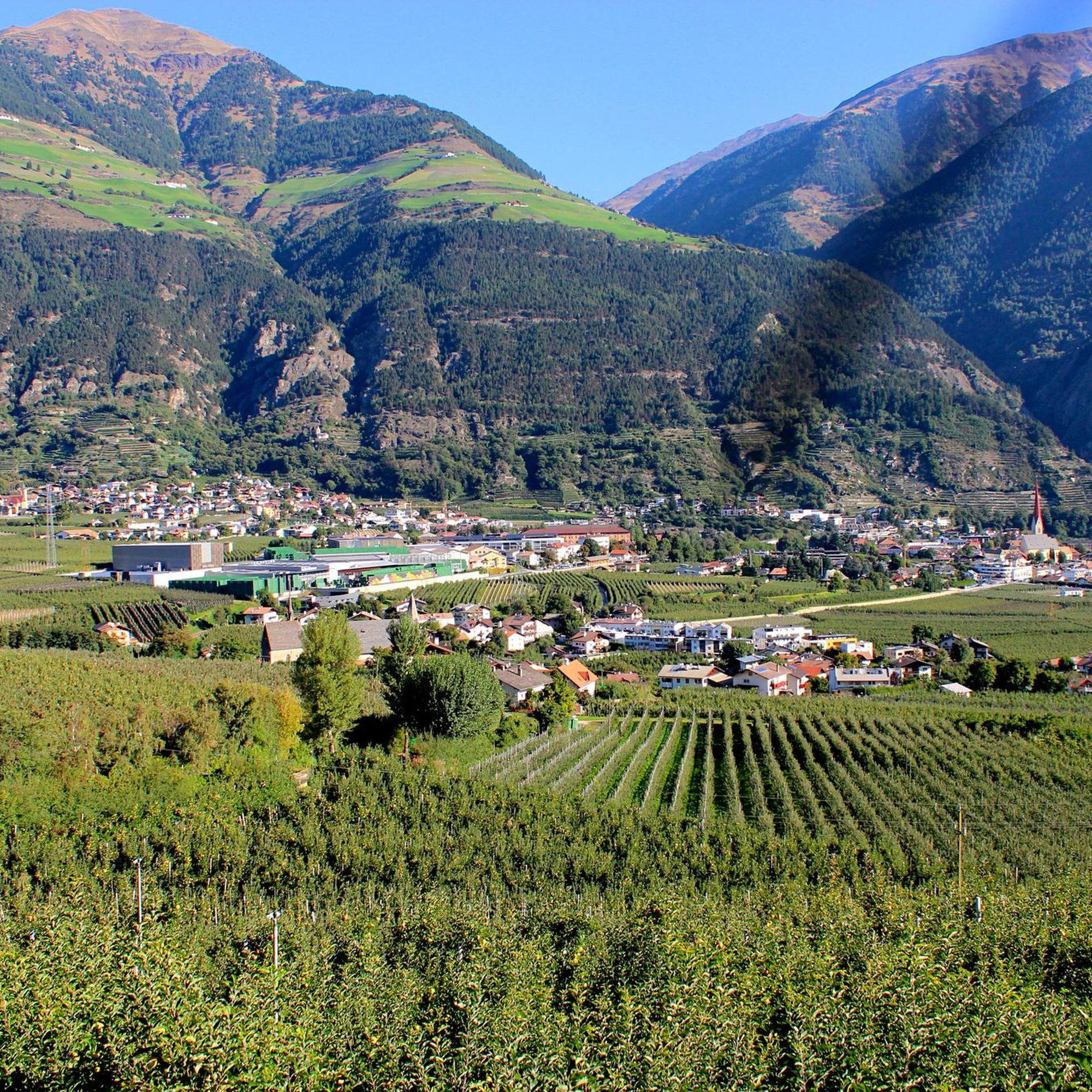
The approach to Zirbenalm sets the register before you reach the door. Gaisbergweg 25 in Obergurgl sits at the upper reaches of the Ötztal, where the valley narrows and the vegetation thins to Swiss stone pine and open scree. In the Austrian Alps, this elevation band has its own category of hospitality: the mountain hut that operates as something more than a pit stop, where the architecture, the materials, and the menu all respond directly to where the building stands. Zirbenalm belongs to that tradition, and understanding it means understanding what Alpine dining at altitude actually asks of a kitchen and a room.
What the Menu Architecture Reveals
In Austrian Alpine huts at this altitude, the menu is not a creative document in the way a tasting menu at, say, Steirereck im Stadtpark in Vienna might be. It is a structural argument about place. The leading Almwirtschaft kitchens organise around a short roster of dishes that reflect the immediate landscape: cured and smoked meats from valley producers, dairy from high-pasture herds, rye and spelt breads baked to density that justifies the cold outside. Warm soups anchor the midday service; heavier plates of roasted meat or Tyrolean dumplings anchor the afternoon. The logic is caloric and geographical, calibrated for guests who have skied vertical descents or hiked exposed ridgelines before arriving.
What separates the better huts from the indifferent ones is the degree to which the kitchen treats these materials with precision rather than volume. Tyrolean cuisine has a compressed canon, from Gröstl to Kasnocken to Speckknödel, and the question at any serious hut is whether those preparations are executed at a standard that matches the setting. The Obergurgl area, which operates at roughly 1,930 metres at village level with ski terrain pushing well above 3,000 metres, draws a clientele accustomed to quality: it is one of the higher, more reliably snow-sure resorts in Austria, and the dining options in the upper valley reflect that expectation. Peer huts in the area, including Gaislachalm and Almwirtschaft Gampe Thaya, operate within the same framework of traditional Tyrolean formats served at altitude.
The Zirbenstube Tradition and Why Wood Matters
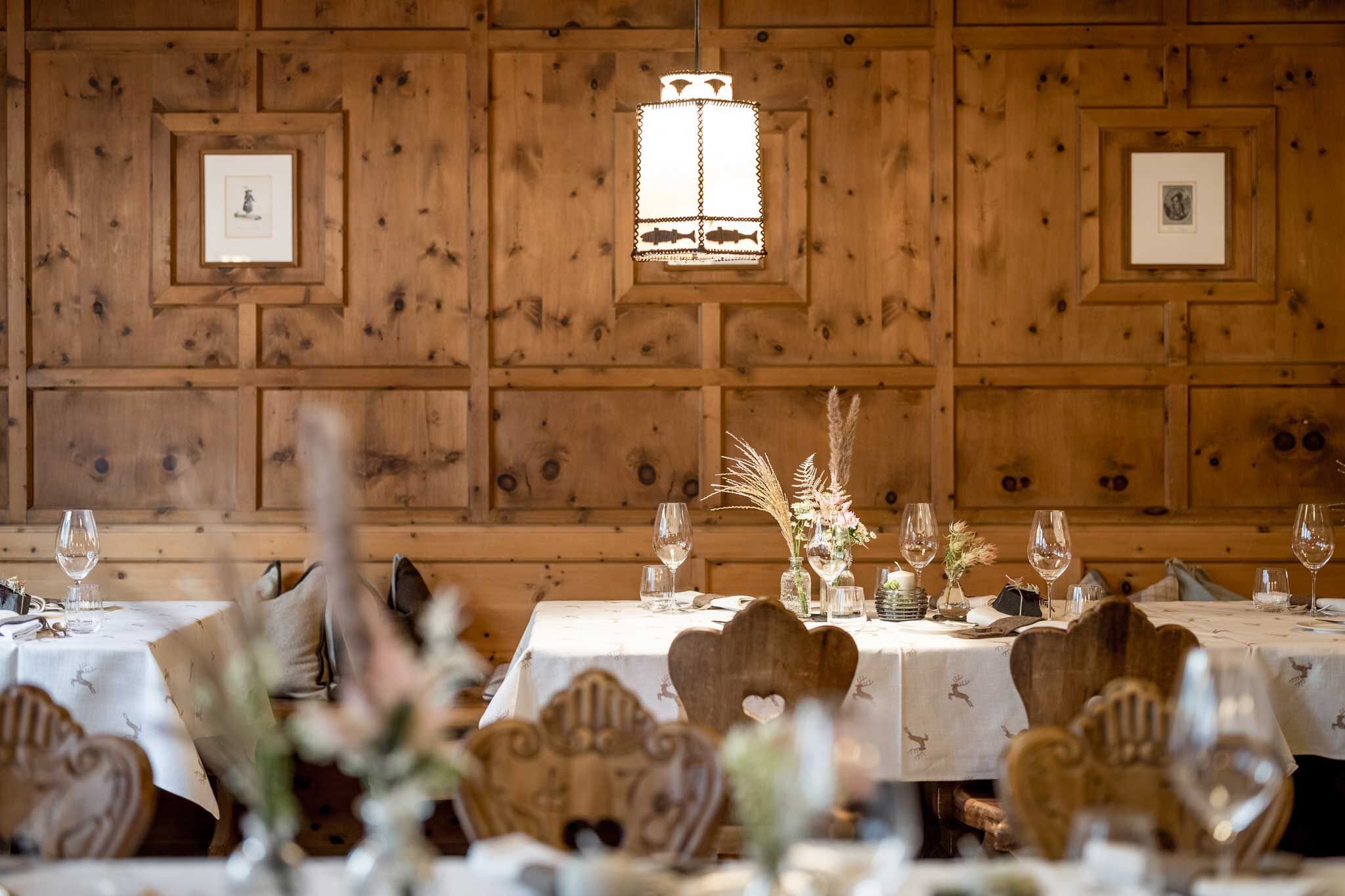
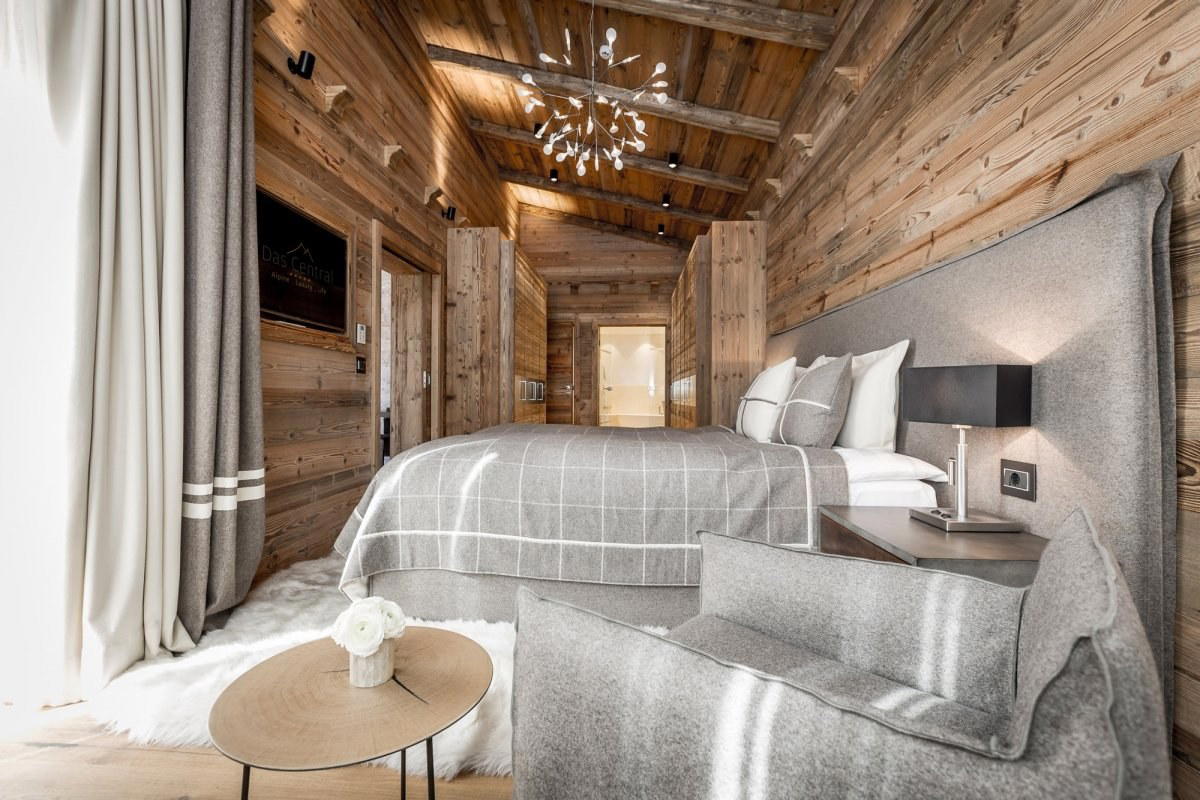
The name Zirbenalm references the Zirbe, the Swiss stone pine (Pinus cembra) that defines the upper forest zone of the Austrian and Swiss Alps. Interiors built from Zirbenholz carry a specific resinous scent, a warmth of grain, and a quality of light that no other Alpine timber reproduces. This is not merely aesthetic: the material signals provenance, because Zirbenholz is slow-growing and available only from specific elevation bands. In the Tirol and Vorarlberg, a room lined in Zirbenholz carries the same cultural weight as a Japanese cedar tearoom carries in Kyoto. It is a statement about rootedness and material honesty. The broader shift toward design-led mountain properties, visible at properties like Edelweiss and Gurgl in the same valley, has sharpened the contrast between huts that lean into authentic mountain materials and those that approximate the aesthetic with imported finishes.
Where Zirbenalm Sits in the Söldener Dining Picture
Söldener dining spreads across a wider tier than the resort's ski reputation might suggest. At the village level, restaurants like LA'LIV and Grünerhof represent the more polished end of the local offer. Higher up, the mountain huts operate on a different logic, where location, timing, and the quality of traditional preparation matter more than tablecloths and wine lists. Zirbenalm, at its Obergurgl address, occupies this upper-mountain category: a destination with genuine Alpine character rather than a purpose-built ski-lodge caricature.
Operations like Döllerer in Golling an der Salzach or Obauer in Werfen demonstrate how seriously Austria takes its Alpine culinary inheritance at the fine-dining level, but they also represent a separate tier entirely. The mountain hut tradition draws its authority from immediacy and material connection to place, not from technique-driven complexity. Within that tradition, the comparable set in Tirol includes comparably positioned huts across the Arlberg and Pitztal: Griggeler Stuba in Lech and Gourmetrestaurant Tannenhof in Sankt Anton am Arlberg both occupy higher tiers of the Tyrolean dining progression, showing how far the regional format can be pushed with greater technical ambition and longer wine programs.
Planning a Visit: What the Setting Demands
Obergurgl's season runs primarily from late November through late April, with a shorter summer hiking season. The ski terrain above the village is glacier-backed, which gives the area one of the longest reliable seasons in Austria. Visitors planning a midday stop at Zirbenalm should factor in the pace of mountain service: hut kitchens run at a rhythm suited to their location, and the expectation of a long, unhurried lunch is part of the format rather than an inconvenience. The address at Gaisbergweg 25 places it within the Obergurgl village perimeter rather than high on a lift, which gives it year-round accessibility compared to higher-altitude installations. For those building a broader Söldener itinerary, Beyond Austria's western mountain corridor, the gulf between Alpine hut dining and the format discipline of technically complex tasting menus, from Ikarus in Salzburg to Atomix in New York City, confirms that each tradition asks something different of the guest: one asks you to be present in the landscape, the other asks you to be present in the sequence. Zirbenalm belongs to the former category without apology.
Accolades, Compared
Comparable venues nearby, for context on price, style, and recognition.
| Venue | Cuisine | Price | Awards | Notes |
|---|---|---|---|---|
| ZirbenalmThis venue — the venue you are viewing | Traditional Austrian Alpine | $$$ | Not listed | Not listed |
| Grünerhof | Seasonal Tyrolean Alpine Cuisine | $$$ | Not listed | Obergurgl |
| Edelweiss & Gurgl | Traditional Tyrolean Alpine Cuisine | $$$ | Not listed | Obergurgl |
| LA'LIV | French-Alpine Fusion | $$$ | Not listed | Sölden |
| Black Sheep | Modern Alpine Fine Dining | $$$$ | Michelin Plate | Sölden |
| AD VINUM | Regional Austrian Fine Dining | $$$$ | Michelin Plate | Sölden |
Continue exploring
More in Sölden
Restaurants in Sölden
Browse all →
Bars in Sölden
Browse all →
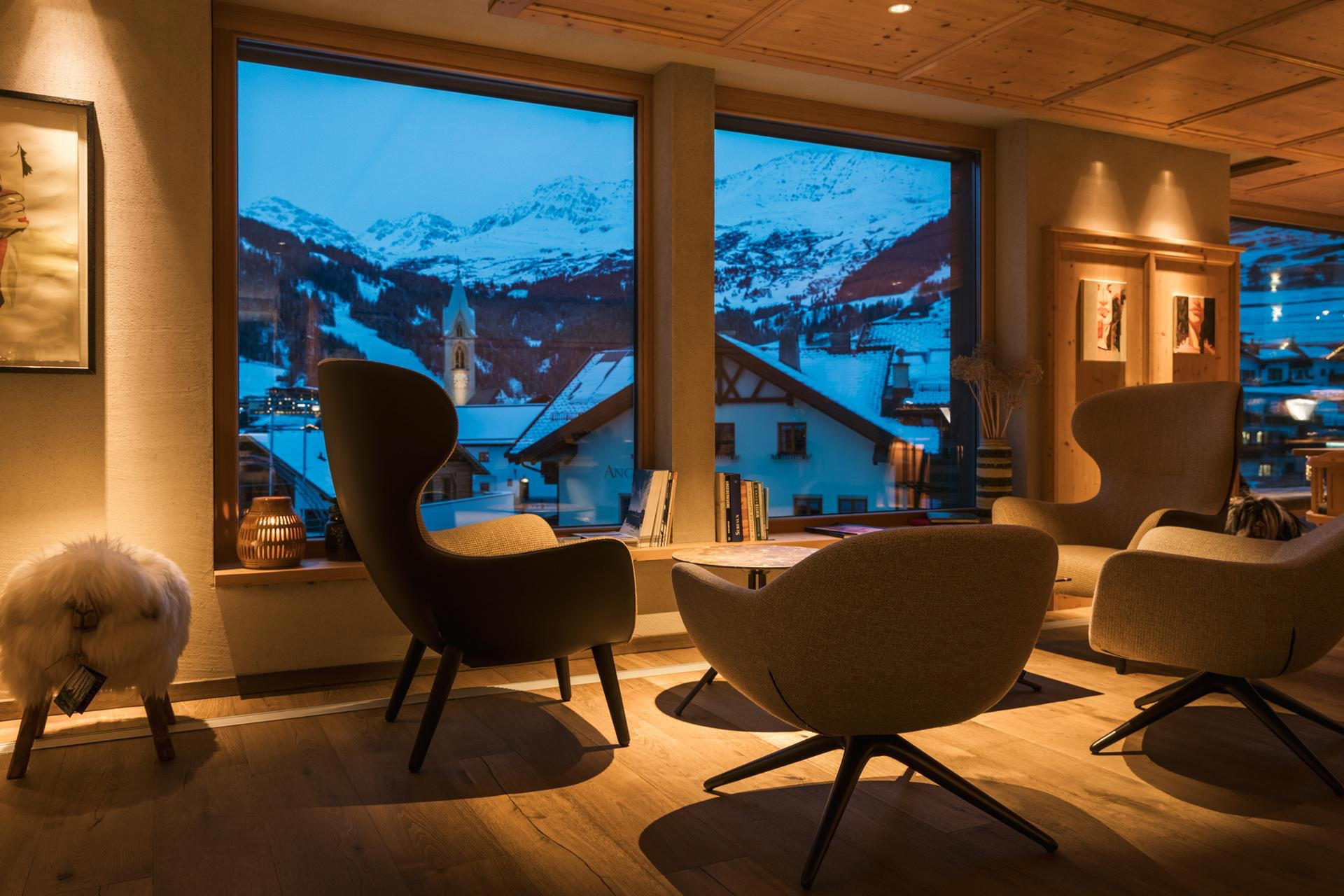
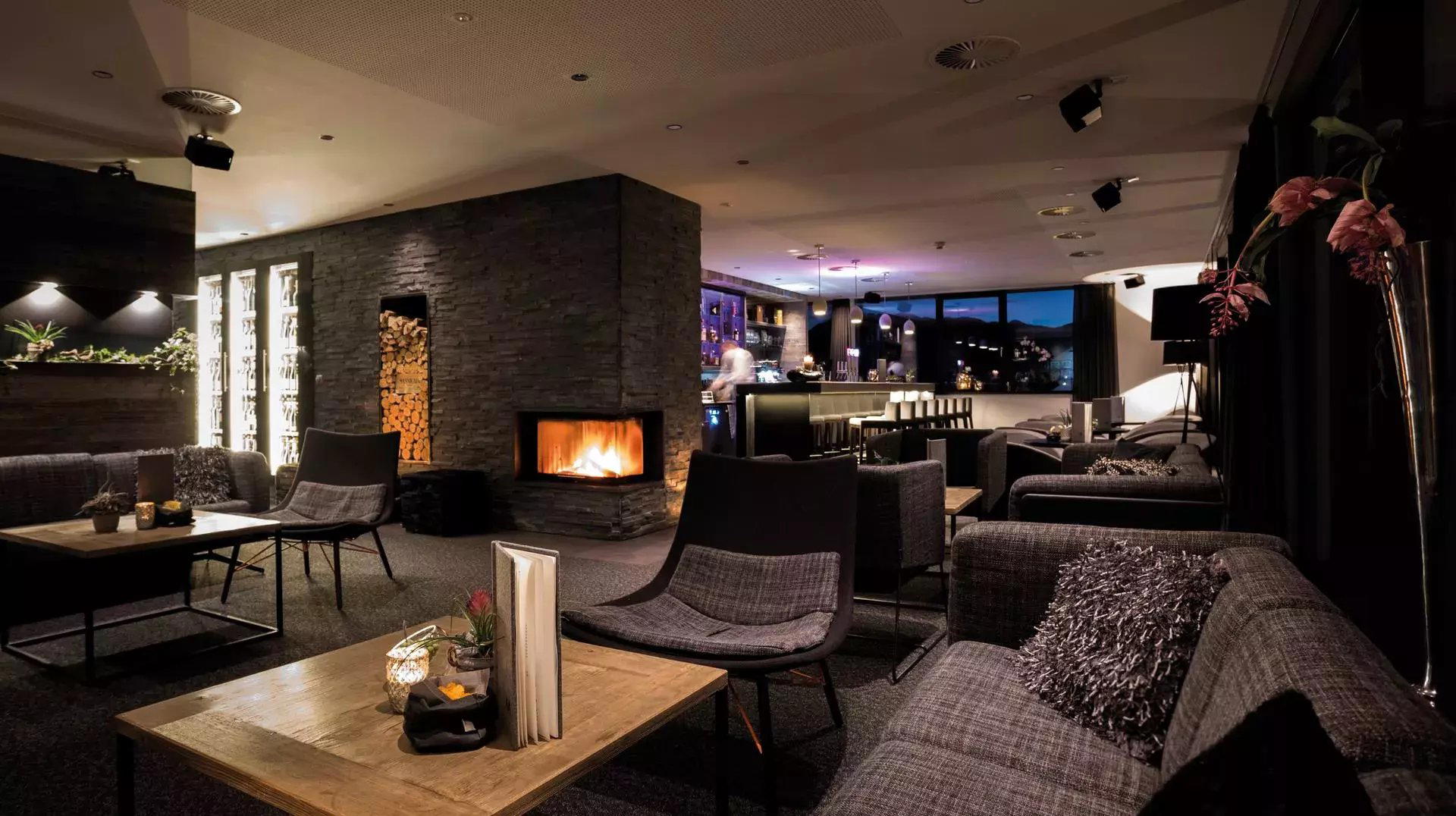

Hotels in Sölden
Browse all →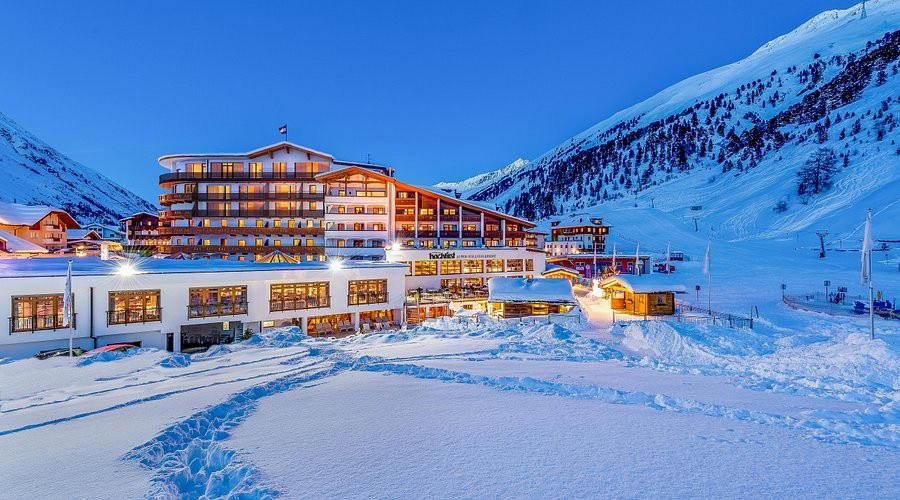
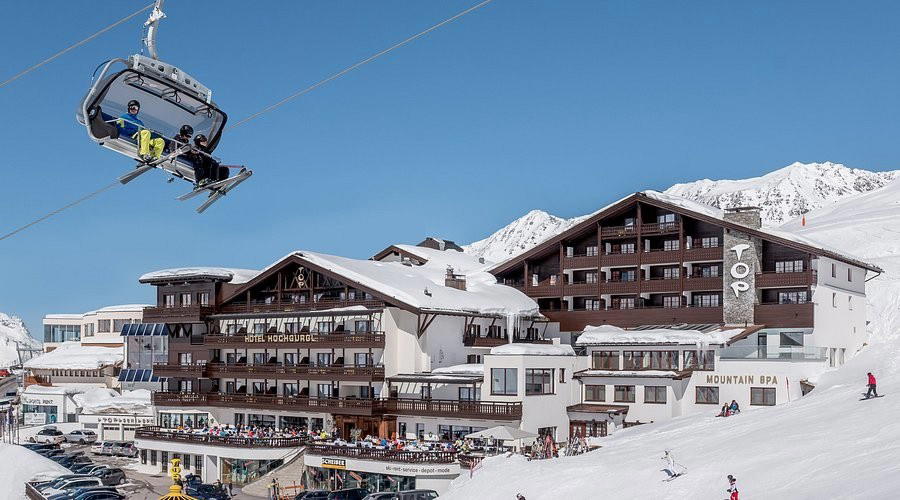
At a Glance
- Rustic
- Cozy
- Scenic
- Casual Hangout
- Family
- After Work
- Terrace
- Open Kitchen
- Historic Building
- Beer Program
- Local Sourcing
- Mountain
Current opening hours
- Monday
- 9 AM–5 PM
- Tuesday
- 9 AM–5 PM
- Wednesday
- 9 AM–5 PM
- Thursday
- 9 AM–5 PM
- Friday
- 9 AM–5 PM
- Saturday
- 9 AM–5 PM
- Sunday
- 9 AM–5 PM
Hours can change for holidays and private events. Last verified .
Rustic alpine atmosphere with cozy wood interiors, live music on hut evenings, and a sunny terrace.