
1 Michelin Star
Our verdict
At 1,930 metres in the Ötztal Alps, Austria Stuben holds a Michelin star within the Gourmet & Wine Hotel Austria, serving a deliberately small number of covers each evening. Head chef Verena Stattmann's 'Paradoxon' set menu draws on Carinthian produce and regional sourcing while reaching toward international technique, backed by sommelier Maximilian Steiner's 1,200-bottle wine list.

Pearl is the En Primeur Club membership app, where members save venues, book tables and use the concierge.
Fine Dining at Altitude: Where Obergurgl's Kitchen Meets the Mountain
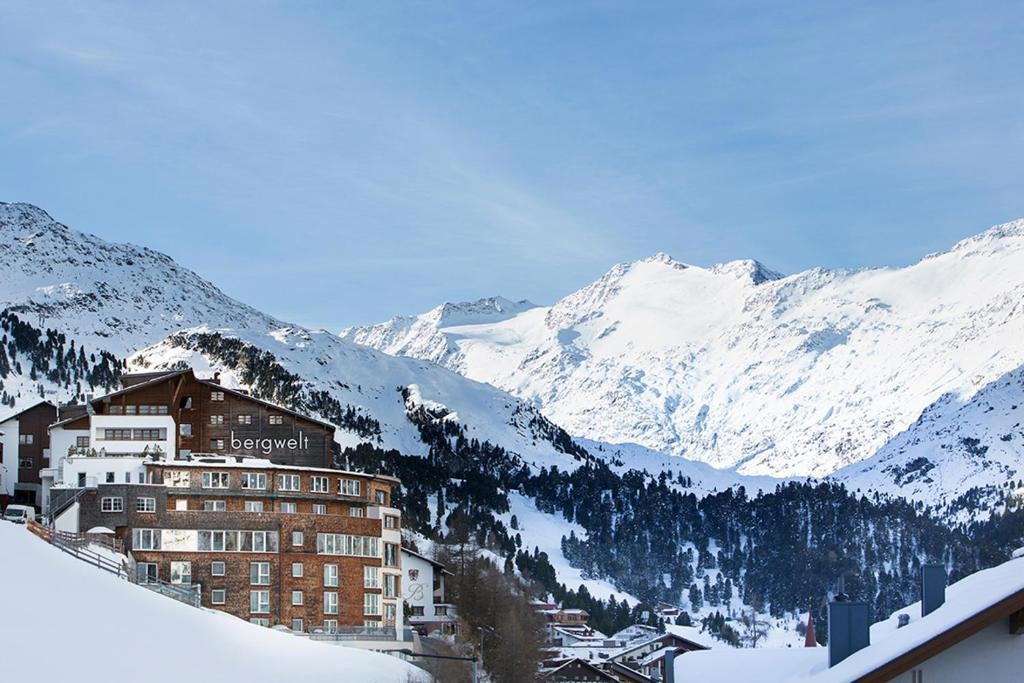
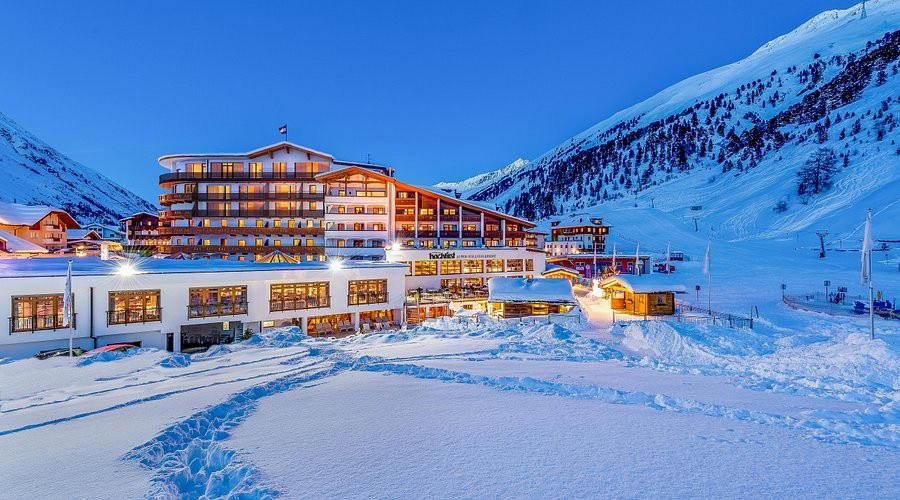
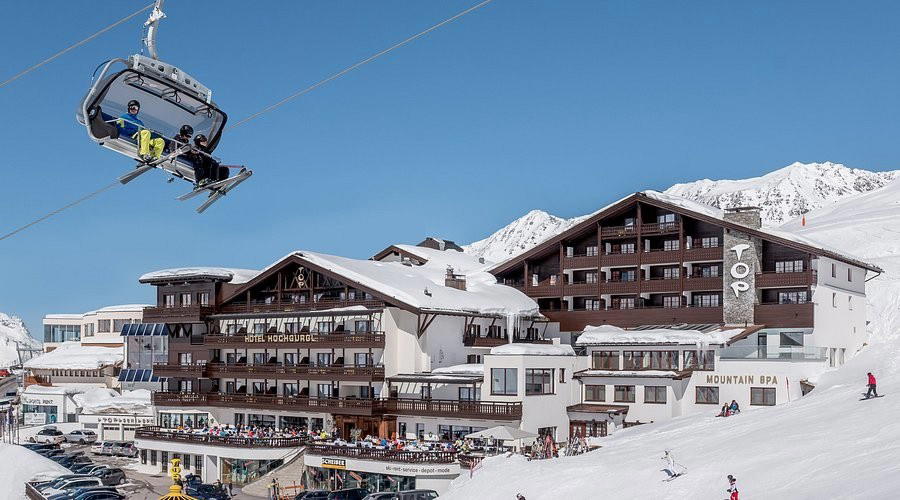
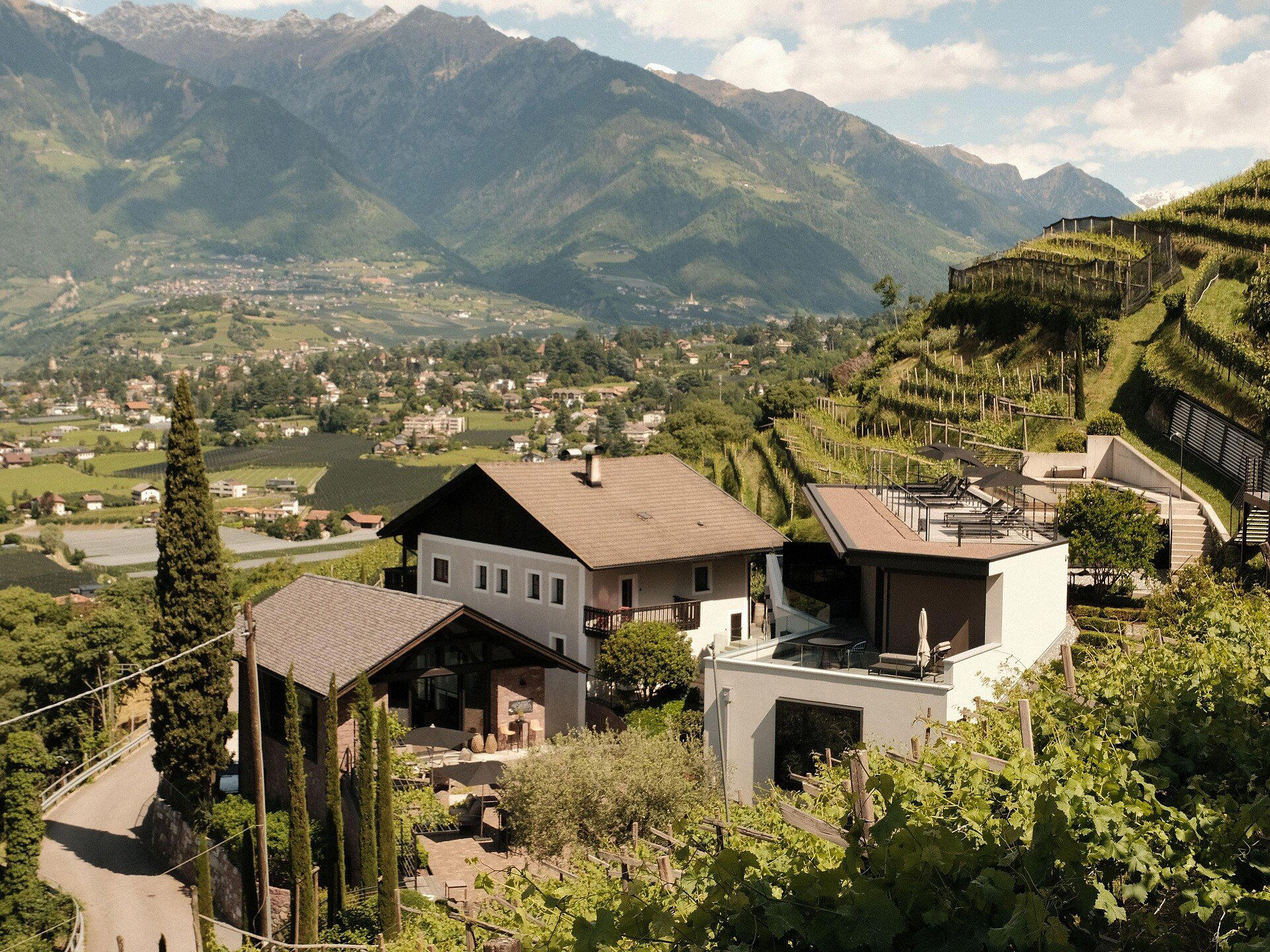
At 1,930 metres above sea level, the Ötztal Alps impose a particular discipline on any kitchen that takes sourcing seriously. Produce cannot arrive casually from distant lowland markets; the logistics of altitude mean that what a chef chooses to put on the plate carries weight beyond mere preference. It is a constraint that, when embraced rather than worked around, produces some of the most grounded fine dining in the Alpine canon. Austria Stuben, operating within the Gourmet & Wine Hotel Austria in Obergurgl, has built its Michelin-starred evening programme around exactly that premise.
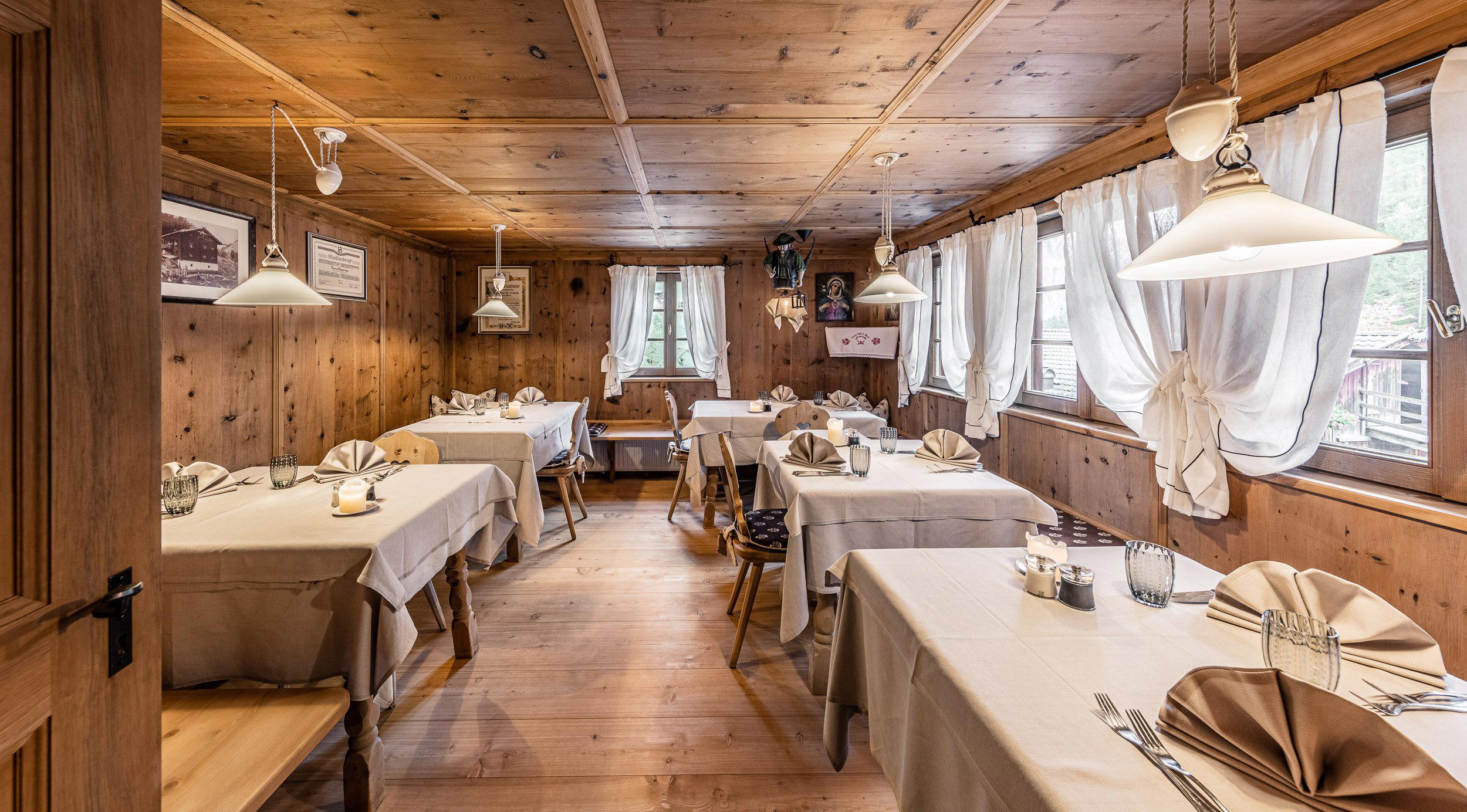
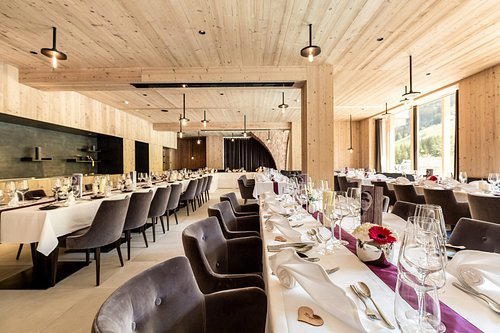
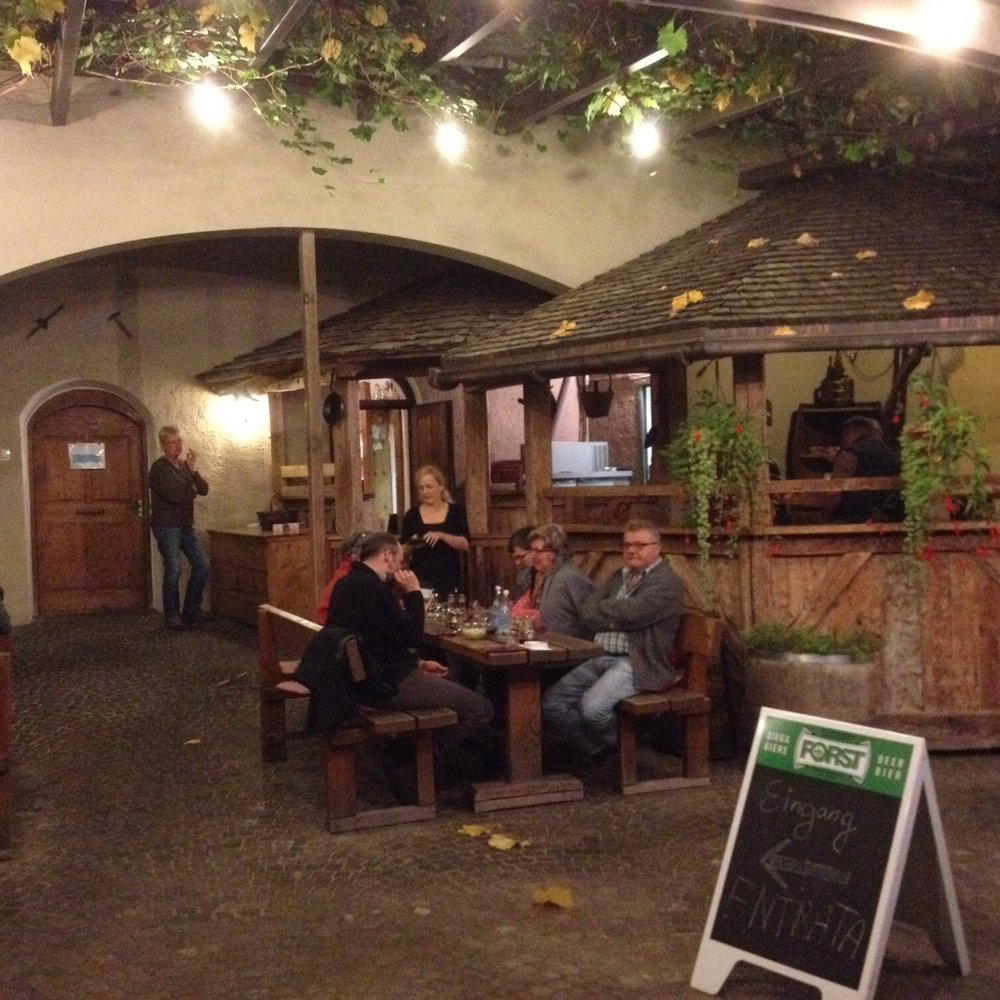
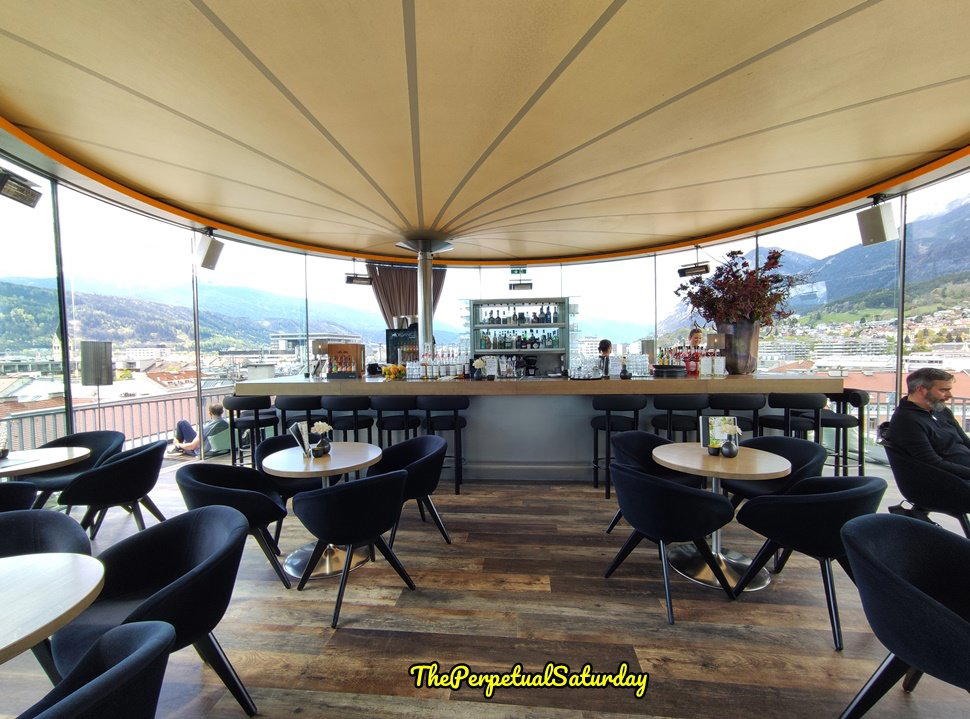
The dining room itself sets the terms before a course is served. High-calibre contemporary design meets floor-to-ceiling wood panelling that reads as genuinely old rather than decorative, a combination that mirrors the kitchen's own instinct for contrast. The space holds only a handful of covers per service, which places it in the smaller, more considered end of Austria's high-altitude restaurant tier, where intimacy and booking scarcity function as quality signals rather than marketing devices. For comparison, Gourmetstube Hochfirst and Grünerhof represent the broader Obergurgl dining scene, but Austria Stuben operates at a different register of formality and ambition.
The Sourcing Logic Behind 'Paradoxon'
Austria's serious kitchens have long drawn on a rich geography of regional produce: Styrian pumpkin oil, Tyrolean mountain cheese, river fish from the country's interior waterways. What distinguishes the better contemporary Austrian tables is how they use that regional foundation without becoming folkloric about it. The set menu at Austria Stuben, titled 'Paradoxon', signals its intent in the name: combinations that should not work on paper but cohere on the plate through technical precision.
The menu's guiding philosophy is described as close to nature and regionally sourced, yet open to international influences. That framing matters because it positions the kitchen within a broader shift in Alpine fine dining, one visible at addresses like Döllerer in Golling an der Salzach and Kräuterreich by Vitus Winkler in Sankt Veit im Pongau, where Austrian kitchens use European and global technique to articulate local ingredients rather than to replace them. The dish cited in the Michelin record, Carinthian salmon with raw and marinated kohlrabi and a citrus emulsion, illustrates this directly. Carinthian salmon references a specific regional provenance; the kohlrabi treatment and citrus emulsion speak to a broader modernist vocabulary. Neither element is dressing up the other; they are in productive tension.
Head chef Verena Stattmann's Carinthian background is relevant here not as biography but as sourcing intelligence. Carinthia's freshwater fish tradition, its proximity to Slovenia, and its distinct agricultural character give the kitchen a regional lexicon that differs from Tyrolean or Viennese norms. That difference is part of what makes the menu genuinely specific rather than generically Alpine.
How Austria Stuben Sits Within Austria's Fine Dining Tier
A Michelin star at this altitude carries different implications than the same recognition in a capital city. In Vienna, starred restaurants operate within a dense competitive market alongside addresses like Steirereck im Stadtpark and a growing roster of modern European kitchens. The common thread across these addresses is that they attract a clientele with high baseline expectations, skiers and walkers who also maintain serious dining habits, and they price accordingly at the €€€€ tier.
For broader Austrian context, kitchens like Obauer in Werfen, Landhaus Bacher in Mautern an der Donau, and Ois in Neufelden each demonstrate how Austria's regional fine dining can hold serious Michelin recognition while remaining geographically remote from the country's urban centres. Austria Stuben fits this pattern: the star was awarded in 2024, confirming that Michelin's Austrian coverage now extends well beyond Vienna and Salzburg. Ikarus in Salzburg remains the country's most internationally visible contemporary address, but the 2024 inspection cycle revealed genuine depth in Austria's mountain dining tier.
Internationally, the direction taken by Austria Stuben, contemporary fine dining that treats regional sourcing as a constraint rather than a marketing claim, finds echoes in kitchens working in very different geographies. César in New York City and Jungsik in Seoul each represent the contemporary category's capacity to use local ingredient identity as a structural element of the menu rather than a garnish. The Austrian Alpine version operates within tighter physical limits but shares the same underlying logic.
The Wine Programme and Non-Alcoholic Pairings
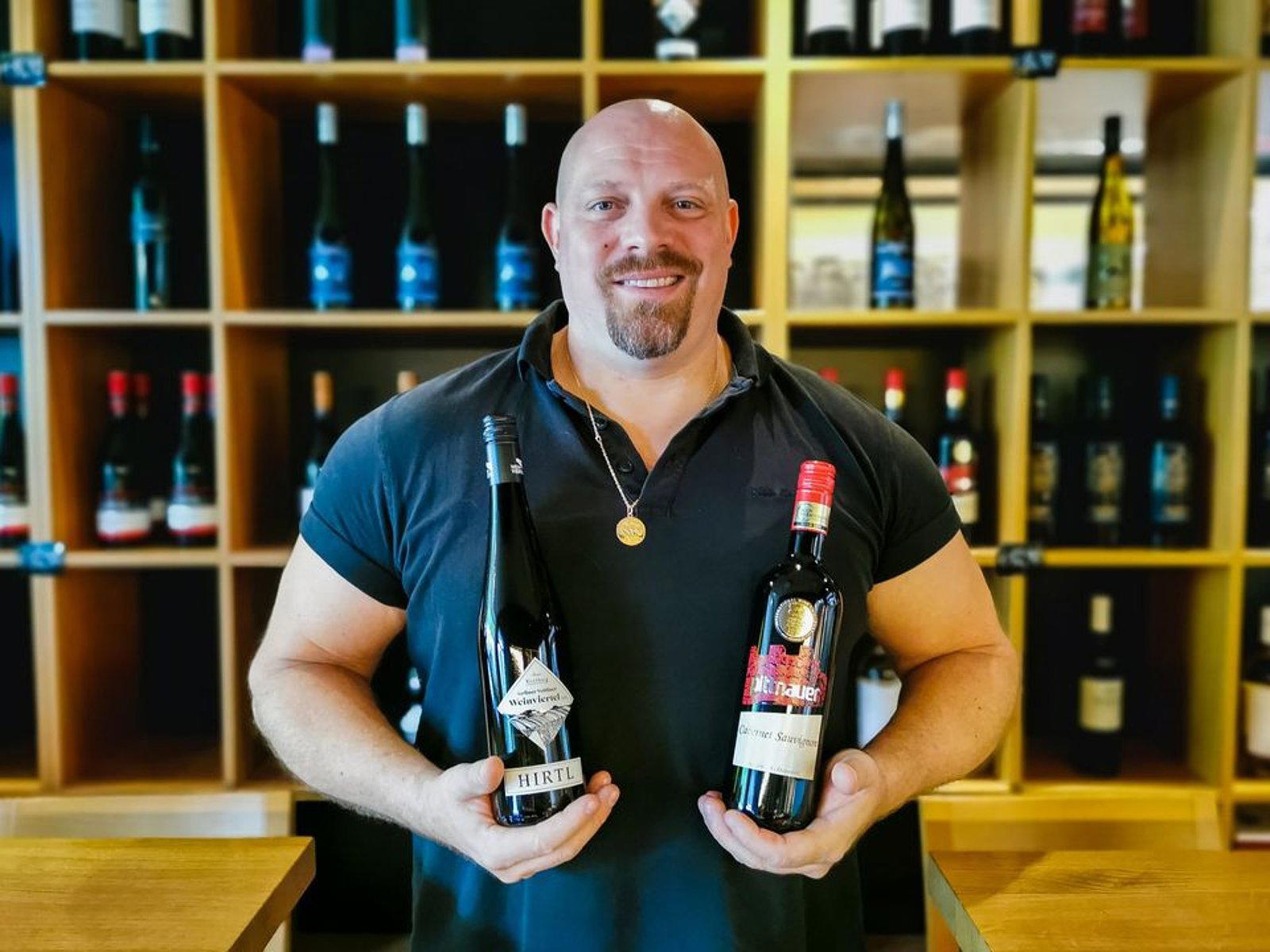
A 1,200-bottle wine list at 1,930 metres represents a genuine commitment. Co-owner and sommelier Maximilian Steiner oversees both the cellar and the service team, which gives the beverage programme an authority that smaller operations often lack. The list supports multiple pairing formats for the evening set menu, and the kitchen also offers thoughtfully designed non-alcoholic accompaniments, a detail that distinguishes more considered operations from those treating alcohol alternatives as an afterthought. Austrian wine's increasingly strong international position, particularly with Grüner Veltliner and Riesling from the Wachau and Kamptal, gives a cellar of this depth genuine regional anchors alongside international selections.
Planning a Visit
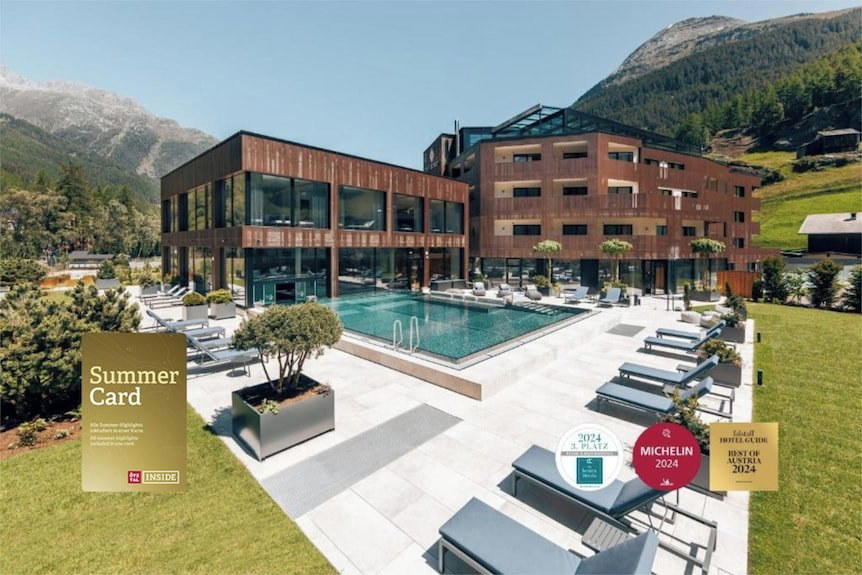
Austria Stuben operates as the fine dining offering within the Gourmet & Wine Hotel Austria at Kressbrunnenweg 3, 6456 Obergurgl. The evening format is a set menu only, and given the small number of covers per service, advance reservation is the only practical approach, walk-in availability at a one-star address of this size is not a reasonable expectation, particularly during the Obergurgl ski season when hotel occupancy is high. Obergurgl sits at the end of the Ötztal valley road and is accessible by car or the regional bus network from Innsbruck; the village has no railway connection. For a broader view of eating and drinking in the area, see our full Obergurgl restaurants guide, and for accommodation options across the village, our full Obergurgl hotels guide. Additional local context is covered in our full Obergurgl bars guide, our full Obergurgl wineries guide, and our full Obergurgl experiences guide.
Frequently asked questions
Can I walk in to Austria Stuben?
The restaurant holds space for only a handful of diners per service, which makes walk-in dining a significant risk. Austria Stuben operates within the Gourmet & Wine Hotel Austria at Kressbrunnenweg 3, 6456 Obergurgl, and advance reservation is the practical requirement for a Michelin-starred kitchen running a single set-menu format each evening.
What makes Austria Stuben worth seeking out?
A Michelin star at 1,930 metres in the Ötztal Alps is a different proposition from urban fine dining: the supply chain is harder, the audience seasonal, and the margin for error smaller. Chef Verena Stattmann holds that star with a regionally rooted menu that still moves against Alpine convention. Sommelier and co-owner Maximilian Steiner pairs that menu with a 1,200-bottle cellar and a dedicated non-alcoholic programme, a combination rarely found at this altitude.
| Venue | Cuisine | Price | Awards | Notes |
|---|---|---|---|---|
| Austria StubenThis venue (the venue you are viewing) | Modern Alpine Fine Dining | Not listed | 1 Michelin Star | Not listed |
| Steirereck im Stadtpark | Modern Austrian Fine Dining | $200–300 | 3 Michelin Stars · World's 50 Best #33 | Creative |
| Döllerer | Modern Alpine Cuisine | $100–150 | 2 Michelin Stars · La Liste Top Restaurants | Contemporary Austrian, Innovative |
| Ikarus | Guest Chef Fine Dining | $200–300 | 2 Michelin Stars · La Liste Top Restaurants | Modern European, Creative |
| Mraz & Sohn | Contemporary Austrian Fusion | $150–200 | 2 Michelin Stars · La Liste Top Restaurants | Modern Austrian, Creative |
| Obauer | Modern Austrian Fine Dining | $50–100 | 2 Michelin Stars · La Liste Top Restaurants | Classic Cuisine |
Recognition history
Dated appearances from independent guides and award organizations, with the underlying list record or original source where available.
Michelin 1 Star
Michelin
Full recognition history (3 entries)
Michelin 1 Star
Michelin
Michelin 1 Star
Michelin
Continue exploring
More in Obergurgl
Restaurants in Obergurgl
All restaurants in Obergurgl →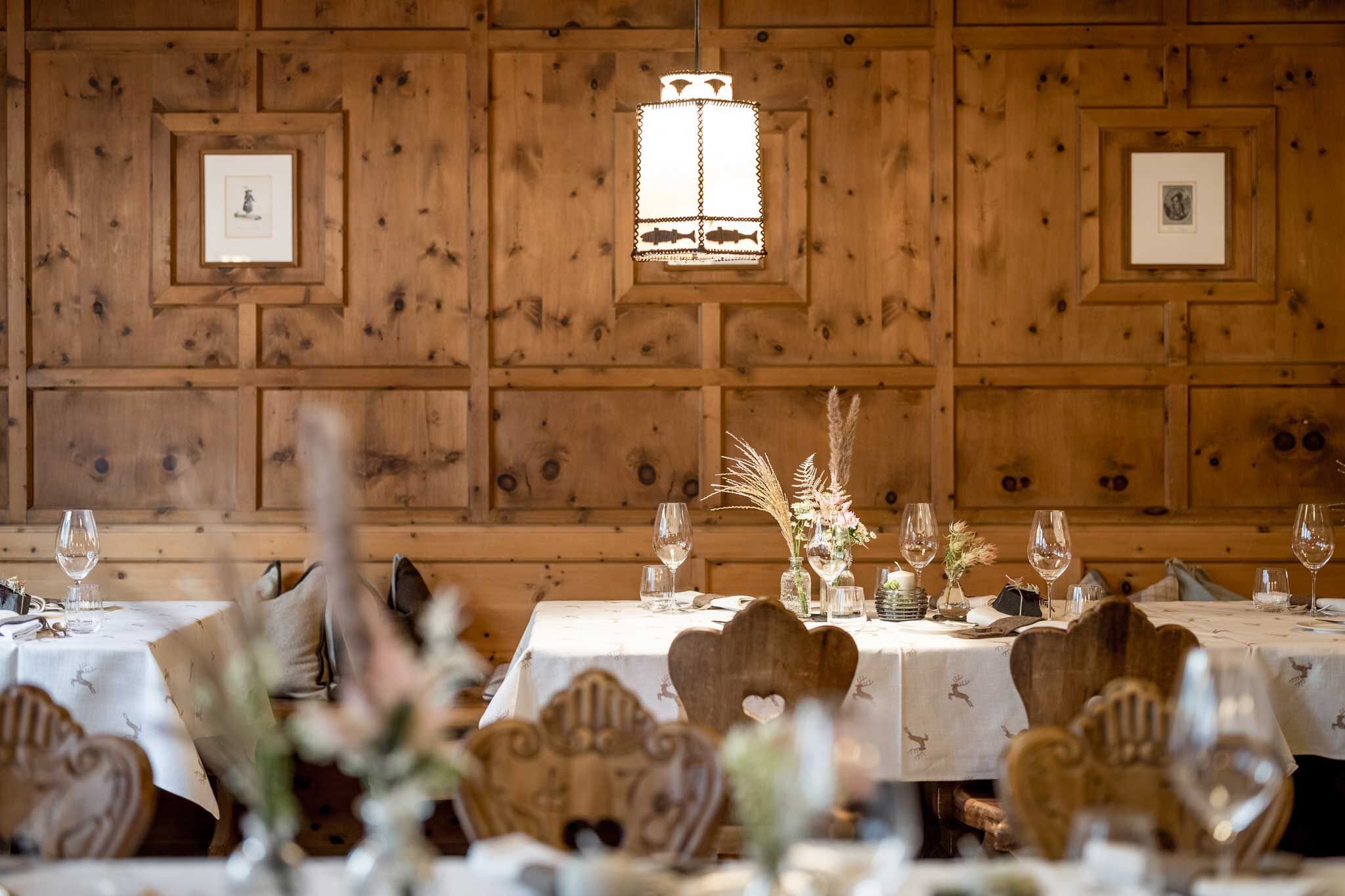
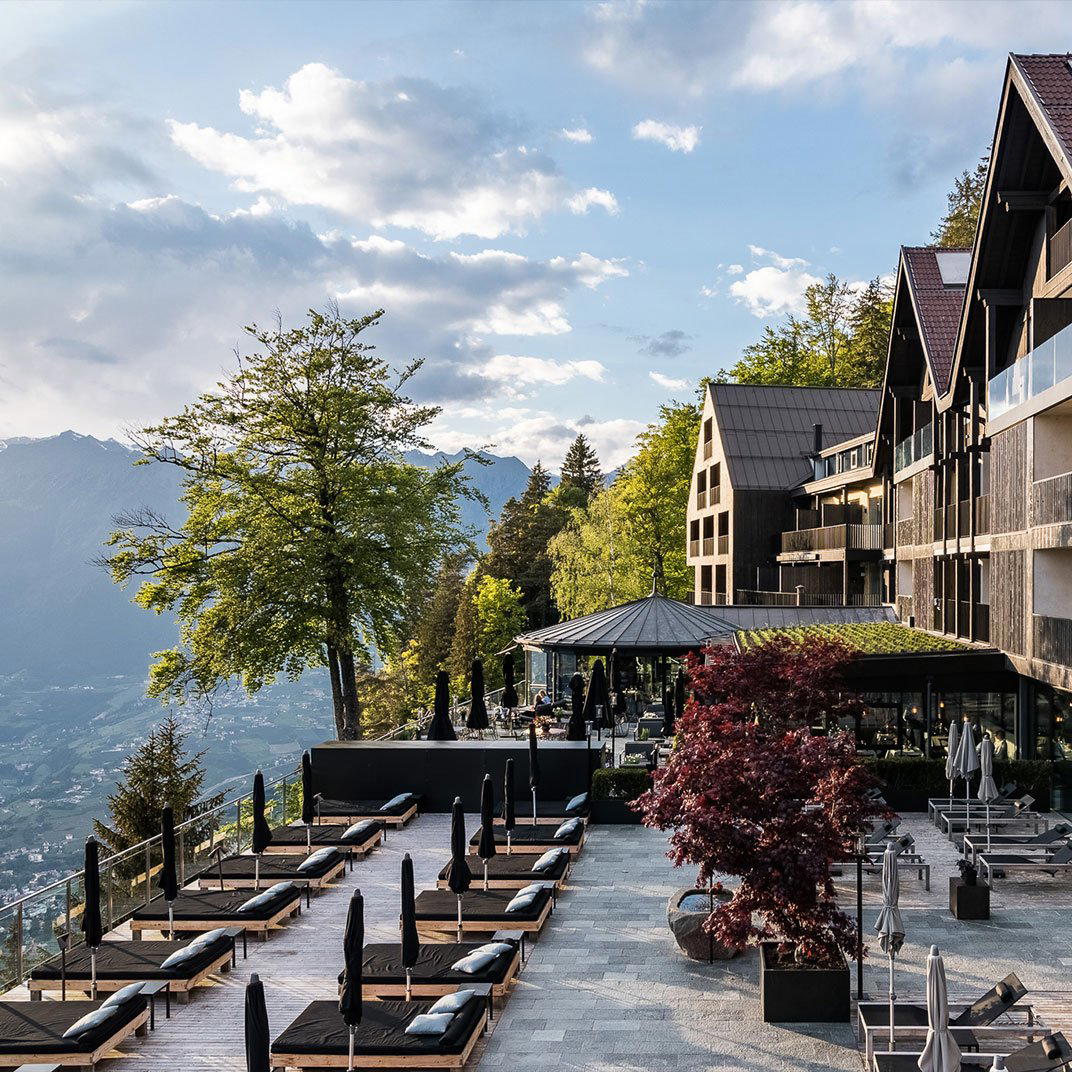
Bars in Obergurgl
Browse all →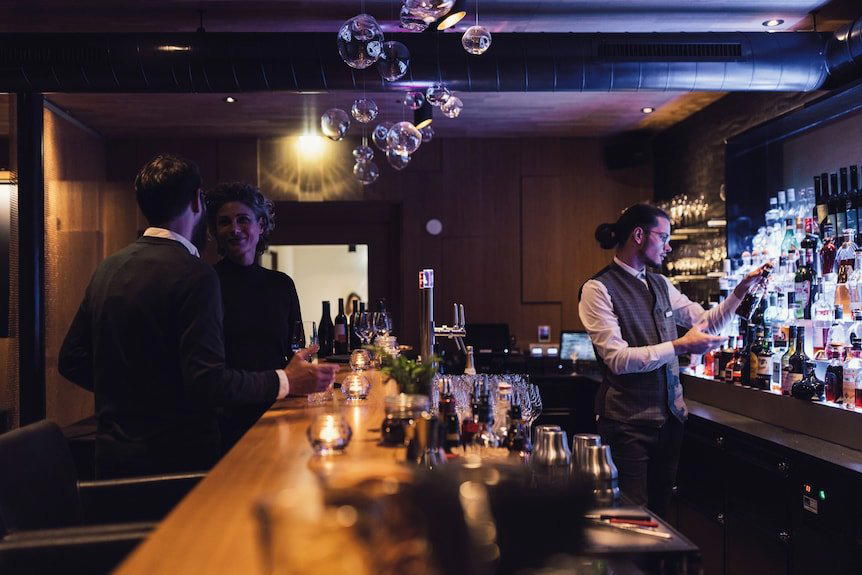

Austria Stuben
The wine
- Wine program
- Deep wine list
- Extensive wine list
- Sommelier-led
Details
- Cozy
- Elegant
- Intimate
- Sophisticated
- Date Night
- Special Occasion
- Hotel Restaurant
- Wine Cellar
- Extensive Wine List
- Sommelier Led
- Local Sourcing
- Mountain
- Set Menu
- Wine Pairing
Current opening hours
- Monday
- Closed
- Tuesday
- Closed
- Wednesday
- Closed
- Thursday
- 6:30–11 PM
- Friday
- 6:30–11 PM
- Saturday
- 6:30–11 PM
- Sunday
- Closed
Hours can change for holidays and private events. Hours as of .
Cosy with natural wood, pleasant lighting, high-quality fabrics, and modern-Alpine interior blending high-calibre design with traditional wood panelling.