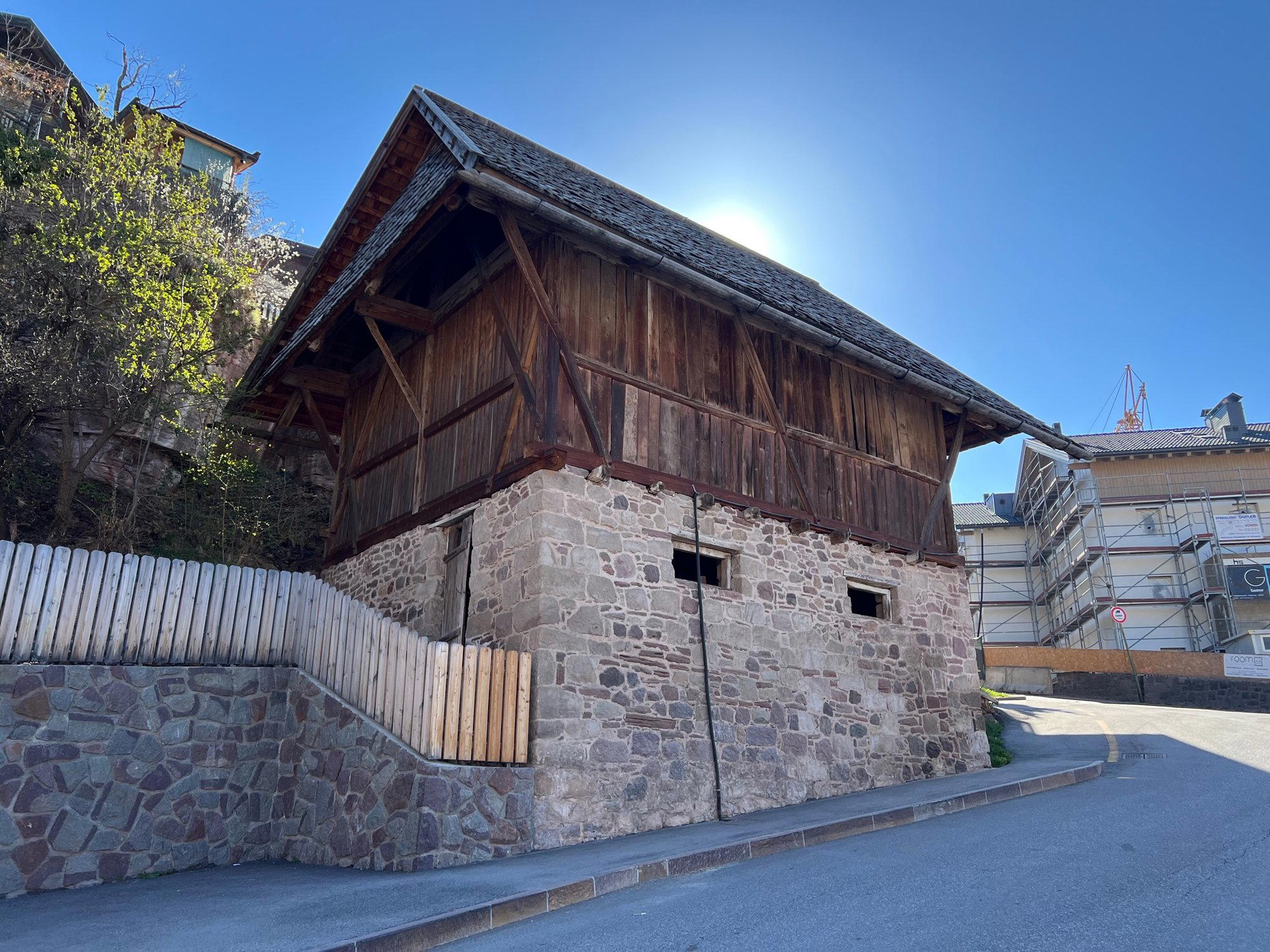
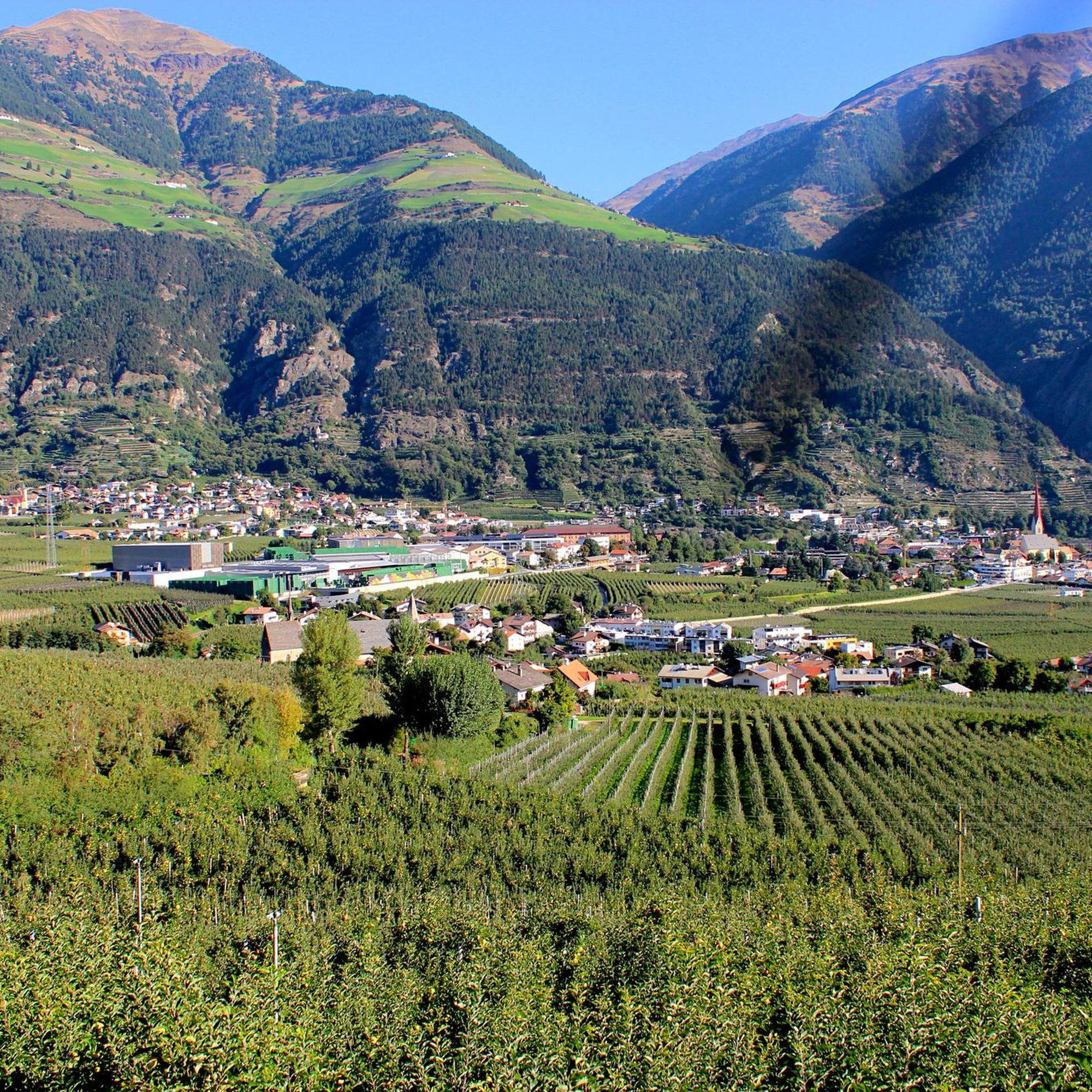
A mountain hut at altitude in the Ötztal Alps, Siegerlandhütte sits within Sölden's high-elevation dining circuit, where the setting does as much work as the kitchen. Positioned above the valley floor, it draws skiers and hikers who have come to expect more from an Alpine stop than packaged soup and plastic trays. The address at Hütten 203 places it within a cluster of huts that collectively define how Sölden feeds its mountain visitors.
Pearl is the En Primeur Club membership app — saves, bookings, and concierge access live there. Same editors, same standards.
- Address
- Hütten 203, 6450, Austria
- Phone
- +436642414040
- Website
- siegerlandhuette.com
- Directions
- Get directions
 Saves & bookings on Pearl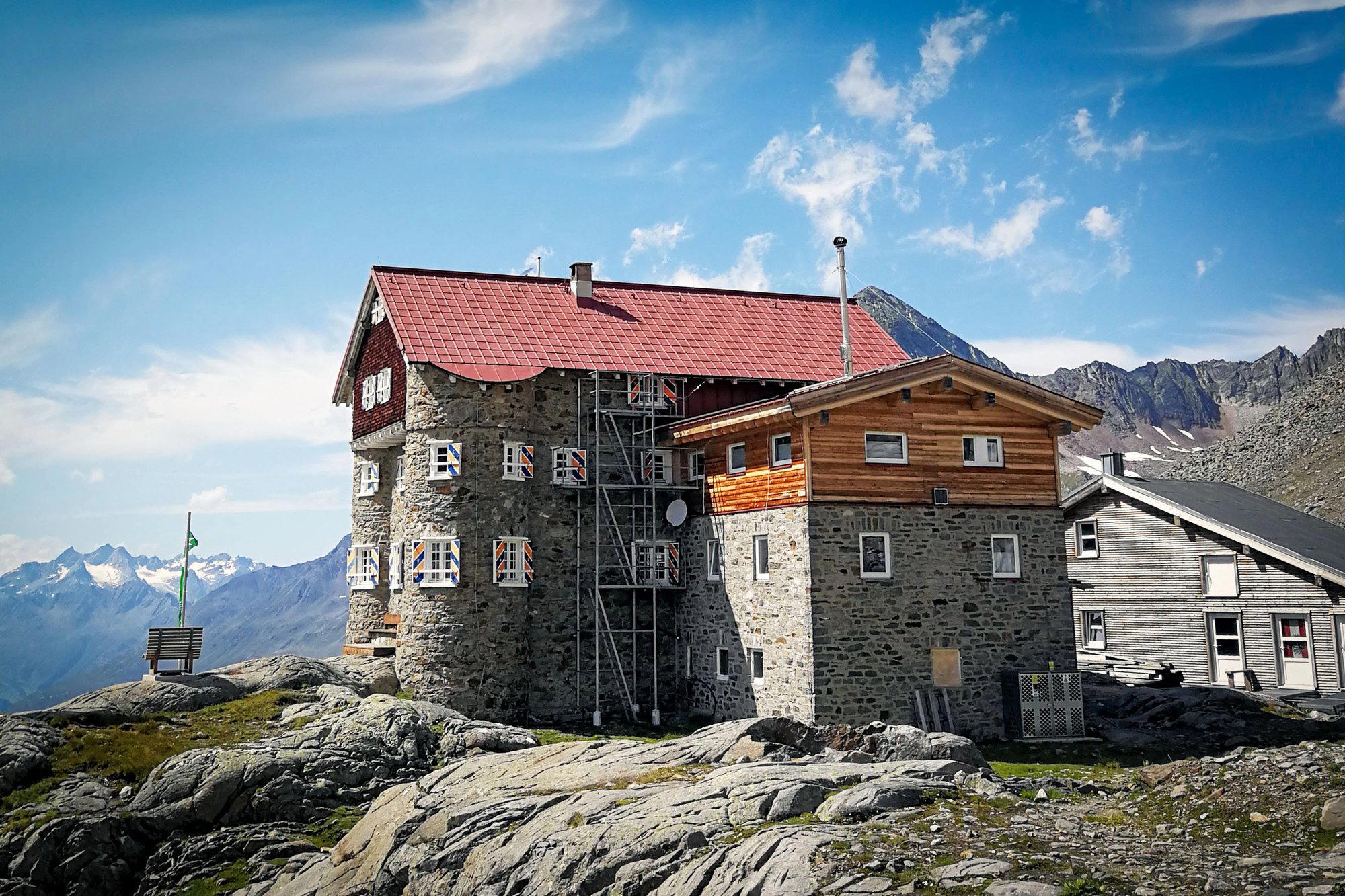
Above the Valley: Sölden's High-Altitude Dining Circuit
The air is thinner, the light sharper, and the appetite sharpened by hours on snow or trail. Sölden has built one of Austria's more concentrated high-elevation dining circuits, where mountain huts at 2,000 metres and above compete not just on warmth and calories but on the overall quality of the stop. Siegerlandhütte, addressed at Hütten 203 in the 6450 postcode, sits within that circuit and draws the kind of visitor who considers the midday hut break a deliberate part of the day rather than a functional interruption.
Sölden's huts operate within the same gravitational pull, where proximity to the glacier runs and the ski infrastructure of the Gaislachkogl and Rettenbach sectors means foot traffic is high, but the visitor profile skews toward those willing to pay for quality rather than simply seeking the nearest heated room.
The Place Itself: What the Hütten Address Signals
The Hütten district of Sölden is not the village centre. It sits at a remove that requires either a deliberate approach on foot or on ski, which acts as a natural filter on who ends up at a given hut. This is a feature, not an inconvenience. Mountain dining in Austria has long understood that accessibility and exclusivity exist on a spectrum, and that the walk or the run required to reach a hut shapes the mood of the guest who arrives. A table at a hut approached from the slopes carries a different register than one reached by car from the valley road.
Within Sölden's broader eating options, Siegerlandhütte occupies a position defined by its elevation and its address rather than a formal tier system. Visitors choosing between huts in this area often weigh the same factors: exposure to sun on the terrace, quality of the hot dishes on offer, and whether the space can hold a group without feeling like a canteen.
Austrian Mountain Hut Cooking: What to Expect
The hütte format across Austria has a set of conventions that persist because they work at altitude. Gulasch, käsespätzle, and Tiroler Gröstl appear on most menus because they deliver density and warmth efficiently. The better huts do not abandon these conventions but execute them with higher-quality sourcing, often drawing on regional dairy and beef that reflects the valley below. In Tyrol and the broader Alpine corridor, this kind of regional specificity is the meaningful differentiator between a hut that feeds people and one that gives them something to talk about on the lift home.
Austria's serious restaurant culture, represented in the valley context by places like Steirereck im Stadtpark in Vienna, Döllerer in Golling an der Salzach, and Obauer in Werfen, has raised the baseline expectation for Austrian cooking across the board. Even hut visitors who are not tracking Michelin stars have absorbed the idea that Austrian ingredients and technique deserve careful treatment. That ambient expectation lands even on mountain terraces, and the better huts in circuits like Sölden's respond to it.
For context on where this sits relative to Austria's broader mountain dining scene, Kräuterreich by Vitus Winkler in Sankt Veit im Pongau and Restaurant 141 by Joachim Jaud in Mieming represent what happens when Alpine produce is treated with the full weight of a formal kitchen. The hut format doesn't reach those heights in technical ambition, but the leading examples in the circuit share the same instinct toward regional honesty.
Sölden's Dining Range: Where the Huts Fit
Sölden is not a resort that runs on one register. The village includes the kind of après-focused drinking culture associated with large ski areas, but it also supports a more considered eating scene for those who look past the obvious. LA'LIV and Edelweiss & Gurgl occupy different positions in that range. The huts, including Siegerlandhütte, function as the midday layer between early breakfast at the hotel and the evening meal back in the village.
That midday layer matters more than it sometimes gets credit for. A well-judged hut stop sets the tone for the second half of the ski day or the final push on a summer trail. The huts in Sölden that earn repeat visits tend to be those where the terrace orientation, the service pace, and the food quality align without any one element dragging on the others.
Planning Your Visit
Siegerlandhütte is located at Hütten 203, 6450 Sölden, Austria. Access follows the natural logic of the mountain: on ski in winter, on foot or via mountain transport in summer.
Just the Basics
Comparable venues nearby, for context on price, style, and recognition.
| Venue | Cuisine | Price | Notes |
|---|---|---|---|
| SiegerlandhütteThis venue — the venue you are viewing | Not listed | $$ | Not listed |
| Almwirtschaft Gampe Thaya | Gampealm, Traditional Austrian Alpine | $$ | Not listed |
| Restaurant Rofenhof | Not listed | $$ | Sölden, Tyrolean/Austrian with Italian |
| Grünerhof | Not listed | $$$ | Obergurgl, Seasonal Tyrolean Alpine Cuisine |
| Edelweiss & Gurgl | Not listed | $$$ | Obergurgl, Traditional Tyrolean Alpine Cuisine |
| LA'LIV | Sölden, French-Alpine Fusion | $$$ | Not listed |
Continue exploring
More in Sölden
Restaurants in Sölden
Browse all →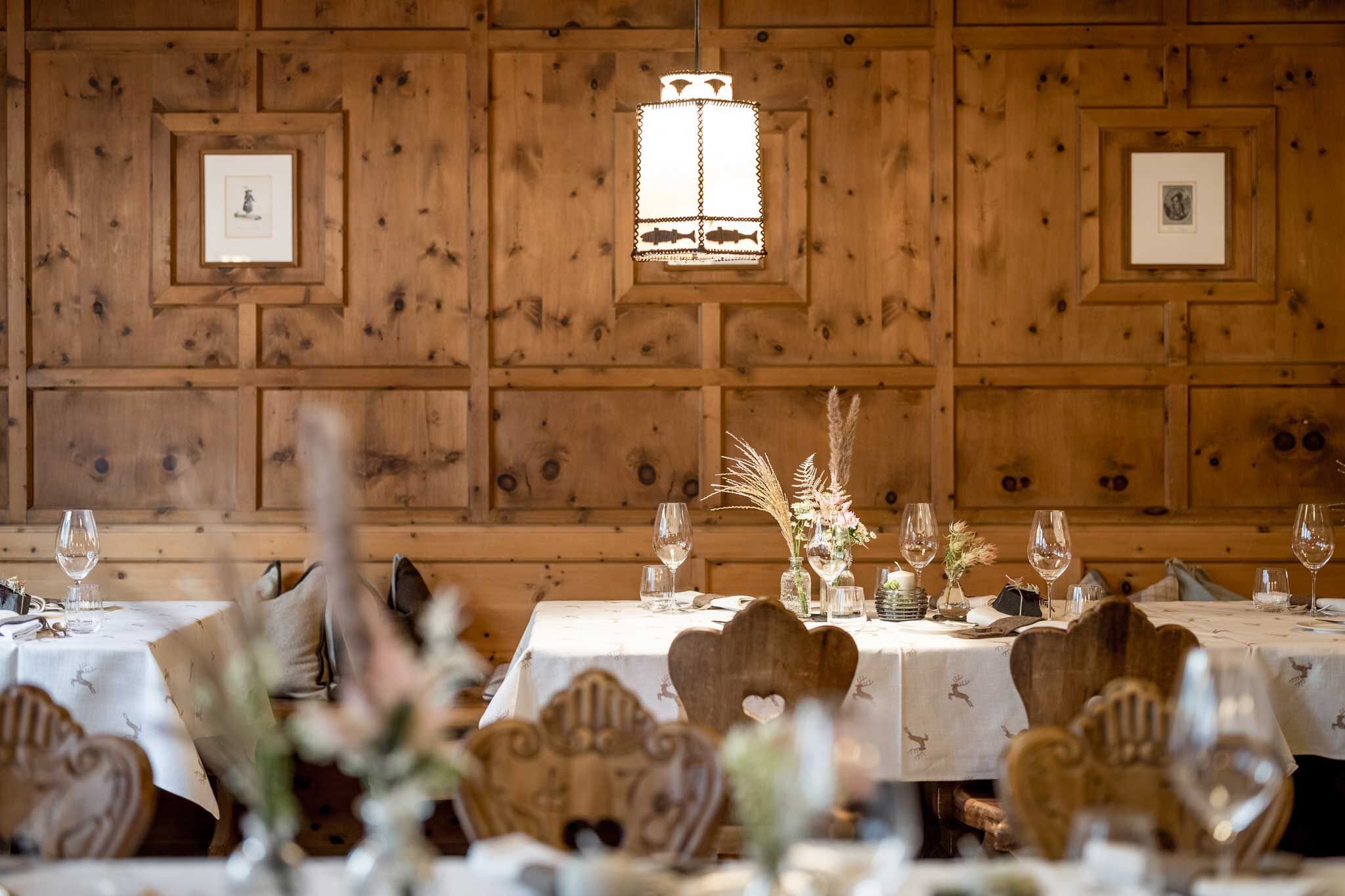
Bars in Sölden
Browse all →
Hotels in Sölden
Browse all →

At a Glance
- Rustic
- Cozy
- Scenic
- Casual Hangout
- Panoramic View
- Mountain
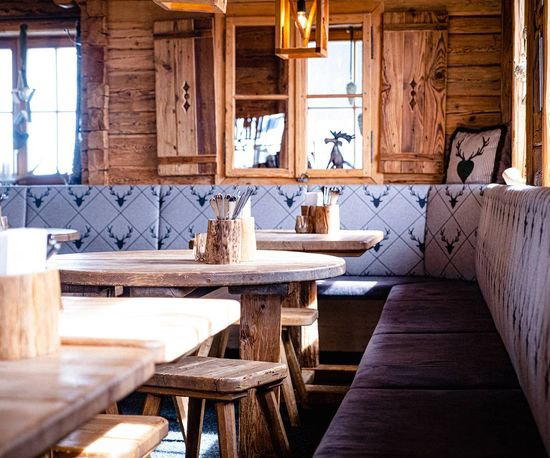
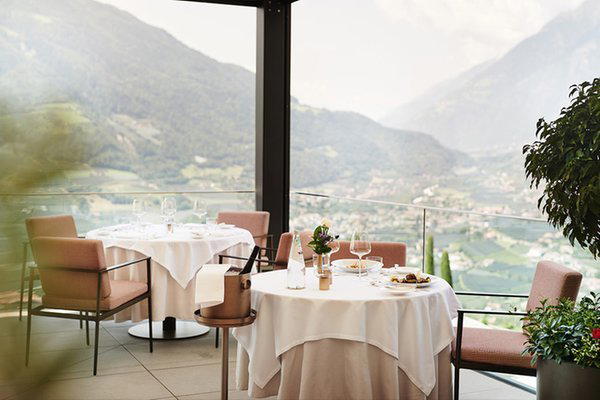
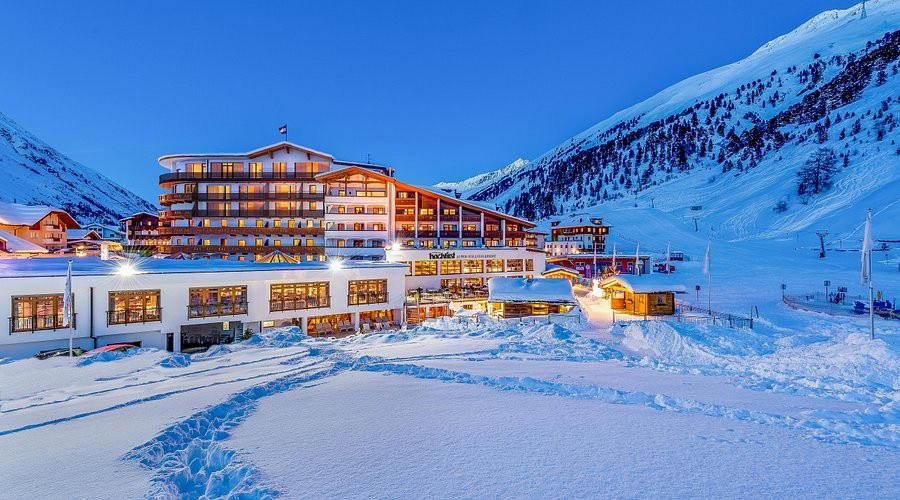
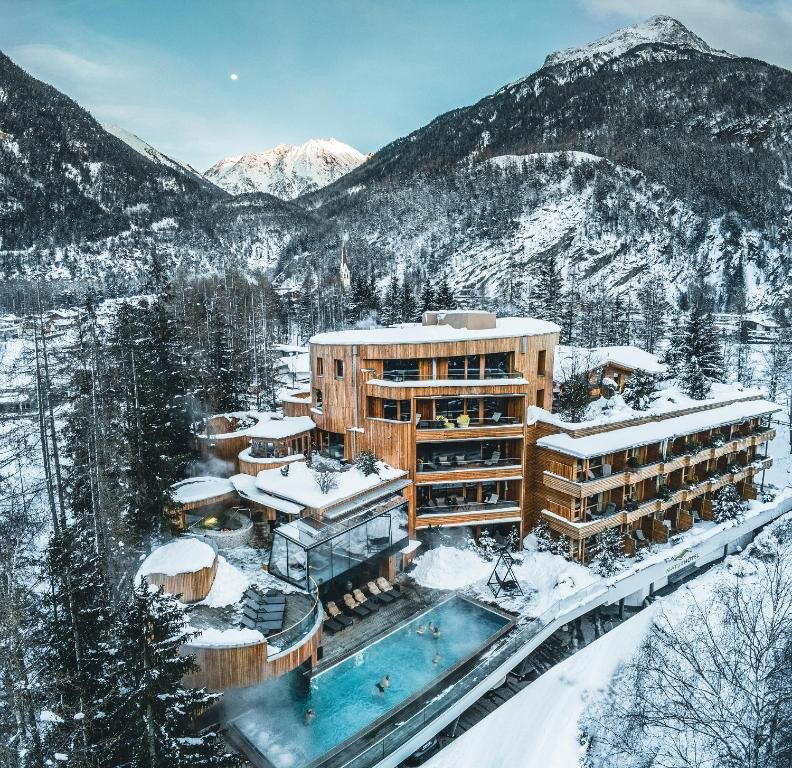
Cozy atmosphere with tiled stove, ideal for enjoying sunrises and sunsets amid dramatic mountain scenery.