Restaurant Rofenhof sits in the mountain village of Vent, a remote valley above Sölden in Austria's Ötztal Alps. The address alone, Rofenstraße 3, 6458 Vent, places it at serious altitude, well beyond the resort's main drag. For travellers seeking a meal rooted in the rhythms of high-alpine Austrian tradition rather than après-ski convenience, it occupies a distinct position in the regional dining scene.
Pearl is the En Primeur Club membership app — saves, bookings, and concierge access live there. Same editors, same standards.
- Address
- Rofenstraße 3, 6458 Vent, Austria
- Phone
- +434352548103
- Website
- rofenhof.at
- Directions
- Get directions
 Saves & bookings on Pearl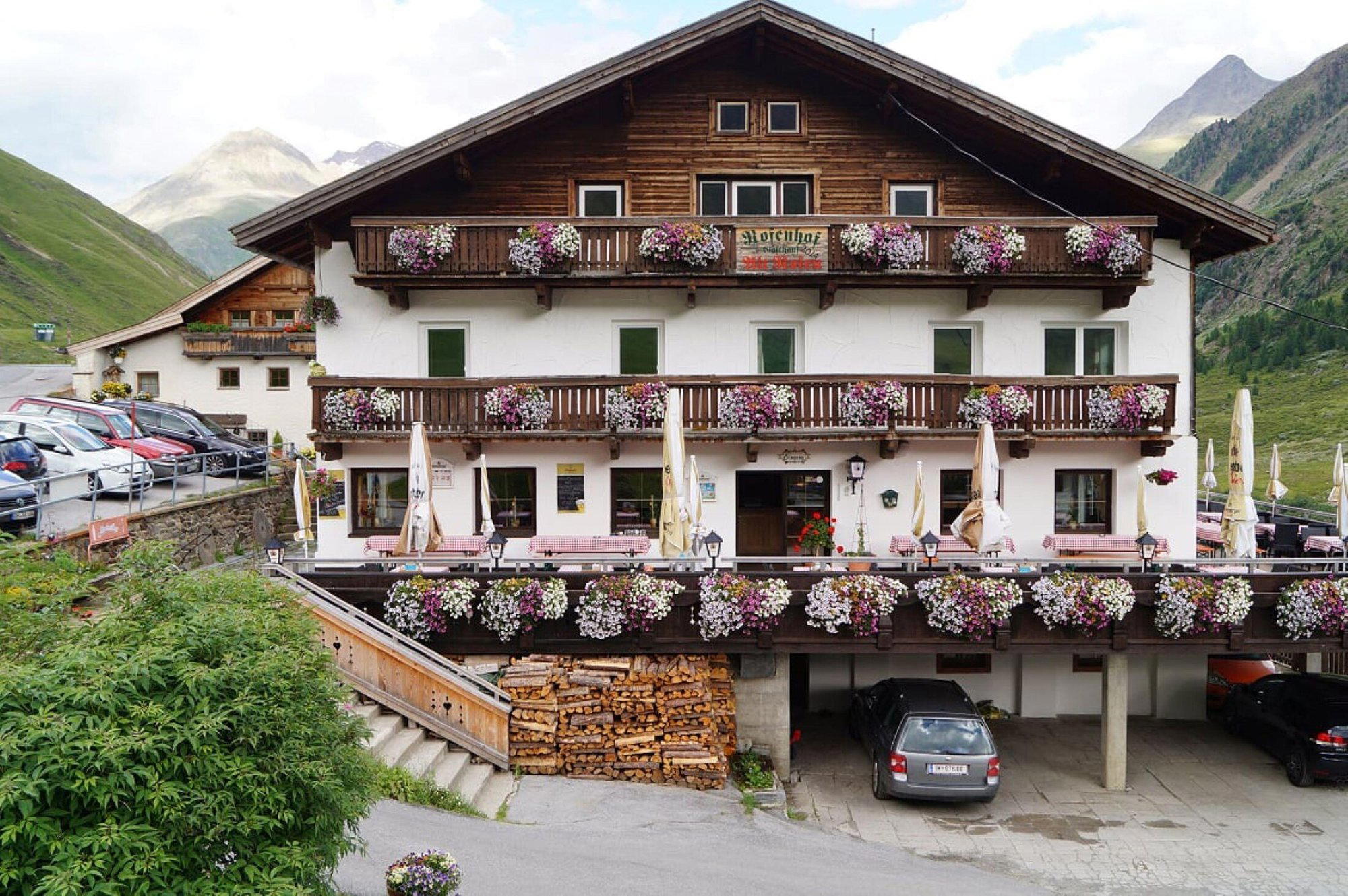
At the End of the Ötztal: Vent and the Logic of Remote Alpine Dining
There are two ways to understand a restaurant at the edge of a glaciated valley. One is as a logistical curiosity, a place that exists despite its location. The other is to recognise that the location is, in fact, the premise. Restaurant Rofenhof is a casual Tyrolean/Austrian restaurant with Italian influences in Vent, Austria, at Rofenstraße 3, and it has. Vent is not an overflow destination for skiers who couldn't get a table closer to the lifts. It is a settlement with deep roots in Alpine herding culture, border crossings, and mountain rescue history, and the restaurants that survive there do so because they serve something the main resort corridor cannot replicate: an encounter with the older version of this landscape.
That context matters when placing Restaurant Rofenhof in any meaningful frame. Austrian Alpine dining at this level of remoteness sits within a long tradition of Gasthäuser and Berggasthöfe, establishments whose identity is inseparable from their physical position. Unlike the resort-facing dining rooms in central Sölden, where the audience is international and the format has shifted toward modern Austrian or pan-European menus, the establishments of Vent operate closer to the model that sustained these valleys before ski tourism reshaped the Ötztal economy.
The Cultural Weight of the Bergrestaurant Format
Across the Austrian Alps, the Bergrestaurant, loosely translated as mountain restaurant, carries a specific cultural logic. These are not altitude-adjusted copies of urban dining rooms. They are expressions of Tyrolean domestic cooking scaled to accommodate walkers, climbers, and, in the winter months, skiers arriving by foot or skin track rather than gondola. The repertoire is deliberate: Tiroler Gröstl (a pan-fried potato and meat dish), Käsespätzle (cheese-dressed egg noodles), Gulasch thickened and rested rather than rushed, Strudel that reflects the pastry traditions of the broader Austrian kitchen rather than any contemporary reimagining.
What distinguishes the leading examples of this format from simple canteen cooking is attention to sourcing and the discipline of restraint. Tyrolean Alpine cuisine does not benefit from elaboration. A Gulasch made with beef from the valley floor, paprika, and slow time is a different proposition from one assembled from industrial ingredients and finished with speed. The address in Vent, a village that has historically maintained tight connections to its farming and herding hinterland, places it in a context where that standard is both possible and expected by the locals who use it year-round.
This is a pattern visible across Austria's high-altitude dining tradition. Venues like Döllerer in Golling an der Salzach have built a national reputation by taking alpine produce seriously at the fine-dining level, while Obauer in Werfen has held Michelin recognition for decades by treating regional Austrian cooking as a subject worthy of sustained craft. Restaurant Rofenhof operates in a different register, informal rather than gastronomic, but the cultural seriousness that underpins those kitchens flows from the same source traditions.
Sölden's Dining Geography and Where Vent Sits Within It
Sölden's main restaurant scene has diversified considerably over the past two decades. Gaislachalm occupies the on-mountain casual position, while LA'LIV represents the more contemporary end of resort dining. Almwirtschaft Gampe Thaya pulls visitors toward a traditional Alm format, and Grünerhof sits within the broader category of established local dining rooms. Further afield, Edelweiss & Gurgl anchors the upper Gurgl valley with a hotel-dining format.
Vent, by contrast, sits outside the main resort circuit entirely. Reaching it from central Sölden requires a drive up into the Venter Tal, a side valley that branches west from the main Ötztal. The village sits at roughly 1,900 metres, and in winter the road operates on conditions that reward planning ahead rather than spontaneous evening decisions. This is not a venue you pass on the way to something else. The decision to go is the point, and that filters the audience considerably: walkers on the E5 transalpine route in summer, ski tourers and cross-country skiers in winter, and the smaller number of resort visitors who deliberately seek out the quieter valley.
For broader orientation across the Austrian Alps dining scene, the restaurants at Gourmetrestaurant Tannenhof in Sankt Anton am Arlberg and Griggeler Stuba in Lech show what the ambition ceiling looks like when the Bergrestaurant format meets serious kitchen investment. At the other end of the register, Kräuterreich by Vitus Winkler in Sankt Veit im Pongau demonstrates how deeply regional produce can anchor a contemporary Austrian menu. Steirereck im Stadtpark in Vienna and Ikarus in Salzburg represent the urban apex of Austrian fine dining, establishing the national culinary frame within which all regional formats are read. Landhaus Bacher in Mautern an der Donau, Restaurant 141 by Joachim Jaud in Mieming, and Ois in Neufelden round out a picture of how Austrian regional cooking registers across different formats and geographies.
Planning a Visit: What the Address Tells You
The Vent address suggests a venue that works best with advance planning, common among Gasthöfe in remote Austrian villages where regular clientele and seasonal rhythm shape service. Visitors arriving from Sölden should allow travel time up the valley road and plan around the published opening hours, particularly outside peak summer hiking season or the main ski touring window. The village's compact scale means the restaurant is within easy reach of Vent's small accommodation cluster.
For a fuller picture of what Sölden's dining scene offers across different formats and price points, the Sölden restaurants guide covers the range from on-mountain casual to the more considered dining rooms in the valley. Those planning an Austrian Alpine trip who want to benchmark against international fine dining reference points, such as Le Bernardin in New York City or Atomix in New York City, will find the contrast instructive: the Bergrestaurant tradition operates on entirely different premises, prioritising place and tradition over technique and novelty, which is precisely the point of making the drive to Vent in the first place.
Booking and Cost Snapshot
Comparable venues nearby, for context on price, style, and recognition.
| Venue | Cuisine | Price | Notes |
|---|---|---|---|
| Restaurant RofenhofThis venue — the venue you are viewing | Not listed | $$ | Not listed |
| Siegerlandhütte | Not listed | $$ | Windachtal, Traditional Austrian Alpine Hut Cuisine |
| Zirbenalm | Obergurgl, Traditional Austrian Alpine | $$$ | Not listed |
| Grünerhof | Not listed | $$$ | Obergurgl, Seasonal Tyrolean Alpine Cuisine |
| Edelweiss & Gurgl | Not listed | $$$ | Obergurgl, Traditional Tyrolean Alpine Cuisine |
| Almwirtschaft Gampe Thaya | Gampealm, Traditional Austrian Alpine | $$ | Not listed |
Continue exploring
More in Sölden
Restaurants in Sölden
Browse all →
Bars in Sölden
Browse all →

Hotels in Sölden
Browse all →

At a Glance
- Rustic
- Cozy
- Scenic
- Family
- Casual Hangout
- Historic Building
- Terrace
- Mountain
Current opening hours
- Monday
- 10 AM–6 PM
- Tuesday
- 10 AM–6 PM
- Wednesday
- 10 AM–6 PM
- Thursday
- 10 AM–6 PM
- Friday
- 10 AM–6 PM
- Saturday
- 10 AM–6 PM
- Sunday
- Closed
Hours can change for holidays and private events. Last verified .
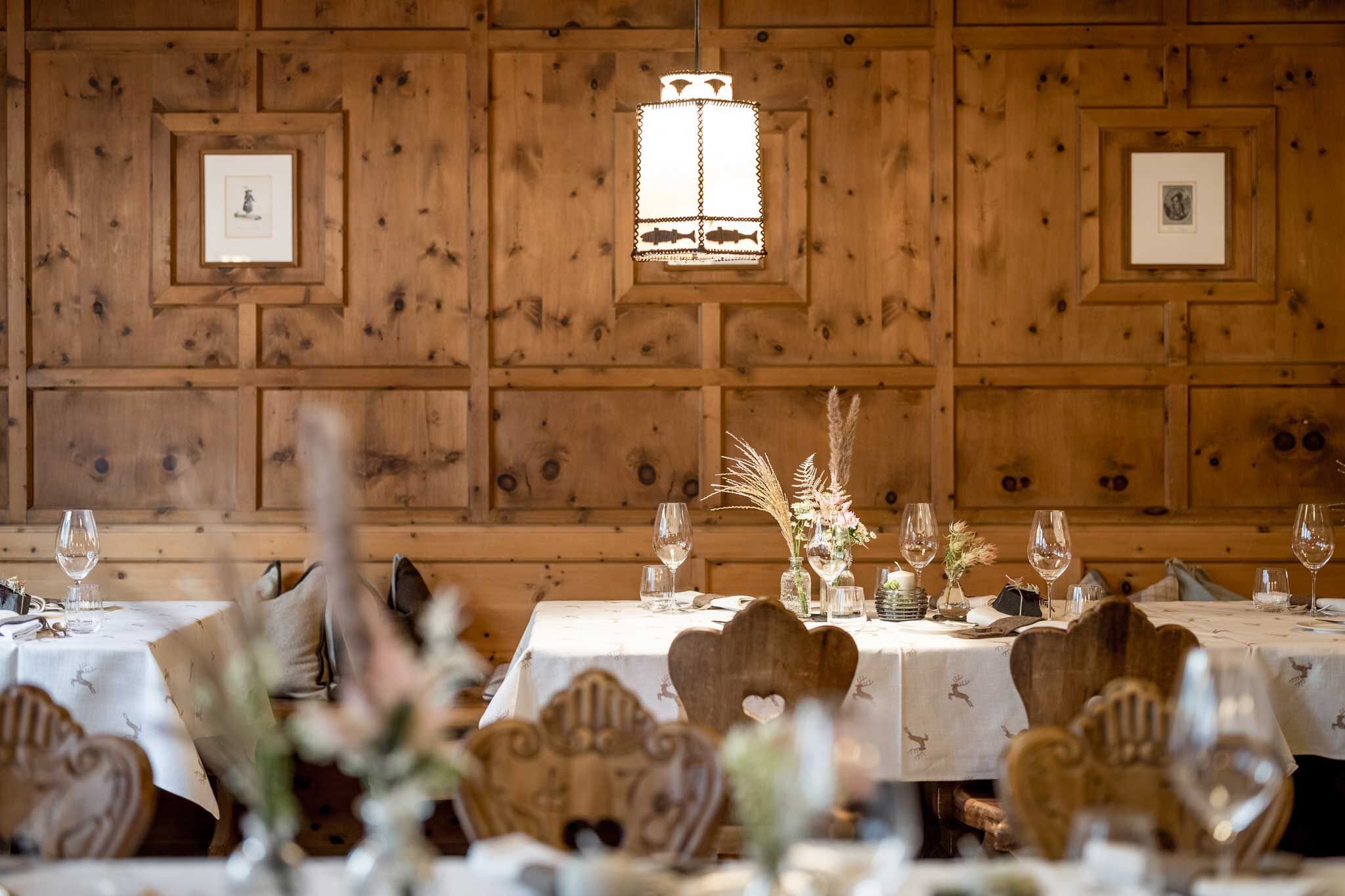
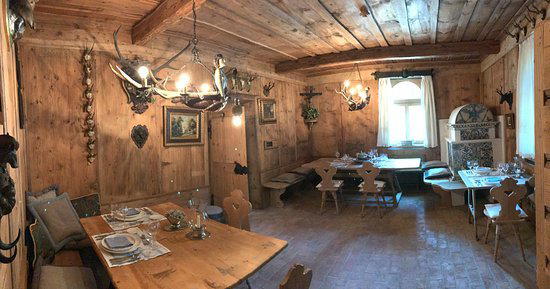
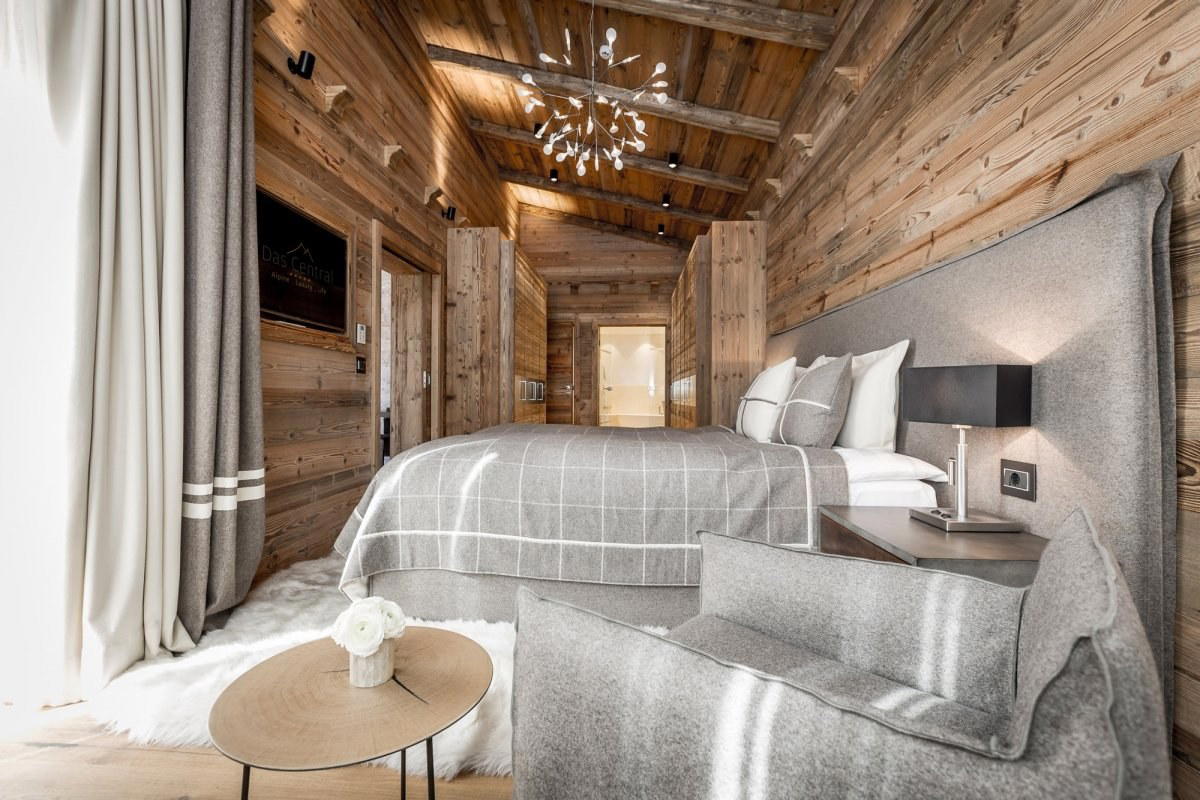
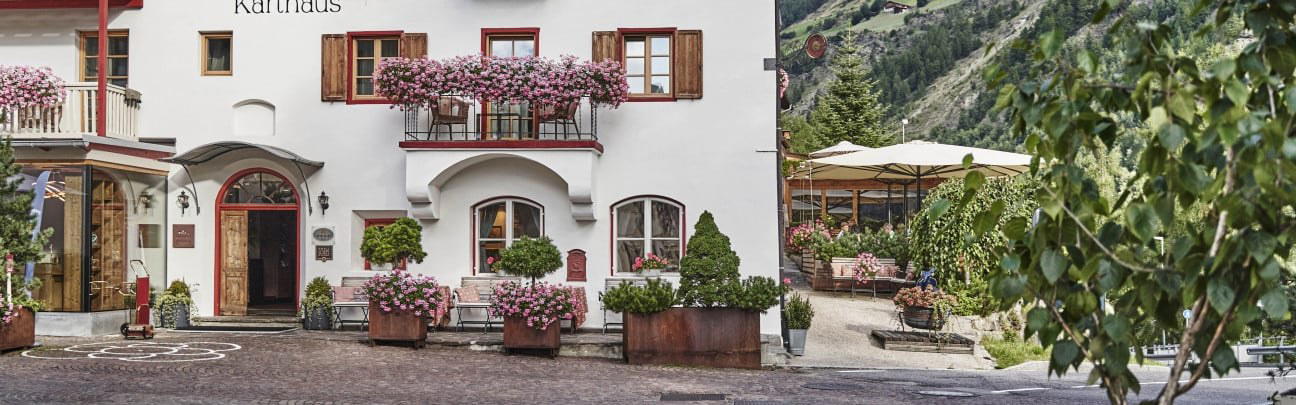
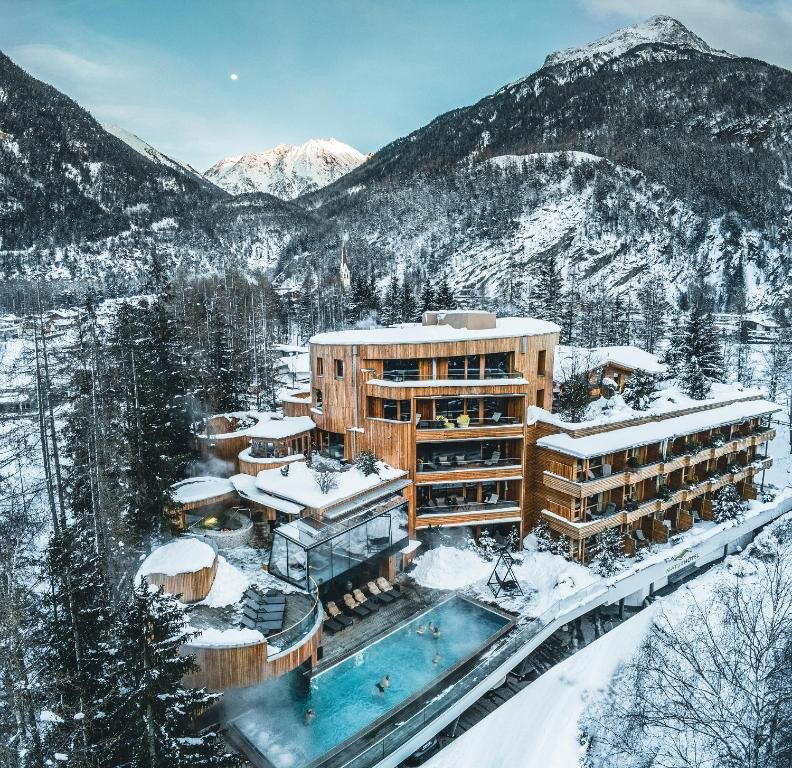
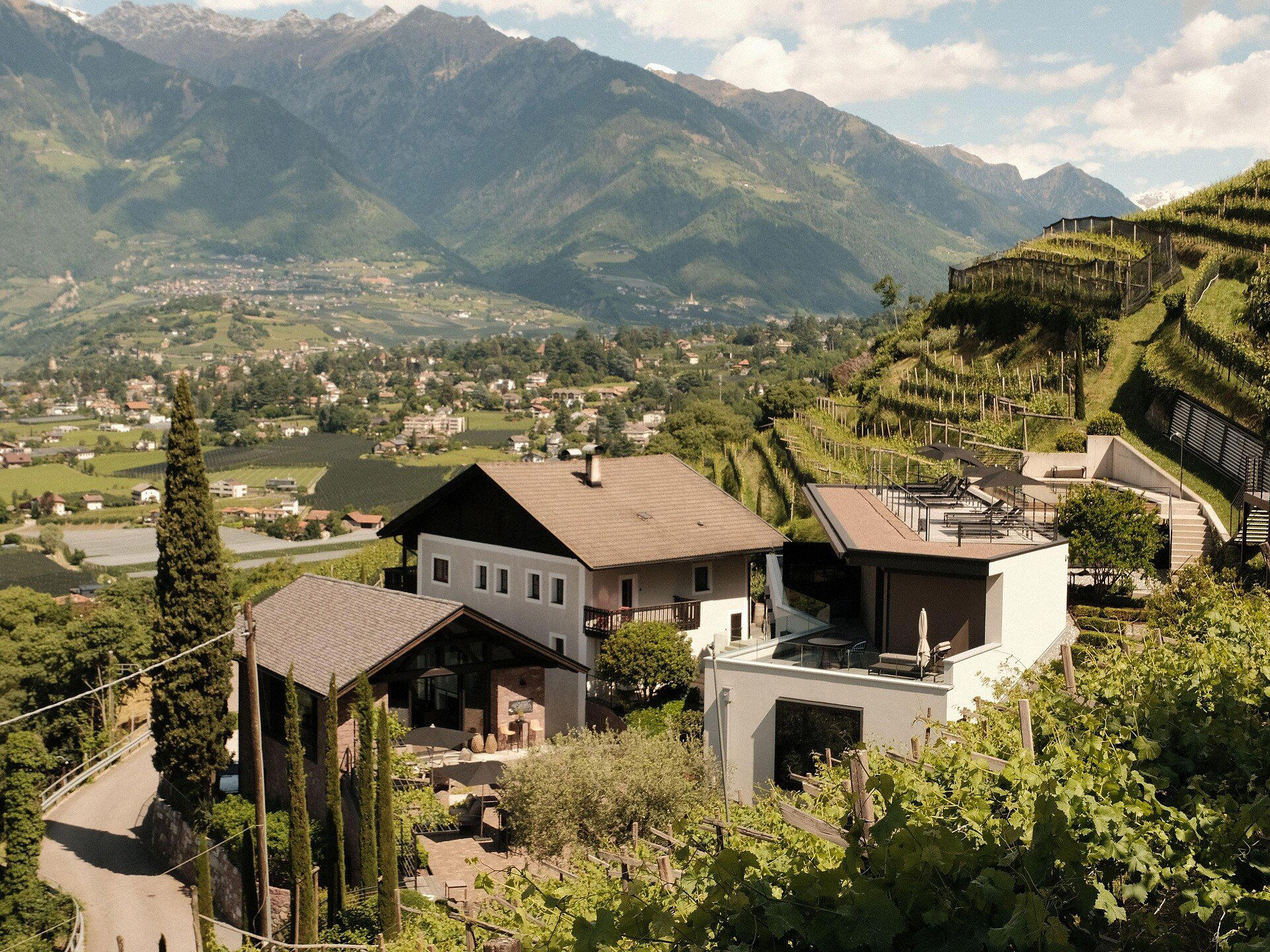
Cozy rustic alpine atmosphere in historic high-altitude farmstead setting.