
A Michelin-starred address on Via Galileo Galilei, Sissi brings Art Nouveau elegance to Merano's modern dining scene. Chef-owner Andrea Fenoglio moves between kitchen and dining room, anchoring a menu where classical Italian technique meets contemporary combinations. The annual "Settepiatti" tasting menu, served on commissioned ceramic tableware, changes each year and pairs with a sommelier-led wine programme.
Pearl is the En Primeur Club membership app — saves, bookings, and concierge access live there. Same editors, same standards.
- Address
- Via Galileo Galilei, 44, 39012 Merano BZ, Italy
- Phone
- +39 0473 231062
- Website
- sissi.andreafenoglio.com
- Directions
- Get directions
 Saves & bookings on Pearl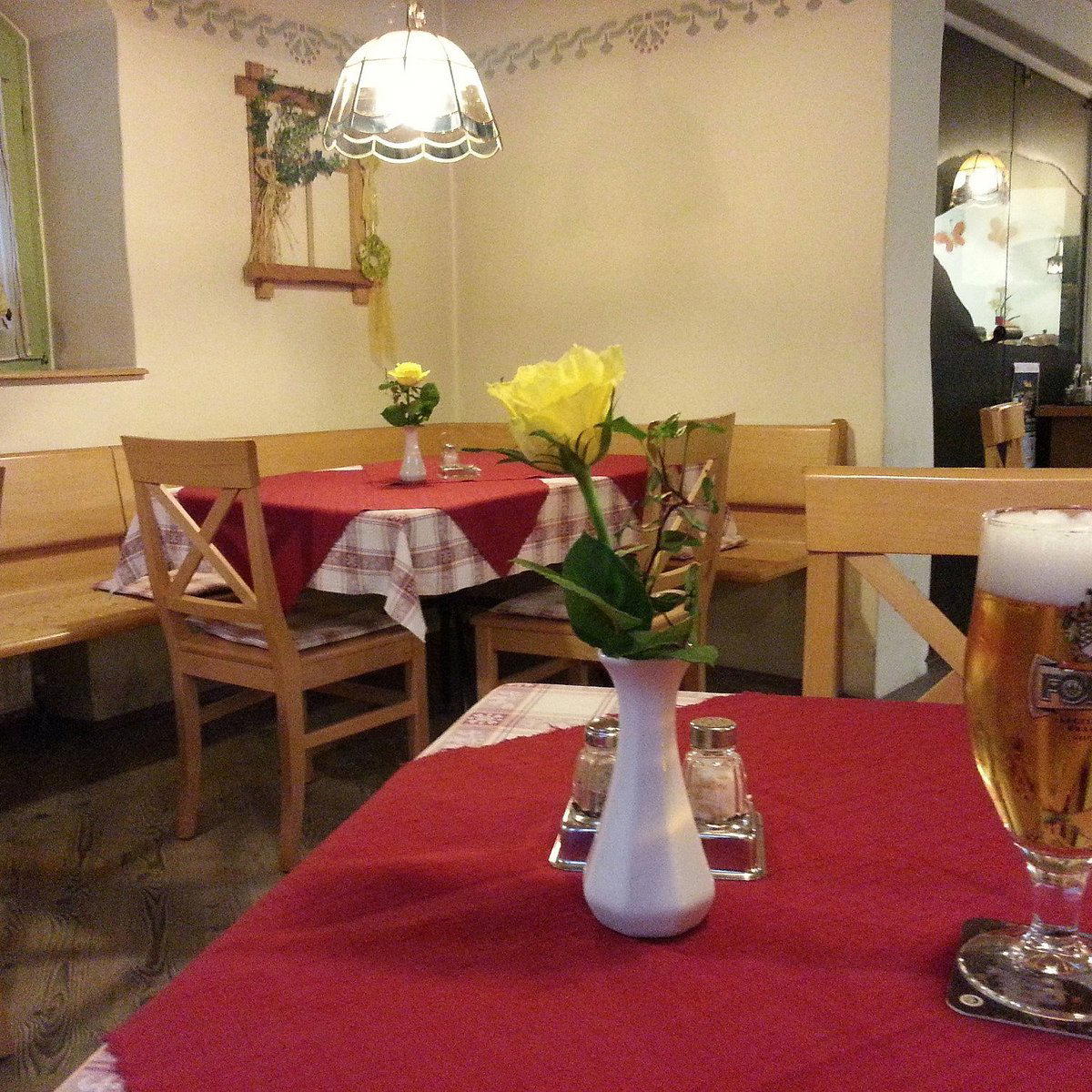
Merano's Fine Dining Scene and Where Sissi Sits Within It
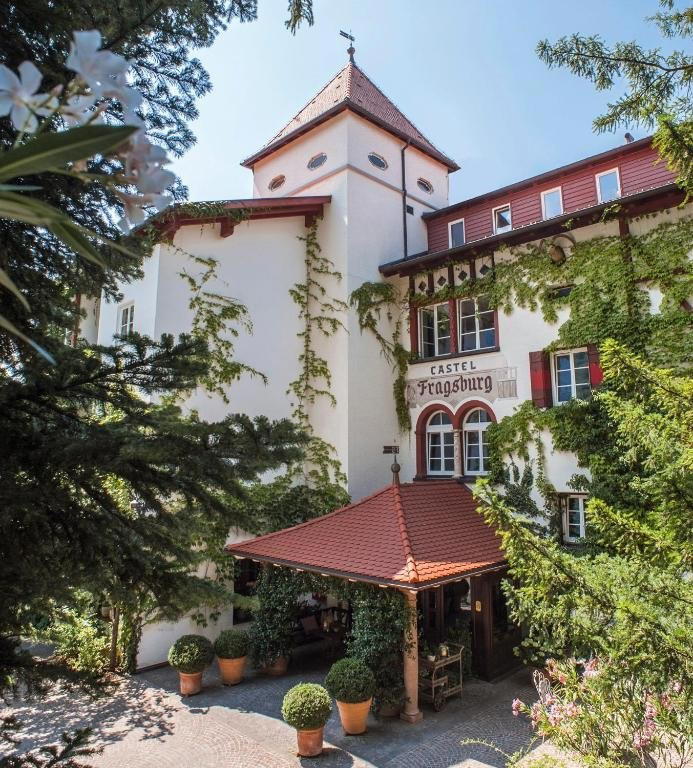
Alto Adige occupies a distinctive position in Italian dining: a region where German-speaking tradition, Alpine produce, and northern Italian technique overlap in ways that produce some of the country's most interesting restaurant cooking. Merano, the spa town at the region's centre, has developed a concentration of serious tables that punches well above its modest population. Within that group, the Michelin-starred addresses operate in a clear tier of their own, defined less by volume than by the specificity of what they offer. Its comparable set within the city includes In Viaggio - Claudio Melis, which operates at the €€€€ tier with a creative programme, and Castel Fragsburg and Gourmet Restaurant Prezioso, both of which reflect the region's Italian Alpine identity. Sissi reads differently from those addresses: its Art Nouveau room and modern Italian approach position it closer to the urbane end of the city's fine dining spectrum.
The Room: Art Nouveau Architecture as Dining Context
Alto Adige's dining rooms tend toward either the rustically alpine or the clinically contemporary. Sissi occupies neither of those poles. The dining room on Via Galileo Galilei is built around Art Nouveau architecture, with chandeliers, patterned flooring, and decorative detailing from an era when Merano was among the more fashionable spa destinations in the Habsburg world. That historical context is not incidental. Merano's late nineteenth and early twentieth century identity as a resort town for European aristocracy left an architectural legacy throughout the city, and Sissi's room is a direct expression of that period. Eating here places you inside a layer of the town's history that the more contemporary rooms elsewhere in the region do not provide. For visitors staying in Merano as part of a longer Alto Adige itinerary, the room alone provides a form of orientation into what the town once was.
Modern Cuisine With Classical Foundations
Italy's one-star Michelin tier has diversified considerably over the past decade. A growing number of addresses now work in idioms that would have been unusual for Italian fine dining twenty years ago: fermentation programmes, hyper-regional sourcing, or genre-bending menus that deliberately refuse category. Sissi takes a different position. The cooking here has solid classical foundations, then applies a contemporary and personalised approach to combinations and presentation. The result is food described consistently as generous and comforting in character, yet capable of surprising through unusual pairings and elegant plating. That combination, classical structure with modern expression, is a well-established mode in Italian starred cooking. You find versions of it at Dal Pescatore in Runate, at Quattro Passi in Marina del Cantone, and further up the star ladder at addresses like Le Calandre in Rubano and Enoteca Pinchiorri in Florence. What separates Sissi from most of that comparable set is scale: this is a smaller, owner-run address where the chef-owner circulates between kitchen and dining room rather than staying behind the pass. At the multi-star level, that kind of direct host presence has largely disappeared. At one star, it remains one of the format's genuine pleasures.
The Settepiatti and the À La Carte
The menu structure at Sissi gives guests a meaningful choice between two distinct experiences. The à la carte offers range across the kitchen's style, allowing diners to assemble their own progression. The tasting menu, called Settepiatti, is a seven-course sequence that changes annually. The annual reset is standard practice at many serious tasting-menu restaurants; what makes the Settepiatti arrangement worth noting is that the ceramic tableware on which it is served also changes each year alongside the menu. This is a detail that signals genuine investment in the format rather than seasonal adjustment of a fixed presentation. Commissioning new ceramics annually to match each year's menu is the kind of decision that adds cost and effort without commercial necessity. It also means that returning guests encounter a materially different experience each year, not simply a refreshed sequence of dishes on the same plates. Among Italy's broader Michelin constellation, that level of annual renewal places Sissi in a smaller subset of addresses where the format itself is treated as creative material. Restaurants like Osteria Francescana in Modena and Enrico Bartolini in Milan operate at a different scale, but the underlying principle of menu as annual creative statement is shared across this tier of Italian dining.
Wine Programme and the Sommelier's Role
Alto Adige is one of Italy's most interesting wine regions for the serious drinker. The Südtirol DOC produces Pinot Bianco, Pinot Grigio, Gewürztraminer, Lagrein, and Schiava at altitude, under conditions that produce aromatic precision and genuine finesse rather than weight. Any serious restaurant in the region has access to a wine list that reflects this, and Merano's proximity to some of the appellation's leading producers makes that access particularly direct. At Sissi, sommelier Arianna manages both the list and the pairing recommendations. The Michelin guide documentation specifically identifies her by name, which at starred level is a reliable indicator of a programme taken seriously enough to merit attribution. Wine pairing at a modern Italian menu of this type serves a structural function, not merely a supplementary one: the flavour logic of dishes built around unusual combinations often requires more deliberate pairing than straightforwardly classical food. A knowledgeable sommelier who understands the kitchen's intent is part of the experience rather than an optional extra. For visitors who want to explore the region's wine identity alongside the meal, this is the appropriate context to do it. Those interested in Alto Adige's broader wine scene can find further context through our full Merano wineries guide.
Planning Your Visit: Logistics and Location
Sissi operates Tuesday through Sunday, with the kitchen closed on Mondays. Lunch service runs from 12:15 PM to 3:00 PM on Wednesday through Sunday; dinner runs from 7:00 PM to 11:00 PM Tuesday through Sunday. The address is Via Galileo Galilei, 44, in central Merano, walkable from the town's main thermal and shopping areas. The price range sits at €€€, making it consistent with the restaurant's positioning in Merano. At a Michelin-starred address in a town that draws international spa and wellness visitors, booking in advance is advisable, particularly for dinner on weekends and during the Merano Wine Festival in November, when the town's hospitality infrastructure operates at capacity.
Sissi in a Broader Context
For visitors comparing Merano's restaurant scene to Italy's broader starred landscape, Sissi represents an owner-led one-star operation where the physical room, the annual menu concept, the ceramic programme, and the wine service are each treated as deliberate design decisions. The multi-star operations that define Italy's international fine dining reputation, from Modena to Milan, operate with different infrastructure and kitchen teams. At addresses like Uliassi in Senigallia, scale and ambition have expanded while retaining family-run character. Sissi occupies a smaller register, closer to what one-star dining looked like before the category became dominated by hotel restaurants and investment-backed projects. For those travelling through the Alps with an appetite for serious cooking outside the major city circuits, comparisons further afield, to Atelier Moessmer Norbert Niederkofler in Brunico or even internationally to Frantzén in Stockholm and FZN by Björn Frantzén in Dubai for reference points in owner-driven modern menus, place Sissi in a coherent tradition of proprietor-led fine dining where personal continuity shapes every element of the guest experience.
The Quick Read
Comparable venues nearby, for context on price, style, and recognition.
| Venue | Cuisine | Price | Notes |
|---|---|---|---|
| SissiThis venue — the venue you are viewing | Merano, Modern Italian Fine Dining | $$$ | Not listed |
| Gourmet Restaurant Prezioso | Not listed | $$$$ | Merano, Modern South Tyrolean Fine Dining |
| In Viaggio - Claudio Melis | Merano, Modern Italian Fine Dining | $$$$ | Not listed |
| La Smorfia Meran | Not listed | $$ | Downtown Merano, Neapolitan Pizza & Mediterranean Italian |
| Hotel Erika | Dorf Tirol, Modern Italian Gourmet | $$$$ | Not listed |
| Rametz | Not listed | $$$$ | Labers, Alpine-Mediterranean with South Tyrolean Specialties |
Recognition history
Dated appearances from independent guides and award organizations, with the underlying list record or original source where available.
Michelin 1 Star
Michelin
Michelin 1 Star
Michelin
Michelin 1 Star
Michelin
Continue exploring
More in Merano
Restaurants in Merano
Browse all →
Bars in Merano
Browse all →
Hotels in Merano
Browse all →
At a Glance
- Elegant
- Romantic
- Classic
- Sophisticated
- Intimate
- Date Night
- Special Occasion
- Celebration
- Historic Building
- Open Kitchen
- Private Dining
- Extensive Wine List
- Sommelier Led
- Local Sourcing
Current opening hours
- Monday
- Closed
- Tuesday
- 7–11 PM
- Wednesday
- 12:15–3 PM, 7–11 PM
- Thursday
- 12:15–3 PM, 7–11 PM
- Friday
- 12:15–3 PM, 7–11 PM
- Saturday
- 12:15–3 PM, 7–11 PM
- Sunday
- 12:15–3 PM, 7–11 PM
Hours can change for holidays and private events. Last verified .
Elegant Art Nouveau-style dining room with sparkling chandeliers, patterned flooring, and retro details; warm, classic mood with refined but unpretentious atmosphere.