Our verdict
Almwirtschaft Gampe Thaya sits high above Sölden in the Ötztal Alps, operating as an alpine hut in the tradition that defines mountain dining in the Tyrol: produce sourced close to the terrain, cooking shaped by altitude and season. For those tracing the arc of Austrian mountain gastronomy from rustic hut to refined kitchen, this is a reference point worth understanding alongside Sölden's broader alpine dining scene.

Pearl is the En Primeur Club membership app — saves, bookings, and concierge access live there. Same editors, same standards.
- Address
- Gampealm 1, 6450 Sölden, Austria
- Phone
- +436642466246
- Website
- gampethaya.riml.com
- Directions
- Get directions
- Booking
- Book on the venue's website

The menu
What to order
- Speckknödel
- Apple strudel
- Meat fondue
- Kaiserschmarrn
Where Altitude Shapes the Plate
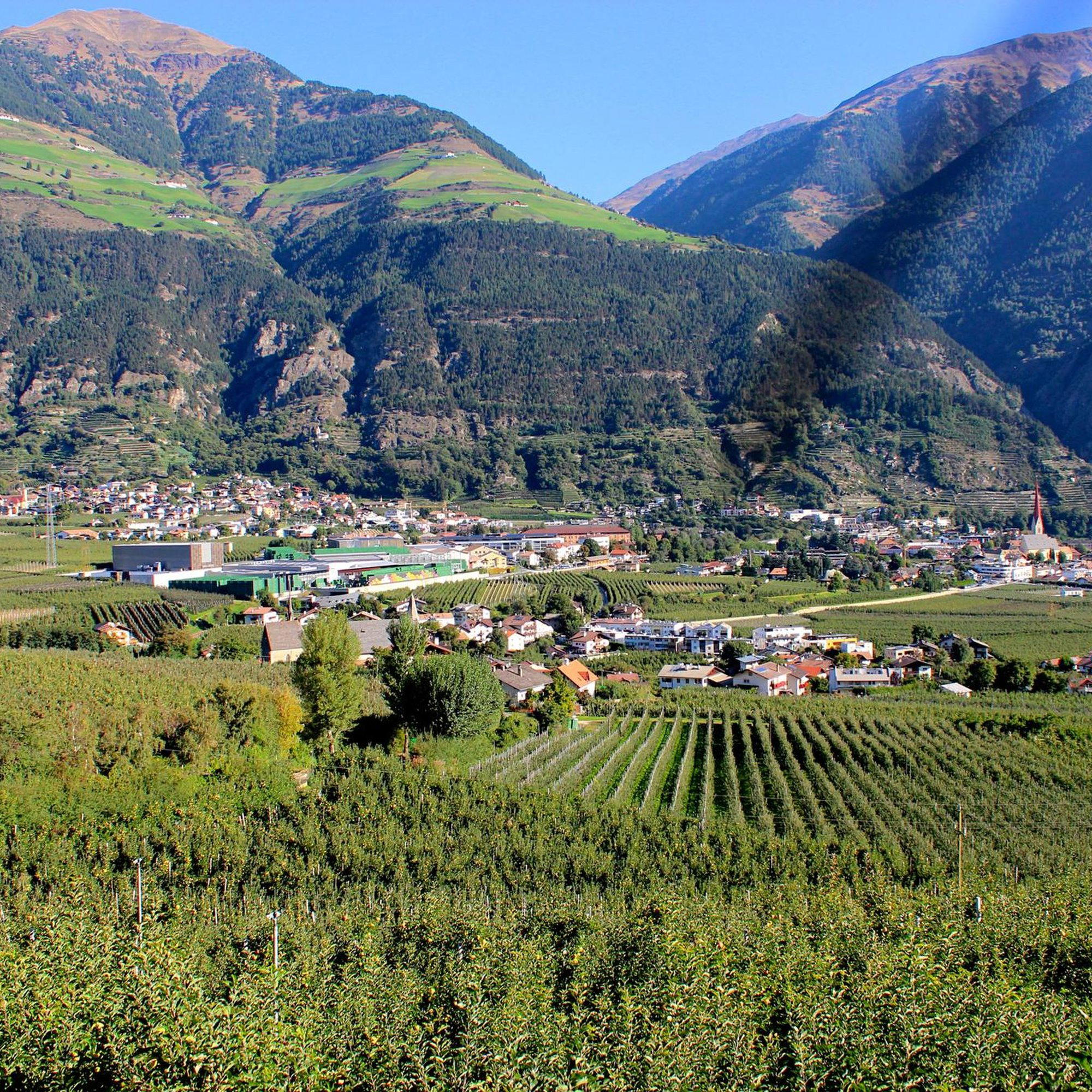
The approach to Almwirtschaft Gampe Thaya sets the terms of the experience before any food arrives. At this elevation in the Ötztal Alps above Sölden, the air is thinner, the light sharper, and the connection between landscape and kitchen is not a styling choice but a logistical reality. Alpine huts at this height cannot rotate deliveries the way a city restaurant can. What reaches the kitchen is what is available locally, what keeps well in mountain conditions, and what the surrounding terrain produces. That constraint is, historically, the foundation of Tyrolean mountain cooking — and it remains the most honest frame through which to read a place like Gampe Thaya.
Austrian alpine gastronomy has always operated on a short supply chain by necessity. The high pastures of the Ötztal produce dairy in summer that forms the backbone of hut cuisine: cheeses aged in mountain cellars, butter made from grass-fed milk, cream that goes into Käsespätzle and Grammelknödel. These are not heritage flourishes added for tourist appeal. They are the practical inheritance of communities that spent centuries feeding themselves from what the mountains offered. Venues like Gaislachalm and Restaurant Rofenhof in Sölden operate within this same tradition, each positioned at different points on the spectrum between rustic hut and polished dining room.
The Ingredient Logic of Mountain Cooking
What distinguishes the leading Tyrolean alpine kitchens from their lower-altitude counterparts is the directness of the sourcing chain. At high-altitude alms operating seasonally, the window between pasture and plate is measured in hours rather than days. Dairy from the surrounding Gampealm area reaches the kitchen at a freshness that flatland logistics cannot match. Pork from locally reared animals, cured and smoked in the Tyrolean tradition, carries a fat structure and flavour intensity that reflects the feed and the altitude. Wild herbs gathered from the surrounding terrain add a seasonal specificity that changes week by week through the summer months.
This is the ingredient logic that defines not just Gampe Thaya but the broader category of serious alpine hut dining in Austria. The analogy to farm-to-table is imprecise because it implies a deliberate programme. At an alm, proximity is simply what the situation demands. The interesting culinary question is what a kitchen does with that proximity: whether it produces food that tastes like a place, or food that merely references one. The alpine hut tradition at its most honest produces the former.
For context, Austria's most recognised restaurants — Steirereck im Stadtpark in Vienna and Döllerer in Golling an der Salzach among them, have built internationally recognised programmes precisely by taking these ingredient logics seriously at a fine-dining scale. The alpine hut is where those same principles exist in their least mediated form.
Sölden's Position in the Tyrolean Dining Map
Sölden functions as one of the Ötztal's primary resort anchors, drawing skiers in winter and hikers in summer. Its dining scene spans a wider range than the resort's scale might suggest. At the formal end, LA'LIV occupies a different tier from the mountain huts, while Grünerhof and Edelweiss & Gurgl represent distinct approaches to the valley's dining offer. Gampe Thaya operates above much of this, both literally and categorically: it belongs to the alm tradition rather than the resort-restaurant circuit, which means its seasonal rhythms, its food, and its atmosphere follow a different logic.
The Tyrolean alm category is well represented across the region, but not all alms are equivalent. The serious examples, those where the food reflects genuine sourcing discipline and culinary care rather than a tourist-facing shortcut to Knödel and Schnapps, are worth separating from the rest. Across the Tyrol, kitchens at places like Schwarzer Adler in Hall in Tirol and Gourmetrestaurant Tannenhof in Sankt Anton am Arlberg demonstrate how seriously the region takes its culinary identity at multiple price points. The alm tradition sits at the base of that pyramid: less formal, more direct, and often more instructive about where Austrian mountain cooking actually comes from.
Seasonal Access and Planning
Almwirtschaft Gampe Thaya is not a year-round operation. Like most high-altitude alms in the Ötztal, its season is compressed by the realities of mountain access and weather. Summer and the active ski season are the primary windows, and within those periods the kitchen runs at a pace set by the number of visitors the terrain can deliver rather than by a reservations system designed for urban dining rooms. Arriving early in the day, or timing a visit to avoid the midday rush from the Gaislach lift corridor, is the practical approach. Whether the venue takes advance bookings is something to confirm directly; walk-in access has historically defined the alm experience, but high-traffic periods in the Ötztal can change that calculus.
For those building a Tyrol itinerary around serious eating, Gampe Thaya functions leading as one point in a broader programme. Combining it with Stüva in Ischgl, Restaurant 141 by Joachim Jaud in Mieming, or the Salzburg-region kitchens, Obauer in Werfen, Kräuterreich by Vitus Winkler in Sankt Veit im Pongau, Landhaus Bacher in Mautern an der Donau, and Ois in Neufelden, gives a layered picture of how Austrian culinary tradition operates across registers. The alm and the fine-dining restaurant are not in competition; they are in conversation, and understanding one illuminates the other. See our full Sölden restaurants guide for a broader map of the valley's options.
Internationally, the closest parallel to the high-altitude ingredient-driven format is perhaps the community-driven, sourcing-first approach seen at places like Lazy Bear in San Francisco, though the cultural context is entirely different. Where American farm-to-table often involves a deliberate philosophical statement, the Tyrolean alm operates from structural necessity first and culinary philosophy second. The result is food that feels less constructed and, at its finest, more honest. Venues at the opposite end of the formality scale, Le Bernardin in New York City, for instance, share the sourcing rigour but none of the informality. The alm is its own category.
Frequently asked questions
Where exactly is Almwirtschaft Gampe Thaya?
Almwirtschaft Gampe Thaya is located at Gampealm 1, 6450 Sölden, Austria, Solden.
Is Almwirtschaft Gampe Thaya accessible without skiing or hiking experience?
Gampe Thaya sits on the Gampealm above Sölden in the Ötztal Alps, and access depends on the season and available lift infrastructure in the area. In winter, guests typically reach alms at this elevation via ski runs or gondola connections; in summer, the approach is generally on foot along marked trails. Visitors without skiing ability but with reasonable walking fitness can often reach comparable alms on summer hiking routes, though confirming the current access route before departure is advisable.
What's the signature dish at Almwirtschaft Gampe Thaya?
The kitchen at Gampe Thaya follows the logic of traditional Tyrolean alm cooking, where dishes are built around what can realistically be sourced and prepared at altitude above Sölden in the Ötztal. Expect hearty mountain staples — think Kasnocken, Tiroler Gröstl, or cured meats — rather than a single headline plate. Specific current menu items are not publicly fixed, so checking directly with the alm before visiting is the practical approach.
Should I book Almwirtschaft Gampe Thaya in advance?
Gampe Thaya operates on a compressed seasonal calendar dictated by mountain conditions above Sölden, which means covers are finite and the window to visit is shorter than most lowland restaurants. During peak ski season in winter and trail season in summer, demand from both day visitors and resort guests concentrates quickly. Contacting the alm ahead of your planned visit — particularly for larger groups — is the straightforward way to avoid arriving to a full house.
Fast Comparison
| Venue | Cuisine | Price | Awards |
|---|---|---|---|
| Almwirtschaft Gampe ThayaThis venue — the venue you are viewing | Traditional Austrian Alpine | $20–30 | Not listed |
| Edelweiss & Gurgl | Traditional Tyrolean Alpine Cuisine | $50–100 | Not listed |
| Gaislachalm | Traditional Austrian Alpine Cuisine | $30–50 | Not listed |
| Grünerhof | Modern Tyrolean | $50–100 | Michelin Plate |
| LA'LIV | French-Alpine Fusion | $30–50 | Not listed |
| Restaurant Rofenhof | Tyrolean/Austrian with Italian | Not listed | Not listed |
Continue exploring
More in Sölden
Restaurants in Sölden
Browse all →
Bars in Sölden
Browse all →
Hotels in Sölden
Browse all →

Details
- Rustic
- Cozy
- Scenic
- Family
- Casual Hangout
- Terrace
- Historic Building
- Local Sourcing
- Mountain
- A La Carte
- Family Style
- Vegetarian Friendly
- Vegan Options
- Gluten Free Options
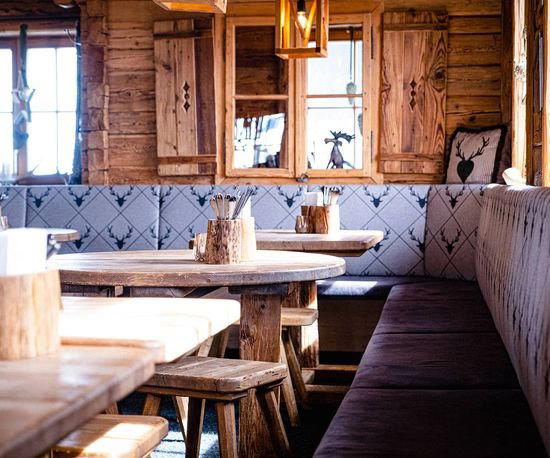
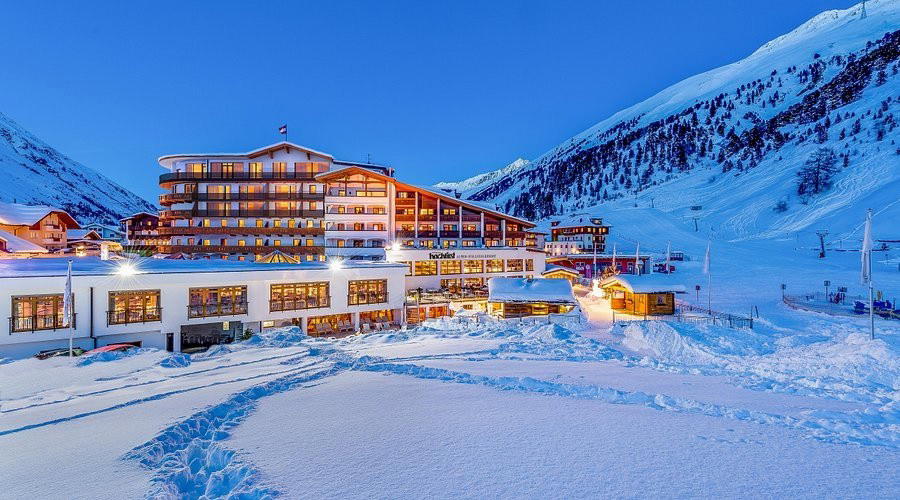
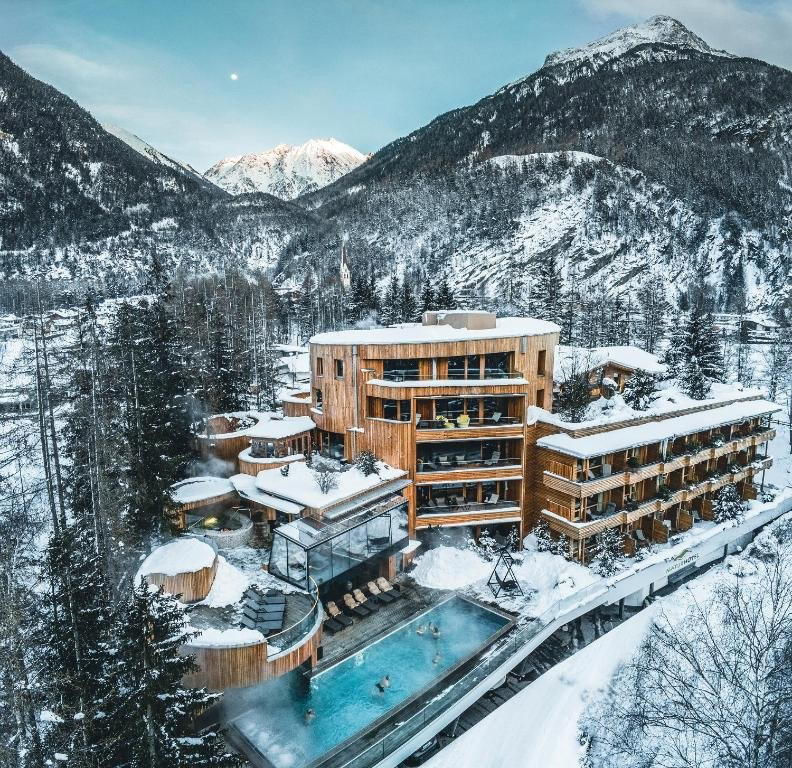
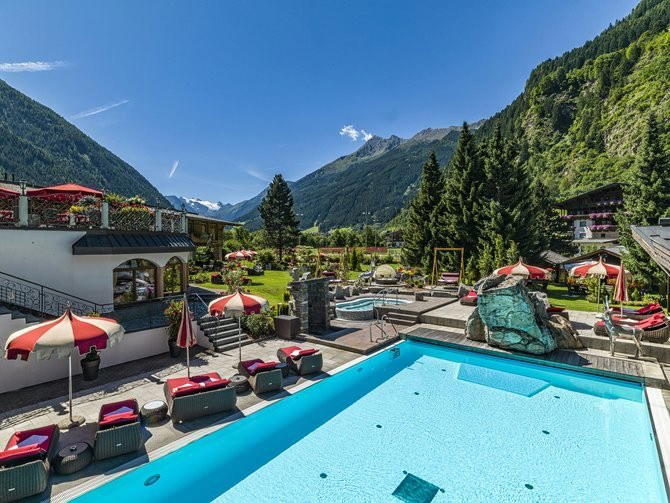
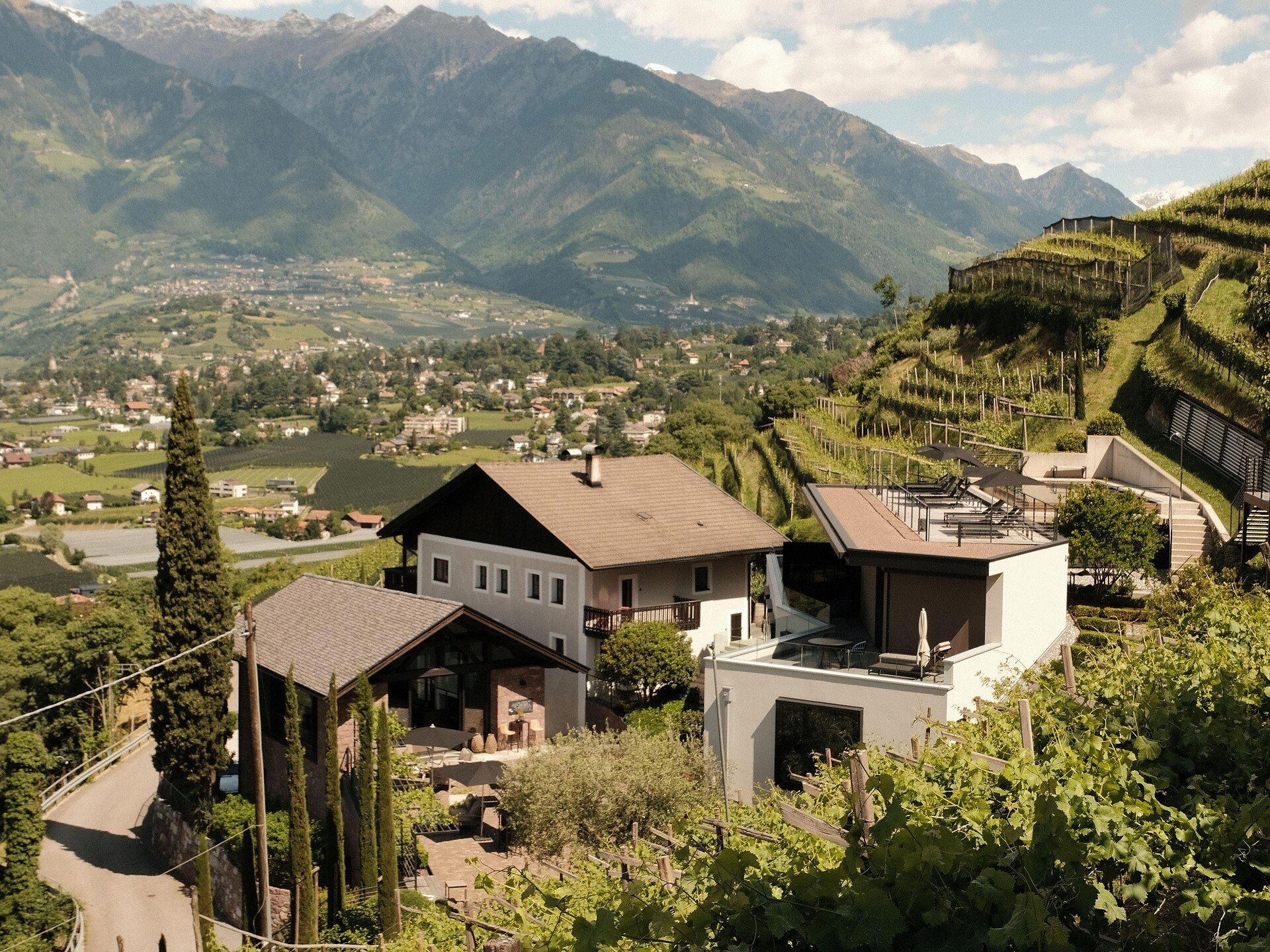
Cozy wooden parlors and wonderful sunbathing terrace with rustic charm and far-reaching mountain views.