Grillmarkaðurinn sits on Lækjargata in central Reykjavik, making a case for Icelandic ingredients as a serious culinary framework rather than a tourist novelty. The kitchen draws on Arctic seafood, free-range lamb, and geothermal-grown produce to build a menu that reads as a precise argument about what Icelandic cooking can be at its most considered.
Pearl is the En Primeur Club membership app — saves, bookings, and concierge access live there. Same editors, same standards.
- Address
- Lækjargata 2a, 101 Reykjavík, Iceland
- Phone
- +354 571 7777
- Website
- grillmarkadurinn.is
- Directions
- Get directions
 Saves & bookings on Pearl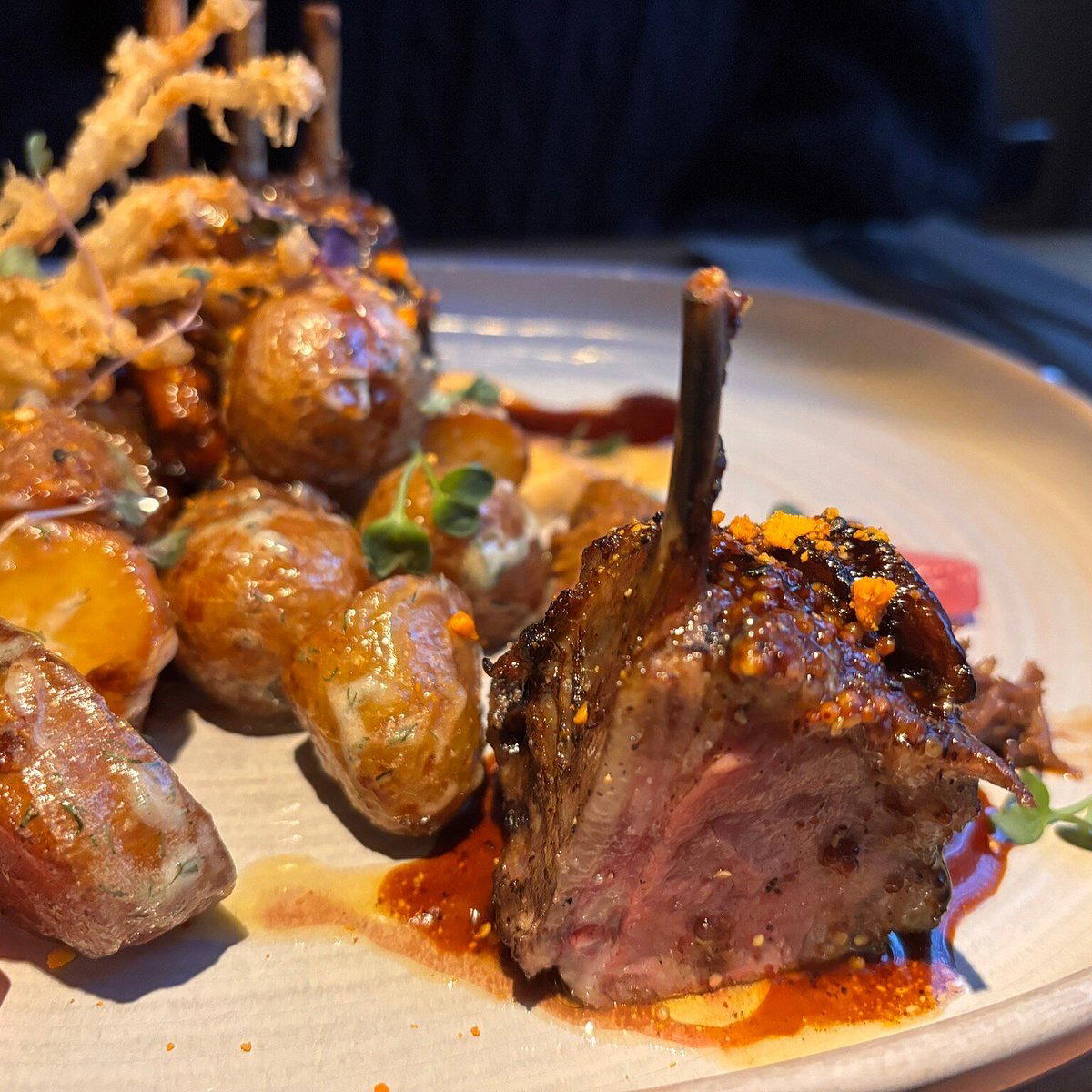
Where Reykjavik's Grill Tradition Gets Serious
Lækjargata cuts through the oldest part of central Reykjavik, close to the harbour and the government quarter, and it is in this compressed downtown corridor that some of the city's most deliberate dining happens. Grillmarkaðurinn occupies a position on this street that places it squarely in Reykjavik's restaurant scene, a city whose dining culture has expanded dramatically since the mid-2000s. The name translates directly as "the Grill Market," and it signals something about the kitchen's priorities: fire, Icelandic produce, and a format that centres the sourcing of ingredients above all else.
Iceland's ingredient story is, in purely geographical terms, compelling. The North Atlantic delivers some of the cleanest-fished waters in the world. Free-range Icelandic lamb, raised on Arctic herb pastures without supplementary feed through the summer months, carries a flavour profile that is markedly different from continental equivalents. Skyr-based dairy traditions date back to the Settlement era. Geothermal energy heats greenhouses year-round, which is why tomatoes and herbs grow in commercial quantity at places like Friðheimar in Reykholt. The question is how seriously they treat these ingredients as a coherent culinary argument rather than a backdrop for international technique.
The Icelandic Grill as Cultural Form
Grilling in the Icelandic context carries specific historical weight. For most of the twentieth century, Icelandic cooking was shaped by practicality over elaboration: preserved fish, smoked lamb, root vegetables, and dairy products built around survival in a sub-Arctic climate with limited growing seasons. The dramatic opening up of Icelandic cuisine from the 1990s onward drew on these raw material strengths while importing European technique and presentation language. What emerged in the leading restaurants is a cooking style that is neither nostalgia tourism nor imitation of continental fine dining, but something more particular to place. Grillmarkaðurinn sits within that tradition.
The shift across Reykjavik's fine dining tier mirrors a pattern visible in other small Nordic capitals: an increasing willingness to present local ingredients without apology, to let lamb taste of the highland pasture it came from rather than neutralising it toward a more familiar palatability. DILL in Reykjavík, which holds a Michelin star and operates a New Nordic tasting menu format, represents one end of this spectrum. Grillmarkaðurinn operates with more accessibility in format while still grounding the menu in the same foundational commitment to Icelandic sourcing. These are different positions within the same broader argument about what Reykjavik cooking can represent.
Ingredients as the Editorial Statement
In cities with longer fine dining histories, the sourcing conversation has often given way to a focus on technique or chef identity. Reykjavik's relatively compressed fine dining timeline means the ingredient conversation remains central, and restaurants like Grillmarkaðurinn are still actively making the case that Icelandic produce is the story. Arctic char, cod, and langoustine appear across menus at this price level because the North Atlantic fishing grounds genuinely deliver quality that travels poorly and is best understood in proximity to its source. The same applies to the lamb: the animals are collected from the highlands each autumn after a summer of free grazing, and the meat that results from this cycle is leaner and more herbaceous than farmed equivalents.
For comparison, consider how other destination restaurants in Iceland position themselves relative to sourcing. Moss in Grindavík and the Chef's Table at Moss Restaurant both make dramatic use of landscape and geothermal context as part of the dining proposition. Nesjavallavirkjun in Selfoss takes the geothermal setting in a different direction. Grillmarkaðurinn, operating in a central Reykjavik address, makes its argument through the plate rather than the setting, which is a different kind of discipline.
Reykjavik's Fine Dining comparable set
Lækjargata 2a places Grillmarkaðurinn within walking distance of several of the city's most discussed restaurants. Bon Restaurant operates in the considered, produce-led register at its own price point. Brút represents a more wine-forward, casual direction in Reykjavik's expanding restaurant culture. Amma Don takes a different route entirely. What distinguishes Grillmarkaðurinn within this geography is its focus on the grill as a primary cooking medium, which connects it to an older, more elemental tradition of Icelandic cooking while presenting that tradition through a contemporary lens. For visitors building a broader Iceland dining picture that extends beyond the capital, Strikið in Akureyri and Fjöruborðið in Stokkseyri offer useful regional reference points. Bergsson Mathús and Von Mathús-Bar in Hafnarfjörður round out the picture of how Reykjavik and its surrounding area handle mid-to-upper dining at different registers. For those arriving via Keflavik, Malai-Thai in Keflavik is worth knowing as a stopover option before reaching the capital.
Internationally, the grill-centred, local-sourcing format that Grillmarkaðurinn represents has parallels in restaurants like Lazy Bear in San Francisco, which similarly foregrounds fire and provenance, or the produce-first discipline evident at Le Bernardin in New York City in its treatment of seafood. Emeril's in New Orleans demonstrates how a regional kitchen can build a durable identity around local ingredients. These are different culinary contexts, but the underlying proposition about ingredient primacy is the same.
Planning Your Visit
Grillmarkaðurinn is at Lækjargata 2a in the 101 postal district, central Reykjavik, within walking distance of the main hotel corridor along Bankastræti and Laugavegur. Reykjavik's downtown is compact enough that the restaurant is reachable on foot from most central accommodation. For current booking availability, hours, and menu pricing, the restaurant recommends advance planning; it is open Monday through Thursday from 5:30 to 9:30 PM, Friday and Saturday from 5:30 to 10 PM, and Sunday from 5:30 to 9:30 PM.
Comparable Spots, Quickly
Comparable venues nearby, for context on price, style, and recognition.
| Venue | Cuisine | Price | Notes |
|---|---|---|---|
| GrillmarkaðurinnThis venue — the venue you are viewing | Modern Icelandic Grill | $$$$ | Not listed |
| VOX Brasserie & Bar | Modern Scandinavian Brasserie | $$$$ | Reykjavíkurborg |
| Skál | Modern Scandinavian Small Plates | $$$ | Reykjavíkurborg |
| Kol Restaurant | Modern Icelandic Fusion | $$$ | Reykjavíkurborg |
| Sjávargrillið | Modern Icelandic Seafood Grill | $$$ | Reykjavíkurborg |
| Hverfisgata 12 | Modern Icelandic Cuisine | $$$ | Reykjavíkurborg |
Continue exploring
More in Reykjavík
Restaurants in Reykjavík
Browse all →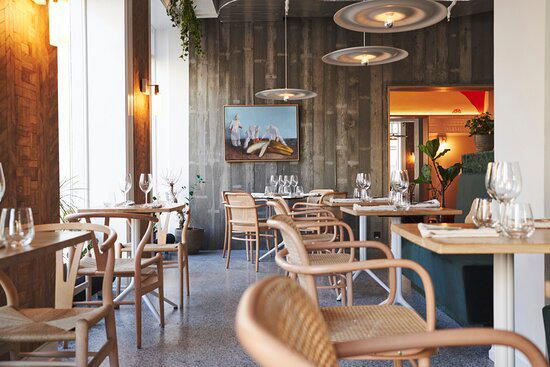
Bars in Reykjavík
Browse all →
At a Glance
- Cozy
- Elegant
- Sophisticated
- Modern
- Special Occasion
- Date Night
- Open Kitchen
- Craft Cocktails
- Local Sourcing
Current opening hours
- Monday
- 5:30–9:30 PM
- Tuesday
- 5:30–9:30 PM
- Wednesday
- 5:30–9:30 PM
- Thursday
- 5:30–9:30 PM
- Friday
- 5:30–10 PM
- Saturday
- 5:30–10 PM
- Sunday
- 5:30–9:30 PM
Hours can change for holidays and private events. Last verified .
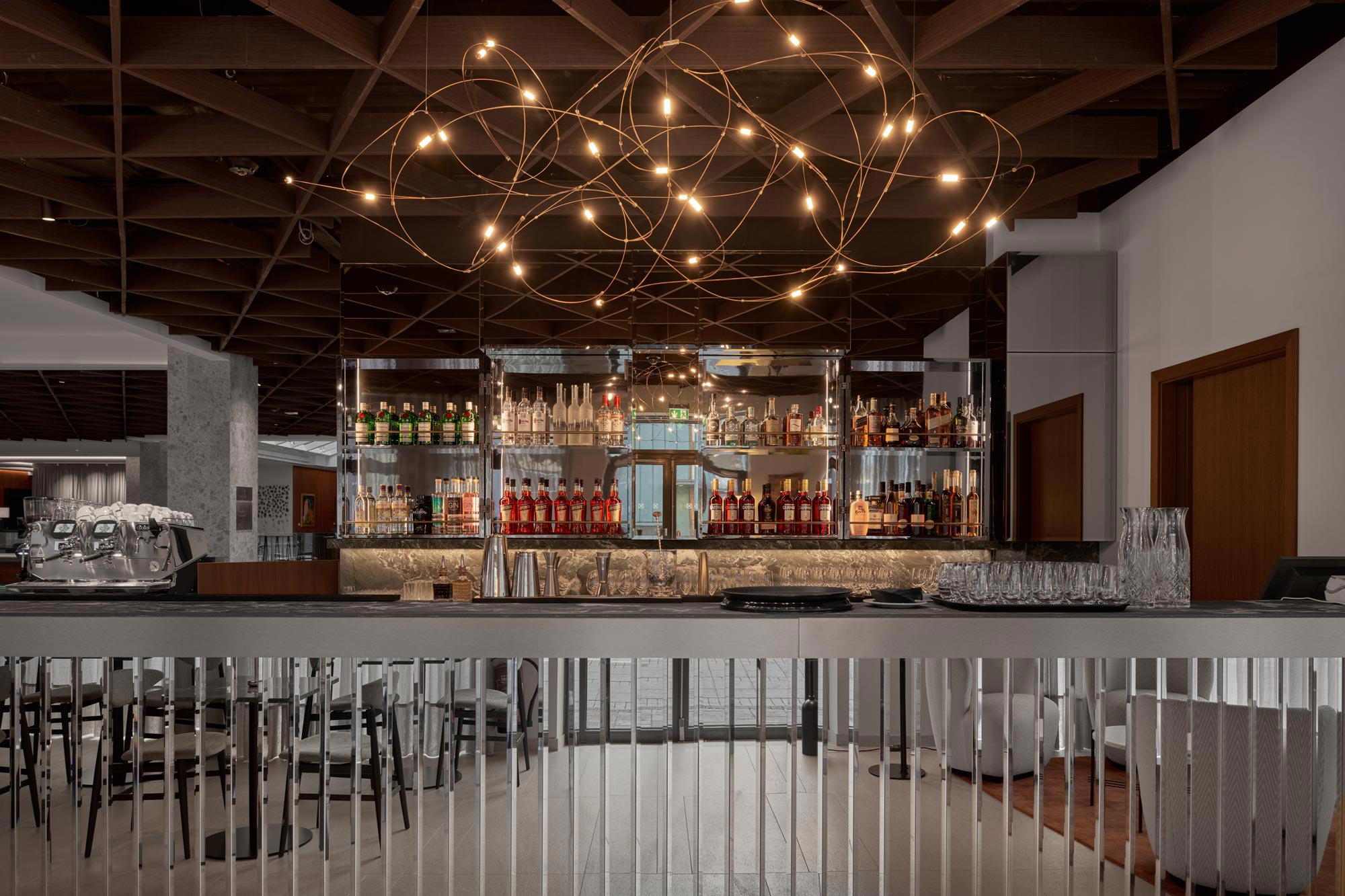
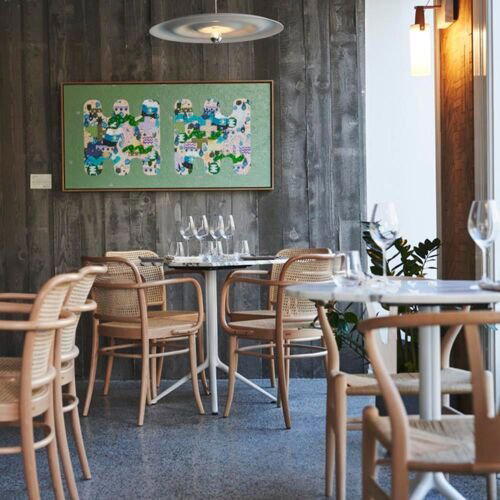
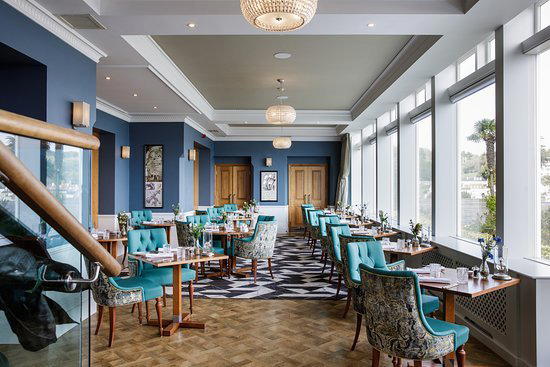
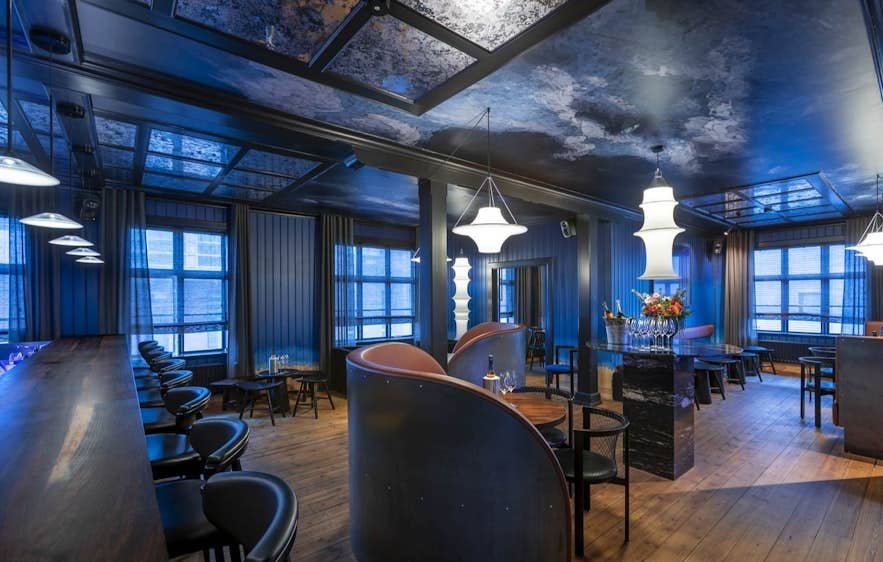
Stylish yet cozy atmosphere with Icelandic rocks, rich wood elements, lava rock accents, warm lighting, and an open kitchen inspired by Iceland's rugged nature.