
Kobe’s yoshoku tradition is strongest when Western forms are treated as local comfort rather than imported novelty. Grill Ippei Motomachi ten sits in that lane with omurice, croquette and demi-glace-led cooking, backed by Tabelog 100 Yoshoku WEST 2025 recognition and pricing that keeps it closer to everyday dining than occasion-only French or steakhouse rooms.
Pearl is the En Primeur Club membership app — saves, bookings, and concierge access live there. Same editors, same standards.
- Address
- Japan, 〒650-0022 Hyogo, Kobe, Chuo Ward, Motomachidori, 2 Chome−3−2 ジェムビル B1F
- Phone
- +81 78-599-5785
- Website
- grill-ippei.co.jp
 Saves & bookings on Pearl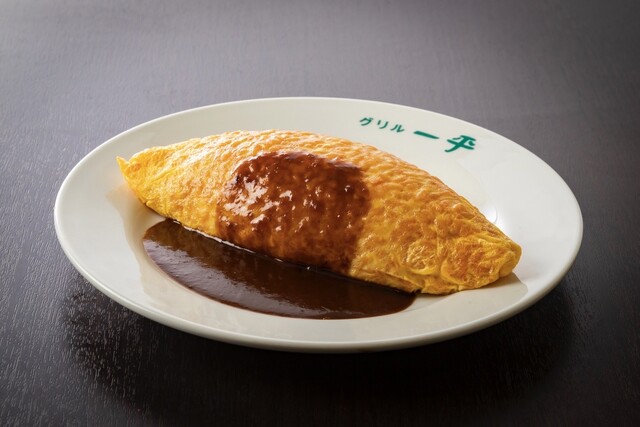
Motomachi’s basement dining rooms have a different register from Kobe’s harbor-facing hotel restaurants and Kitano’s polished beef counters. The descent below street level usually signals compact tables, quick turnover and food built for repeat local use rather than ceremony. Grill Ippei Motomachi ten belongs to that urban rhythm: a yoshoku address where the point is not imported grandeur, but the Japanese habit of absorbing Western technique until it becomes neighbourhood food.
Demi-glace, rice and croquette culture in a port city
Yoshoku has always made particular sense in Kobe. The city’s port history gave foreign foodways an early foothold, but the enduring style is not museum-piece Western dining. It is rice with sauce, omelette with filling, fried cutlets and croquettes shaped for chopsticks, lunch breaks and family tables. The categories attached here, yoshoku, omurice and croquette, place the kitchen inside that lineage rather than in the French, steak or café brackets that also define the city.
The ingredient story in yoshoku is less about rare produce than about base work. Demi-glace, frying fat, rice texture and egg handling carry the meal. A restaurant can spend years refining a brown sauce without needing luxury cues, because the sauce becomes the grammar that links omurice, fried items and plate lunches. That is why a Tabelog 100 Yoshoku WEST 2025 selection matters: the recognition is category-specific, judging this cooking against other western-Japanese specialists rather than against sushi counters, kaiseki rooms or Kobe beef houses.
That positioning also explains the price logic. In Kobe, a meal can move from gyoza counters such as Gyoza Daigaku to higher-spend beef rooms such as Aburi Niku Kobo Wakkoku Shinkobe ten and Aburi Niku Kobo Wakkoqu Kitano Sakamoto Ten. Grill Ippei Motomachi ten occupies the middle-ground comfort tier, with published budgets of JPY 1,000 to JPY 1,999 at lunch and JPY 2,000 to JPY 2,999 at dinner. It is not competing with legno or Ito Grill on spend; it is competing on repetition, sauce memory and the ability to make a familiar plate feel deliberate.
Motomachi makes the format sharper
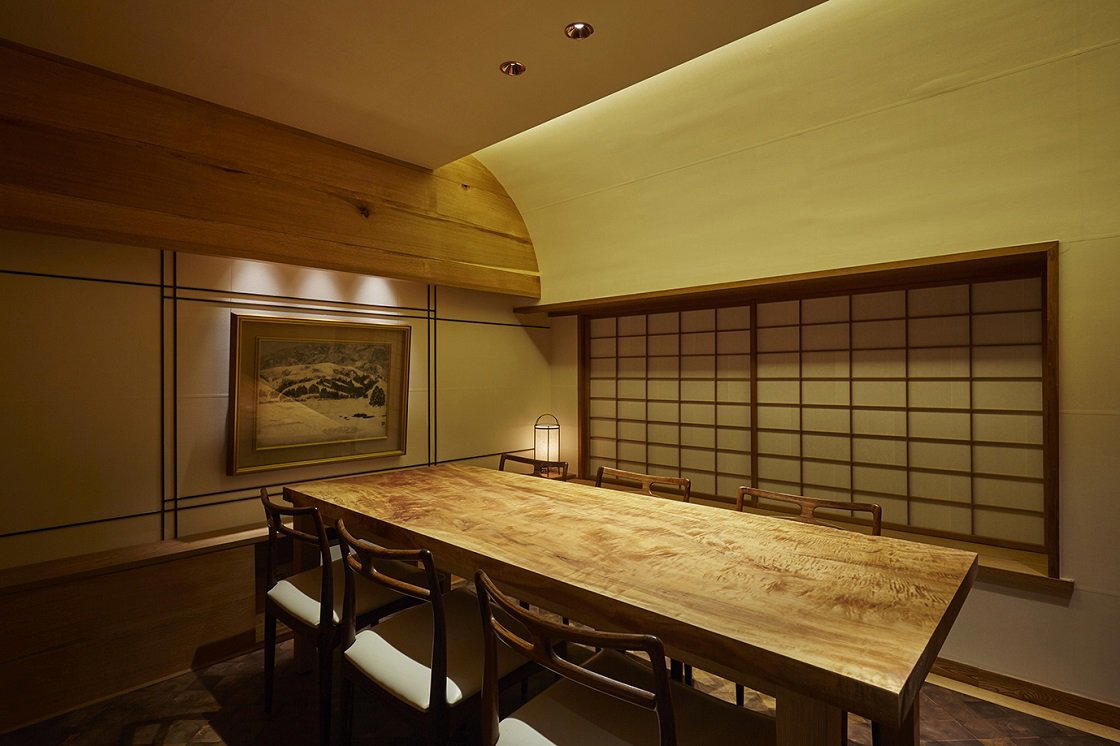
Motomachi is useful for this kind of restaurant because the area mixes shopping streets, station traffic, Chinatown edges and old Kobe dining habits within a tight walking radius. A basement room with 30 seats, including counter and table seating, fits the district better than a sprawling dining room would. Counter seats suit solo diners and quick meals; tables keep the format accessible for small groups and families. The non-smoking policy and English multilingual menu add practical ease without changing the restaurant’s local-dining character.
Compared with coffee-room institutions such as Akaneya Coffee Ten or standing-drink formats such as Tachinomi ZUTTO, this style of yoshoku offers a fuller meal structure: a plate, sauce, rice or omelette logic, and enough familiarity for mixed-age groups. That matters in Kobe, where premium visitors can over-index on beef and miss the city’s everyday Western-Japanese grammar. Beef remains central, but it is not the only lens through which Kobe eats.
The restaurant’s Tabelog score of 3.60 gives a second signal, but the stronger credential is the repeat appearance in the Yoshoku 100 selections, including 2023 and WEST 2025. Tabelog’s category lists are not interchangeable with global fine-dining awards; their value is narrower and more practical. They identify addresses that perform within a Japanese dining genre with enough consistency to register beyond their immediate neighbourhood. For yoshoku, that is a useful filter, because the difference between a nostalgic plate and a carefully maintained one is often found in sauce depth, fry discipline and rice handling rather than in theatrical service.
How to read it within a Kobe itinerary
Use this as a Motomachi meal rather than as a formal destination dinner. The strongest fit is a day built around central Kobe: market streets, cafés, casual bars and a meal that explains the city’s hybrid appetite without turning the evening into a set-piece. For a broader edit, our full Kobe restaurants guide gives the city’s dining range, while our full Kobe hotels guide, our full Kobe bars guide, our full Kobe wineries guide and our full Kobe experiences guide help place the meal inside a wider stay.
The useful comparison is national rather than purely local. Japan’s casual-specialist restaurants often express a city more clearly than its formal rooms: beef sukiyaki in Kamakura at -Grilled beef Sukiyaki- KAMAKURA TANUKIAN 鎌倉 たぬき庵 in Kamakura, tuna and charcoal cooking at. 鮪と炭火焼き うお炭 秋葉原店 in Tokyo, café culture at.cafe in Osaka, contemporary regional dining at.know in Kumamoto, Vietnamese cooking at (Shoku) Vietnam in Kawasaki, curry specialization at [Curry Senmon Ten] Maruyama Kyoju. in Sapporo, and Japanese formats abroad at Jōdo Saké Bar in Los Angeles and Onigiri Time in Pasadena. Read through that frame, this Kobe basement is not minor because it is casual. It is useful because yoshoku shows how imported technique becomes local habit, then earns its own critical category.
For travellers already planning steak, sushi and hotel dining, the editorial case is simple: leave room for a meal that speaks in demi-glace, omelette rice and croquette rather than ceremony. Grill Ippei Motomachi ten gives Kobe’s Western-Japanese tradition a concise, centrally located expression, with enough recognition to justify the stop and enough everyday pricing to keep the experience grounded.
Quick Comparison
Comparable venues to calibrate price, style, and recognition.
| Venue | Cuisine | Price | Notes |
|---|---|---|---|
| Grill Ippei Motomachi tenThis venue — the venue you are viewing | Traditional Kobe yoshoku grill | $$ | Not listed |
| Yoshoku GURa | Japanese Western (Yoshoku) | $$ | Chūō |
| Moriguchi | Okonomiyaki & Teppanyaki | $$ | Nada |
| Okada Shokuhin Kabushiki Gaisha | Japanese BBQ / Yakiniku | $$ | Chūō |
| Yakiniku Zen | Traditional Kobe Yakiniku | $$$ | Chūō |
| Yakiniku Possam Chip | Kobe beef & offal yakiniku with Korean-style cold noodles | $$ | Hyōgo |
Recognition history
Dated appearances from independent guides and award organizations, with the underlying list record or original source where available.
Tabelog 100 #83 · No. 83
Tabelog · Tabelog 100 - Yoshoku - WEST - 2025
Continue exploring
More in Kobe
Restaurants in Kobe
Browse all →
Bars in Kobe
Browse all →



Hotels in Kobe
Browse all →


At a Glance
- Classic
- Cozy
- Lively
- Well Known
- Solo
- Casual Hangout
- Family
- Group Dining
- After Work
- Standalone
- Historic Building
- Street Scene
Current opening hours
- Monday
- 11 AM–2:30 PM, 5–8 PM
- Tuesday
- 11 AM–2:30 PM, 5–8 PM
- Wednesday
- Closed
- Thursday
- 11 AM–2:30 PM, 5–8 PM
- Friday
- 11 AM–2:30 PM, 5–8 PM
- Saturday
- 11 AM–2:30 PM, 5–8 PM
- Sunday
- 11 AM–2:30 PM, 5–8 PM
Hours can change for holidays and private events. Last verified .
Casual, bustling basement yoshoku restaurant with a warm, old‑school feel, bright functional lighting, and close‑set counter and table seating frequented by shoppers and solo diners.