
Kobe’s beef culture is often read through steak counters and tourist-facing teppanyaki, but yakiniku tells a different story: communal, cut-driven, and less formal. Yakiniku Possam Chip sits in that lane with Tabelog 100 Yakiniku WEST recognition for 2025, a 30-seat room, and a menu identity built around Kobe beef, long-matured Omi beef, tripe, and Korean cold noodles.
Pearl is the En Primeur Club membership app — saves, bookings, and concierge access live there. Same editors, same standards.
- Address
- 1 Chome-2-20 Ekiminamidori, Hyogo Ward, Kobe, Hyogo 652-0897, Japan
- Phone
- +81 78-681-8888
- Website
- possamu.com
 Saves & bookings on Pearl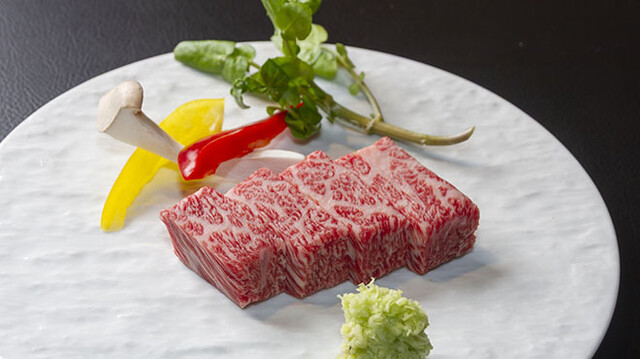
Approach a serious yakiniku room in Kobe and the first cue is concentration, not ceremony. Tables become workstations, smoke control matters, and the meal depends on timing shared by kitchen, service, and the diner at the grill. In a city where beef can become polished steak-house theatre, yakiniku keeps the experience at the table: cuts arrive for cooking, drinks keep pace, and front-of-house reads groups as much as orders.
That distinction matters in Kobe. Visitors often arrive thinking of Kobe beef, then default to teppanyaki because the counter is easy to understand. Yakiniku asks for different attention: not only the beef label, but the sequencing of cuts, treatment of offal, balance of richer meats with cold noodles or rice, and the rhythm of a table that may include families, friends, and repeat locals in one sitting.
Kobe beef culture, read through the grill rather than the steak counter
Yakiniku Possam Chip belongs to the less performative side of Kobe’s beef economy. Its public category set is direct: yakiniku, tripe, and Korean cold noodles. That places it inside the Kansai yakiniku tradition, where beef quality matters alongside range: leaner cuts, fattier cuts, offal, starch, soup, and alcohol must work together. The restaurant’s Tabelog 100 Yakiniku WEST selection in 2025 is the relevant trust signal, because the list evaluates it inside a regional grilling category rather than against formal fine dining.
The sourcing language clarifies the lane. Kobe beef gives immediate local relevance, while long-matured Omi beef points beyond Hyogo into one of Japan’s older wagyu traditions. Omi beef, associated with Shiga, carries a different regional identity from Kobe’s export-famous brand; placing both in a yakiniku format broadens the meal from city badge to comparative beef tasting. Tripe keeps the room from becoming a simple premium-beef showcase. In strong yakiniku houses, offal tests procurement, trimming, seasoning, and grill timing.
Compared with Kobe’s lower-priced everyday addresses such as Kyuan, Sansho An, Yoshokuya Yuuki, Grill Ippei Shinkaiti honten, and Fumi, this sits in a more meat-focused spend tier and more deliberate dining mode. Kobe can be eaten casually and well at modest budgets, but a beef-led yakiniku evening asks diners to allocate appetite and attention differently. For a broader city read, Our full Kobe restaurants guide gives the wider map, while nearby Kobe coverage also includes Our full Kobe hotels guide, Our full Kobe bars guide, Our full Kobe wineries guide, and Our full Kobe experiences guide.
The meal depends on teamwork at the table
The assigned drama of yakiniku is often the grill, but the better reading is collaborative service. The kitchen prepares cuts at the right thickness and condition; front-of-house paces the table, manages smoke and heat, and keeps groups moving without making the meal feel timed; drinks must support fat, salt, and char. Here, the listed drinks lean Japanese as well as international: sake, shochu, and wine. That is useful in a beef room, because shochu and sake can do different work from red wine when offal, dipping sauces, and cold noodles enter the meal.
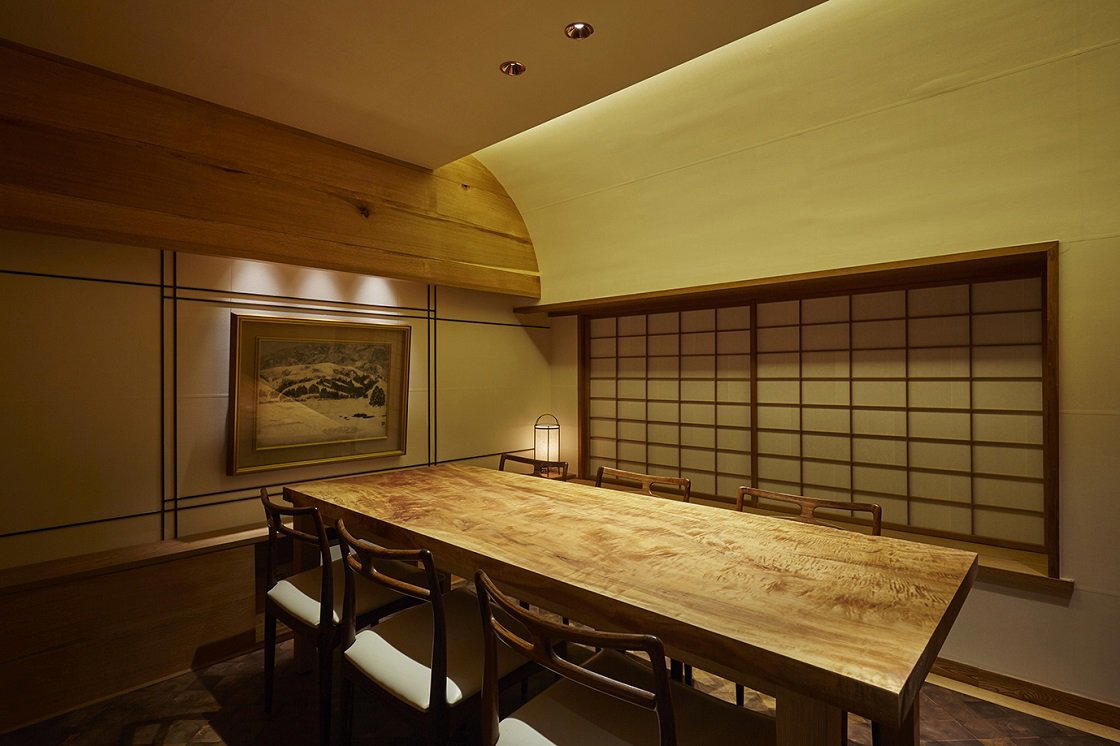
The format changes the social contract. A chef-led tasting menu asks diners to receive; yakiniku asks them to participate. That rewards groups who share decisions rather than order individual mains. The room is listed at 30 seats, large enough for neighborhood energy but small enough that pacing and table management shape the experience. Private use is listed for groups up to 20, reinforcing its appeal for gatherings rather than hushed, counter-only dining.
Families are part of the equation. Children are welcomed, with babies, preschoolers, and school-age children included in the listed policy; strollers and child chairs are also noted. That does not make the meal careless. It means Kobe’s beef culture here remains social and intergenerational, closer to a shared table than a luxury performance. For diners comparing formats, Aburi Niku Kobo Wakkoku Shinkobe ten and Aburi Niku Kobo Wakkoqu Kitano Sakamoto Ten point toward Kobe’s beef-counter vocabulary, while Yakiniku Possam Chip emphasizes shared grilling and cut selection.
How to place it in a Kobe eating itinerary
The editorial choice is clear: come here when Kobe beef should feel communal rather than ceremonial. The stronger order is not a single famous-beef purchase, but letting the categories work: beef, offal, noodles, and drinks in sequence. Korean cold noodles are not decorative; in yakiniku culture, the cold noodle finish resets the palate after richer cuts and brings the meal back from fat to clarity without dessert or another heavy dish.
Respect the practical signals. Reservations are available, and busy periods may involve a seating limit. Payment is cash-oriented, with credit cards, electronic money, and QR code payments not accepted. Parking is not provided, so nearby coin parking is the realistic solution for drivers. Non-smoking dining is listed, with a smoking area outside. These details matter because yakiniku runs on timing: arriving with payment, transport, and group size settled keeps the table from becoming a logistical negotiation.
Use the surrounding Kobe list as context rather than competition. Akaneya Coffee Ten, Akari, and Ali's Halal Kitchen show how varied the city’s dining map becomes beyond beef shorthand. For cross-city comparison, Japan’s dining range can stretch from -Grilled beef Sukiyaki- KAMAKURA TANUKIAN 鎌倉 たぬき庵 in Kamakura to. 鮪と炭火焼き うお炭 秋葉原店 in Tokyo.cafe in Osaka.know in Kumamoto, (Shoku) Vietnam in Kawasaki, and [Curry Senmon Ten] Maruyama Kyoju. in Sapporo. Abroad, Jōdo Saké Bar in Los Angeles and Onigiri Time in Pasadena underline how Japanese food culture travels, but Kobe’s grill rooms make a case for staying close to source.
The Essentials
Comparable venues by cuisine and price in the same metro.
| Venue | Cuisine | Price | Notes |
|---|---|---|---|
| Yakiniku Possam Chip | Not listed | $$ | Hyōgo, Kobe beef & offal yakiniku with Korean-style cold noodles |
| Stand Classic | Not listed | $$ | Chūō, Japanese standing bar (tachinomi) with a sake focus |
| Grill Ippei Shinkaiti honten | Not listed | $$ | Hyōgo, Yoshoku (Japanese-Style Western Cuisine) |
| Yaoki | Not listed | $$ | Chūō, Traditional Soba & Japanese Small Plates |
| Banshu Jizake Hino | Chūō, Japanese Izakaya | $$ | Not listed |
| Yakitori Bonsan | Chūō, Yakitori | $$$ | Not listed |
Recognition history
Dated appearances from independent guides and award organizations, with the underlying list record or original source where available.
Tabelog 100 #33 · No. 33
Tabelog · Tabelog 100 - Yakiniku - WEST - 2025
Continue exploring
More in Kobe


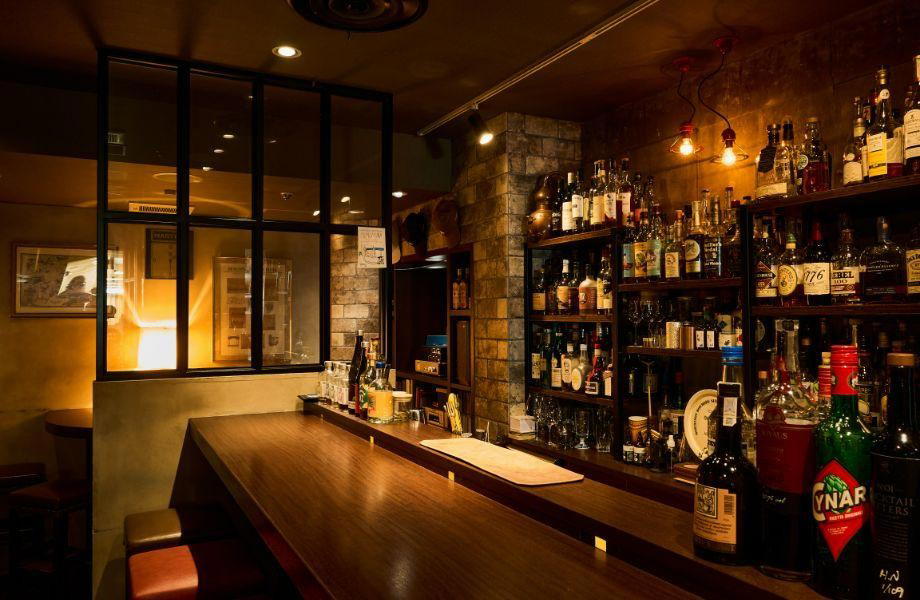
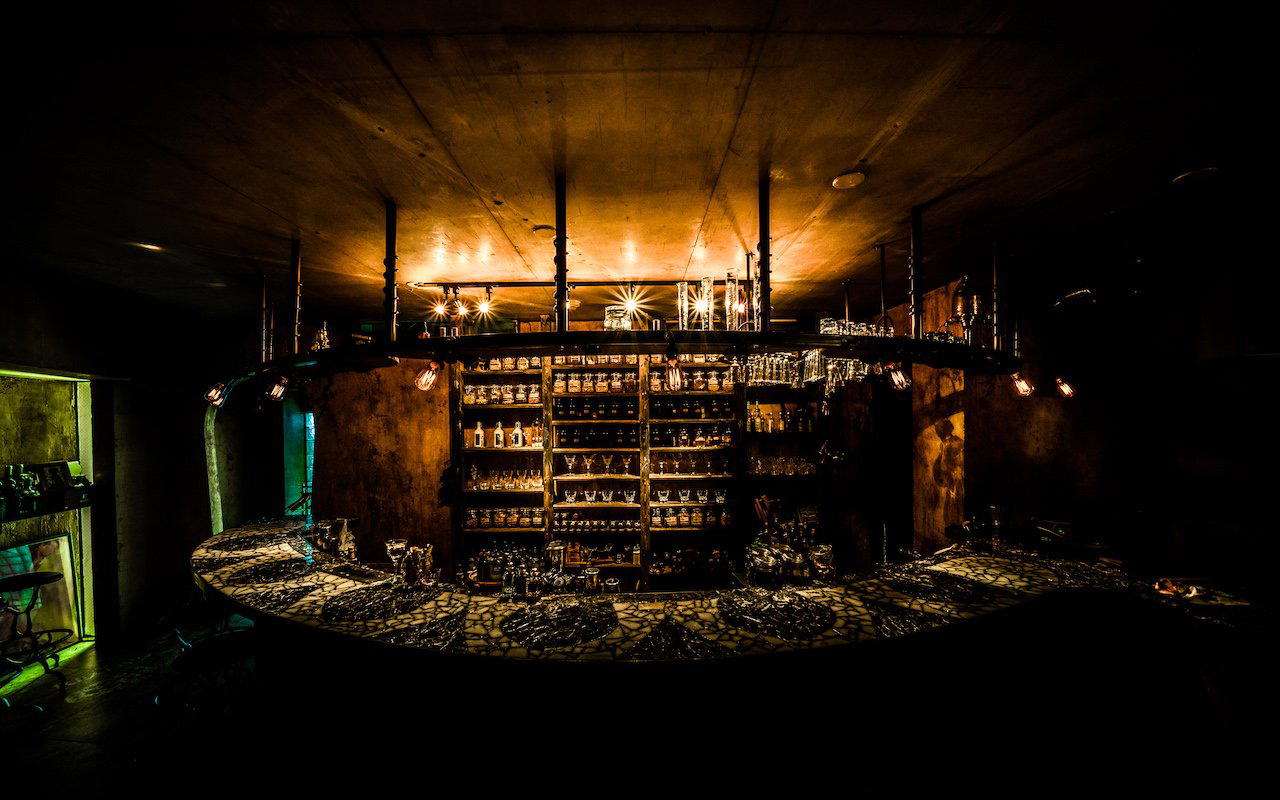
Bars in Kobe
Browse all →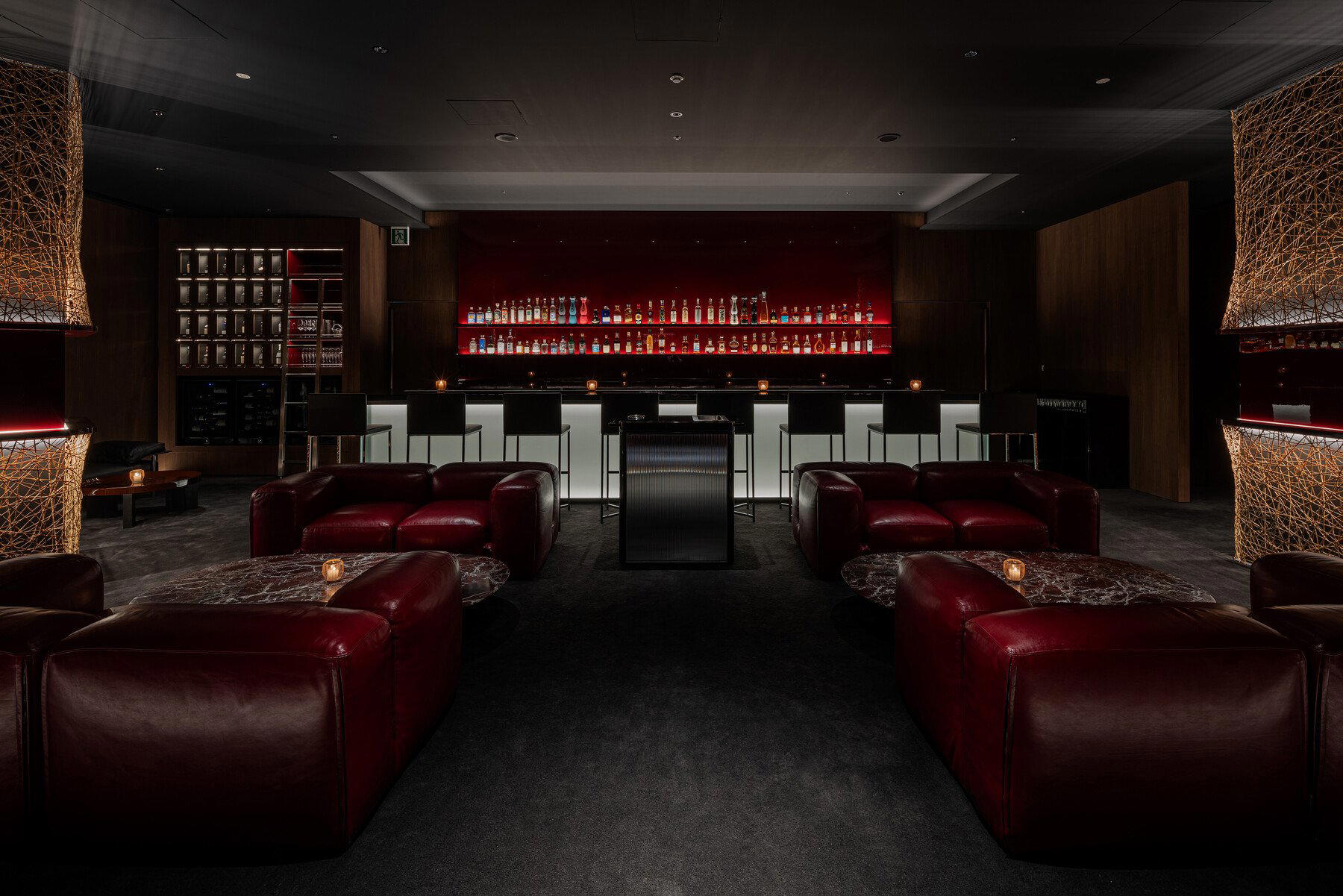
Hotels in Kobe
Browse all →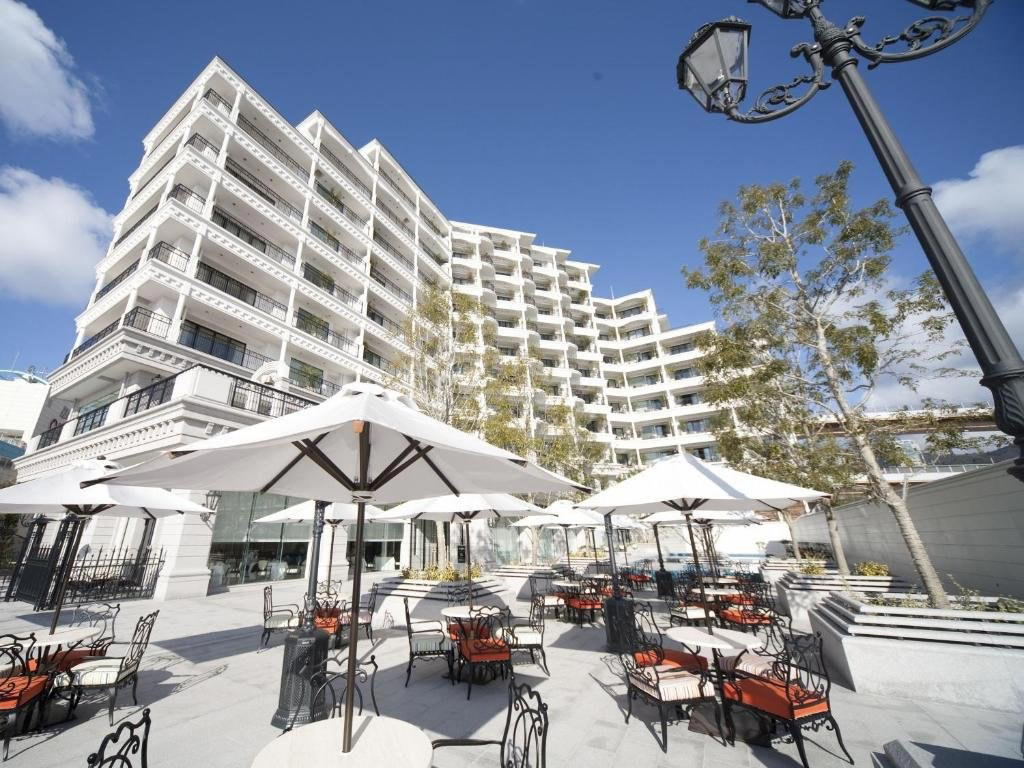
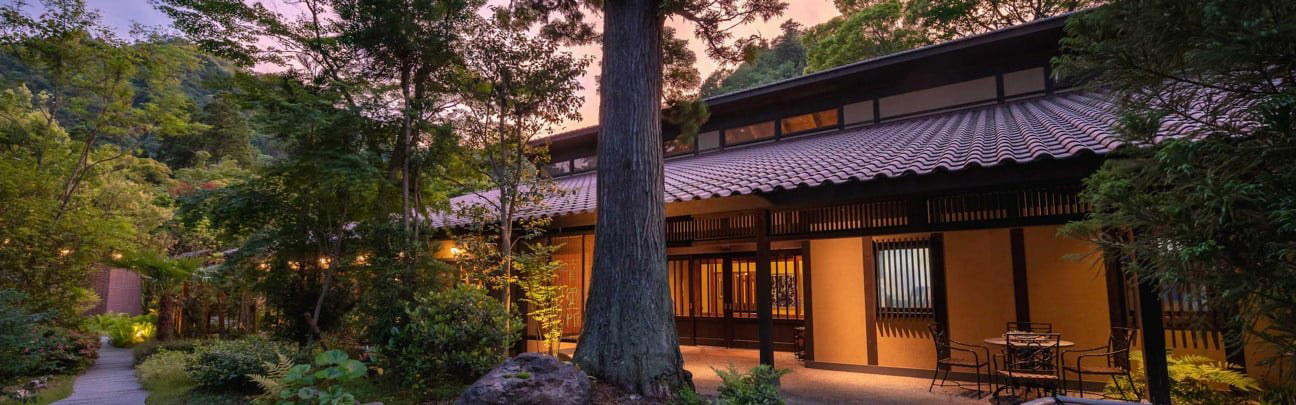
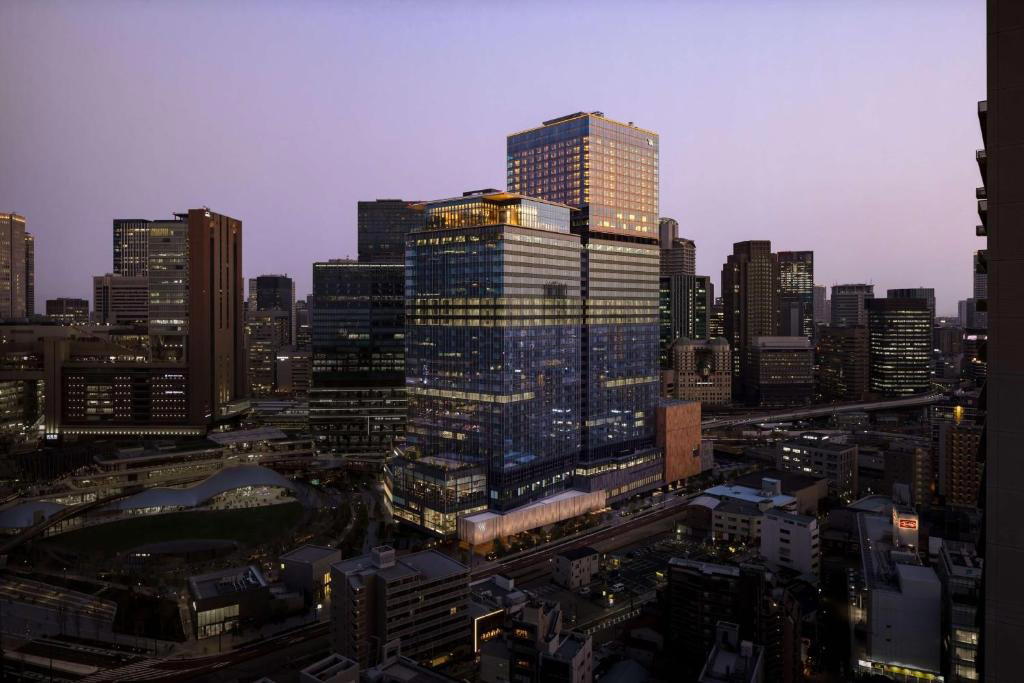

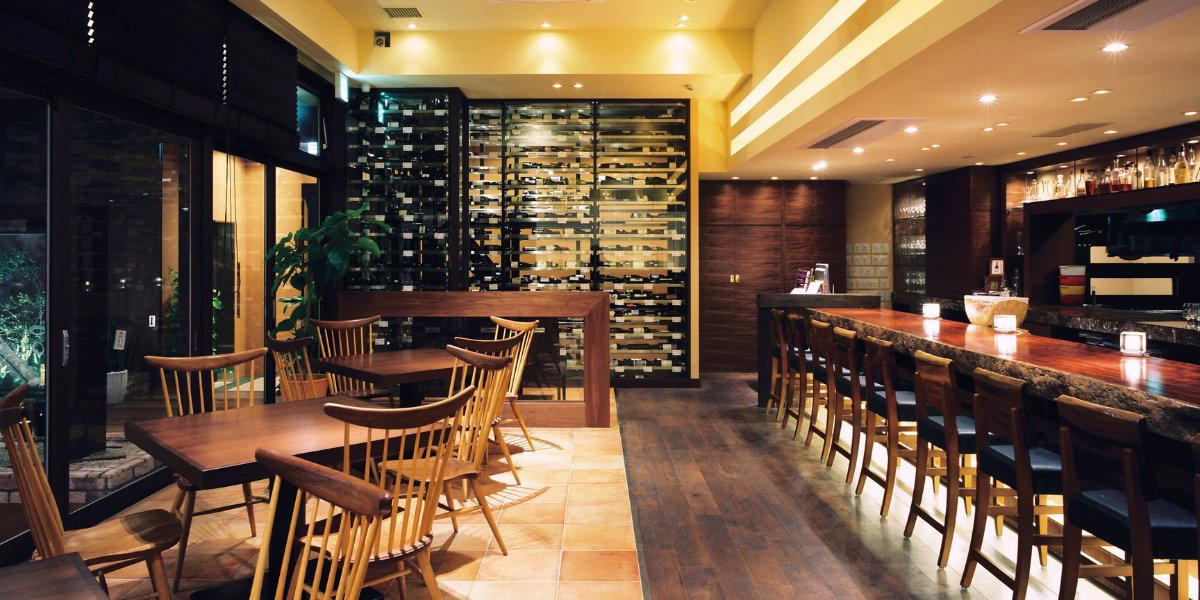
Wineries in Kobe
Browse all →
At a Glance
- Lively
- Cozy
- Group Dining
- Casual Hangout
- After Work
- Date Night
- Late Night
- Standalone
- Sake Program
- Beer Program
- Local Sourcing
Current opening hours
- Monday
- 5–10 PM
- Tuesday
- 5–10 PM
- Wednesday
- 5–10 PM
- Thursday
- Closed
- Friday
- 5–10 PM
- Saturday
- 12–3 PM, 5–10 PM
- Sunday
- 12–3 PM, 5–10 PM
Hours can change for holidays and private events. Last verified .