
Kobe’s beef culture is often read through steakhouse theatre, but Okada Shokuhin Kabushiki Gaisha belongs to the city’s more local yakiniku register: butcher-shop adjacency, reservation-only dining, and a price tier below the flashier Wagyu rooms. Its Tabelog 100 Yakiniku WEST 2025 selection places it among the region’s serious grill addresses without turning the experience into a luxury performance.
Pearl is the En Primeur Club membership app — saves, bookings, and concierge access live there. Same editors, same standards.
- Address
- 1 Chome-3-10 Kusunokicho, Chuo Ward, Kobe, Hyogo 650-0017, Japan
- Phone
- +81 78-341-0029
- Website
- store.shopping.yahoo.co.jp
 Saves & bookings on Pearl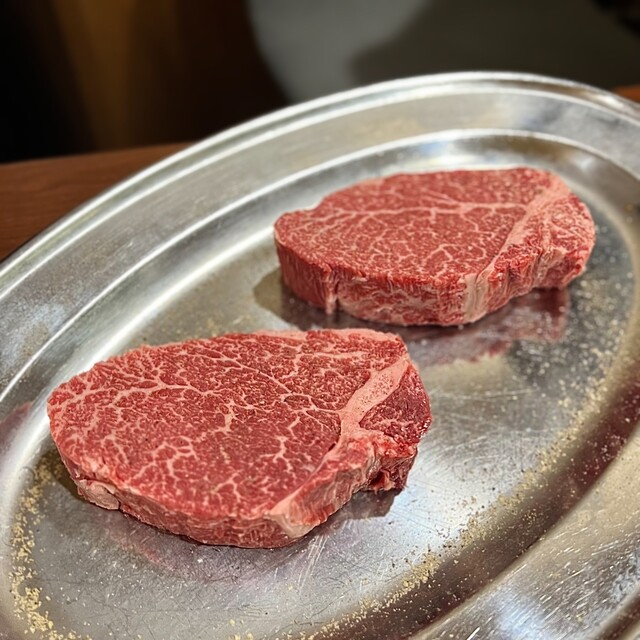
Approaching Kusunokicho, Kobe’s dining scene feels less like a polished waterfront postcard than a working neighbourhood with food habits built into daily life. The address sits away from hotel-heavy corridors and department-store dining floors, in the orbit of Nishi Motomachi and Okurayama, where a meal still feels tied to a shopfront, regular customers, and the city’s practical rhythms. That matters for yakiniku: the genre rewards sourcing and portioning over theatrical plating, and in Kobe, beef needs little explanation before the grill is lit.
Okada Shokuhin Kabushiki Gaisha fits that register. Its public listing places yakiniku alongside shabu shabu and sukiyaki, a telling combination in a beef city: grill, hotpot, and sweet-soy simmering as three arguments for the same ingredient. Its reputation is not built on chef mythology or tasting-menu language, but on a reservation-only format, a dinner budget of JPY 6,000 to JPY 7,999, and selection for Tabelog 100 Yakiniku WEST 2025, with prior Tabelog 100 selections recorded from 2020 through 2024. In Kobe terms, that positions the room closer to the serious local yakiniku circuit than tourist-facing steakhouse pageantry.
Kusunokicho gives Kobe beef culture a less theatrical frame
Kobe’s beef identity is often exported through teppanyaki counters, chef hats, and marble-score storytelling. Yakiniku asks a different question: how much control should the diner have over the meat? Here, heat management, cut selection, smoke, pacing, and sauce become the meal’s grammar. The city’s more interesting grill rooms often sit outside the obvious luxury map, and Kusunokicho supports that reading. This is not Sannomiya at full volume, nor Kitano dressed for visitors. It is a neighbourhood where the dining decision feels local before ceremonial.
The comparison set clarifies the tier. Aburi Niku Kobo Wakkoku Shinkobe ten and Aburi Niku Kobo Wakkoqu Kitano Sakamoto Ten speak more directly to Kobe’s polished beef-restaurant circuit, while Mangetsu, listed at JPY 8,000 to JPY 9,999, sits a notch higher on budget. Ouraku En, at JPY 5,000 to JPY 5,999 for dinner, occupies a nearby but slightly lower price band. Against those markers, Okada Shokuhin Kabushiki Gaisha reads as a focused mid-to-upper local yakiniku choice, not a splurge room built around spectacle.
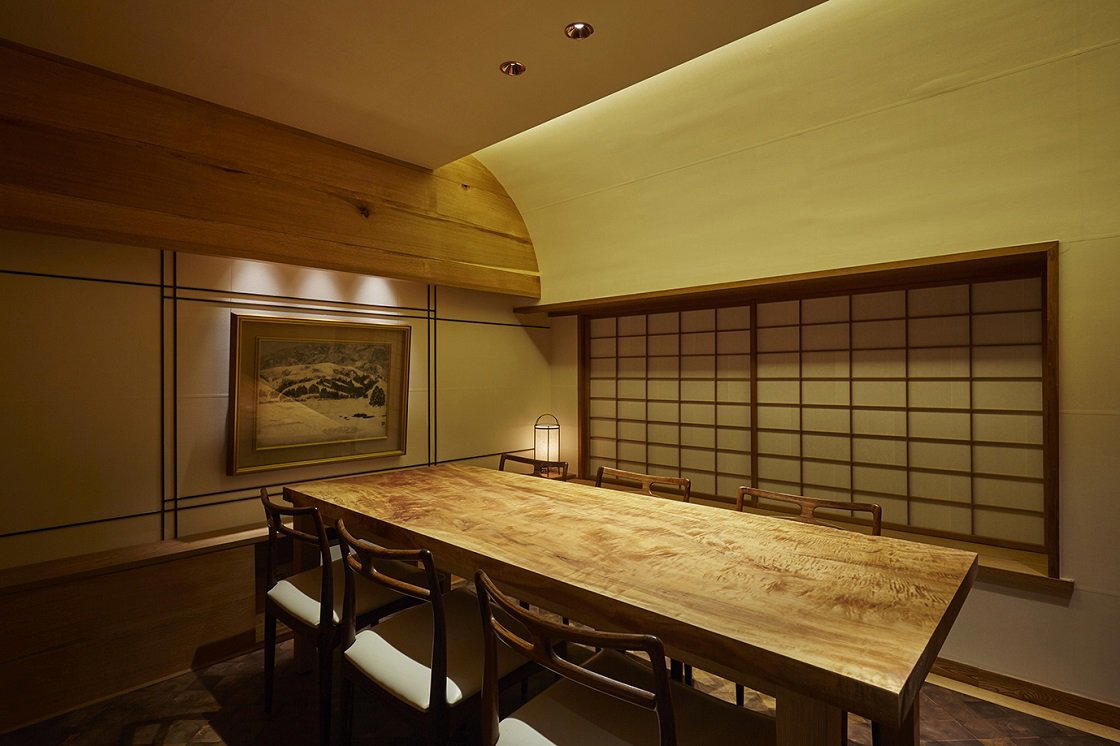
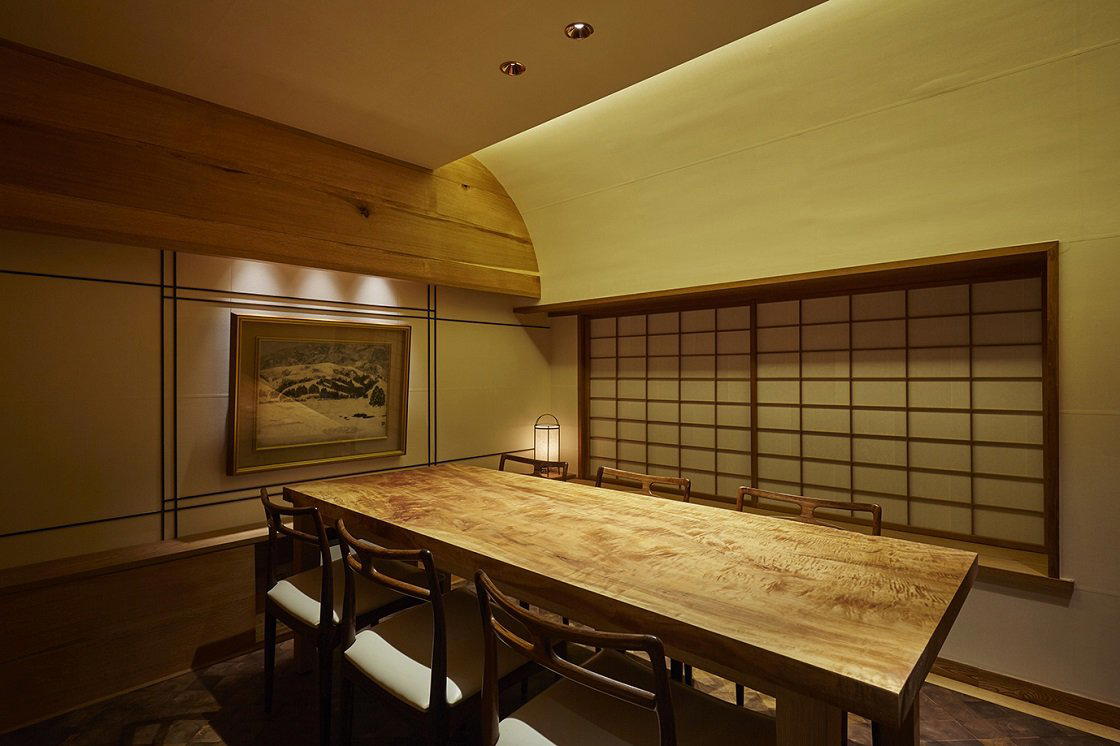
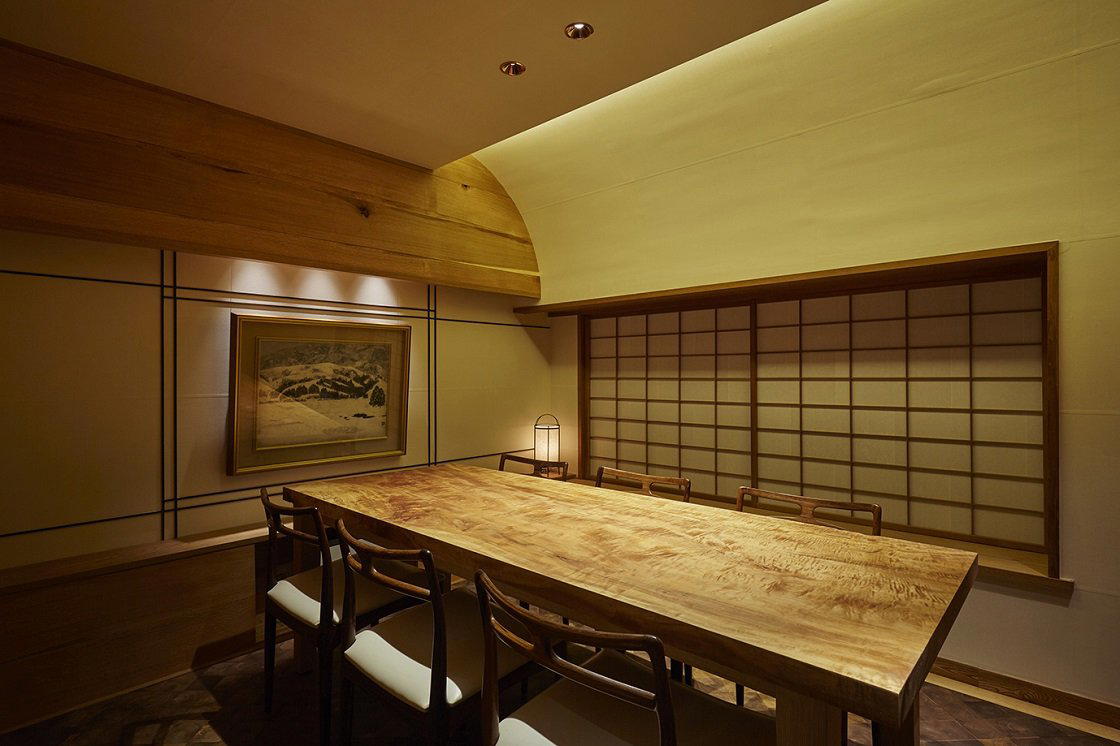
That distinction helps travellers who already understand Kobe beef as a category and want to see how locals use beef restaurants socially. The Tabelog listing notes private rooms for groups and a service style associated with parties over 2.5 hours and BYO drinks. These are not decorative details. They suggest a dining culture organised around friends, longer tables, and control over the evening rather than a compressed counter performance.
A grill address judged by consistency, not ceremony
Tabelog’s Hyakumeiten lists matter in Japan because they reflect category-specific recognition rather than broad luxury ranking. Selection for Tabelog 100 Yakiniku WEST 2025 places the restaurant within a regional field of Kansai and western Japan grill specialists. Repeated selections from 2020 onward add the stronger signal: consistency in a genre where diners quickly notice changes in cut quality, value, and room discipline.
The category spread also gives context. Yakiniku, shabu shabu, and sukiyaki overlap through beef but reward different appetites. Yakiniku is direct and social, shabu shabu lighter and more broth-driven, and sukiyaki sweet and rich through warishita-style seasoning. A Kobe address handling all three sits within a broader local habit of treating beef not as one luxury object but as an ingredient with multiple social formats. For visitors, that is the lesson: Kobe’s beef culture is not only the expensive steak counter. It is also the group room, grill, pot, sauce, and shop-linked neighbourhood meal.
Practical signals matter before choosing it over a more familiar Kobe restaurant. The dinner budget is materially higher than casual local staples such as Yoshoku no Asahi, listed at JPY 1,000 to JPY 1,999, but below the heavier spend of some specialist beef rooms. Payment is cash-oriented, with credit cards, electronic money, and QR code payments not accepted. Smoking is allowed. Parking is unavailable. None of this belongs to a softened international-luxury template, which is precisely why the address makes editorial sense: it asks travellers to meet Kobe’s dining culture on local terms.
How it fits into a Kobe eating itinerary
A useful Kobe itinerary should not make every meal about beef. The city’s dining character comes from port history, coffee culture, Chinese influences, bakeries, yoshoku, sake country proximity, and the pull of Hyogo ingredients. A grill dinner in Kusunokicho works well beside contrasts: coffee at Akaneya Coffee Ten, a different local table such as Akari, or a casual counterpoint like Ali's Halal Kitchen. For broader planning, our full Kobe restaurants guide is the better starting point, with our full Kobe hotels guide, our full Kobe bars guide, our full Kobe wineries guide, and our full Kobe experiences guide rounding out the city map.
For readers comparing Japanese beef and grill formats beyond Kobe, the reference points widen quickly. -Grilled beef Sukiyaki- KAMAKURA TANUKIAN 鎌倉 たぬき庵 in Kamakura points toward sukiyaki as the main event, while. 鮪と炭火焼き うお炭 秋葉原店 in Tokyo shows how charcoal cooking can move outside beef. The national dining map gets wider again with.cafe in Osaka.know in Kumamoto, (Shoku) Vietnam in Kawasaki, and [Curry Senmon Ten] Maruyama Kyoju. in Sapporo. For Japanese drinking and casual-food context outside Japan, Jōdo Saké Bar in Los Angeles and Onigiri Time in Pasadena make useful cross-Pacific contrasts.
The editorial case for Okada Shokuhin Kabushiki Gaisha is narrow and strong: choose it for a Kobe beef meal with local grammar, not a stage-managed luxury script. The award history supplies the trust signal, the price band keeps it below the city’s more performative beef rooms, and Kusunokicho gives the experience neighbourhood weight that polished dining districts often smooth away.
The Short List
Comparable options at the same price tier.
| Venue | Cuisine | Price | Notes |
|---|---|---|---|
| Okada Shokuhin Kabushiki GaishaThis venue — the venue you are viewing | Not listed | $$ | Not listed |
| 老虎菜 本店 | Higashinada, japanese | Not listed | Not listed |
| Grill Ippei Shinkaiti honten | Not listed | $$ | Hyōgo, Yoshoku (Japanese-Style Western Cuisine) |
| Yoshoku GURa | Not listed | $$ | Chūō, Japanese Western (Yoshoku) |
| European Ryori Mon | Not listed | $$ | Chūō, Classic Yoshoku (Japanese Western-style) |
| Pan Yakidokoro RIKI | Chūō, Japanese artisan bakery | $ | Not listed |
Recognition history
Dated appearances from independent guides and award organizations, with the underlying list record or original source where available.
Tabelog 100 #5 · No. 5
Tabelog · Tabelog 100 - Yakiniku - WEST - 2025







At a Glance
- Cozy
- Classic
- Group Dining
- Casual Hangout
- Standalone
Current opening hours
- Monday
- 10 AM–6:30 PM
- Tuesday
- 10 AM–6:30 PM
- Wednesday
- 10 AM–6:30 PM
- Thursday
- 10 AM–6:30 PM
- Friday
- 10 AM–6:30 PM
- Saturday
- 10 AM–6:30 PM
- Sunday
- Closed
Hours can change for holidays and private events. Last verified .
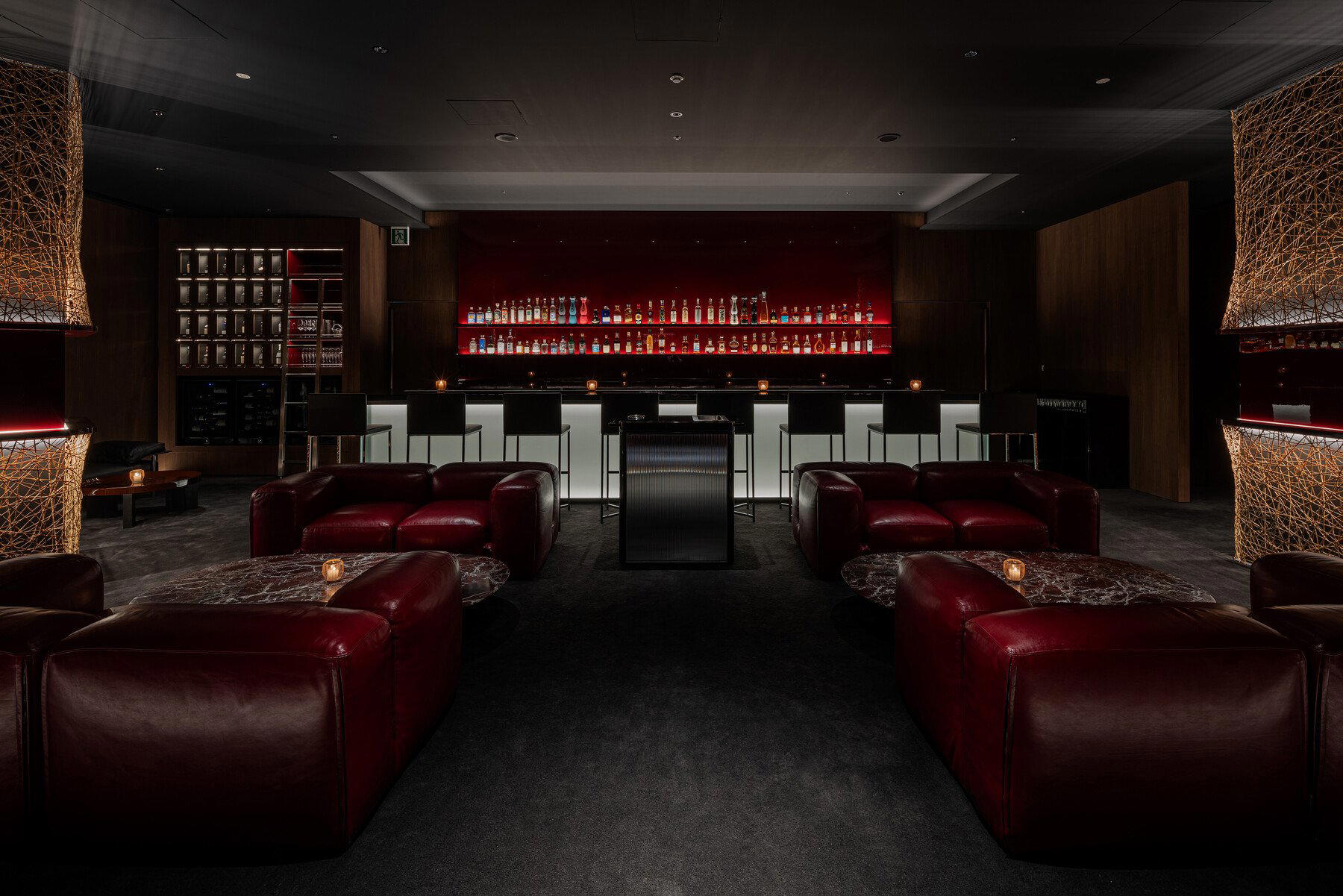
A simple, laid-back Japanese barbecue setting that appears casual and meat-focused rather than formal or design-driven.