Greek Restaurant Dimitra
Greek Restaurant Dimitra brings Mediterranean cooking to Seiersberg Pirka, a quiet residential municipality on the southern edge of Graz. In a region defined by Austrian and Styrian cuisine, a dedicated Greek table occupies a distinct position. The address on Feldkirchner Strasse places it within easy reach of central Graz, making it a practical choice for those seeking something outside the local culinary mainstream.
Pearl is the En Primeur Club membership app — saves, bookings, and concierge access live there. Same editors, same standards.
- Address
- Feldkirchner Str. 124, 8055 Seiersberg, Austria
- Phone
- +43316244075
- Website
- dimitra-graz.at
- Directions
- Get directions
 Saves & bookings on Pearl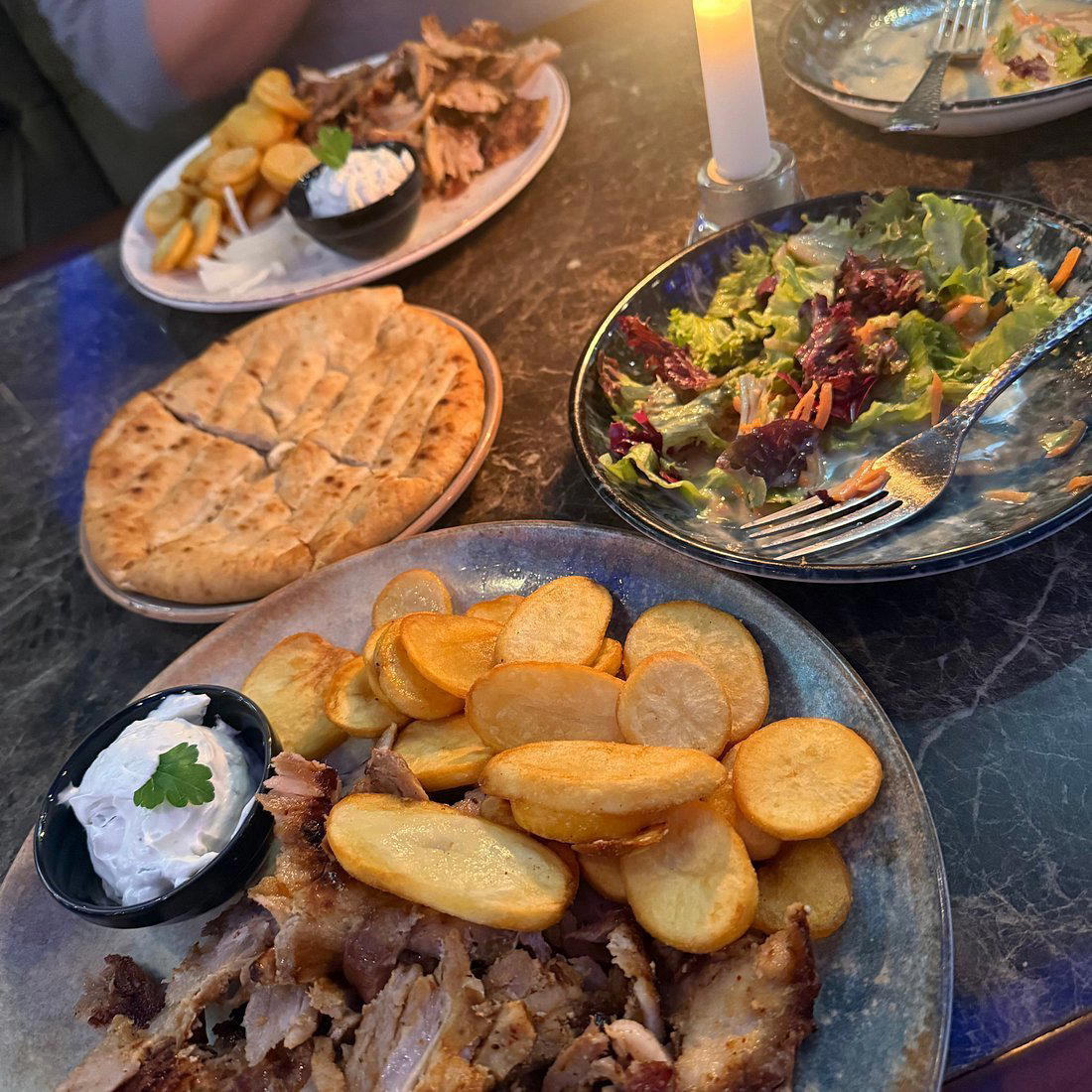
A Mediterranean Table in Styria's Southern Belt
The dining scene around Graz has a clear gravitational pull toward Styrian produce and Austrian technique. The restaurants that draw greater attention in the region, from the farm-rooted kitchens of the Schilcher wine country to the more polished addresses reviewed in our full Seiersberg Pirka restaurants guide, tend to share a preoccupation with local geography. Against that backdrop, a Greek restaurant operating in Seiersberg Pirka, the low-rise residential municipality that merges almost invisibly with Graz's southern edge, represents a genuinely different proposition. The cuisine traditions at work here, olive oil over butter, legumes and grilled proteins over cream-heavy sauces, and a cooking philosophy shaped by the Aegean rather than the Alps, sit outside the Styrian mainstream by design.
Seiersberg Pirka itself is a practical dining address rather than a destination district. It functions more as a practical address: accessible by road from the city centre, familiar to residents across the southern suburban belt, and relatively uncrowded by comparison with the busier neighbourhoods closer to the Hauptplatz. For a Greek restaurant, that context matters. The clientele tends to be local and repeat, which in practice means a kitchen that builds loyalty through consistency rather than novelty.
What Greek Sourcing Looks Like This Far North
Greek cooking at its most grounded is an exercise in ingredient discipline. The canon, built around cold-pressed olive oil, dried pulses, fresh herbs, aged cheeses like graviera and feta, and simply prepared seafood and lamb, does not disguise its raw materials. This makes sourcing the defining variable for any Greek kitchen operating outside Greece itself. In Austria, that challenge is structural: the country has no coastline and sits geographically distant from the Aegean fishing ports and Peloponnesian olive groves that supply the leading Greek produce. Restaurants in this category must decide how much of their supply chain to import directly and how much to substitute with local equivalents.
The Greek dining category in Central Europe has expanded considerably over the past two decades, moving from the basic taverna format toward restaurants that import specific regional products. Feta carrying PDO (Protected Designation of Origin) status, olive oils from named Cretan or Laconian producers, and dried oregano from the slopes of specific Greek mountains have all become more accessible to European restaurateurs with the right supplier relationships. Greek cooking, more than most Mediterranean traditions, rewards diners who can taste the provenance of the oil and the quality of the cheese.
Austria's own ingredient culture, which has produced serious farm-to-table programs at restaurants like Steirereck im Stadtpark in Vienna and ingredient-led destination cooking at Döllerer in Golling an der Salzach, sets a high baseline for produce quality in the region. That culture of sourcing consciousness has filtered outward into the broader restaurant market, which raises expectations even for casual neighbourhood formats.
The Neighbourhood Format and What It Implies
Restaurants on the southern Graz periphery operate under different competitive pressures than those closer to the city centre or those at the summit of Austria's fine dining hierarchy. The format demanded here is closer to what the French call a restaurant de quartier: a place where regulars eat on weekday evenings, where the menu is familiar enough to order from memory, and where the social contract is reliability over surprise. Greek cuisine maps well onto this format. The standard repertoire of mezze, grilled meats, and shared plates is built for groups and for tables that return often.
By contrast, the highest-profile Austrian dining experiences, from the alpine precision of Gourmetrestaurant Tannenhof in Sankt Anton am Arlberg to the creative programs at Ikarus in Salzburg or the herb-forward seasonal cooking at Kräuterreich by Vitus Winkler in Sankt Veit im Pongau, operate in a completely different register. Those kitchens are destination-driven, tasting-menu oriented, and priced for occasion dining. Dimitra occupies a different tier and serves a different social function, and there is nothing lesser about that. The neighbourhood Greek restaurant fills a gap that destination fine dining cannot.
Within Graz itself, the comparison point is Artis in Graz, which operates in a more central urban context. Seiersberg Pirka's quieter, more residential character gives Dimitra a different kind of regularity in its audience.
Greek Cuisine in the Context of Austrian Dining
Austria's restaurant culture has historically centered on its own culinary traditions: Wiener Schnitzel, Tafelspitz, Styrian pumpkin oil, and the farmhouse cooking that underlies much of the country's contemporary fine dining. The international category has grown steadily in Austrian cities over the past decade, with Asian formats, Middle Eastern kitchens, and Mediterranean concepts finding consistent audiences. Greek cuisine, in particular, has broad appeal in Central Europe because its flavour profile (bright acidity, herb-forward seasoning, and clean protein preparations) reads as accessible to palates more familiar with Germanic or Central European cooking.
The broader Austrian dining conversation, which includes celebrated addresses like Landhaus Bacher in Mautern an der Donau, Obauer in Werfen, and Taubenkobel in Schützen am Gebirge, remains largely rooted in Central European and Alpine traditions. Greek cooking exists in a parallel lane, and restaurants like Dimitra serve communities where that Mediterranean alternative matters on a regular, non-occasion basis. For diners curious about where Greek cuisine fits relative to the larger Austrian dining ecology, the contrast is clarifying rather than competitive.
Planning Your Visit
Dimitra is located at Feldkirchner Str. 124 in 8055 Seiersberg, Austria, reachable by car from central Graz in under fifteen minutes depending on traffic. As with most neighbourhood-format restaurants in the Graz periphery, booking ahead is advisable for weekend evenings, when local demand concentrates. Hours and reservations should be confirmed before visiting. Graz's wider dining options, including a range of Styrian and international formats, are mapped in our Seiersberg Pirka guide.
For readers planning a broader Austrian itinerary, other regional restaurants worth examining include Ois in Neufelden, Schwarzer Adler in Hall in Tirol, Stüva in Ischgl, Griggeler Stuba in Lech, Restaurant 141 by Joachim Jaud in Mieming, and Atelier Fischer in Sankt Gilgen. For international comparison on ingredient-led cooking, the sourcing programs at Le Bernardin in New York City and the produce philosophy behind Atomix in New York City offer a useful frame for understanding how provenance functions at the summit of the market.
A Quick Peer Check
Comparable venues nearby, for context on price, style, and recognition.
| Venue | Cuisine | Price | Notes |
|---|---|---|---|
| Greek Restaurant DimitraThis venue — the venue you are viewing | Authentic Greek | $$ | Not listed |
| Griechische Taverne Am Sachsengang | Authentic Greek Taverna | $$ | Gross-Enzersdorf |
| Yamamoto | Authentic Japanese Sushi & Ramen | $$ | Innere Stadt |
| Fürstenstand | Traditional Styrian Mountain Restaurant | $$ | Gösting |
| Theresas - Eine Art Gasthaus | Regional Austrian Gasthaus | $$ | Deutschlandsberg |
| Stadlmaier-Alm | Traditional Austrian Buschenschank | $$ | Klein-Gößgraben |
Continue exploring
More in Seiersberg Pirka
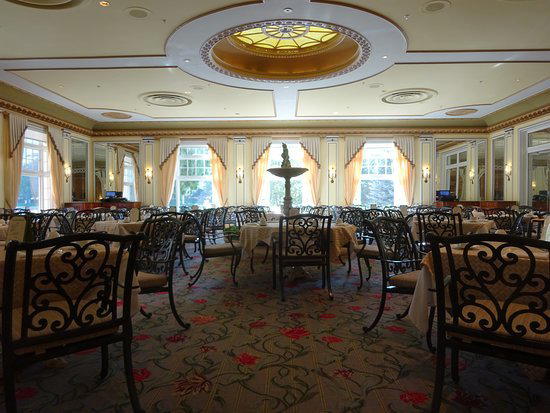
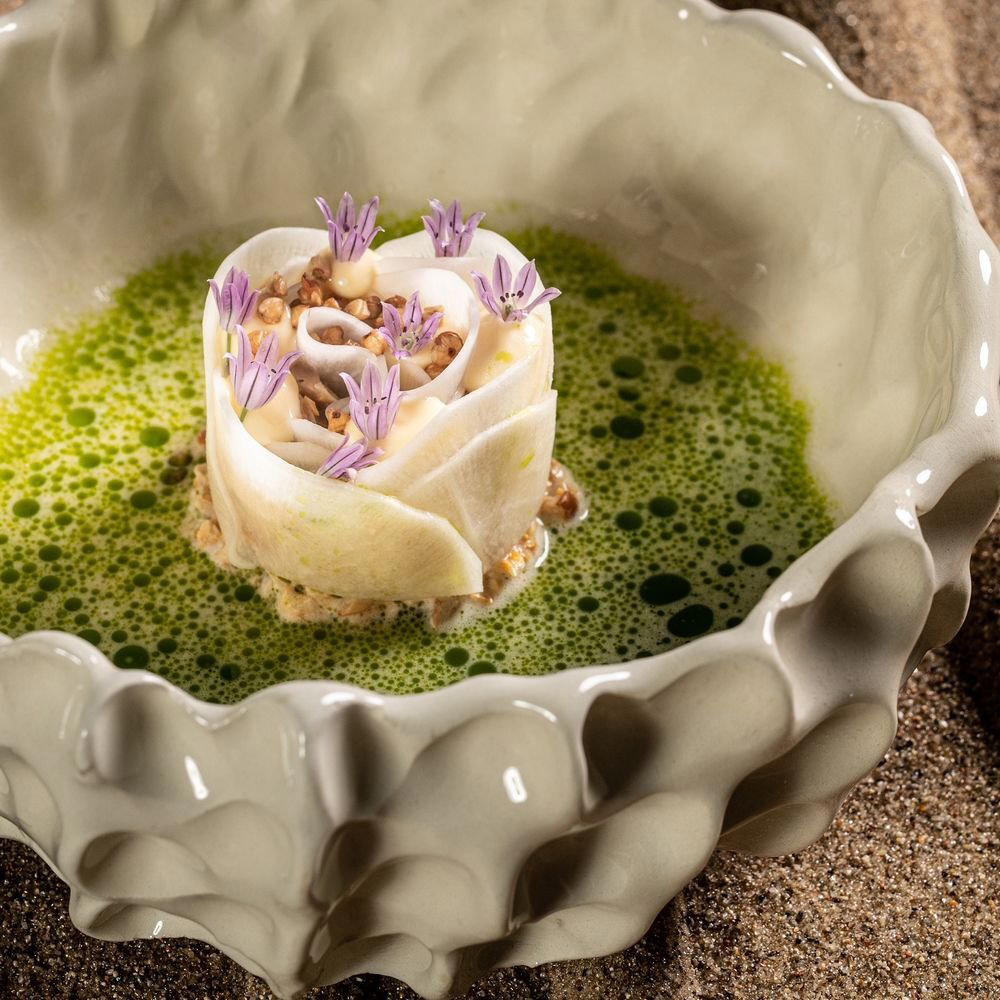
Restaurants in Seiersberg Pirka
Browse all →
Bars in Seiersberg Pirka
Browse all →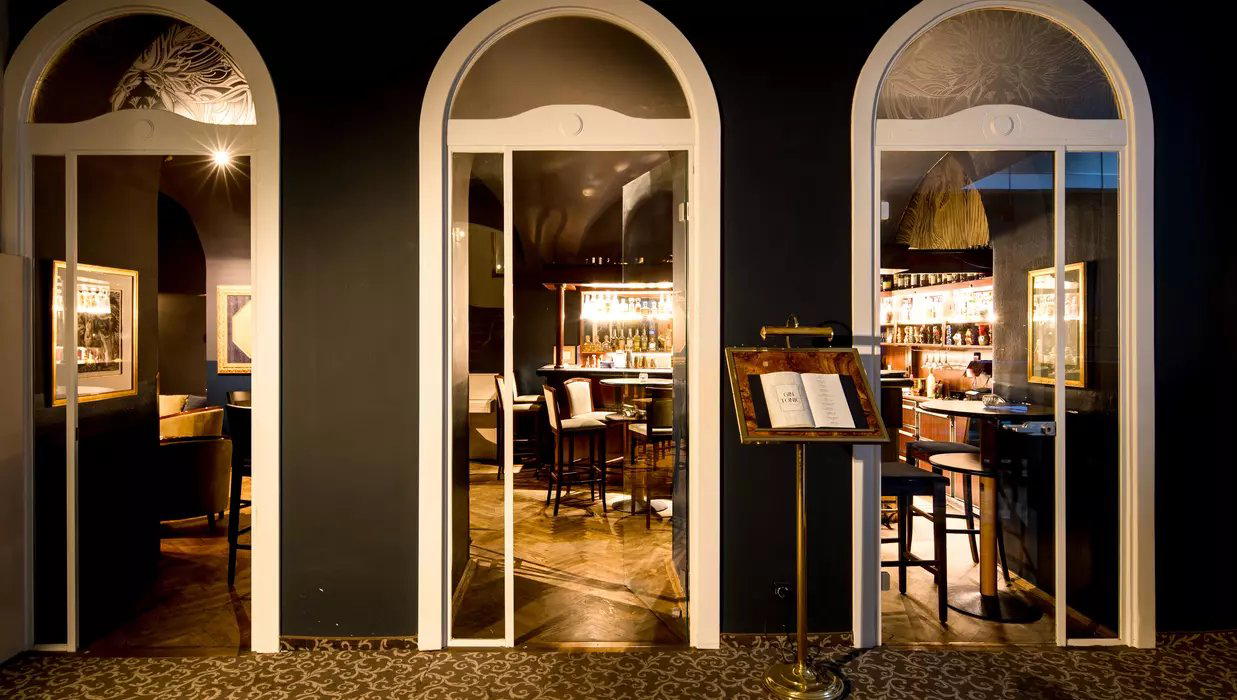
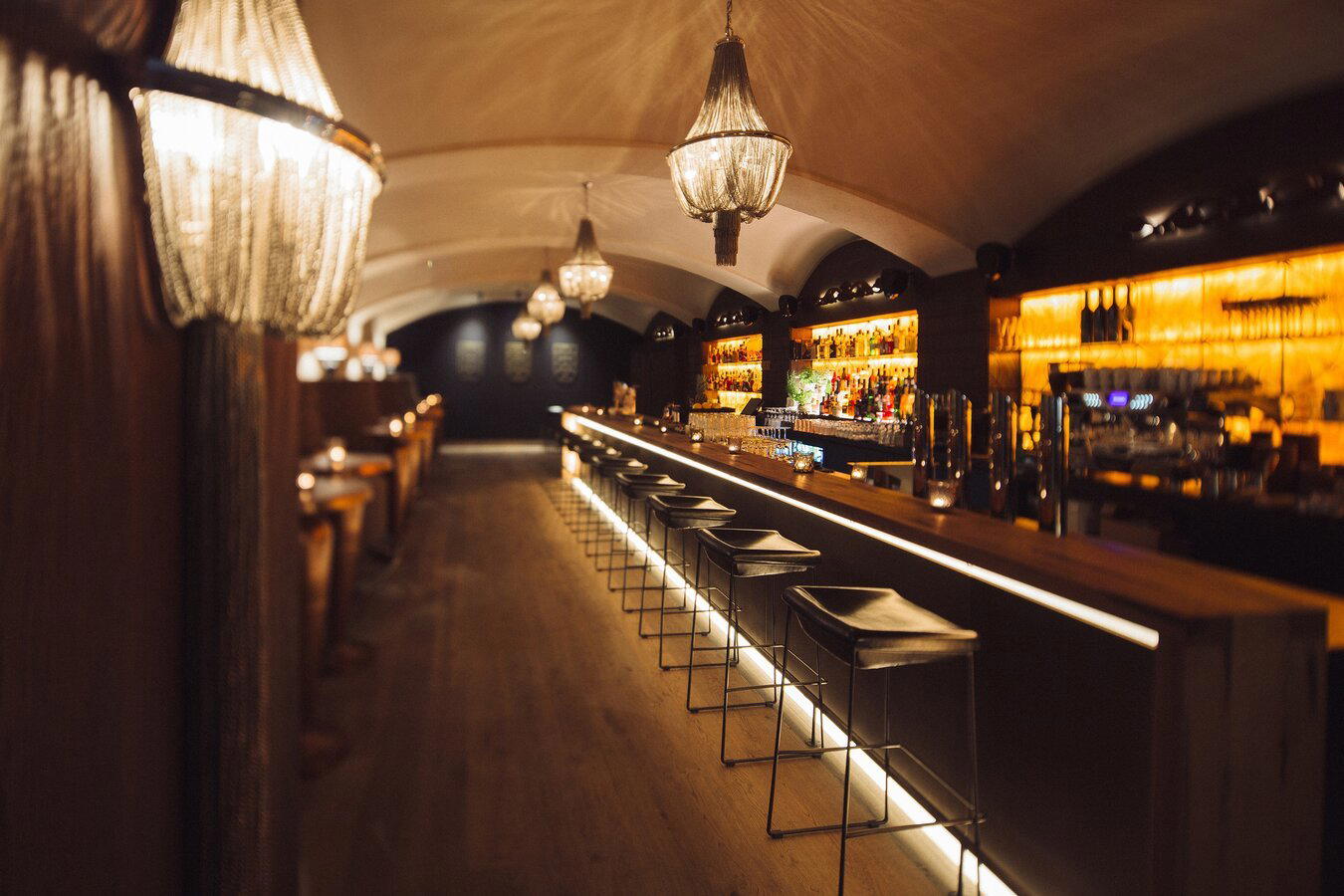
Hotels in Seiersberg Pirka
Browse all →



At a Glance
- Cozy
- Casual Hangout
- Family
Current opening hours
- Monday
- 11:30 AM–10 PM
- Tuesday
- 11:30 AM–10 PM
- Wednesday
- 11:30 AM–10 PM
- Thursday
- 11:30 AM–10 PM
- Friday
- 11:30 AM–10 PM
- Saturday
- 11:30 AM–10 PM
- Sunday
- 11 AM–9 PM
Hours can change for holidays and private events. Last verified .
Pleasant and cozy with friendly service.