Griechische Taverne Am Sachsengang
Our verdict
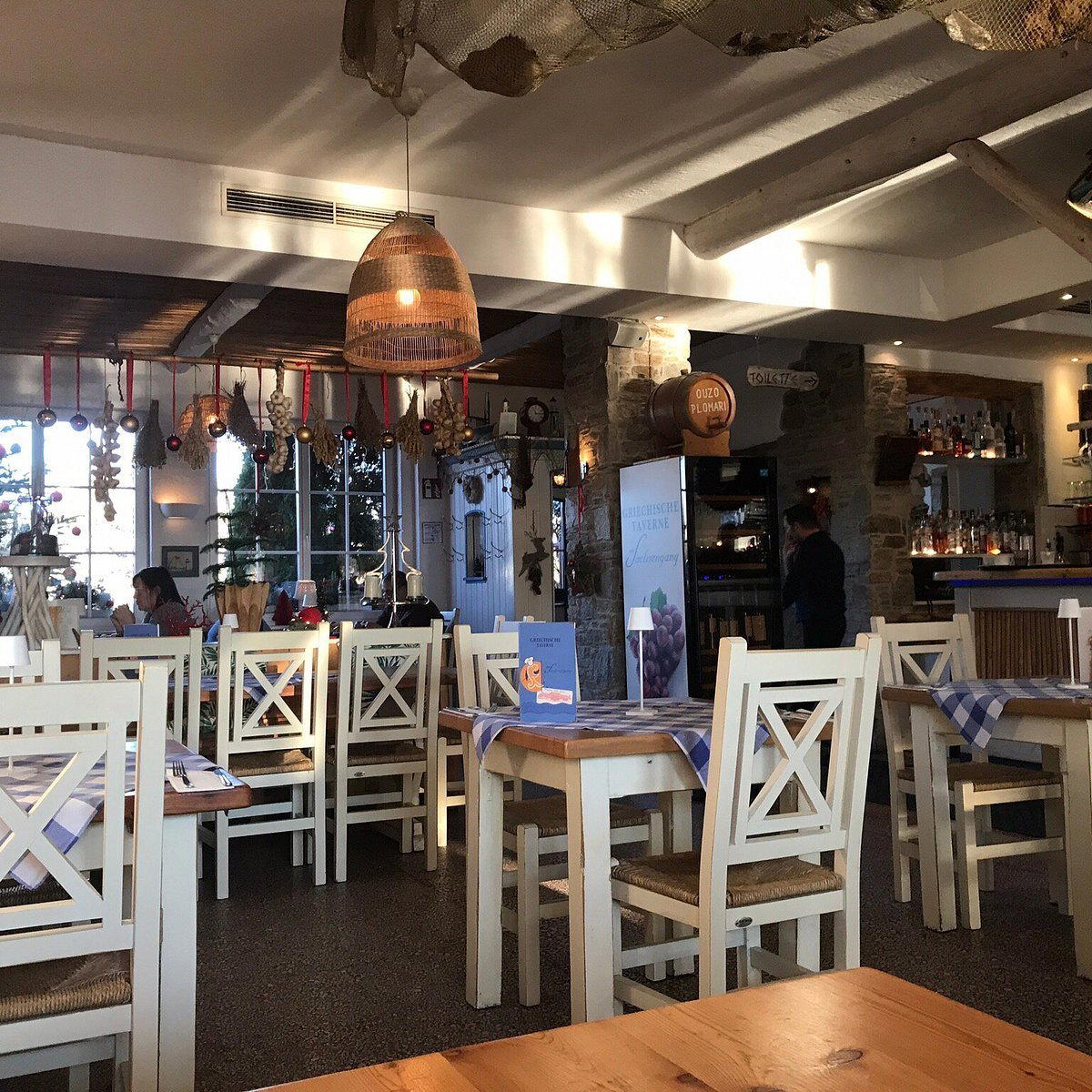
A Greek taverna operating out of Groß-Enzersdorf, east of Vienna along the Marchfeld plain, Griechische Taverne Am Sachsengang sits in a corner of Lower Austria where traditional Mediterranean cooking rarely appears. The address alone — beside the historic Sachsengang estate — signals a dining experience shaped as much by its agricultural surroundings as by the traditions of the Aegean kitchen.

Pearl is the En Primeur Club membership app — saves, bookings, and concierge access live there. Same editors, same standards.
The menu
What to order
- Moussaka
- Souvlaki
- Grilled octopus
Where the Marchfeld Meets the Mediterranean
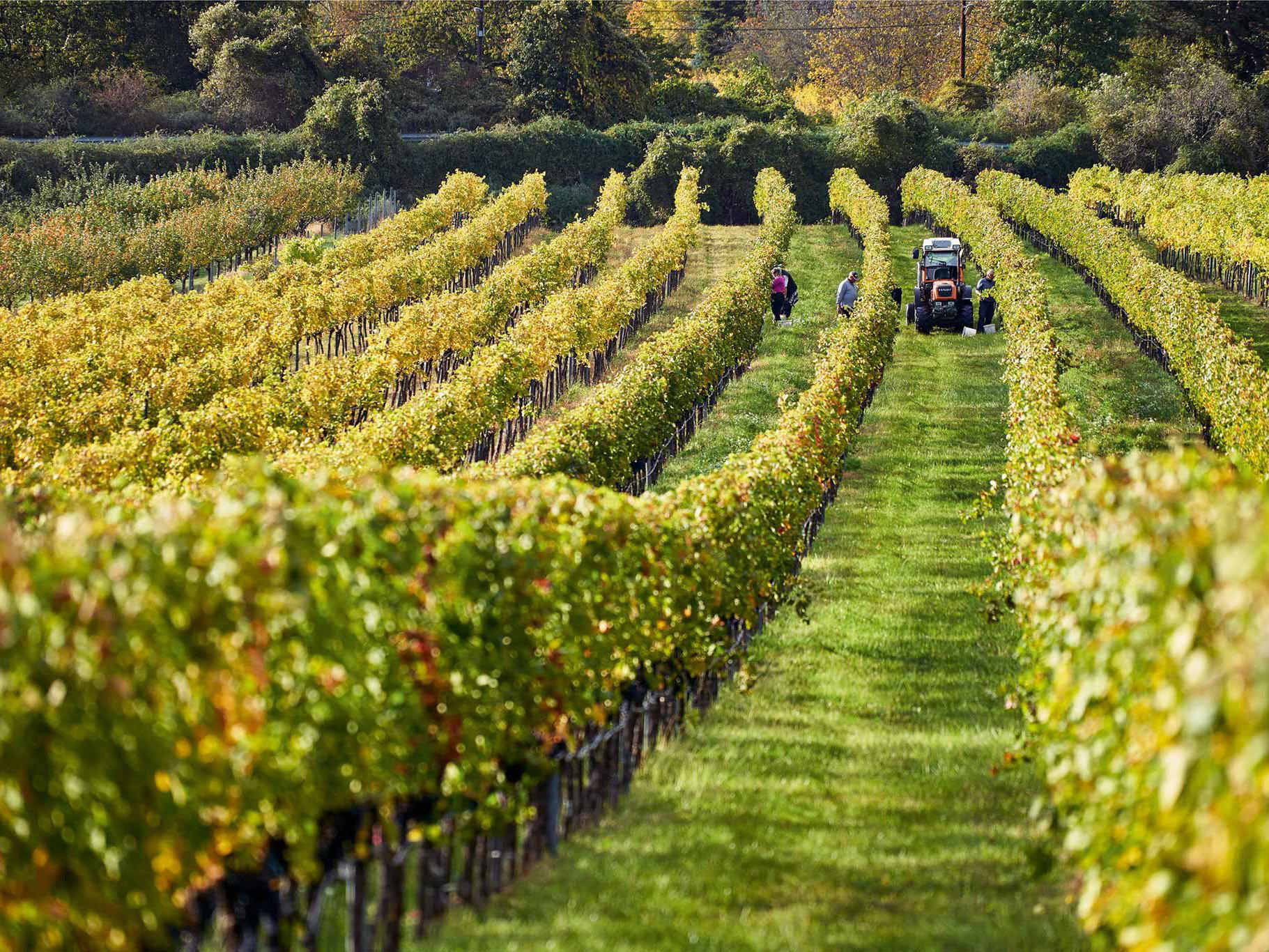
East of Vienna, the Marchfeld plain stretches toward the Slovak border in a wide, flat arc of arable land that supplies a significant share of Austria's vegetable harvest. It is not, by any conventional map of European dining, Greek restaurant territory. The decision to operate a Greek taverna in Groß-Enzersdorf — a small town whose culinary identity is shaped more by market gardens and Heuriger tradition than by any Aegean influence — creates an immediate question about sourcing and setting that defines the entire experience at Griechische Taverne Am Sachsengang.
The address, on Schloßhofer Straße beside the grounds of the Sachsengang estate, places the restaurant in a landscape that has fed Vienna for centuries. The Marchfeld's fertile alluvial soil produces some of the finest asparagus, cucumbers, and salad crops in the country, and the proximity to that agricultural base is worth noting for any kitchen operating in the Greek tradition, where ingredient quality is the primary argument a dish makes. Greek cooking at its most direct, grilled fish, pressed olive oil, legumes slow-cooked without embellishment, depends on the honesty of its raw materials more than on technical elaboration. A taverna in this location has access, at least in principle, to produce of a standard that its urban counterparts on Viennese side streets rarely command.
The Greek Taverna Format in an Austrian Context
Across Austria's restaurant sector, the dominant dining formats in the upper registers run toward creative contemporary cooking. Steirereck im Stadtpark in Vienna and Döllerer in Golling an der Salzach both operate in a mode that foregrounds technique and seasonal transformation. Ikarus in Salzburg rotates guest chefs through a format built around international creative programs. At the other end of the scale, traditional Austrian Gasthäuser anchor their menus to Schnitzel and Tafelspitz. The Greek taverna format occupies a different position entirely: it is neither technically experimental nor regionally rooted in the Austrian sense, but rather a transplanted tradition with its own internal logic, one where the cooking is judged against the standards of an entirely different food culture.
In that context, Greek tavernas outside Greece succeed or fail on two variables: the sourcing of products that cannot be locally replicated (olive oil, dried legumes, certain cured fish, specific cheeses) and the kitchen's discipline in not overcomplicating what the tradition requires to be simple. A moussaka built on Marchfeld beef and local aubergine can read as genuinely localized; a pastitsio made with industrially sourced mince and packet pasta cannot. This is the sourcing argument that matters most for a Greek kitchen operating far from the Aegean, and it applies as directly to a taverna in Groß-Enzersdorf as it would to one in London or Berlin.
Groß-Enzersdorf and the Logic of the Location
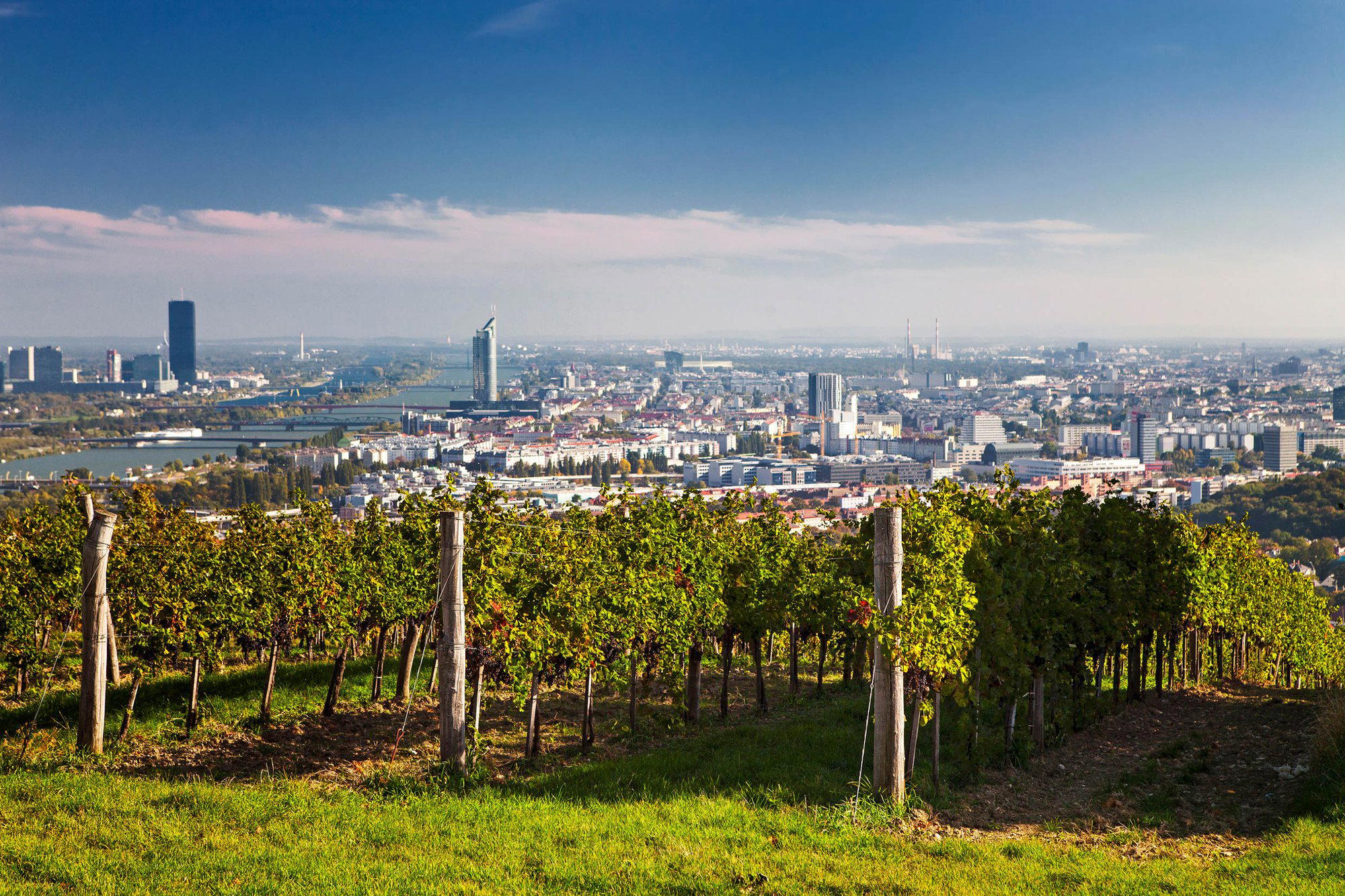
The town of Groß-Enzersdorf sits roughly 15 kilometres east of central Vienna, accessible by S-Bahn on the S80 line or by road through the Donaustadt district. It is a commuter town with a settled local population rather than a tourist destination, which shapes the kind of restaurant that survives there. Venues in this part of Lower Austria tend to serve regulars rather than passing traffic, which typically produces a more consistent kitchen and a more direct price structure than comparable venues in the tourist-facing first or seventh districts of Vienna. For the visitor, the journey is short enough to be practical as a dinner excursion from the city while feeling removed enough from the urban dining circuit to carry a distinct character. For reference on the broader Austrian regional dining scene beyond the capital, see our full Groß-Enzersdorf restaurants guide.
The Sachsengang estate itself, with its long history as an aristocratic property on the Viennese periphery, gives the address a gravitational weight that a generic suburban strip location would not. Dining near a historic schloss in Lower Austria carries associations with the region's deep-rooted hospitality culture, even when the food being served is emphatically Hellenic rather than Austro-Hungarian.
Ingredient Sourcing as the Central Argument
Structural challenge for any Greek kitchen operating in Central Europe is that the most consequential ingredients, cold-pressed Kalamata oil, feta made from sheep's milk under PDO designation, fresh whole fish from Aegean or Ionian waters, cannot be substituted without fundamentally changing what the dish is. The Marchfeld's local produce offers genuine quality in certain categories: seasonal vegetables, game from the surrounding hunting grounds, and dairy products from the wider Lower Austrian agricultural sector can all credibly anchor elements of a Mediterranean menu. But the imported foundation products remain non-negotiable if the cooking is to function as Greek food rather than as a loosely Greek-inflected Austrian kitchen.
This tension between local and imported sourcing is not unique to this taverna; it defines the entire category of Mediterranean restaurants operating in landlocked Central European settings. What distinguishes better examples of the format is transparency about that tension and discipline in resolving it: using local seasonal produce where it genuinely improves the dish, and refusing to compromise on the imported staples where authenticity depends on them. Austrian diners with access to the broader regional dining scene, from the Wachau producers supplying kitchens like Landhaus Bacher in Mautern an der Donau to the alpine ingredient traditions that inform restaurants like Kräuterreich by Vitus Winkler in Sankt Veit im Pongau, apply a high standard of sourcing literacy when they eat. A Greek taverna in this market has to meet that standard.
Planning Your Visit
Frequently asked questions
Is Griechische Taverne Am Sachsengang child-friendly?
The taverna format historically accommodates family groups, and the setting in Groß-Enzersdorf — a small market town rather than an urban dining district — suggests a relaxed, neighbourhood-oriented atmosphere. Contacting the restaurant directly via its address at Schloßhofer Str. 62 before visiting with young children is advisable.
Is Griechische Taverne Am Sachsengang better for a quiet night or a lively one?
Greek tavernas by format tend toward the communal end of the spectrum — shared plates, extended sittings, and a pace that resists rushing. Groß-Enzersdorf is a small town roughly 15 kilometres east of Vienna, which means the dining room is unlikely to carry the ambient noise of a city-centre crowd. Expect a setting that sits closer to a neighbourhood local than a high-energy urban restaurant.
Is Griechische Taverne Am Sachsengang a good dining option for visitors travelling from Vienna by public transport?
Groß-Enzersdorf is served by the S80 S-Bahn line from Vienna's Praterstern station, putting the town within roughly 30 minutes of the city centre — a workable journey for an evening meal. The taverna at Schloßhofer Str. 62 sits in a town that has very few comparable dining options, meaning this Greek kitchen operates as the primary destination rather than one choice among many. That dynamic shapes the experience: you are travelling specifically for it, which is a different proposition from restaurant-hopping in the city.
What's the must-try dish at Griechische Taverne Am Sachsengang?
Greek tavernas in Central Europe typically build their case around cold-pressed oils, aged feta, and grilled proteins — the sourcing quality of those foundational ingredients is usually the clearest indicator of kitchen ambition. Asking the kitchen directly at Schloßhofer Str. 62 what is fresh that day will give you the most accurate answer.
What's the address for Griechische Taverne Am Sachsengang?
Griechische Taverne Am Sachsengang is located at Schloßhofer Str. 62, 2301 Groß-Enzersdorf, Austria, Gro Enzersdorf.
Can I walk in to Griechische Taverne Am Sachsengang?
No booking data is publicly documented so walk-in availability can change. For a taverna operating in a small town like Groß-Enzersdorf, weeknight capacity is often more flexible than weekend sittings, but arriving without a reservation on a Friday or Saturday carries risk. Calling ahead or checking via the Schloßhofer Str. 62 address before making the trip from Vienna is the safer approach. Check the venue's official channels for the latest details.
In Context: Similar Options
Comparable venues nearby, for context on price, style, and recognition.
| Venue | Cuisine | Price | Awards | Notes |
|---|---|---|---|---|
| Griechische Taverne Am SachsengangThis venue — the venue you are viewing | Authentic Greek Taverna | $20–30 | Not listed | Not listed |
| Landstein | Traditional Austrian & Viennese | $20–30 | Not listed | Wien-Mitte |
| Pho Saigon | Authentic South Vietnamese | $20–30 | Not listed | Staatsoper |
| Lara | Modern Vegan Fine Dining | $50–100 | Michelin Plate | Stephansdom |
| La Stella | Italian Apericafe & Deli | $10–20 | Not listed | Staatsoper |
| Die Kochdame | Cozy Vegan & Vegetarian | $10–20 | Not listed | Wieden |
Continue exploring
More in Gro Enzersdorf
Restaurants in Gro Enzersdorf
All restaurants in Gro Enzersdorf →
Bars in Gro Enzersdorf
Browse all →

Hotels in Gro Enzersdorf
Browse all →


Details
- Lively
- Rustic
- Cozy
- Family
- Group Dining
- Casual Hangout
- Terrace
- Waterfront
- Waterfront
- Street Scene
- A La Carte
- Vegetarian Friendly
Current opening hours
- Monday
- 11:30 AM–2:30 PM, 5:30–11 PM
- Tuesday
- 11:30 AM–2:30 PM, 5:30–11 PM
- Wednesday
- 11:30 AM–2:30 PM, 5:30–11 PM
- Thursday
- 11:30 AM–2:30 PM, 5:30–11 PM
- Friday
- 11:30 AM–2:30 PM, 5:30–11 PM
- Saturday
- 11:30 AM–2:30 PM, 5:30–11 PM
- Sunday
- 11:30 AM–10 PM
Hours can change for holidays and private events. Last verified .
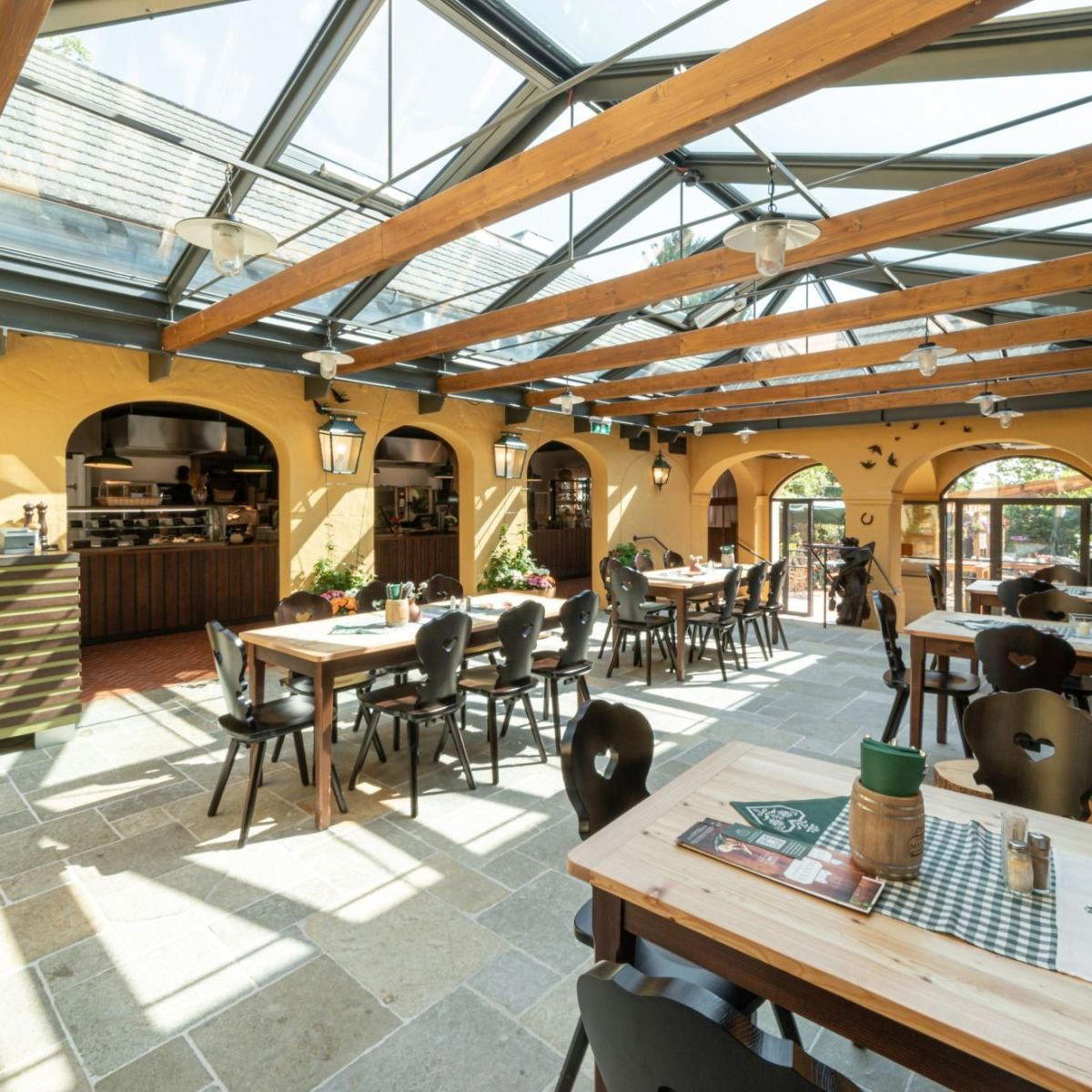
Noisy and full of atmosphere with a bright, clean interior and terrace overlooking the canal, ideal for family gatherings.