Yamamoto occupies a address on Schmiedgasse 22 in central Graz, placing it within the city's compact dining corridor where Japanese-influenced cooking sits alongside Styrian and international formats. The venue draws a loyal repeat clientele, a pattern common among Graz's more focused, specialist operations. Visitors planning ahead will find it positioned as a contrast to the region's dominant farm-to-table and seasonal Austrian tradition.
Pearl is the En Primeur Club membership app — saves, bookings, and concierge access live there. Same editors, same standards.
- Address
- Schmiedgasse 22, 8010 Graz, Austria
- Phone
- +43316812627
- Website
- yamamoto-sushibar.at
- Directions
- Get directions
 Saves & bookings on Pearl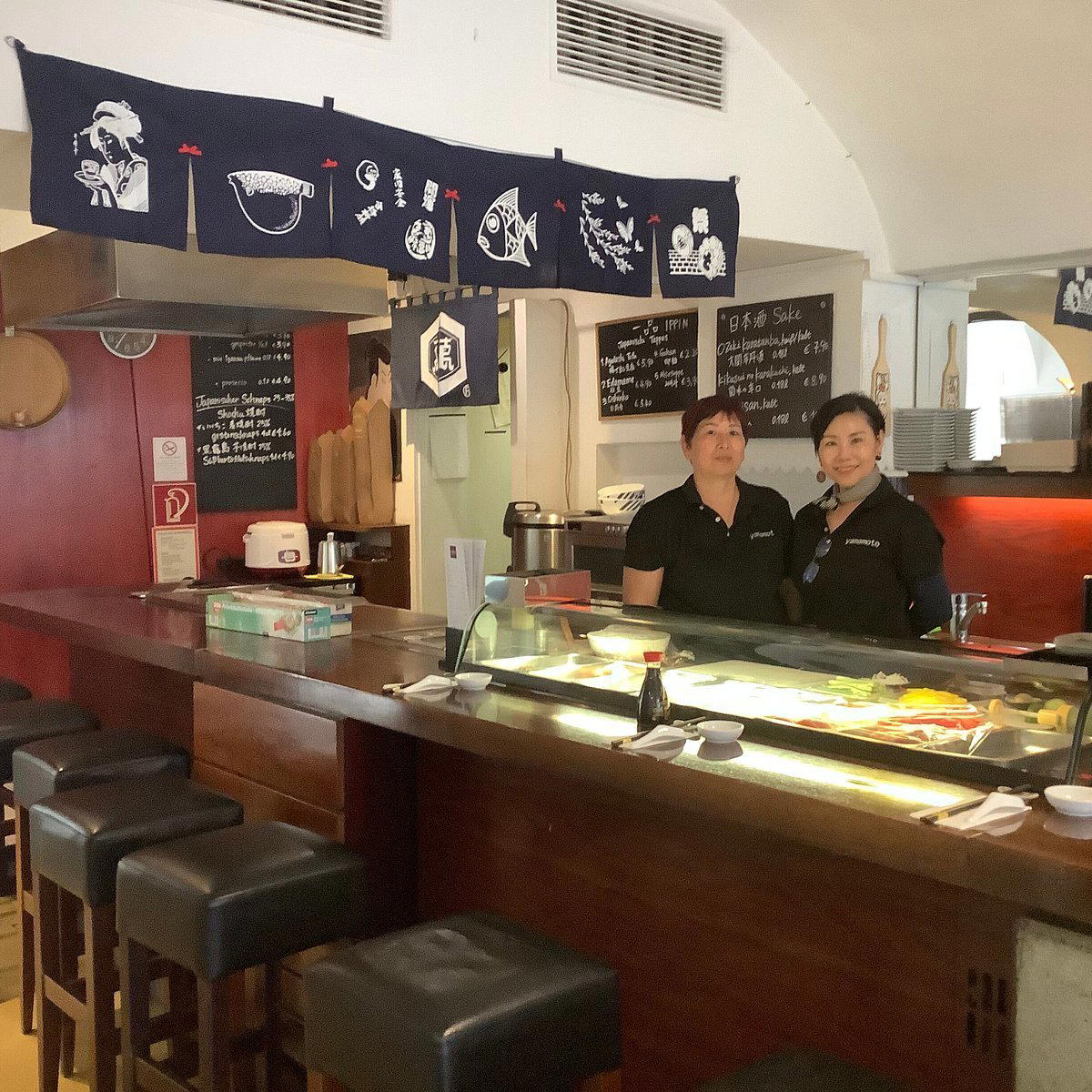
Japanese Cooking in a City That Runs on Styrian Tradition
Yamamoto is a casual Japanese restaurant at Schmiedgasse 22, 8010 Graz, Austria, serving Authentic Japanese Sushi & Ramen at about $25 per person. Schmiedgasse is one of Graz's more dependable dining streets, running close enough to the Hauptplatz to catch foot traffic but far enough from it that the restaurants here tend to attract people who have made a specific decision to come. That specificity matters when you consider what Yamamoto represents in the city's dining structure. Graz has built its culinary reputation on Styrian produce, seasonal Austrian cooking, and a farm-to-table sensibility that runs through venues from Artis (Creative) to Adelphia. A Japanese address at Schmiedgasse 22 sits in deliberate counterpoint to that dominant mode.
Steirereck im Stadtpark in Vienna anchors the country's upper tier, while destination restaurants like Ikarus in Salzburg and Obauer in Werfen pull international visitors to smaller cities. Graz operates slightly differently: its restaurant culture is more resident-driven, which tends to produce venues with stronger regulars and less dependence on seasonal tourism. Yamamoto, positioned on Schmiedgasse, fits that pattern.
What the Regulars Know
Loyal clientele at specialist restaurants in mid-sized European cities share a particular dynamic with the venues they return to. The relationship is not built on novelty. It is built on consistency, on the kind of cooking that does not require explanation after the third visit, and on the confidence that comes from a kitchen that has refined rather than reinvented its output over time. In Graz, where the dining scene is compact enough that word travels quickly between the city's food-literate residents, a Japanese restaurant at this address will have earned its repeat visitors through exactly that logic.
The comparison set matters here. Graz's middle and upper tiers include venues like Aiola im Schloss, which trades on its Schlossberg setting, and aiola upstairs, which occupies a similar refined position in the city's dining hierarchy. Arravané brings an international perspective to the local offering. Against that backdrop, a Japanese-leaning venue holds a distinct position: it is not competing for the same diner as a seasonal Styrian kitchen, and its regulars are likely drawn from a subset of the city's population that actively seeks out a different reference point in their eating.
That subset tends to be more exacting. In cities across Europe where Japanese restaurants operate outside Tokyo's direct supply chain, the regulars who sustain them do so because the kitchen has found a workable local interpretation, sourcing what it can from regional suppliers while maintaining the discipline of the cuisine's original forms. Whether Yamamoto works within that framework is something its clientele has already evaluated. The fact that the address persists on Schmiedgasse suggests the answer has been satisfactory.
The Broader Austrian Context for Japanese Dining
Japanese cooking in Central Europe sits within a specific historical arc. The postwar decades saw Austrian cities absorb international dining formats gradually, with Chinese restaurants preceding Japanese ones by a generation. By the time serious sushi and kaiseki formats arrived in cities like Vienna and Graz, they entered a market that had already developed a vocabulary for non-European cuisine, but not necessarily the infrastructure for high-end Japanese technique.
The Austrian venues that have pushed Japanese or Japanese-influenced cooking furthest tend to cluster in Vienna and Salzburg. The rest of the country's Japanese dining options range from casual sushi chains to small, owner-operated rooms where the ambition runs higher than the footprint. Graz, as Austria's second city, has enough of a professional and academic population to sustain the latter format. Yamamoto at Schmiedgasse 22 sits within that category as it reads from the city's dining geography.
For context on how Austria's serious restaurant culture operates at altitude, Gourmetrestaurant Tannenhof in Sankt Anton am Arlberg, Griggeler Stuba in Lech, and Kräuterreich by Vitus Winkler in Sankt Veit im Pongau represent the alpine end of that spectrum. Landhaus Bacher in Mautern an der Donau and Döllerer in Golling an der Salzach operate within the country's well-regarded regional tradition. Yamamoto's position is different from all of these: it is a city-centre, cuisine-specific address whose reference points are Japanese rather than Styrian or alpine.
Internationally, the standard for Japanese cooking at the serious end is set by venues like Atomix in New York City, which applies Korean-Japanese technique within a Western urban context, or the precision-driven seafood tradition represented by Le Bernardin in New York City. Those are different scales and different markets, but they illustrate the range of ambition possible when Asian culinary disciplines are transplanted into Western cities. Graz operates far below that tier in terms of international profile, but the local dynamics that sustain a specialist Japanese address here are not entirely dissimilar: committed regulars, a distinct offer, and a kitchen that does not try to be everything.
Planning a Visit
Yamamoto is located at Schmiedgasse 22, 8010 Graz, in the city's walkable central district. The Schmiedgasse address places it within easy reach of Graz's main public transport connections and within the compact pedestrian zone that defines the city's dining core. Reservations are recommended, particularly for evening sittings. Nearby, Ois in Neufelden and Restaurant 141 by Joachim Jaud in Mieming represent the kind of focused, single-operator ambition that characterises Austria's better regional dining, offering useful comparison if you are building a wider Austrian itinerary around this visit.
Cost and Credentials
Comparable venues nearby, for context on price, style, and recognition.
| Venue | Cuisine | Price | Notes |
|---|---|---|---|
| YamamotoThis venue — the venue you are viewing | Not listed | $$ | Not listed |
| Mau Shi | Innere Stadt, Asian-Austrian Fusion | $$ | Not listed |
| Café Moses | Gries, Authentic Lebanese Mezze & Café | $$ | Not listed |
| Pad Thai | Geidorf, Authentic Thai | $$ | Not listed |
| Kaoo Riverside | Not listed | $$ | Innere Stadt, Modern Asian All-You-Can-Eat À La Carte |
| SAKANA | Geidorf, Modern Japanese Sushi | $$$ | Not listed |
Continue exploring
More in Graz
Restaurants in Graz
Browse all →
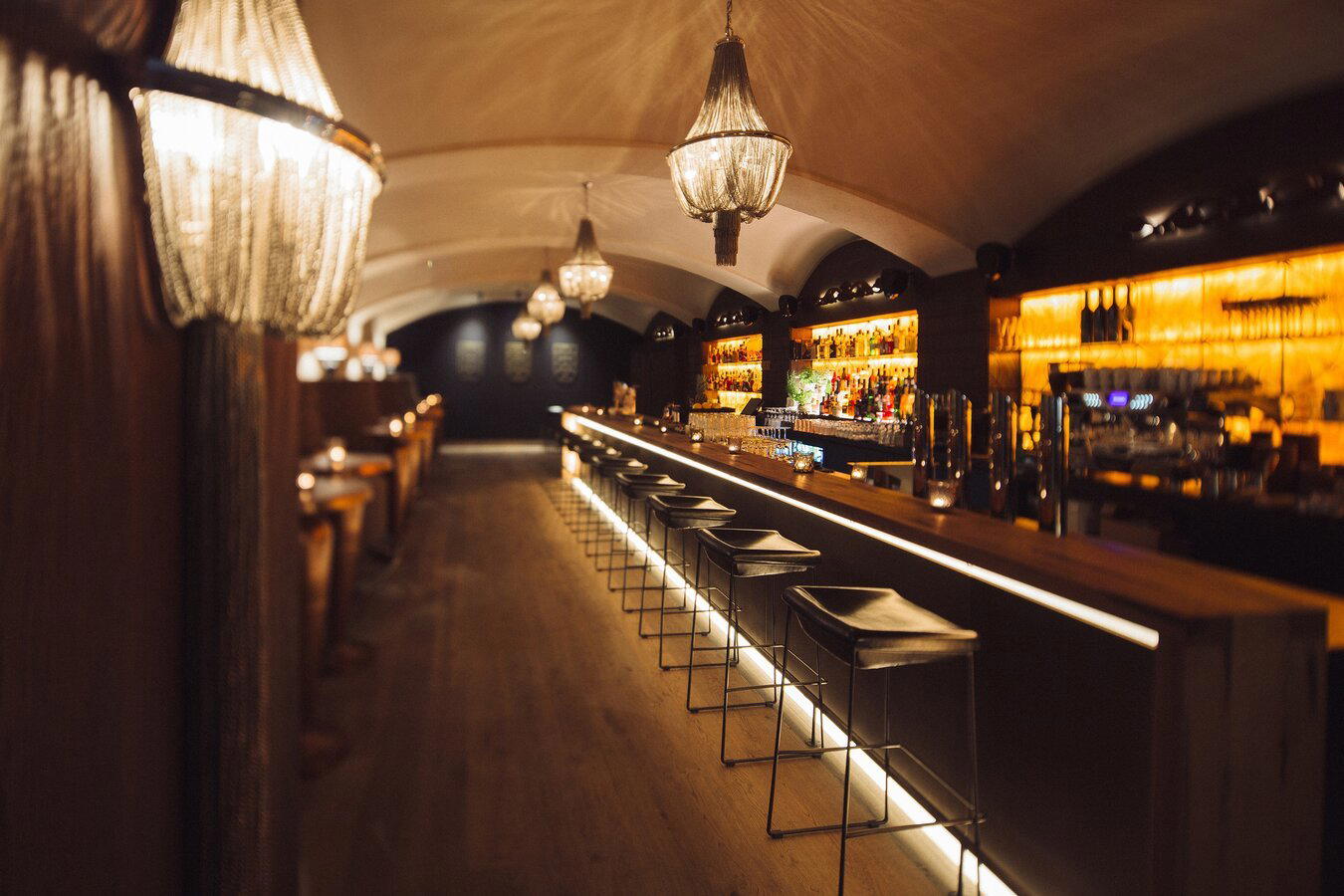
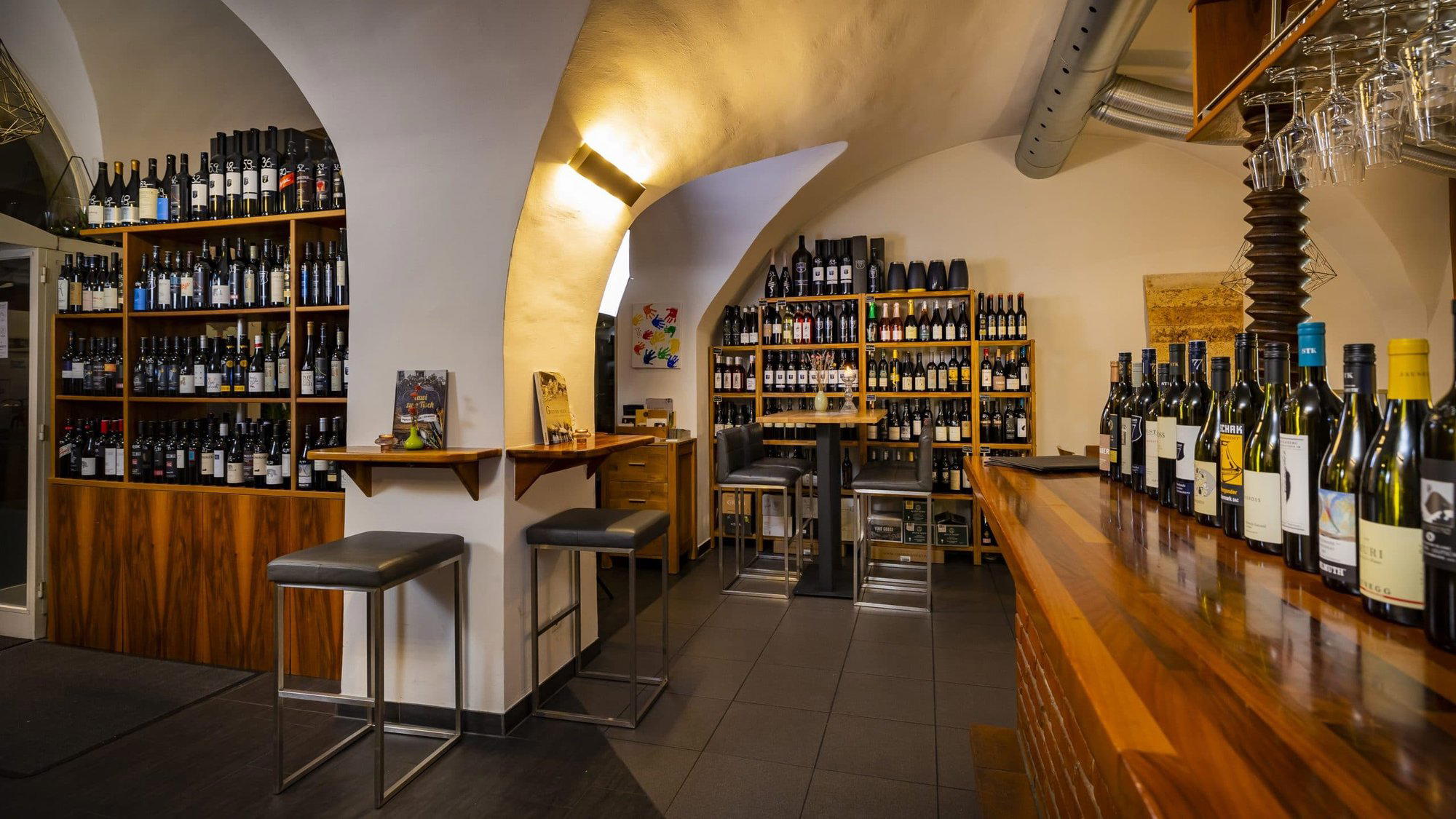
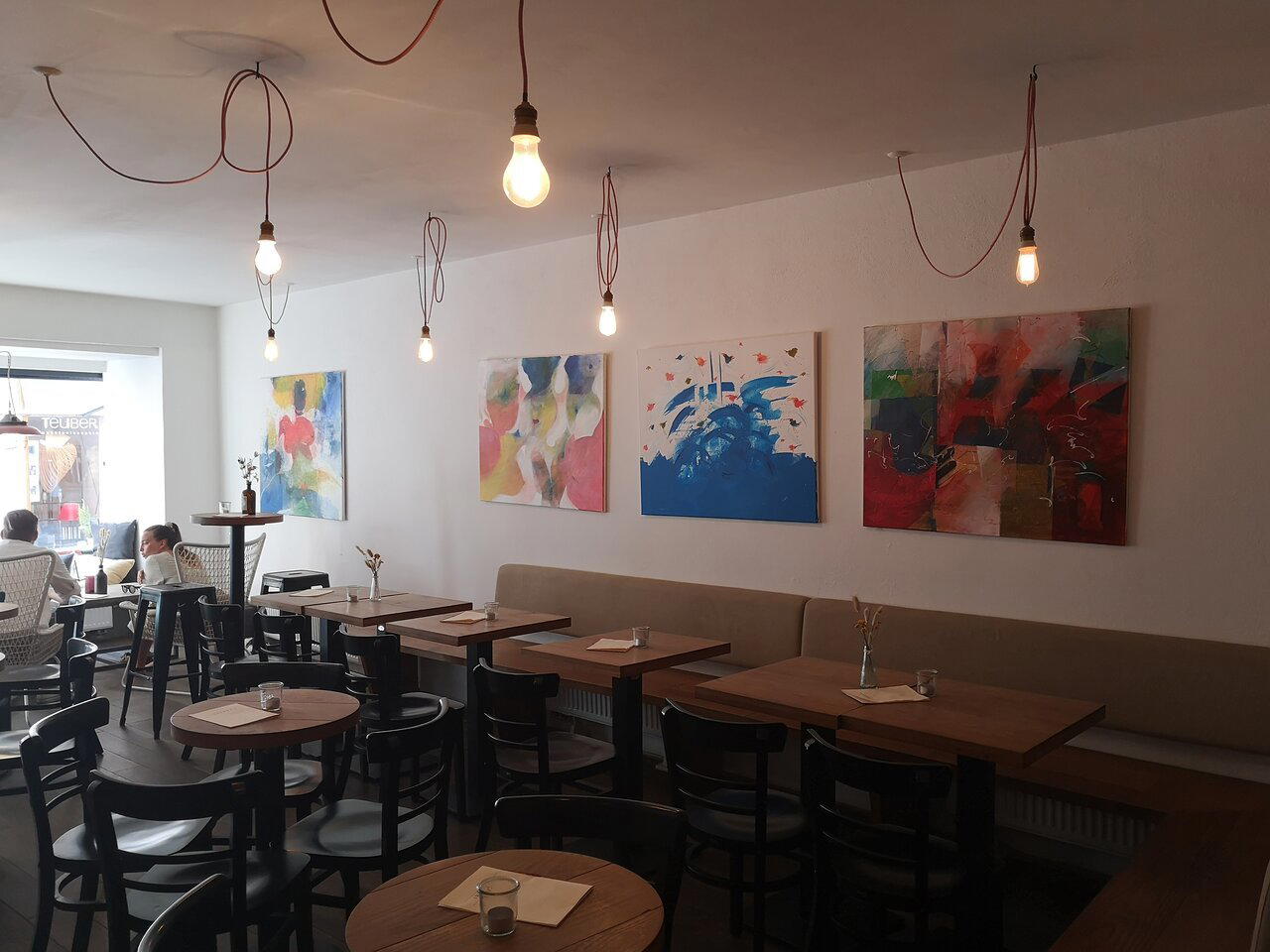
Bars in Graz
Browse all →
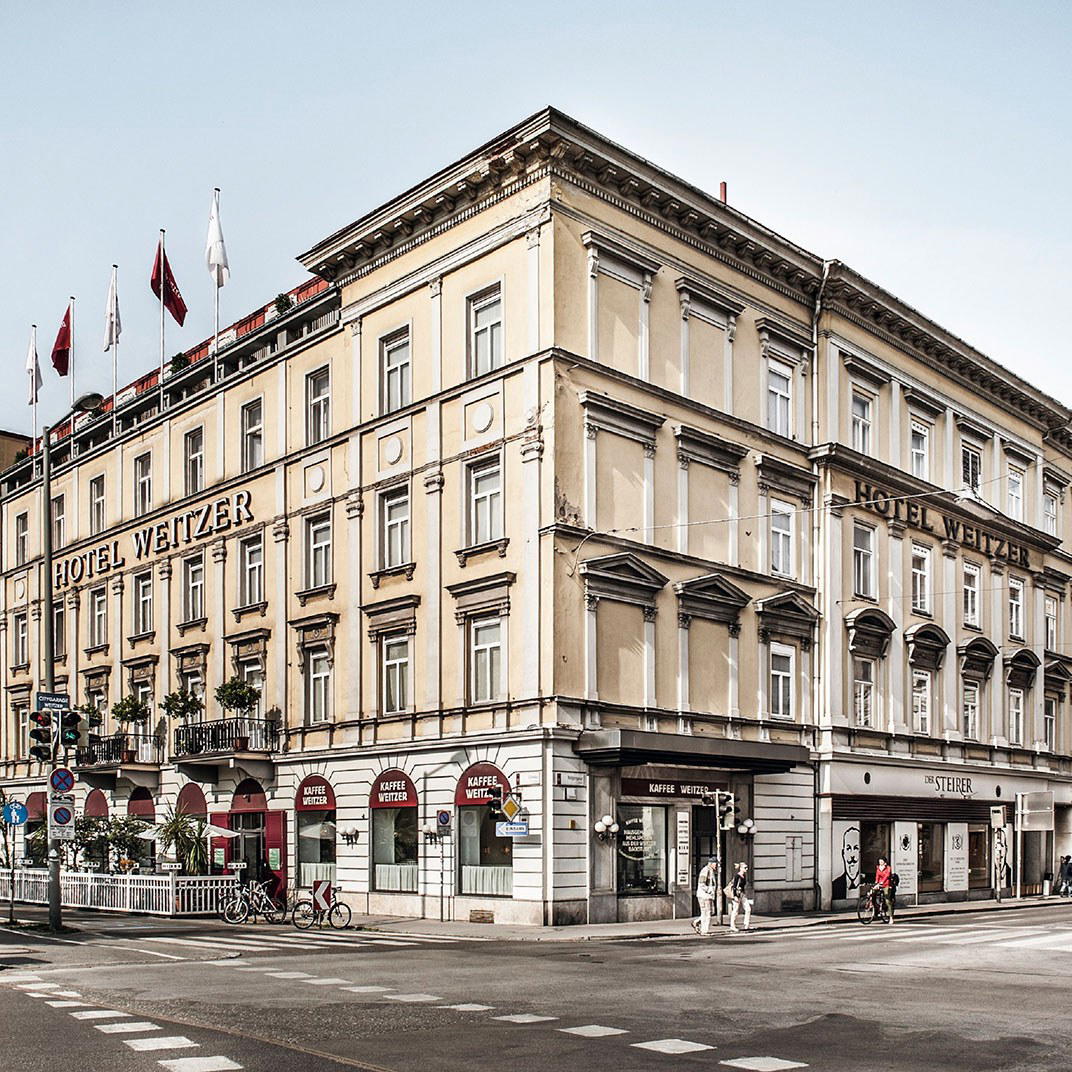
Hotels in Graz
Browse all →



At a Glance
- Cozy
- Modern
- Intimate
- Casual Hangout
- Solo
- After Work
- Open Kitchen
- Sake Program
- Beer Program
Current opening hours
- Monday
- 11:30 AM–10:30 PM
- Tuesday
- 11:30 AM–10:30 PM
- Wednesday
- 11:30 AM–10:30 PM
- Thursday
- 11:30 AM–10:30 PM
- Friday
- 11:30 AM–10:30 PM
- Saturday
- 11:30 AM–10:30 PM
- Sunday
- Closed
Hours can change for holidays and private events. Last verified .
Cozy small sushi bar with careful plating and fine attention to flavor presentation; intimate counter-style dining experience.