Theresas - Eine Art Gasthaus
Our verdict
Theresas - Eine Art Gasthaus sits on Kirchengasse 4 in Deutschlandsberg, a small Styrian market town in Austria's southern wine country. The name, loosely translated as 'a kind of Gasthaus', signals a deliberate positioning between tradition and something less easy to categorise. For visitors exploring the region's dining options beyond the well-trodden Graz circuit, it represents a local point of reference worth understanding in context.

Pearl is the En Primeur Club membership app, where members save venues, book tables and use the concierge.
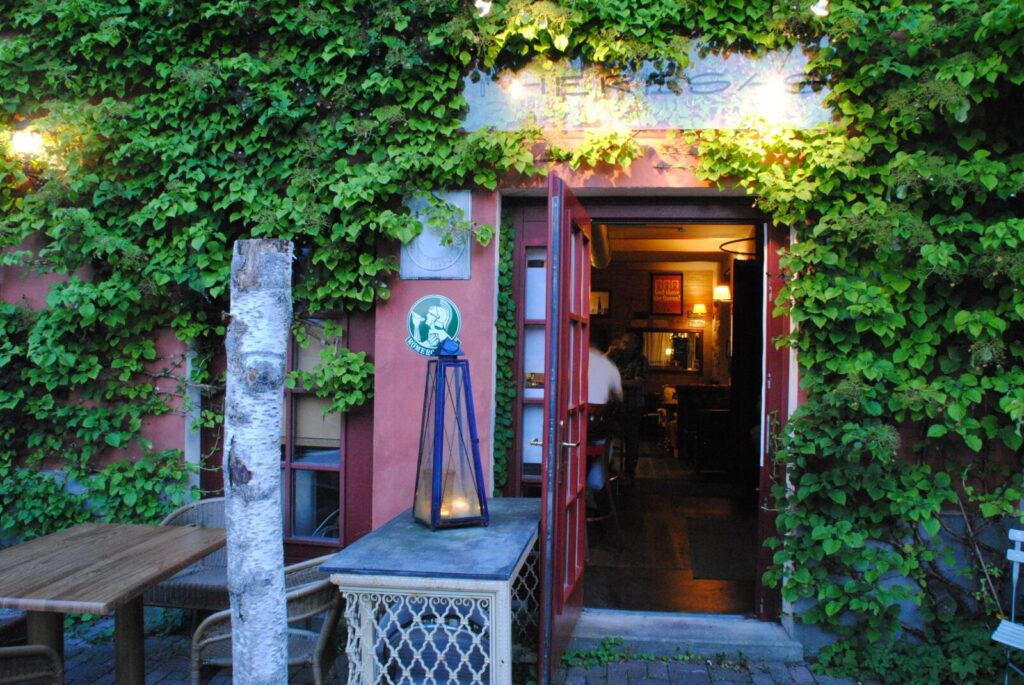
Kirchengasse and the Styrian Gasthaus Tradition
Styria's culinary identity is built on a specific tension: between the farmhouse directness of its Gasthaus culture and the increasingly refined register that defines restaurants like Steirereck im Stadtpark in Vienna or Taubenkobel in Schützen am Gebirge. The Gasthaus, not a tavern in the tourist-brochure sense, but a place of genuine communal eating, seasonal produce, and local wine, remains the social infrastructure of Austrian provincial life. Deutschlandsberg, a compact market town in the Schilcher wine belt of western Styria, operates within that tradition, and Theresas - Eine Art Gasthaus addresses it by name.
The phrase eine Art Gasthaus, 'a kind of Gasthaus', is itself an editorial act. It signals self-awareness about format: the kitchen is working inside a recognisable Austrian idiom while declining to be fully contained by it. That kind of positioning is more common in Graz or Vienna, where restaurants like Landhaus Bacher in Mautern an der Donau have long navigated the space between regional rootedness and culinary ambition. In a smaller town like Deutschlandsberg, making that declaration carries more weight, there are fewer comparable addresses to absorb the positioning, and the local dining scene is less insulated from it.
Deutschlandsberg as a Dining Address
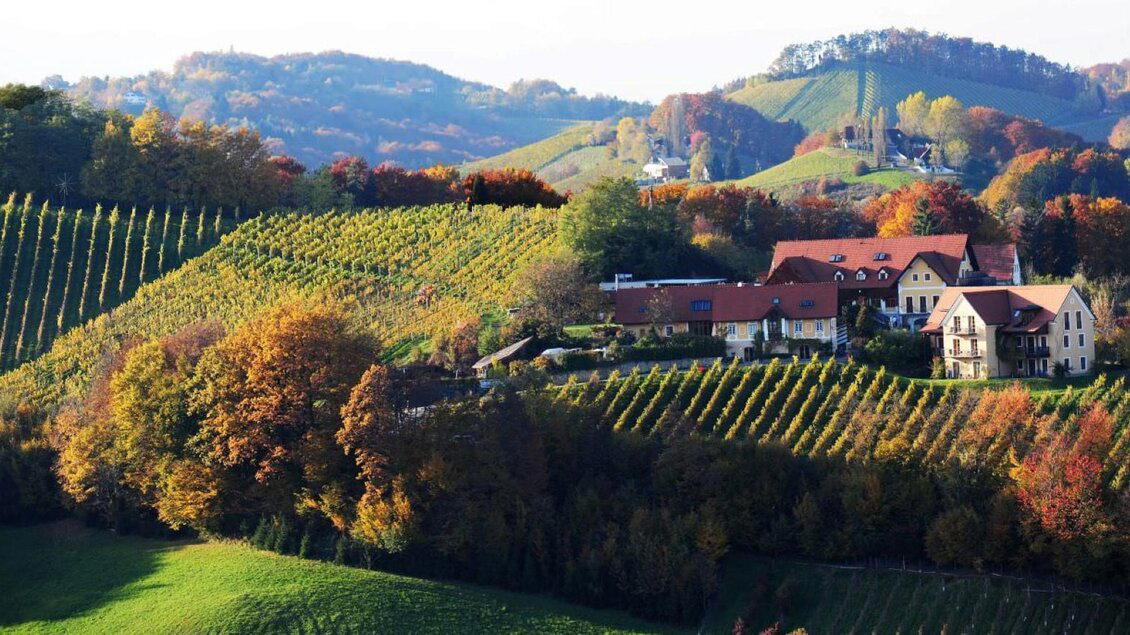
Deutschlandsberg sits roughly 40 kilometres southwest of Graz, at the edge of the Schilcher wine region, an area defined by the indigenous Blauer Wildbacher grape and a wine culture that runs parallel to but distinct from Styria's more internationally recognised white wine corridor. The town is overlooked by Burg Deutschlandsberg, a medieval castle that functions as one of the area's primary cultural anchors, and the local restaurant scene is thin by the standards of larger Austrian cities. That context matters when assessing an address like Theresas: in a town with limited culinary infrastructure, a restaurant that draws a clear line around its own format is doing something legible to its community.
For visitors coming from outside the region, Deutschlandsberg is the kind of stop that makes sense as part of a wider Styrian itinerary rather than a standalone destination. The western Styrian wine roads, the proximity to the Slovenian border, and the agricultural rhythm of the Schilcher belt give the area a character that is coherent but not yet well-mapped by international food media. Kollar Göbl is the other local address worth noting in the same town. Both represent what small-town Austrian dining looks like when it takes itself seriously without performing that seriousness for external audiences. For a fuller picture of what the town offers, our full Deutschlandsberg restaurants guide maps the options in more detail.
The Austrian Provincial Restaurant in Broader Context
Austria's restaurant culture outside its main cities operates differently from the equivalent tier in, say, France or Japan. The provincial address in Austria tends to draw its authority from seasonal produce relationships, wine region proximity, and accumulated local trust rather than from award cycles or chef celebrity. Restaurants like Obauer in Werfen or Döllerer in Golling an der Salzach demonstrate that the provincial model can reach significant critical recognition, but those addresses have built over decades and operate in regions with stronger tourist infrastructure. The western Styrian case is different: the Schilcher belt does not yet generate the inbound volume that the Salzkammergut or Wachau do, which means that a restaurant in Deutschlandsberg is, in practice, largely serving a local and regional audience.
That audience is not unsophisticated. Styrian food culture is specific and proud: pumpkin seed oil, Schilcher rosé, Verhackert, and a strong preference for named-farm sourcing are regional markers that informed local diners take seriously. A kitchen describing itself as eine Art Gasthaus is entering a conversation where those markers carry cultural meaning. The equivalent move in an Alpine context might be something like Griggeler Stuba in Lech or Stüva in Ischgl, kitchens that frame themselves against regional tradition while clearly operating at a different register. The comparison is not direct, but the formal self-positioning is structurally similar. Further afield, the distance between a grounded regional format and a destination kitchen is just as visible at Kräuterreich by Vitus Winkler in Sankt Veit im Pongau or Gourmetrestaurant Tannenhof in Sankt Anton am Arlberg.
What the Format Implies
The Gasthaus format, when handled with care, is one of the more durable structures in Central European dining. It implies shared tables or close-set covers, a menu that changes with market availability, a wine list weighted toward local producers, and a service register that is warm rather than formal. In the Austrian context, it also implies a certain democratic pricing logic, the Gasthaus is not historically a vehicle for tasting-menu ambition, though contemporary kitchens across Austria and Germany have complicated that assumption. Addresses like Ois in Neufelden or Restaurant 141 by Joachim Jaud in Mieming show how that tension is playing out across the Austrian provinces.
At Theresas, the name itself suggests the kitchen is working within that tension deliberately. The address on Kirchengasse 4 places it in the centre of Deutschlandsberg's old town, which is the natural location for a community-facing restaurant rather than a destination-driven one.
Planning a Visit
Deutschlandsberg is accessible by regional rail from Graz, with journey times in the range of one hour depending on the connection, and by car it sits on the B76 southwest of the city. The town itself is walkable, and Kirchengasse is in the central old-town area. The Schilcher wine harvest in autumn gives the broader region a particular culinary texture during that season, and a visit timed to that period would place a meal at Theresas within a wider regional context worth understanding. For visitors building a longer Austrian itinerary that includes high-end reference points, Ikarus in Salzburg and Schwarzer Adler in Hall in Tirol represent the kind of formally recognised Austrian kitchens that provide useful comparison anchors. And for those extending the trip internationally, the structural gap between a western Styrian Gasthaus and a destination address like Le Bernardin in New York City or Atomix in New York City is a useful reminder of how differently the same hospitality instinct can express itself across contexts.
Frequently asked questions
Is Theresas - Eine Art Gasthaus a family-friendly restaurant?
The Gasthaus format that Theresas operates within has historically been one of the most inclusive structures in Austrian dining, shared tables, unpretentious service rhythms, and a setting rooted in community rather than occasion. Deutschlandsberg itself is a small regional town rather than a tourist centre, which tends to shape a relaxed, local-facing atmosphere.
Is Theresas - Eine Art Gasthaus formal or casual?
The name itself signals the register: 'Eine Art Gasthaus', roughly, 'a kind of inn', points toward an interpreted version of the traditional Austrian Gasthaus rather than a formal dining room. That framing sits closer to considered-casual than to white-tablecloth service, consistent with how Styria's stronger provincial restaurants have developed over the past decade. The Kirchengasse 4 address in Deutschlandsberg places it in a small-town context where formality rarely dominates.
Is Theresas - Eine Art Gasthaus worth visiting from Graz?
Deutschlandsberg sits roughly 40 kilometres southwest of Graz, making Theresas a plausible day-trip destination for anyone already exploring the Schilcher wine region. The venue's framing as 'eine Art Gasthaus', an interpreted rather than conventional inn, gives it a distinct position among southern Styrian dining addresses. Regional rail connects Graz and Deutschlandsberg, with journey times in the range of one hour depending on the connection.
What should I eat at Theresas - Eine Art Gasthaus?
What the Gasthaus format and Styrian location do suggest is a kitchen likely working within the region's produce-led traditions, the area around Deutschlandsberg is defined by its Blauer Wildbacher grape and farmhouse cooking heritage. Checking the venue directly or visiting their website when live will give you the most accurate picture of current offerings.
Booking and Cost Snapshot
| Venue | Cuisine | Price | Awards | Notes |
|---|---|---|---|---|
| Theresas - Eine Art GasthausThis venue (the venue you are viewing) | Regional Austrian Gasthaus | $20–30 | Not listed | Not listed |
| Steirereck im Stadtpark | Modern Austrian Fine Dining | $200–300 | 3 Michelin Stars · World's 50 Best #33 | Creative |
| Döllerer | Modern Alpine Cuisine | $100–150 | 2 Michelin Stars · La Liste Top Restaurants | Contemporary Austrian, Innovative |
| Ikarus | Guest Chef Fine Dining | $200–300 | 2 Michelin Stars · La Liste Top Restaurants | Modern European, Creative |
| Konstantin Filippou | Modern Fish-Led Fine Dining | $200–300 | 2 Michelin Stars · La Liste Top Restaurants | Modern European, Modern Cuisine |
| Landhaus Bacher | Classic Austrian Fine Dining | $100–150 | 2 Michelin Stars · La Liste Top Restaurants | Austrian, Classic Cuisine |
Continue exploring
More in Deutschlandsberg
Restaurants in Deutschlandsberg
All restaurants in Deutschlandsberg →
Bars in Deutschlandsberg
Browse all →
Hotels in Deutschlandsberg
Browse all →



Details
- Rustic
- Cozy
- Special Occasion
- Date Night
- Open Kitchen
- Extensive Wine List
- Local Sourcing
- A La Carte
- Wine
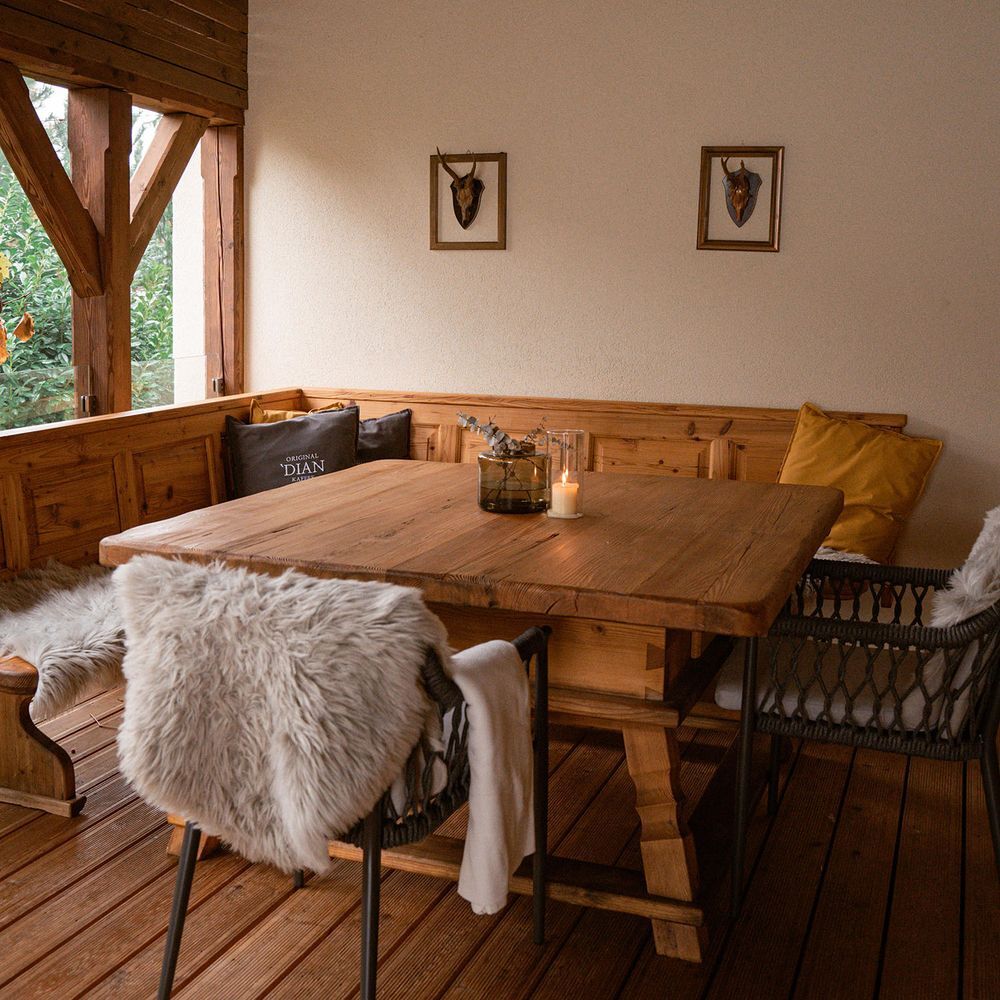
Warm and welcoming gasthaus atmosphere focused on culinary passion and regional flavors.